
This guide contains affiliate links. If you book through them, we earn a small commission at no extra cost to you. We only recommend ryokan we’ve stayed at or researched thoroughly.
If you ask me what the best ryokan in Kyoto is, I’ll tell you Tawaraya. If you ask why, I’ll tell you because it’s an actual ryokan. That’s not a tautology, it’s the whole point of this article.
Look at any major hotel-booking platform’s “ryokan in Kyoto” filter and you’ll get 200+ properties. Most of them are not ryokan. They’re hotels with tatami rooms. Or modern boutique stays with one Japanese-style suite. Or business hotels that bought a couple of rolls of tatami matting at some point and stuck them in the photos. Some of them are perfectly nice places to stay. None of them are what you came to Kyoto for if you typed “ryokan” into a search bar.
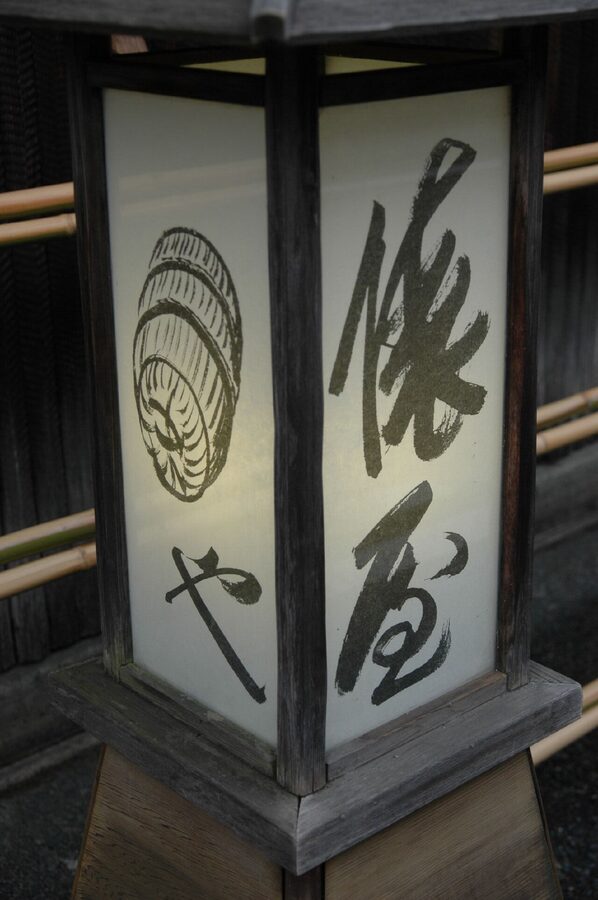
A real ryokan, the kind worth flying to Japan for, is a heritage inn run by a single family across generations, where you sleep on futon on tatami floors, where dinner is kaiseki served in your room at a time you set with the okami at check-in, where the same staff who poured your tea on arrival rolls out your bedding while you’re at the bath. There are about a dozen of these in Kyoto. Maybe fifteen if you’re generous. There are not three hundred.
This is a ranked list of the ones worth the splurge, with what each actually costs, what each actually serves at dinner, what’s included in the room rate, what isn’t, and which ones don’t bother with Booking.com because they don’t need to. I’ve stayed at most of these. The ones I haven’t stayed at, I’ve sat across from the okami at, talked to former guests of, or eaten at the in-house restaurant. None of them appear in this list because they paid for it.
In This Article
- Quick reference: which one for which traveller
- What makes a ryokan an actual ryokan
- 1. Tawaraya, the actual answer
- 2. Hiiragiya, across the road and a measurable second
- 3. Hoshinoya Kyoto, the boat-access ryokan that’s actually a ryokan
- 4. Yachiyo, the ryokan in Nanzen-ji’s gate
- 5. Kinmata, where the kaiseki is the reason to stay
- 6. Yoshikawa, the tempura ryokan in the centre
- 7. Yuzuya, Higashiyama luxury
- 8. Seikoro, mid-budget heritage near the river
- 9. Sowaka, the modern ryokan with Western beds
- 10. Gion Yoshiima, in Gion, ozashiki on request
- 11. Motonago, the Higashiyama walker’s choice
- 12. Kikokuso, the centre’s lower-budget heritage
- What this list deliberately leaves out
- Why Tawaraya is first and Hiiragiya is second
- How to actually book a heritage ryokan
- What you actually do during a ryokan stay
- What the food actually is
- Seasonal pricing and how many nights
- Quick recommendations by traveller type
Quick reference: which one for which traveller
| # | Ryokan | Best for | From / night with kaiseki | Book |
|---|---|---|---|---|
| 1 | Tawaraya | Heritage seekers, repeat travellers | ¥150,000 (room from ~¥85,000 + dinner) | Direct only |
| 2 | Hiiragiya | First-time top-tier, near Tawaraya | ¥110,000 | Direct or Booking |
| 3 | Hoshinoya Kyoto | Riverside seclusion, Arashiyama base | ¥150,000+ | Direct only |
| 4 | Yachiyo, Nanzen-ji | Garden-view rooms, easy access | ¥55,000 | Booking |
| 5 | Kinmata | Kaiseki obsessives, smaller stay | ¥75,000 | Direct only |
| 6 | Yoshikawa | Tempura ryokan in centre | ¥45,000 | Direct only |
| 7 | Yuzuya | Higashiyama-side luxury | ¥60,000 | Booking |
| 8 | Seikoro | Mid-budget heritage in centre | ¥40,000 | Booking |
| 9 | Sowaka | New-build, Western beds + kaiseki | ¥80,000 | Booking |
| 10 | Gion Yoshiima | In Gion proper, ozashiki on request | ¥45,000 | Booking |
| 11 | Motonago | Higashiyama walks, smaller budget | ¥30,000 | Booking |
| 12 | Kikokuso | Centre, lower entry price | ¥28,000 | Booking |
What makes a ryokan an actual ryokan
Pick any property below and at least seven of these will be true. The top entries hit all nine.
- Family-run, multi-generational. Tawaraya is on its eleventh Okazaki generation. Hiiragiya is on its sixth. Even the newer entries (Sowaka, Yoshiima) are family operations, not chains.
- Single-building, ten to thirty rooms. A wooden building, often with an internal garden, where the corridor noise carries. Not a tower.
- Tatami floors and futon bedding in the main rooms. Real zashiki (sitting room) layout that converts to a sleeping room when staff lay out the futon at night. A few entries offer Western-bed alternatives in newer wings, and I’ll flag them.
- Two kaiseki meals as standard, served in your room or in a private alcove. Dinner is the headline. Breakfast is the test of whether the ryokan is serious. A real ryokan’s breakfast is a fifteen-piece tray at the time you specified, not a buffet downstairs.
- An okami who knows you by sight by the second day. The okami is the female proprietor, usually in kimono, who runs the floor. Service is built around her memory. She’ll know you ordered the rice porridge breakfast yesterday and adjust the rice ratio today.
- Yukata and slippers waiting in the room when you arrive. A yukata (cotton robe) sized to you, not a one-size-fits-all bathrobe. You wear it at dinner.
- A cypress bath, refilled before each guest’s appointment. The communal bath in old ryokan is reserved by individual guests, not “open hours.” A few entries here have rooms with private outdoor baths (rotenburo), at a premium.
- Quiet at 6am. No early breakfast service, no luggage trolleys. The corridors are silent. Other guests are reading and waiting for breakfast to arrive.
- No room service menu in the Western sense. What you eat at dinner is what the kitchen is cooking that night. Allergies go to the okami at booking, not at the table.
If a property fails more than two of these, it’s a hotel with tatami rooms, not a ryokan. Keep that in mind when you see “Ryokan Whatever Hotel & Spa” on Booking with 180 rooms and a buffet.
1. Tawaraya, the actual answer
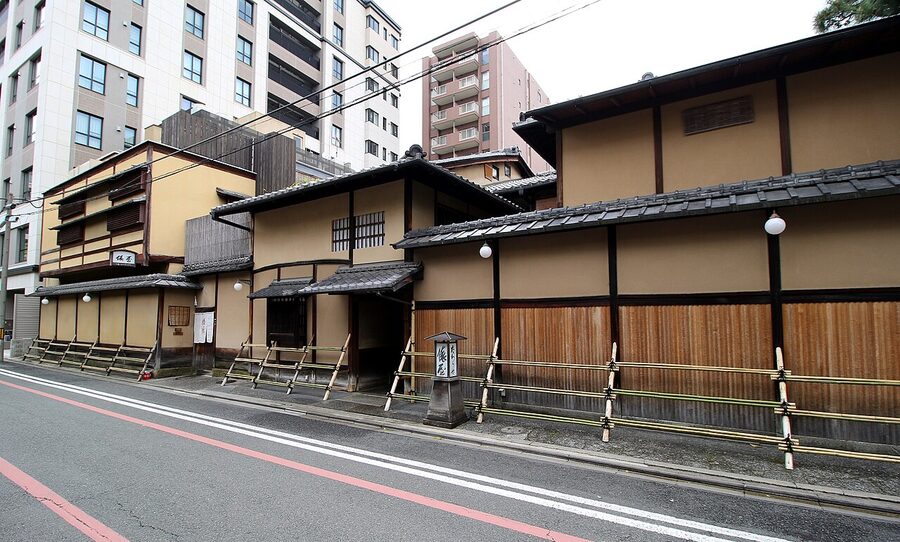
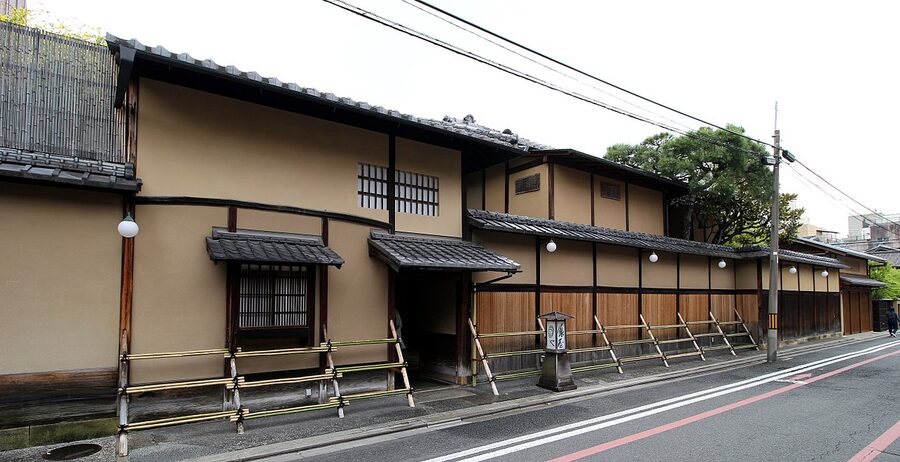
Location: Fuyacho-dori at Anekoji, central Kyoto. Six minutes from Karasuma-Oike Station (Karasuma and Tozai lines, exit 3).
Rooms: 18, all named, several with private interior gardens
From: ¥85,000/night room only; ¥150,000-¥250,000 with kaiseki dinner per person
Best for: Travellers who want the most uncompromising version of a ryokan and can spend the money for it
Tawaraya is the answer if you take the word ryokan seriously. Eleven generations of the Okazaki family have run it on the same site since the early 1700s. Some of the rooms are over a century old. The interior corridors bend in ways no architect would draw because they were built around an existing garden, then around an extension, then around another, over three centuries.
There’s no online booking system. You email or fax, wait three to five days, confirm a deposit by international transfer or in person at check-in. The okami’s daughter usually handles English correspondence. By the time you arrive, she knows your name and what you eat.
The room comes first. Most are corner rooms with three sliding screens and an inner garden visible from the shoji (paper screen). Mine had a bath cut from a single block of hinoki cypress that fills to the brim and refills slowly through a cedar tap. The futon is laid out while you’re at dinner or at the bath, on a mat under-layer with three pillows of different firmness, swappable on request.

Dinner is the headline and Tawaraya’s kaiseki is the equal of standalone restaurants charging two to three times more. Ten to twelve courses, roughly two hours, served in your room on lacquerware. The opening sakizuke arrives at your specified time, give or take five minutes. Then the hassun (seasonal eight-piece tray), a clear soup, sashimi, a grilled course (often amadai, sweetfish, or seasonal fish from Wakasa), a steamed course, a fried course, rice with tsukemono (pickles) and akadashi (red miso soup), dessert. Each course is paced by the staff, who watch from outside the room. If you take a phone call mid-meal, the next course pauses.
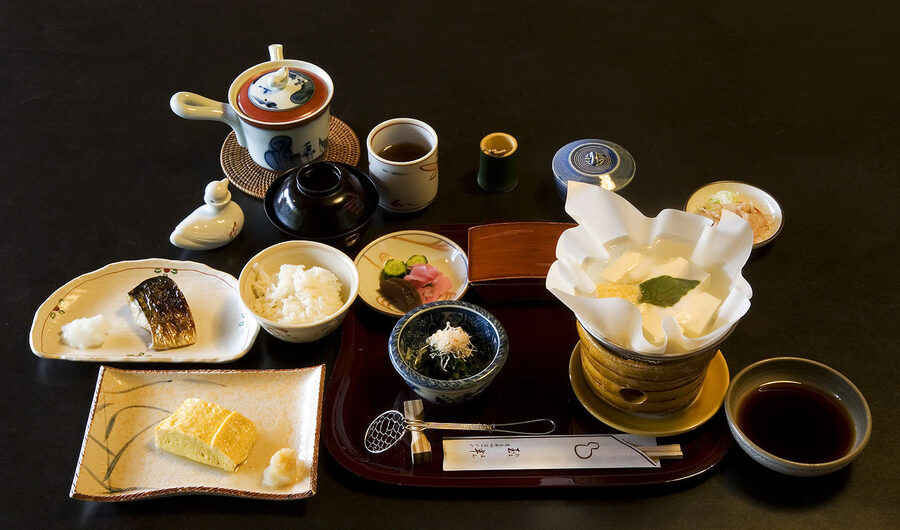
Breakfast is two-track. The standard ryokan breakfast comes around 7:30am or whenever you set: grilled fish (often karei or aji), a bowl of tofu, a small simmered vegetable dish, a vinegared dish, miso soup, rice, three types of pickle, hot tea. The optional kayu (rice porridge) breakfast is ¥6,000 extra and is the better order. Tawaraya’s kayu is made with first-press dashi and topped with umeboshi and a piece of grilled mackerel. It’s the breakfast Yasunari Kawabata wrote about. Worth the extra cost.
What’s good
- The only ryokan in Kyoto where the okami genuinely remembers repeat guests by name and dietary detail across years. Not a polished hotel-grade version. The actual thing.
- The bath is a single block of cypress. Not a Western tub with cypress trim. Refilled before each appointment so the water is fresh.
- Service is invisible. You will not see a single piece of luggage being moved. Your futon will appear and disappear without you noticing.
- The kaiseki is genuinely competitive with two-Michelin Kyoto kaiseki restaurants at half the per-person cost
What’s not
- You’re paying total ¥250,000-¥400,000 for two people for one night with both meals. Two nights is a meaningful expense even by luxury standards.
- Reservations require email and lead time. Six months out for sakura week. Three months in normal weeks. Walk-up impossible.
- If you don’t want to sit on a tatami floor and read for three hours between dinner and breakfast, Tawaraya will feel boring and you’ll wish you’d booked the Park Hyatt
- No English breakfast option. No Western beds. No bar or in-house cocktail service. This is not a hotel.
To book: via the official site at tawaraya-ryokan.com or by email to the address listed there. No Booking.com listing. Lead time three to six months.
2. Hiiragiya, across the road and a measurable second
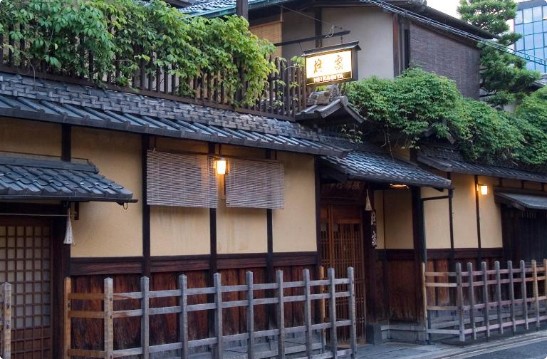
Location: Anekoji-dori at Fuyacho, central Kyoto, directly across from Tawaraya. Six minutes from Karasuma-Oike Station (Karasuma and Tozai lines, exit 3).
Rooms: 28, split between an old wing (1818-built) and a newer wing with private outdoor baths
From: ¥75,000/night room only; ¥110,000-¥180,000 with kaiseki
Best for: First-time top-tier ryokan stay; travellers who want some of the heritage with slightly less ceremony
Hiiragiya is what you book when Tawaraya is full. That’s not a slight. For most travellers Hiiragiya is genuinely the right call, partly because Tawaraya fills up first, partly because Hiiragiya is more accommodating to first-time ryokan guests.
The Nakamura family is on its sixth generation. The original wing dates from 1818. Charlie Chaplin and Yasunari Kawabata both stayed here, neither at Tawaraya, which the two ryokan have been politely competing about for two centuries. The newer wing, completed in the 1970s and refurbished in the 2010s, has rooms with private outdoor baths that Tawaraya doesn’t offer.
Hiiragiya’s older rooms are slightly smaller than Tawaraya’s, with a touch more decorative finish: alcoves with seasonal calligraphy, hand-carved ranma (transom panels), heavier use of red lacquerware. The newer rooms are larger, with the choice of futon-only or futon-plus-Western-bed. If you want to ease into the ryokan format, ask for a newer-wing room with the bed option.
Kaiseki here is the second-best in this list, narrowly trailing Tawaraya. The kitchen is competent, the pacing is correct. Where it differs is personalisation: Tawaraya quietly adjusts your courses based on what you ate yesterday; Hiiragiya serves a single planned menu unless you flag an allergy. Still very good. Just not as bespoke. Breakfast is the equal of Tawaraya’s standard tray (no rice-porridge upgrade option), served in the room around 7:30am.
What’s good
- Cultural credibility one rung below Tawaraya, which means you’ll talk about the visit to friends with the same satisfaction
- The newer wing’s rooms with private outdoor baths are the answer if you want a top-tier ryokan with bath access at any hour
- Booking is reliable. Email response within 48 hours. Reservation deposit by card.
- The okami speaks fluent English, which Tawaraya does not always
What’s not
- You’ll know the difference if you’ve stayed at both. The corridor silence at Tawaraya is on a different level. Hiiragiya is quiet, but not silent.
- The newer wing rooms feel newer. They lack the patina of the original wooden building. If that matters to you, request the old wing specifically.
- Pricing has crept up faster than Tawaraya’s, narrowing the gap. The savings are smaller than they look.
To book: directly via hiiragiya.co.jp (the English form works), or via Booking.com. Direct is usually about 5% cheaper plus they’re more flexible about meal scheduling.
3. Hoshinoya Kyoto, the boat-access ryokan that’s actually a ryokan
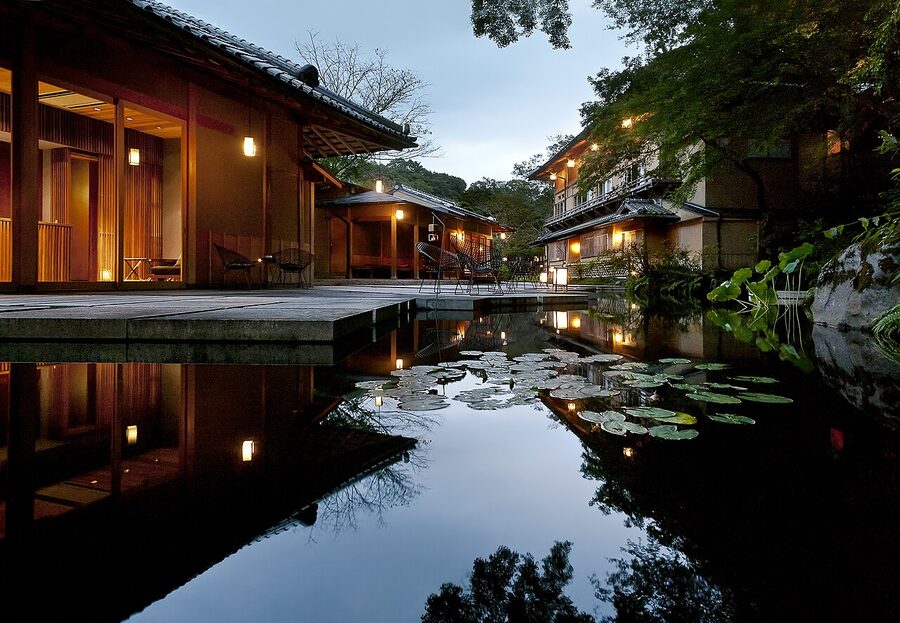
Location: Hozugawa river upstream of Togetsukyo bridge, Arashiyama. Boat access only. The boat picks up at the Hoshinoya jetty next to the bridge in central Arashiyama.
Rooms: 25, all river-facing
From: ¥150,000/night room rate; expect ¥200,000-¥350,000 with kaiseki for two
Best for: Travellers wanting seclusion plus the ryokan format; second-time visitors who’ve already done central Kyoto
Hoshinoya sits on a stretch of the Hozugawa where there are no other buildings on either bank. You can’t drive in. You can’t walk in. The boat from the Togetsukyo jetty runs fifteen minutes upriver against the current. From the moment you board, you’re cut off from the day-tripper crowd. The seclusion is real.
The Hoshino group rebuilt the original Sengokuya ryokan on this site in 2009. The pavilions, the path between them, and the central garden are based on the original Edo-period plan. The interiors are new but the room format is correct: tatami floors, low tables, futon laid out by staff, kaiseki served in-room or in a riverside dining pavilion.
What makes Hoshinoya feel like a ryokan rather than a resort is the meal-only service rhythm and the fact that staff move between rooms on foot via the river path. The kaiseki is full-course, at a pre-set time, in your room or the riverside pavilion. Breakfast comes the same way, on a tray from the kitchen building. No buffet, no all-day restaurant.
The catch is what happens if you want to leave. Boats run every 30 minutes from 6am to 10pm, schedule shrinks at night. Going out to dinner in Gion means: boat back to Togetsukyo, taxi or train to central Kyoto, taxi back, last boat around 10pm. Possible. Kills the seclusion. Two nights is the right length.
What’s good
- The location is real and unrepeatable. No other Kyoto property has private river access on a stretch with no neighbours.
- Kaiseki is genuinely top-tier; the resident chef trained at Kikunoi and the menu rotates monthly
- Service is ryokan-grade, not hotel-grade. Same staff member sees you across the stay.
- Rooms have proper futon-on-tatami plus an option of low Western-style beds for accessibility
What’s not
- The boat is a constraint, not a feature, after night two. Going out to dinner anywhere else in Kyoto is a logistics exercise.
- The newer-build feel is honest but it’s still newer-build. If heritage patina is your priority, Tawaraya beats this.
- Per-person costs add up faster than the headline because dinner-only kaiseki at Hoshinoya is in the ¥30,000-50,000 per person range
- The all-inclusive packages add ¥50,000+ per person and not always worth it for travellers who want one dinner out in central Kyoto
To book: directly via hoshinoya.com/kyoto. No Booking.com listing. Reservation system is online and reliable. Six months out for autumn leaves, four for sakura.
For a deeper review of Hoshinoya, see our full Hoshinoya Kyoto review.
4. Yachiyo, the ryokan in Nanzen-ji’s gate
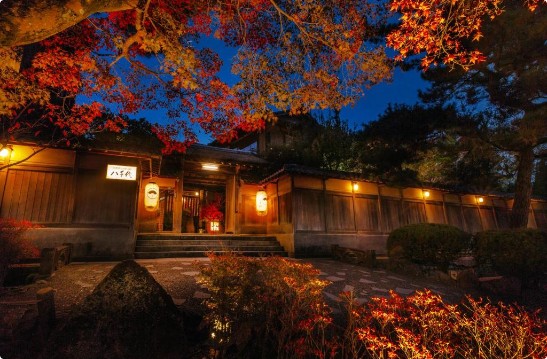
Location: Just outside the gate of Nanzen-ji temple, eastern Kyoto. Eleven minutes from Keage Station (Tozai line, exit 1).
Rooms: 24, several with private gardens
From: ¥35,000/night room only; ¥55,000-¥90,000 with kaiseki
Best for: Travellers who want garden views and easy temple-walk access at less than the central Kyoto premium
Yachiyo is the underrated entry on this list. Established in 1915, it sits directly outside the main gate of Nanzen-ji temple in the eastern hills. Walk out the front door and you’re at one of the best Zen temples in Kyoto, with the Philosopher’s Path a five-minute walk north. The strolling-style Japanese garden, designed in the early Showa period, is the headline. Some of the older rooms open directly onto a corner of it via shoji panels.
The kaiseki is more than respectable. Yachiyo’s kitchen does a spring vegetable course in April using bamboo shoots from local Yamashina farms, and an autumn course in November centred on matsutake. Not at Tawaraya’s level. But the price gap is real: a one-night stay with full kaiseki dinner and breakfast for two is around ¥110,000-180,000 against ¥250,000+ at Tawaraya.
The trade-off is location-internal. Yachiyo is bigger than the centre-of-Kyoto entries, with a hotel-style reception and a more standardised service feel. The okami still works the floor, but you’ll see different staff across shifts. Rooms vary widely in size and quality. Ask specifically for the garden-view rooms; the interior-courtyard rooms don’t justify the upgrade. The newer wing has a few low Western-bed rooms for travellers who can’t manage the floor-futon.
What’s good
- The Nanzen-ji garden access is genuine. Walk out the gate at 6am and you have the temple grounds essentially to yourself.
- Kaiseki is good. The seasonal menu rotation tracks Kyoto’s actual food calendar, not just the tourist seasons.
- Pricing is meaningfully below the centre ryokan for a comparable garden experience
- One of the few top-tier ryokan with a same-day spa (massage by appointment) on the property
What’s not
- Bigger than the centre ryokan, with a slightly more hotel-feel reception experience. Not the single-family intimacy of Tawaraya/Hiiragiya.
- Some rooms (the cheaper, interior-courtyard ones) don’t justify a ryokan-night premium. You’d be just as well-served at a quality boutique hotel for less.
- Eastern-Kyoto location is great for temple walks, less convenient for downtown dinner reservations
To book: via the official site at kyoto-ryokan.co.jp, which is the property’s own domain (yes, it’s the literal Japanese for “Kyoto ryokan”), or on Booking. Direct is sometimes 5-8% cheaper but Booking has better cancellation flexibility.
5. Kinmata, where the kaiseki is the reason to stay

Location: Gokomachi-dori at Shijo, central Kyoto. Five minutes from Shijo Station (Karasuma line, exit 4) or Karasuma Station (Hankyu line, exit 1).
Rooms: 7, all in a 200-year-old wooden building
From: ¥45,000/night room only; ¥75,000-¥120,000 with full kaiseki
Best for: Travellers who care most about food; small-property experience
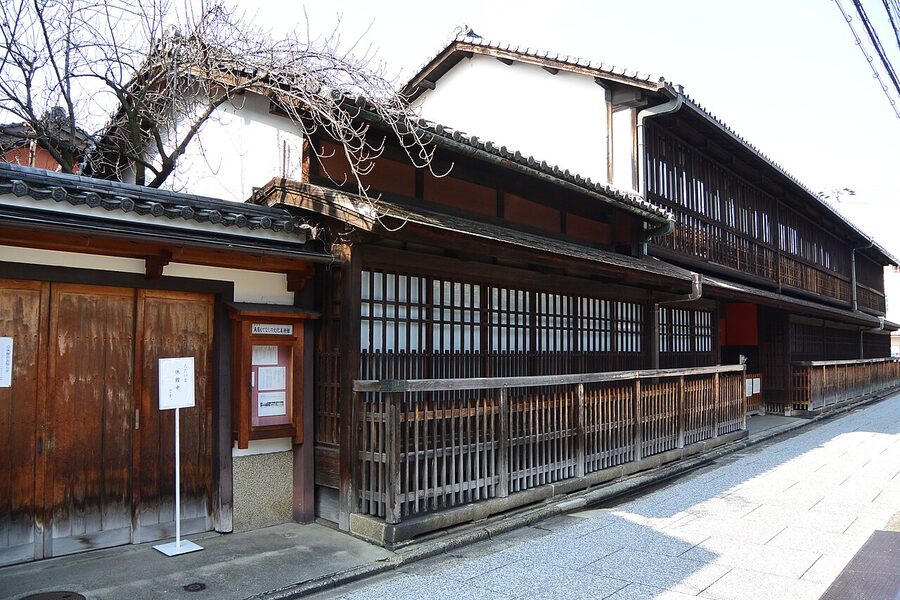
Kinmata is the ryokan-and-kaiseki obsessive’s pick. The Hatakeyama family is on its seventh generation. The building is an early-1800s machiya kept as close to original as habitability allows. There are seven rooms, total. The dining is so central to the operation that some of the staff effort goes into kitchen prep rather than housekeeping in the way bigger ryokan run. You’re staying inside what is effectively a kaiseki restaurant that happens to put you up for the night.
What you get is a kaiseki dinner at the level of a stand-alone Michelin-listed kaiseki restaurant for the price of a ryokan stay. The seventh-generation chef Haruji Hatakeyama trained at one of the great Kyoto kaiseki houses and the cooking is deliberately old-school: heavy on Tamba ingredients, regional Tango fish, and traditional Kyoto seasonal motifs. Lunches are served to the public. Dinners are guests-only, served in your room or in a private dining alcove off the main corridor.
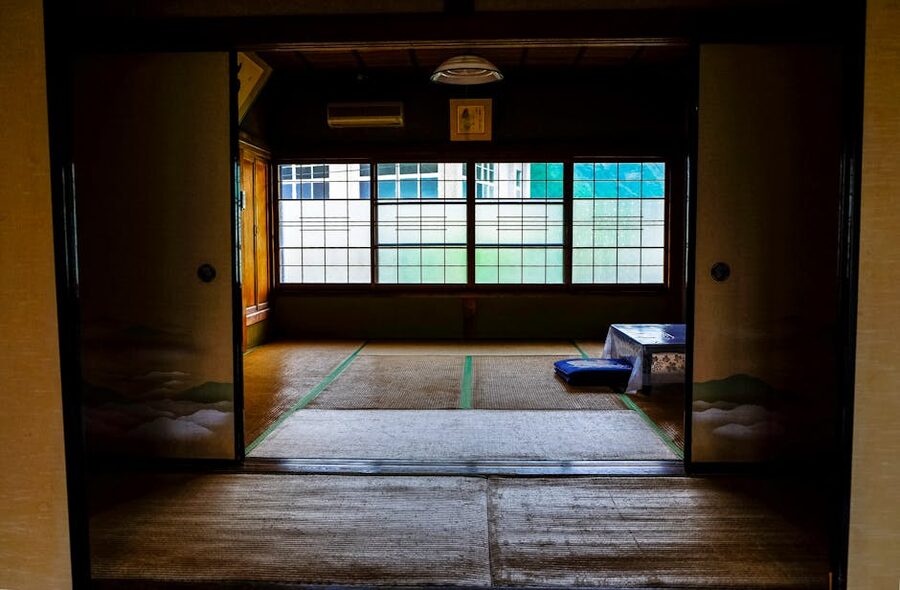
The rooms themselves are smaller than the centre rivals. They’re authentically old, with all the slight-discomfort that implies: the tatami creaks, the wooden corridor is uneven, the bath is small. If you want luxury-hotel polish, this is the wrong choice. If you want to fall asleep above a kitchen that is genuinely cooking what you ate three hours ago, this is the answer.
What’s good
- Kaiseki at Michelin-starred-restaurant level, included in the room rate when you book the full plan
- Seven-room property means you actually get to know the family running it across two nights
- Centre Kyoto location is genuinely walkable to Nishiki Market, downtown, and Pontocho
- Lunch is open to non-guests, which gives you the option of doing a budget version of the experience without the room cost
What’s not
- Rooms are small and can feel cramped if you’re a tall traveller or travelling with a lot of luggage
- The bath is shared (single-occupancy by appointment) rather than in-room. This is the original 1801 setup.
- No English-language website beyond a basic page; reservations work better via international email or by phone with a Japanese-speaking concierge
- Cancellation policy is notably stricter than the centre ryokan. They cook food specifically for your booking, so the cost of a cancellation is real.
To book: directly via kinmata.com/en. The English site has an enquiry form but expect a few days for reply. No reliable Booking.com listing. Phone reservation works if you can speak Japanese or have a hotel concierge place the call.
6. Yoshikawa, the tempura ryokan in the centre
Location: Tominokoji-dori at Oike, central Kyoto. Three minutes from Karasuma-Oike Station (exit 1) or Kyoto Shiyakusho-mae (Tozai line, exit 7).
Rooms: 8 (plus a tempura counter restaurant in the same building)
From: ¥30,000/night room only; ¥45,000-¥75,000 with kaiseki or tempura dinner
Best for: Smaller-budget heritage stay; tempura-loving travellers
Yoshikawa is two operations under one roof. The first is a small eight-room ryokan in a 1949 wooden machiya. The second is one of Kyoto’s best tempura counter restaurants, run by the same family in the front of the building. As an overnight guest, you have the option of taking dinner at the tempura counter (eight to twelve courses of tempura prepared in front of you) or a full kaiseki served in your room. Both are excellent. The tempura is the differentiator and the reason many guests come specifically here.
The garden is the second selling point. Yoshikawa has a small but properly designed Japanese strolling garden, viewable from the main building, with a tea-house and seasonal stone arrangements. It’s not as elaborate as Yachiyo’s, but it’s deliberate and well-maintained. Most of the rooms open onto it via shoji.
This is an entry-tier of the heritage ryokan. The price reflects that: you can stay here with one tempura dinner for ¥45,000-50,000 per person, which is two-thirds of what the top tier costs. The trade-off is interior-finish: the rooms are smaller, the tatami slightly newer (replaced more recently than Tawaraya’s), and there’s a more modest service rhythm. The tempura kitchen is the headline; the room service is competent rather than transformative.
What’s good
- The tempura counter experience is unique among Kyoto ryokan. Few places combine an eight-course tempura tasting menu with a heritage ryokan stay.
- Centre Kyoto location is fifteen minutes’ walk from Nishiki Market and the downtown shopping district
- Pricing is meaningfully below the top tier for a comparable building era
- The garden is small but real
What’s not
- The kaiseki option is good but not at Kinmata or Tawaraya level. Take the tempura.
- Rooms are smaller than the eastern-hills ryokan. Heritage charm comes with slight cramp.
- The tempura restaurant is open to non-guests in the evening, which means the building is busier in the early evening than the pure ryokan are
To book: directly via kyoto-yoshikawa.co.jp/en. The site is a bit dated, the reservation form is reliable. Phone calls answered in basic English. Booking.com doesn’t list this property reliably; book direct.
7. Yuzuya, Higashiyama luxury
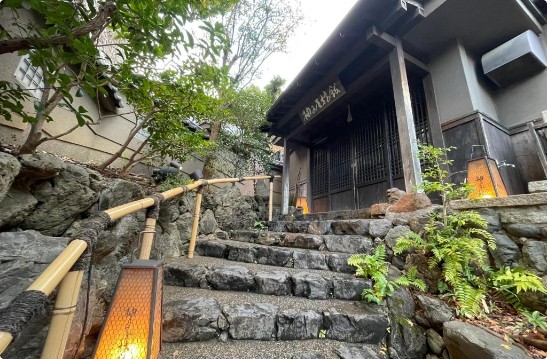
Location: Yasaka-jinja shrine area, southern Higashiyama. Six minutes from Gion-Shijo Station (Keihan line, exit 6).
Rooms: 12, several with views of Yasaka pagoda
From: ¥35,000/night room only; ¥60,000-¥110,000 with kaiseki
Best for: Higashiyama-temple walkers; pagoda-view obsessives
Yuzuya is an adult-only ryokan tucked behind Yasaka Shrine in a gated lane that’s quiet enough to feel rural at 6am despite being a five-minute walk from one of Kyoto’s most photographed pagodas. The Itoh family has run it since the late 1800s. Twelve rooms. The original wing is wooden, mid-Meiji period; a 2007 wing extends the property with rooms with private indoor cypress baths.
The differentiator is what you can see from the room. Several of the upstairs rooms have a sight-line to Yasaka pagoda over the rooftops of southern Higashiyama. At sunset, with the pagoda lit and the rooftops in shadow, this is one of the better views from any Kyoto ryokan room. Ask specifically for a “pagoda-view” room when booking. It’s worth the upgrade.
Kaiseki is good but not great. The chef rotates a seasonal menu that’s competent and uses Kyoto-area ingredients well, but the cooking lacks the precision of Kinmata or Tawaraya. The breakfast is excellent: a fish-and-rice tray with house-made tofu and Kyoto pickles, served in-room around 7:30am. If you’re going to skip a meal, skip dinner once and walk to nearby Gion for kaiseki at one of the standalone restaurants.
What’s good
- The pagoda-view rooms genuinely offer a view you can’t get from any chain hotel in Kyoto
- Adult-only policy means quiet at all hours, which is unusual in this district
- The rooms with private indoor baths are bookable at a premium and worth it for the privacy
- Walking access to Yasaka Shrine, Maruyama Park, Kiyomizu-dera, and Sannenzaka
What’s not
- Kaiseki is the weakest of the top-tier ryokan listed here. Honest mid-tier cooking, not a destination meal.
- The “pagoda-view” room is one of about four. The interior-facing rooms don’t have the view that’s the headline reason to book.
- Higashiyama district from 9:30am onwards is shoulder-to-shoulder with day-trippers. The rural feeling is morning-only.
To book: via the official site at yuzuyaryokan.com or via Booking.com. Booking is usually 3-5% cheaper for the standard rooms, but the pagoda-view rooms are direct-only.
8. Seikoro, mid-budget heritage near the river
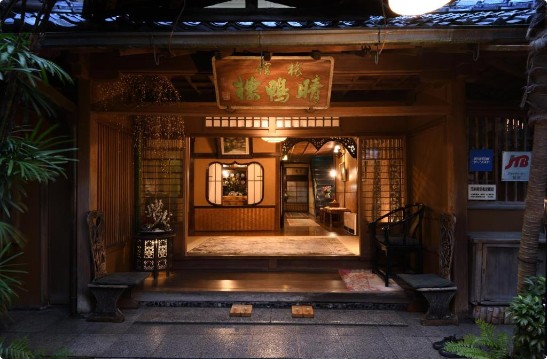
Location: Toiyamachi-dori at Gojo, between Kiyomizu and the Kamogawa river. Eight minutes from Kiyomizu-Gojo Station (Keihan line).
Rooms: 23 in three buildings (main, garden, and newer)
From: ¥22,000/night room only; ¥40,000-¥75,000 with kaiseki
Best for: First ryokan stay on a tighter budget; travellers who want centre-east Kyoto access
Seikoro was established in 1831 and is the most under-the-radar of the heritage ryokan that still meaningfully count. The Yamamoto family runs three connected buildings, the oldest from the early Edo period, with a small Japanese garden and a shared cypress bath. The property has the heritage credentials of the top-tier names and prices about half what they charge.
What you get is a slightly less polished version of the upper-tier experience. The rooms are smaller. The kaiseki is competent but lacks the precision of the top-tier kitchens. The bath is shared by appointment rather than in-room. The futon is laid out competently, but not invisibly the way Tawaraya does it. Service is friendly rather than telepathic.
What you don’t get is the Booking.com inflation. Seikoro is on Booking but their rates are reasonable, around ¥22,000 for a basic room without meals in low season, ¥40,000-50,000 with full kaiseki in normal weeks. Worth the money. Probably the single best value in this list.
The location matters. Seikoro is between the Kamogawa river and the western edge of Higashiyama, which means walking distance to both downtown (15 minutes via the bridge to Pontocho) and the Kiyomizu temple area (10 minutes east through residential streets). Few central ryokan offer both directions.
What’s good
- Heritage credentials at half the top-tier price
- Genuinely walkable to downtown and to Higashiyama in opposite directions
- The shared cypress bath is large enough for actual swimming-style soaks, unlike some of the smaller centre ryokan
- The okami’s English is very functional. They’re used to international guests.
What’s not
- Kaiseki is solidly mid-tier. Don’t book here for the food; book here for the heritage and walk to dinner
- The newer wing rooms feel newer; ask for the original wing when booking
- The shared bath has set time slots and you book yours at check-in. Plan around it.
To book: on Booking.com or via the official site at seikoro.com. Prices roughly equivalent on both. Booking has better English support.
9. Sowaka, the modern ryokan with Western beds
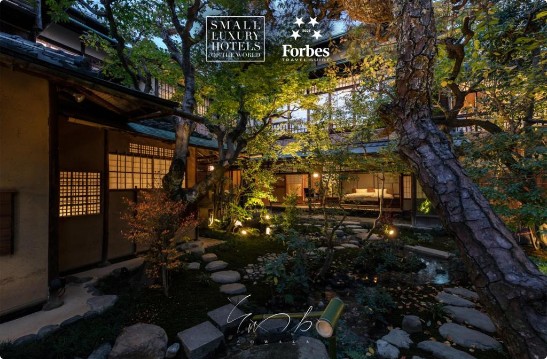
Location: Yasaka shrine area, southern Higashiyama, near Kodai-ji temple. Seven minutes from Gion-Shijo Station (Keihan line, exit 6).
Rooms: 23, all with low Western beds plus tatami sitting areas
From: ¥45,000/night room only; ¥80,000-¥150,000 with kaiseki
Best for: Travellers who want the ryokan format but can’t (or don’t want to) sleep on futon
Sowaka is the entry on this list that pushes the ryokan definition the hardest, and I include it deliberately because for some travellers it’s the right choice. Opened in 2019 in a refurbished 1920s machiya plus a contemporary new wing, it offers ryokan-format meals (in-room kaiseki, breakfast on a tray) but with low Western-style beds in addition to or instead of futon. The tatami sitting room is in the front of the suite, the bedroom is in the back.
The kitchen is run by La Bombance Kyoto, a Michelin-starred kaiseki kitchen with a Tokyo origin. The food is genuinely high-end: more contemporary in plating than Tawaraya or Kinmata, with a willingness to incorporate some non-Japanese accent (a touch of Champagne in a chilled course, for instance). The breakfast is more streamlined than the heritage ryokan but still includes the right elements: rice, miso soup, grilled fish, three pickles.
What’s missing is the multigenerational depth. Sowaka feels new, because it is. The service is excellent but it’s hotel-grade excellent, not okami-knows-you-by-name. If you’ve never stayed in a ryokan before and the futon-on-floor part is a hard no, Sowaka is the right answer. If you want the heritage experience, this isn’t quite it.
What’s good
- The Western-bed option in proper ryokan-format suites makes this the most accessible top-tier ryokan in Kyoto
- Kaiseki kitchen run by a Michelin-starred operation; the food is genuinely creative within the format
- The location in Higashiyama is excellent for temple walks; Kodai-ji is two minutes away
- Booking.com listing is reliable, with proper English-language detail
What’s not
- Newer build, no heritage patina. If that matters, the older heritage entries beat this on atmosphere
- Service is hotel-grade rather than ryokan-grade. Different staff in different shifts.
- Pricing has crept up faster than expected since the 2019 opening; the cheaper “standard rooms” are no longer particularly cheap
To book: via the official site at thesowaka.com or Booking.com. Prices roughly even. Booking has better last-minute availability.
10. Gion Yoshiima, in Gion, ozashiki on request
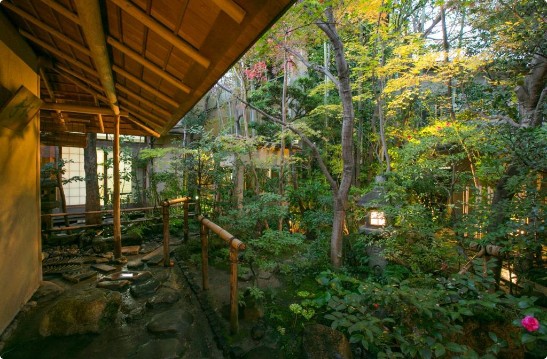
Location: Gion-machi-Minamigawa, the southern Gion district. Three minutes from Gion-Shijo Station (Keihan line, exit 6).
Rooms: 12, in a 1929-built wooden machiya
From: ¥30,000/night room only; ¥45,000-¥85,000 with kaiseki
Best for: Geisha-district stay; ozashiki-evening planners
Yoshiima is the closest thing to a heritage ryokan inside Gion proper. Twelve rooms, in a 1929 wooden building on a stone-paved Gion lane, run by the Yoshida family for four generations. The arrangement here is unusual: the okami has standing arrangements with several of the local geiko houses, and overnight guests can book a private ozashiki dinner with maiko or geiko entertainment as part of the stay. Costs more than the basic stay (count on +¥80,000-¥150,000 per ozashiki for two), but it’s available, which is rare.
Without the ozashiki upgrade, Yoshiima is a competent mid-tier ryokan with a unique location. Twelve rooms means smaller-property feel. The kaiseki is honest, kitchen-led rather than destination-led: you’ll eat well but not transcendently. Breakfast is properly old-school, with house-made tofu and seasonal vegetable simmer dishes.
The Gion location is the headline. You walk out the door and you’re in the working geisha district. At dusk you’ll see geiko in full kimono walking to ozashiki engagements. At 7am you’ll see them coming home. The streets are narrow and stone-paved, with no cars permitted on the main tea-house lanes. The atmosphere is what you came for if you booked Gion.
What’s good
- The only heritage ryokan inside the Gion-Minamigawa core district. Walking distance to Hanami-koji.
- The ozashiki booking arrangement is genuinely unique and worth the premium for couples planning a special night
- Smaller property scale means the okami knows your name by check-in dinner
- Pricing is moderate by central-Kyoto ryokan standards
What’s not
- Gion at night gets noisy. The ryokan is on a relatively quiet lane, but Hanami-koji 50 metres away is busier than Yoshida-cho.
- The kaiseki without the ozashiki upgrade is mid-tier, not a destination meal
- The newer rooms (added in 1990s renovation) lack the original-building feel
To book: on Booking.com; the official site has limited English. Ozashiki bookings need to go through the okami via email and require a deposit. Three months’ lead time minimum for the ozashiki.
11. Motonago, the Higashiyama walker’s choice
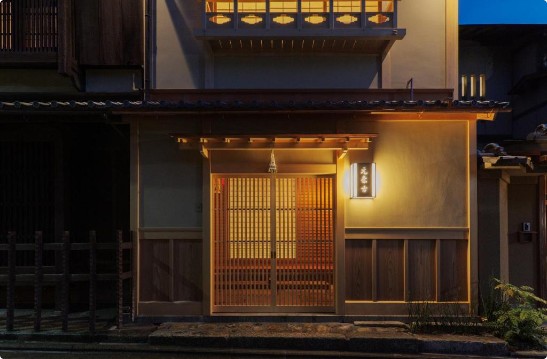
Location: Kodai-ji-michi, southern Higashiyama. Five minutes from Gion-Shijo Station (Keihan line, exit 6) or twelve from Higashiyama Station (Tozai line).
Rooms: 11, in a renovated 1927 wooden building
From: ¥18,000/night room only; ¥30,000-¥55,000 with kaiseki
Best for: Walkers staying close to Kiyomizu and Kodai-ji; solo travellers
Motonago is the friendliest of the central-Higashiyama ryokan and the only one I’d call genuinely solo-traveller-suitable. Eleven rooms, run by the Yamamoto family in their second generation, in a 1927 wooden building on a quiet lane between Kodai-ji and Yasaka-no-To pagoda. Pricing is at the entry-tier for heritage ryokan: a single guest with breakfast can come in under ¥25,000.
What you get is a smaller-scale, less formal version of the heritage experience. The okami runs the floor with one or two staff. The kaiseki is small-format kitchen cooking, not Michelin-grade, but properly seasonal. Breakfast is excellent and served in a shared tatami room rather than your own room (a money-saver but not a downgrade if you don’t mind the format). The bath is shared by appointment.
What you don’t get is the polished service of the top-tier names. You will see the same family member running the floor, doing the cooking, and rolling out the futon. Some travellers find this charming. Some find it less polished than they’d hoped. Both are fair.
What’s good
- Pricing puts a heritage ryokan stay within reach of mid-budget travellers
- The Higashiyama location is genuinely walkable to Kodai-ji, Yasaka pagoda, and Kiyomizu-dera. Five-minute walks all.
- The okami speaks reasonable English and is one of the more outgoing in this list
- Solo-traveller pricing is reasonable, which most ryokan don’t accommodate
What’s not
- Service feels less polished than the top-tier; this is a small family operation, not a luxury establishment
- Breakfast is in a shared room, not in your room
- The shared bath has limited slots and books up at check-in
To book: on Booking.com (most reliable English booking) or via the official site at motonago.com. Direct is sometimes cheaper but the form is easier on Booking.
12. Kikokuso, the centre’s lower-budget heritage
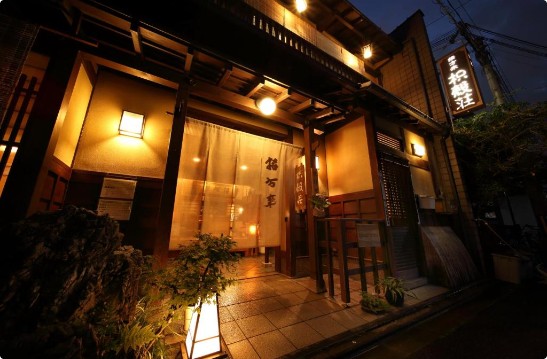
Location: Tominokoji-dori at Sanjo, central Kyoto. Five minutes from Kyoto Shiyakusho-mae Station (Tozai line, exit 7).
Rooms: 19, in a 1920s machiya complex
From: ¥15,000/night room only; ¥28,000-¥48,000 with kaiseki
Best for: First ryokan experience on the lowest possible heritage budget
Kikokuso is the entry-budget heritage ryokan in central Kyoto and the most honest of the budget-tier listings. Nineteen rooms in a 1920s machiya complex three minutes’ walk from Honno-ji temple and seven minutes from Pontocho. The Yodogawa family runs it. Prices start around ¥15,000 for a basic room without meals, ¥28,000-30,000 for a room with full kaiseki and breakfast.
The trade-off is what you’d expect: smaller rooms, more modest kaiseki, shared bath with appointment slots. The kitchen is honest small-scale ryokan cooking, proper seasonal ingredients, well-prepared, but not at destination-restaurant level. The breakfast is the better meal here, served in a shared tatami room around 7:30am.
What Kikokuso gets right: the building is genuinely old, the location is genuinely central, the okami is genuinely on the floor working. These are the things some of the more polished newer entries lack. If your budget is tight but you want a real ryokan experience rather than a hotel-with-tatami compromise, this is the answer.
What’s good
- The cheapest genuine heritage ryokan in this list. Pricing puts a one-night stay with kaiseki dinner within mid-budget travel reach.
- Centre Kyoto location is a five-minute walk to Pontocho and a fifteen-minute walk to Nishiki Market
- The 1920s building is original, not refurbished. Heritage feel is real.
- The okami is genuinely engaged. You’ll talk to her at check-in and at breakfast.
What’s not
- Kaiseki is small-scale and not at the top-tier kitchens’ level. Honest cooking, not a destination meal.
- Rooms in the older wing are small. If you’re tall, ask for one of the newer-wing rooms.
- Shared bath. Appointment slots fill at check-in.
- English is limited at the front desk; Booking.com booking is the easier option for non-Japanese speakers
To book: on Booking.com. The property’s official online presence is limited.
What this list deliberately leaves out
Some names you might expect aren’t here. That’s the point of the list. A short note on each.
Aman Kyoto. Not a ryokan. It’s a luxury resort with Japanese aesthetic elements. Beautiful, ¥300,000+/night, Western beds, no kaiseki served in-room by the same staff member, no okami in the ryokan sense. Covered in the luxury hotels guide and the Aman Kyoto review.
Suiran, HOTEL THE MITSUI KYOTO, Six Senses Kyoto. Three different hotels with Japanese-style elements, none of them ryokan. Worth their own consideration in the luxury hotels list, not here.
“Modern ryokan” budget chains like Onyado Nono and Dormy Inn ryokan use ryokan branding but serve buffet breakfasts in Western-bed rooms. Decent budget hotels, not ryokan.
Arashiyama riverside hotels (Kadensho, Ranzan, Togetsutei) market as “onsen ryokan” and stretch the definition. Togetsutei is closest to genuine ryokan format. Covered in the Arashiyama where-to-stay guide, not here.
Why Tawaraya is first and Hiiragiya is second
Most English-language rankings either rank these two equally or alphabetise them and pretend the order is arbitrary. The order isn’t arbitrary. Tawaraya is first, Hiiragiya is second, and the gap is small but real.
Tawaraya is first for two reasons. First, the institutional memory of the staff. The Okazaki family has run the ryokan for eleven generations and the senior staff members work there for decades. If you’ve stayed before, even five years ago, the senior staff member at check-in remembers you, what you ordered, and what you didn’t. That depth doesn’t exist anywhere else in Kyoto, including Hiiragiya, where staff turnover is normal-hotel rate. Second, the kitchen: Tawaraya’s kaiseki, run by the head chef the okami trained personally, is at a level only the standalone Kyoto kaiseki restaurants charging double match. Hiiragiya is close. It’s not equal.
That said, Hiiragiya is the right call for most first-time top-tier ryokan travellers. Booking is more accessible, the English correspondence is faster, the newer-wing rooms with private outdoor baths are easier to recommend, and the price is around 75-80% of Tawaraya for a comparable room. Stay at Hiiragiya first if you’re nervous about the format. Stay at Tawaraya the second time, once you’ve decided this is the holiday format you want to repeat.
How to actually book a heritage ryokan
Six things worth knowing before you start.
1. Tawaraya, Hoshinoya, Kinmata, and Yoshikawa don’t list on Booking.com. If you find “Tawaraya Ryokan” on Booking, check the address. The genuine Tawaraya is on Fuyacho-dori. The “Yudanaka Tawaraya Ryokan” that comes up first is a different property in Nagano. Book heritage ryokan direct via the official site or by email.
2. Lead time. Sakura week (late March to first week of April) and the autumn-leaves peak (mid-November to first week of December) book out six months ahead. Normal weeks need two to three months for the top-tier names. Last-minute bookings work for Seikoro, Motonago, Kikokuso, and Yachiyo but rarely for Tawaraya or Hiiragiya.
3. Email replies take time. The heritage ryokan answer by hand, often by the okami’s daughter. Three to five days for a reply is normal.
4. Kaiseki dinner is usually a separate cost. Some ryokan list “with kaiseki” as the standard package; others show an “accommodation only” rate that’s misleadingly low. The full experience is “ichi-paku ni-shoku” (one-stay, two-meals): dinner and breakfast included. That’s what you want.
5. Cancellation is strict. Within seven days, expect 30-50% cost. Within 24 hours, 100%. The kitchen has bought ingredients for your meal already.
6. Booking.com listings often default to “room only”. Hiiragiya, Yuzuya, Sowaka, and Yachiyo all sell room-only on Booking with kaiseki as a separate add-on. Add the meal package at the booking confirmation step, not in the search results.
What you actually do during a ryokan stay
The format is alien if you’ve never done it. Here’s the rhythm of a typical one-night stay at a top-tier ryokan.
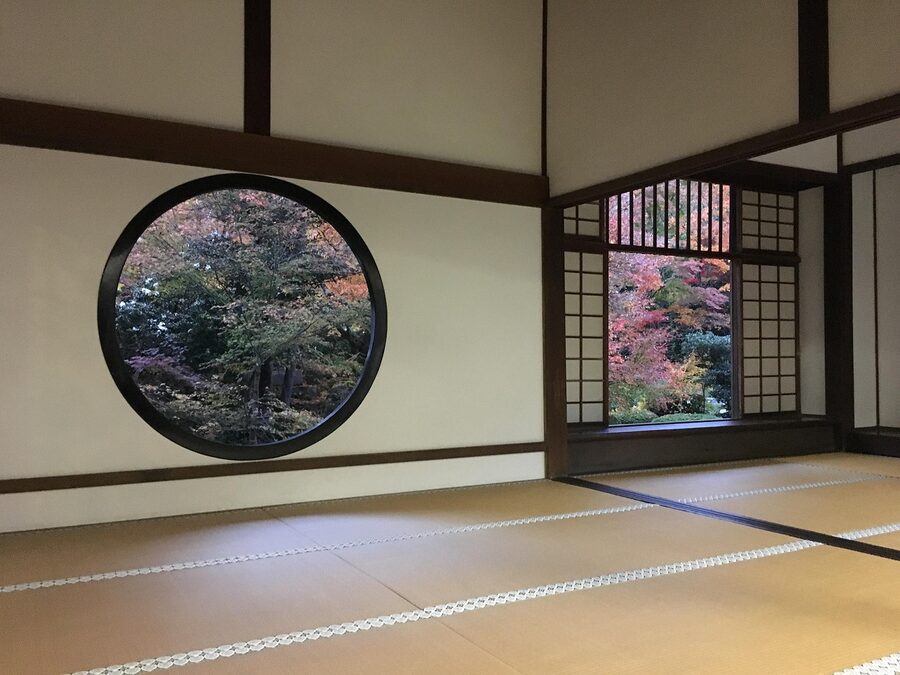
3:00pm: Check-in. The okami greets you, you remove your shoes, you’re shown to the room. Tea and a wagashi (sweet) is served. You confirm the dinner time and meet the staff member who’ll handle the room.
3:30-5:30pm: Bath time. The cypress bath is single-occupancy or one-couple-at-a-time, booked in 45-minute slots. You change into the yukata.
6:00 or 7:00pm: Kaiseki dinner. Served in your room or in a private alcove, roughly two hours, ten to twelve courses. You sit on a zabuton at a low table. The staff member serves each course and clears each dish. The better ryokan have a sake sommelier with a list.
8:00 or 9:00pm: Dinner ends. While you’re at the bath again, staff transform the room: low table moves to one side, futon comes out from the closet, three pillows of varying firmness, a small lamp by the bed.
10:00pm-7:00am: The corridor goes silent. Properly run ryokan have no nighttime service traffic.
7:00 or 7:30am: Breakfast. Same staff member, same room. Fifteen-piece tray of grilled fish, tofu, simmered vegetables, vinegared dish, miso soup, rice, three pickles. Optional rice porridge upgrade if the ryokan offers one.
9:00 or 10:00am: Check-out. The okami sees you to the door, confirms onward travel, hands you a small parting gift. You leave.
That’s the format. It’s the same at every entry on this list, with minor variations. The differences are in how cleanly each step happens.
What the food actually is
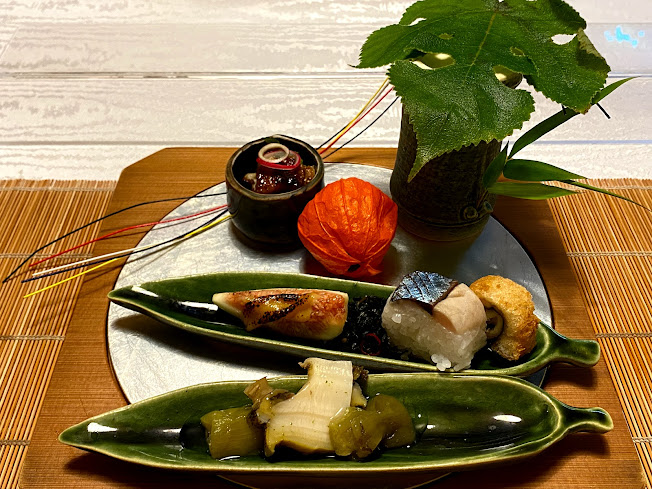
Kaiseki is the multi-course dinner that defines the ryokan format and it varies more between properties than the room layout does. A standard top-tier ryokan kaiseki has these courses, in roughly this order, depending on season.
Sakizuke: the opening appetiser. Often a small chilled dish: tofu with sea urchin, or a tiny vinegared vegetable. One bite to two bites.
Hassun: the seasonal eight-piece tray. This is the show-piece course. A small rectangular tray with eight (or six, or ten) tiny dishes representing the season: in autumn, a chestnut, a small grilled mushroom, a slice of seasonal fruit, a tofu cube with seasonal sauce. The hassun is where you can tell whether the kitchen is serious or going through the motions.
Suimono: a clear soup course. Often the test of the dashi: a single piece of fish, one vegetable, and a clear broth. If the dashi tastes flat, the rest of the meal is going to disappoint. If the dashi tastes layered, you’re at a good kaiseki kitchen.
Tsukuri is the sashimi course, three or four pieces of fish, garnished simply. Yakimono is the grilled course, usually a single piece of seasonal fish or a small grilled wagyu cut in winter. Mushimono is the steamed course, often chawan-mushi (savoury egg custard with shrimp and ginkgo). Agemono is the fried course, tempura or a deep-fried tofu dish, light batter. Shokuji closes the savoury section: rice, miso soup, three pickles. Mizumono is dessert, usually seasonal fruit or a Japanese sweet.
The whole thing takes about two hours. The staff member assigned to your room watches discreetly and clears each course at your pace, not theirs.

Seasonal pricing and how many nights
Kyoto ryokan have aggressive seasonal pricing. Tawaraya in mid-July versus the first week of April can vary by 40-60%. Peak high (¥150,000-300,000/night with kaiseki for two): last week of March through first week of April (sakura), mid-November through first week of December (autumn leaves), Golden Week, the first week of January. Shoulder: early March, mid-April through late May, late October. Valley (¥75,000-150,000/night with kaiseki for two): June through August, late January through February. The valley periods are when you can book top-tier ryokan with two-week notice instead of three months.
On length of stay: a single-night ryokan visit front-loads everything (check-in, dinner, futon, breakfast, check-out) into 18 hours and you barely settle in. Two nights at the top-tier names (Tawaraya, Hiiragiya, Hoshinoya) is the right number. For the budget entries (Seikoro, Motonago, Kikokuso) one night is fine. Hoshinoya specifically needs two nights, since one night doesn’t justify the boat-access overhead.
Quick recommendations by traveller type
First time, one ryokan night: Hiiragiya, original wing. Kaiseki package.
Heritage obsessive: Tawaraya for two nights, both kaiseki dinners, the rice-porridge breakfast on day two. Email six months out.
Fourth or fifth visit to Kyoto: Hoshinoya for two nights. The river access is unrepeatable elsewhere.
Care most about food: Kinmata. Two nights, both kaiseki, no excursions in the evenings.
Higashiyama temple-walks base in ryokan format: Yuzuya in a pagoda-view room, or Sowaka if you can’t sleep on a futon.
Tighter budget, real heritage: Seikoro for one night with kaiseki, plus hotel nights either side.
Cannot sleep on a futon: Sowaka. The Western-bed-with-tatami-sitting-area suite is the only top-tier option.
Solo traveller: Motonago. Friendly okami, reasonable solo pricing.
Ozashiki evening with maiko or geiko: Gion Yoshiima. Three months’ lead time, book via the okami.
For wider Kyoto context, see the pillar on where to stay in Kyoto, the parallel best luxury hotels in Kyoto ranking (Aman/Park Hyatt/Ritz tier), the Higashiyama base guide, and the Arashiyama where-to-stay for the Hoshinoya / Suiran riverside options.