
This guide contains affiliate links. If you book through these links I earn a small commission at no extra cost to you. I only recommend hotels I’ve genuinely researched and stayed at, asked friends about, or had clients book and report back on.
Most Kyoto guides start with Gion. They shouldn’t. Gion looks like the Kyoto on the postcard, and that’s the trap. You’ll spend half your trip walking out of it to get anywhere else, and the other half stepping around tour groups doing the same on the way in. Of the six districts I cover here, Gion is the third or fourth choice for most travellers, not the first.
The right answer for first-timers, and for most return visitors, is Higashiyama or Downtown. They’re flatter, better connected, and they put you within walking distance of either the temple cluster or the food and the trains. Which one depends on what you actually want to do with your week. I’ll walk through it.
I’ve stayed in five of the six districts in this guide on different trips, eaten dinner in all six, and put friends and clients into about a dozen of the hotels named below. The rankings here are not the press release version. Aman doesn’t lead. The Ritz-Carlton sits where it deserves, not where the marketing budget suggests. And there’s at least one famous district I’d actively talk you out of, depending on the trip.
In This Article
- The Quick Answer
- How to Choose a District (Read This First)
- Transport: it’s not Tokyo
- Season: it changes everything
- Days: how long are you here?
- Higashiyama, The First-Timer’s Best Bet
- Park Hyatt Kyoto, Best Luxury
- The Hotel Seiryu Kyoto Kiyomizu, Best Boutique Luxury
- Hotel Kanra Kyoto, Best Mid-Range Boutique (Higashiyama-adjacent)
- Downtown Kyoto, Kawaramachi, Pontocho, Nishiki
- The Mitsui Kyoto, Best Luxury Downtown
- The Ritz-Carlton Kyoto, Best Riverside Luxury
- Ace Hotel Kyoto, Best Boutique / Design
- The Gate Hotel Kyoto Takasegawa by Hulic, Best Mid-Range
- Cross Hotel Kyoto, Best Reliable Mid-Budget
- Gion, Atmosphere over Convenience
- Sowaka, Best Modern Ryokan-Style
- The Celestine Kyoto Gion, Best Mid-Range in Gion
- Gion Yoshi-Ima Ryokan, Best Traditional Ryokan in Gion
- Kyoto Station, Convenience Over Charm
- Hotel Granvia Kyoto, Best Direct-Access Luxury
- Dusit Thani Kyoto, Newest Mid-Luxury
- Hotel Okura Kyoto, Best Old-Guard Luxury (just north of the station strip)
- Arashiyama, Slow Trips and Riverside Ryokan
- Suiran, a Luxury Collection Hotel, Best Riverside Luxury
- Arashiyama Benkei, Best Traditional Ryokan
- Hoshinoya Kyoto, Best Boat-Access Resort (skip if it’s your first trip)
- Nishijin and the North, For Repeat Visitors Who Want to Live in the City
- The Junei Hotel Kyoto, Best Small Boutique Near Nishijin
- Yura Nijojo Bettei MGallery (formerly Garrya Nijo), Best Mid-Luxury North-of-Centre
- What Most Kyoto Guides Get Wrong
- Booking Tips That Actually Save Money
- Quick Recommendations by Traveller Type
- Two Last Things
The Quick Answer
Before the 6,000 words, the table you actually came for. Walking times are from a hotel near the centre of each district to the named landmark. Your hotel may sit five minutes either side.
| District | Best For | My Top Pick | From / Night | Book |
|---|---|---|---|---|
| Higashiyama | First-time visitors, temple walkers, couples | Park Hyatt Kyoto | ¥120,000 | Booking.com |
| Downtown (Kawaramachi/Pontocho) | Food-led trips, return visitors, walkers | The Mitsui Kyoto | ¥140,000 | Booking.com |
| Gion | Atmosphere over convenience, ryokan stays | Sowaka | ¥110,000 | Booking.com |
| Kyoto Station | Day-trippers, short trips, families with luggage | Hotel Granvia Kyoto | ¥40,000 | Booking.com |
| Arashiyama | Slow trips, ryokan-first travellers, second visits | Suiran, a Luxury Collection Hotel | ¥160,000 | Booking.com |
| Nishijin / North | Repeat visitors who want to live in the city | Hotel Okura Kyoto (just south) | ¥35,000 | Booking.com |
If you don’t want to read the rest, my one-line answer is this: book Higashiyama if it’s your first trip, Downtown if it’s your second, and Arashiyama if you’re a couple in November and you want one quiet morning by the Hozugawa.
How to Choose a District (Read This First)
Three things decide where you should sleep in Kyoto: how you’ll move around, when you’re going, and how many days you have. Get those right and the district picks itself.
Transport: it’s not Tokyo
Kyoto’s transport network is famously underwhelming. There are only two subway lines: the Karasuma line, which runs north-to-south, and the Tozai line, which runs east-to-west. They cross at Karasuma-Oike. That’s the entire underground system. Everything else is buses, the JR loop on the south edge, and a couple of private rail lines on the east and west fringes (Keihan, Hankyu, Eizan, Sagano).
What this means in practice: the buses are how most people get from Higashiyama to Arashiyama, and they get stuck in the same traffic as everyone else’s taxi. A walking-distance hotel beats a bus-distance hotel almost every time. Anywhere that puts you within ten minutes’ walk of either Karasuma-Oike, Shijo, Sanjo, Gion-Shijo, Kawaramachi, or Higashiyama Station is a good base. Anywhere that needs a bus to reach the subway will eat your time.
Season: it changes everything
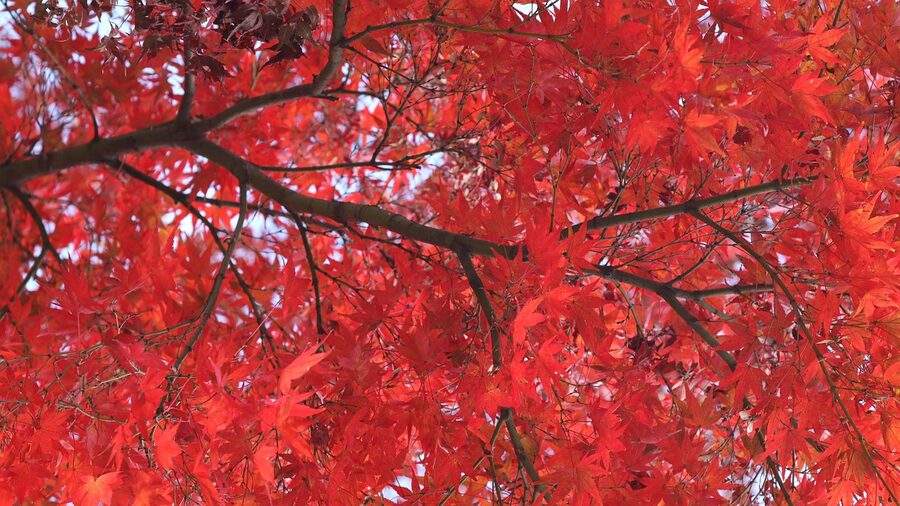
Kyoto has two demand peaks and two valleys. The peaks are sakura (late March to the second week of April) and koyo (mid-November to the first week of December). Hotel rates double during both. A room that costs ¥45,000 in late January will list at ¥110,000 the second week of November, and the same room at the same hotel may not be available at all on a Saturday in cherry-blossom week.
The valleys are the dead of winter (late January and February, cold, low light, but quiet temples and discounted ryokan) and the muggy stretch of mid-summer (late June through August, with humidity that ruins kaiseki dinners and makes the bamboo grove feel like a sauna). I prefer late January and early March, in that order. Most travellers will arrive in spring or autumn anyway and pay the peak.
Days: how long are you here?
Three nights or fewer, stay as central as you can: Downtown or Higashiyama. Four to six nights, you can afford to split: two nights ryokan in Arashiyama or Higashiyama, the rest at a downtown hotel. Seven nights or more, base yourself centrally and use it as a hub for day trips to Nara, Uji, Hikone, or Himeji.
One thing to skip: the “stay one night here, one night there, one night somewhere else” style trip. You’ll spend more time waiting for luggage transfer than enjoying the rooms.
Higashiyama, The First-Timer’s Best Bet
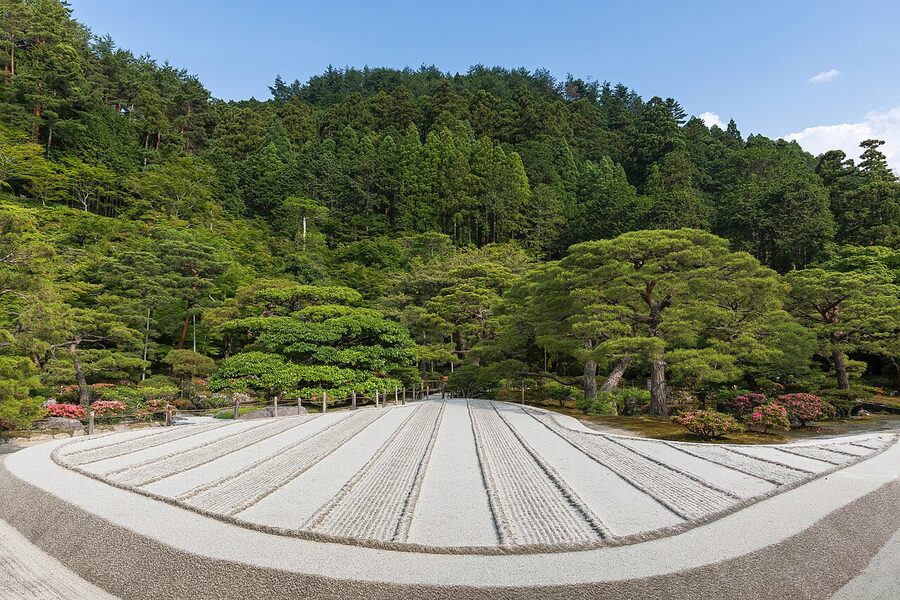
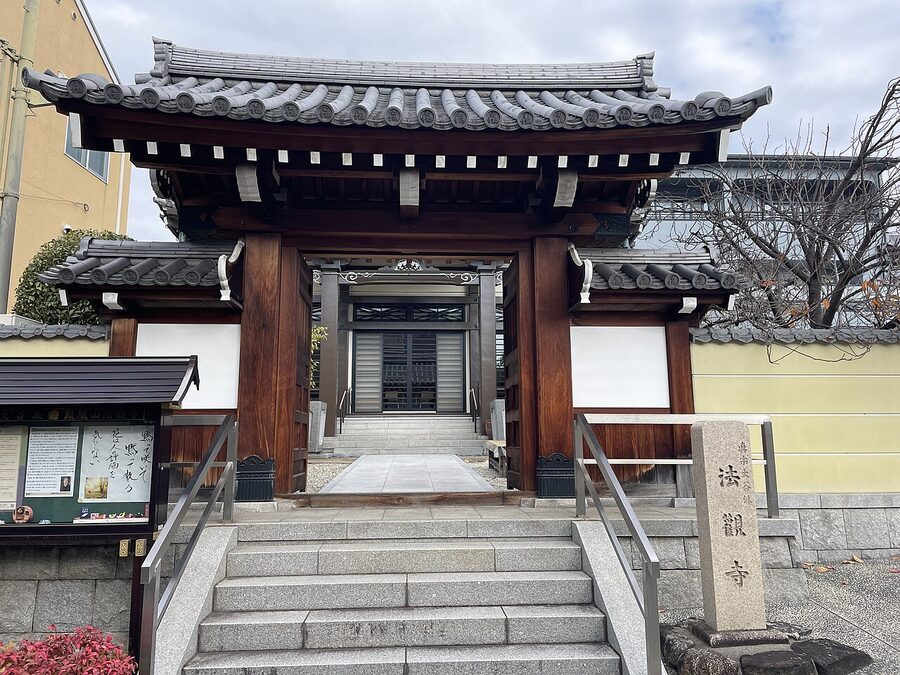
Higashiyama runs along the eastern hills, from Nanzen-ji and Ginkaku-ji in the north down through the Yasaka pagoda, the lanes around Sannenzaka and Ninenzaka, and on to Kiyomizu-dera. It’s the old Kyoto people imagine when they imagine Kyoto, except more of it survived than survived in Gion, and the streets are wider, less commercialised, and less filmed.
This is the district I send first-time visitors to almost every time. Walkable to the south end of the temple cluster, walkable down to the river and Gion in fifteen minutes, and quiet at night because almost nothing in the area stays open past 8pm. Higashiyama-ku is also the only Kyoto district where you can wake up to a clean view of a five-storey pagoda from your bedroom window if you book the right room.
The downsides: it gets steep in places, the lanes between Yasaka and Kiyomizu are punishing in midday crowds (genuinely shoulder-to-shoulder by 10:30am from March to November), and the train access is thinner than Downtown. You’re either walking down to Gion-Shijo Station for the Keihan line or taking a taxi to the subway. Neither is awful, most people walk anyway, but if you have mobility issues, this isn’t the district for you. Pick Downtown.
Park Hyatt Kyoto, Best Luxury
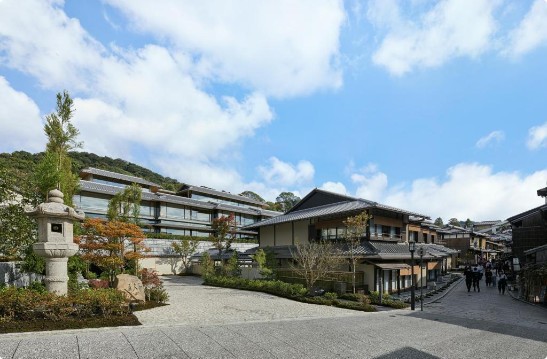
Nearest station: Gion-Shijo (Keihan), 12 min walk, slightly uphill on the way back
To Yasaka pagoda: 4 min walk
Best for: couples, first-timers willing to spend, photographers
From: ¥120,000 in low season, up to ¥350,000 in sakura week
The Park Hyatt opened in 2019 on the slope above Yasaka Shrine, and it’s the only luxury hotel in Kyoto where the location alone justifies the price. The corner rooms on the higher floors look out over the Hokan-ji pagoda framed by the rooftops of southern Higashiyama. That view is the whole point. If you can’t get a corner room with the pagoda angle, you’re not getting the Park Hyatt experience, you’re getting a normal Park Hyatt.
The food is unusually good for a chain hotel: Yasaka, the in-house teppanyaki, has the kind of grilled wagyu that doesn’t need the showmanship most teppanyaki shops add to it, and the breakfast at Kyoto Bistro is the closest thing in any Kyoto five-star to actually decent. The service runs a hair too formal for me, but it’s competent rather than mannered.
What’s good:
- The pagoda view rooms are unmatched in Kyoto
- Genuinely good in-house dining (rare for a chain)
- Two minutes’ walk from Yasaka Shrine and the Higashiyama lanes
What’s not:
- The non-corner rooms cost the same money for an ordinary view of the parking lot side
- The walk down to the subway is fifteen minutes and uphill on the return
- The lobby is on the third floor, which makes arrivals with luggage feel awkward
Check prices at Park Hyatt Kyoto: Booking.com | Agoda
The Hotel Seiryu Kyoto Kiyomizu, Best Boutique Luxury
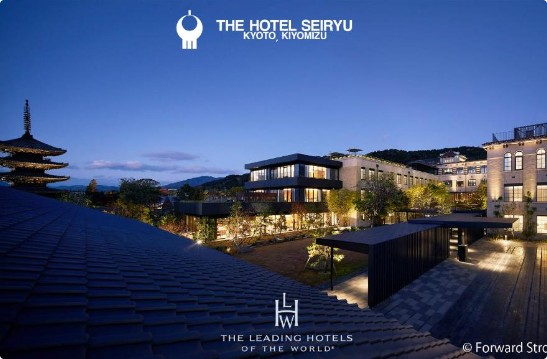
Nearest station: Gion-Shijo (Keihan), 14 min walk
To Kiyomizu-dera: 6 min walk
Best for: couples, design-led travellers, anyone wanting a quieter alternative to Park Hyatt
From: ¥85,000 low season, up to ¥240,000 in peak
Seiryu opened in 2020 in a converted 1933 elementary school on the lane up to Kiyomizu. It’s a 48-room boutique with a rooftop bar that has the only better pagoda view than the Park Hyatt, though only after 5pm when the day-trippers leave. The rooms keep the school’s original wood floors and arched windows, which sounds twee but works.
What I like about it: the rooftop bar is genuinely usable as a place to drink, not just a concierge upsell. What I don’t: the rooms are small for the price (the standard king is 39 sq m, which is fine, but you’ll see entry-level Park Hyatt suites at 50+ sq m for similar money in low season), and the breakfast is a weak spot. Eat outside.
What’s good:
- Best rooftop bar in Higashiyama, the Yasaka pagoda is right there
- Five minutes from Kiyomizu, start the morning before the buses arrive
- The historic building work is properly done, not just decorated
What’s not:
- Rooms are smaller than the price suggests
- Breakfast is the weak link, go to a coffee shop on Yasaka-dori
- Steep walk back from anywhere downhill, especially with luggage
Check prices at Seiryu Kyoto Kiyomizu: Booking.com | Agoda
Hotel Kanra Kyoto, Best Mid-Range Boutique (Higashiyama-adjacent)
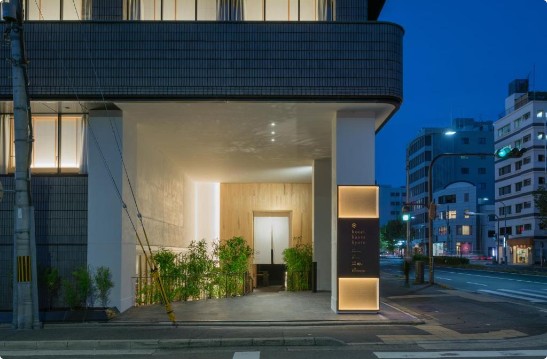
Nearest station: Gojo (Karasuma line), 2 min walk
To Kiyomizu-dera: 25 min walk or 10 min by taxi
Best for: design-led couples, anyone wanting machiya touches without ryokan rules
From: ¥45,000 low season, ¥120,000 peak
Kanra is technically just south of Higashiyama-ku proper, sitting between the river and Karasuma. It’s machiya-inspired without being a machiya. Meaning you get the wood-and-paper aesthetic, the deep cypress soaking tubs in the better rooms, and a tatami corner in the larger suites, but you also get a subway entrance two minutes from the door. For people who like the look of Higashiyama and the convenience of Downtown, it’s the compromise that actually works.
The downsides: it’s a fifteen-minute walk to anywhere in core Higashiyama, the in-house restaurant Sayuru is fine but not memorable, and at peak you’re paying near-Park-Hyatt money for a meaningfully smaller hotel.
What’s good:
- Deep cypress baths in the better rooms, book one
- Two minutes from Gojo subway, ten from Kyoto Station by taxi
- Properly designed, not Instagram-designed
What’s not:
- Walk to the temple lanes is on the long side
- The standard rooms are tighter than the photos suggest
- In-house food is forgettable
Check prices at Hotel Kanra Kyoto: Booking.com | Agoda
For more Higashiyama-specific hotel picks, see our full where to stay in Higashiyama guide.
Downtown Kyoto, Kawaramachi, Pontocho, Nishiki
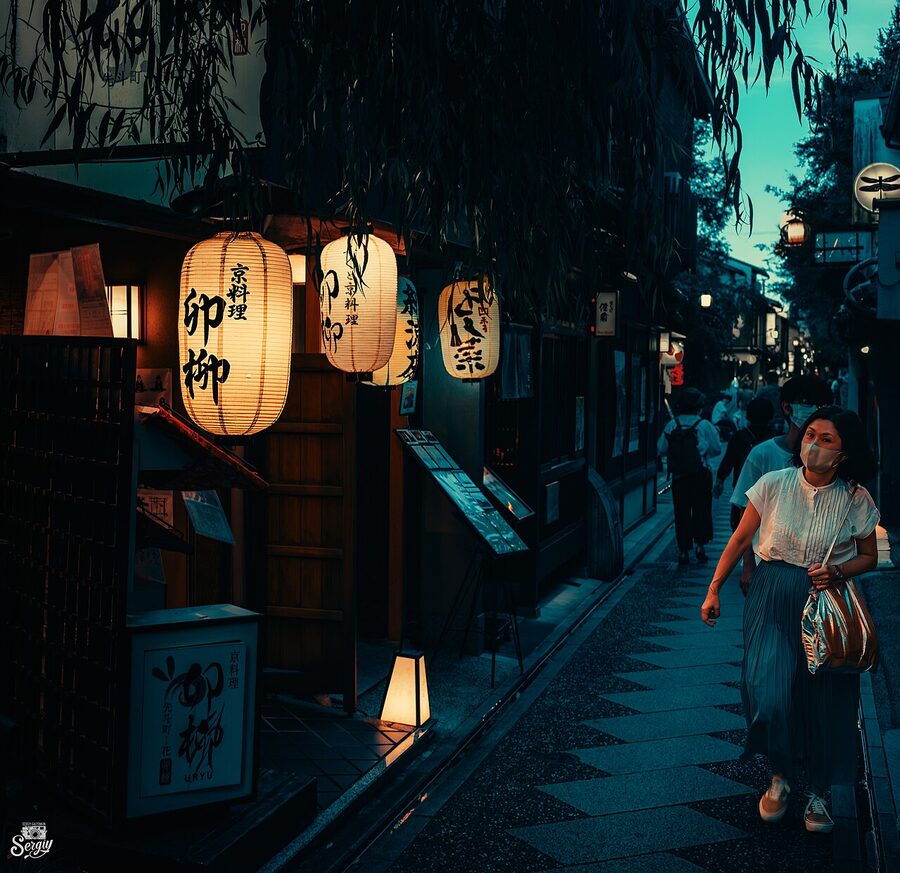
Downtown is the answer for a return visit. It’s also a genuinely good answer for first-timers who plan to eat well and walk a lot. The district covers the grid bounded roughly by the Kamogawa river to the east, Karasuma-dori to the west, Oike-dori to the north, and Shijo-dori to the south, with Pontocho running parallel to the river on the eastern edge, Nishiki Market two blocks west of the river, and the rest covered in places to eat, drink, and shop.
You’re walking distance to two subway lines, the river, the foot of Higashiyama, and most of the city’s better restaurants. Sleep here and your evenings change. You finish dinner in a Pontocho counter shop at 9pm and walk back to your room in five minutes; you don’t take a taxi, you don’t worry about the last bus, and you don’t end up eating hotel food because you couldn’t be bothered.
The catch (and this matters more than most guides admit) is that the area immediately around Kawaramachi-Shijo is loud and densely commercial. Kiyamachi-dori, the canal-side strip just east of Kawaramachi, has its share of clubs and karaoke bars, and the rooms on the south side of any hotel along it will hear them. Book a hotel a block or two off the main drag, or pick one with rooms facing west.
The Mitsui Kyoto, Best Luxury Downtown
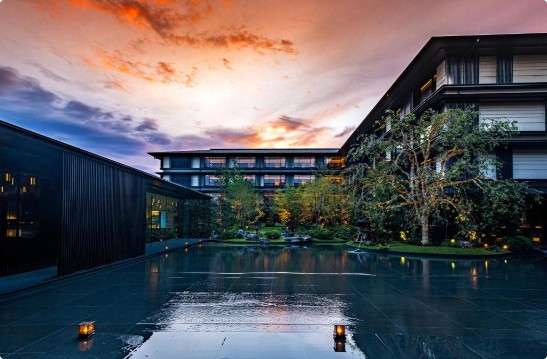
Nearest station: Nijojo-mae (Tozai line), 3 min walk
To Pontocho: 18 min walk or 8 min by taxi
Best for: luxury travellers who want quiet over scene, returning visitors
From: ¥140,000 low season, ¥420,000 peak
The Mitsui opened in 2020 on land the Mitsui family has owned for 250 years, directly across from Nijo Castle. It has the only proper hot-spring water in central Kyoto’s luxury hotel scene, pumped from 800m below the site, fed into the main bathing facility (called Thermal Spring) and into the in-room baths of about a third of the rooms. Book a thermal-spring suite. The standard rooms are fine; the thermal-spring rooms are the reason the hotel exists.
The food is split between Toki, the all-day Japanese restaurant, and Forni, an Italian, plus a kaiseki counter (Tempura Tojuro) that’s worth a Friday or Saturday booking. The breakfast is one of the best in any Kyoto hotel, properly cooked, properly seasoned, the kind that doesn’t taste like it came out of a banquet kitchen.
The trade-off: it’s quieter than the Park Hyatt or the Ritz, less of a “scene”, and the location away from the river puts you a serious walk from Pontocho or Gion. Take a taxi at night.
What’s good:
- The only natural hot-spring water in central Kyoto’s luxury tier
- One of the city’s best hotel breakfasts
- Across the street from Nijo Castle, a quiet morning walk
What’s not:
- Standard rooms are decent but you’re paying for the thermal suites
- Off the main dining strip, taxi to dinner
- Service is correct rather than warm; this is not the Ritz
Check prices at The Mitsui Kyoto: Booking.com | Agoda
The Ritz-Carlton Kyoto, Best Riverside Luxury
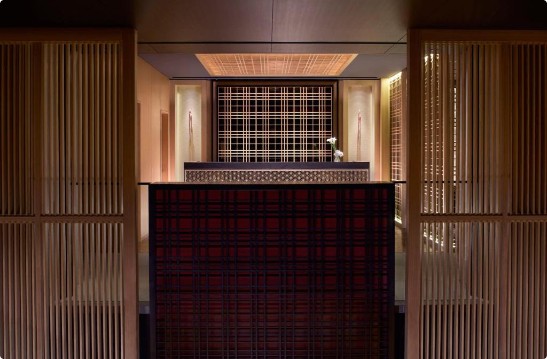
Nearest station: Kyoto Shiyakusho-mae (Tozai line), 1 min walk
To Pontocho: 5 min walk
Best for: luxury travellers, river-view photographers, anyone who wants the Higashiyama hills out the window
From: ¥150,000 low season, ¥500,000 peak
The Ritz-Carlton sits on the Kamogawa river with the eastern hills filling the window. River-facing rooms are the only Ritz worth booking, the city-side rooms look at office buildings and cost almost the same money. The rooms are large by Kyoto standards (the entry-level deluxe is 52 sq m), the gardens are properly tended, and the spa is unusually good.
What’s overrated: the in-house dining is fine but you don’t fly to Kyoto for hotel food, the lobby has a corporate-Japanese feel that doesn’t match the price, and the famous flagship breakfast is solid rather than transcendent. What’s underrated: the location. You walk to Pontocho in five minutes, to the foot of Yasaka in fifteen, and to two subway lines without crossing a busy road.
What’s good:
- River and Higashiyama view from a true riverside position
- Genuinely large rooms (rare in Kyoto)
- Best location among the three downtown five-stars
What’s not:
- City-side rooms are not worth the Ritz price
- The lobby and public spaces feel a touch corporate
- The flagship breakfast is fine but not destination-grade
Check prices at The Ritz-Carlton Kyoto: Booking.com | Agoda
Ace Hotel Kyoto, Best Boutique / Design
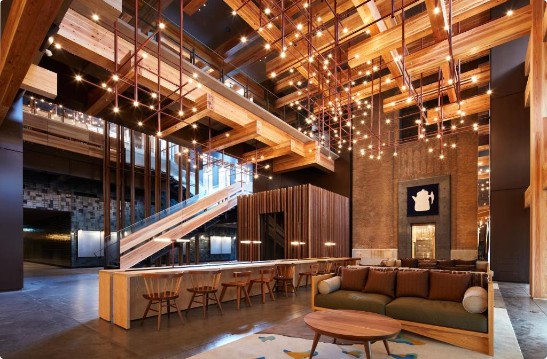
Nearest station: Karasuma-Oike (Tozai/Karasuma), 1 min walk
To Pontocho: 12 min walk
Best for: design-led travellers, food and drink trippers, solo travellers
From: ¥40,000 low season, ¥120,000 peak
The Ace took over the Shinpuhkan, an old Tokyo Central Telephone Company building, and turned it into the rare Kyoto hotel that doesn’t feel like it’s apologising for not being a ryokan. The lobby has an actual culture, people work in it, eat in it, drink in it from late afternoon. Mr. Maurice’s Italian on the ground floor is good, PIOPIKO is better. There’s a record player in every room.
Why I rate it: it’s the most central decent boutique in Kyoto, sitting directly above the only subway interchange in the city. Why I’d downgrade it for a quiet trip: the music carries through the lobby and adjacent rooms can hear it. Book a room on the higher floors away from the courtyard, and you’re fine.
What’s good:
- Direct access to the only subway interchange in Kyoto
- Real lobby culture, eat, drink, and work without leaving
- PIOPIKO and Mr. Maurice’s are both good in their own right
What’s not:
- Lower-floor rooms can hear the lobby music
- The “Ace aesthetic” can feel imported, not local
- Pricier than its design-peer competitors in low season
Check prices at Ace Hotel Kyoto: Booking.com | Agoda
The Gate Hotel Kyoto Takasegawa by Hulic, Best Mid-Range
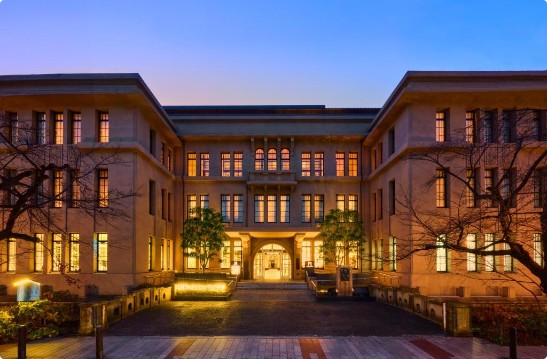
Nearest station: Sanjo (Keihan) / Sanjo Keihan (Tozai), 4 min walk
To Pontocho: 1 min walk (it’s right there)
Best for: couples, food-led trips, anyone who wants to be in the action without paying Ritz money
From: ¥35,000 low season, ¥110,000 peak
The Gate Hotel sits between the Takasegawa canal and Pontocho, two minutes from the river and three from Sanjo subway. The corner rooms on the upper floors look down Pontocho or across the river to the eastern hills. That view, in that location, for that money, there’s no real competitor at this price point.
Trade-offs: the lobby is a small affair on the eighth floor (the building runs as a multi-tenant block), the breakfast is the weak point of the experience, and the shower-bath situation in the standard rooms is a small Japanese unit rather than a proper bathroom. Functional, not luxurious.
What’s good:
- Pontocho out the window, the only mid-range that delivers this
- Walking distance to two subway lines and the river
- Book direct or via Booking.com for similar rates
What’s not:
- Standard bathrooms are small Japanese units
- Breakfast is forgettable
- Lobby on the 8th floor, luggage flow can be awkward
Check prices at The Gate Hotel Kyoto Takasegawa: Booking.com | Agoda
Cross Hotel Kyoto, Best Reliable Mid-Budget
Nearest station: Kyoto Shiyakusho-mae (Tozai), 6 min walk
To Pontocho: 7 min walk
Best for: first-timers wanting a solid central base, families with two adults plus a child
From: ¥22,000 low season, ¥75,000 peak
Cross is one of those hotels that doesn’t get the press but always has the reliable booking. Sits on Kawaramachi between Sanjo and Oike, with a small rooftop bar that gets the eastern hills view at sunset. Rooms are larger than most Japanese mid-range (the standard double is 25 sq m, where most peers run 18-22 sq m), the in-room shower-baths are full bathrooms rather than units, and the staff handle English well.
The trade-off: there’s nothing distinctive about it. You get a good night’s sleep in a sensible location, then check out. For first-timers without a strong design preference, that’s exactly the point.
What’s good:
- Larger rooms than most Kyoto mid-range hotels
- Rooftop bar with hill views (no extra charge)
- Two minutes to Kawaramachi shopping
What’s not:
- Personality is thin, it’s a competent business hotel
- Breakfast buffet is large but not memorable
- No bath culture, Japanese-style soakers absent at this tier
Check prices at Cross Hotel Kyoto: Booking.com | Agoda
If you’re leaning toward this district, our where to stay in downtown Kyoto guide goes deeper on the streets, the bar scene, and a dozen more hotels at every tier.
Gion, Atmosphere over Convenience
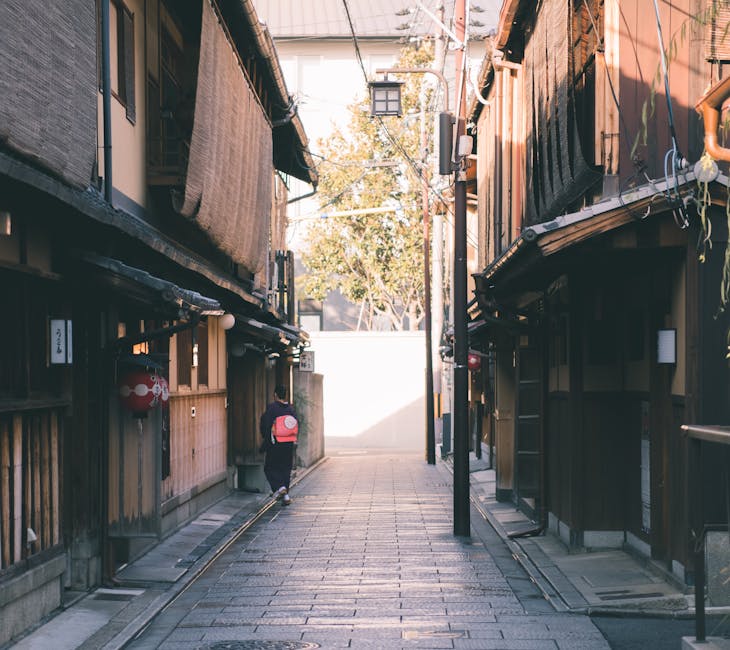
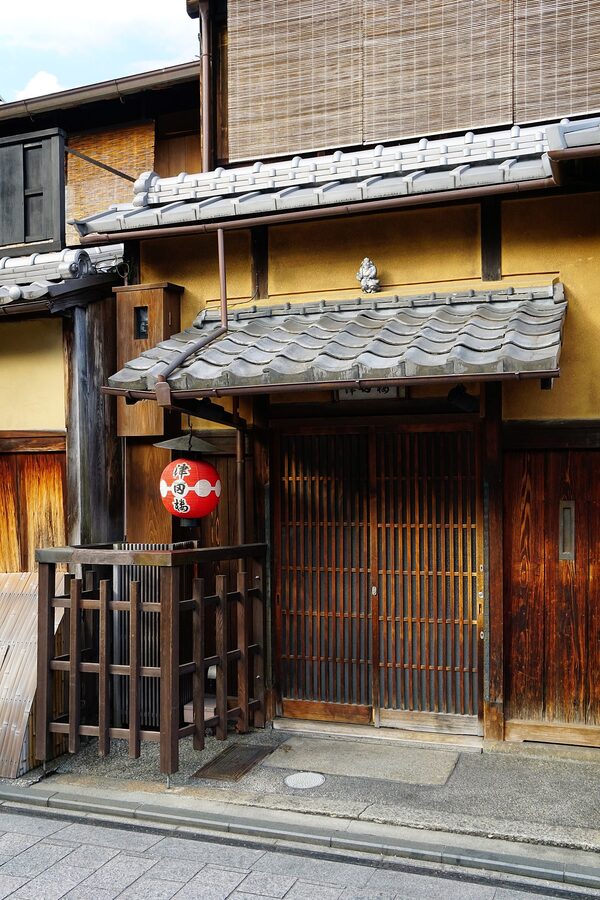
Now we get to the famous one. Gion is the geisha district, technically Gion Kobu (the southern half) and Gion Higashi (north of Shijo, smaller and quieter). The streets you’ve seen on Instagram (Hanami-koji and the lanes around Shirakawa) are real, they survive, and they are beautiful at the right hours. They are also, by 11am, lined with rental-kimono tour groups doing the same thirty-second video, and by midnight, almost completely dead.
This is the district I’d hesitate to put a first-timer in. Gion has fewer hotel options than Higashiyama or Downtown, the better ones run expensive, the food scene is more about ¥40,000-per-head ozashiki dinners than walk-in shops, and you’ll do a lot of crossing the river to get to anywhere with normal hours. The atmosphere is real, the architecture is real, but unless you’re specifically here for the look of it, you’re probably better off across the river.
That said: if you’ve been to Kyoto before, if you want a ryokan stay rather than a hotel, or if you’re here in late November and you want to be five minutes from the Shirakawa cherry trees in their autumn-leaves moment, Gion has things the other districts don’t.
Two practical things to know. First, the area is currently in the middle of a small backlash against tourist behaviour, and several of the private lanes (most of Hanami-koji’s eastern alleys) now ban photos and tour groups outright. Read the signs. Second, the night-life that does exist here is mostly old, bars that don’t take credit cards, places without English menus, and the kind of 8-seat counters that only open with a reservation. Don’t expect a Pontocho-style strip.
Sowaka, Best Modern Ryokan-Style
Nearest station: Gion-Shijo (Keihan), 5 min walk
To Yasaka Shrine: 4 min walk
Best for: couples, design-led travellers, ryokan-curious without ryokan rules
From: ¥110,000 low season, ¥260,000 peak
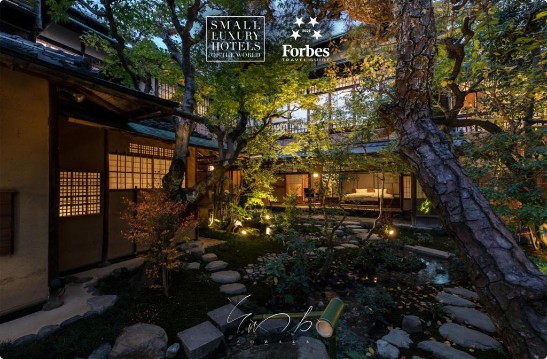
Sowaka is twenty-three rooms split between a restored 100-year-old former teahouse and a modern annex. The original-building rooms are the booking, wood floors that creak, paper screens, and a small inner garden visible from the bath. The annex rooms are fine but less interesting, and they cost similar money.
What it does well: the kaiseki at La Bombance Gion (in-house) is one of the better kaiseki experiences I’ve had in Kyoto under ¥30,000 per head, and the service handles English without making a meal of it. What it doesn’t do: yukata-and-slippers ryokan formality. If that’s what you want, look at Yoshi-Ima or Hiiragiya.
What’s good:
- The original-building rooms are properly restored
- In-house kaiseki at a price you’d pay outside
- Five minutes to the Shirakawa lanes (the photographable Gion)
What’s not:
- Annex rooms cost the same and aren’t as good, book carefully
- Not a true ryokan, no in-room kaiseki service, no okami
- Walk to subway is fifteen minutes
Check prices at Sowaka: Booking.com | Agoda
The Celestine Kyoto Gion, Best Mid-Range in Gion
Nearest station: Gion-Shijo (Keihan), 4 min walk
To Yasaka Shrine: 6 min walk
Best for: first-time visitors who specifically want a Gion address, couples
From: ¥45,000 low season, ¥130,000 peak
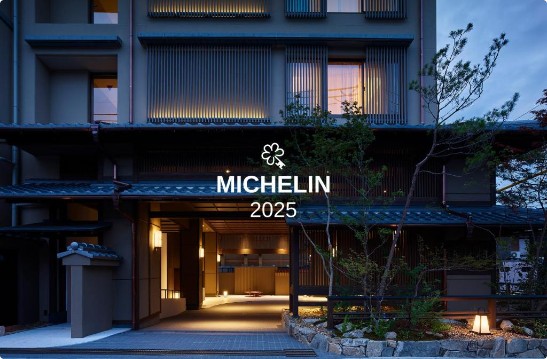
The Celestine is a 158-room hotel on Yamato-oji, two blocks west of Hanami-koji. It’s the most reasonable Gion address at the mid-range price point. Rooms are properly sized for a Japanese hotel (entry-level rooms are 26-30 sq m), the in-house onsen-style bath uses real hot water (artesian, not tap), and the breakfast buffet is large.
What it isn’t: characterful. This is a competent business-style hotel that happens to sit in the right neighbourhood. If atmosphere is what you came for, Sowaka or Yoshi-Ima will get you closer for similar money.
What’s good:
- Real onsen bath (rare at this price tier)
- Decent room sizes
- Quiet street, walking distance to everything in Gion
What’s not:
- Not characterful, competent business hotel in disguise
- Breakfast is large but not great
- You’ll want to eat outside, in-house restaurants are forgettable
Check prices at The Celestine Kyoto Gion: Booking.com | Agoda
Gion Yoshi-Ima Ryokan, Best Traditional Ryokan in Gion
Nearest station: Gion-Shijo (Keihan), 5 min walk
To Yasaka Shrine: 1 min walk
Best for: ryokan-first travellers, couples, second-time visitors
From: ¥55,000 per person with dinner low season, ¥150,000 per person peak
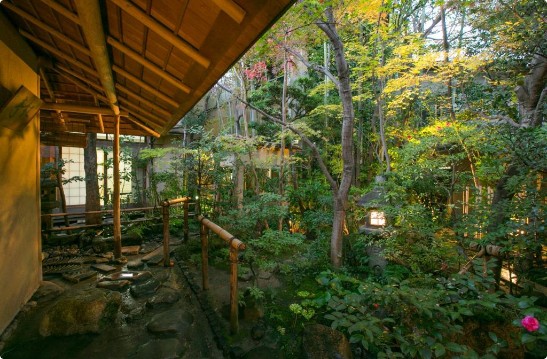
Yoshi-Ima has been operating as a ryokan in Gion since 1716. Three hundred years and counting. The rooms are tatami-floored, the dinner is in-room kaiseki served by women in formal dress, and the bath is a small communal onsen with morning and evening rotations. It’s a real ryokan, with all the rules that come with it: dinner times are fixed, you wear the yukata, you take off your shoes at the door, and breakfast is at 8am whether you want it then or not.
What’s worth paying for: the south-facing rooms with private gardens (only eight of the thirty-something rooms have them) and the ryokan-grade dinner that comes included in the rate. What isn’t: the standard room without garden views, where you’re paying ryokan prices for a room that feels small for the money.
What’s good:
- Genuine 300-year-old ryokan, not a hotel imitation
- The garden-view rooms are remarkable
- One minute from Yasaka Shrine
What’s not:
- Standard non-garden rooms aren’t worth ryokan rates
- Fixed schedules, no flexibility for late dinners
- The bath is small (no rotenburo)
Check prices at Gion Yoshi-Ima Ryokan: Booking.com | Agoda
For more on Gion specifically, including the ryokan that don’t list on Booking and how to find them, see my fuller where to stay in Gion guide.
Kyoto Station, Convenience Over Charm
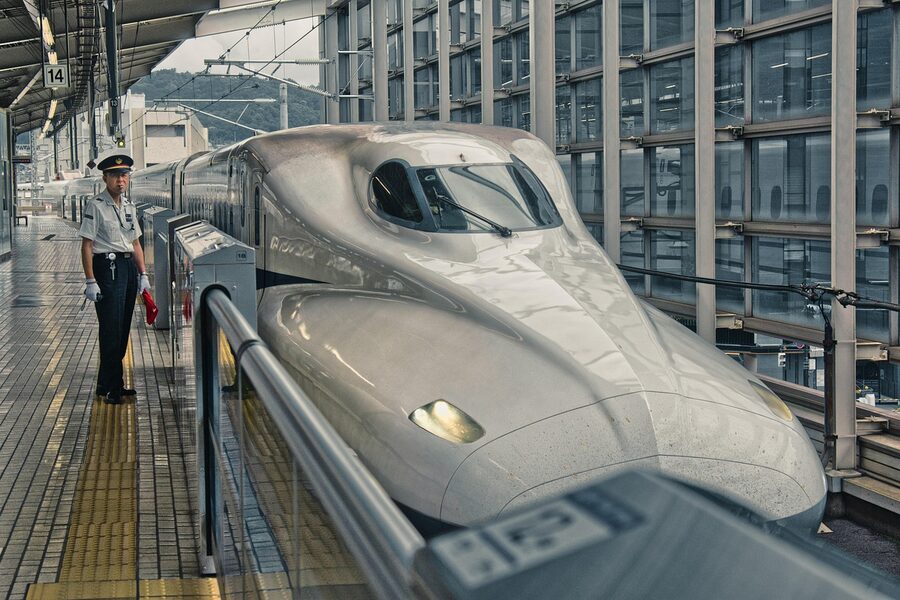
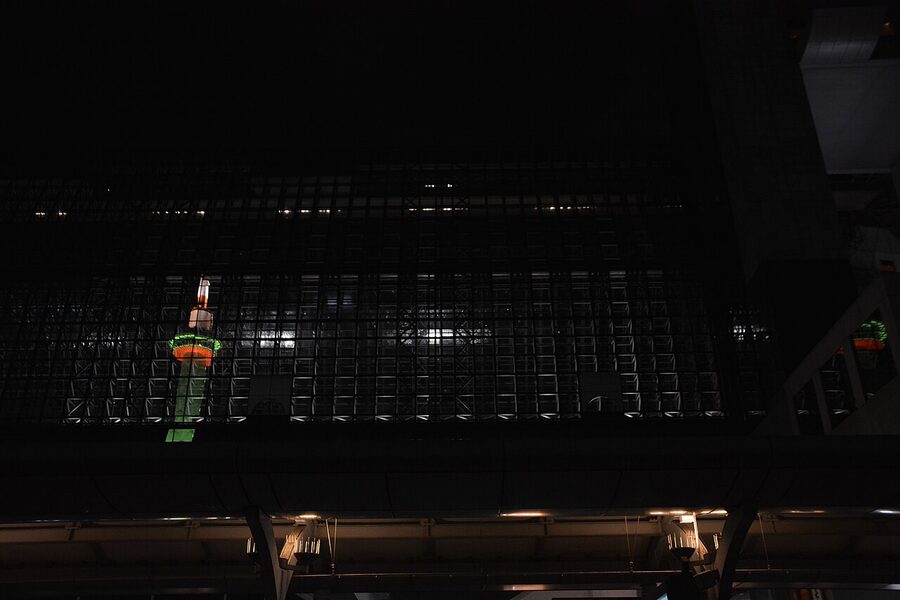
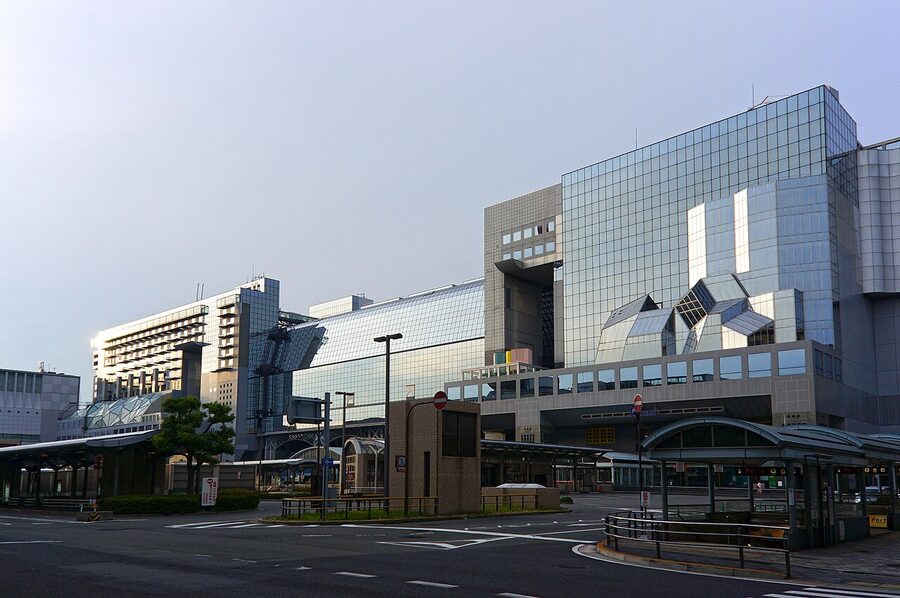
Kyoto Station gets recommended a lot. I think it’s the wrong recommendation for most people. Yes, you sleep above two shinkansen lines, the JR loop, the Karasuma subway, and the bus terminal that runs everything north. Yes, that matters if you have luggage you can’t move easily, if you’re doing five day trips in seven nights, or if you’re arriving late and leaving early. But for a Kyoto trip that’s actually about Kyoto, temples, food, walking, staying at Kyoto Station is a fifteen-minute bus ride or eight-minute subway ride from anywhere worth being.
The area itself is split between the giant Kyoto Station building (which is a monument in its own right, the work of Hiroshi Hara, with a roof terrace worth a visit) and a wide strip of mid- and budget hotels on the north and south sides of it. North is closer to the centre. South is cheaper, and recently includes some surprisingly good mid-budget hotels around the Hachijo-guchi exit. Restaurants are mostly inside the station building or in the adjacent malls, there’s almost no walking-distance dining culture out the main exit.
For who this district makes sense: business travellers, day-trip-heavy itineraries (Hiroshima/Himeji/Hikone in the same week), families with two big suitcases each, and anyone whose last train into Kyoto arrives at 23:30. For who it doesn’t: anyone who wants to step out of the hotel and walk into the city.
Hotel Granvia Kyoto, Best Direct-Access Luxury
Nearest station: Kyoto Station (literally inside it), 0 min walk
To anywhere worth being: 10-25 min by transit
Best for: business travellers, families, day-trippers, anyone with too much luggage
From: ¥40,000 low season, ¥130,000 peak
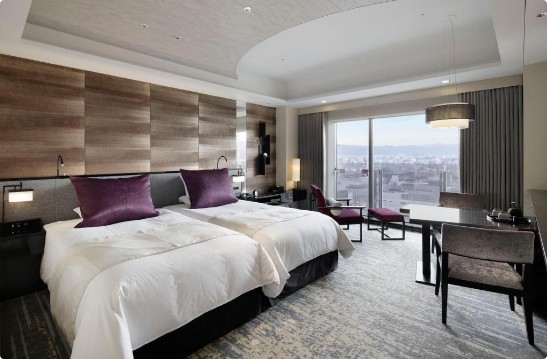
Granvia is built into Kyoto Station above the central concourse. From the shinkansen you go through the ticket gates, take an escalator, and you’re in the lobby. There’s no other Kyoto hotel where that works. The rooms are large by Japanese standards (the standard twin is 31 sq m), the breakfast is one of the better hotel-buffet operations in Japan, and the higher-floor rooms on the south side look out over the rail yards toward Toji Pagoda.
Why I rate it for the right traveller: if you’re stopping in Kyoto for one or two nights as part of a longer Japan rail trip, Granvia is the only hotel that doesn’t waste an hour of your stay on bag-handling and transit. Why I’d skip it for a week-long visit: you’ll spend that week getting on and off the bus.
What’s good:
- Inside the station, zero transit time on arrival or departure
- Decent room size for a station hotel
- Breakfast is genuinely good, not just buffet-by-numbers
What’s not:
- Zero neighbourhood feel
- Lower-floor city-side rooms look at concrete
- Bus or subway needed for almost everything
Check prices at Hotel Granvia Kyoto: Booking.com | Agoda
Dusit Thani Kyoto, Newest Mid-Luxury
Nearest station: Kyoto Station (Hachijo-guchi exit), 4 min walk
To anywhere worth being: 10-25 min by transit
Best for: couples, design-led travellers, anyone wanting station convenience without a chain feel
From: ¥55,000 low season, ¥180,000 peak
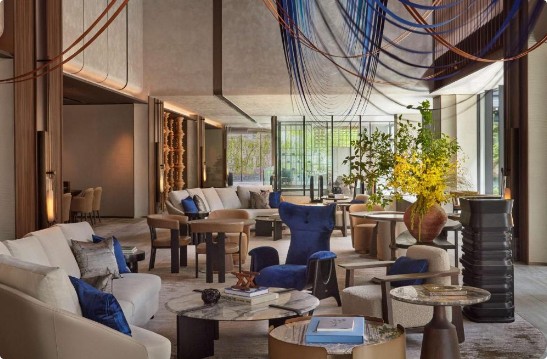
Dusit Thani opened in 2023 and immediately took the design-led mid-luxury slot in this district. Rooms are 38-50 sq m at the entry level, the spa is properly built (proper steam, proper plunge), and the in-house Thai-Japanese restaurant is one of the more interesting hotel dinners in the area. The pool is rooftop. The breakfast is solid.
The trade-off: it’s south of the station rather than north, which means a longer walk to the centre, ten minutes through the station to reach the Karasuma exit, then everything else from there. For people who fly in via Itami or Kansai and just want to drop bags before sightseeing, that detour is meaningful.
What’s good:
- Actually well-designed (rare for the station district)
- Rooftop pool and proper spa
- Larger rooms than peers at the price point
What’s not:
- South of the station, adds time to the centre
- Limited Hachijo-side dining to walk to
- Pool is rooftop, closed November to March most years
Check prices at Dusit Thani Kyoto: Booking.com | Agoda
Hotel Okura Kyoto, Best Old-Guard Luxury (just north of the station strip)
Nearest station: Kyoto Shiyakusho-mae (Tozai line), 1 min walk
To Pontocho: 5 min walk
Best for: business travellers, repeat visitors who want a reliable address, anyone who hates surprises
From: ¥35,000 low season, ¥110,000 peak
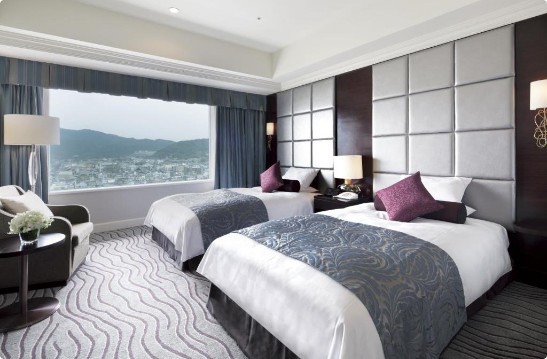
Okura technically sits between Kyoto Station and Downtown: directly above Kyoto Shiyakusho-mae station, two minutes from the river, five from Pontocho. It’s the most convenient hotel address in central Kyoto and one of the most under-marketed. Veterans of Kyoto travel use it because it works, you walk out the door and you’re in the city, you walk back in and the porter handles the door before you reach it. The food is genuinely good (the tempura at Yamasato is worth a Friday booking), and the rooms are larger than the Park Hyatt’s at half the price.
What it isn’t: glamorous. This is a 1990s-bones hotel in a 2010s-refurb, and that shows in the lobby and in the corridors. The newer luxury Kyoto opens haven’t moved Okura, it’s stayed where it always was. For some travellers, that’s exactly the appeal.
What’s good:
- Best central location of any Kyoto hotel under ¥50,000 in low season
- Larger rooms than newer competitors at half the price
- Direct subway access on a non-tourist line
What’s not:
- The look is 1990s, there’s no design story
- The breakfast is a buffet, not a moment
- It rarely runs a sale because it doesn’t need to
Check prices at Hotel Okura Kyoto: Booking.com | Agoda
For more on the Kyoto Station district specifically, including the cheap-and-cheerful business hotels for people who genuinely just need a bed near the shinkansen, see my hotels near Kyoto Station guide.
Arashiyama, Slow Trips and Riverside Ryokan
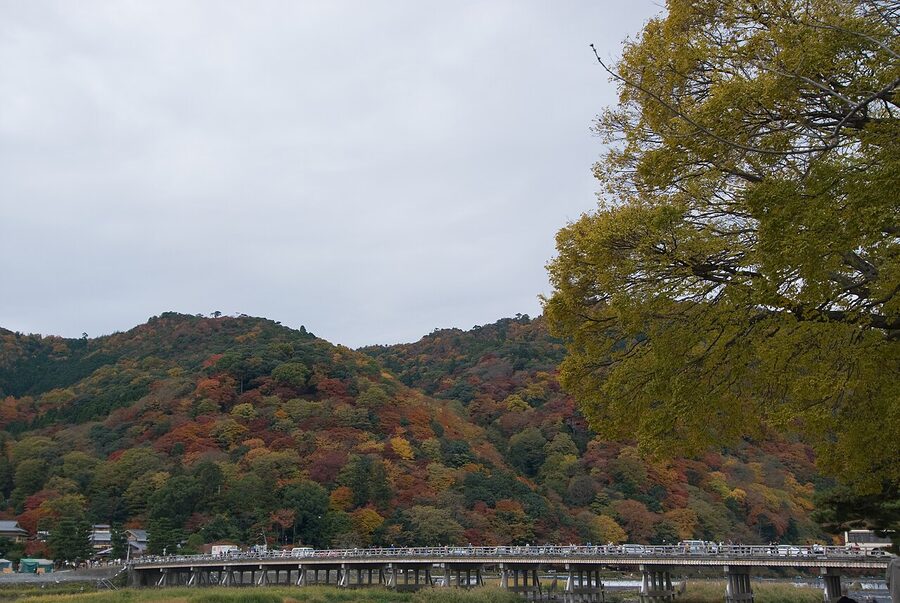
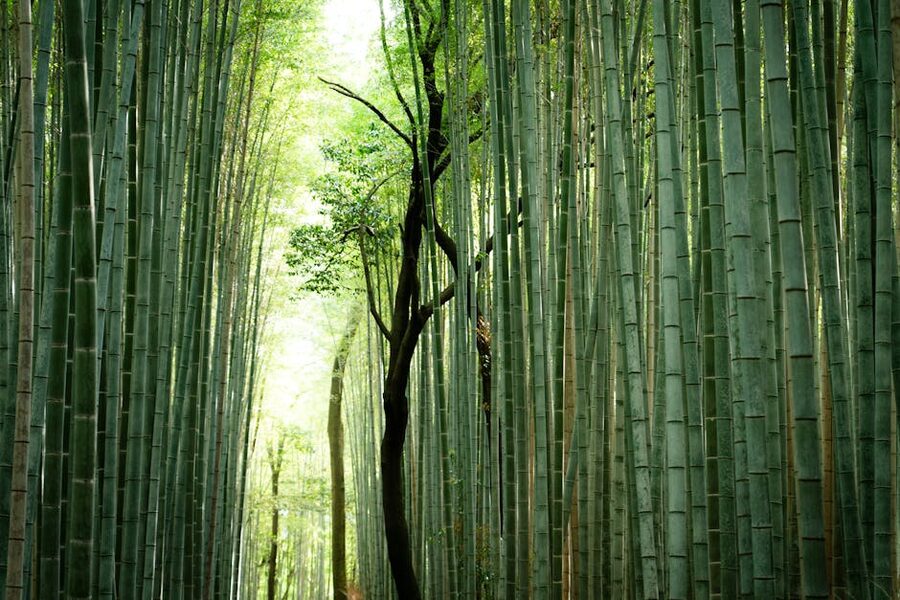
Arashiyama is the western edge of the city, half an hour by JR Sagano line or about forty minutes via the Hankyu and tram combination from central Kyoto. By day it’s the most crowded place in the prefecture (the bamboo grove is a five-minute photo experience for most visitors and there are about ten thousand of them per day in autumn). By night, the day-trippers leave on the trains and the area empties out almost completely. That night-and-morning quiet is the case for staying here, not the bamboo grove.
It’s not a first-trip district. You’re an hour from central restaurants, the food culture in Arashiyama itself is touristy unless you know which addresses (and most of the good ones close at 5pm), and the bus system between here and Higashiyama is a small daily nightmare. But for two nights in November, with a ryokan room over the river and a private bath looking at the maple leaves on the opposite bank, it’s the best stop in the city.
Practical points: Arashiyama is split between the south side of the river (where the bamboo grove, Tenryu-ji, and most of the day-trip footfall live) and the north side, which is quieter, has better small inns, and is where I’d point most ryokan-first travellers. The Hozugawa is shallow and clear; the Hankyu and Sagano stations are both walking distance to the central bridge; and the riverside has its own micro-climate that’s noticeably cooler than central Kyoto in summer and noticeably wetter in autumn.
Suiran, a Luxury Collection Hotel, Best Riverside Luxury
Nearest station: Arashiyama (Hankyu), 12 min walk; or Saga-Arashiyama (JR Sagano), 8 min walk
To Tenryu-ji: 2 min walk (through the garden)
Best for: couples, design-led travellers, anyone who wants the Arashiyama view without a full ryokan stay
From: ¥160,000 low season, ¥420,000 peak
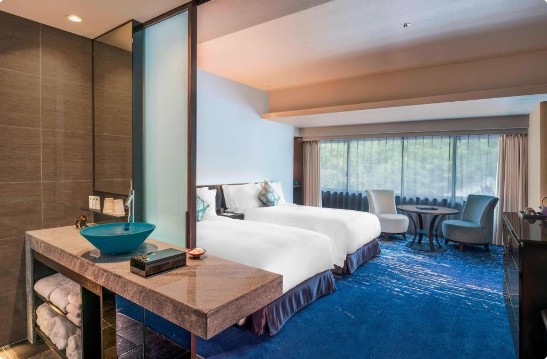
Suiran sits on a piece of the old Tenryu-ji garden estate, with thirty-nine rooms split between modern and machiya-styled buildings on the south bank of the Hozugawa. The river-view rooms with their own enclosed garden onsen baths are the booking, book one of those or stay somewhere else. The inland rooms are nice but cost almost the same and miss the point.
Why it’s the best in Arashiyama: the location, full stop. You’re inside the temple grounds, two minutes from the bamboo grove (which means you can be in it at 6:30am before the trains arrive), and ten minutes from the central bridge. Why it gets an asterisk: the in-house dining is fine but expensive (kaiseki at ¥30,000+ per head), and the service tilts more luxury-hotel than ryokan, so don’t expect the in-room dinner of a true ryokan.
What’s good:
- Riverside rooms with private bath, peerless in Arashiyama
- Inside the Tenryu-ji garden grounds, be in the bamboo at sunrise
- Some of the larger rooms in any Arashiyama property
What’s not:
- Inland rooms aren’t worth Suiran money, be specific in booking
- In-house kaiseki is expensive without being remarkable
- Service is hotel-style, not ryokan-style
Check prices at Suiran Kyoto: Booking.com | Agoda
Arashiyama Benkei, Best Traditional Ryokan
Nearest station: Arashiyama (Hankyu), 9 min walk
To the Togetsukyo bridge: 5 min walk
Best for: ryokan-first travellers, couples, autumn-leaves visitors
From: ¥80,000 per person with dinner low season, ¥200,000 per person peak
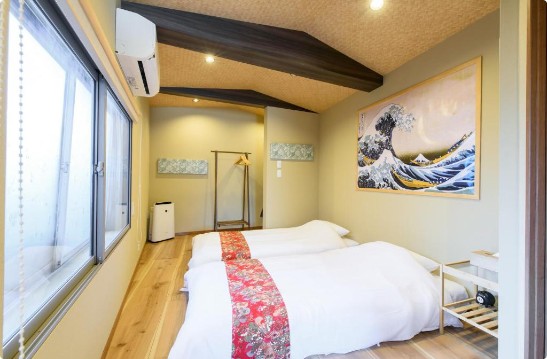
Benkei is a 28-room ryokan on the north bank of the Hozugawa, with about half the rooms having either river views or their own rotenburo. The autumn-leaves rooms are the famous bookings, the maple trees on the opposite bank turn around mid-November, and from the bath you watch them with no one else in the frame.
What it does properly: the ryokan rituals (yukata, in-room dinner, futon turn-down at the right moment), the kaiseki-grade dinner included in the rate, and the early breakfast that’s actually edible. What it doesn’t: be a hotel. Don’t book this if you want to come and go on your schedule. The doors lock at midnight, dinner is at 6:30pm or 7pm, and the turn-down doesn’t ask twice.
What’s good:
- Real ryokan kaiseki, not a hotel imitation
- Half the rooms have private rotenburo
- Autumn-leaves view rooms are remarkable for two weeks a year
What’s not:
- Strict schedule, not for late-night people
- Non-river-view rooms are cheaper for a reason
- Walk back from central Arashiyama at night is poorly lit
Check prices at Arashiyama Benkei: Booking.com | Agoda
Hoshinoya Kyoto, Best Boat-Access Resort (skip if it’s your first trip)
Nearest station: Arashiyama (Hankyu), then a 15 min boat ride from a private dock
To anywhere in central Kyoto: 1 hour, transfers included
Best for: repeat visitors, second-honeymoon couples, slow trips
From: ¥150,000 per room low season, ¥400,000 peak
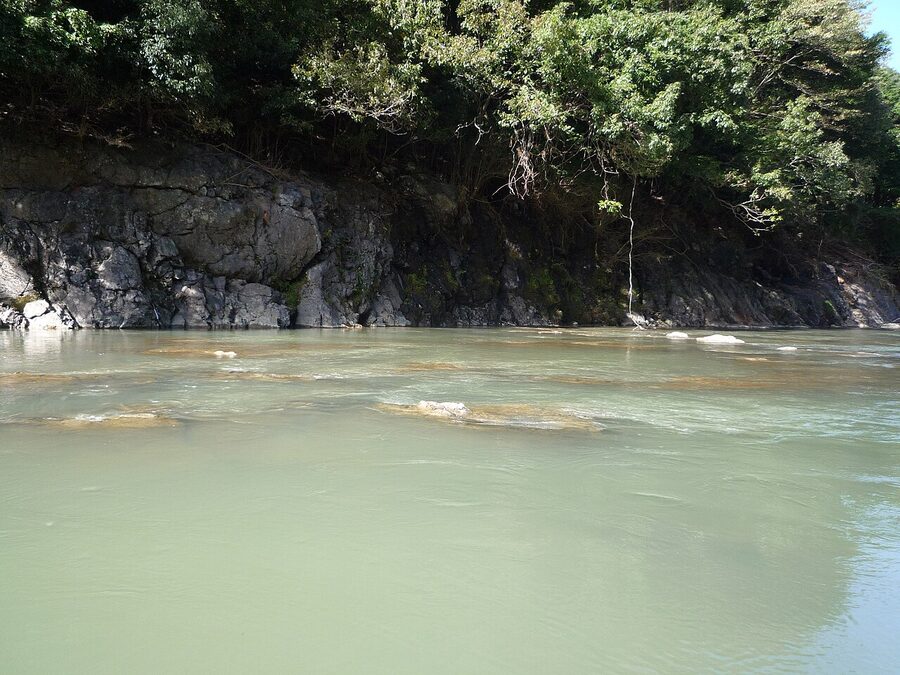
I’m including Hoshinoya here because it gets recommended a lot, and I want to put my opinion next to the recommendation. It’s a 25-room resort upstream from central Arashiyama, accessible only by the resort’s own private boat from a small dock by the Togetsukyo. The buildings are 100-year-old fishing villas restored over a decade, the location on the river is genuinely remarkable, and the rooms are gorgeous.
It’s also a poor choice for a first-trip Kyoto stay. The boat-only access means every meal outside the property requires planning, every spontaneous trip into the city requires planning, and you spend a lot of the trip’s energy on the logistics of leaving and coming back. The in-house kaiseki is excellent and runs ¥40,000+ per head, the breakfast is included, and the boat transfers stop at 11pm. For a two-night slow stay on a third trip, it’s brilliant. For four nights as your only Kyoto base, it’s a mistake.
What’s good:
- Genuinely unique boat-access location
- The restored villas are properly done, not theatrically done
- One of the best in-house kaiseki settings in the country
What’s not:
- Boat-only access is a logistical tax on every meal
- Wrong base for a Kyoto-first trip
- You will eat at the hotel, and pay accordingly
Check prices at Hoshinoya Kyoto: Hoshinoya direct (the listings on Booking under similar names are different Hoshino properties, book direct or via the Hoshino site for this one)
Nishijin and the North, For Repeat Visitors Who Want to Live in the City
Nishijin is the old textile-weaving district north-west of the centre, and it bleeds into Kamigyo and Kita wards. This is the answer for a return visit where you want to feel like a resident rather than a tourist. Quiet streets of machiya, small bakeries that open at 7am, neighbourhood izakaya without English menus, and very few tour groups. You’re a fifteen-minute subway ride from Downtown and twenty from Higashiyama, and the buses run every six minutes between Imadegawa and Karasuma-Oike.
What it doesn’t have: hotel inventory. The five-stars haven’t built here, the boutique scene is small, and the best rooms in Nishijin are mostly machiya rentals through operators like Yadoya or Iori, see my machiya stays guide for that route. For people who want a hotel with breakfast and a concierge, the better play is a hotel just south of Nishijin, Hotel Okura, the Junei, or one of the Karasuma-line addresses, and let Nishijin be the morning walk.
The Junei Hotel Kyoto, Best Small Boutique Near Nishijin
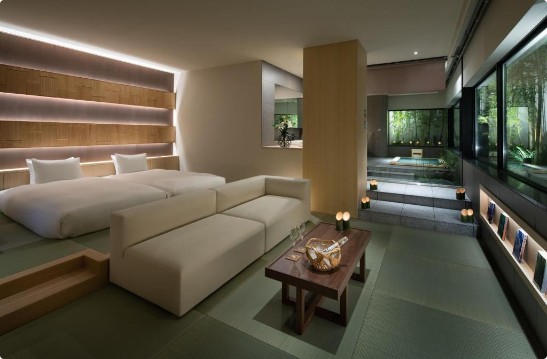
Nearest station: Marutamachi (Karasuma line), 2 min walk
To the Imperial Palace: 5 min walk
Best for: repeat visitors, design-led travellers, couples
From: ¥75,000 low season, ¥200,000 peak
The Junei is a 27-room boutique south of the Imperial Palace. The food is the headline, the hotel’s relationship with Kyoyamato gives you in-room kaiseki that runs at a level most ryokan can’t match, and the rooms are properly sized, properly designed, and quiet in a way the Downtown hotels rarely are. A subway ride to Pontocho takes ten minutes. A walk to the Imperial Palace gardens takes five.
What’s the catch: it’s not central in the way Downtown is, and the food package (mandatory at certain rates) won’t suit travellers who want to eat outside.
What’s good:
- Kyoyamato-grade kaiseki served in-room
- Genuinely quiet streets, sleep is exceptional
- Five minutes to the Imperial Palace gardens at sunrise
What’s not:
- Mandatory dinner packages on some rates
- Not a walk-out-and-eat district at night
- Breakfast is small in scale
Check prices at The Junei Hotel Kyoto: Booking.com | Agoda
Yura Nijojo Bettei MGallery (formerly Garrya Nijo), Best Mid-Luxury North-of-Centre
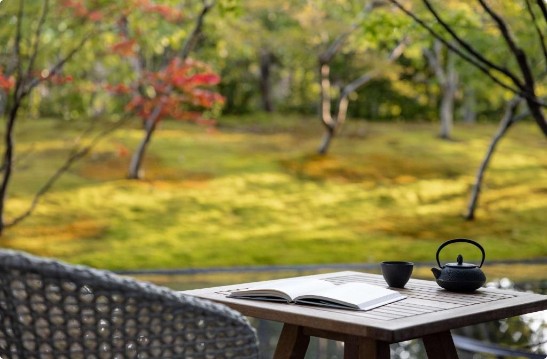
Nearest station: Nijojo-mae (Tozai line), 4 min walk
To Nijo Castle: 3 min walk
Best for: couples, design-led travellers, those who want hot springs in the centre
From: ¥65,000 low season, ¥180,000 peak
Yura Nijojo Bettei (the MGallery rebrand of what was Garrya Nijo) sits on the south side of Nijo Castle, with twenty-five rooms and a real onsen pumped up from below the property. The rooms are large by Kyoto standards (33 sq m at entry), the in-house Tetsu (an iron-pan grill) is one of the better hotel restaurants in the area, and the service since the MGallery upgrade in 2025 has tightened up nicely.
The trade-off: it’s not Downtown. You’re a ten-minute walk from the central Kawaramachi-Shijo grid, which matters if you want to eat-and-walk-back in five minutes flat.
What’s good:
- Real natural hot-spring water, rare at this price tier
- Large entry-level rooms
- Quiet street, central but not in the noise
What’s not:
- Ten-minute walk from the centre, minor but noticeable
- The branding switch in 2025 created some teething issues that have settled
- Limited dining variety inside the property, go outside
Check prices at Yura Nijojo Bettei MGallery: Booking.com | Agoda
What Most Kyoto Guides Get Wrong
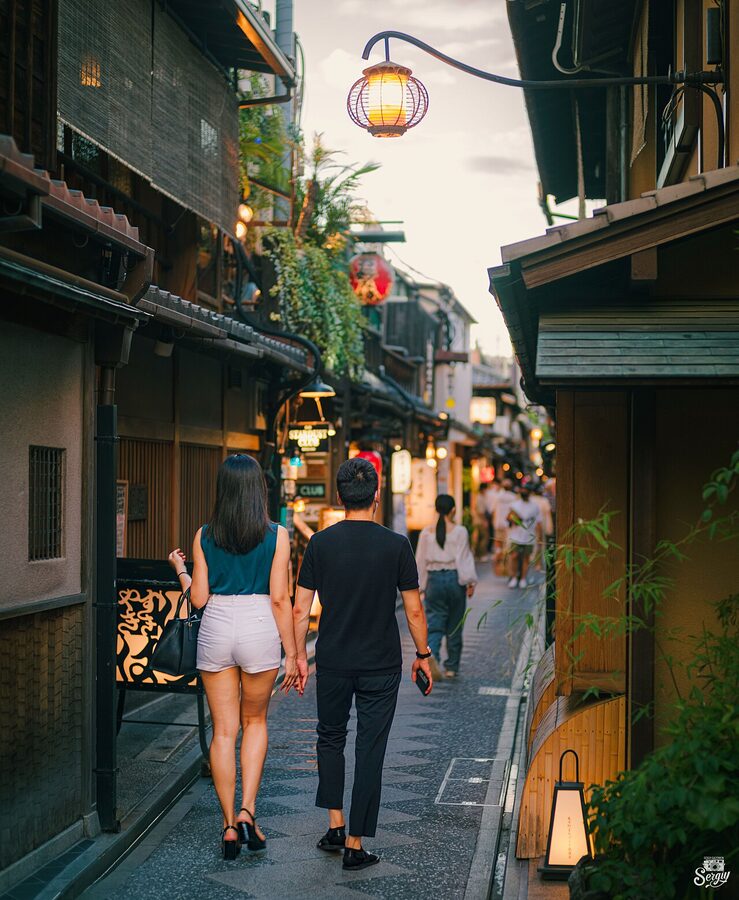
Three things almost every Kyoto accommodation guide gets wrong, and one thing they get right but undersell.
Wrong: Gion is the right answer. Most Western guides default to Gion because it’s the part of Kyoto that fits the imagined version of the city. The number of travellers who’ll regret booking Gion over Higashiyama is much higher than the number who’ll wish they’d booked Gion instead. The streets that make Gion famous are smaller than they look in photos, the dining culture is harder to access, and the night-time vibe is dead unless you’ve booked a ¥40,000-per-head dinner.
Wrong: Kyoto Station is convenient. It’s well-connected to other cities. It’s not well-connected to Kyoto. The bus to Higashiyama from the station takes 25 minutes plus the wait. The subway to Karasuma-Oike from the station takes seven, but then you’re transferring or walking. You will spend a meaningful fraction of your trip getting from Kyoto Station to actual Kyoto, every day. Stay at the station only for the trip-shape it actually fits, day-trip-heavy, business, or in-and-out.
Wrong: Aman Kyoto is the answer for Kyoto luxury. Aman Kyoto is a beautiful resort thirty minutes north of the city in the Takagamine hills. It is also, for most luxury travellers visiting Kyoto, the wrong booking. You’re committing to a property that requires a taxi for every meal off-site, and the on-site experience, lovely as it is, isn’t a Kyoto experience, it’s an Aman experience that happens to be in Kyoto Prefecture. If you want Aman, fine, book Aman; but understand that the Park Hyatt or the Mitsui will give you more of the city. (For a fuller breakdown, see my Aman Kyoto review.)
Right but undersold: machiya stays beat hotels for couples and small families. Restored townhouse rentals through Iori, Yadoya, or one of the smaller operators give you 80-150 sq m of space for the price of a single hotel room, including a real kitchen, a private bath, and the kind of street-level connection to the neighbourhood that a hotel can’t match. The trade-offs are real (no daily housekeeping, no concierge, no breakfast), but for a stay of three nights or more, especially in late autumn or sakura week, the math works.
Booking Tips That Actually Save Money
Three things to know before you click.
First, the price gap between Booking.com, Agoda, and direct booking is small but real on Kyoto chain hotels, usually within 5%, with Booking.com slightly cheaper most of the year and Agoda occasionally offering deeper Asian-market discounts. For top-tier ryokan (Tawaraya, Hiiragiya, Sumiya Kihoan), you book direct or via the ryokan’s own English email contact. They don’t list on Booking, full stop.
Second, the seasonal pricing pattern is sharper in Kyoto than in any other Japanese city. A room that lists at ¥38,000 on a Wednesday in late January will list at ¥110,000 on a Saturday in mid-November, and the latter sells out four months in advance. Book sakura week and koyo by the previous September. Book January or early March two weeks before, you’ll find walk-up rates 30% lower than the listed price.
Third, the cancellation policy on Kyoto luxury can be tighter than you expect. Park Hyatt Kyoto’s flexible rate runs 14 days; Aman’s runs 21; the Mitsui and Ritz both 7. If you book the non-refundable rate (often 10-12% off), make sure you’re sure, the change-fee policy is unforgiving and you can’t transfer a non-refundable Kyoto booking to a sister property the way you can in some other cities.
Quick Recommendations by Traveller Type
The summary, with no fluff.
First-timer, one week, mid-budget (¥40,000/night): Hotel Kanra Kyoto or Cross Hotel Kyoto. Stay central, walk a lot, save money for dinner.
First-timer, one week, luxury (¥150,000+/night): Park Hyatt Kyoto in Higashiyama for three nights, then The Mitsui Kyoto downtown for the other three. Don’t try to do all six in one hotel.
Second-trip couple, slow trip: Two nights at Suiran or Arashiyama Benkei in the west, then four nights at the Junei Hotel north of the centre. Late November or early March.
Family of four, two adults two children: Hotel Granvia Kyoto for the connecting rooms and the station access, or one of the larger machiya rentals through Iori, see my machiya stays in Kyoto guide.
Repeat-visitor solo traveller: Hotel Okura Kyoto. The address is the right one, the rooms are the right size, and you’re not paying for branding you don’t use.
Ryokan-first, only one night: Sowaka in Gion if you want hotel comforts with ryokan aesthetics, or Tawaraya/Hiiragiya in central Kyoto if you want the real thing, book by email at least three months out.
Day-trip-heavy, Kyoto as a base: Hotel Granvia in the station for the rail access, but only if half your nights are spent on a shinkansen.
Sakura-week splurge: Park Hyatt Kyoto with a corner room facing the pagoda, or the Ritz-Carlton with a river-facing higher floor. Book by the previous October.
Two Last Things
One. The best Kyoto trip I ever organised for friends (a couple, one week, second visit, late November) split four nights at Hotel Okura in the centre with three at Suiran in Arashiyama. Hotel Okura because the rooms were bigger than the brand suggested and the location handled five different temple districts on foot. Suiran because the river view in autumn justified itself. Total spend on rooms: about ¥850,000. They’d have happily spent more, but they didn’t need to.
Two. If you’re choosing between the marketing version of luxury (Aman, the new Six Senses, the Mandarin Oriental in Iwakura) and the boring-good version (Park Hyatt, Mitsui, Okura, the Junei), the boring-good wins almost every time for someone new to Kyoto. The famous-luxury options are real, they’re often beautiful, and they’re not the right answer for your first or second trip. Save them for the trip where you’ve already seen the city.
Pick your district first, hotel second, season third. Get those three right and the rest takes care of itself.