
This guide contains affiliate links. If you book through them, I earn a small commission at no extra cost to you. I only recommend hotels I've actually researched and would consider booking myself.
The phrase "hotel with private onsen" in Kyoto means three different things. One is a room with its own outdoor bath fed by genuine hot-spring water, a real kyakushitsu rotenburo (客室露天風呂). Two is a wood or ceramic tub on a balcony, marketed as a private onsen, but plumbed with heated city water (because legally it isn't spring water). Three is a hotel-wide bathhouse you book by the hour as a private session, what the Japanese listings call kashikiri-buro. All three have their place. They are not the same product.
The labelling on Booking and Agoda blurs all of this together, so you end up paying ¥120,000 for what you thought was a private outdoor onsen and it turns out to be a deep heated tub on a balcony. Fine if that's what you wanted. Annoying if it isn't.
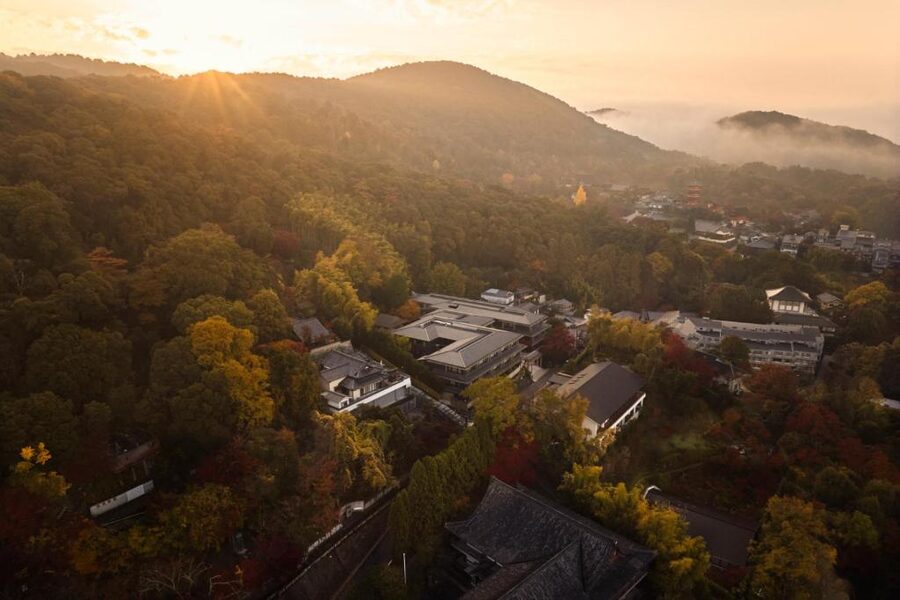
This guide sorts which Kyoto hotels actually deliver each version, with prices, room-type names to search for, and the trade-offs nobody else lists. If you want the broader picture of Kyoto onsen, including public bathhouses and day-trip onsen towns, see the Kyoto onsen ryokan guide instead. This piece is just about the rooms.
In This Article
- The three types of private onsen: what you're actually buying
- Type 1: 客室露天風呂 (kyakushitsu rotenburo): real spring water in your room
- Type 2: 客室半露天風呂 (kyakushitsu han-rotenburo): private bath with heated tap water
- Type 3: 貸切風呂 (kashikiri-buro): timed-slot private booking of a public bath
- Quick reference: which Kyoto hotels actually have what
- Type 1 hotels: actual hot-spring water in (or beside) your room
- Hotel The Mitsui Kyoto: the Onsen Suite floor (best in-city Type 1)
- Banyan Tree Higashiyama Kyoto: every villa, real spring, biggest in-room baths
- Suiran, a Luxury Collection Hotel Kyoto: only the Hozugawa Suite has the real onsen
- Fufu Kyoto: every room has a private outdoor onsen, smaller scale than Banyan
- Kyoto Arashiyama Onsen Ryokan Togetsutei: the value play for real Arashiyama Onsen
- Kadensho Arashiyama Onsen: best budget Type 1 in Arashiyama
- Kyo Yunohana Resort Suisen: out at Kameoka, on a real onsen field
- Kurama Onsen: most rural setting, mountain rotenburo, no luxury pretensions
- Kyoto Hot Spring Hatoya Zuihokaku: closest Type 1 to Kyoto Station
- Type 2 hotels: beautiful private bath, heated tap water (not technically onsen)
- Saka Hotel Kyoto: Higashiyama, all rooms have private cypress baths
- nol Kyoto Sanjo: Downtown, machiya-style with private bath rooms
- Hotel Kanra Kyoto: best value Type 2, machiya-modern in central Kyoto
- Type 3: timed-slot private use of a hotel onsen
- Onyado Nono Kyoto Shichijo: real spring at Kyoto Station, kashikiri available
- Hyatt Regency Kyoto: Riraku Spa kashikiri-buro slots
- What most guides get wrong about Kyoto's "private onsen" market
- 1. Kyoto isn't actually an onsen city
- 2. The famous luxury hotels mostly have heated tap-water baths, not onsen
- 3. The best onsen value is the kashikiri slot, not the in-room version
- Practical considerations
- Tattoos
- Booking the right room category
- Seasonality and price swings
- Booking direct vs Booking.com
- Recommendations by traveller
The three types of private onsen: what you're actually buying
Before booking, work out which version you want. The Japanese listings split these cleanly. The English listings rarely do.
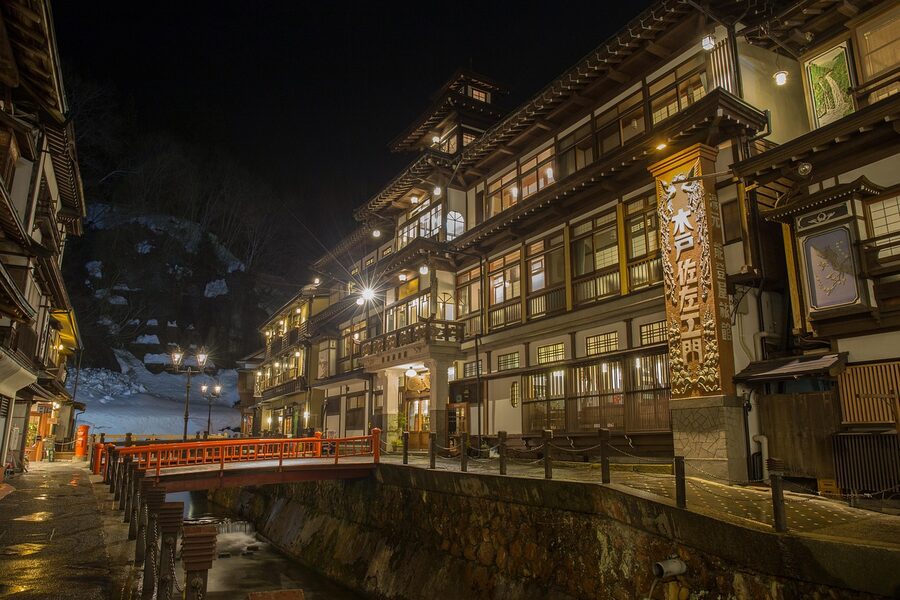
Type 1: 客室露天風呂 (kyakushitsu rotenburo): real spring water in your room
This is the gold standard and the rarest in Kyoto city. A bath fed directly from a hot spring source, plumbed into your private balcony or terrace. Genuine onsen water has a mineral content reported to the local government and a registered source. In Japanese, look for the wording 温泉付き客室 (onsen-tsuki kyakushitsu) or 源泉 (gensen, source) on the property's own site. On Booking, the room name will usually contain "Onsen Suite" or "with Open-air Onsen Bath".
Within the city limits this is genuinely uncommon. Kyoto isn't a hot-spring city the way Hakone is. The hotels that actually pump natural spring water into rooms tend to be (a) at the edges in Arashiyama or Kurama, where there's a real local source, (b) the new luxury builds that drilled their own well, like the Mitsui and Banyan Tree, or (c) the Kameoka resorts a 30-minute drive west that sit on the Yunohana onsen field.
Type 2: 客室半露天風呂 (kyakushitsu han-rotenburo): private bath with heated tap water
Cypress tubs, ceramic stone baths, hammered-copper soaking tubs. Beautiful, often Instagrammable, and not onsen. The water is municipal, heated, and refilled per stay. Plenty of Kyoto's mid-range and upper-mid hotels have these, and the listings call them "private onsen" or "in-room hot bath". Half of Higashiyama's newest boutique builds, Saka Hotel, Sowaka, Hotel Kanra, fall here. The water is hot, the bath is yours, the room is lovely. There is no spring beneath the building.
This is fine. It's a deep private bath, after a long day walking the Higashiyama temple route, with no need to share with strangers. Just don't pay onsen-resort prices for it.
Type 3: 貸切風呂 (kashikiri-buro): timed-slot private booking of a public bath
You book a 50-minute slot. The hotel locks the door from the inside. The bath itself is hot-spring water (in the genuine onsen hotels) or heated tap water. You get the place to yourself, you don't need to bath naked among strangers, and it's usually free or about ¥3,000 per session. This is the most common form of "private onsen" in city-centre Kyoto, and it's often the smartest pick for travellers who want the experience without paying ¥80,000 extra for the in-room version.
The Hyatt Regency Kyoto, Granvia, Onyado Nono, and most of the larger Higashiyama and Station hotels offer this. The water is good, the slots are generous, and your room costs half what a Type 1 room costs.
Quick reference: which Kyoto hotels actually have what
Top picks by category, with the question of what kind of water you're getting. Prices are typical low/shoulder-season rates, sakura and autumn-leaves weeks add 30-60%.
| Hotel | Type | Water source | Area | From/night |
|---|---|---|---|---|
| Hotel The Mitsui Kyoto | 1 + 3 | On-site spring (Mitsui's own well) | Nijo / Downtown | ¥110,000 |
| Banyan Tree Higashiyama | 1 (select villas) | On-site spring | Higashiyama | ¥150,000 |
| Suiran, a Luxury Collection | 1 (Hozugawa Suite) | Arashiyama Onsen | Arashiyama | ¥85,000 |
| Fufu Kyoto | 1 | Funaoka spring (delivered) | Okazaki | ¥110,000 |
| Kyoto Arashiyama Togetsutei | 1 | Arashiyama Onsen | Arashiyama | ¥45,000 |
| Kadensho Arashiyama Onsen | 1 | Arashiyama Onsen | Arashiyama | ¥35,000 |
| Kyo Yunohana Resort Suisen | 1 | Yunohana Onsen (Kameoka) | 30 min west | ¥50,000 |
| Kurama Onsen | 1 | Kurama Onsen (real source) | Kurama (north) | ¥30,000 |
| Hatoya Zuihokaku | 1 + 3 | Kyoto Hot Spring (drilled) | Kyoto Station | ¥25,000 |
| Saka Hotel Kyoto | 2 | Heated municipal water | Higashiyama | ¥55,000 |
| nol Kyoto Sanjo | 2 | Heated municipal water | Downtown | ¥40,000 |
| Hotel Kanra Kyoto | 2 | Heated municipal water | Karasuma | ¥35,000 |
| Onyado Nono Shichijo | 3 | Natural hot spring (shared) | Kyoto Station | ¥18,000 |
| Hyatt Regency Kyoto | 3 (Riraku Spa) | Heated, shared / private slot | Higashiyama | ¥40,000 |
Type 1 hotels: actual hot-spring water in (or beside) your room
This is the shortest list because it's the rarest product. Within Kyoto city, only a few addresses can legally call their bath water onsen. Outside the city, within a half-hour of central Kyoto, the choice broadens considerably.
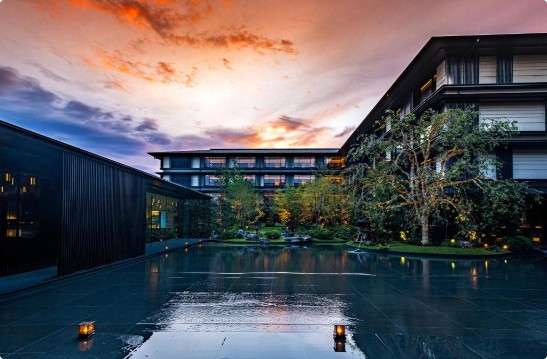
Hotel The Mitsui Kyoto: the Onsen Suite floor (best in-city Type 1)
Nearest station: Nijojo-mae (Tozai line), 3 min walk. Or Kyoto Shiyakusho-mae, 12 min walk.
Best for: Travellers who want the Mitsui name and a real spring without leaving the centre.
From: ¥110,000 in the standard Onsen Suite category.
The Mitsui sits across the street from Nijo Castle and drilled their own onsen well to about 1,000 metres deep. The water is reported to local authorities as Kyoto Mitsui Onsen, a registered chloride spring, not municipal water heated and labelled. The thermal spa downstairs is open to all guests; what you're paying for in the Onsen Suite category is having that water piped to your private bath as well.
Real talk: the standard rooms are excellent and several hundred thousand yen cheaper. If you want the spring, you can use the Sento Spa for free as any guest. Book the Onsen Suite if you want the bath in your room (good call for families and guests with tattoos who don't want to deal with the public bath). Otherwise, standard room plus spa visits delivers most of the same experience for a third of the cost.
What's good:
- Genuine spring water from the Mitsui's own well, not a re-heated municipal supply
- Walking distance to Nijo Castle, Shinsenen, and the Imperial Palace gardens
- The thermal spa is spectacular even if you don't book the suite
- Tattoo policy is friendlier than most Japanese onsen because the spa floor is built for guest use
What's not:
- The price gap between standard rooms and the Onsen Suite is brutal, about ¥80,000 a night
- The well water is good but it's not Kinosaki, don't go in expecting the strong sulphur smell of a famous onsen town
Check prices at Hotel The Mitsui Kyoto: Booking.com | Agoda
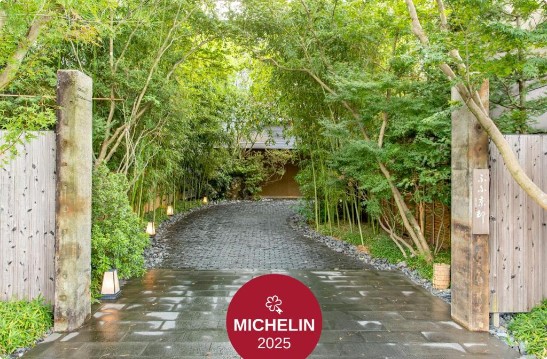
Banyan Tree Higashiyama Kyoto: every villa, real spring, biggest in-room baths
Nearest station: Higashiyama (Tozai line), 12 min walk uphill, or hotel shuttle on request.
Best for: Travellers willing to spend ¥150,000+ for the largest in-room rotenburo in Kyoto city.
From: ¥150,000, and it goes a long way north of that for the upper villa categories.
Banyan Tree Higashiyama opened in 2024 with 52 villas, every one of them with a private outdoor onsen. The water is from the hotel's own well, registered as a chloride/bicarbonate spring under a Kyoto-prefecture certification. The smaller-category villa baths are good. The garden villas are the size of a Tokyo studio apartment, and the pavilion villas, top-floor, give you a private bath looking back across to the Yasaka pagoda.
This is where I'd send a couple celebrating an anniversary if they don't mind paying for it. It's also the only Kyoto property where every single room has a real onsen bath, most other lists give you a hotel where four rooms out of fifty have one. Banyan Tree is fully consistent, every room.
What's good:
- Every villa has a real spring-fed bath, no "upgrade trap" where the hot water is locked behind premium tiers
- The bath is genuinely outdoor, open to the sky, with a privacy screen but no roof
- Kaiseki dining at the on-site Ryozen restaurant is one of the better in-house meals in Higashiyama
- Housekeeping refills the rotenburo for you in the morning so the water's fresh
What's not:
- It's a 12-minute uphill walk from the nearest subway station, the shuttle is free but you have to ask
- Some of the smaller categories sit on lower floors with limited views, the bath is still real onsen but the visual experience is reduced
- Service style is international-luxury, which feels less personal than a traditional ryokan's okami-led approach
Check prices at Banyan Tree Higashiyama: Booking.com | Agoda
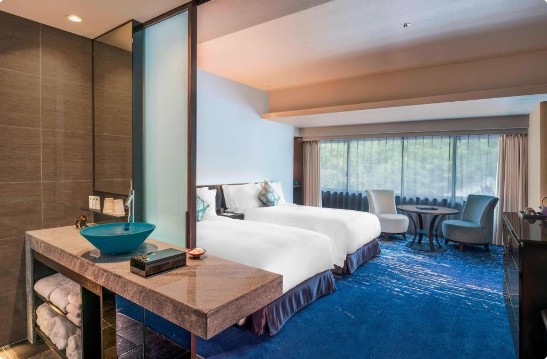
Suiran, a Luxury Collection Hotel Kyoto: only the Hozugawa Suite has the real onsen
Nearest station: Saga-Arashiyama (JR Sagano line), 12 min walk, or Arashiyama (Hankyu), 8 min.
Best for: Travellers booking the specific Hozugawa Suite for genuine Arashiyama Onsen water.
From: ¥85,000 standard room, ¥220,000+ for the Hozugawa Suite with onsen.
Suiran is at the foot of the Togetsukyo bridge in Arashiyama, and the property has a long association with the Arashiyama Onsen, the registered hot spring across the Hozugawa river. Most rooms here are excellent, with the river view and the deep cypress soaking tubs. Only the top suite, the Hozugawa Suite, has the actual Arashiyama Onsen water plumbed into a private rotenburo. It's clearly named on the Marriott site if you cross-reference. On Booking it's sometimes labelled "Suite, 1 King Bed, Hot Spring", book the right room or you're paying suite money for cypress-tub-with-tap-water.
The other reason to come here: in-house at Suiran is the Sagano restaurant for kaiseki and the Café Hassui for tea-time on the riverside terrace. The walk up to Hogonin and Tenryu-ji starts at the front door.
What's good:
- Top-tier Arashiyama location, river views in many rooms
- Hozugawa Suite is genuinely a registered onsen, not a heated tap-water tub
- Sagano restaurant kaiseki dinner is consistent and the breakfast is one of the best ryokan-style breakfasts in Kyoto
- Walking distance to the bamboo grove before the morning crowds arrive
What's not:
- Only one room category has the real onsen, the rest are heated bath water, and the price gap is enormous
- Arashiyama is 25 minutes by train from central Kyoto; if you're mostly doing Higashiyama temples, this isn't a good base
- The river-view rooms are noisier than expected at peak season, the Hozugawa boats and Sagano railway run loud during the day
Check prices at Suiran: Booking.com | Agoda
Fufu Kyoto: every room has a private outdoor onsen, smaller scale than Banyan
Nearest station: Higashiyama (Tozai line), 8 min walk to the Okazaki area.
Best for: Travellers who want every room to have private onsen but at a smaller scale than Banyan Tree.
From: ¥110,000.
Fufu Kyoto opened in 2021 in the Okazaki area near the Heian Shrine and the Kyoto National Museum of Modern Art. Forty rooms, every single one with a private outdoor or semi-outdoor onsen bath. The water is sourced from the Funaoka onsen, meaning it's onsen-trucked-in, the way the Funaoka public bathhouse uses it, rather than drilled on-site. This is legitimate onsen but worth knowing the source: the water doesn't come up directly under your hotel.
For travellers picking between Banyan Tree and Fufu, Banyan is bigger, more international, with a stronger spa offering. Fufu is smaller, more intimate, more Japanese-feeling. Both are real onsen properties. Fufu is roughly 25-30% cheaper for comparable rooms.
What's good:
- Every room has a private rotenburo
- Quieter Okazaki location, walk to the philosopher's path, Eikando, and Nanzen-ji in 10 minutes
- Kaiseki dinner is included in most rate plans, and the chef rotates the menu monthly
- Smaller (40 rooms) and quieter than the bigger international-brand properties
What's not:
- Onsen water is delivered, not drilled on-site, purists may care, most guests won't notice
- The Funaoka spring source is shared with the public bathhouse, the supply is finite, so during high season the water can run cooler than peak
- Front-of-house service is good but not at the level of a top-tier old-Kyoto ryokan
Check prices at Fufu Kyoto: Booking.com | Agoda
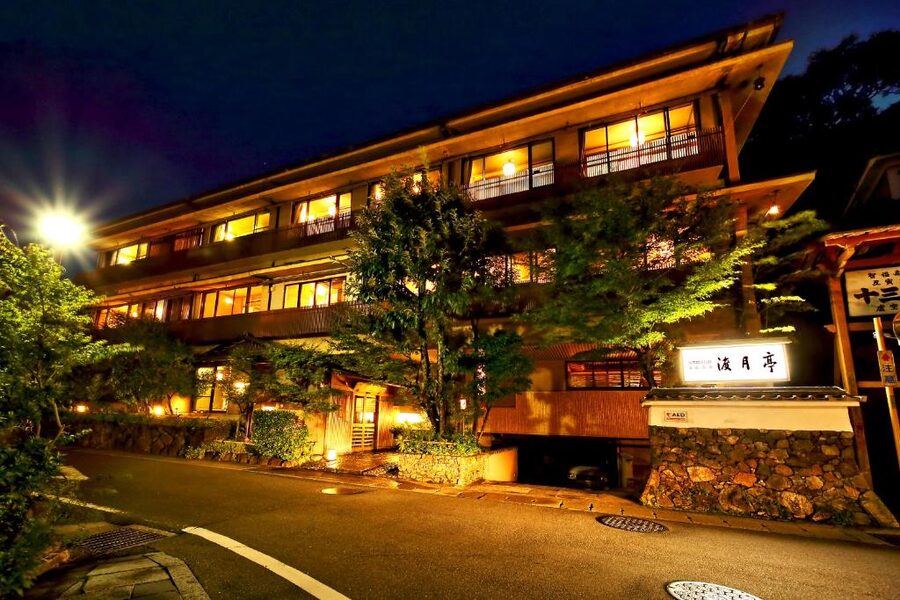
Kyoto Arashiyama Onsen Ryokan Togetsutei: the value play for real Arashiyama Onsen
Nearest station: Arashiyama (Hankyu), 5 min walk, Saga-Arashiyama (JR), 10 min.
Best for: Travellers who want the real Arashiyama Onsen in a mid-range ryokan, not a luxury hotel.
From: ¥45,000 in low season, ¥75,000+ in autumn leaves.
Togetsutei is the value play for genuine Arashiyama Onsen. It's a working ryokan, not a luxury hotel, and the in-room rotenburo rooms (the "Shuzakaku" wing) are the ones that come with private spring-water baths. The standard rooms have communal access to the onsen instead. Both come with full kaiseki dinner.
This is where I'd steer a couple who want a proper onsen ryokan night in Arashiyama and don't want to pay Suiran prices. The bath is real, the river view is real, and you eat a proper kaiseki dinner served in your room. The trade-off is that Togetsutei feels older and more lived-in than Suiran, fair, given it has been operating in some form since the Edo period.
What's good:
- Real Arashiyama Onsen in the in-room rotenburo rooms
- Half the price of Suiran for genuinely comparable spring water
- Full kaiseki served in your room as part of the standard rate
- 5 minutes from Arashiyama station, easier access than Suiran
What's not:
- The standard rooms don't have in-room onsen, verify the room name says "Shuzakaku" or specifies open-air bath
- The building is older and the rooms feel more "working ryokan" than design hotel
- English communication is limited, booking via Booking.com is fine but on-site staff may need patience
Check prices at Togetsutei: Booking.com | Agoda
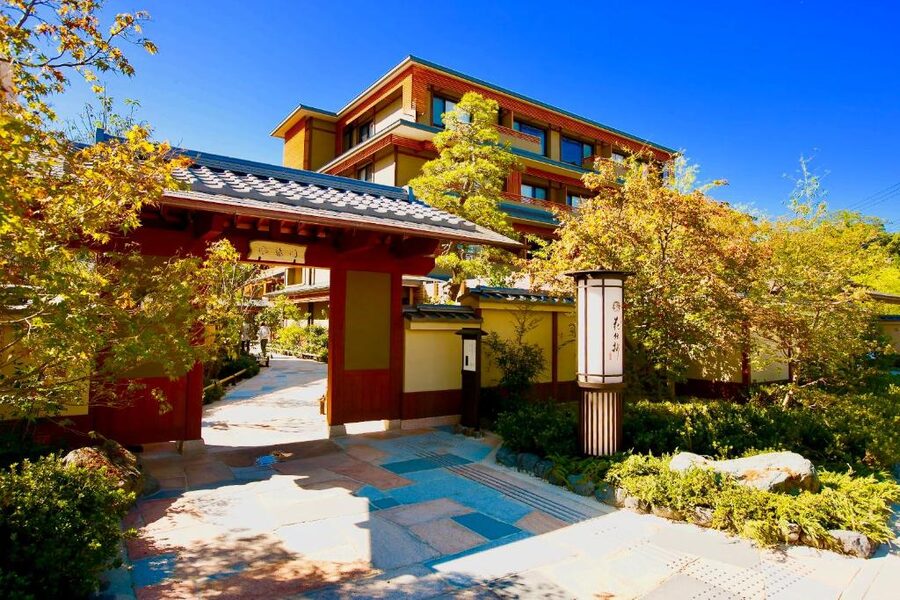
Kadensho Arashiyama Onsen: best budget Type 1 in Arashiyama
Nearest station: Arashiyama (Hankyu), 7 min walk along the river.
Best for: Travellers who want a Type 1 in-room onsen at a real budget, about a third of Banyan Tree pricing.
From: ¥35,000 in low season including breakfast and dinner.
Kadensho is the most affordable in-room Arashiyama Onsen option. About 70 rooms, the in-room onsen rooms are clearly tagged on the Booking page as "with Open-Air Bath". The water is the same Arashiyama Onsen as Togetsutei and Suiran, so you're getting real spring water. The ryokan style is more modern than traditional, buffet-with-kaiseki-elements dinner rather than full multi-course kaiseki. The room price typically includes one of these dinners, so the headline rate is often misleading on the cheap side once you net out food.
This is the right pick if you want to try a Type 1 in-room onsen experience without committing ¥150,000 a night. The dining isn't at the level of a top-tier ryokan, the rooms feel like a hotel-with-onsen rather than a heritage inn, and the Arashiyama setting is genuine.
What's good:
- Real Arashiyama Onsen at a third of Banyan Tree price
- Most rate plans include a dinner and breakfast, the headline is often ¥35,000 for two people including both meals
- Close to the Arashiyama bamboo grove and the Togetsukyo bridge
What's not:
- Dining is buffet-leaning, not pure kaiseki, fine but not a culinary highlight
- The in-room onsen rooms get booked out quickly, especially weekends, book 6-12 weeks ahead
- The interior design is modern Japanese rather than heritage, not the wood-and-tatami aesthetic some travellers expect
Check prices at Kadensho Arashiyama Onsen: Booking.com | Agoda
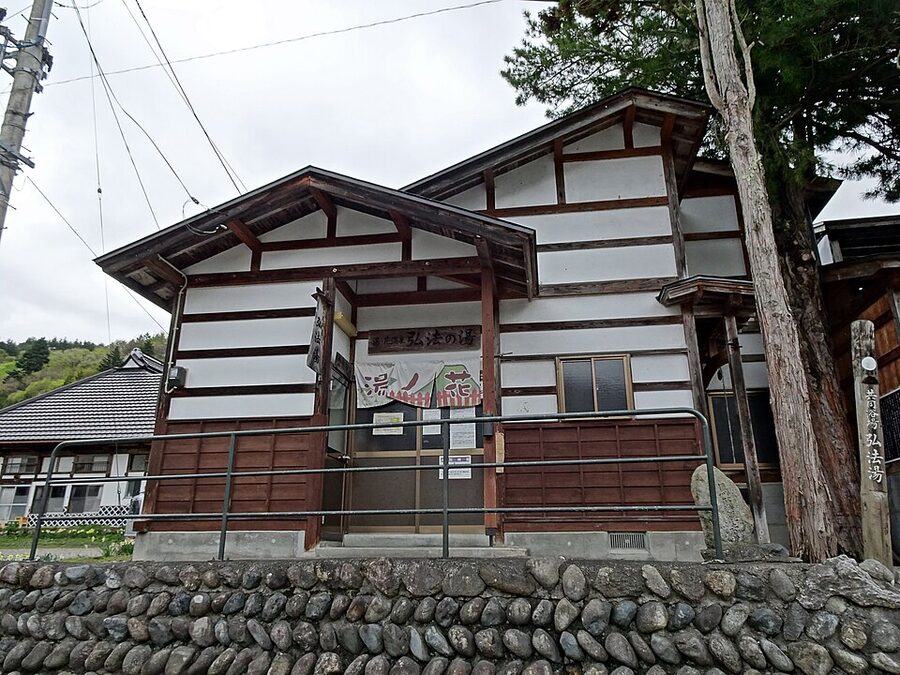
Kyo Yunohana Resort Suisen: out at Kameoka, on a real onsen field
Nearest station: Kameoka (JR Sagano line), hotel shuttle, 10 min from station.
Best for: Travellers willing to take a 25-minute train from Kyoto Station for a real onsen-resort feel.
From: ¥50,000 with kaiseki and breakfast included.
Kyo Yunohana Resort Suisen is in the Yunohana onsen field at Kameoka, west of Kyoto. The water here is genuine, sulphur-tinged, with the actual mineral profile of a hot spring rather than a drilled well's thermal water. Every room has a private outdoor bath, plus there's a large public onsen with multiple baths. Kaiseki is included in most rates and the food is solid mid-tier, not Tawaraya-level but better than the chain ryokan.
This is a different kind of trip. You're leaving central Kyoto for a proper onsen night. The Sagano line train back is 25 minutes to Kyoto Station, so you can do it as a one-night detour from the rest of your Kyoto plans. Or as a full two-night break if you want the rotenburo experience properly. I'd argue this is closer to a real onsen night than anything in central Kyoto, and it costs less than the Mitsui Onsen Suite.
What's good:
- Real Yunohana onsen, sulphur-rich, the way central Kyoto's drilled wells aren't
- Every room has a private bath
- Mid-range pricing for genuinely good onsen-ryokan experience
- Hotel shuttle from Kameoka station means no taxi hassle
What's not:
- You're 30 minutes by train from Kyoto Station, not a base for a Kyoto sightseeing trip
- The buildings are mid-range modern, not a heritage ryokan, closer to a Japanese-style hotel
- Food is good for the price, not exceptional
Check prices at Kyo Yunohana Resort Suisen: Booking.com | Agoda
Kurama Onsen: most rural setting, mountain rotenburo, no luxury pretensions
.jpg)
Nearest station: Kurama (Eizan line), 5 min walk from the station.
Best for: Travellers who want a real mountain onsen experience inside Kyoto's city limits.
From: ¥30,000 including dinner.
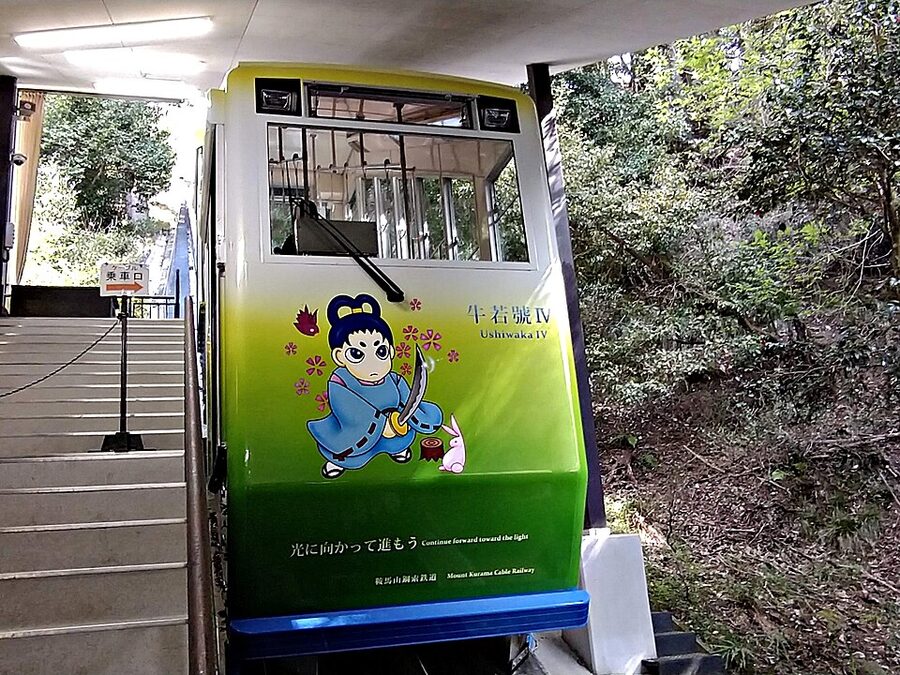
Kurama Onsen sits at the end of the Eizan line, 30 minutes north of central Kyoto. The water is genuine Kurama Onsen, sulphur-and-radium spring water with a registered local source. The ryokan is unfussy: simple Japanese rooms, in-room private bath in the higher tiers, kaiseki-leaning dinner that uses local mountain vegetables. The setting is the draw, you're in proper forested mountains, you walk through Kurama-dera temple grounds to get to the ryokan, and the public rotenburo is built into the hillside.
If the Higashiyama temple route is feeling crowded, ride the Eizan line out to Kurama, hike to Kibune over the mountain, then come back to bath at Kurama Onsen for the night. Best mountain-onsen experience you can have without leaving Kyoto Prefecture.

What's good:
- Real Kurama Onsen water, sulphur, radium, the actual local spring
- Mountain forest setting that feels like a proper onsen town, inside Kyoto's city limits
- One of the cheapest Type 1 in-room rotenburo experiences in the Kyoto area
- Combine with the Kurama-Kibune mountain hike (well worth doing)
What's not:
- 30 minutes from central Kyoto on the Eizan line, plus a 5-minute walk, not for travellers who've only got two nights total
- The ryokan rooms are simple, this is a working onsen ryokan, not a design hotel
- Dinner is mountain-vegetable kaiseki, which is excellent but not what every guest expects
Check prices at Kurama Onsen: Booking.com | Agoda
Kyoto Hot Spring Hatoya Zuihokaku: closest Type 1 to Kyoto Station
Nearest station: Kyoto Station, 5 min walk from the Hachijo south exit.
Best for: Travellers who want a real on-site spring without leaving Kyoto Station.
From: ¥25,000 in standard rooms, ¥45,000+ for the in-room onsen rooms.
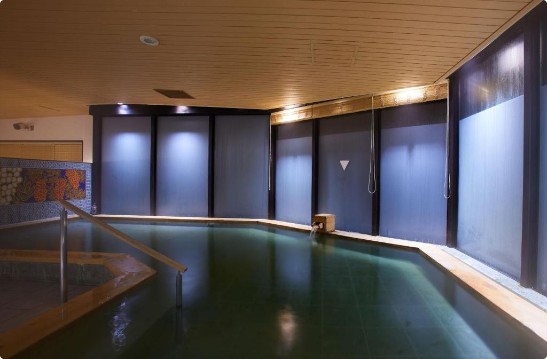
Hatoya is one of the few Kyoto Station hotels that legitimately has a registered spring (Kyoto Hot Spring) drilled on-site. Not all rooms get the spring water, only the higher-tier onsen-suite rooms. The standard rooms still get full access to the public onsen baths, which is a real spring with rotenburo. So even at the budget end you can have a real onsen night without leaving the station area.
The hotel is older, it's been a working onsen ryokan in some form for decades. The recent refurbishment has tidied up the rooms but it doesn't feel like a luxury build. Worth booking if you want the convenience of staying steps from Kyoto Station while still getting real onsen water. Worth skipping if you've come to Kyoto for the experience of a heritage ryokan.
What's good:
- Real registered spring drilled on-site, this is genuine onsen, not heated tap water
- 5 minutes walk from Kyoto Station's south exit, best location of any Type 1 hotel
- Cheaper than any other Type 1 option in central Kyoto
What's not:
- The building is dated, interior renovations have helped but the public areas feel like a 1990s business hotel
- Dinner included in some rates is mid-tier kaiseki, fine, not memorable
- The Hachijo south side of Kyoto Station is the less interesting side, walking out you mostly see roads, not temples
Check prices at Hatoya Zuihokaku: Booking.com | Agoda
Type 2 hotels: beautiful private bath, heated tap water (not technically onsen)
These are the hotels where you book a room with a deep cypress or stone bath on a private balcony. The bath is yours, the water is hot, but it's heated municipal water, not a registered hot spring. This category covers most of Kyoto's newer boutique luxury builds in Higashiyama, Downtown, and Karasuma. They're excellent rooms. Just don't pay onsen prices for them, and don't expect the mineral-tinged water of a real spring.
Saka Hotel Kyoto: Higashiyama, all rooms have private cypress baths
Nearest station: Higashiyama (Tozai line), 8 min walk.
Best for: Travellers who want a private soaking bath in a top Higashiyama location, and don't need spring water.
From: ¥55,000 in low season.
Saka opened in 2022 as a small luxury hotel, 25 rooms, every one with a private Yoshino-cypress bath. The wood is real, the rooms are beautifully designed, and the location next to the Yasaka Pagoda is one of the best in Kyoto. The hot water is heated municipal water. The hotel is clear about this on its own website but the listings often blur it.
I'd book Saka in a heartbeat for the room and the location, just not because I expect onsen water. Treat it as "a beautiful Higashiyama hotel with a private bath in every room" rather than "a private onsen hotel". Top-tier breakfast (kaiseki-leaning), excellent staff English, mid-week pricing is reasonable for the quality.
What's good:
- Every room has a real Yoshino-cypress soaking bath
- Top Higashiyama location, 5 minutes walk to Yasaka Pagoda and 10 to Kiyomizu-dera
- Small property (25 rooms) feels personal, staff remember names
- Breakfast is one of the better hotel breakfasts in Kyoto
What's not:
- The water is heated municipal, don't book this expecting onsen
- No on-site dinner (you eat out at Higashiyama's restaurants)
- Pricing is firm, discounts are rare even mid-week off-peak
Check prices at Saka Hotel Kyoto: Booking.com | Agoda
nol Kyoto Sanjo: Downtown, machiya-style with private bath rooms
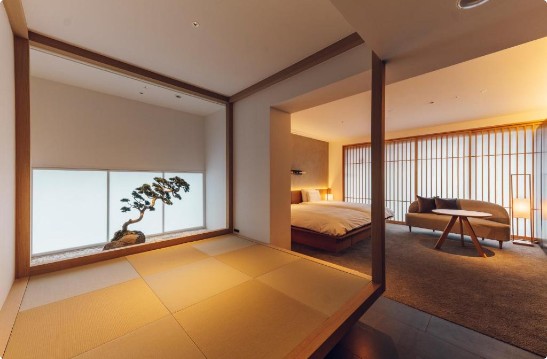
Nearest station: Karasuma Oike (Karasuma/Tozai lines), 4 min walk.
Best for: Travellers who want a downtown machiya-style hotel with private bath rooms, easy transit access.
From: ¥40,000 for a private-bath room category.
nol Kyoto Sanjo is a 49-room design hotel in central Kyoto, walking distance to Nishiki Market and the Pontocho area. Some room categories have private cypress soaking tubs on a small balcony. Heated municipal water, no spring. The design is restrained-modern with traditional materials, closer to the Aman aesthetic than to a heritage ryokan.
This works for travellers who want a quiet downtown base with a private bath option, easy subway access for day trips, and don't care that the water isn't onsen. The breakfast is good but small. There's no in-house dinner, you eat at the restaurants in Pontocho or Nishiki.
What's good:
- Best central location for transit, both Tozai and Karasuma subway lines
- Walking distance to Nishiki Market, Pontocho, and Gion
- Modern design that doesn't compete with the heritage hotels, a different aesthetic
What's not:
- Only some room categories have the private bath, read carefully before booking
- No spa or onsen on-site, the private bath is the entire bathing offering
- No in-house dining
Check prices at nol Kyoto Sanjo: Booking.com | Agoda
Hotel Kanra Kyoto: best value Type 2, machiya-modern in central Kyoto
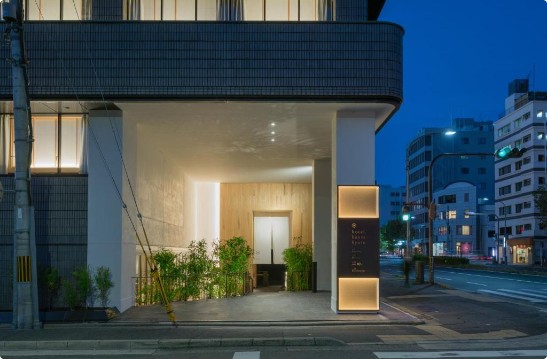
Nearest station: Gojo (Karasuma line), 1 min walk, or Kyoto Station, 12 min walk north.
Best for: Travellers who want a private cypress bath at a real value price.
From: ¥35,000 for the bath-equipped room categories.
Kanra is the value pick. A converted heritage machiya-modern build between Kyoto Station and the Karasuma downtown. Some rooms have private cypress baths on a small interior terrace. Heated water, not onsen. The price is reasonable, the design is genuinely good (the machiya influence is real, not just a marketing line), and the location is convenient without being touristy.
If you want a Type 2 private-bath experience and you don't want to pay Banyan Tree prices, Kanra is where I'd send you. The breakfast is solid. The walk to Karasuma downtown is 10 minutes through quiet streets that feel like everyday Kyoto.
What's good:
- Cypress baths in private rooms at a real value price
- Machiya-modern design feels rooted, not pastiche
- Convenient location between Kyoto Station and downtown
- Strong breakfast included in most rates
What's not:
- Heated tap water in the baths
- Not all rooms have the bath, check the room category before booking
- The location is convenient but not in the best Higashiyama or Gion atmosphere
Check prices at Hotel Kanra Kyoto: Booking.com | Agoda
Type 3: timed-slot private use of a hotel onsen
This is where I'd send most travellers who want the experience of a private onsen but don't want to pay ¥80,000 a night for it. You book a 50-minute private slot in the hotel's spa or kashikiri-buro. The water is real onsen (in the better hotels), the privacy is real, and the rest of your stay is in a normal hotel room at normal hotel prices. This is what most Japanese travellers actually do.
Onyado Nono Kyoto Shichijo: real spring at Kyoto Station, kashikiri available
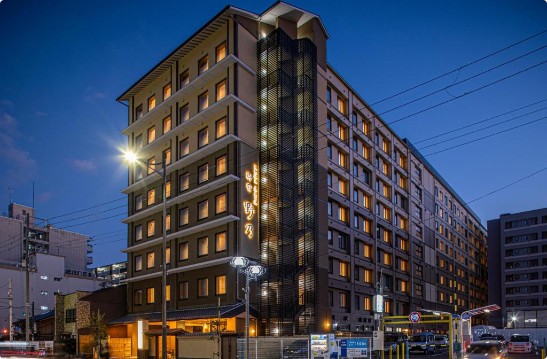
Nearest station: Kyoto Station, 7 min walk from Shichijo / Hachijo south exit.
Best for: Budget-conscious travellers who want a real onsen experience without paying luxury rates.
From: ¥18,000.
The Onyado Nono chain runs onsen-equipped budget hotels across Japan. The Shichijo branch in Kyoto has a real natural hot spring drilled on-site, with both a public bath and bookable private (kashikiri) slots. Rooms are simple, futon on tatami, Japanese-style, and small. The point is the bath, not the room.
This is the most-bang-for-yen of any Kyoto onsen option. ¥18,000 a night for two people, real spring water, kashikiri private slots usually available. If you've been on a long Kansai trip and need a real onsen night before flying out, this is the practical pick.
What's good:
- Real natural hot spring drilled on-site, not heated tap water
- Kashikiri private slots available, usually bookable on the day for ¥3,000
- Walking distance to Kyoto Station for the airport bus or shinkansen
- Cheapest real-onsen option in the Kyoto Station area
What's not:
- Rooms are small and Japanese-style, futon on tatami, not Western beds
- The hotel is functional, not atmospheric
- Public bath rules apply, no tattoos in the public space (the kashikiri slots are the workaround)
Check prices at Onyado Nono Kyoto Shichijo: Booking.com | Agoda
Hyatt Regency Kyoto: Riraku Spa kashikiri-buro slots
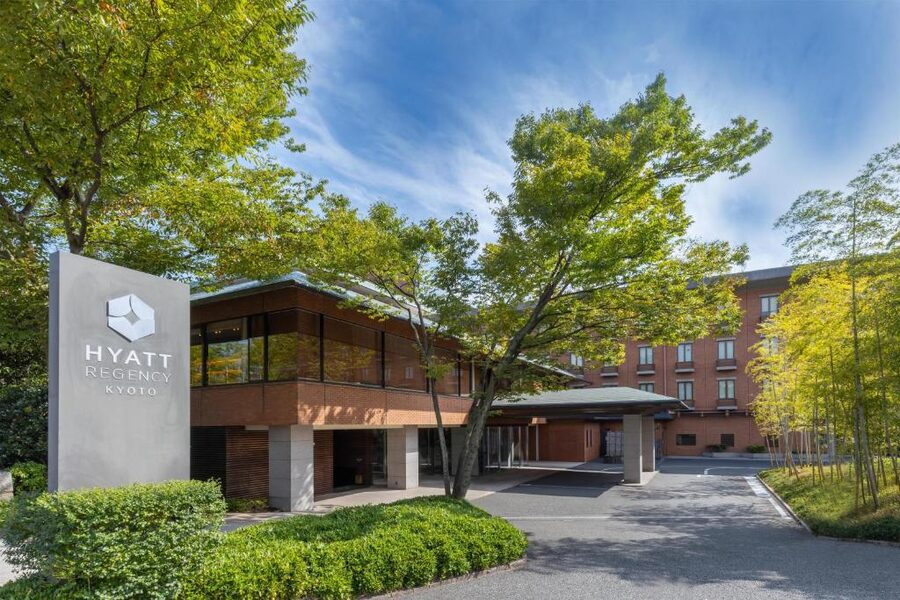
Nearest station: Shichijo (Keihan line), 6 min walk.
Best for: Travellers who want a luxury hotel base plus the option of a private onsen slot when they want it.
From: ¥40,000 in the standard rooms; ¥6,000-8,000 for a private spa slot on top.
The Hyatt Regency has the Riraku spa on-site, with a public bath and bookable private slots. The water is heated municipal, not natural spring, but the kashikiri slots give you a private experience for a fraction of what you'd pay for an in-room version. Book a standard room and add the kashikiri slot. It works out at well under half what a Type 1 in-room onsen room costs, and I'd send most travellers here over a Type 1 room at the Mitsui or Banyan Tree unless their budget is unlimited.
What's good:
- Standard luxury hotel rates plus an optional private slot, far cheaper than booking an in-room private onsen
- Excellent Higashiyama location across from the Kyoto National Museum
- Riraku Spa is a serious operation, proper massage menu, well-trained staff
- Standard hotel rooms are spacious by Kyoto standards
What's not:
- The bath water is heated municipal, not real spring
- Slots can sell out at peak season, book a couple of days ahead, not on the day
- Upper floors have street noise from the Higashioji-dori road
Check prices at Hyatt Regency Kyoto: Booking.com | Agoda
What most guides get wrong about Kyoto's "private onsen" market
Three things that the recycled top-20 lists miss, and that you should know before you book.
1. Kyoto isn't actually an onsen city
Hakone is an onsen city. Kinosaki is an onsen city. Kurokawa, Beppu, Noboribetsu, onsen cities. Kyoto is a temple city that happens to have a few drilled wells and the Kurama Onsen at the city limits. If your priority is "the best in-room onsen experience in Japan", Kyoto isn't the right city. Hakone or Kinosaki will deliver more onsen for your money. Kyoto's strength is everything else, temples, food, machiya streets, geisha districts. Treat the in-room onsen as a bonus on top of a Kyoto trip, not as the central reason to come.
2. The famous luxury hotels mostly have heated tap-water baths, not onsen
Aman Kyoto (no in-room onsen). Park Hyatt Kyoto (no in-room onsen). Six Senses (no in-room onsen). The Ritz-Carlton Kyoto (no in-room onsen, they have a spa with heated water). HOSHINOYA Kyoto (no in-room onsen, kaiseki and the boat ride are the draw). The famous luxury Kyoto hotels are not onsen properties. Their bath offerings are excellent cypress soaking tubs with heated water. If a guide tells you to book Aman Kyoto for a private onsen, they haven't read the hotel's own description carefully. For a fuller treatment of these properties, see the Kyoto luxury hotels guide.
3. The best onsen value is the kashikiri slot, not the in-room version
A 50-minute private kashikiri slot at a real onsen ryokan or hotel costs ¥3,000-8,000. An in-room rotenburo room costs ¥30,000-100,000 per night above the equivalent standard room. If you're doing two nights in Kyoto, you can have two 50-minute private onsen sessions for under ¥20,000, a tenth of what you'd pay for the in-room version. The in-room rotenburo is for travellers who want the bath available 24 hours a day in their underwear. The kashikiri slot is for travellers who want the experience and the value.
Practical considerations
Tattoos
Standard Japanese onsen rules ban guests with tattoos from the public bath. The workaround for travellers with tattoos is the kashikiri private slot, most hotels are fine with tattoos in private. The Type 1 in-room rotenburo rooms are also fine since you never share. The international-luxury hotels (Banyan Tree, Mitsui, Suiran) tend to have looser policies on the public spa floor, small tattoos are typically accepted, large tattoos are not. Confirm with the hotel before arrival. Don't assume the rule will be the same as the last hotel you stayed at.
Booking the right room category
This is where most travellers get tripped up. The hotel website room names are usually clear: "Onsen Suite", "Room with Open-Air Bath", "Hozugawa Suite (with onsen)". The Booking.com room names sometimes hide this. Best practice: cross-reference the hotel's own English site with the Booking listing before booking. If Booking shows a generic "Suite" without specifying onsen, it isn't the onsen room.
Seasonality and price swings
Kyoto's in-room onsen rooms are the most price-elastic category in the city. A Banyan Tree pavilion villa that's ¥150,000 in early February jumps to ¥350,000 the first weekend of April. The Suiran Hozugawa Suite goes from ¥220,000 in low season to over ¥500,000 during the autumn-leaves peak. The same seasonal pattern hits the budget end too, Kadensho doubles in price during sakura week. If you're flexible, book mid-November before the leaves peak, or late January during the dead-of-winter valley. You'll get 40-50% off and the onsen experience is arguably better in cold weather (the steam is more dramatic, the temperature contrast is sharper).
Booking direct vs Booking.com
For Type 1 luxury (Banyan Tree, Mitsui, Suiran, Fufu), Booking.com is usually within 5% of the hotel direct rate, sometimes cheaper. For Type 1 mid-range and budget (Togetsutei, Kadensho, Kurama Onsen, Onyado Nono), Booking.com is usually 5-10% cheaper than the hotel direct, especially for the meal-included plans. For Type 2 boutique (Saka, nol, Kanra), Booking and Agoda are about even. Top-tier ryokan (Tawaraya, Hiiragiya) don't list on Booking, they're booked direct only, but they're not in this guide because they don't have private onsen.
Recommendations by traveller
Couple, ¥80,000+ budget, want the real thing: Banyan Tree Higashiyama or Fufu Kyoto. Real onsen, every room, top-tier kaiseki dinner included.
Couple, ¥40,000-60,000 budget, want real onsen: Kyoto Arashiyama Onsen Ryokan Togetsutei (Shuzakaku wing) or Kyo Yunohana Resort Suisen at Kameoka. Genuine spring water, decent dinner, half the price.
Couple, want a beautiful private bath in central Kyoto, don't care about onsen status: Saka Hotel Kyoto in Higashiyama or nol Kyoto Sanjo downtown. Private cypress baths, top locations.
Tight budget, real onsen experience: Onyado Nono Kyoto Shichijo. ¥18,000 a night, real spring, kashikiri slots available.
Want luxury hotel + private onsen access without paying for an in-room version: Hyatt Regency Kyoto + Riraku Spa kashikiri slots. Standard luxury rates plus ¥6-8k for the private session.
Mountain experience, real onsen, half-day from central Kyoto: Kurama Onsen. ¥30,000 with kaiseki, 30 minutes north on the Eizan line, mountain forest setting.
For the wider Kyoto accommodation picture, see the master Kyoto where-to-stay guide. The onsen ryokan in Kyoto guide covers traditional inns without the private-bath requirement, the luxury hotels guide handles famous-name properties (Aman, Park Hyatt, Six Senses) where you book for the hotel rather than the bath, and the machiya stays guide covers restored townhouses with your own kitchen and tatami rooms.