
Reviewed · KOBE
Kobe: Private Tour – Excursion to Osaka / Kyoto possible
Kobe is easiest to enjoy when someone helps you choose. This private tour lets you shape the day around food, history, city views, architecture, nature, or even a quick trip beyond Kobe. You might walk the Kitano Foreign Residents area, sample a Chinatown treat, ride toward the coast, or make plans for Osaka or Kyoto.
I like the one-to-one format, especially for cruise passengers with limited time. I also like the chance to ask for practical help, such as learning the train system or finding your way back to the ship. The main drawback is simple: admission fees, food, and some local transport cost extra, and the quality of the day depends on the guide matched to you.
In This Review
- Key points before you book
- Why a private Kobe tour can work so well
- Starting at your hotel or cruise terminal
- Kitano Foreign Residents area and the old Kobe feel
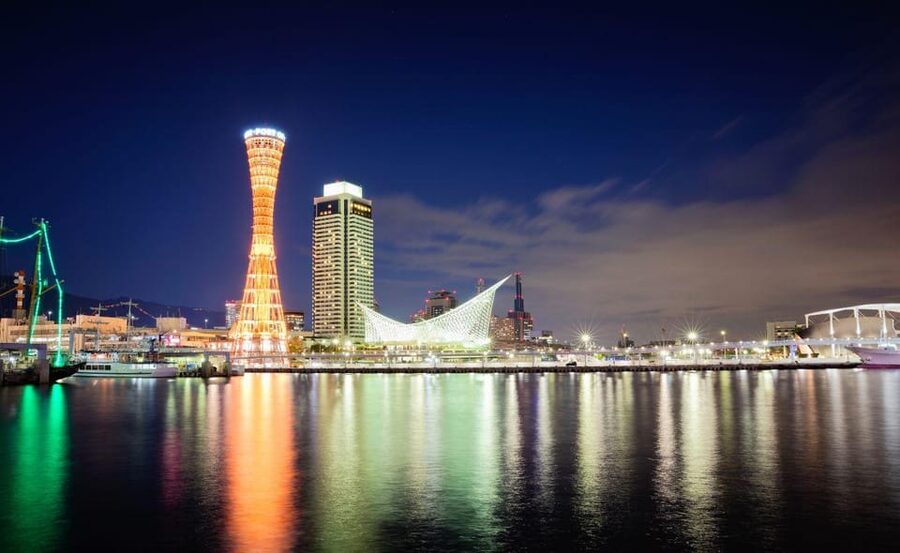
- Chinatown, Kobe Tower, and easy city highlights
- Maiko Marine Promenade and the Akashi-Kaikyo Bridge
- Mount Rokko for mountain air and a slower lunch
- Osaka, Kyoto, and even Himeji by request
- What the guides add to the day
- Timing, cost, and what you still pay for
- Who will get the most from this experience
- Should you book the Kobe private tour?
- FAQ
- How long does the private Kobe tour last?
- Where does the guide meet me?
- Can I start the tour in Osaka or Kyoto?
- Is transportation included?
- Are attraction tickets, food, and drinks included?
- Is the tour wheelchair accessible?
Key points before you book
- Your host is matched to your interests: You complete a short questionnaire before the tour, helping the operator pair you with a suitable local guide.
- The schedule can last 3 to 8 hours: That range makes this workable for a short port stop or a full day in Kobe.
- Maiko offers a strong coastal option: The Marine Promenade and Akashi-Kaikyo Bridge provide photo stops and an unusual view through glass floor panels.
- You can request more than central Kobe: Osaka or Kyoto excursions are possible, and one reported day also reached Himeji Castle.
- Cruise pickup is available: Your guide can meet you at a Kobe hotel or cruise terminal and help you navigate back.
- This is a walking and public transport experience: It is private and flexible, but not a chauffeured sightseeing ride.
Why a private Kobe tour can work so well
Kobe spreads its appeal across several kinds of places. You have historic foreign residences in Kitano, Chinese food and local shopping around Chinatown, waterfront sights, mountain views, and access to major Kansai cities. Picking the right mix is not always easy when you have only a few hours.
That is where a private host earns the $76 per-person starting price. You are not paying for a fixed route that treats every group the same. You are paying for planning help, local company, and the ability to adjust the day to your pace.
The questionnaire matters more than it might seem. Tell the operator if you care most about food, architecture, gardens, train travel, coastal views, shopping, local life, or major landmarks. A family looking for an easy introduction needs a different day from a couple hoping to cover Kobe and reach Osaka.
The format also suits independent visitors who want help at the start of a Japan trip. One of the most useful parts of the experience can be learning how to use local trains and finding your way around. Once you understand the system, the rest of your trip may feel far less daunting.
Other private tours in Kobe
Starting at your hotel or cruise terminal
The guide can meet you at your Kobe hotel or cruise terminal. If you are staying outside the city, you will be given a central meeting point instead. You can also request a start in Osaka or Kyoto if you are arranging the experience as a wider Kansai excursion.
For a cruise passenger, the meeting arrangement is a major advantage. A good port day is not just about reaching attractive places. It is also about knowing how much time you need to return. Krisha, for example, helped a cruise passenger work out the route back to the ship, which is exactly the sort of practical assistance that can prevent a fine day from ending in a stressful dash.
At the start, be clear about your departure time and walking limits. A 3-hour visit should stay close to the port or central Kobe. With 6 to 8 hours, you have more room for Maiko, Mount Rokko, Himeji, or another city, but every extra train ride reduces time for wandering and meals.
The tour is private, so you do not have to wait for a large group. You can pause for photos, ask more questions, or skip a place that does not interest you. That flexibility is more useful than it sounds, particularly for families, older visitors, and anyone managing a tight port schedule.
Kitano Foreign Residents area and the old Kobe feel
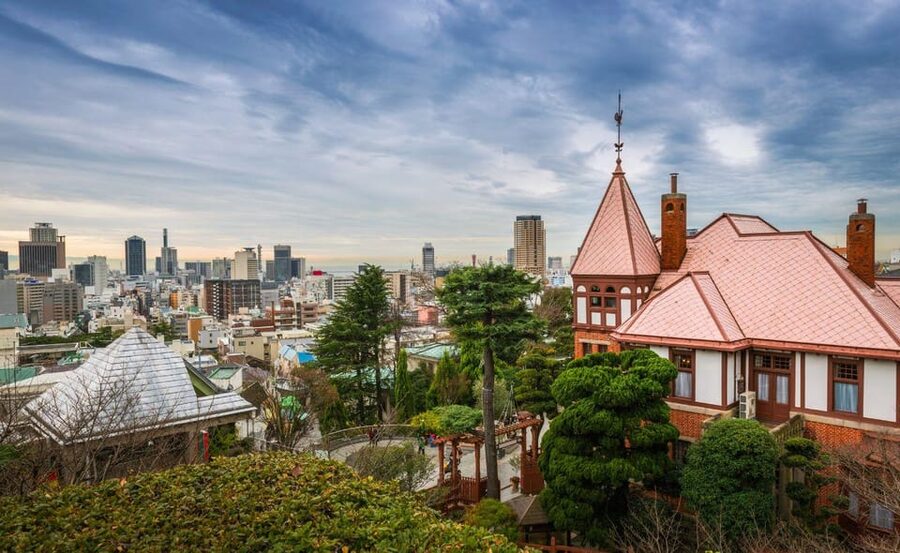
For a first look at Kobe, Kitano is a sensible request. The area is known for architecturally distinctive former foreign residences, giving you a different visual experience from the waterfront and modern city center.
A guide can add context to the buildings and explain why this part of Kobe matters. Without that help, it is easy to see attractive houses, take a few photos, and move on without understanding the area’s role in the city.
Kitano works well for visitors who like architecture and urban history but do not want a full museum day. It also offers a change of pace from the broad views around the harbor. Ask your host to keep the walk gentle if hills or extended walking are a concern.
The key limitation is that the tour does not include entry to monuments or museums. You can ask the guide to help arrange desired visits, but you will pay the entrance costs yourself. If you want to enter several buildings, say so before the day begins so the timing can be planned properly.
Chinatown, Kobe Tower, and easy city highlights
Kobe’s Chinatown is another useful stop for a short tour. It gives you a chance to eat while walking and to see a busy part of the city without committing to a long restaurant meal. One visitor specifically enjoyed a local dessert made only in that area, so ask your guide what is worth trying rather than choosing at random.
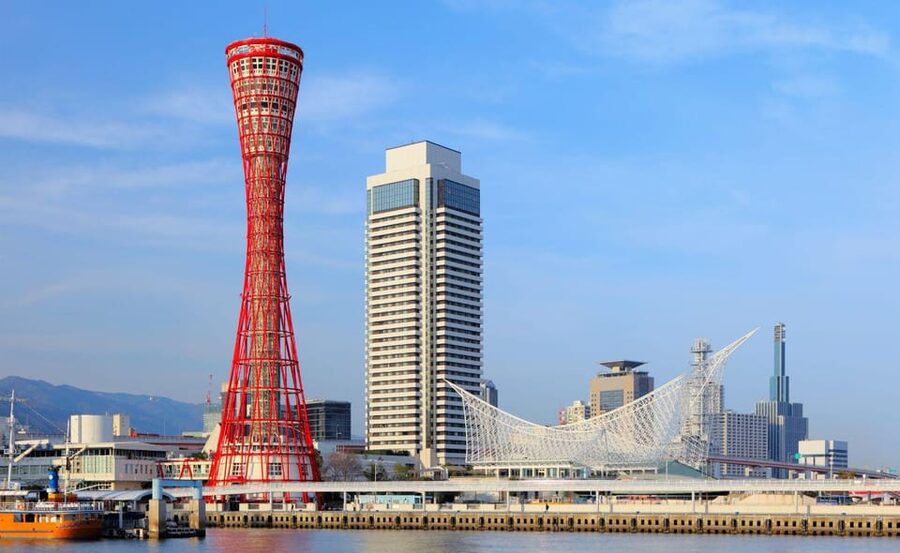
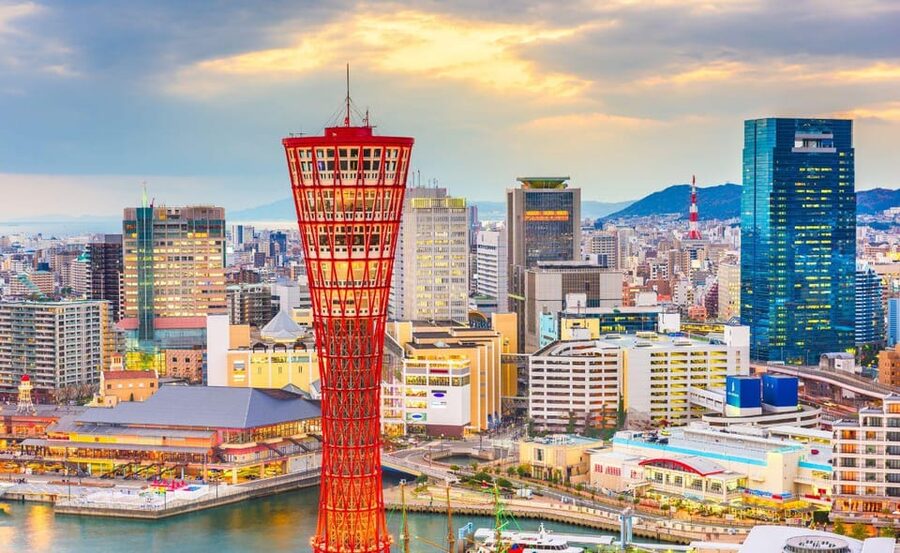
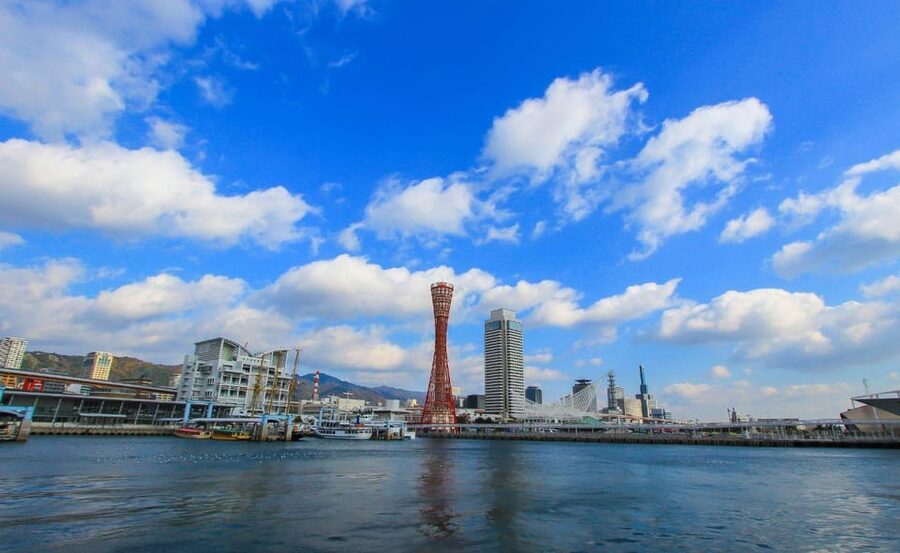
You can also request Kobe Tower, the city sign, and other central monuments. These sights make sense for a first visit because they help you get oriented quickly. A guide can string them together in a logical walk instead of leaving you to work out the order on your own.
Food requests can shape the whole day. You might ask for Chinatown snacks, a Kobe beef meal, or a simple lunch near a planned stop. One guide, Lan, helped arrange an affordable Kobe beef meal after a longer day of sightseeing. That does not mean a meal is included, but it shows why telling your host your budget is useful.
Keep your expectations clear. A private guide is not the same as a food tour with a set list of tastings. Food and drinks are not included, and the guide may help you choose a place rather than provide a formal tasting program.
Maiko Marine Promenade and the Akashi-Kaikyo Bridge
Maiko is the strongest choice if you want a memorable coastal outing. The Marine Promenade leads you toward the Akashi-Kaikyo Bridge, where glass floor sections give you a thrilling look below. On a clear day, this can be one of the most distinctive photo stops available near Kobe.
The bridge visit is especially good for people who enjoy engineering, open views, and a little height. It is not just another city landmark to photograph from a distance. You get a closer sense of the bridge’s scale while walking through the promenade.
This stop takes planning. It is not a quick central-Kobe detour, so you should not combine it with every major sight if you have only three hours. Tell your host if Maiko is your priority, then let the rest of the day fit around it.
Entry fees are not included. The tour description also makes clear that car transportation is not part of the standard walking experience. Your guide can use public transport with you, but confirm the transport plan and any fares before setting out.

Mount Rokko for mountain air and a slower lunch
If you would rather escape the city center, ask about Mount Rokko Garden Terrace. The suggested plan pairs the mountain setting with lunch, giving you a more relaxed day than a checklist of central landmarks.
This choice suits you if you like broad views, fresh air, and a break from urban streets. It also gives the tour a useful rhythm: sightseeing, then time to sit and eat instead of moving from one stop to the next.
The tradeoff is distance. A mountain outing uses more of your available time, especially if your tour starts or ends at the cruise terminal. With a short booking, you may need to choose between Mount Rokko and Maiko rather than trying to squeeze in both.
Ask about walking surfaces and the exact transport plan if you use a wheelchair or have limited mobility. The activity is listed as wheelchair accessible, but a private tour still benefits from advance discussion about the stops you want.
Osaka, Kyoto, and even Himeji by request
The unusual feature here is the option to use Kobe as a base for a wider Kansai outing. Your guide can meet you in Kobe, Osaka, or Kyoto and help you travel between them. This can be useful if you are staying in one city and want a private introduction to another.
Kyoto and Osaka are not small add-ons. They need careful timing, particularly if you are starting from a ship. If you have a fixed return time, ask the provider to confirm what can realistically fit before you pay for the longer option.
A day with Lan included a train trip to Himeji Castle, followed by Kobe sightseeing and a Kobe beef meal. That example shows the flexibility of the service, but it should not be treated as a guaranteed route. Your actual host will shape the day around your answers and available time.
I would choose one main destination outside Kobe, not several. Kyoto calls for a different plan from Osaka, and Himeji is another distinct choice. The more ground you cover, the less time you have for local streets, food, and conversation.
What the guides add to the day
The guide quality can vary, and the supplied experiences show why you should be specific about what you want. Molly built a plan around limited time and personal interests, then kept the day moving while explaining the cultural meaning of the places visited. Camila combined Chinatown, the National Herb Garden and Ropeway, and the earthquake memorial wall for a day with several different themes.
Arturo was praised for patience and for spending extra time explaining the city. Krisha helped with both Kobe information and the practical route back to the cruise ship. These examples point to the best use of the tour: ask for a guide who will explain, not just escort you between photo stops.
A different experience with Lan was more focused on showing the best route to major sights, with less discussion of the city and its people. That is not necessarily a problem if your main goal is efficient sightseeing. It matters if you want long conversations and detailed cultural background.
Your questionnaire is your chance to set the tone. Write that you want history explained, train help, local food advice, or a calm walking pace. If you want to cover landmarks quickly, say that too. The clearer you are, the better chance you have of getting the right kind of day.
Languages include English, French, Spanish, Italian, Traditional Chinese, and Japanese. That broad choice is useful for mixed-language families and international groups, though you should select the language you need when checking availability.
Timing, cost, and what you still pay for
The price starts at $76 per person, with a duration from 3 to 8 hours. For a private experience, that can be fair value if you use the guide for planning, local transport help, and personal recommendations rather than treating the day as a simple escort service.
The price becomes easier to justify for a small group. A private booking gives you exclusive time with the host, and the cost is charged per person. Compare the total with what you would pay for a fixed group tour, then consider how much flexibility matters to you.
You should budget separately for food, drinks, museum and monument admission, attraction tickets, and local transport costs that are not covered. The provider can help book desired visits, but booking help does not mean the tickets are free.
The 3-hour version is best for one area and a few central highlights. A 5 or 6-hour day gives you room for Kobe’s main sights plus a meal. The full 8 hours makes an out-of-town trip more practical, but you still need to protect your return time if you are sailing from Kobe.
Free cancellation is available up to 24 hours before the start for a full refund. You can also reserve and pay later, which helps if your port schedule or wider Japan plans are still moving.
Who will get the most from this experience
I would recommend this tour to first-time Kobe visitors who want help choosing between city sights, mountains, and the coast. It is also a strong fit for cruise passengers, since the guide can meet you at the terminal and help you get back.
Families may appreciate the private pace. You can stop when needed, avoid dragging children through sights they do not care about, and request food or attractions that suit the group.
It also fits solo visitors who want company without joining a large group. The private format lets you ask basic questions about trains and customs without feeling rushed.
Independent Japan experts may find less value here unless they want a local companion or a custom day. If you already know Kobe well and prefer to make every decision yourself, a standard transport pass and self-guided route may cost less.
Should you book the Kobe private tour?
Book it if you value flexibility, personal pacing, and practical local help more than a fixed list of included sights. It is especially useful for a cruise stop, a first visit, or a day when you cannot decide between Kobe, Osaka, Kyoto, and a nearby excursion.
Before booking, send clear priorities and your exact time limit. Ask for a guide who explains local life and history if that matters to you, since some hosts may focus more on efficient routing. Also confirm transport, entry fees, and the return plan.
At $76 per person, this is a sensible choice for a tailored private day, but only if you use the customization. Pick one or two themes, leave room for lunch, and let your host build a realistic route rather than trying to conquer all of Kansai in one go.
FAQ
How long does the private Kobe tour last?
The tour lasts from 3 to 8 hours. Starting times depend on availability and the option you select.
Where does the guide meet me?
The guide can meet you at your Kobe hotel or cruise terminal. If your accommodation is outside the city, the provider will suggest a central meeting point.
Can I start the tour in Osaka or Kyoto?
Yes. Pickup can be arranged in Kobe, Osaka, or Kyoto, and an excursion between these cities is possible.
Is transportation included?
The experience is primarily a walking tour and can use public transport, depending on the selected option. Car transportation is not included in the standard tour, and local transport costs around the city are listed separately from the included services.
Are attraction tickets, food, and drinks included?
No. Entry to monuments and museums, attraction tickets, food, and drinks are not included. The team can help you book tickets for visits you want to make.
Is the tour wheelchair accessible?
Yes, the activity is listed as wheelchair accessible. Tell the provider your needs and preferred stops in advance so the private route can be planned appropriately.
More Private Tours in Kobe
More tours in Kobe we've reviewed
Kobe, compared.
 ★ 4.5Shore excursion: Full Day Private Kyoto Tour From Osaka/Kobe PortFrom $490
 ★ 4.5Kyoto Full Day Tour from Kobe with Licensed Guide and VehicleFrom $1,165
 ★ 4.5Kobe : Private Custom Tour (Excursion to Osaka / Kyoto possible)From $72
 ★ 4.5Cruise Stop-Over: Private Custom Day trip to Kyoto from Kobe PortFrom $348
 ★ 4.7Kobe:Private Guide Shore Excursion to Kyoto,Osaka,Nara,KobeFrom $84
 ★ 4.5Kyoto Full-Day Excursion from Kobe (Osaka) PortFrom $490