
Reviewed · KOBE
Kyoto Full-Day Excursion from Kobe (Osaka) Port
Kyoto’s quieter side is the real prize here. Instead of racing only between the city’s biggest sights, you visit Gion Shirakawa, Shoren-in, Nanzen-ji, and Shimogamo, with time for gardens, old streets, water, and thoughtful stories about Japanese religion and power.
I like the private format, which lets Mike or Rieko adjust the pace and explain what you are seeing. I also like the choice of places: Gion gives you a lively old-city setting, while Shoren-in and Nanzen-ji offer calm gardens and temple architecture. The main drawback is cost. At $490, with lunch and much of your transportation extra, you need to confirm exactly what the price covers before booking.
In This Review
- Key things to know before booking
- A quieter way to see Kyoto from Kobe Port
- Gion Shirakawa begins the morning beside the water
- Shoren-in explains Kyoto’s imperial past
- Nanzen-ji brings Zen gardens and the Water Bridge
- Shimogamo combines a family villa with a major shrine
- What the private guide adds to the day
- The $490 price and the costs beyond it
- Timing, pickup, and the ship connection
- Who will get the most from this Kyoto day
- Cancellation and booking details worth noting
- Should you book this private Kyoto excursion?
- FAQ
- Where does the Kyoto excursion begin and end?
- How long does the tour last?
- Which places are visited?
- Is the tour private?
- Are entrance fees included?
- Is lunch included?
- Is private transportation included?
- What level of fitness is needed?
- Can I cancel for a full refund?
Key things to know before booking
- Four very different Kyoto stops: The day moves from Gion’s Shirakawa Riverside to temple gardens, a historic water bridge, and the Shimogamo area.
- Private touring: Only your group participates, giving you more freedom than a large ship excursion.
- Guides named Mike and Rieko: Both are associated with strong praise for cultural explanations, practical help, and flexible pacing.
- Extra costs can add up: Lunch, entrance charges, and transportation are not included, with approximately ¥7,000 per person listed for entrance fees, transportation, food, and drinks.
- Moderate walking is required: Expect time on foot, including incline walking at Nanzen-ji.
- Check the meeting details: Port pickup is included, but the published start and end point is Kyoto Station, so confirm the exact arrangement before departure.
A quieter way to see Kyoto from Kobe Port
A shore excursion from Kobe to Kyoto has one basic challenge: distance and time. You are not simply stepping off a ship into Kyoto’s historic center. You need a clear plan, an early start, and a guide who understands how to use a short day well.
This experience gives you about seven hours and focuses on four areas rather than trying to cram every famous sight into one rushed circuit. That choice matters. You will not cover every major Kyoto attraction, but you get a more reflective day built around old neighborhoods, temple grounds, gardens, and religious sites.
The route also has a clear mood. Gion Shirakawa introduces you to Kyoto’s traditional streets and canal-side scenery. Shoren-in slows the pace with temple grounds and a story tied to the Imperial Palace. Nanzen-ji brings Zen gardens, a large temple setting, and the famous water bridge. The day finishes near Shimogamo, one of Kyoto’s important shrine districts.
Mike Masaki Hira is the named provider, and Mike led several particularly well-regarded outings. Rieko Ohmura is another guide connected with the experience. You can expect the strongest part of the day to be the explanation behind the sites, especially stories about the emperor, shogun, samurai, Shinto, and Zen garden design.
A few more Kobe tours and experiences worth a look
Gion Shirakawa begins the morning beside the water
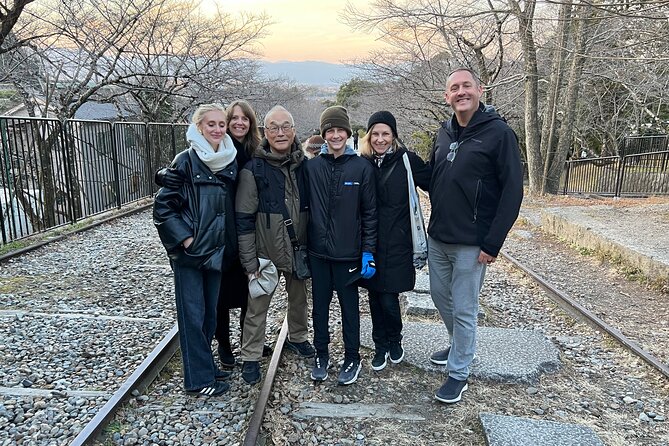
The first stop is Gion Shirakawa, including the Furukawa Local Market and a walk along the Shirakawa Riverside. You receive about an hour here, and admission is free.
This is a smart opening stop because it gives you a feel for Kyoto before you enter temple grounds. Gion is known for traditional wooden buildings, narrow lanes, and the atmosphere of old Kyoto. The riverside adds a gentler edge, with flowing water and pedestrian paths that make the area pleasant for a slow start.
The local market portion gives the stop a more everyday character than a quick photo stop at a famous landmark. You can look at the contrast between ordinary neighborhood life and the polished traditional streets nearby. The exact market activity and available food are not specified, so treat this as a place to see local surroundings rather than a promised tasting experience.
An hour is enough to walk and listen without turning the first stop into a marathon. If you hope to spend a long time browsing shops or photographing every lane, the schedule may feel brief. The guide’s role is important here because the value comes from connecting the street scene with Kyoto’s older customs, not simply pointing out attractive buildings.
Shoren-in explains Kyoto’s imperial past
The second hour takes place at Shoren-in Temple, also called Shoren-in Monzeki. Admission is included in the tour details, though you should still confirm the exact cost arrangements because another section lists entrance fees among additional expenses.
Shoren-in offers a different kind of Kyoto experience. It is tied to the Imperial household and to a major fire that struck central Kyoto about 300 years ago. The fire destroyed much of the city, including the Imperial Palace, and the emperor lived here for a period after moving east of the Kamogawa River.
That story gives the temple more weight than a simple garden visit. You are looking at a place connected with a moment when Kyoto’s political and physical center was badly damaged. The setting also allows the guide to explain the relationship between the emperor and the shogun, a subject that Mike has covered on this tour.
I like this stop because it joins architecture, gardens, and political history in one hour. You are not just hearing about rulers in the abstract. You are standing in a place that served an imperial purpose during a difficult period.
The quiet atmosphere is another reason to value Shoren-in. Kyoto’s famous sites can become tiring when every stop feels crowded and hurried. This tour’s stated aim is to show you quieter sanctuaries, and Shoren-in fits that idea well.
Nanzen-ji brings Zen gardens and the Water Bridge
Nanzen-ji receives another hour, with time for Konchiin Zen Garden, the Water Bridge, and incline walking. Admission is included in the itinerary details, though, again, the published cost notes deserve clarification before you pay.
This is likely the most varied stop of the day. You have a Zen garden, temple grounds, and a large brick aqueduct often known as the Water Bridge. The combination gives you both carefully arranged stillness and a sturdy piece of public infrastructure.
Konchiin Zen Garden is a good place to hear about the principles behind Zen garden design. One guide specifically explained the five elements of Zen gardens, along with Shinto and Japanese religious traditions. That kind of context helps you notice why a garden is arranged as it is, rather than reducing the visit to a quiet place with rocks and moss.
The Water Bridge changes the visual rhythm. Its brick arches and long form look very different from the wooden temple buildings and clipped garden spaces. It also makes the stop useful for anyone who likes seeing how religious sites connect with the practical structure of a city.
Pay attention to the note about incline walking. This is not a completely flat sightseeing route, and you should be comfortable walking for much of the day. The stated requirement is moderate physical fitness, so sturdy shoes and a willingness to manage slopes will make the visit easier.
One hour goes quickly at Nanzen-ji. The temple area has enough detail to occupy much longer, but the short schedule is understandable when you are traveling back to a ship. You will see a focused portion rather than every building and garden.
Shimogamo combines a family villa with a major shrine
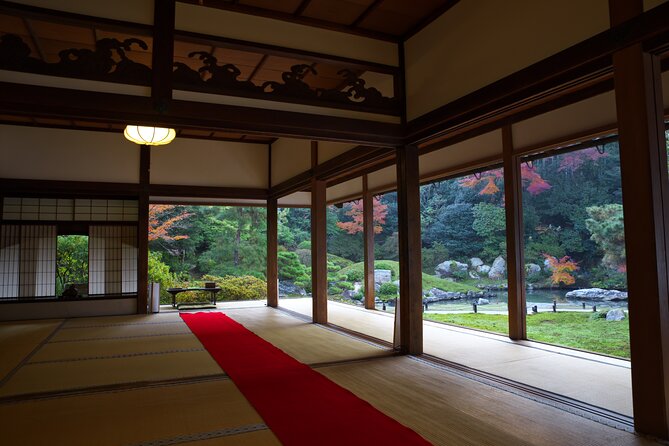
The final stop is the Old Mitsui Family Shimogamo Villa and Shimogamo Shrine. The planned time is one hour. Admission to this portion is specifically listed as not included.
The villa dates to 1909 and gives you a look at the world of a prominent Japanese family during the early twentieth century. That makes it a useful counterpoint to the older temples. You are not looking only at medieval or early-modern Kyoto. You also get a glimpse of the city’s more recent elite residential culture.
Shimogamo Shrine adds a Shinto setting to a day that already includes Buddhist temples and Zen traditions. This variety is one of the tour’s best features. You can compare the atmosphere of a shrine with the temple grounds at Shoren-in and Nanzen-ji, while the guide explains how different religious traditions have shaped Kyoto.
The hour may feel tight, particularly if you want to see both the villa and the shrine carefully. Since the villa admission is not included, ask how the guide plans to divide the time and which entrance charges you should expect. The stop is a good fit if you prefer cultural context and changing settings over a single blockbuster attraction.


What the private guide adds to the day
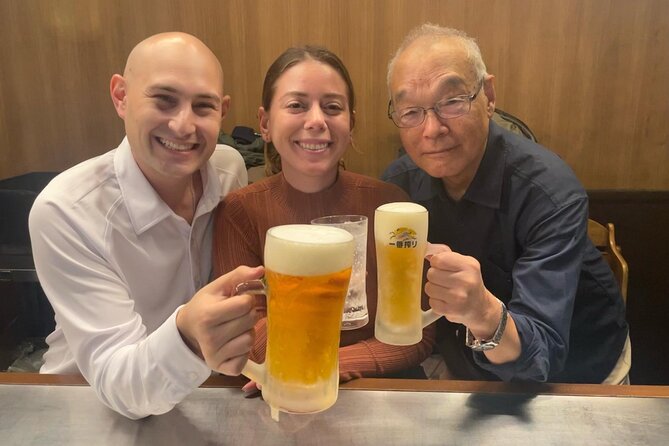
A private tour can be worth the extra cost in Kyoto because the city’s meaning is not always obvious from the buildings alone. The strongest guide comments associated with this experience involve explanations of Japanese culture, the spiritual side of historic places, and the long struggle and balance between emperors, shoguns, and samurai.
Mike also helped some customers buy bullet train tickets back to Kobe. That is useful practical help, especially if your ship schedule requires an independent return rather than a group vehicle. One outing even had to be extended over two days because the ship arrived at noon. Do not assume that extension is part of the standard seven-hour product, but it shows why you should discuss ship arrival time and return plans with the provider in advance.
Rieko Ohmura is described as patient and instructive, with a strong ability to explain the places visited. If you are assigned Rieko, you can expect the day to focus on learning as well as sightseeing.
The private setup also gives you room to ask questions. If you want more detail on Zen gardens, imperial history, or Shinto practice, you can pursue that interest instead of following a fixed speech meant for a busload of people. That is a real advantage for couples, families, or small groups with similar interests.
The $490 price and the costs beyond it
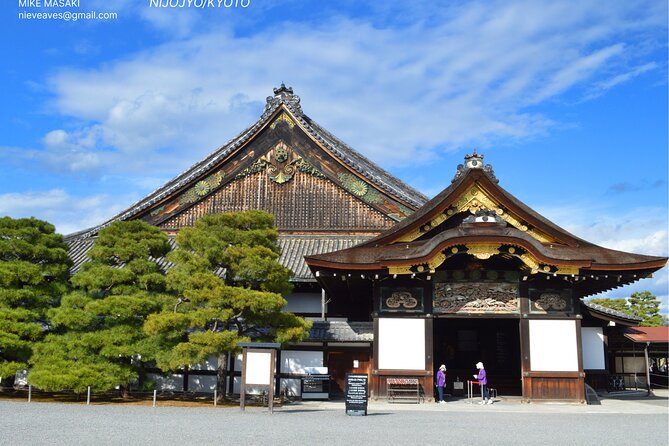
The listed price is $490. That is a serious amount for a seven-hour outing, so value depends on what you need.
The price makes more sense if you want a private guide, port pickup, help organizing a complicated Kyoto day, and cultural explanations that a basic transfer or self-guided visit will not provide. It can also be useful for a group that wants to stay together rather than divide up on public transportation.
The price is less attractive if you are comfortable planning train travel, using taxis or buses, and visiting temples on your own. The tour does not include lunch, private transportation, or all stated entrance and travel costs. Approximately ¥7,000 per person is listed for entrance fees, transportation, food, and drinks. Because the wording is not fully clear, ask for a precise breakdown before booking.
Taxi costs can rise in Kyoto traffic. One outing involved expensive taxis because of congestion, so do not assume the headline price is your final cost. If transportation is arranged separately, find out if you pay by the ride, by the person, or directly to the driver.
Lunch is also on your own. That gives you flexibility, but it means the seven-hour schedule must accommodate a meal without cutting a temple visit short. Ask how much time is reserved for eating and where the meal will fit into the route.
Timing, pickup, and the ship connection

The published operating hours are 8:30 a.m. to 1 p.m., Monday through Sunday, for dates from March 1, 2024 through December 10, 2026. Those hours appear unusual for a seven-hour excursion, so confirm the actual start time for your selected date.
Port pickup is listed as included, while the meeting point and end point are both shown as Kyoto Station. That is the most important practical detail to clarify. Kobe Port and Kyoto Station are in different cities, and the published information does not fully explain how the port pickup connects with the Kyoto Station meeting point.
Before paying, confirm:
- Where you will meet the guide after leaving the ship
- Whether the guide accompanies you from Kobe Port to Kyoto
- How you return to the ship or to Kyoto Station
- Whether transportation between Kobe and Kyoto is included
- What happens if your ship arrives late
This matters more than small itinerary details. A perfect Kyoto route is not useful if the return plan is vague. The tour is private, so there may be more flexibility than on a fixed group excursion, but you should have the arrangement in writing.
Who will get the most from this Kyoto day
I would consider this experience for a first visit to Kyoto when you want a guide to handle the cultural explanation and keep the day moving. It is especially suited to people who prefer gardens, temples, old neighborhoods, and religious sites over shopping or theme attractions.
It also fits visitors who have already seen the headline sights and now want a quieter selection. The itinerary does not center on the Golden Pavilion, Fushimi Inari, or Arashiyama. That is a limitation if those are your must-see places, but it is also the reason the day has a calmer identity.
You should be comfortable walking, standing, and managing an incline. The itinerary has four one-hour stops, and the transitions may make the day feel active even though the individual visits are short.
Families and older visitors should discuss pace and mobility with the provider. The published requirement is moderate physical fitness, and there is no promise of accessibility assistance or a fully vehicle-based sightseeing plan.
The tour is also a good match for anyone who enjoys asking questions. Mike and Rieko are presented as guides who explain more than names and dates, including spiritual traditions and the political forces that shaped Japan.
Cancellation and booking details worth noting
You receive confirmation at booking, and the activity is offered as a mobile ticket. Free cancellation is available up to 24 hours before the scheduled start time for a full refund. Cancellations or changes made within 24 hours are not accepted for a refund, and the cut-off uses local time.
The tour is listed as a private activity, so only your group participates. It is near public transportation, but private transportation is not included in the published inclusions. Confirm the transport plan, the entrance costs, and the pickup point before finalizing the reservation.
Should you book this private Kyoto excursion?
Book it if you value a personal guide, want quieter temple and garden visits, and need help turning a Kobe port call into a meaningful Kyoto day. Mike’s practical help with bullet train tickets and Rieko’s patient teaching style are useful strengths, while the four-stop route gives you a good mix of Gion, Buddhist temples, Zen design, imperial connections, and Shinto tradition.
Think twice if $490 is only the starting point for your budget. Lunch, transportation, and some entrance fees can add considerably, and the port pickup details need firm confirmation. I would book this for a small group that wants cultural depth and a flexible guide, but I would first send the provider your ship arrival and departure times and request a complete cost and transport plan.
FAQ
Where does the Kyoto excursion begin and end?
The published meeting point and end point are Kyoto Station, at Higashishiokoji Kamadonocho, Shimogyo Ward, Kyoto. Port pickup is also listed as included, so confirm the exact meeting arrangement with the provider.
How long does the tour last?
The experience lasts approximately seven hours.
Which places are visited?
The route includes Gion Shirakawa and the Furukawa Local Market, Shoren-in Temple, Nanzen-ji with Konchiin Zen Garden and the Water Bridge, and the Old Mitsui Family Shimogamo Villa with Shimogamo Shrine.
Is the tour private?
Yes. Only your group participates in the activity.
Are entrance fees included?
The itinerary lists admission as included at Shoren-in and Nanzen-ji, while admission to the Old Mitsui Family Shimogamo Villa and Shimogamo Shrine is listed as not included. Another cost note lists approximately ¥7,000 per person for entrance fees, transportation, food, and drinks, so confirm the exact breakdown.
Is lunch included?
No. Lunch is not included.
Is private transportation included?
No. Private transportation is listed under exclusions. Port pickup is listed as included, so ask how transportation is handled between the port, Kyoto, and the end point.
What level of fitness is needed?
A moderate level of physical fitness is recommended. The Nanzen-ji portion includes incline walking.
Can I cancel for a full refund?
Yes, if you cancel at least 24 hours before the experience start time. Cancellations or changes made less than 24 hours in advance are not accepted for a refund.
More Full-Day in Kobe
More tours in Kobe we've reviewed
Kobe, compared.
 ★ 4.5Shore excursion: Full Day Private Kyoto Tour From Osaka/Kobe PortFrom $490
 ★ 4.7Kobe: Private Tour – Excursion to Osaka / Kyoto possibleFrom $763 - 8 hours
 ★ 4.5Kyoto Full Day Tour from Kobe with Licensed Guide and VehicleFrom $1,165
 ★ 4.5Kobe : Private Custom Tour (Excursion to Osaka / Kyoto possible)From $72
 ★ 4.5Cruise Stop-Over: Private Custom Day trip to Kyoto from Kobe PortFrom $348
 ★ 4.7Kobe:Private Guide Shore Excursion to Kyoto,Osaka,Nara,KobeFrom $84