Reviewed · CRUISES & BOAT TOURS
Cruise Stop-Over: Private Custom Day trip to Kyoto from Kobe Port
Kyoto is a difficult day trip from a cruise ship if you are on your own. This private custom tour takes care of the awkward first steps: a taxi from Kobe Port to Sannomiya Station, train travel to Kyoto, and help with local connections once you arrive. You decide what matters most, from Gion and the Imperial Palace to sake, street food, or the Fushimi Inari Shrine.
I like the freedom to set the pace, and I like having a host who can guide you through Japanese train and subway connections. Guides such as Ryan, Taiga, Hugo, Michelle, Nari, and Tiago have been praised for their communication, flexibility, and ability to shape the day around individual interests. The main drawback is cost: at $348.19 per person, this makes the most sense for a small group that values private help.
In This Review
- Key points at a glance
- Why this works better than a fixed shore excursion
- From Kobe Port to Kyoto by taxi and train
- Gion and the Shirakawa Canal
- The Imperial Palace and Kyoto’s royal past
- Fushimi, sake, and the shrine question
- Nishiki Market for Kyoto food
- What an eight-hour custom day can realistically cover
- The value of a private host at $348.19
- Walking, mobility, and group fit
- What the strongest guide experiences have in common
- Should you book this Kyoto shore trip?
- FAQ
- Where does the tour start?
- Where does the tour end?
- How long does the tour last?
- Is transportation from Kobe Port included?
- Is transportation within Kyoto included?
- Are meals, drinks, and attraction tickets included?
- Can I choose which Kyoto sights to visit?
- Can I cancel for a full refund?
Key points at a glance
- Your day is built around your interests: Choose historic sights, food stops, local neighborhoods, shopping, or a mix.
- The journey begins at Kobe Port: A taxi takes you to Sannomiya, then your host accompanies you by train to Kyoto.
- Private guidance helps with transport: Train connections and city movement are part of the experience, not a problem you must solve alone.
- Classic Kyoto sights are possible: Gion, the Imperial Palace, Fushimi, Nishiki Market, Shirakawa Canal, and Fushimi Inari can fit into the plan, depending on timing.
- The tour is mainly on foot: Extra trains, subways, and taxis may cost more, and attraction tickets, meals, and drinks are not included.
- Cruise timing matters: The eight-hour schedule can show you a lot, but Kyoto is large, so every stop requires a tradeoff.
Why this works better than a fixed shore excursion
A standard ship excursion often follows a set route and fixed meal stop. This experience gives you a private host and a conversation before the day begins. After booking, you receive a questionnaire about your interests, preferred activity level, and must-see places. Your host then contacts you to help shape the plan.
That matters in Kyoto. You may want temples and gardens, while another member of your group cares more about food or traditional neighborhoods. A custom plan lets you avoid spending half the day at places that do not interest you.
The private format is also useful for a cruise stop. Your group does not wait for a full coach to load, and the host can adjust the day if your ship changes its port schedule. Ryan adapted when one group faced a last-minute port change, and another group used the private format to make a wheelchair-accessible day work well.
The flexibility has limits. Kyoto is not next door to Kobe, and the ride from the port to the station is only the beginning. You need to allow time for the taxi, the train, city transport, walking, and the return trip. A plan that includes Gion, Arashiyama, Fushimi Inari, and Nishiki Market in one day may look good on paper but can turn into a race.
If you're still narrowing it down, here are other tours in Kobe we've reviewed.
From Kobe Port to Kyoto by taxi and train
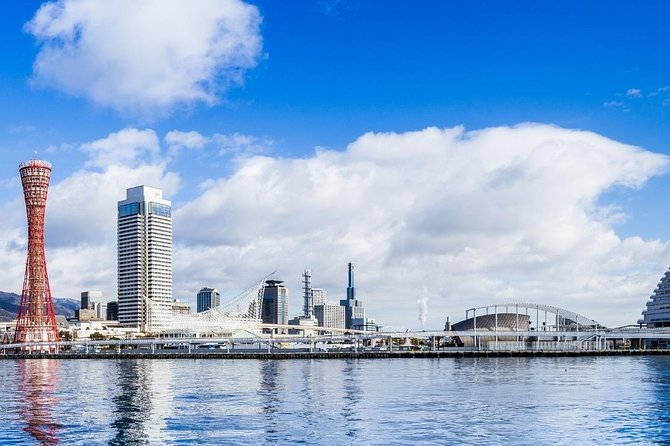
Your host meets you in the arrival lobby of Kobe Port Terminal, at 4-5 Shinkocho, on the second floor. The included taxi takes you to Sannomiya Station, Kobe’s main transport hub, where you board a standard round-trip train to Kyoto with your host.
This beginning is one of the strongest practical features. You do not have to work out the first taxi, locate the right station, or figure out the train fare while watching the clock. Hosts have helped groups make train connections, and strong English communication has been praised as a major help.
The standard train is included. One group chose to pay extra for a bullet train, mainly to save time and enjoy the ride. That upgrade is not part of the standard package, so ask your host about the current options and added cost after booking.
Once in Kyoto, the day is mainly a walking experience. Public transport and local taxis can be used between areas, but those added fares are not included. I would ask for a rough transport plan before departure, especially if you want to cover distant districts.
Gion and the Shirakawa Canal
Gion gives you the Kyoto most people picture: narrow lanes, wooden machiya houses, quiet tea rooms, and streets where old customs still shape the setting. Your host can explain the neighborhood and steer you through its less obvious corners, but this is not a promise of seeing geisha. The value here is the setting and the context.
Gion is best for travelers who prefer atmosphere and walking over a checklist of monuments. The lanes reward a slower pace, though they can be crowded at popular times. If your group wants photos, local customs, and traditional architecture, this is a strong opening section of the Kyoto day.
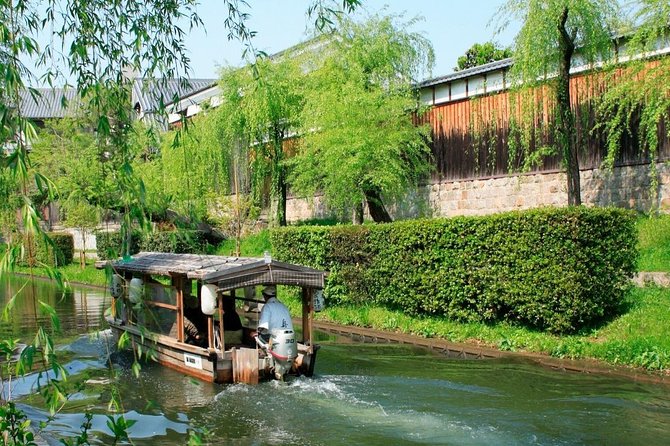
The Shirakawa Canal, east of Gion, offers a quieter finish to this part of the route. Willow-lined paths and the canal provide a calmer contrast to the busy lanes. It is a good place to pause, but you should not treat it as a separate major attraction if your schedule is tight.
The Imperial Palace and Kyoto’s royal past
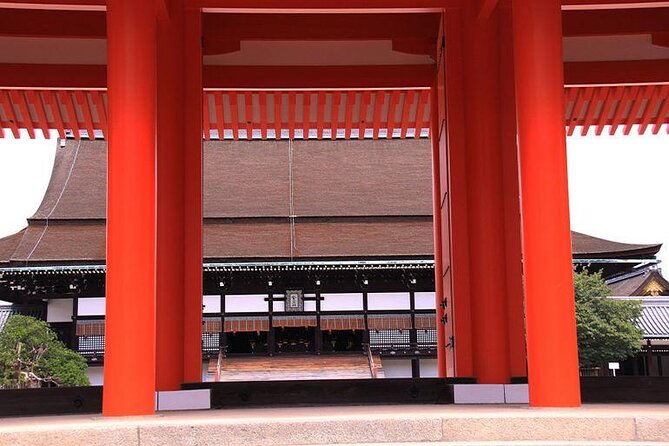
The former home of Japan’s emperors spreads across broad grounds with gardens, historic paths, and formal buildings. Your host can explain the architecture and the changing role of Kyoto in Japan’s political story.
This stop suits you if you want historical context rather than only scenic streets. The open grounds also provide a change from dense shopping arcades and narrow lanes. At the same time, the palace area takes time to walk, so it may compete with a shrine or market elsewhere in the city.
Ask your host how much time to allow here. If your priority is food and neighborhood life, a shorter visit may be enough. If you want a slower look at Kyoto’s imperial past, it can anchor the day.
Fushimi, sake, and the shrine question
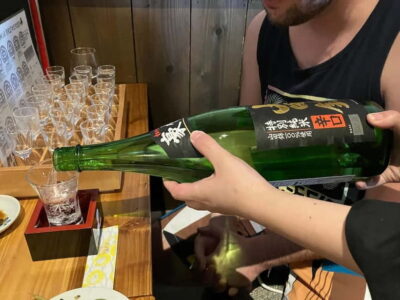
Fushimi is known for centuries-old sake breweries and traditional shops. Your host can introduce you to the district’s local craft and help you sample regional sake, if that fits your interests and the available stops. Food and drinks are not included, so plan to pay directly for anything you taste.
Fushimi offers a different view of Kyoto. Instead of focusing only on temples, you see how brewing shaped a local district and its economy. It is particularly appealing if you want an everyday cultural experience with a clear connection to place.
Do not confuse Fushimi’s sake district with Fushimi Inari Shrine, though both are in the same broad part of Kyoto. Fushimi Inari, with its famous torii gates, is another possible choice. A visit there can involve substantial walking, so you may need to choose between a quick look and a longer uphill exploration.
This is where the custom format earns its keep. Your host can help decide whether Fushimi Inari, the sake area, or both fit your group’s energy and the ship’s schedule. You should be clear about your priority before the morning begins.
Other private tours in Kobe

Nishiki Market for Kyoto food
Nishiki Market is Kyoto’s main food arcade, with stalls and small shops offering regional snacks, sweets, and other local specialties. Your host can explain what you are seeing, help you order, and point out items worth trying.
I like this stop because it turns lunch into part of the sightseeing. You can sample several small foods instead of committing to one long meal, and a host can reduce the uncertainty of unfamiliar menus. One group described a particularly memorable lunch, while another enjoyed eating in local places rather than following a standard tour meal.
The market can be crowded, and food costs extra. You also need to remember that this is an active shopping area, not a quiet museum. If your group values eating and browsing, give Nishiki proper time. If temples are your main goal, keep the food stop focused.
What an eight-hour custom day can realistically cover
The tour lasts about eight hours, including the movement between Kobe and Kyoto. That means the sightseeing window is shorter than eight full hours in Kyoto. Your host can help, but no itinerary can erase the distance between districts.
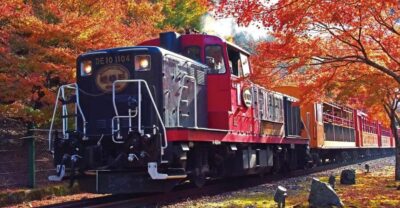
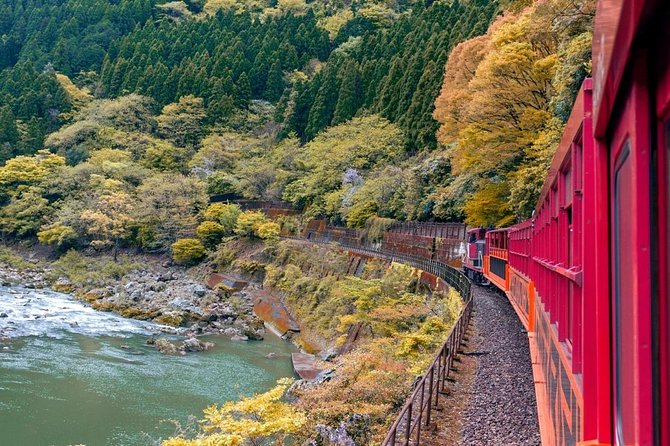
A sensible day might focus on one area, such as Gion, the Imperial Palace, and Nishiki Market. Another plan could concentrate on Fushimi and Fushimi Inari. Arashiyama’s bamboo grove is also possible, but its western location makes it harder to combine with several eastern Kyoto sights without rushing.
I would rank your priorities before booking:
- One or two must-see sights
- A preferred pace and walking level
- Food, shopping, shrines, gardens, or history
- Any mobility needs
- Whether a faster train is worth the extra charge
The questionnaire helps, but one disappointing experience shows why you should also discuss the plan directly with your host. A friendly guide may still be unfamiliar with your submitted preferences or with a specific location. Confirm your top choices and the expected route before you leave the port.
The value of a private host at $348.19
The listed price is $348.19 per person, with group discounts available. It includes the private eight-hour host service, the taxi from Kobe Port to Sannomiya Station, and standard round-trip train travel between Kobe and Kyoto.
It does not include food, drinks, entrance tickets, most local transportation, or gratuities. A bullet train, subway rides, or local taxis can add to the final cost. For a group of two, the per-person price is a serious expense. For a larger private group, the discount and shared guide cost may make the arrangement more appealing.
The real value is not admission to a particular sight. It is time management, language support, and the ability to move through Japanese transport with help. Guides Taiga, Hugo, Michelle, and Ryan have been praised for clear communication, local explanations, and adapting the day to the group. Nari was also praised for guiding a group of five to a memorable lunch and providing historical context.
You should compare this with the value of a ship excursion, not only with the price of a train ticket. If you are comfortable planning Kyoto yourself, the tour may feel expensive. If missing the return train or wasting time at the station would cause stress, the private help has real worth.
Walking, mobility, and group fit
This is primarily a walking tour. You need to be comfortable moving through stations, streets, markets, and sightseeing areas unless you make special arrangements with your host.
The experience can work for a wheelchair user. Ryan helped one group manage the day without major trouble. Still, you should discuss your needs in advance because the route, station transfers, and chosen sights will affect the practical details.
Service animals are allowed, and most people can participate. The tour is private, so the pace belongs to your group. That is useful for families, older adults, and mixed-ability groups, but only if you use the planning stage well.
This format suits:
- Cruise passengers who want Kyoto without a large coach group
- Small groups with different sightseeing priorities
- First-time visitors who want help with trains and subways
- Food-focused visitors who want help ordering and choosing
- People who prefer a flexible pace
- Groups willing to pay for personal assistance
It is less suitable if you want a low-cost day, a private vehicle, or a guaranteed list of every famous sight.
What the strongest guide experiences have in common
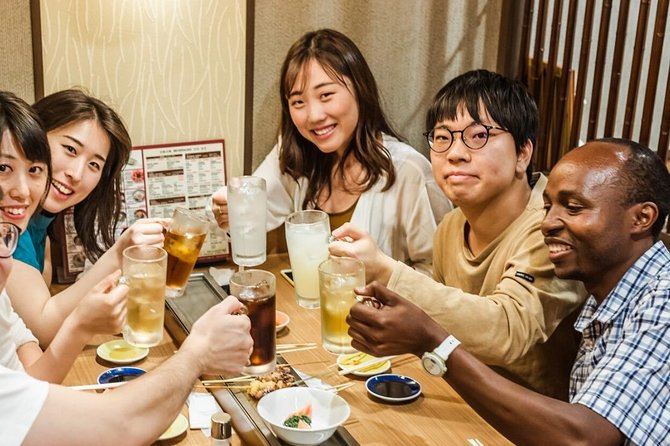
The best part of this tour is the human element. Taiga took time to learn what the group wanted and added humor to the day. Hugo combined cultural explanation with local snacks and handled metro travel. Michelle helped a group make the most of limited time, while Ryan was praised for both transport support and adapting to special needs.
These details point to what you should expect from a good host: not a memorized speech, but help making choices as the day unfolds. The guide can explain why a neighborhood matters, help you order food, and keep an eye on the clock.
The experience is not identical with every host. One low-rated account described a friendly, adaptable guide but also a lack of familiarity with the preferred locations. That is a useful warning, not a reason to reject the tour. Send a clear list of must-sees and ask the host to confirm the route.
Cancellation is free if you cancel at least 24 hours before the start time. Changes made inside that window are not accepted, and the local time cutoff applies.
Should you book this Kyoto shore trip?
Book it if you want a private day built around your own interests and you would rather pay for transport help than solve Kobe and Kyoto logistics alone. It is especially useful for a small group that wants Gion, Fushimi, Nishiki Market, or the Imperial Palace without being tied to a coach schedule.
Think twice if you want a private car, a cheap independent day, or a packed route covering every distant district. The tour includes a lot, but the eight-hour limit and extra local transport costs require honest planning.
My advice is simple: choose two major priorities, add one food or neighborhood stop, and tell your host exactly how much walking your group wants. Planned that way, this is a smart way to turn a complicated cruise stop into a personal Kyoto day.
FAQ
Where does the tour start?
It starts in the arrival lobby at Kobe Port Terminal, located at 4-5 Shinkocho, Chuo Ward, Kobe, on the second floor.
Where does the tour end?
The experience ends back at the Kobe Port meeting point.
How long does the tour last?
The private experience lasts approximately eight hours.
Is transportation from Kobe Port included?
Yes. A return taxi transfer between Kobe Port and Sannomiya Station is included, along with standard round-trip train travel between Kobe and Kyoto.
Is transportation within Kyoto included?
The tour is mainly on foot. Public transportation and local taxis may be used between sites, but those additional costs are not included.
Are meals, drinks, and attraction tickets included?
No. You pay separately for food, drinks, and tickets to attractions.
Can I choose which Kyoto sights to visit?
Yes. The tour is custom and can be planned around your interests with help from your host. Possible areas include Gion, Fushimi, Nishiki Market, the Imperial Palace, Shirakawa Canal, Fushimi Inari, and Arashiyama.
Can I cancel for a full refund?
Yes, if you cancel at least 24 hours before the experience start time. Cancellations made less than 24 hours in advance are not refunded.