
Reviewed · GOLDEN PAVILION & TEMPLE TOURS
Kyoto: Ninnaji Temple Entry Ticket
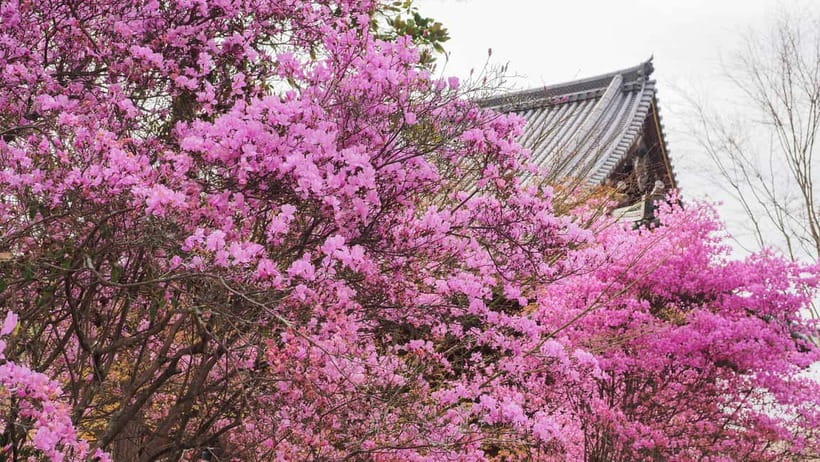
Ninnaji’s late-blooming Omuro sakura gives this Kyoto temple a special spring season, but the grounds reward a visit all year. You’ll see a graceful five-story pagoda, palace gardens, Buddhist buildings, and the quiet Omuro Pilgrimage course.
I like the mix of peaceful nature and serious cultural value. I also like that a $5 ticket can cover a full day, giving you time to move slowly instead of rushing from one famous sight to the next. The main drawback is seasonal pricing and access changes: the Omuro cherry area requires an extra fee when the blossoms are at their peak, and some special exhibits cost more.
In This Review
- Key points
- Why Ninnaji Temple Feels Different From Kyoto’s Big Sightseeing Stops
- Entering Through the Temple Grounds
- Omuro Sakura: Kyoto’s Late Spring Show
- The Two-Hour Omuro Pilgrimage Course
- Reihokan Museum and Ninnaji’s Cultural Collection
- What Each Season Adds to the Visit
- Spring
- Summer
- Autumn
- Winter
- How Much Time Should You Allow?
- Is the $5 Ticket Good Value?
- Access, Timing, and Small Practical Details
- Who Will Appreciate Ninnaji Most?
- Should You Book Ninnaji Temple Entry?
- FAQ
- How much does the Ninnaji Temple entry ticket cost?
- How long is the ticket valid?
- What does the standard ticket include?
- Is the Reihokan Museum included?
- Do I pay extra to see the Omuro sakura?
- What are Ninnaji Temple’s opening hours?
- Can I cancel or change my booking?
Key points
- Late-blooming Omuro sakura: Visit in spring for Ninnaji’s famous cherry trees, with the exact paid period changing according to bloom conditions.
- Five-story pagoda and palace gardens: The Goten Palace and gardens provide the most polished, traditional setting within the temple grounds.
- Two-hour Omuro Pilgrimage: Walk a shorter version of the Shikoku Pilgrimage amid seasonal sounds and scenery.
- Reihokan Museum: Add this museum option to see cultural items connected with Ninnaji Temple.
- Four-season appeal: Summer ceremonies, autumn foliage, and snow-covered gardens give the temple a different character throughout the year.
- Flexible booking: You can cancel up to 24 hours before your visit for a full refund and reserve without paying immediately.
Why Ninnaji Temple Feels Different From Kyoto’s Big Sightseeing Stops
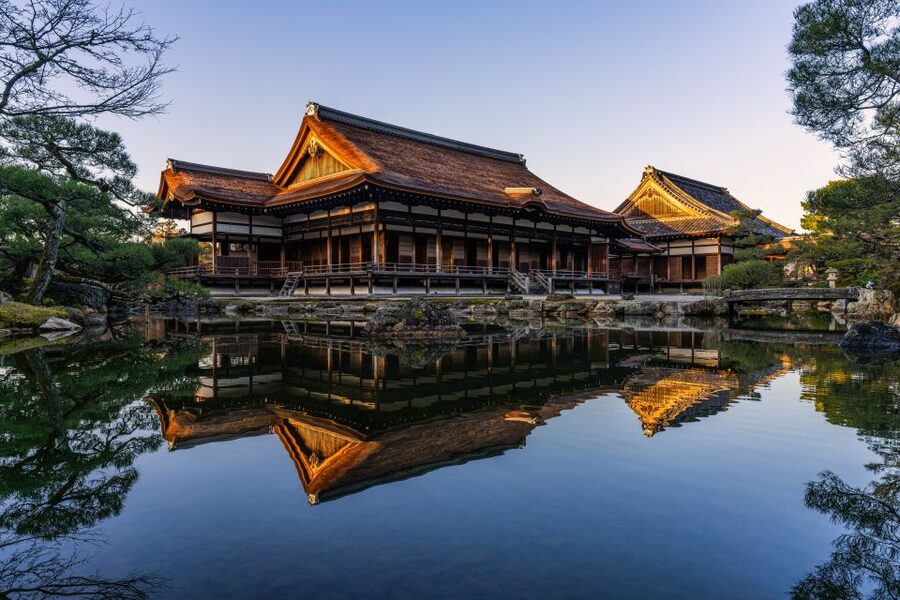
Ninnaji was founded in 888 and serves as the main temple of the Omuro school of the Shingon sect of Buddhism. That age matters, but you do not need a detailed religious background to enjoy the visit. The appeal is easy to grasp: broad temple grounds, refined gardens, old wooden buildings, seasonal trees, and a calm walking route.
I would set aside more than a quick photo stop. The ticket is valid for one day, so you can visit the Goten Palace and gardens, walk part of the Omuro Pilgrimage, and add the Reihokan Museum if your selected ticket includes it.
This is not a guided tour with a fixed timetable. You decide how long to stay and how much ground to cover. That freedom works well if you want to combine temple sightseeing with a slower morning or afternoon in western Kyoto.
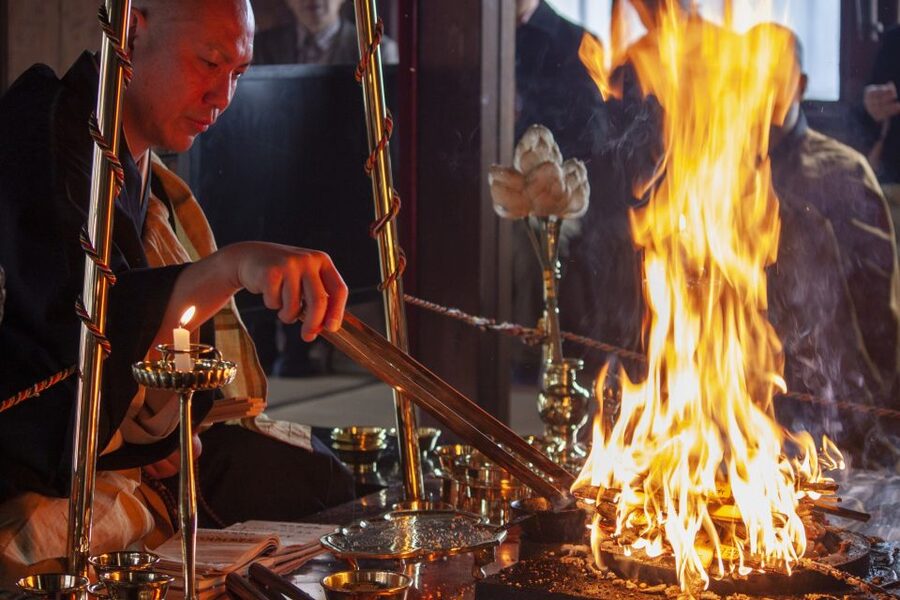
The temple also changes sharply with the calendar. Spring brings the best-known spectacle, summer brings Buddhist ceremonies and many priests, autumn frames the historic buildings in red and yellow, and winter can turn the gardens and Goten Palace into a quiet snow scene.
Entering Through the Temple Grounds
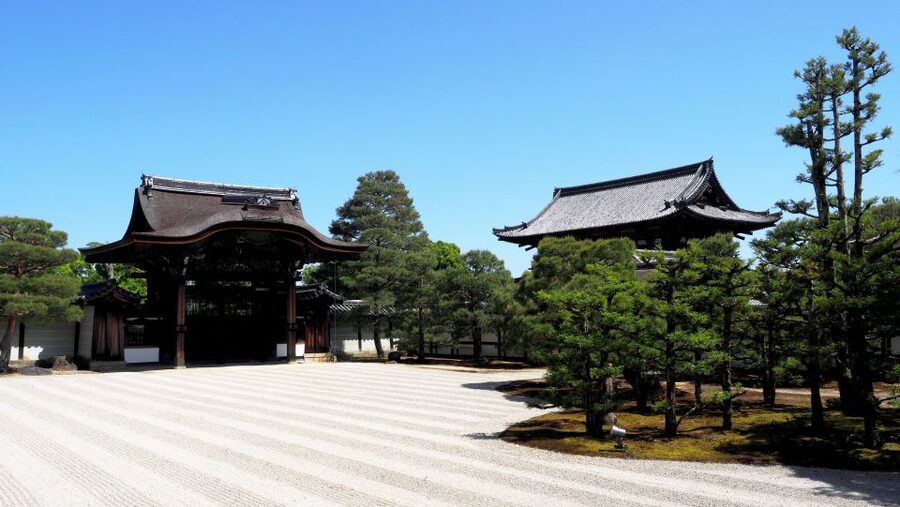
Your entry includes the Goten Palace and gardens, unless you choose an option with different inclusions or special fees. The palace area is the natural place to begin because it combines architecture with carefully arranged garden views.
Move slowly here. The value is not in checking off a single object. It is in the way the building, garden, trees, and seasonal light work together. In winter, snow can make the garden feel especially still. In autumn, the old buildings take on a stronger color contrast as leaves turn red and yellow.
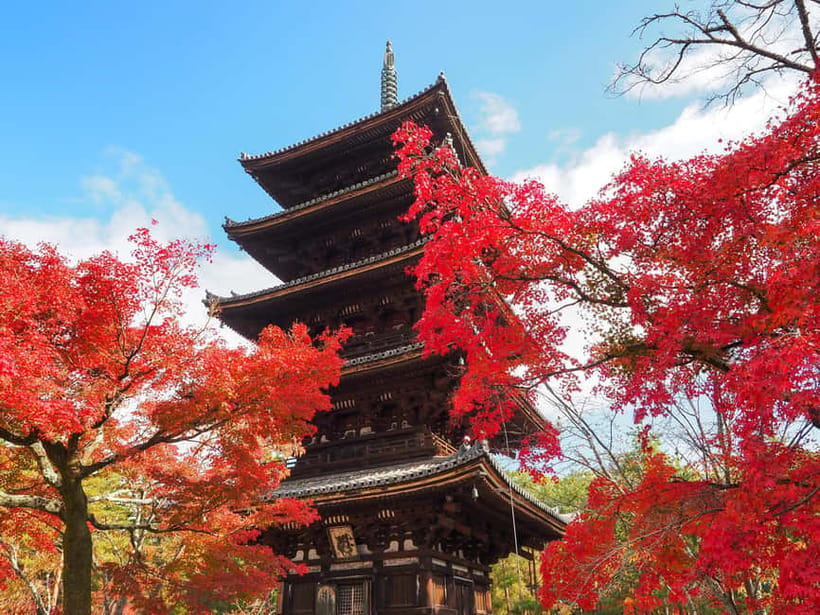
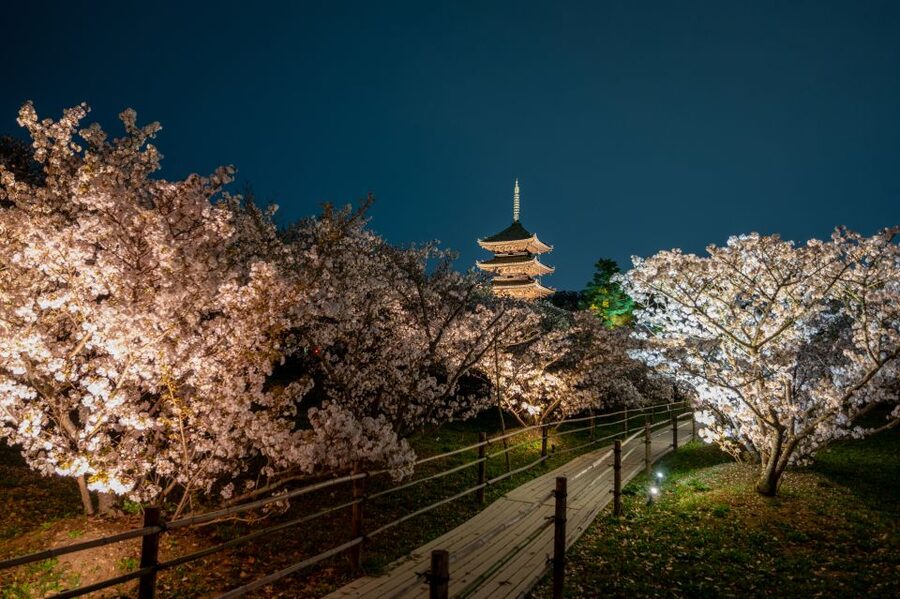
You should also allow time for the wider temple grounds. Ninnaji’s five-story pagoda is one of the main visual anchors, and it gives the complex a clear sense of scale. It is especially attractive with spring blossoms or autumn color nearby, though the temple remains worthwhile when the trees are bare.
The ticket does not promise a personal guide throughout the site. If you prefer a detailed explanation of Buddhist art and architecture, look for information about the special guide inside Kannon-do before booking. A special guide there has been described as informative and useful, but you should confirm availability and inclusion for your chosen ticket.
Omuro Sakura: Kyoto’s Late Spring Show
Ninnaji’s Omuro sakura trees are famous because they bloom later than many of Kyoto’s better-known cherry trees. That makes the temple a smart choice if you arrive after the main citywide cherry blossom rush.
The timing is not fixed. During the blossom season, you pay an extra admission fee to enter the area beyond the Chumon inner gate and view the Omuro sakura. The period when that fee applies depends on the bloom, especially when the trees reach full flower.
That variable timing is worth keeping in mind. A spring visit may give you access to the ordinary temple areas for the basic ticket, while the cherry viewing section carries a separate fee. The added charge supports preservation of the Omuro sakura, so it is not simply a premium for a popular photo spot.
I would not book this ticket solely on the hope of seeing peak blossoms unless your dates are flexible. The temple itself is open in every season, and the extra cherry admission may not apply outside the full-bloom period. If the timing works, though, the late blossoms are the experience’s most distinctive seasonal feature.
The Two-Hour Omuro Pilgrimage Course
The Omuro Pilgrimage is a shorter version of the Shikoku Pilgrimage. The full pilgrimage in Shikoku is a major undertaking, while this temple route gives you a more manageable taste of that tradition in about two hours.
The course is meant for walking, not rushing. You can expect the appeal to come from the sounds of nature and the changing scenery rather than from a long list of formal stops. That makes it a good counterpoint to the palace gardens, where you spend more time looking at designed spaces and historic buildings.
I like this part of the experience for people who want more than a temple courtyard but do not want a full-day hike. It gives your visit a clear rhythm: look closely at the architecture, then spend time outdoors on a longer route.
The supplied details do not specify the route’s difficulty or exact elevation. If you have mobility concerns, ask at the temple before starting. The main activity is wheelchair accessible, but that does not necessarily tell you that every part of a pilgrimage-style walking course has the same surface or access.
Reihokan Museum and Ninnaji’s Cultural Collection
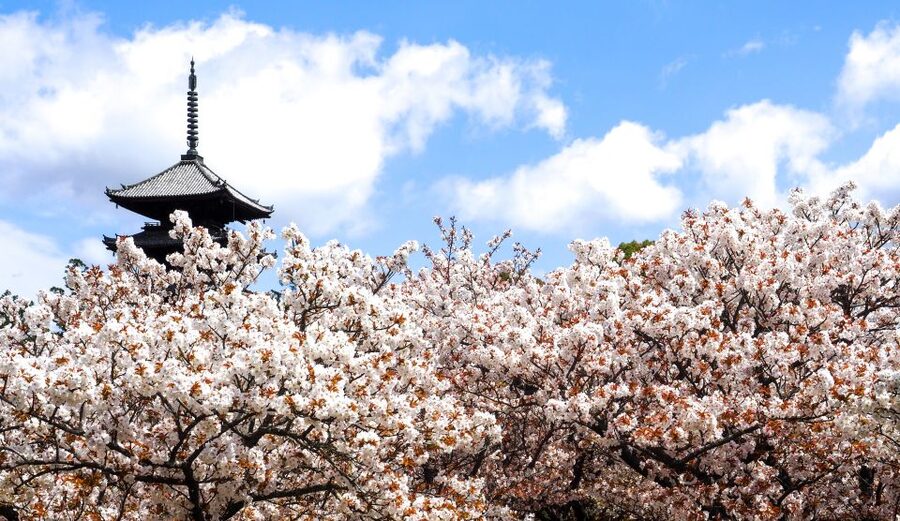
The Reihokan Museum is available when you select the appropriate ticket option. Its purpose is to show important cultural items belonging to Ninnaji Temple, giving you a closer look at the temple’s artistic and religious holdings.
This is a worthwhile add-on if you want context for what you see outside. Gardens and pagodas are easy to appreciate at a glance, but a museum visit can show why particular objects matter within the temple’s Buddhist tradition.
Do not assume the museum is automatically included with every entry choice. The basic Goten Palace and garden admission is listed separately from the Reihokan Museum ticket. Check the option carefully before paying, especially if museum collections are a main reason for your visit.
The same applies to special exhibits. Flower festival admission and other special entrance tickets may be available through certain options, but they are not part of every standard ticket.
What Each Season Adds to the Visit
Spring
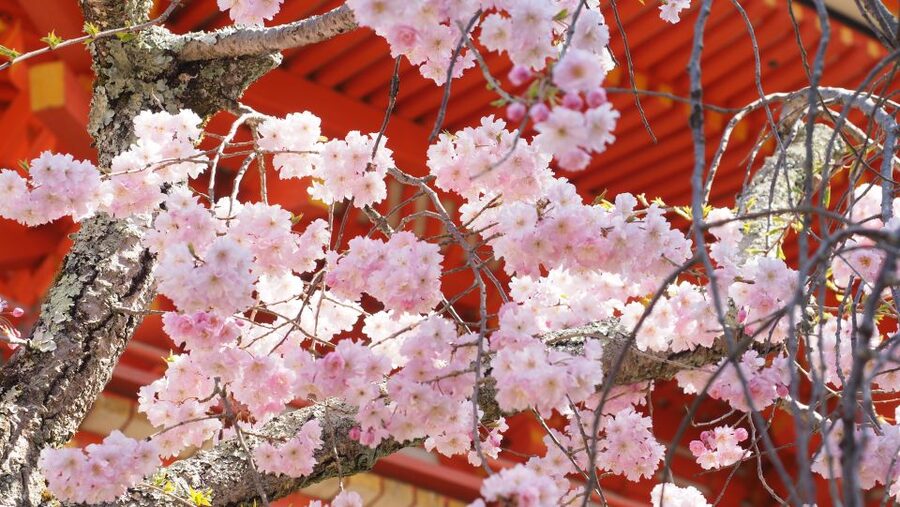
Spring is the headline season because of the Omuro sakura. These late-blooming trees can extend your cherry blossom opportunities after other parts of Kyoto have moved on to green leaves.
The extra admission beyond the Chumon inner gate is the main practical point. The temple decides the relevant period according to the condition of the trees, so check current details before setting out.
Summer
Summer brings many priests to Ninnaji for Buddhist ceremonies. The temple’s character shifts from flower viewing to religious activity, and the grounds can feel more connected to their ongoing Buddhist purpose.
The heat may make the two-hour pilgrimage course less appealing in the middle of the day. If you visit in summer, use the temple’s 9 AM to 5 PM hours to choose a cooler start.
Autumn
Autumn places red and yellow leaves around the historic temple buildings. This is an excellent season for anyone who prefers strong color without making cherry blossoms the main goal.
The changing leaves also give the pagoda and gardens a different frame from spring. You can spend time comparing the open temple spaces with the more controlled views around the Goten Palace.
Winter
Winter is the quietest-feeling season described for Ninnaji. After snow, the Japanese garden and Goten Palace can look especially serene.
The shorter winter schedule matters. From December through February, the temple is open from 9 AM to 4:30 PM, and ticket booths close 30 minutes before closing. Start early enough to avoid losing the final part of your visit.
How Much Time Should You Allow?
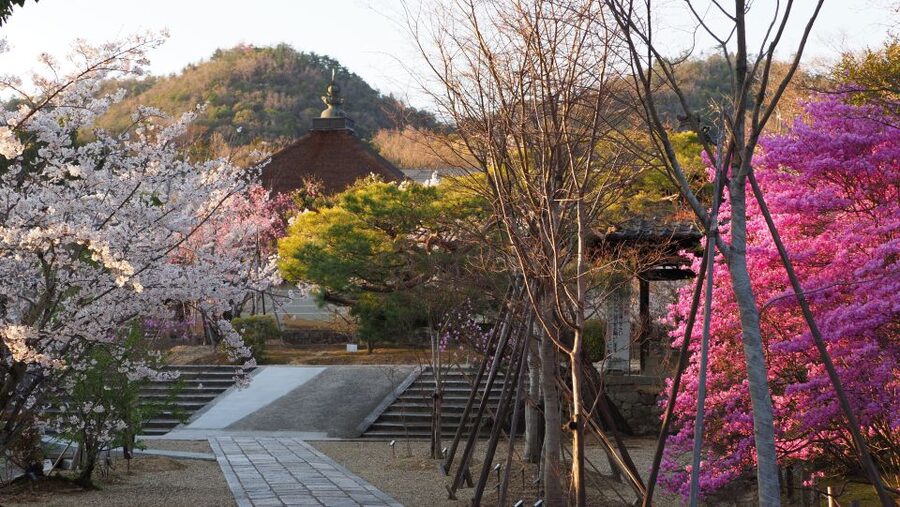
The ticket is valid for one day, but that does not mean you need an entire day at the temple. The Omuro Pilgrimage alone takes about two hours, and you will need additional time for the Goten Palace, gardens, pagoda, grounds, and any museum or special exhibit you add.
For a quick visit, focus on the Goten Palace, gardens, and pagoda. For a fuller visit, add the pilgrimage course and Reihokan Museum. A full day makes sense if you prefer frequent pauses, photography, seasonal viewing, or a careful look at the temple’s cultural displays.
The flexible format is useful because Ninnaji does not force you into a group schedule. You can arrive when convenient during the opening period, take breaks, and leave when the grounds stop rewarding your attention.
Remember that the ticket booth closes 30 minutes before the temple itself. That is an easy detail to miss, particularly in winter when the overall closing time is earlier.
Is the $5 Ticket Good Value?
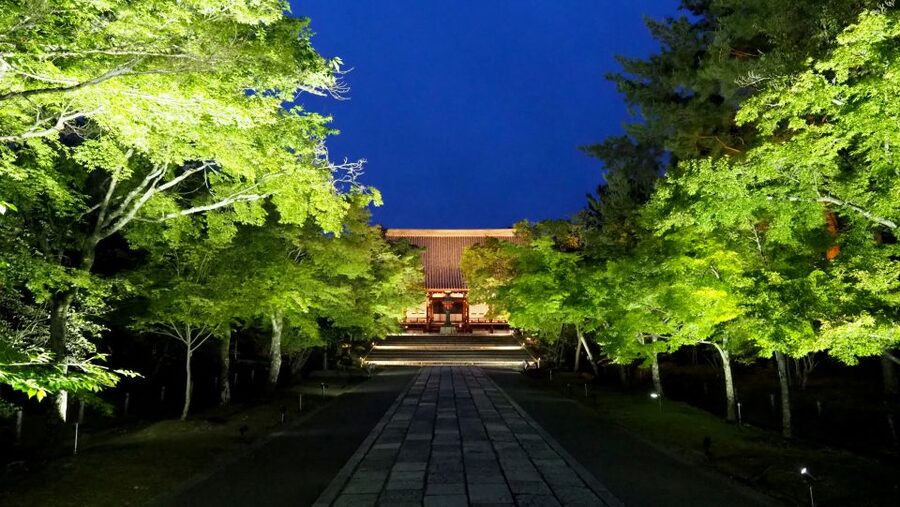
At about $5 per person, the standard entry is modest for a full day at a historic Kyoto temple. I consider it good value if you plan to use the grounds rather than only stop for the pagoda.
The price becomes more complicated during special periods. The Omuro sakura viewing area may require an additional admission fee during peak bloom. The Reihokan Museum, flower festival, and other special areas may also require a ticket option beyond the basic Goten Palace and garden entry.
That structure is fair, but you need to choose with care. A low starting price does not necessarily include every seasonal attraction. If your main goal is cherry blossom viewing or museum access, compare the available options before booking.
You also gain some financial flexibility from the cancellation terms. You can cancel up to 24 hours in advance for a full refund, and the reserve-now, pay-later option lets you keep plans open without paying at once.
Access, Timing, and Small Practical Details
Ninnaji is listed as wheelchair accessible. If you have a physical disability certificate, the certificate holder can enter free of charge. Ask at the ticket counter, since the free admission applies only to the person with the certificate.
Opening hours are:
- March through November: 9 AM to 5 PM
- December through February: 9 AM to 4:30 PM
The ticket booth closes 30 minutes before the temple. I would arrive well before that cutoff, particularly if you want the gardens, museum, and pilgrimage course rather than a short look around.
The experience lasts one day in ticket validity, not as a scheduled guided program. You should think of it as self-paced temple access with optional additions.
Who Will Appreciate Ninnaji Most?
I would recommend Ninnaji to you if you enjoy gardens, historic buildings, Buddhist culture, and seasonal scenery more than a tightly managed sightseeing program. It is also a good choice if you want a longer walk with a clear purpose but do not want to tackle the full Shikoku Pilgrimage.
Spring blossom seekers should pay close attention to the Omuro sakura schedule and extra fee. Museum-minded visitors should select the Reihokan option, while photographers will find different strengths in each season.
Families and mixed-interest groups may like the flexible structure. One person can spend time in the gardens while another walks farther on the pilgrimage route. Since the ticket remains valid for the day, you do not need to keep everyone moving at the same pace.
I would be more cautious if your Kyoto schedule is extremely tight. Ninnaji offers several parts to explore, and a rushed visit can reduce it to a quick pagoda photograph. Also check the seasonal opening hours before choosing a late afternoon arrival.
Should You Book Ninnaji Temple Entry?
Book it if you want a calm, self-guided Kyoto temple visit with more range than a single courtyard. The low base price, full-day validity, Goten Palace gardens, five-story pagoda, and optional Omuro Pilgrimage make it a strong value.
Spring is the most famous time, but do not treat the cherry trees as the only reason to go. Autumn foliage, summer ceremonies, and winter snow each give Ninnaji a different mood.
Choose your ticket option carefully if you want the Reihokan Museum, flower festival, or special exhibits. If you are visiting during peak Omuro sakura bloom, budget for the separate cherry viewing admission beyond the Chumon inner gate.
FAQ
How much does the Ninnaji Temple entry ticket cost?
The listed price is $5 per person for the standard experience.
How long is the ticket valid?
The ticket is valid for one day.
What does the standard ticket include?
The standard ticket includes entry to the Goten Palace and gardens, excluding special entrance tickets.
Is the Reihokan Museum included?
The Reihokan Museum is included only if you select an option that contains its entrance ticket.
Do I pay extra to see the Omuro sakura?
During cherry blossom season, an admission fee is required to enter the area beyond the Chumon inner gate and see the Omuro sakura. The exact fee period can change according to when the trees reach full bloom.
What are Ninnaji Temple’s opening hours?
From March through November, the temple is open from 9 AM to 5 PM. From December through February, it is open from 9 AM to 4:30 PM. Ticket booths close 30 minutes before closing.
Can I cancel or change my booking?
You can cancel up to 24 hours in advance for a full refund. A reserve-now, pay-later option is also available.
Golden Pavilion & Temple Tours, compared.
 ★ 4.8Kyoto: Fushimi Inari, Kinkakuji, Bamboo Grove 1 Day Bus TourFrom $122510 minutes - 9 hours
 ★ 4.9Kyoto: Tea Ceremony in a Traditional Tea House in KiyomizuFrom $4945 min
 ★ 4.9Kyoto: Tea Ceremony Ju-An at Jotokuji TempleFrom $291h 10m
 ★ 4.1Osaka/Kyoto:Kinkakuji,Arashiyama,FushimiInariShrine,NaraParkFrom $66
 ★ 4.8Arashiyama Bamboo, Temple, Monkeys, or Secret Sake BreweryFrom $875 hours - 330 minutes
 ★ 5.0Kyoto: Nijo, Kinkaku-ji, Arashiyama, Kiyomizu & Fushimi InariFrom $51