
Reviewed · ARASHIYAMA & BAMBOO TOURS
Osaka/Kyoto:Kinkakuji,Arashiyama,FushimiInariShrine,NaraPark
Kyoto and Nara pack an astonishing amount into a small area, and this tour tackles four of the region’s biggest sights in one long day. You’ll meet at a designated VIP Lounge in Osaka or Kyoto, then ride between Nara Park, Todai-ji, Arashiyama, Kinkaku-ji, and Fushimi Inari Shrine without working out a string of train connections.
I like the wide mix of sights, from free-roaming deer and a giant bronze Buddha to bamboo, gold leaf, and thousands of red shrine gates. I also like the careful timing and clear meeting instructions provided by guides such as Harry, Gary, Mike, Tracy, and Panda. The tradeoff is simple: this is a packed bus tour, and the day can run close to nine hours, with plenty of walking and limited time at some stops.
In This Review
- At a Glance
- Why This Day Works for First-Time Visitors
- Nara Park and Todai-ji Before the Crowds
- The Optional Kobe Beef Shabu-Shabu Lunch
- Arashiyama and the One-Hour Bamboo Grove Question
- Kinkaku-ji and the Golden Reflection
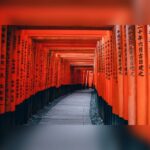
- Fushimi Inari’s Long Red Tunnel
- Guides, Commentary, and Group Size
- Timing, Transport, and the Real Cost
- Who Should Book This Day Trip?
- Practical Tips for a Better Day
- FAQ
- How long is the tour?
- Where does the tour start?
- Can I finish in either Osaka or Kyoto?
- Is hotel pickup included?
- Is Kinkaku-ji admission included?
- Is Todai-ji admission included?
- Is lunch included?
- How long do I get in Arashiyama?
- What languages are offered?
- What happens if bad weather cancels the tour?
- Should You Book It?
At a Glance
- Four major sights in one day: Visit Nara Park, Todai-ji, Arashiyama, Kinkaku-ji, and Fushimi Inari Shrine by bus.
- The Nara start is smart: See the deer and Todai-ji early, before the day grows even busier.
- Arashiyama time depends on lunch: You get 60 minutes there with the lunch option, or 120 minutes without it.
- Kinkaku-ji admission is included: Your ticket covers entry to the Golden Pavilion, while Todai-ji requires a separate payment.
- The bus saves serious planning time: You avoid piecing together several public transport routes across Kyoto and Nara.
- Choose your finish: Depending on the option booked, you can return to Kyoto or Osaka.
Why This Day Works for First-Time Visitors
The appeal here is not a slow, quiet temple day. It is a practical way to cover the region’s headline sights when you have only one free day or do not want to manage transport yourself.
The route gives you strong contrasts. Nara feels open and relaxed, with deer wandering through the park. Todai-ji brings monumental Buddhist architecture. Arashiyama shifts the mood to trees, shops, and the famous Bamboo Grove. Kinkaku-ji offers polished beauty, while Fushimi Inari ends the day with a walk beneath red torii gates.
That range is the tour’s real strength. You do not spend the entire day looking at similar temples. You get nature, religious art, traditional architecture, local food, and some of Japan’s most recognizable photographs.
The bus also matters more than it might seem. Reaching all four areas by public transport in one day is possible, but it requires careful connections and firm time management. Here, you can rest between stops while the driver handles the roads. The cost is $66 per person, before any optional lunch and the separate Todai-ji admission. For a full-day vehicle, guide, taxes, and Kinkaku-ji entry, that is a reasonable price if convenience matters to you.
A few more Kyoto tours and experiences worth a look

Nara Park and Todai-ji Before the Crowds
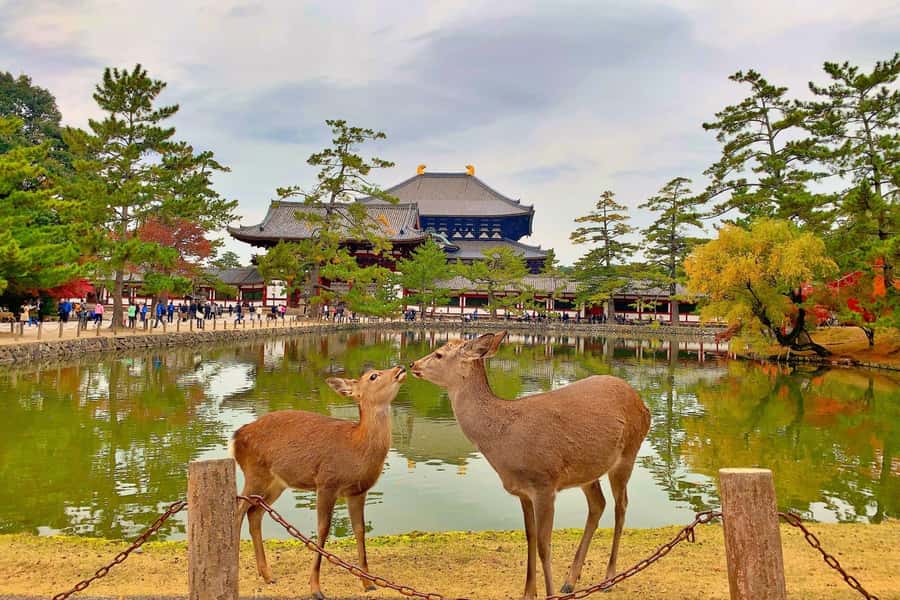
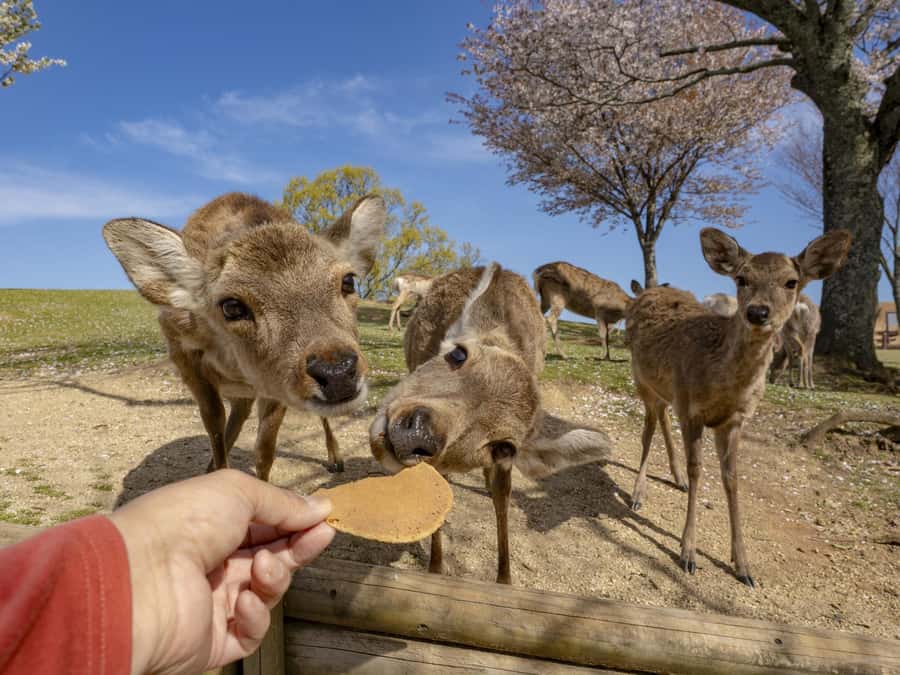
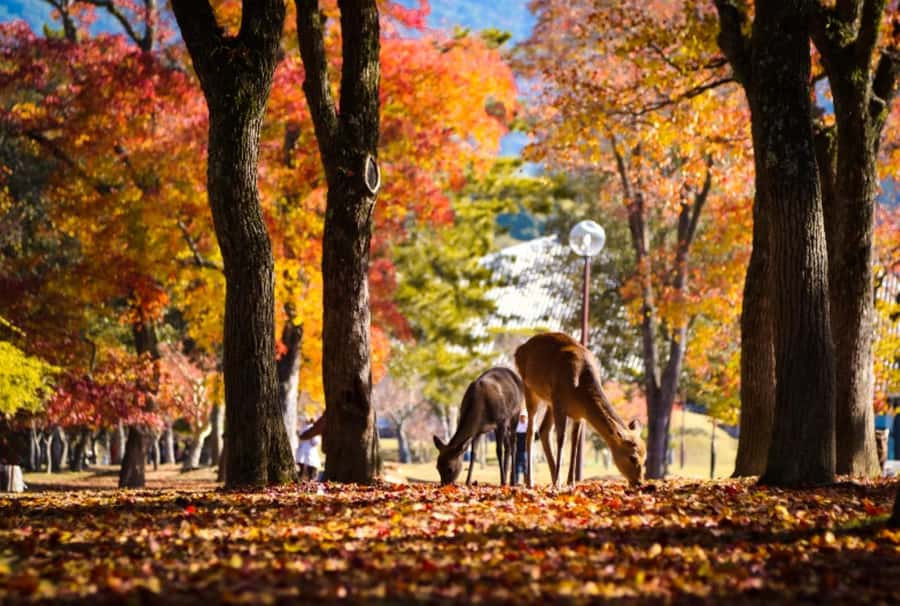
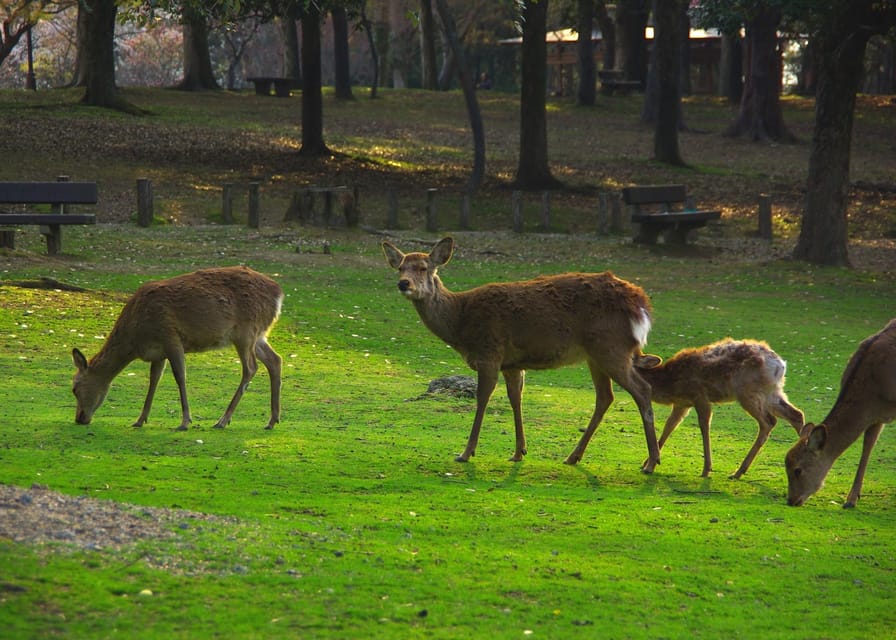
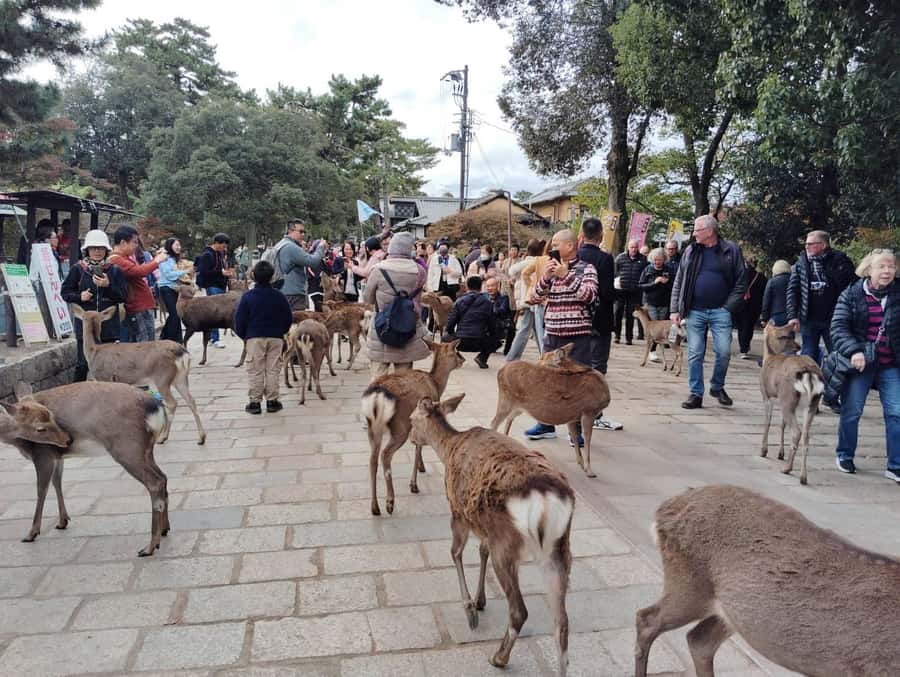
Nara Park is the first major stop. Its famous deer roam freely, and you can see them near the paths and temple grounds. These are wild animals, not tame pets, so treat them with care and do not disturb them.
The deer are the lighthearted part of the morning, but Todai-ji supplies the serious wow factor. The temple is a UNESCO World Heritage site and is known for its enormous wooden structure and 15-meter Great Buddha statue. The scale is difficult to grasp from photographs. Inside the hall, the statue gives the visit a sense of weight and calm that the playful deer cannot provide.
Todai-ji’s entrance fee is not included, so bring money for that separate admission. This is an important detail when comparing the tour price with a self-guided day.
Starting in Nara also helps with crowd flow. Several guides, including Mike, are praised for arranging the schedule so the group reaches the park early. That does not make Nara empty, but it can give you a better chance to enjoy the park before the busiest part of the day.
Allow time for walking. The park is not a quick roadside photo stop, and Todai-ji adds more foot travel. Wear shoes you can manage for a full day, especially if you plan to walk farther around the temple grounds.
The Optional Kobe Beef Shabu-Shabu Lunch
If you depart from Osaka, you can select the Kobe beef lunch option. The meal is Japanese Wagyu Kobe Beef Shabu-Shabu, with an explanation of why Kobe beef is so highly prized and how it meets strict standards among Japan’s major Wagyu breeds.
Shabu-shabu is prepared by briefly cooking thin slices of meat in hot broth. The fine marbling softens as it cooks, producing a tender texture. You also have the option to order Kobe beef aburi sushi on-site for an additional charge.
The lunch takes 50 minutes, followed by 60 minutes in Arashiyama. That is the key decision. The meal gives you a structured break and removes the need to find a restaurant during a busy sightseeing day, but it cuts your Arashiyama time in half.
Several people who chose the lunch found the restaurant and food worthwhile. I would choose it if you care about trying Kobe beef and prefer a planned meal. I would skip it if Arashiyama is your main priority, or if you want time to browse its shops and eat at your own pace.
The lunch option is available for departures from Osaka only. If you book the no-lunch version, you get free time to eat in Arashiyama instead.
Arashiyama and the One-Hour Bamboo Grove Question
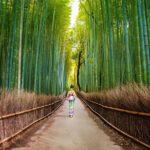
Arashiyama is the most likely place to feel rushed. With lunch, you have 60 minutes here. Without lunch, you have 120 minutes, which gives you a much better chance to walk through the Bamboo Grove, look around the shops, and choose a meal.
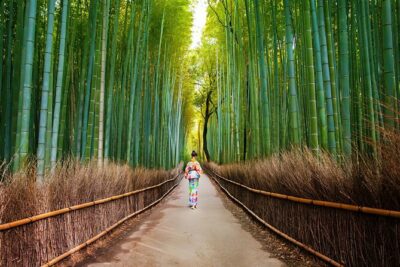
The Bamboo Grove is famous for its tall green stalks and filtered light. The main path can be crowded, and it takes time to walk there from the bus parking area. One hour may be enough for a brisk visit and photographs, but it is not enough for a leisurely exploration of all that Arashiyama offers.
This is where a good guide can make a real difference. Harry has been praised for showing a shorter, attractive route, while other guides give clear instructions and let you explore independently. If you follow the guide, you may see more efficiently. If you go alone, keep a close eye on the return time.
Arashiyama also offers a useful break from temples. You can browse local shops, look for a traditional restaurant, and enjoy the wooded setting without needing to treat every minute as a formal sightseeing stop.
My advice is straightforward: choose the no-lunch option if you are especially interested in the Bamboo Grove or want a calmer meal. Choose lunch if you value the food experience and accept a quicker visit.
Kinkaku-ji and the Golden Reflection
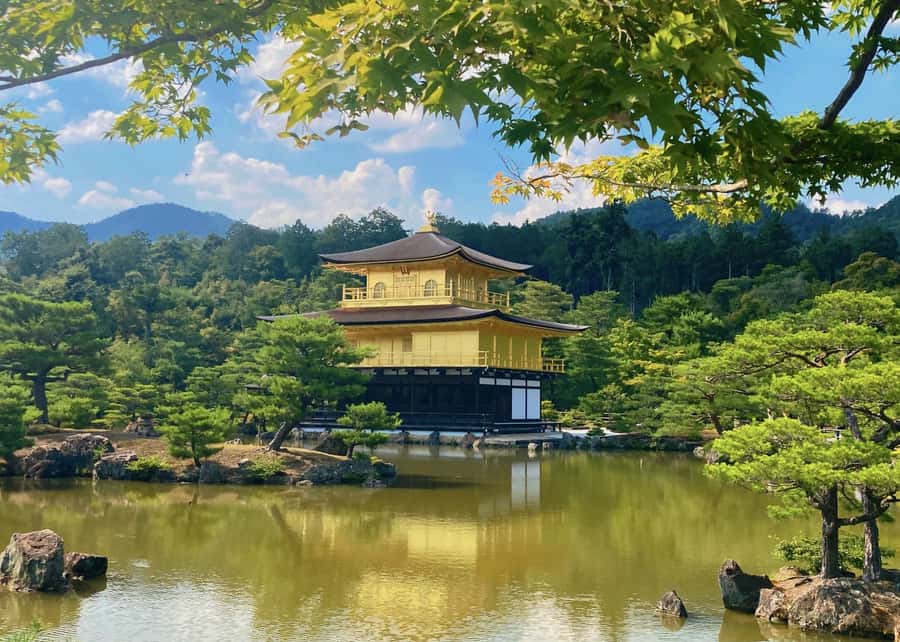
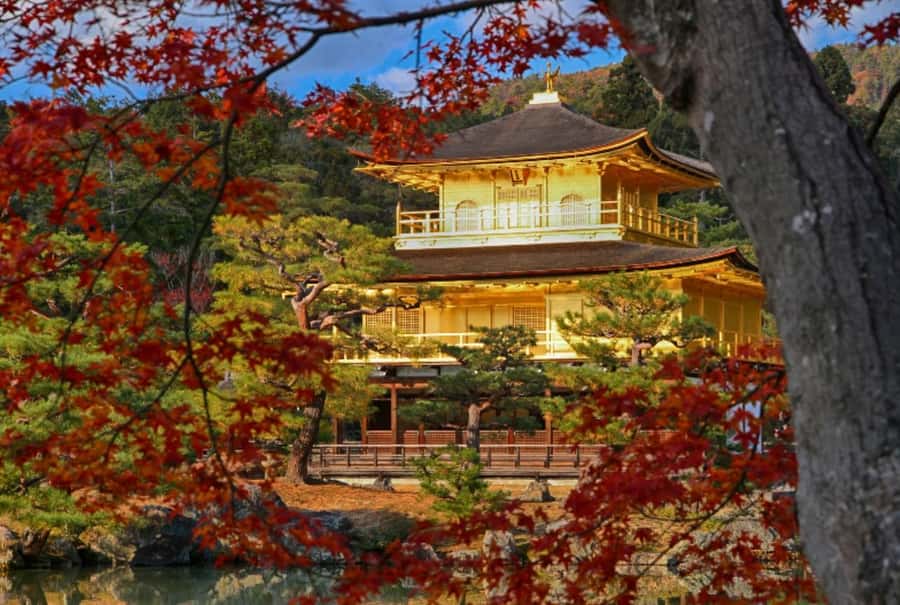
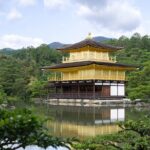
Kinkaku-ji, the Golden Pavilion, is one of Kyoto’s most recognizable sights. Its gold-leaf exterior reflects in the pond, with carefully arranged gardens around it. The view is designed to be admired from the walking route rather than entered as a building.
Your Kinkaku-ji admission is included, which improves the $66 value. The pavilion itself is a short visit, but the setting gives you time for photographs and a look at the surrounding grounds.
The timing here can work in your favor. Guides have arranged for the group to reach Kinkaku-ji later in the day, when the light may fall nicely across the gold exterior. Of course, weather and crowds change the effect, but the stop is visually rewarding even when the grounds are busy.
Do not expect a quiet private garden. Kinkaku-ji is a major attraction, and the path naturally moves you along. The benefit of joining the tour is that you do not need to worry about how to reach this out-of-the-way part of Kyoto after Nara and Arashiyama.
A few more Kyoto tours and experiences worth a look

Fushimi Inari’s Long Red Tunnel
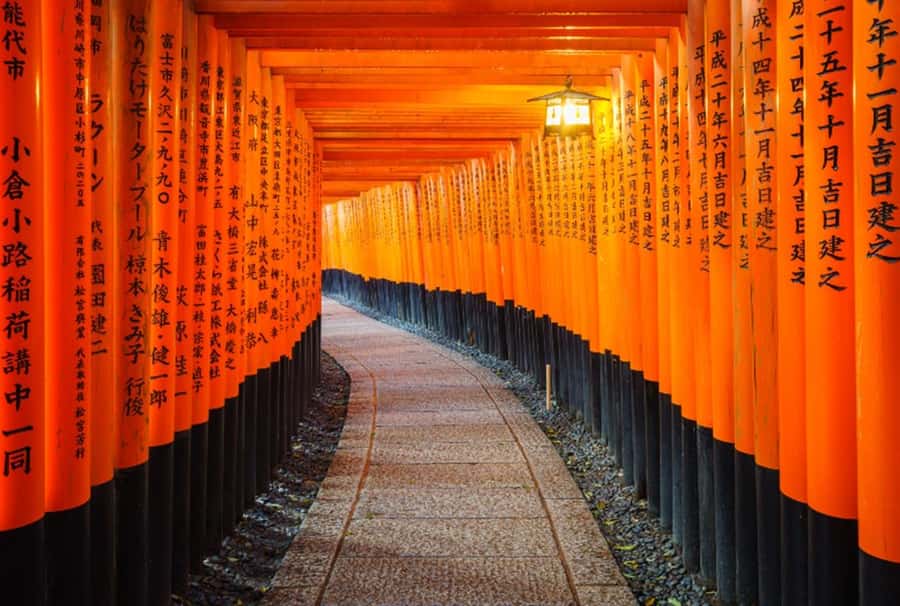
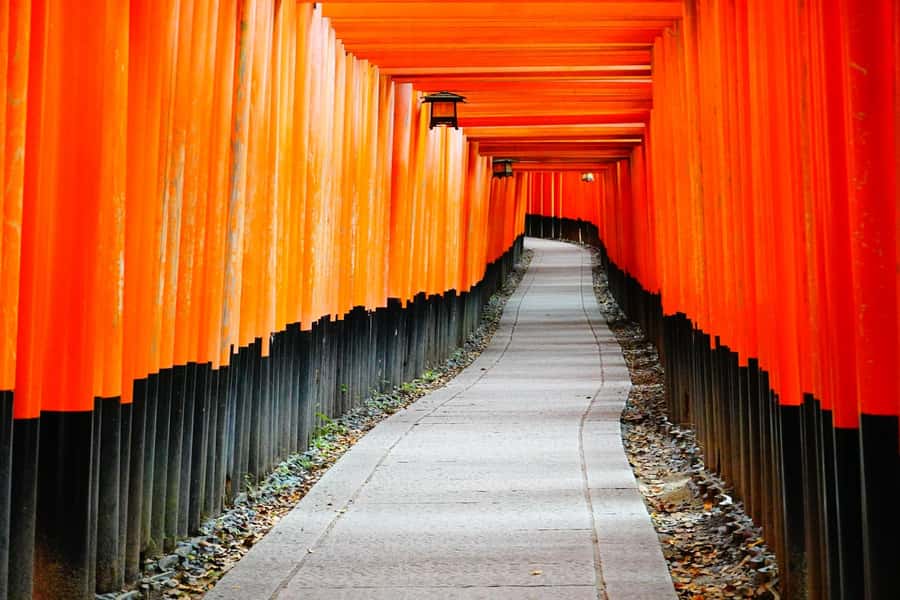
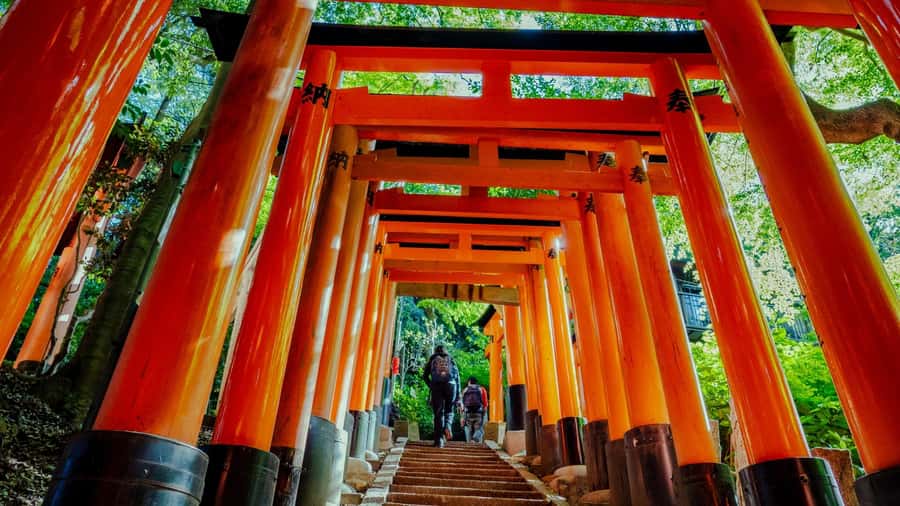
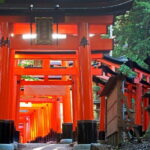
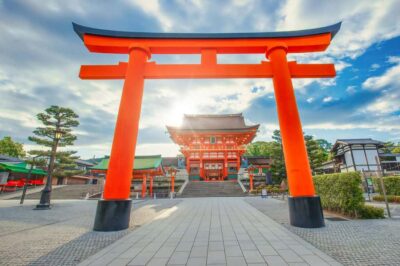
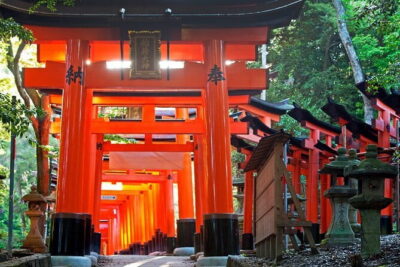
Fushimi Inari Shrine brings the day to a memorable finish. Its vermilion torii gates form a long route up Mount Inari, with each gate representing a prayer or offering to Inari Okami, a deity linked with prosperity, household safety, and success.
You do not need to walk the entire mountain to appreciate the shrine. The lower section gives you the famous tunnel effect, with red gates packed closely together. If you want to walk farther, use your time carefully and remember that the bus will leave at a fixed hour.
Fushimi Inari is a working Shinto shrine as well as a major sightseeing site. Take a moment to notice the religious purpose behind the gates rather than treating the route only as a photo backdrop.
This final stop can feel tiring because you have already spent the day walking. That is part of the bargain with this itinerary. You see a great deal, but Fushimi Inari is not a sit-down finale. Comfortable footwear and water will help.
Guides, Commentary, and Group Size
The guide is a major part of this experience. English or Chinese commentary is available, and depending on group size, both languages may be used on the same bus. If you need detailed commentary in only one language, check the option before booking.
The strongest guide reports highlight clear timing, historical explanations, help with photographs, and practical directions. Harry is often described as funny and considerate. Gary is praised for preparation, strong English, and detailed explanations. Mike is noted for history and clear meeting instructions, while Tracy is known for keeping the group together and adding quiz questions to the ride.
Guide quality can vary because different staff may lead different departures. Still, the tour structure gives the guide many chances to help. You need someone who can explain where to go, repeat the bus departure time, and help the group avoid confusion in crowded areas.
The group may be large. That keeps the price down but can create delays when someone gets lost or arrives late. Some groups have split up in busy places, even when the guide gave clear instructions. Stay close during transfers, take a picture of the bus or meeting point, and set a phone alarm for the return time.
Timing, Transport, and the Real Cost
The advertised day is approximately nine hours, though traffic and other conditions can change the schedule. Departures from Kyoto may produce a shorter overall day than departures from Osaka, depending on the exact meeting point and route.
You must arrive at the assigned meeting point on time. The bus and guide are tied to that specific location, and arriving at the wrong VIP Lounge may mean missing the tour without a refund. If you need to change meeting points, contact the provider at least two days before departure.
The air-conditioned bus is the practical backbone of the day. It gives you a place to sit between sights, and the driver handles a route that would otherwise involve multiple train and bus rides. One small comfort note: the bus does not have USB ports, so charge your phone before leaving.
At $66, the tour is good value for a visitor who wants coverage and simplicity. You receive transportation, an English or Chinese-speaking guide, all taxes and handling charges, and Kinkaku-ji admission. You still pay separately for Todai-ji, lunch if selected, and any personal food or shopping.
The hidden cost is energy. One full day can mean roughly 20,000 steps, and the early start plus evening return may leave you tired. This is not the best choice for someone who wants long meals, unhurried temple visits, or time to sit and watch the world go by.
Who Should Book This Day Trip?
I would recommend it most strongly to first-time visitors staying in Osaka or Kyoto who want to see the major sights without arranging every connection. It also suits solo visitors, families worried about navigating public transport, and people with only one open day.
Families can benefit from the bus because you can rest between stops. Parents should still expect a great deal of walking and a long day. The deer may be the highlight for children, while Todai-ji and Fushimi Inari give the adults more cultural depth.
The tour also works well for disciplined sightseers who like a clear schedule. You have enough time to experience each stop, but not much room for missed buses, long meals, or spontaneous detours.
I would hesitate to recommend it to you if Arashiyama is your main reason for visiting Kyoto. The lunch option leaves only an hour there, and even two hours can feel short once you account for walking to the Bamboo Grove. A private guide or separate Arashiyama visit would suit a slower pace better.
Practical Tips for a Better Day
- Wear walking shoes: Nara, Arashiyama, Kinkaku-ji, and Fushimi Inari all involve foot travel.
- Charge your phone first: The bus does not have USB ports.
- Save the meeting instructions: Take a photo of the bus area and set alarms for each departure time.
- Bring money for Todai-ji: Its entrance fee is not included.
- Treat the deer with respect: They are wild animals and should not be disturbed.
- Choose lunch with care: The Kobe beef meal is convenient and special, but it reduces Arashiyama time.
- Keep expectations realistic: The tour covers a lot, but no stop is designed for a slow, all-afternoon visit.
- Check the language option: Commentary may be in English and Chinese, depending on the group.
FAQ
How long is the tour?
The tour lasts approximately nine hours, though the exact duration can change because of traffic or unforeseen conditions.
Where does the tour start?
You begin at a designated VIP Lounge in Osaka or Kyoto. The exact meeting point depends on the option you book.
Can I finish in either Osaka or Kyoto?
Yes. The available ending location depends on the option selected, and you can choose to finish in Kyoto or Osaka.
Is hotel pickup included?
No. Hotel pickup and drop-off are not included. You must reach the assigned meeting point yourself.
Is Kinkaku-ji admission included?
Yes. The entrance fee to Kinkaku-ji is included.
Is Todai-ji admission included?
No. The entrance fee to Todai-ji must be paid separately.
Is lunch included?
Lunch is optional. Departures from Osaka offer a Kobe Beef Shabu-Shabu lunch option. Without lunch, you have free time to eat in Arashiyama.
How long do I get in Arashiyama?
With the lunch option, you get 60 minutes in Arashiyama after 50 minutes for lunch. Without lunch, you get 120 minutes there.
What languages are offered?
The tour offers English and Chinese. Depending on group size, commentary may be provided in both languages.
What happens if bad weather cancels the tour?
If extreme weather or a natural disaster causes cancellation, you receive a full refund. You can also cancel up to 24 hours before departure for a full refund.
Should You Book It?
Book this tour if you want to see the major Kyoto and Nara sights in one organized day and you value a bus more than a flexible schedule. The deer at Nara Park, Todai-ji’s Great Buddha, Kinkaku-ji’s golden pavilion, and Fushimi Inari’s torii gates make a strong first look at the region.
Choose the no-lunch option if you want more time in Arashiyama. Choose the Kobe beef meal if a planned Japanese Wagyu experience matters more to you than an extra hour among the bamboo and shops.
The best reason to book is efficiency. The main reason not to book is pace. At $66, it delivers a lot for the money, but you need to arrive early, follow the timing, walk steadily, and accept that a day covering four major destinations will feel full by the end.
More Osaka & Hiroshima Departures in Kyoto
More Golden Pavilion & Temple Tours in Kyoto
More Arashiyama & Bamboo Tours in Kyoto
More tours in Kyoto we've reviewed


Arashiyama & Bamboo Tours, compared.
 ★ 4.8Kyoto: Fushimi Inari, Kinkakuji, Bamboo Grove 1 Day Bus TourFrom $122510 minutes - 9 hours
 ★ 4.7Kyoto/Osaka: Nara, Fushimi Inari Taisha, Arashiyama Bus TourFrom $529 - 10 hours
 ★ 5.0Kyoto Arashiyama Walking Tour: Bamboo, Monkeys, Gardens & SecretsFrom $65
 ★ 4.8Arashiyama Bamboo, Temple, Monkeys, or Secret Sake BreweryFrom $875 hours - 330 minutes
 ★ 4.4Osaka/Kyoto: Arashiyama, Nara & Fushimi Inari Shrine w/LunchFrom $61
 ★ 5.0Kyoto: Nijo, Kinkaku-ji, Arashiyama, Kiyomizu & Fushimi InariFrom $51