

Reviewed · SAMURAI & KENDO EXPERIENCES
Skip the lines Basic Ticket at SAMURAI NINJA MUSEUM KYOTO
Kyoto’s Samurai Ninja Museum turns a history lesson into a hands-on hour. You’ll hear about Japan’s feudal system, see swords and armor, try on samurai gear, and throw replica ninja stars. The guides, including Nobu, Raito, Saku, and Naromi, bring plenty of energy to the presentation.
I like the hands-on activities, especially the shuriken throwing and photo session with a katana. I also like the short format: at about one hour, it fits neatly between temples, shopping, and dinner. The main catch is size. This is a small museum in a shopping arcade, not a large collection with room after room of artifacts.
In This Review
- Key points to know before booking
- What the one-hour visit is really like
- Samurai armor, katana photos, and the dress-up session
- The ninja star throwing competition
- The guides make the difference
- How large is the museum?
- Is the $28.52 price good value?
- Who should book this Kyoto activity?
- Timing, tickets, and cancellation rules
- Should you book the Samurai Ninja Museum?
- FAQ
- How long does the Samurai Ninja Museum experience last?
- What activities are included?
- Is admission included in the price?
- Can children participate?
- Is the museum accessible by public transportation?
- Can I cancel for a full refund?
Key points to know before booking
- A lively one-hour introduction: You get a guided overview of samurai and ninja life, rather than a long academic visit.
- Armor and sword photos: You can put on samurai clothing, handle a replica sword, and pose for pictures.
- Shuriken throwing is included: The ninja star activity adds a playful contest, and some sessions offer a small prize for the winner.
- Guide quality shapes the visit: Guides such as Nobu, Raito, Saku, Naromi, and Jasmine have been praised for energy, humor, and clear explanations.
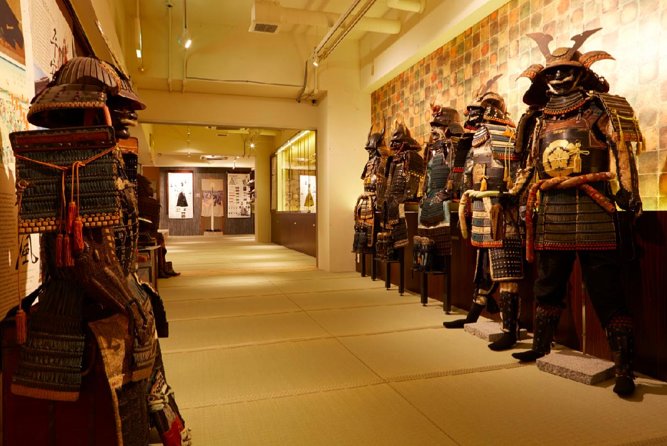
- Expect a small venue: Displays focus mainly on swords, armor, costumes, and introductory explanations.
- Do not assume priority entry: Although the product is sold as a basic skip-the-lines ticket, one booking note describes a regular group entry, with everyone going in together.
What the one-hour visit is really like
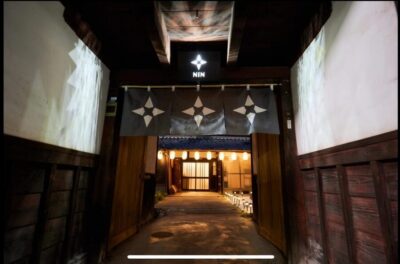
You make your own way to the Samurai Ninja Museum in central Kyoto. The meeting point is in the heart of the city and close to public transportation, but finding the entrance can take a little attention. One practical tip is to use the directions in your booking app rather than relying on a quick glance at a map.
Once inside, you meet your guide and the rest of the group. The presentation begins with an introduction to samurai and ninja culture, along with the political and social setting of feudal Japan. You’ll learn how these famous figures fit into Japanese society, rather than simply seeing costumes and weapons without explanation.
The experience is aimed at first-time visitors and families, though people with a serious interest in Japanese history may find the coverage basic. The pace works well if you want a clear overview in a short period. If you prefer to read every display at length, the group presentation and compact layout may feel rushed.
The tour usually includes a look at old swords and other weapons, plus a recreation of a samurai house. The collection is not enormous, and the museum’s displays focus heavily on samurai armor, swords, and related objects. That makes the visit easy to follow, but it also explains why some people find it closer to an interactive attraction than a traditional museum.
A few more Kyoto tours and experiences worth a look


Samurai armor, katana photos, and the dress-up session
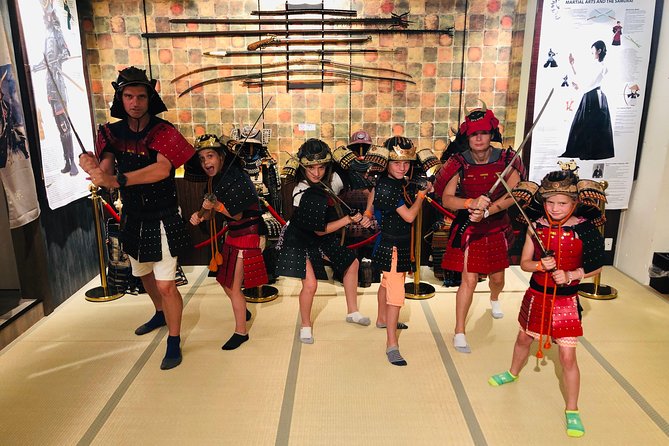
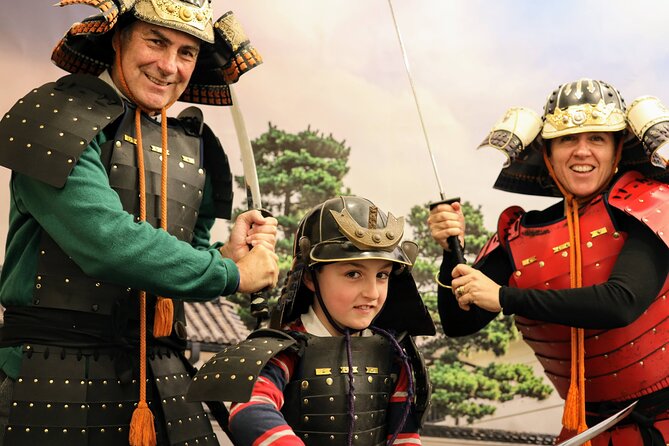
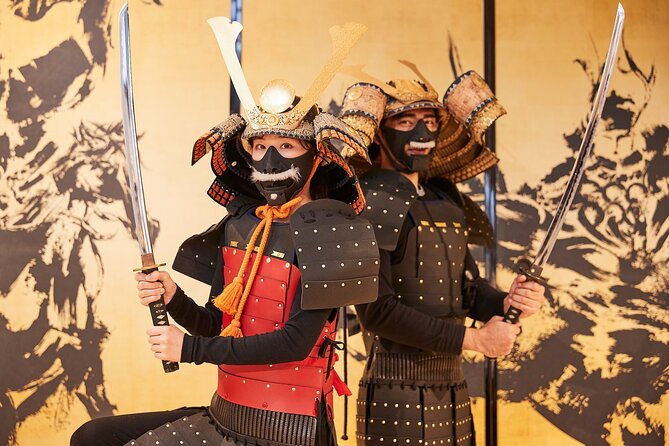
The most memorable part for many families is the chance to wear samurai clothing. You may try on armor or a helmet, pick up a sword, and pose against a traditional-style backdrop. It gives children a clear physical connection to the subject, and adults get a fun photo opportunity without needing to understand every historical detail first.
The costume activity is simple, not a full theatrical transformation. Several comments describe a limited choice of outfits, and one notes that only two costumes were available during that visit. The quality of the clothing and replica swords may also vary. If you are expecting museum-grade costume pieces or a polished professional photo session, set your expectations lower.
I see the dress-up as an added bonus rather than the reason to book the museum by itself. It works best when paired with the guide’s explanation. After hearing about samurai life, putting on the helmet or armor makes the subject easier to picture.
The katana used for the activity is a replica for handling and photographs. You should treat it as a prop and follow the guide’s instructions. The experience is designed for participation, not sword training.
The ninja star throwing competition
The shuriken activity gives the visit its playful finish. You throw replica ninja stars at a target in a friendly competition. The materials are intended for this activity, so it is suitable as a supervised family experience rather than a weapons lesson.
This section earns strong marks because it breaks up the historical talk. Younger children often respond to the action right away, while adults can join in and make it a group activity. In some sessions, the winner receives a ninja star, adding a small competitive spark.
The activity can also affect the mood of the whole group. A quiet museum visit becomes more social and lighthearted, which suits families and visitors who want an experience rather than a standard exhibit hall. If you want a calm, silent setting for close study, this is probably not your ideal museum stop.
The exact activities can change, and the venue notes that parts of the program may be adjusted. It is wise to think of the star throwing as a likely feature of the visit, not as a guaranteed private lesson or extended practice session.
The guides make the difference
The guide is central here. The museum’s format depends on someone explaining the displays, keeping the group moving, and making the activities comfortable for both children and adults.
Nobu is singled out for combining facts with humor and entertainment. Raito is praised for explaining samurai and ninja subjects while keeping the shuriken activity fun. Saku is described as friendly and energetic, while Naromi receives praise for adding useful detail to the presentation. Jasmine is also named positively in one account, although that particular comment refers to a castle and palace visit, so you should not assume she leads every museum session.
The strongest guides appear to make the short running time feel full. They provide context, answer the basic questions that come up, and keep the atmosphere moving. This is especially useful if you know little about Japanese history and want a clear starting point.
The tradeoff is that the quality of the visit can depend on the guide and the size of the group. A good presenter can make a modest display engaging. A crowded room can make even a good explanation harder to hear or follow.
How large is the museum?
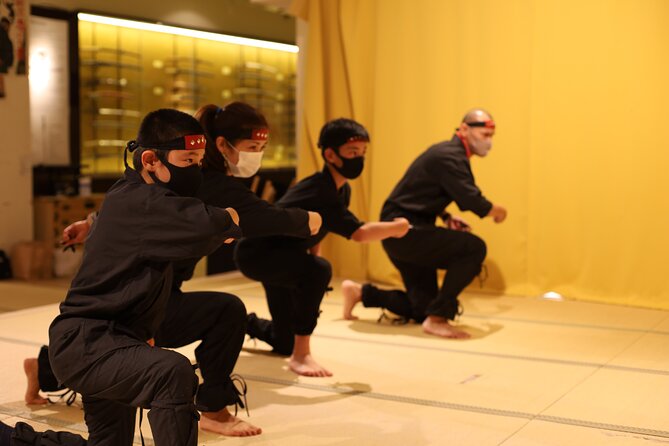
You should picture a compact venue split over two levels in a shopping arcade. Some visitors find it difficult to locate, so allow time to get your bearings before the scheduled start.
The small footprint has two effects. First, you can see the main displays without committing half a day. Second, the rooms may feel tight when several groups arrive at once. A few accounts describe crowding, waiting for the presenter, or moving through the material quickly.
The booking information gives two different maximum group sizes, 30 people and 15 people. Because of that inconsistency, you should confirm the expected group size if personal space or a quieter visit matters to you. The experience is also sold as a basic skip-the-lines option, but one account says it operated like a normal ticket, with the group entering together. I would not book it mainly for a guaranteed fast-track benefit.
The venue has an elevator out-of-service period from January 24, 2026, through February 19, 2026. If you need elevator access, check the arrangements before booking those dates.
A few more Kyoto tours and experiences worth a look





Is the $28.52 price good value?

At $28.52 per person, the price is reasonable if you want a guided introduction with activities. You are paying for more than entry to a room of objects: the admission includes a professional guide, samurai costume use, and the ninja star competition.
The value is strongest for families, first-time visitors, and anyone who likes taking part rather than simply reading labels. A child who loses interest in a standard museum may stay engaged through the armor, sword, and target throwing. The one-hour length also keeps the financial risk fairly low if you are fitting several Kyoto sights into one day.
The value is weaker if your goal is a large collection of original artifacts or detailed research-level interpretation. The museum is small, and the historical coverage is an overview. Some visitors feel the program moves too quickly, especially when crowded, and some costumes or replica swords may show wear.
I would compare this price with the cost of a standard attraction ticket plus a separate family activity. In that light, the combination can make sense. But do not pay expecting the scale of a major national museum.
Who should book this Kyoto activity?
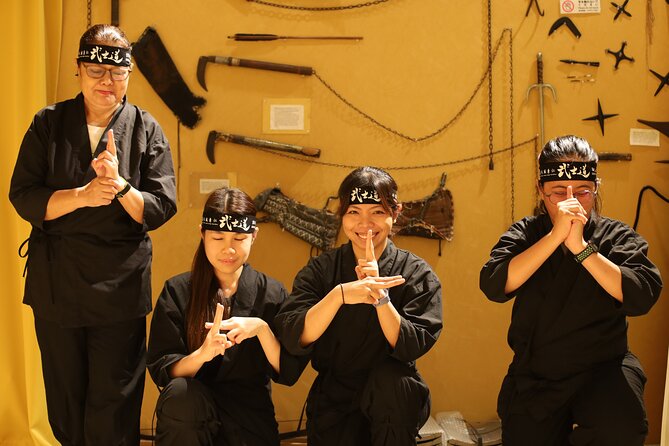
I would recommend it most readily to families with children. A six-year-old can take part in the star throwing, look at weapons and costumes, and dress up as a ninja or samurai. Children must be accompanied by an adult, and most people can participate.
It also suits adults who want a cheerful introduction to samurai and ninja culture. You do not need previous knowledge, and the guide-led format gives you enough historical background to understand what you are seeing.
History enthusiasts should decide based on expectations. If you want a quick orientation, the displays and commentary may be useful. If you want a large collection, long reading time, or a serious study of military and political history, you may find the visit too light.
The experience works well on a rainy-day schedule only if the provider confirms that the session will run. The terms say the activity requires good weather and may be moved or refunded if poor weather causes cancellation. That is worth checking, even though much of the visit takes place indoors.
Timing, tickets, and cancellation rules
Several time slots are available, which helps you place the museum between other Kyoto plans. The total visit lasts about one hour, though some people spend closer to one and a half hours when they have extra time to look around.
Admission is included, and transportation to the museum is not. You are responsible for reaching the central Kyoto location. The mobile ticket is useful, especially because the entrance can be hard to spot.
Confirmation arrives at booking. Free cancellation is available if you cancel at least 24 hours before the local start time. Changes or cancellations made inside that 24-hour window are not accepted for a refund. If poor weather causes the provider to cancel, you can choose another date or receive a full refund.
The operator has also indicated plans to move to a much larger downtown facility, described as five to ten times bigger, with more interactive exhibits. Since venue plans can change, check the current address and layout close to your visit.
Should you book the Samurai Ninja Museum?
Book it if you want a short, active Kyoto experience with a guide, a few historical displays, samurai dress-up, and replica shuriken throwing. It is particularly well suited to families and first-time visitors who value fun and clear explanations over a large collection.
Skip it if you expect a grand museum, rare artifacts at every turn, or a quiet hour of detailed study. The compact rooms, possible crowding, limited costume selection, and uncertain priority-entry benefit are real considerations.
My advice is simple: treat this as a guided cultural activity with museum elements, not as Kyoto’s definitive samurai archive. With that expectation, the $28.52 fee can buy a lively and memorable hour. Book a time that fits your schedule, use the app directions, and ask about group size if the visit’s atmosphere matters to you.
FAQ
How long does the Samurai Ninja Museum experience last?
The scheduled experience lasts about one hour. Some people may spend up to one and a half hours if they have extra time to look at the displays.
What activities are included?
The experience includes a guided museum visit, samurai costume use, a photo opportunity with a replica sword, and a ninja star throwing competition. Activities can change.
Is admission included in the price?
Yes. Admission to the Samurai Ninja Museum is included. Transportation to and from the museum is not included.
Can children participate?
Yes. Most people can participate, and children are welcome when accompanied by an adult. The activities are suitable for families, though the booking information does not give a specific minimum age.
Is the museum accessible by public transportation?
The museum is near public transportation. Its elevator is scheduled to be out of service from January 24, 2026, through February 19, 2026, so check access arrangements if you need an elevator.
Can I cancel for a full refund?
Yes, if you cancel at least 24 hours before the experience start time. Cancellations or changes made less than 24 hours in advance are not refunded. If poor weather causes the provider to cancel, you can receive a full refund or select another date.
More Museum Experiences in Kyoto

More Tickets in Kyoto
More Samurai & Kendo Experiences in Kyoto

More tours in Kyoto we've reviewed








Samurai & Kendo Experiences, compared.
 ★ 5.0Kyoto Samurai ExperienceFrom $119
 ★ 4.9Kyoto: Kendo and Samurai Experience with Uniform and GearFrom $1032 hours
 ★ 4.9Kyoto: Samurai Class, Become a Samurai WarriorFrom $70
 ★ 5.0Ninja 1-hour Hands-on Lesson by Japanese master in Kyoto -EntryFrom $80
 ★ 4.8Kyoto: Ninja Weapon Forging ExperienceFrom $1482h 30m
 ★ 4.5Kyoto: Samurai Kenbu Traditional Sword Dancing ShowFrom $321 hour