
Reviewed · KYOTO FOOD TOURS
Kyoto: Nishiki Market Brunch Walking Tour-7 Tastings+Brunch
Nishiki Market is best understood with an appetite. This three-hour morning walk takes you from Gion Shijo through Pontocho and a local shrine before settling into Kyoto’s famous food street for seven tastings and a full brunch. You get both the small bites and the cultural context behind them.
I like the early timing, which brings cooler air and calmer streets before Nishiki fills up. I also like the small group, limited to seven people. Guides such as Yusuke, Takaya, Chie, Hikaru, and Yutaka have been praised for explaining food customs clearly, answering questions, and taking useful group photos.
The main drawback is dietary flexibility. The tour cannot accommodate vegan or gluten-free requests, and allergy-free food cannot be guaranteed. Some stops may not offer substitutions, so this is best for people with broad diets and a willingness to sample what the market offers.
In This Review
- Key points at a glance
- Starting at Gion Shijo with Kyoto still waking up
- Pontocho brings stories before the first bite
- Nishiki-Tenmangu Shrine adds a quiet pause
- Entering Nishiki Market, Kyoto’s food street
- What the seven tastings are really like
- The brunch is more than a final snack
- The guides shape the morning
- Is $66 a fair price?
- Timing, weather, and practical comfort
- Who should book this Nishiki Market tour?
- Should you book it?
- FAQ
- Where does the tour meet?
- Where does the tour finish?
- How long does the tour last?
- What food is included?
- Is the tour suitable for vegans or people who cannot eat gluten?
- Can the tour guarantee allergy-free food?
- How many people are in the group?
Key points at a glance
- Seven food stops plus brunch: You receive a proper meal as well as several market tastings, so arrive hungry.
- A calm morning route: The walk passes through Gion and Pontocho before the market crowds build.
- Small groups matter: With no more than seven people, it is easier to hear the guide and move through narrow market lanes.
- Kyoto beyond the food: You learn shrine customs, the difference between a shrine and a temple, and stories about local districts.
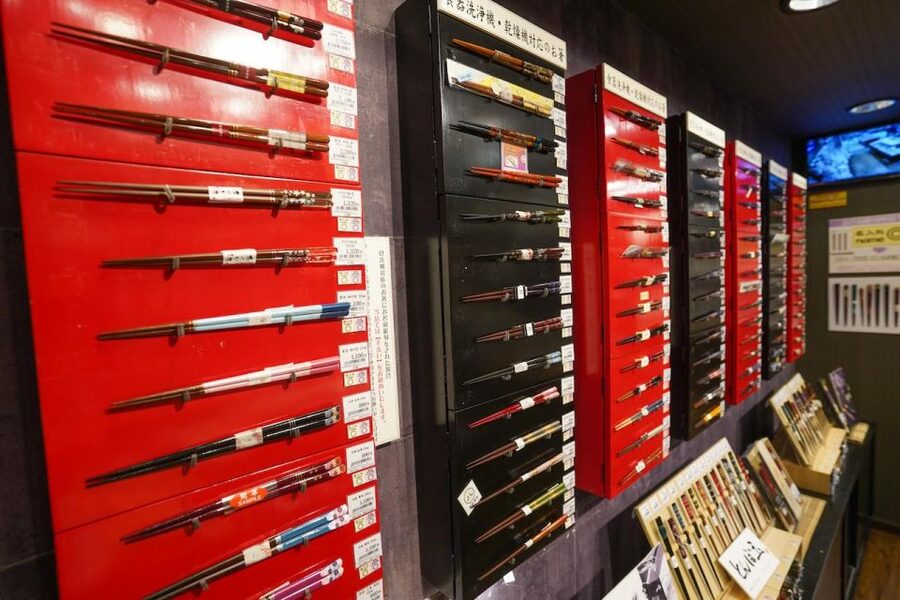
- Nishiki is more than a food hall: Expect seafood, sweets, seasonings, household goods, souvenirs, honey, soaps, and other shops.
- Bring cash: Extra food and drinks are not included, and cash is specifically recommended.
Starting at Gion Shijo with Kyoto still waking up
The meeting point is just outside Exit 5 of Gion Shijo Station. Look for a MagicalTrip guide holding a sign. This is a useful start because the station sits close to several of central Kyoto’s most atmospheric streets, and you do not need to find a market stall or restaurant on your own.
The first part of the walk uses the morning air to good effect. Gion feels quieter early in the day than it does at night, and your guide uses the walk to explain the district, local customs, and the role of the geisha area in Kyoto’s culture.
One important clarification: the route does not take you along the famous Gion street itself. You walk through the broader Gion area and its nearby streets, so book this for neighborhood context rather than a dedicated geisha-spotting walk.
You begin near the Statue of Izumo-no-Okuni, a fitting place to talk about Kyoto’s performing arts and the history of the area. From there, the group crosses Shijo-ohashi Bridge. The bridge visit is short, about five minutes, but it gives the tour a clear sense of place before the food begins.
Pontocho brings stories before the first bite
The walk continues into Pontocho, a narrow district known for traditional restaurants and evening entertainment. In the morning, it has a different mood. Shops may still be closed, foot traffic is lighter, and you can focus on the architecture and the guide’s stories without the nighttime crowds.
The Pontocho stop lasts about 15 minutes. That is enough time for an introduction, not a full neighborhood tour. I see this as a useful sampler. You get a look at one of Kyoto’s best-known dining streets, then move on before the route becomes too slow.
Guides have used this stretch to explain the history of the geisha district, local food customs, and how the area developed. Some have also answered practical questions about where to eat later in your trip. This is one reason I would schedule the tour near the start of your Kyoto stay. You can use the advice for the rest of your visit.
Nishiki-Tenmangu Shrine adds a quiet pause
Before entering Nishiki Market, you visit Nishiki-Tenmangu Shrine for around 15 minutes. This is an important change of pace. The market will soon bring food smells, shop signs, and close quarters, while the shrine offers a more reflective setting.
Your guide can explain basic shrine etiquette, including how to pray properly and how to recognize the difference between a Shinto shrine and a Buddhist temple. That short lesson helps you read other sacred places in Japan instead of simply walking through them as photo stops.
The shrine is also loved by local people, which gives the visit a more everyday feel. You are not spending the whole morning at major monuments. You are getting a small look at the places residents use and value.
The accessibility note matters here and elsewhere on the route. Some locations are not suitable for wheelchairs or strollers, so this is not a good choice if you need a step-free itinerary.
Entering Nishiki Market, Kyoto’s food street
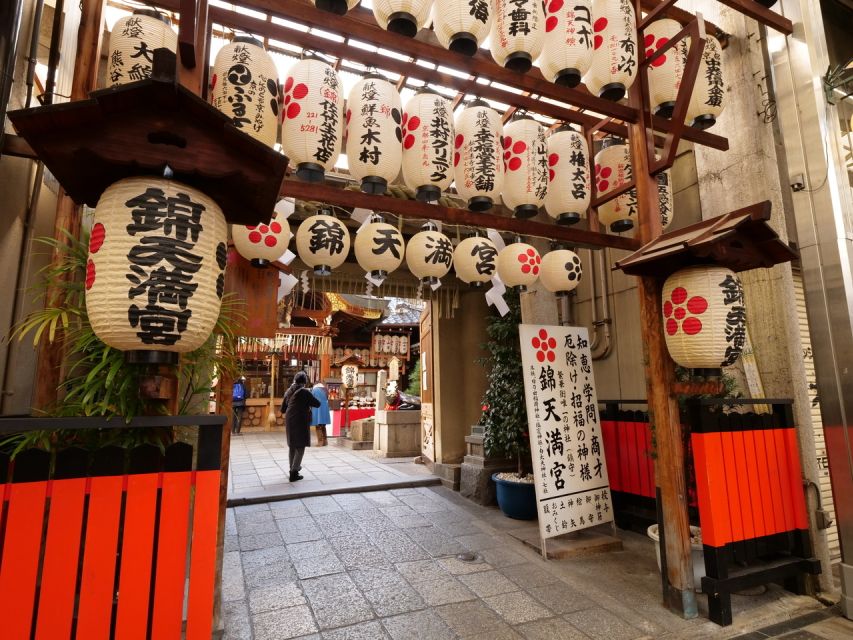
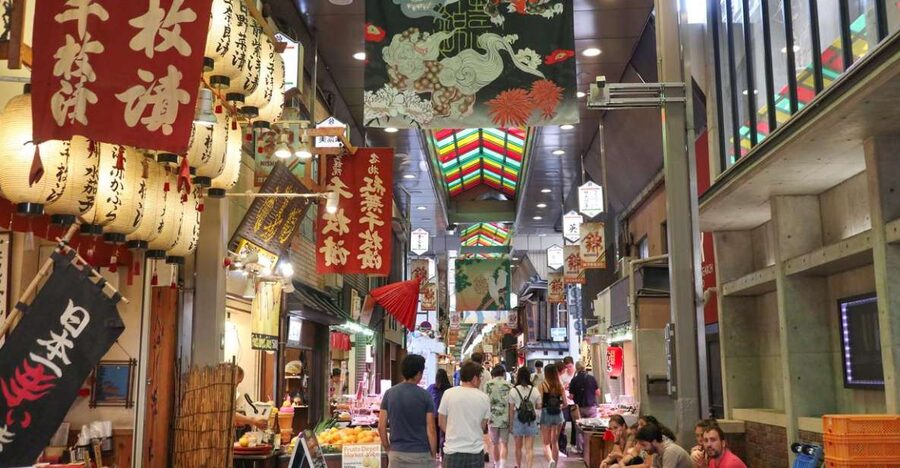
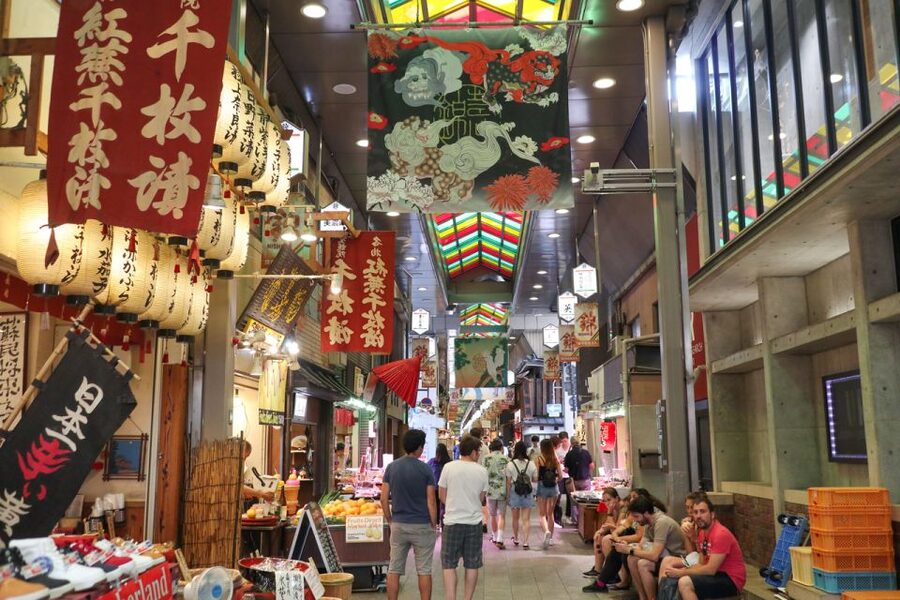
Nishiki Market receives the largest share of the tour, about two hours and 15 minutes. The market has more than 400 years of history and is often called the Kitchen of Kyoto. That name makes sense once you see the mix of ingredients, prepared foods, sweets, seafood, and specialty shops packed into one long passage.
Do not picture a single polished food court. Nishiki is a narrow, mixed retail street. Alongside food stalls, you might find honey, soaps, kitchen goods, souvenirs, and other everyday items. The variety is part of its appeal, though it can surprise people expecting only snacks.
A guide earns the fee here by helping you choose and understand what you are eating. You can ask about ingredients, preparation, customs, and the role particular foods play in Kyoto cooking. You also avoid the awkward first few minutes of deciding which stall is worth trying.
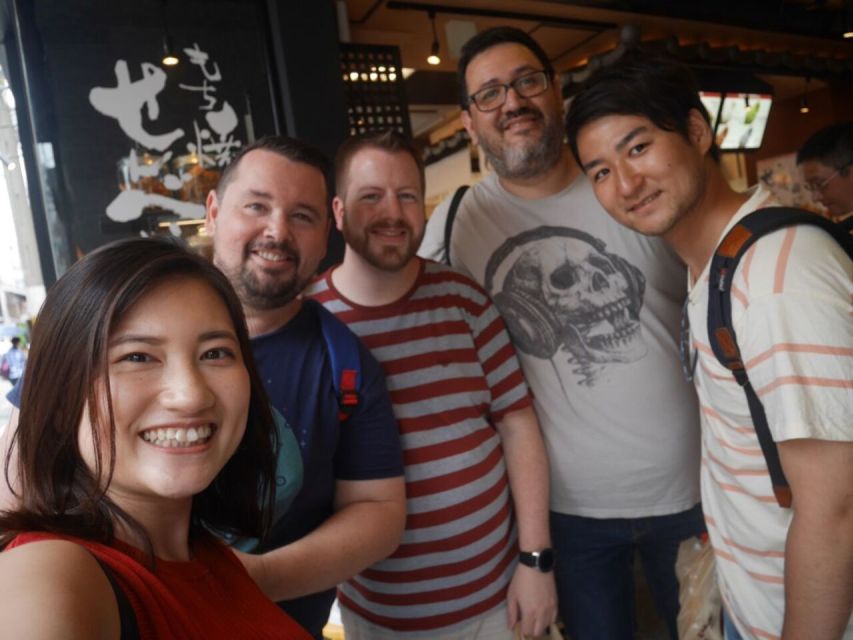
The group size is especially helpful in this setting. Six or seven people can stay together more easily than a large tour group, and you have a better chance of hearing explanations in the market’s tight spaces. Several guides have also taken photos during the walk, saving you from trying to arrange a group picture while carrying food.
What the seven tastings are really like
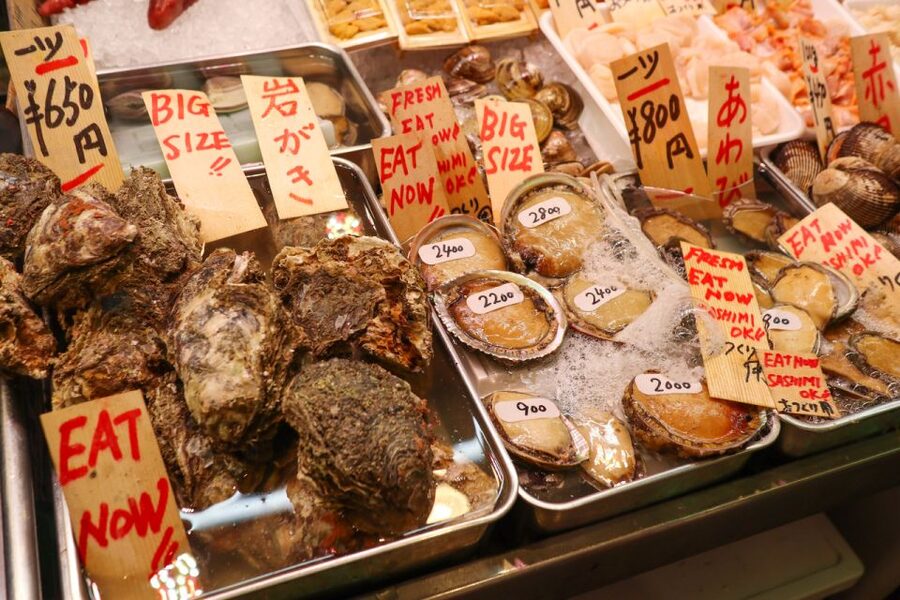
The experience includes four or five market dishes selected by the guide, plus the brunch and other samples that make up seven kinds of tasting. The exact menu can change, so you should not book expecting a fixed list of named foods.
The point is variety. You may try foods you would have passed over because the name or appearance was unfamiliar. Guides have introduced visitors to local specialties, sweets, seafood, sake, and other market treats. One useful part of the format is that you can ask what something is before committing to a full serving.
The tastings are not meant to replace lunch. They build toward the sit-down meal, and the steady sampling can become surprisingly filling. One past participant specifically advised not eating before the tour, and that is sensible advice. Have water beforehand, but leave room for the market.
You should also carry cash. Additional food and drinks are not included, and you may want to buy something that catches your eye after the official tastings. Nishiki is a good place to pick up edible gifts and small Kyoto products, though the tour price does not cover personal purchases.
The brunch is more than a final snack
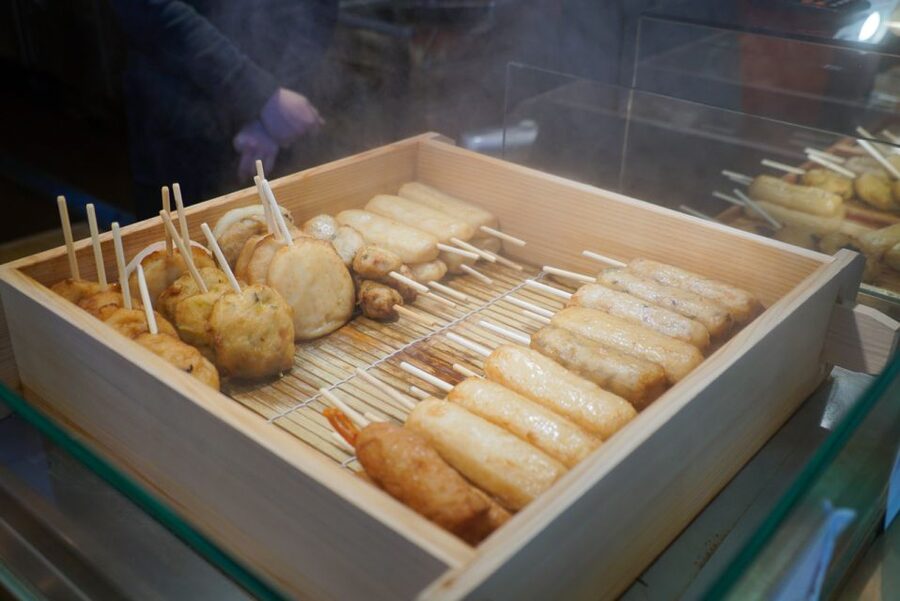
The included restaurant brunch gives the morning a proper finish. Instead of ending with a handful of samples, you sit down for a meal and have time to talk with the guide and other people in the group.
Past menus have included traditional Kyoto-style choices, with yuba appearing in one meal and several choices available at the restaurant. The exact restaurant and menu are not fixed in the information provided, so you should treat those examples as possibilities rather than promises.
This meal is valuable for two reasons. First, it balances the quick market bites with something substantial. Second, it gives you a chance to ask follow-up questions in a relaxed setting. Guides have shared restaurant suggestions, food stops, and ideas for continuing a culinary tour of Kyoto after the official walk ends.
The brunch also creates a more personal part of the experience. Guides including Takaya and Chie have been praised for adapting conversation to the group’s interests, while others have been described as friendly, patient, and easy to talk with. That human contact is a major part of what you are paying for.
The guides shape the morning
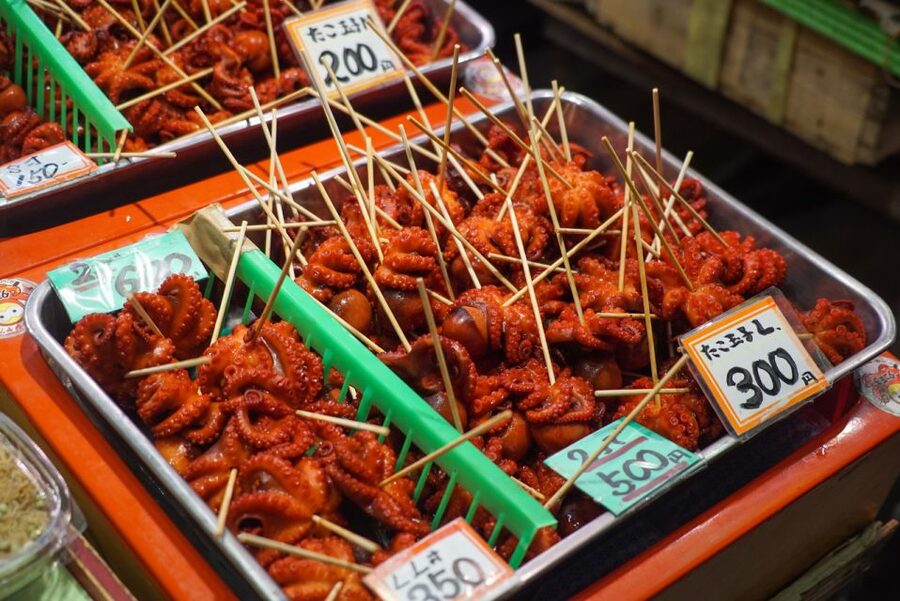
MagicalTrip supplies an English-speaking certified local guide, but the individual guide makes a noticeable difference. The strongest guide accounts describe clear English, humor, patience, local stories, and an ability to explain complex customs without turning the tour into a lecture.
Names that have received especially warm praise include Chie, Hikaru, Yutaka, Yuma, Nori, Yuki, Aki, Reiko, Takaya, Yusuke, and Peco. Chie has been praised for history stories and excellent photos. Hikaru has helped visitors understand shrine rituals and offered practical food recommendations. Yutaka has been described as funny, thoughtful, and especially strong on local food customs.
Your guide is not guaranteed to be one of these people. Still, the pattern is useful: this tour works best when you take part in the conversation. Ask about ingredients, etiquette, neighborhoods, or what to eat next. The guide can give more value when you bring questions.
The photo service is a pleasant extra rather than the main reason to book. Several guides have taken pictures at important spots and shared them afterward. If you want a polished photography session, this is not that. If you want a few good memories without asking strangers to take your picture, it helps.
Is $66 a fair price?
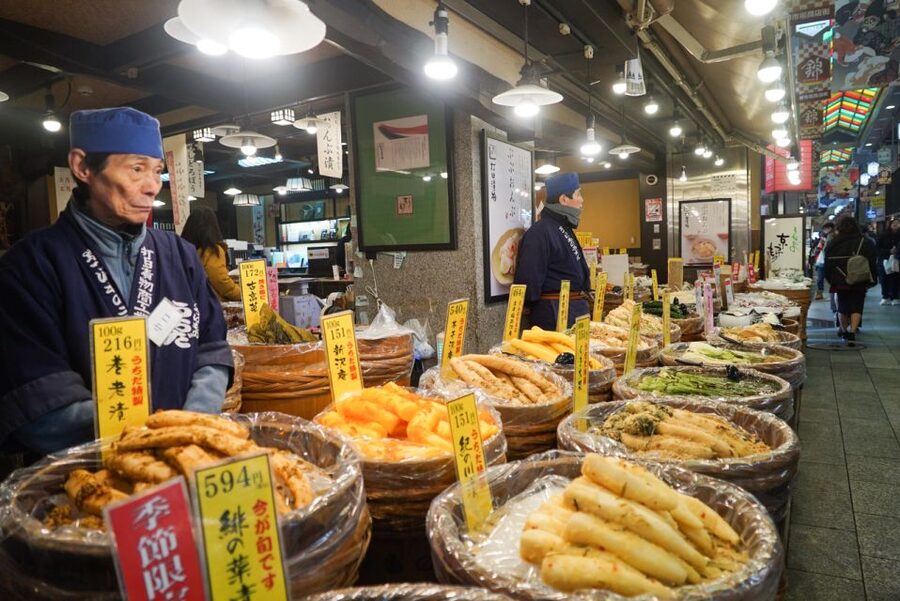
At $66 per person, the tour is not the cheapest way to walk through Nishiki Market. You could enter the market freely and buy individual snacks for less. The price becomes easier to justify when you count the included brunch, seven tastings, three hours of guiding, shrine and neighborhood explanations, and photos.
You are also paying for saved time and fewer wrong turns. Nishiki can be confusing on a first visit, especially when you are unsure what is meant to be eaten on the spot, what is a souvenir, and what requires a purchase from a particular shop. A local guide gives you a path through the market and removes much of the guesswork.
The value is strongest for a first visit to Kyoto, food-focused visitors, and people who enjoy trying several small portions rather than ordering one large meal. It is weaker for repeat Nishiki visitors who already know the market or for anyone who wants a strictly historical tour with little eating.
The group limit of seven improves the value. In a narrow market, a small party can move more naturally and ask more questions. During quieter months, a group tour may even feel close to private, though that depends on bookings.
Timing, weather, and practical comfort
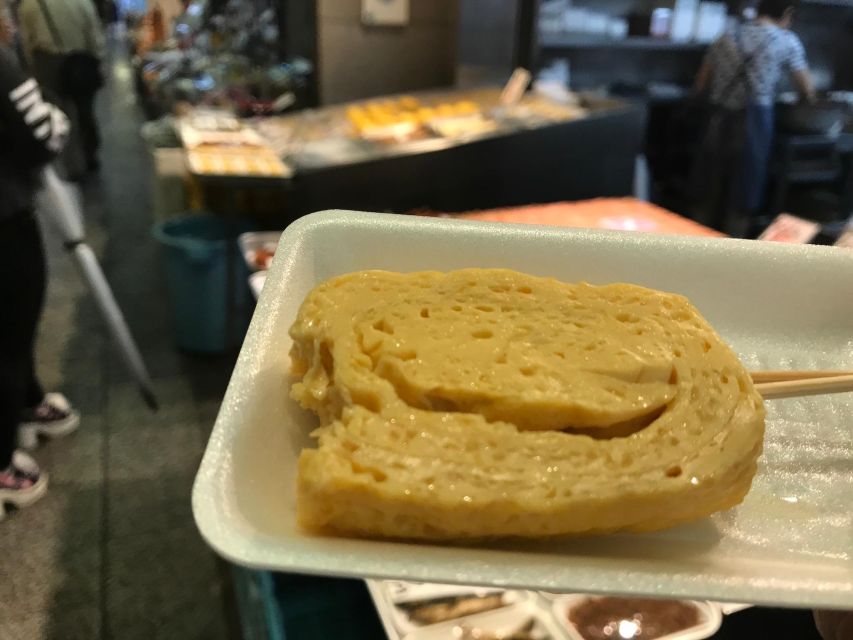
The morning schedule is one of the tour’s best features. You see Gion and Pontocho before their evening character appears, and you reach Nishiki before the market becomes harder to navigate. The early start also helps you eat at popular stops without facing the full day’s crowds.
Kyoto weather can be demanding. Summer temperatures may reach 40°C, while winter temperatures may fall to -5°C. Wear suitable clothing, bring water, and choose comfortable shoes. The walk is only three hours, but it includes outdoor streets, bridge crossings, shrine grounds, and market lanes.
The tour ends inside Nishiki Market rather than returning you to Gion Shijo. That is convenient if you want more time to shop or continue eating. Plan your next activity from the market’s location, and do not assume you will finish back at the station.
Cancellation is free up to 24 hours before the start time, and you can reserve while paying later. Those policies are useful if your Kyoto schedule is still shifting, but the more important booking decision is dietary and mobility suitability.
Who should book this Nishiki Market tour?
I would choose this tour if you want a friendly introduction to Kyoto food and local customs in one compact morning. It suits first-time visitors, couples, families with older children or teenagers, and solo visitors who prefer a small group to wandering through the market alone.
It is also a good early-trip choice. The route gives you practical food suggestions, restaurant ideas, and a basic understanding of shrine etiquette that can improve the rest of your time in Japan.
I would skip it if you need a wheelchair or stroller-friendly route, require vegan or gluten-free food, or have serious allergies. The operator cannot guarantee allergen-free meals, and substitutions may not be possible at every stop. Tell the operator about allergies or dietary requests at least one day ahead, but do not book assuming every request can be met.
Should you book it?
Book this Nishiki Market brunch walk if you want a generous amount of food, a small group, and a local guide who explains what you are seeing. The strongest part is not simply eating seven items. It is learning how the market fits into Kyoto life, then sitting down for brunch with a better sense of what you have tasted.
At $66, the tour asks more than a self-guided market visit, but it includes enough food and personal help to make the difference reasonable. Arrive hungry, bring cash, wear good shoes, and leave your schedule open after the finish so you can keep exploring Nishiki.
FAQ
Where does the tour meet?
Meet outside Exit 5 of Gion Shijo Station. The guide will hold a sign saying MagicalTrip.
Where does the tour finish?
The tour finishes at Nishiki Market.
How long does the tour last?
The walking and food experience lasts three hours.
What food is included?
The price includes brunch and seven kinds of tastings. The exact tasting selection may vary, and extra food and drinks are not included.
Is the tour suitable for vegans or people who cannot eat gluten?
No. The operator cannot accommodate vegan and gluten-free requests for this tour. People with gluten intolerance are specifically listed as unsuitable for the experience.
Can the tour guarantee allergy-free food?
No. Food is prepared in kitchens that do not belong to MagicalTrip, so allergy-free meals cannot be guaranteed. Tell the operator about allergies or dietary requests at least one day before the tour.
How many people are in the group?
The tour is limited to seven participants and is led in English by a certified local guide.
Kyoto Food Tours, compared.
 ★ 5.0Kyoto Night Foodie Tour in Gion (9+ dishes + 6 Sake tastings)From $163
 ★ 5.0Nishiki Market Brunch Walking Tour (7 Tastings + Brunch)From $68
 ★ 5.03-Hour Kyoto Insider Sake Brewery Tour with Tastings & PairingsFrom $84
 ★ 4.6Kyoto Night All-Inclusive Eats and Streets, Gion and BeyondFrom $101
 ★ 4.5Kyoto Nighttime All-Inclusive Eats and Streets, Gion and BeyondFrom $119
 ★ 5.0Kyoto Foodie Night TourFrom $102