
Reviewed · GOLDEN PAVILION & TEMPLE TOURS
Kyoto: Zen Meditation at a Private Temple with a Monk
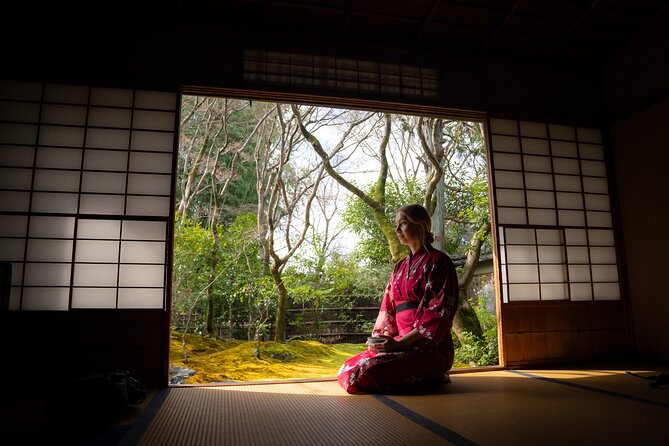
Kyoto’s famous temples can be crowded, but this experience takes you behind a quiet door into a temple not open to the general public. You’ll learn Zazen, the seated meditation at the heart of Zen Buddhism, from a monk, then practice it in a peaceful temple setting.
I like two things here: the private temple and moss garden offer a rare look at a more personal side of Kyoto, and the monk-led discussion makes the session more than a simple meditation class. The guides, including Satoru, Soma, Ruko, and Kohtaro on different dates, provide English interpretation and help the conversation flow.
The main drawback is the price: $91 per person for 90 minutes is a serious spend. You’ll also need to sit still, often on the floor, and the meeting point at the north side of the Kodaiji Park toilets can be confusing if you follow a map pin rather than the guide’s message.
In This Review
- Key points to know before booking
- A quiet Kyoto experience beyond the sightseeing circuit
- Meeting Satoru, Soma, Ruko, or another English-speaking guide
- What happens during the one-hour temple visit
- Why the monk conversation is the heart of the session
- Matcha, sweets, and a garden made for slowing down
- How much value do you get for $91?
- Who will get the most from this experience?
- Practical tips for a smooth visit
- Should you book this private Kyoto Zen experience?
- FAQ
- Where does the experience begin?
- How long does the activity last?
- Is the experience conducted in English?
- Do I need previous meditation experience?
- Is tea included?
- Can I take photographs?
- Who cannot join this activity?
Key points to know before booking
- A private temple setting: Visit a temple that is not open to the general public, close to Kodaiji Park and Nene no Michi.
- A real Zazen lesson: Learn posture, breathing, focus, and the purpose of seated meditation before practicing for yourself.
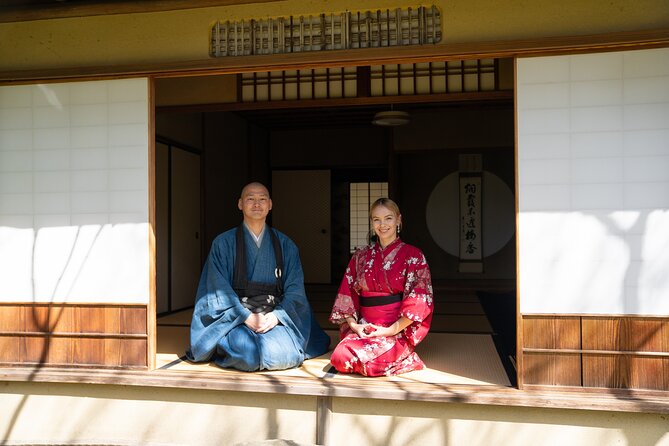
- A monk-led conversation: Ask about Buddhism, meditation, monastic life, and the meaning behind the practice.
- Matcha and garden time: End with tea, sweets, photographs, and a stroll through a quiet garden.
- Strong English support: The monk may teach in Japanese, with the guide translating clearly into English.
- Best for curious adults and teens: Children under 12 cannot join, and the activity is not suited to people with mobility limitations, claustrophobia, or a fear of heights.
A quiet Kyoto experience beyond the sightseeing circuit
This is not a temple sightseeing tour with a quick explanation and a few photographs. The center of the experience is learning how Zen meditation works, then trying it under the guidance of a monk.
You meet at Kodaiji Park and walk for about 10 minutes to the temple. That short walk matters. It moves you away from the usual sightseeing rhythm and gives the session a gentle start, though the exact meeting point deserves care. The guide waits on the northern side of the park toilets, not simply in the middle of the park. Some people have found the map location unclear, so read the guide’s message closely on the day.
The temple is in the Kodaiji area, near the well-known stone-paved Nene no Michi. Its location makes it easy to pair with other sights in eastern Kyoto, but the atmosphere changes once you leave the public path. You are entering a working religious space rather than checking another famous building off your list.
That distinction is important. Kyoto has many beautiful temples, but public access often means a steady stream of visitors, ropes, signs, and photo stops. Here, the small-group or private format allows the monk to speak directly to you and answer questions. The experience feels personal without requiring you to know anything about Buddhism beforehand.
A few more Kyoto tours and experiences worth a look

Meeting Satoru, Soma, Ruko, or another English-speaking guide
The guide is not just there to lead you from the park to the temple. The guide provides cultural background, explains the structure of the session, and translates between you and the monk.
The names most often associated with this experience include Satoru and Soma. Ruko and Kohtaro have also led sessions. The exact guide depends on your date, but English is the working language for the tour.
In many sessions, the monk teaches in Japanese and the guide translates into English. That arrangement is worth understanding before you book. You will not necessarily receive a nonstop English lecture directly from the monk, but the translation gives you access to the monk’s ideas and answers.
Good interpretation matters in a conversation about Zen. A word-for-word translation can make meditation sound stiff or overly abstract. The strongest sessions have been described as clear, warm, and easy to follow, with guides who explain the monk’s points and help you ask your own questions.
The guides also make the experience less formal for first-time meditators. If you are unsure how to sit, when to ask questions, or how seriously to take the ritual elements, the guide helps you settle in. Some guides also take photographs for participants, which is useful since you will not want to interrupt the quiet mood by constantly handling your phone.
What happens during the one-hour temple visit
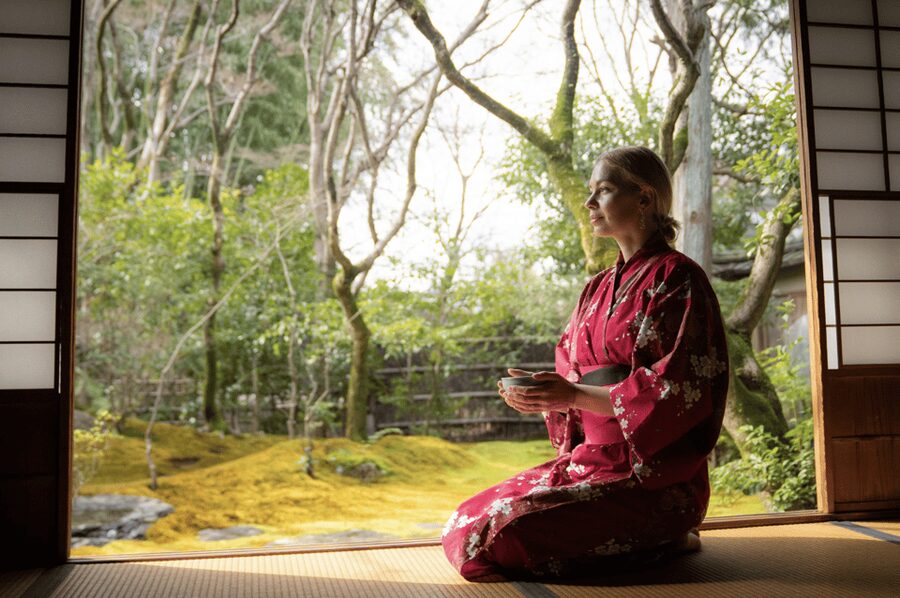
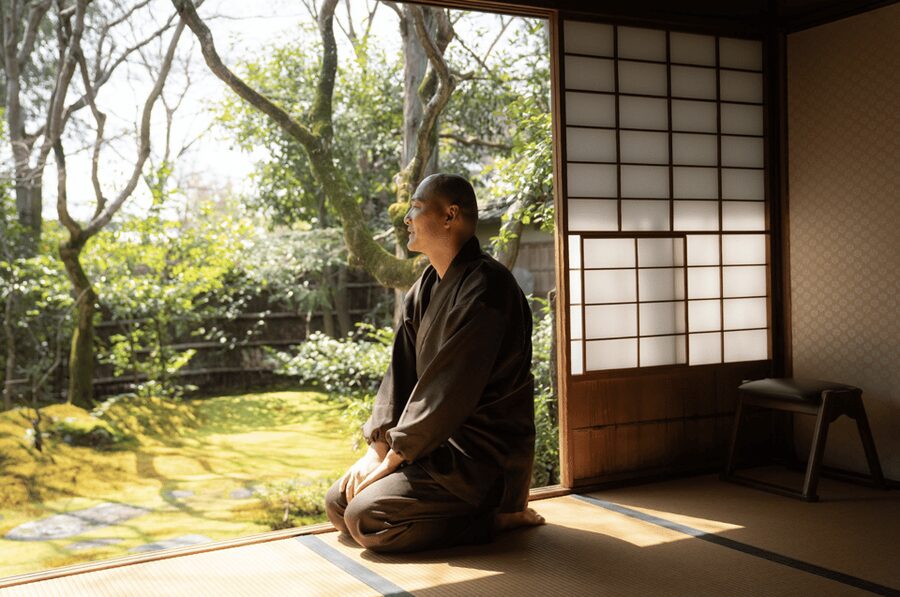
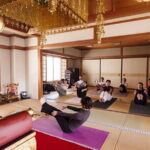
The listed temple visit lasts about one hour, within the total 90-minute experience. It usually includes a short introduction to Japanese culture and Zen, a talk on Zazen, the meditation practice itself, tea, and time in the garden.
The exact order may vary. Some sessions begin with matcha and sweets, while others move first into the explanation and meditation. Either way, the structure gives you enough context to understand what you are doing rather than simply sitting in silence and guessing.
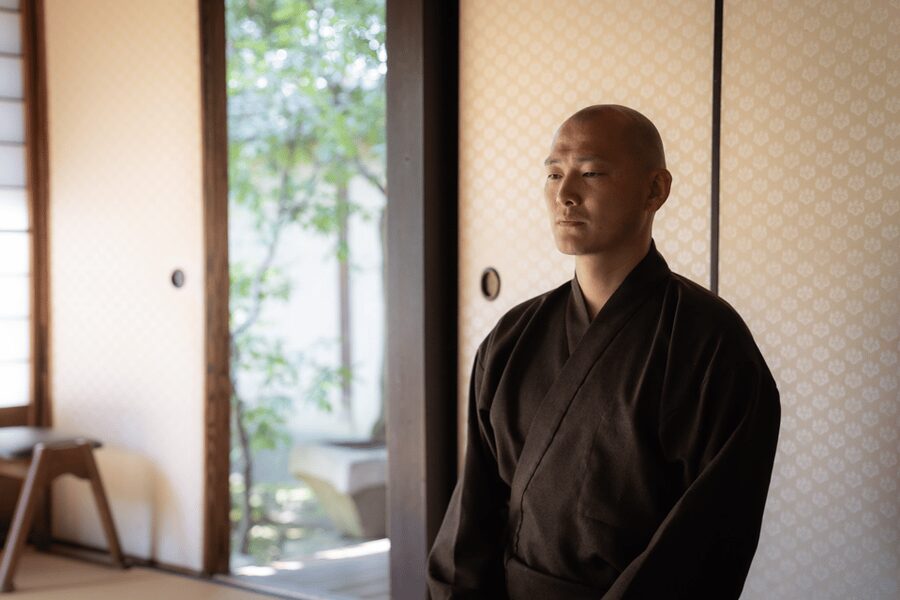
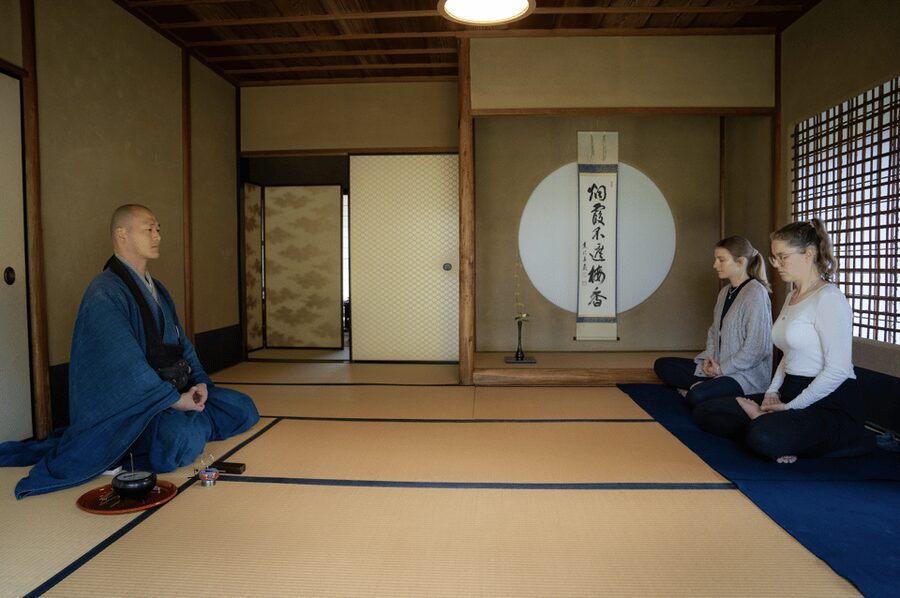
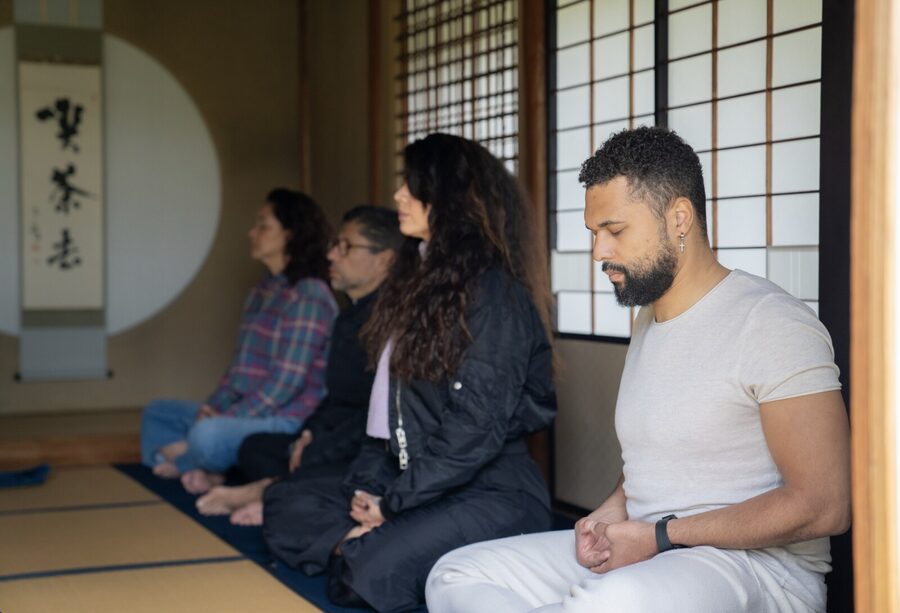
The monk explains the purpose of Zazen and demonstrates the basic technique. You learn about posture, breathing, and the effort to notice thoughts without being pulled along by them. The instruction is intended for beginners, yet people with some meditation experience can also use it to refine their practice.
The meditation period can feel longer than expected, in a useful way. One participant described practicing for around 20 minutes, a stretch that can be difficult if you usually meditate only for a few minutes at home. Silence has a way of making you notice every sound, thought, and restless movement.
Do not expect a magical empty mind. Zazen is not about forcing thoughts to stop. The practical lesson is to sit, breathe rhythmically, notice distractions, and return your attention to the practice. That makes the session useful even if you find your mind busy or your legs uncomfortable.
Why the monk conversation is the heart of the session
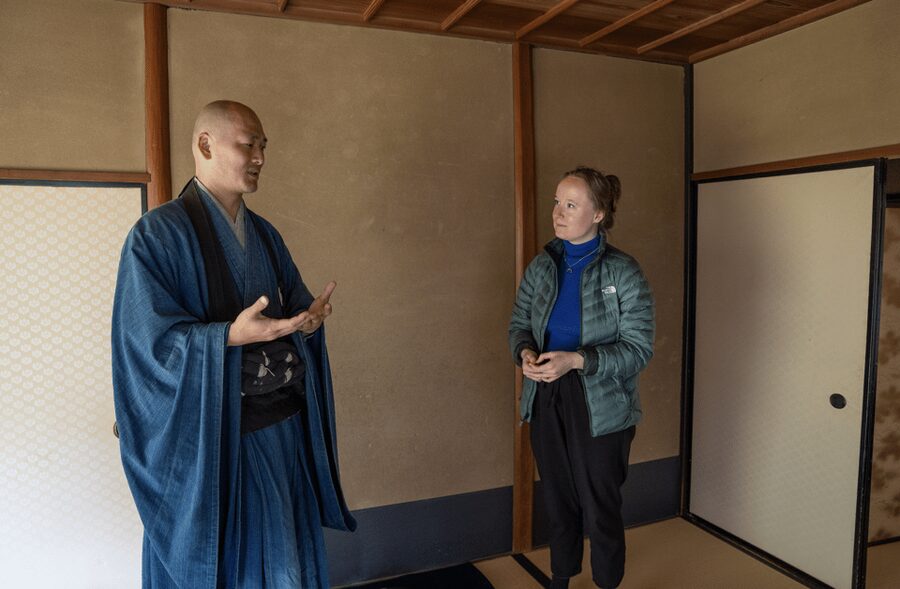
The meditation itself is valuable, but the discussion afterward may be the part you remember longest. You can ask the monk about Zen, Buddhism, Japanese culture, daily life, and the ideas behind the practice.
The conversation also makes the experience feel less like a staged performance. You are not only watching a monk perform a ceremony for visitors. You have a chance to speak with him, learn about his life, and ask questions that arise during the lesson.
Some sessions have included extra time when the schedule allowed, but you should not count on a longer private consultation. The advertised duration is 90 minutes, so prepare your most important questions in advance.
The monk is presented as approachable and open to discussion. That matters if you are new to religious settings. You can ask basic questions without needing specialist language or prior knowledge. The guide’s interpretation helps keep the exchange clear, especially when the subject turns personal or philosophical.
I would suggest thinking of this as a cultural conversation with a meditation practice, not as therapy or a promise of lasting personal transformation. You may leave calmer and more focused, but the lasting value depends on what you do with the techniques afterward.
Matcha, sweets, and a garden made for slowing down
Tea gives the session a natural closing point. You sit with matcha and sweets, look out toward the temple garden, and continue the conversation in a more relaxed setting.
The tea is not the main reason to pay $91, but it helps explain the rhythm of the experience. Zen is introduced through the body and mind during meditation, then through an ordinary cultural ritual involving attention, quiet, and hospitality.
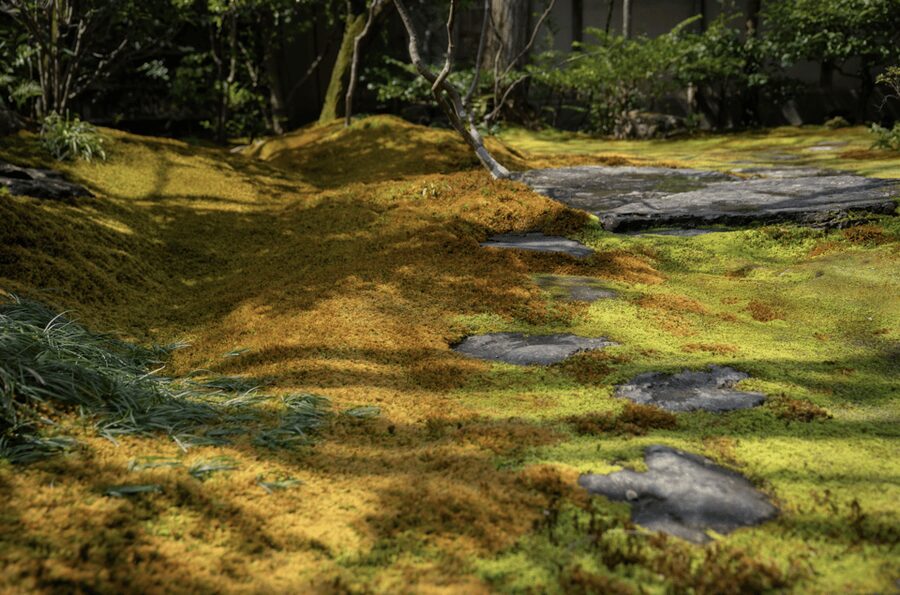
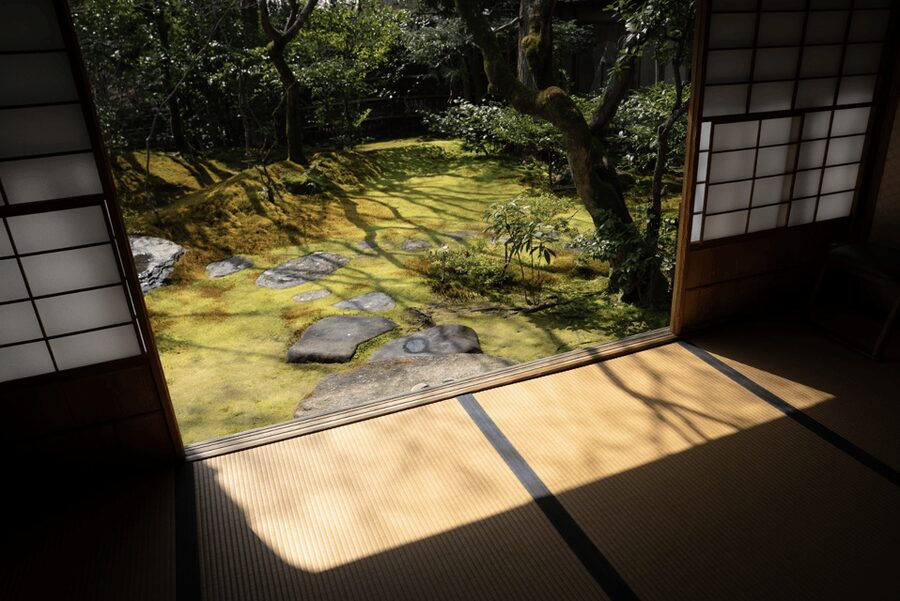
The garden is another major draw. Descriptions from the sessions point to moss, greenery, and a peaceful setting, with time to stroll after meditation. The garden is not treated as a separate sightseeing stop with a long historical lecture. Its value is in the quiet and in the chance to see a private part of the temple.
You may take photographs in the temple and garden, and photographs with the monk are possible. Be respectful about when you use your camera. The meditation and conversation deserve your full attention, while the photo opportunity works best at the end.
The setting changes with weather and time of day. Morning sessions can offer a calm start before the eastern Kyoto streets fill up. An evening start has also worked well for some schedules. Check the available time carefully, since an early session and an evening session create very different plans for the rest of your day.
Other private tours in Kyoto
How much value do you get for $91?
At $91 per person, this is not a bargain activity. You are paying more than you would for a public temple entrance or a basic group meditation class.
The value comes from the combination of access, instruction, translation, and conversation. You enter a temple not open to the general public, receive a structured Zazen lesson from a monk, practice in the temple, enjoy tea, and have a chance to ask questions. That is a much more personal experience than simply visiting a temple courtyard.
The private or small-group format helps justify the cost. A monk can respond to your questions, and the guide can give attention to your posture, concerns, and cultural questions. If the group is very small, the session may feel almost like a private appointment.
Still, you should book it for the human exchange and the meditation lesson, not only for the garden. If your priority is seeing as many famous temples as possible, $91 may be better spent elsewhere. If you want one thoughtful, slower activity during a busy Kyoto trip, the price becomes easier to defend.
The duration also affects the calculation. Ninety minutes is enough to make the experience meaningful, but not enough for a full study of Zen Buddhism. Think of it as a welcoming introduction rather than a complete course.
Who will get the most from this experience?
This suits adults, older teenagers, couples, solo visitors, and anyone who wants a quieter break from Kyoto’s major sights. You do not need previous meditation experience. Several sessions have worked particularly well for beginners, including people who had never tried formal meditation.
It is also a good choice if you are interested in how religion functions in daily Japanese life. The monk discussion gives you something a standard sightseeing visit rarely provides: a chance to ask a person connected to the temple what the practice means in real life.
You may also appreciate it after a tiring journey. The slow pace can be a gentle way to begin a Kyoto stay after long flights and train rides. It is not physically demanding in the usual sense, but sitting still can be challenging, especially if you are not used to floor-based meditation.
The activity is not suitable for children under 12. It is also listed as unsuitable for people with mobility impairments, claustrophobia, or a fear of heights. The information provided does not give detailed seating or facility arrangements, so contact the provider if you have a specific physical concern.
Practical tips for a smooth visit
Arrive at the toilet in Kodaiji Park and look for the guide on its northern side. Do not rely only on a general park pin. If the guide sends a meeting instruction shortly before the tour, follow that message.
Wear something that allows you to sit comfortably. The activity involves seated meditation, and the information does not promise chairs or special seating. If floor sitting is difficult, ask the provider before booking rather than assuming an adjustment will be available.
Plan your questions before you arrive. Ask about the monk’s daily life, the meaning of a particular gesture, how to practice at home, or how Zen differs from other Buddhist traditions. A short session passes quickly, and a prepared question can lead to a much better conversation.
Keep your phone away during the meditation. You will have time for photographs afterward, including pictures of the garden and possibly with the monk. That division keeps the quiet parts quiet.
This experience also fits nicely with a day in eastern Kyoto. Since the starting point is Kodaiji Park, you can arrange other nearby sightseeing before or after. Leave enough time between activities, though. The session is calm, but rushing straight from meditation to a tightly timed attraction defeats some of its purpose.
Should you book this private Kyoto Zen experience?
Book it if you want direct contact with a monk, a real introduction to Zazen, and access to a peaceful temple that ordinary sightseeing does not provide. The English-speaking guide is a major part of the experience, and guides such as Satoru and Soma have helped make the teaching clear and welcoming.
I especially recommend it for first-time meditators, curious couples, and solo visitors who want a meaningful cultural activity rather than another photo stop. The garden, matcha, and photographs are pleasant extras, but the value lies in sitting quietly and asking honest questions.
Skip it if $91 feels too high for a 90-minute activity, if you cannot sit comfortably, or if you mainly want a broad temple tour. For everyone else, this is one of Kyoto’s better choices for slowing down and seeing a more private side of Japanese religious life.
FAQ
Where does the experience begin?
You meet at the toilet in Kodaiji Park. The guide waits on the northern side of the toilet.
How long does the activity last?
The full experience lasts 90 minutes. The walk from Kodaiji Park to the private temple takes about 10 minutes, and the temple visit lasts about one hour.
Is the experience conducted in English?
Yes. English is the listed language, and an English-speaking guide translates the monk’s teaching and answers.
Do I need previous meditation experience?
No. The monk explains the principles and techniques of Zazen, including posture and breathing, before you practice.
Is tea included?
Yes. The experience ends with tea, and several sessions include matcha and sweets.
Can I take photographs?
Yes. You can take photographs of the temple and gardens, and photographs with the monk are possible.
Who cannot join this activity?
Children under 12 cannot participate. The experience is also not suitable for people with mobility impairments, claustrophobia, or a fear of heights.
More Private Tours in Kyoto
More Golden Pavilion & Temple Tours in Kyoto
More tours in Kyoto we've reviewed



Golden Pavilion & Temple Tours, compared.
 ★ 4.8Kyoto: Fushimi Inari, Kinkakuji, Bamboo Grove 1 Day Bus TourFrom $122510 minutes - 9 hours
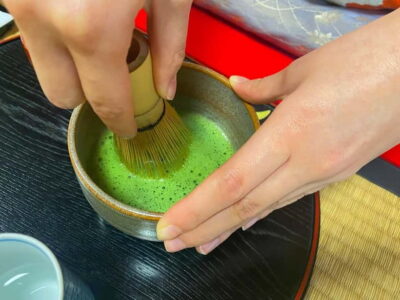 ★ 4.9Kyoto: Tea Ceremony in a Traditional Tea House in KiyomizuFrom $4945 min
 ★ 4.9Kyoto: Tea Ceremony Ju-An at Jotokuji TempleFrom $291h 10m
 ★ 4.1Osaka/Kyoto:Kinkakuji,Arashiyama,FushimiInariShrine,NaraParkFrom $66
 ★ 4.8Arashiyama Bamboo, Temple, Monkeys, or Secret Sake BreweryFrom $875 hours - 330 minutes
 ★ 5.0Kyoto: Nijo, Kinkaku-ji, Arashiyama, Kiyomizu & Fushimi InariFrom $51