
Reviewed · 1-DAY TOURS
Kyoto/Osaka: Kyoto Coast, Amanohashidate & Ine Bay Day Trip
Amanohashidate is the star here: a 3.6-kilometer sandbar lined with about 8,000 pine trees, white beaches, and views across the Sea of Japan. Add Ine’s boat houses, where fishing boats once sat beneath homes, and you get a full day far from the usual Kyoto circuit.
I like the private van for up to six people, which makes the long coastal drive easier to manage. I also like the flexible pace: you can ride the cable car at Mt. Monju, stroll around Ine, or spend more time at Chionji Temple. The main catch is the road time, about two and a half hours each way from the pickup area, so this is a long day with limited room for delays.
The service has included English-speaking guides such as Abdullah and Asfand. Abdullah was praised for safe driving, patience, walking with the group, and checking the car temperature often. Those small habits matter on a ten-hour outing.
In This Review
- Key points to know before booking
- Why Amanohashidate makes this day worthwhile
- Seeing the sandbar from Mt. Monju
- Chionji Temple and its fan-shaped fortunes
- Ine’s Funaya, where boats sit beneath houses
- What the private van changes
- How the guiding can affect the day
- Who will enjoy this coastal day trip
- Practical details for a smoother day
- Should you book this tour?
- FAQ
- Where does the tour begin and end?
- How long does the experience last?
- How many people can join the private tour?
- What transportation is provided?
- Is an English-speaking driver provided?
- Is the tour wheelchair accessible?
- Is the Mt. Monju cable car included?
- What can I see at Amanohashidate?
- What is special about Chionji Temple?
- Can I explore Ine by bicycle or boat?
Key points to know before booking
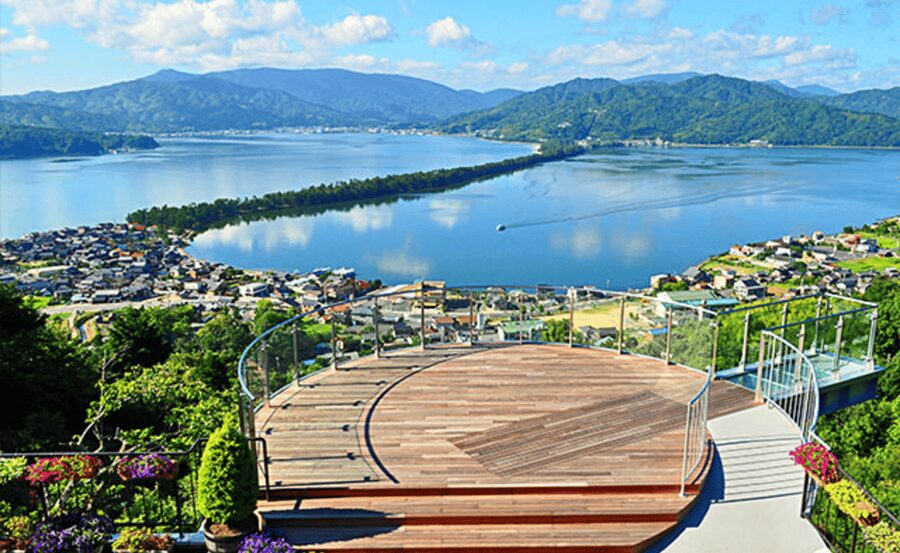
- Amanohashidate is a rare coastal change of pace from Kyoto, with a pine-covered sandbar and beaches instead of temples and city streets.
- The Mt. Monju cable car is optional and paid separately, but it gives the classic high view of the sandbar.
- Chionji Temple has a practical local focus, with prayers connected to academic success and distinctive fan-shaped fortunes.
- Ine’s Funaya boathouses are best appreciated slowly, on foot, by bicycle, or from the water.
- The private price works best for a small group, since $568 covers up to six people rather than one seat.
- The day is transport-heavy, with about four and a half hours in the van before adding time for the stops.
Why Amanohashidate makes this day worthwhile
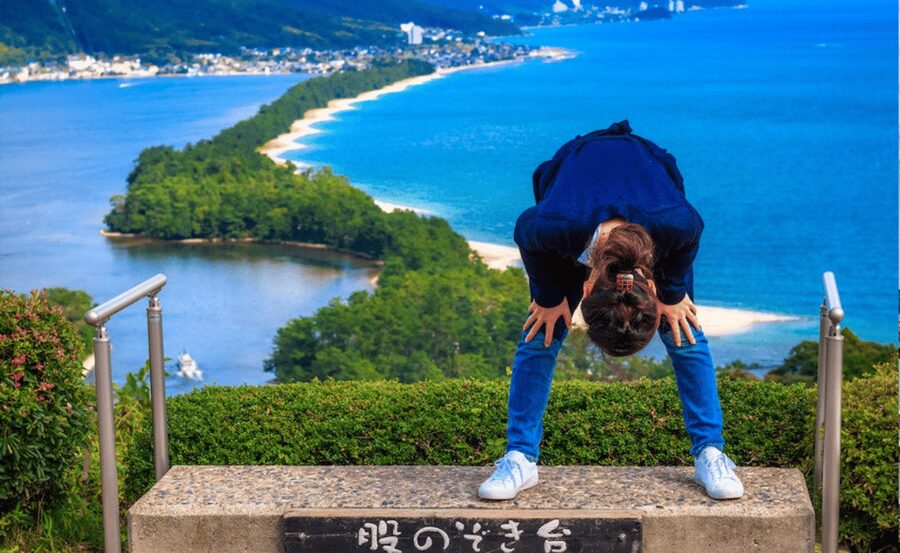
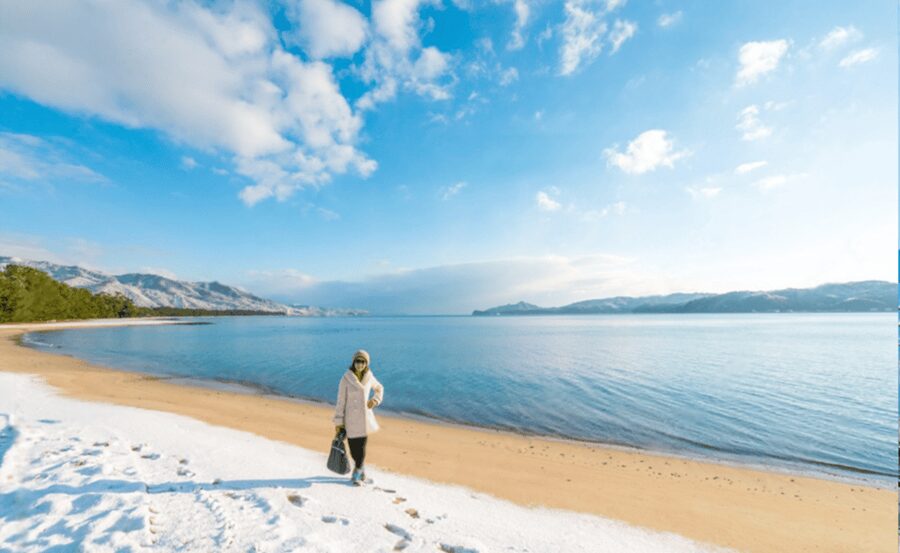
Kyoto is famous for wooden lanes, gardens, and temple roofs. Amanohashidate gives you something completely different. Here, a narrow strip of sand crosses the water, planted with roughly 8,000 pine trees. From above, it can look like a bridge floating toward the horizon. From ground level, it feels more like a long seaside walk, with water on both sides and pale sand underfoot.
The sandbar stretches for 3.6 kilometers between Amanohashidate Bay and the Sea of Japan. Coastal sediment formed it over time, creating the unusual shape that gave it the name Amanohashidate, or Heaven’s Bridge.
You do not need to walk the entire length to appreciate it. The tour gives you time for sightseeing around the area, and your driver or guide can help you decide how to use that time. If you want the full walk, ask early about timing, since the day also includes Chionji Temple and Ine.
The setting is especially appealing if you have already spent several days in central Kyoto. The ocean air, open views, and pine trees offer a welcome break from crowded lanes and packed temple grounds. On the other hand, the long drive means you should choose this trip for the destination, not because you want a quick side excursion.
Seeing the sandbar from Mt. Monju
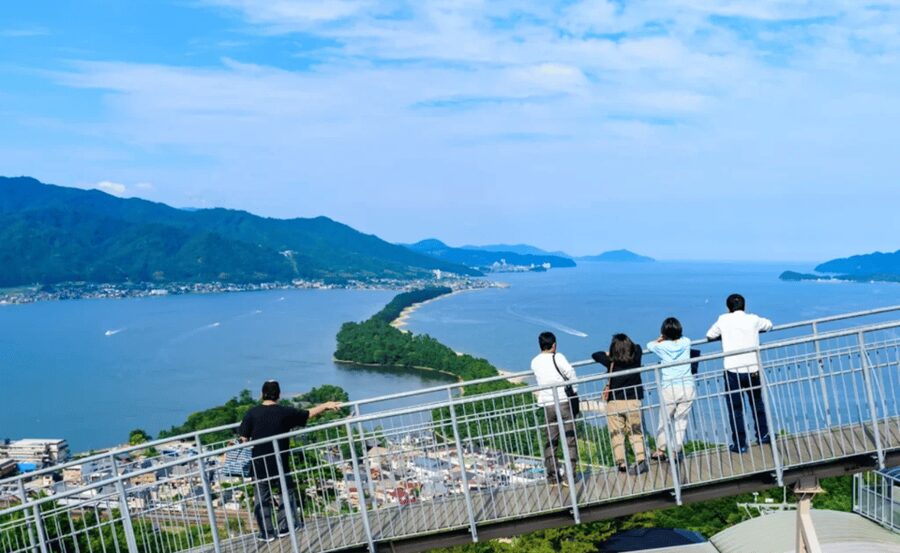
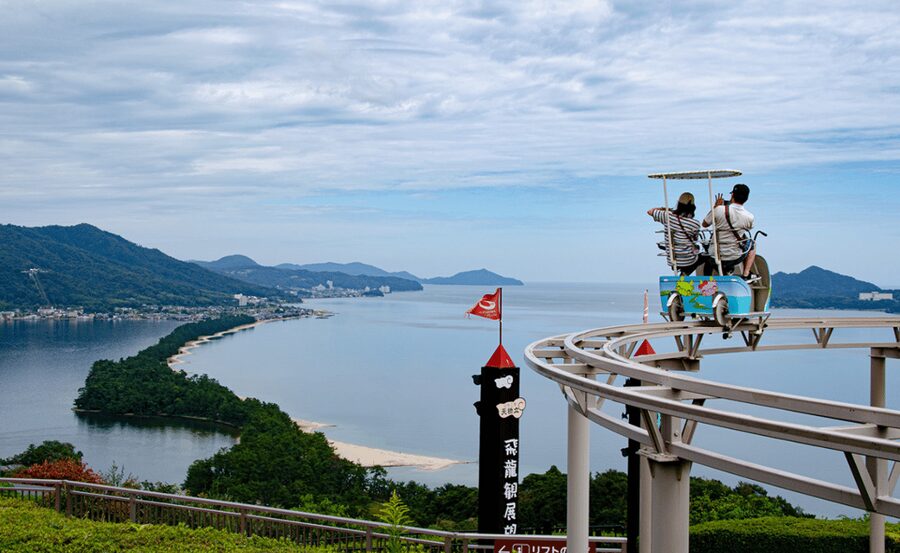
The optional cable car to Mt. Monju is one of the most important choices of the day. From the observation area, Amanohashidate takes on a completely different shape. The sandbar is often described as a flying dragon when seen from this angle, and the view is known as the View of the Flying Dragon.
The cable car and observation area cost extra, so this is not part of the included tour price. If the weather is clear, the elevated view may be the best use of your optional spending. You can see the sandbar’s full sweep, the pine cover, the beaches, and the surrounding islands in one frame.
The area also has sightseeing attractions designed for different ages. That makes the stop more flexible for a mixed group, especially when not everyone wants a long walk. Still, do not assume the cable car is automatically the right choice. Cloud, wind, or a tight schedule could affect how much you gain from the ride.
Bring a camera, but also take a moment to look without it. The shape is easy to understand in person, while photographs can flatten the distance between the bay and the open sea.
Chionji Temple and its fan-shaped fortunes
Chionji Temple sits near Amanohashidate and is also known as Bussharado. It is linked with prayers for academic success, giving the visit a clear local purpose rather than making it just another stop for architecture.
The temple gate is the largest in the Tango region. That detail gives you something specific to look for as you enter, and it helps the site feel tied to its region rather than interchangeable with temples elsewhere in Japan.
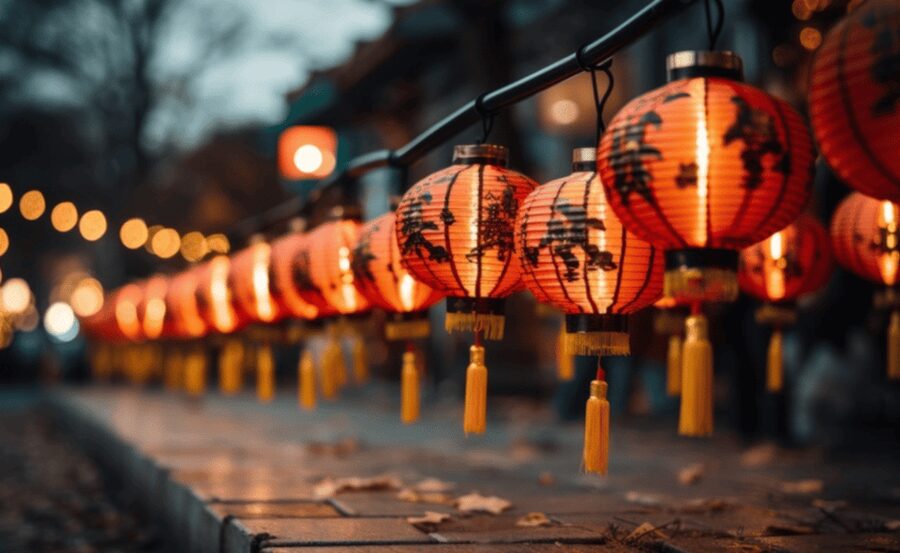
Pay attention to the omikuji, or fortune papers. Chionji’s fortunes are fan-shaped, and they are hung upside down. The shape and placement symbolize gradual improvement, a small detail that adds meaning to what might otherwise be a quick temple visit.
Nearby, the revolving bridge connecting Amanohashidate and Bussharado turns 90 degrees so large ships can pass. If you see it in motion, it is a memorable piece of working infrastructure. If it is not turning during your stop, the bridge still helps you understand how the waterways function around the sandbar.
You may also choose the Amanohashidate Hot Springs instead. The natural spring has an outdoor foot bath that is free, and it offers a simple way to rest after time on your feet. This choice is useful for groups with mixed interests: one person can focus on the temple, while another takes a short break by the water.
Ine’s Funaya, where boats sit beneath houses
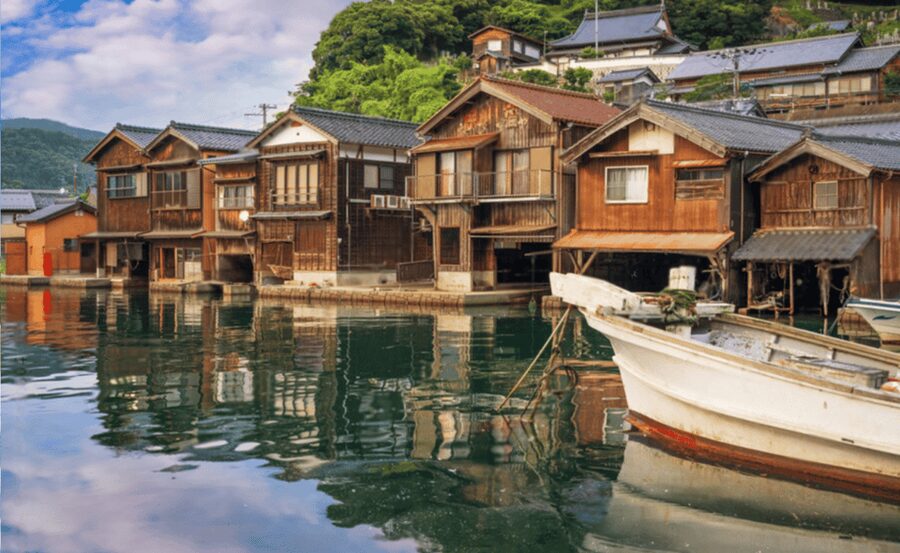
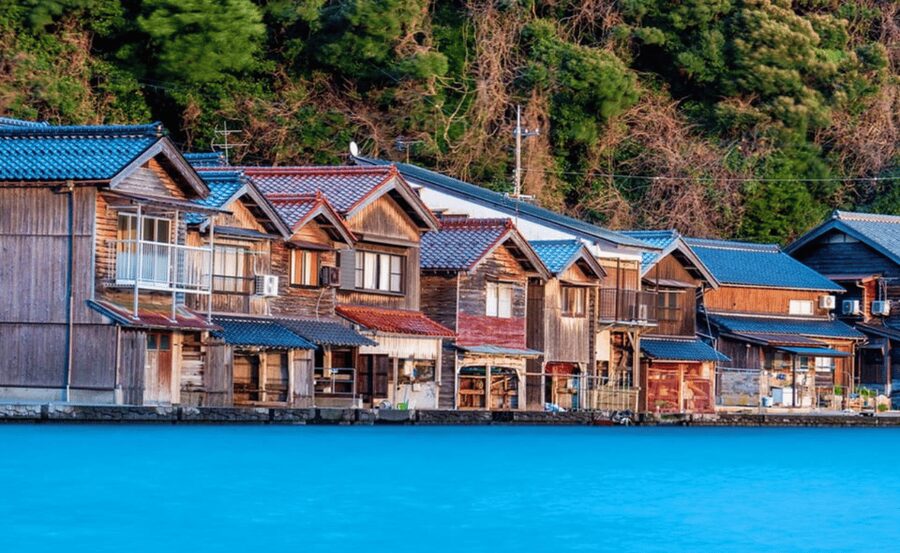
The second major stop is Ine, a small fishing village known for its Funaya, or boathouses. Traditional homes line the waterfront, with boat storage built directly below the living space. That design connects daily life to the sea in a way that is difficult to find in a standard city tour.
The boathouses are the reason to come, so give this stop more than a quick photograph if the schedule allows. Walk along the water and study how the buildings meet the shoreline. The charm comes from the relationship between the homes, boats, and bay, not from a single monument.
You can explore Ine on foot or by bicycle. You can also feed seagulls from a boat. These options are not presented as required parts of the tour, so confirm the timing and any separate costs with your guide before choosing them.
Ine works well after Amanohashidate because the two places feel different. Amanohashidate is a broad natural view, while Ine is close-up and human-scaled. One asks you to look across the water. The other asks you to notice doorways, boat sheds, waterfront paths, and the practical shape of a fishing village.
There is a small tradeoff. Ine is attractive because it remains quiet and traditional, but it is not packed with major attractions. If you prefer a fast list of famous sights, the village may feel slow. If you enjoy ordinary details and coastal architecture, that slower pace is the point.
What the private van changes
The tour includes hotel pickup and drop-off in either Osaka or Kyoto, luxury transportation, fuel, tolls, parking, and onboard Wi-Fi. You also have an English-speaking Japanese driver and a customizable plan.
That setup matters because Amanohashidate and Ine are far beyond the central sightseeing areas. Public transport can reach the region, but the private van removes transfers and lets your group travel together. You do not have to work out separate rail, bus, and local connections on a day when the destinations themselves require careful timing.
The drive is still substantial. The stated route includes about two and a half hours outbound and two hours returning. That is roughly four and a half hours in the vehicle, before accounting for pickup traffic or stop timing. Choose a seat and bring water. Comfortable shoes, a hat, sunscreen, and a camera are sensible for the outdoor portions.
The group limit is six. At the full group size, the $568 price comes to about $94.67 per person. That is a reasonable calculation for a private day with a driver, fuel, tolls, parking, hotel transport, Wi-Fi, and the ability to adjust the plan. For one or two people, the per-person cost is much higher, so the value improves sharply when shared by family or friends.
The private format also gives you more control than a fixed coach excursion. You can ask to spend longer around Ine, choose the hot spring foot bath, or prioritize the Mt. Monju view. The exact amount of flexibility depends on traffic, opening times, and the day’s schedule, so do not treat the word customizable as unlimited time at every stop.
How the guiding can affect the day
The driver is not just a person behind the wheel. The strongest service notes describe Abdullah walking with the group, helping at the stops, driving safely, and checking whether the car temperature was comfortable. Asfand is also named as both a driver and guide.
Those details point to what you should expect from a good day: help with movement between sights, a safe ride, and practical attention during a long outing. Because the tour is private, it is easier to ask questions or adjust the pace than it would be in a large group.
Still, guide quality can vary by assignment. A useful step is to confirm the guide’s language and the day’s pickup details before departure. English and Japanese are the listed languages. If you care strongly about the cable car, hot spring, or boat options, mention that early so the route can be planned around them.
One piece of practical feedback concerns timing at certain places. Waiting for an entrance schedule can affect the order of stops. Ask your guide about opening times and any planned waits at the start of the day. That can help you decide if you want to spend free time at Amanohashidate, Chionji, or Ine rather than standing around.
Who will enjoy this coastal day trip
I would recommend this experience to anyone staying in Osaka or Kyoto who wants a private day outside the city and does not mind a long drive. It is especially suited to families, couples traveling with friends, and groups of up to six who can divide the fixed price.
You will get the most from it if you like natural views, coastal villages, working architecture, and a flexible schedule. It also suits people who have already seen several major temples and want a different side of the Kansai region.
The tour may be less suitable if you want a slow, deeply focused visit to every stop. Amanohashidate, Chionji, and Ine are all worthwhile, but fitting them into ten hours requires choices. The road time also leaves less room for a long walk across the full sandbar or an extended village visit.
The route is listed as wheelchair accessible. Even so, ask for practical details about the specific stops, optional activities, and walking surfaces before booking if anyone in your group has mobility needs.
Practical details for a smoother day
Wear shoes that can handle walking around the sandbar, temple grounds, and waterfront village. A hat, sunscreen, water, and a camera are specifically useful because much of the appeal is outdoors.
The cable car to Mt. Monju is optional and paid at your own expense. The Amanohashidate foot bath is free, but other activities around Ine, including bicycle use or a boat ride, should be confirmed with the guide before you count on them.
Pickup and drop-off are available in Osaka or Kyoto. The experience lasts ten hours, but starting times vary, so check the available departure time before you commit to dinner or evening plans.
You can cancel up to 24 hours ahead for a full refund, and the reserve-now, pay-later option lets you hold the plan without paying immediately. Those terms are useful when weather or a changing Kansai schedule is a concern.
Should you book this tour?
Book it if you want Amanohashidate and Ine in one private day without arranging the long-distance transport yourself. The combination is unusual: a pine-covered sandbar, a temple tied to academic prayers, a rotating bridge, and a village of traditional boathouses.
The best value comes with four to six people. Smaller groups should compare the fixed private price with other transport options, but the convenience of hotel pickup, a dedicated van, fuel, tolls, parking, Wi-Fi, and an English-speaking driver remains a real benefit.
My main warning is simple: this is not a relaxed local outing. Expect a long day and several hours on the road. If that sounds fair for two striking coastal stops, this is a strong way to reach a part of the Kansai region that is difficult to fit into a standard Kyoto visit.
FAQ
Where does the tour begin and end?
Pickup and drop-off are available in Osaka or Kyoto.
How long does the experience last?
The tour lasts 10 hours. Available starting times vary, so check the schedule before booking.
How many people can join the private tour?
The price covers a private group of up to six people.
What transportation is provided?
The tour uses luxury transportation by van and includes hotel pickup and drop-off.
Is an English-speaking driver provided?
Yes. The listed driver languages are English and Japanese.
Is the tour wheelchair accessible?
Yes, the activity is listed as wheelchair accessible.
Is the Mt. Monju cable car included?
No. The cable car is optional and must be paid for separately.
What can I see at Amanohashidate?
You can see a 3.6-kilometer sandbar with about 8,000 pine trees, white sandy beaches, ocean views, and surrounding islands.
What is special about Chionji Temple?
Chionji Temple is associated with academic success, has the largest gate in the Tango region, and uses distinctive fan-shaped omikuji fortunes.
Can I explore Ine by bicycle or boat?
Yes. You can explore Ine on foot or by bicycle, and you can feed seagulls from a boat. Confirm timing and any separate costs with your guide.
1-Day Tours, compared.
 ★ 5.0PERFECT KYOTO 1-Day Bus TourFrom $129
 ★ 4.8Kyoto: Fushimi Inari, Kinkakuji, Bamboo Grove 1 Day Bus TourFrom $122510 minutes - 9 hours
 ★ 5.010 Must-see Spots in Kyoto One Day Private Tour (up to 7 people)From $179
 ★ 4.0Kyoto 1 Day Tour from KyotoFrom $168
 ★ 4.5Kyoto and Nara Day Trip from KyotoFrom $194
 ★ 4.0From Tokyo 1-Day Kyoto English-guided Tour by Bullet TrainFrom $452