
Reviewed · ARASHIYAMA & BAMBOO TOURS
Kyoto Arashiyama Customized Private Tour
Arashiyama is at its best when you move beyond the famous bamboo grove. This private four-hour walk lets you shape the day around two or three places that matter most to you, with a local English-speaking guide leading the way. You might cross Togetsukyo Bridge, visit Tenryu-ji, or follow quieter paths toward Sagano temples.
I like the one-group-only format, which gives you room to ask questions and adjust the plan. I also like the practical local help. Guides such as Hiromi and Kenji have explained Japanese customs, suggested ideas for the following day, and added a small local food stop when time allowed.
The main catch is that the $281 price covers the guide and private tour only. You still pay admission, transportation, food, and other personal costs for both you and your guide. The tour also involves moderate walking and is not suitable for wheelchair users or people with mobility problems.
In This Review
- Key points to know before you book
- Starting at JR Saga-Arashiyama Station
- Crossing Togetsukyo Bridge for the first wide view
- Tenryu-ji, the grand temple choice
- The bamboo grove, beautiful but brief
- Okochi Sanso Garden and the former villa district
- Jojakko-ji and Nisonin for a quieter temple hour
- Gioji, Adashino, and Otagi Nenbutsu-ji
- Saga Toriimoto’s preserved traditional buildings
- Monkey Park and the nature option
- How the private format changes the day
- What the $281 price really covers
- Walking, transport, and what to carry
- Who will get the most from this walk
- Should you book the Kyoto Arashiyama Customized Private Tour?
- FAQ
- Where does the tour start and end?
- How long does the tour last?
- How many places can I visit?
- Is transportation included?
- Are entrance fees and lunch included?
- Is the tour suitable for people with mobility impairments?
Key points to know before you book
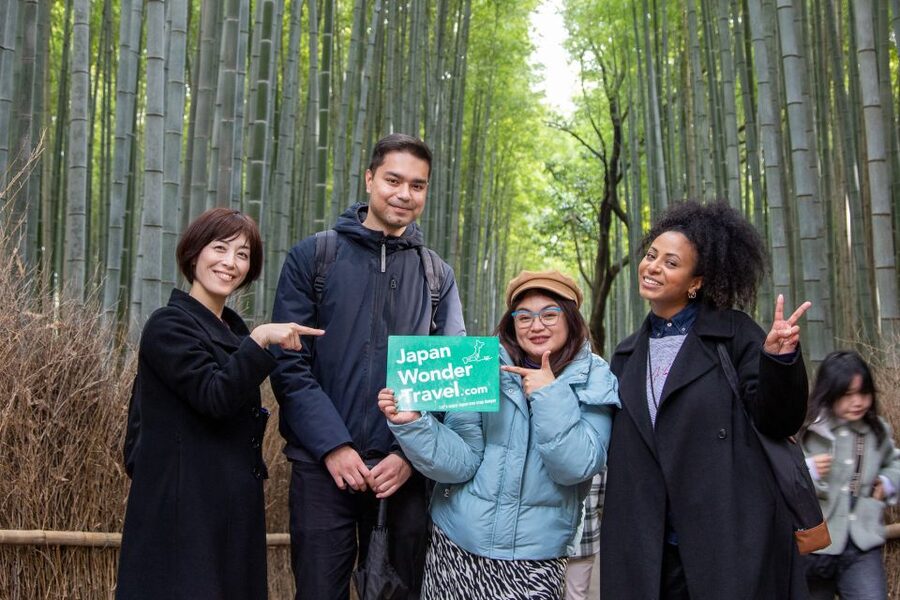
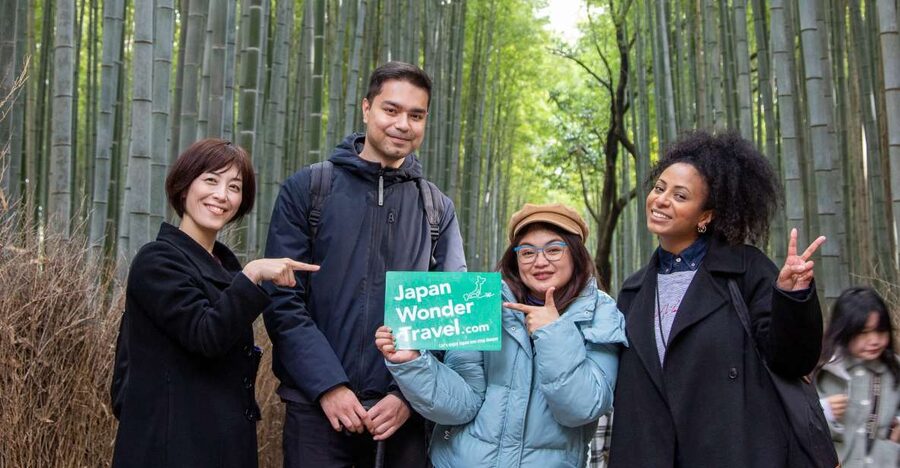
- Choose your own focus: Pick two or three locations in Arashiyama and Sagano rather than follow a fixed route.
- Meet at JR Saga-Arashiyama Station: The meeting point is in front of the ticket gate on the station’s second floor.
- Expect a walking tour: A private vehicle is not included, and local trains, taxis, or other public transport may be used.
- Plan for extra costs: Entrance fees, transportation, lunch, and your guide’s related costs are not included.
- Ask for cultural context: Hiromi and Kenji have been praised for explaining customs, traditions, and nearby sights.
- Allow for the weather: The tour runs rain or shine, so bring rain gear and wear shoes you can walk in for four hours.
Starting at JR Saga-Arashiyama Station
Your guide meets you in front of the ticket gate at JR Saga-Arashiyama Station. This is a useful starting point because you avoid the uncertainty of searching for a guide in the middle of a large sightseeing area. The meeting point is on the station’s second floor, so check the location carefully before you go.
The tour ends back at the same meeting point. That gives you a clear finish, but it also means you should plan any onward journey from the station rather than expect a hotel drop-off. Hotel pickup is not included.
Before setting off, talk through your priorities. You have four hours and can select two or three locations in the Arashiyama and Sagano areas. Tell your guide if you care most about temple architecture, gardens, nature, traditional streets, shopping, or local customs.
This discussion matters. Trying to cover every suggested stop would turn the walk into a race, especially once you account for entrance fees and transfers. A good plan focuses on a few places and leaves enough time to notice them.
A few more Kyoto tours and experiences worth a look
Crossing Togetsukyo Bridge for the first wide view
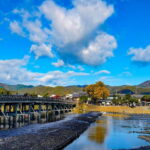
Togetsukyo Bridge is one of Arashiyama’s essential sights. Crossing it gives you a broad view along the river and a quick sense of why this area became a retreat for aristocrats with the means to build villas here.
The bridge is a natural choice if you want scenery without committing to a temple entrance fee right away. It also helps orient you. From here, your guide can explain how the river, wooded hills, temple grounds, and old villa district fit together.
I would ask to include the bridge if this is your first time in Arashiyama. The drawback is simple: it is a viewpoint, not a full attraction by itself. If gardens and temple interiors matter more to you, use your limited time on one of the nearby temple or villa stops instead.
Tenryu-ji, the grand temple choice
Tenryu-ji is the tour’s most obvious temple choice, and for good reason. It offers the kind of scale and formal beauty many people hope to see in Arashiyama. The grounds provide a strong counterpoint to the narrow bamboo paths, with carefully arranged spaces and a sense of order.
The temple works well for visitors who want a broad introduction to Kyoto’s religious and artistic traditions. Your guide can help connect what you are seeing to Japanese customs and temple practice, rather than leaving you to inspect buildings without context.
Admission is extra for you and your guide, so include that in your budget. The same applies to other paid sites on the route. Since the tour does not include lunch, transportation, or entrance tickets, the final cost will be higher than the headline group price.
Tenryu-ji is a smart choice for a first visit, but it may not be your best choice if you have already seen several major Kyoto temples. In that case, ask for a quieter temple, a garden, or the older Saga Toriimoto area.
The bamboo grove, beautiful but brief
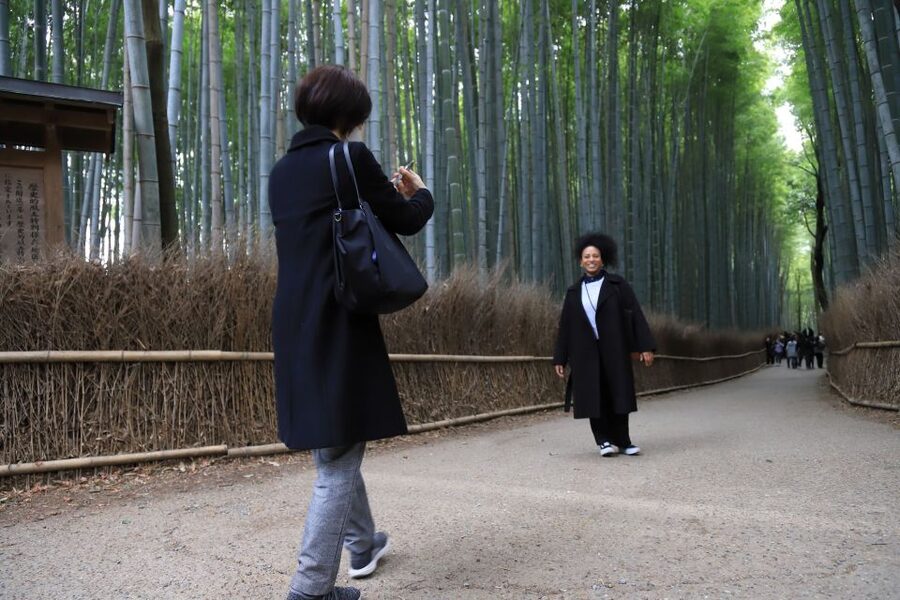
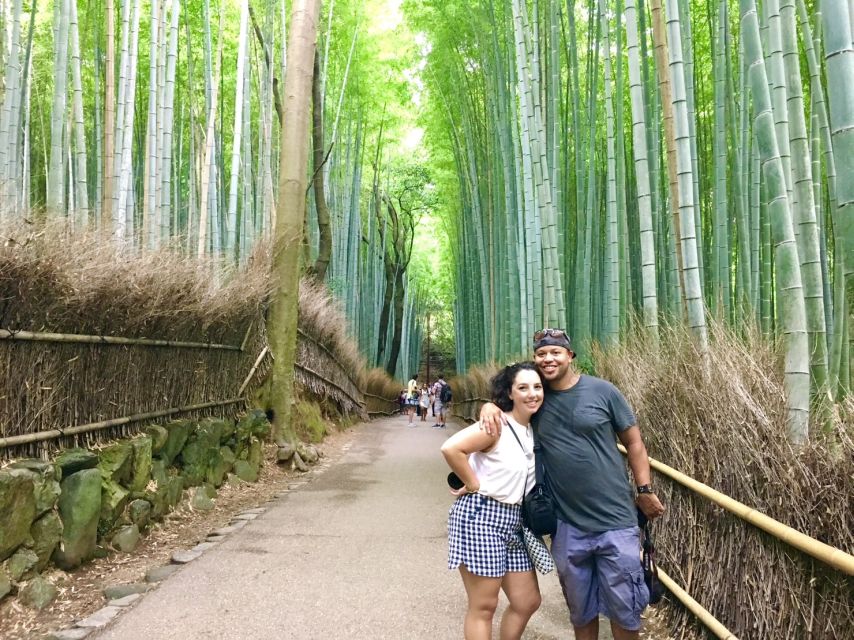
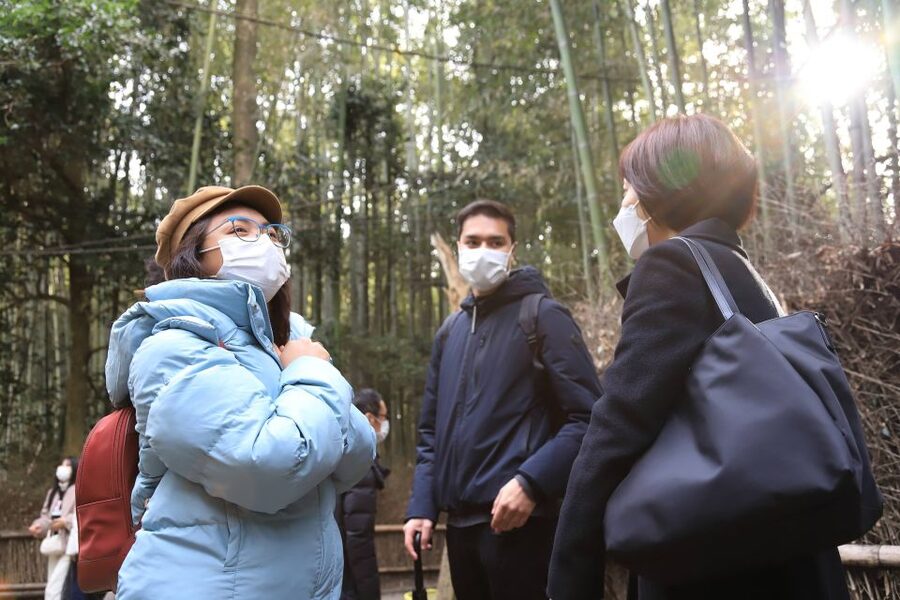
The bamboo grove is the image most often linked with Arashiyama. Walking beneath the tall stalks gives you a close-up nature experience that feels very different from the open river view at Togetsukyo Bridge.
The grove is best treated as one part of the outing, not the whole tour. The path itself is relatively focused, so it does not fill four hours. Pair it with Tenryu-ji, Okochi Sanso Garden, or a nearby temple to create a fuller morning or afternoon.
I would also ask your guide how to fit it into the day rather than assuming it should come first. The tour is built around your priorities, and the right order may depend on the other two places you choose.
Okochi Sanso Garden and the former villa district
Okochi Sanso Garden offers a different view of Arashiyama from a temple visit. It was once the private villa of actor Okochi Denjiro, and the appeal lies in the garden setting and the connection between private retreat and Kyoto’s long tradition of seasonal residences.
This is a good pick if you want cultivated scenery and a quieter feel than a major temple. It also suits you if you enjoy seeing how gardens frame hills, paths, and resting places rather than simply checking off religious buildings.
The entrance fee is not included, and the garden is only one of your two or three possible stops. Ask your guide to explain how much walking is involved and how it fits with the bamboo grove. You do not want to spend most of the four hours moving between sites and rushing through the garden.
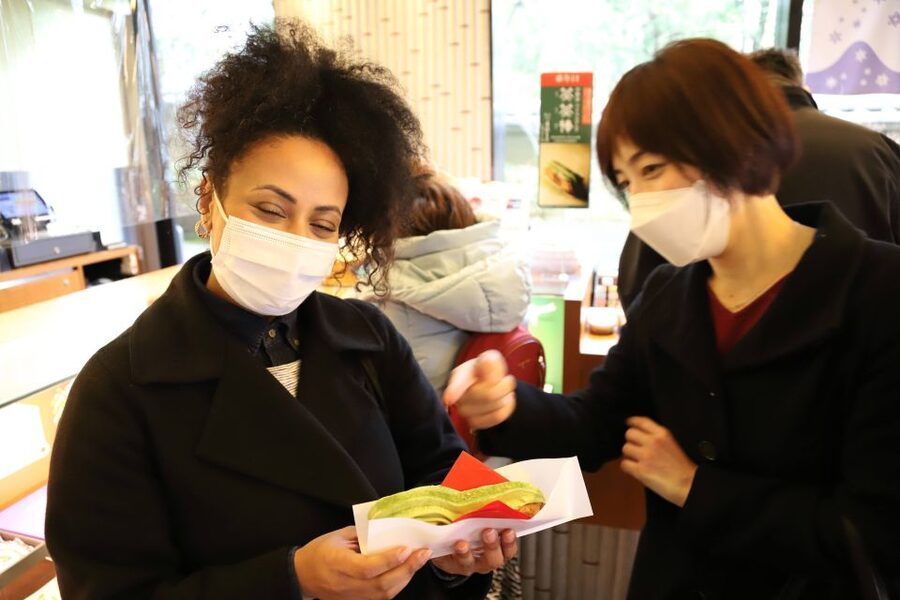
Kenji has included Okochi Sanso, the bamboo forest, and Tenryu-ji in one outing, finishing with a small bite at a local food restaurant. That combination shows how the private format can connect major sights with a modest food experience, although any food purchase remains your responsibility.
Other private tours in Kyoto
Jojakko-ji and Nisonin for a quieter temple hour
Jojakko-ji Temple is described as a serene choice, making it a good match for you if quiet paths and temple atmosphere matter more than famous landmarks. Nisonin Temple is another option in the Sagano area.
These stops can give the tour a calmer rhythm. Instead of spending the entire afternoon among the best-known sights, you can ask to include a place where the setting and pace carry as much weight as the buildings themselves.
The trade-off is recognition. If this is your only Kyoto temple visit, you may prefer Tenryu-ji for its larger scale. If you have already visited the major sites, Jojakko-ji or Nisonin may add more variety to your trip.
Entrance fees are separate, so ask your guide about the day’s expected costs before settling on a route. That is especially useful if you are traveling as a family or group and want to keep spending predictable.
Gioji, Adashino, and Otagi Nenbutsu-ji
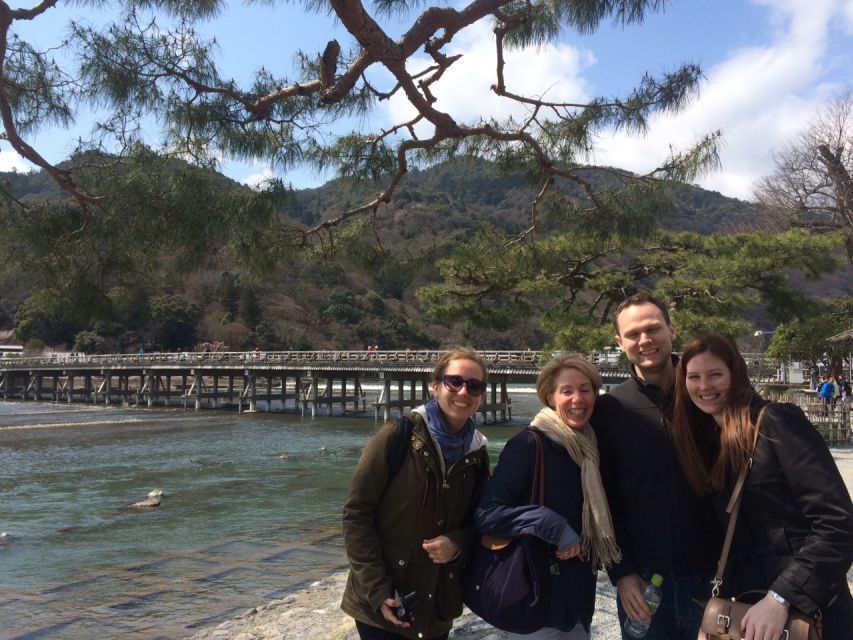
Gioji Temple is another suggested stop in the Sagano area. It is a natural choice if you are drawn to small temple grounds and a more secluded setting. The tour also offers Adashino Nenbutsu-ji Temple and Otagi Nenbutsu-ji Temple, two options that take you farther from the central Arashiyama sights.
These places help show the wider character of Sagano. You are not limited to the bridge, bamboo grove, and biggest temple. With the right guide, you can use the four hours to see a less familiar side of the district and understand how the old residential and religious areas connect.
The practical issue is distance. The farther you go, the more likely you are to need local transportation or a taxi. Those costs are not included, and both you and your guide cover your own fares. Ask for a route that matches your walking comfort and budget.
Saga Toriimoto’s preserved traditional buildings
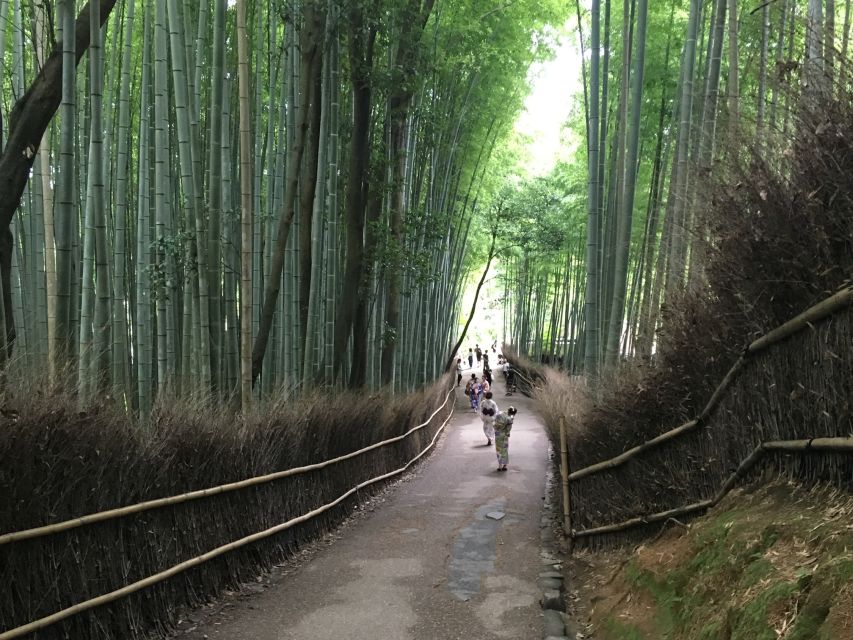
Saga Toriimoto Traditional Buildings Preservation Area is a strong choice if old streets and traditional architecture interest you more than temple interiors. The area offers a change of pace from the formal grounds and wooded paths.
This can be a particularly useful stop for you if you want to see the connection between Kyoto’s cultural sites and its older residential character. It also gives your guide room to discuss local customs and traditions in a setting where those ideas feel connected to everyday life.
The attraction is not a single grand monument. You choose it for the atmosphere and the sequence of preserved buildings. Pair it with one major temple or garden so the tour has both a headline sight and a slower neighborhood walk.
Monkey Park and the nature option
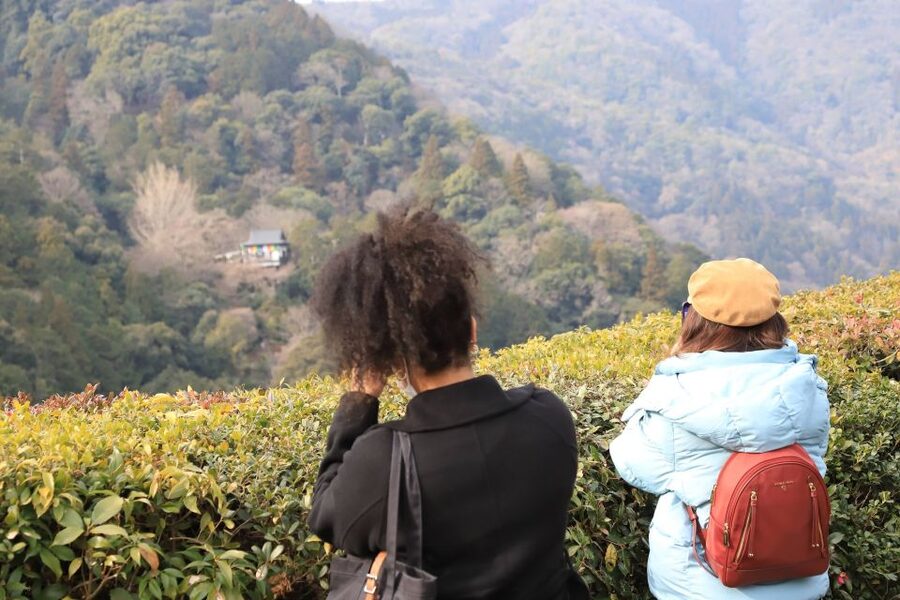
Monkey Park gives the itinerary a stronger outdoor focus. Choose it if you want a nature-based visit and do not mind putting more effort into the walk. The available information describes the tour as moderately active, so comfortable shoes are important.
Because the tour lasts four hours and may include several stops, ask your guide how Monkey Park affects the rest of the route. You may need to choose fewer additional sights. That is not a flaw, but it is an important planning point.
This option suits families and nature lovers who want something different from temple after temple. It may not suit you if stairs, slopes, or extended walking are difficult. The activity is not suitable for people with back problems, wheelchair users, or people with mobility impairments.
How the private format changes the day
A private group of up to six people gives you more control than a fixed group tour. You can ask questions as they arise, slow down at a garden, skip a place that does not interest you, or request more explanation about Japanese traditions.
The guide’s role is more than simply leading you from one gate to another. Hiromi has provided explanations of customs and traditions and offered useful ideas for the following day. Kenji has combined the best-known Arashiyama sights with a local food stop. Those details point to the real value of the experience: local help that can shape the rest of your Kyoto visit.
The English-language guiding is also important. If you want background on temple practices, social customs, or the way the district developed, a live conversation gives you a chance to ask follow-up questions. You should tell the guide what you already know so the explanations match your interests.
A private guide cannot remove every limitation. Four hours is still four hours, and you pay extra for admissions and transport. But the format makes the time easier to use, especially if your group has different interests.
What the $281 price really covers
The price is $281 per group of up to six people. For a full group, that works out to roughly $47 per person before entrance fees, transport, and food. For two people, the per-person price is much higher, so this experience makes the strongest financial sense for a family or small group that can share the fee.
You are paying for a private licensed local English-speaking guide, not a vehicle or an all-inclusive day. That distinction matters. If you want door-to-door transport, lunch, and tickets bundled into one price, this is not that kind of tour.
I see the value in the price when you have limited Kyoto time or a clear list of interests. A guide can help you choose between several temples, avoid an unfocused route, and explain customs that you might miss on your own. The value is weaker if you are happy to follow a map, pay separate admissions, and explore without interpretation.
You can reserve now and pay later, which helps if your Kyoto schedule is still changing. Cancellation is free up to 24 hours before the tour for a full refund. The activity runs in rain or shine, so do not book it expecting a weather cancellation to solve the problem for you.
Walking, transport, and what to carry
Wear comfortable walking shoes. The tour includes a moderate amount of walking, and even a carefully planned route can involve temple grounds, bridges, paths, and transfers between sites.
Bring cash. You may need it for entrance fees, local transportation, food, or other private expenses. Transportation costs vary with the destinations you choose, and neither your fares nor the guide’s fares are included.
Pack rain gear because the walk continues in wet weather. Large bags and luggage are not allowed, and pets are not allowed. A small day bag is the sensible choice.
The tour does not include a private vehicle. Public transportation or local taxis may be used between places, and the cost is paid separately. If you want to minimize transfers, tell your guide before the route is set.
Who will get the most from this walk
I would recommend this tour to a first-time Kyoto visitor who wants help choosing among Arashiyama’s many sights. It is also a good fit for families, couples, and small groups with different interests, since you can build the route around temples, gardens, nature, food, or older streets.
It suits you especially well if you enjoy asking questions. Hiromi’s explanations of customs and traditions show how a guide can add value beyond directions, while Kenji’s route demonstrates how the day can include both major sights and a small local food experience.
You should think twice if you dislike walking, need step-free access, or want transport and entrance fees included. The tour is not suitable for wheelchair users or people with mobility impairments, and it is not designed for luggage.
Should you book the Kyoto Arashiyama Customized Private Tour?
Book it if you want a flexible Arashiyama introduction and value a guide who can explain Japanese customs while helping you choose the right two or three stops. The private setup is the main reason to choose it, especially when your group has a specific mix of temple, garden, and nature interests.
Before booking, decide what matters most. For a classic first visit, combine Togetsukyo Bridge, Tenryu-ji, and the bamboo grove. For a quieter outing, ask about Jojakko-ji, Nisonin, Gioji, or Saga Toriimoto. For more nature, consider Monkey Park, but accept that you may have less time for other stops.
The tour is a good buy for up to six people who want personal attention and do not mind paying additional costs. It is less attractive for solo visitors on a tight budget or anyone seeking a fully packaged sightseeing day with a vehicle.
FAQ
Where does the tour start and end?
The tour starts in front of the ticket gate at JR Saga-Arashiyama Station, on the station’s second floor. It ends back at the same meeting point.
How long does the tour last?
The private walking tour lasts four hours. Starting times depend on availability.
How many places can I visit?
You can choose two or three locations within the Arashiyama and Sagano areas. Discuss your preferences with the guide so the route matches your interests.
Is transportation included?
No. The tour does not include a private vehicle, and public transportation or local taxis may be used between locations. Transportation fees for you and your guide are paid separately.
Are entrance fees and lunch included?
No. Entrance fees, lunch, other private expenses, and related costs for your guide are not included.
Is the tour suitable for people with mobility impairments?
No. The tour includes a moderate amount of walking and is not suitable for people with back problems, wheelchair users, or people with mobility impairments.
More Private Tours in Kyoto
More Arashiyama & Bamboo Tours in Kyoto
More tours in Kyoto we've reviewed

Arashiyama & Bamboo Tours, compared.
 ★ 4.8Kyoto: Fushimi Inari, Kinkakuji, Bamboo Grove 1 Day Bus TourFrom $122510 minutes - 9 hours
 ★ 4.1Osaka/Kyoto:Kinkakuji,Arashiyama,FushimiInariShrine,NaraParkFrom $66
 ★ 4.7Kyoto/Osaka: Nara, Fushimi Inari Taisha, Arashiyama Bus TourFrom $529 - 10 hours
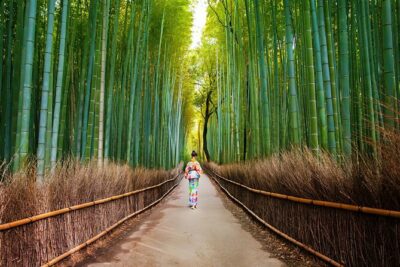 ★ 5.0Kyoto Arashiyama Walking Tour: Bamboo, Monkeys, Gardens & SecretsFrom $65
 ★ 4.8Arashiyama Bamboo, Temple, Monkeys, or Secret Sake BreweryFrom $875 hours - 330 minutes
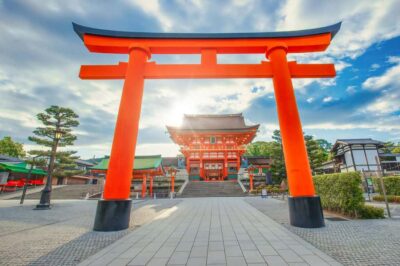 ★ 4.4Osaka/Kyoto: Arashiyama, Nara & Fushimi Inari Shrine w/LunchFrom $61