
Reviewed · WORKSHOPS
Kyoto: Japanese Koto Musical Instrument Class
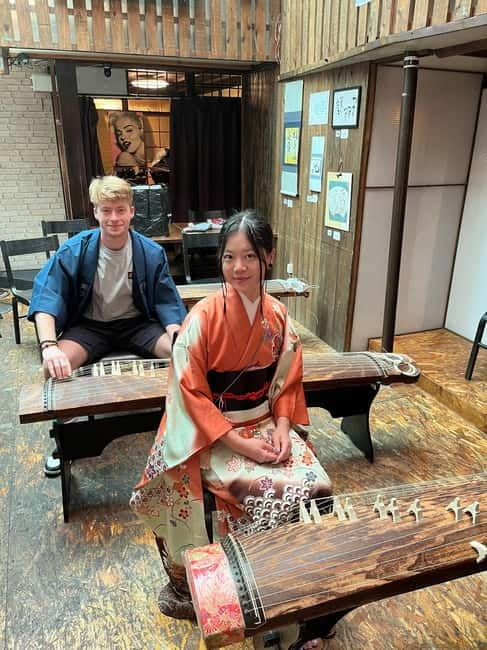
Kyoto’s koto class gives you something a temple visit cannot: the chance to make a traditional Japanese sound yourself. At Gojo Paradiso, an instructor first performs for you, then guides you through Sakura Sakura on the long, elegant string instrument. I like the direct, hands-on format and the calm setting beside the Takase River. I also like that total beginners can take part, even if you have never played an instrument before.
The main consideration is the fixed 90-minute format. You will learn the basics and a familiar song, but this is an introduction, not a full course in koto technique. Children under 10 cannot join, and you need to reserve at least one day ahead.
In This Review
- Key points
- Your first sound of the koto at Gojo Paradiso
- Learning Sakura Sakura without prior experience
- What the 90-minute lesson feels like
- Why the small group makes a difference
- The cultural value of making music yourself
- Price, timing, and practical value
- Who should take this Kyoto class
- What I would know before booking
- Should you book the koto class?
- FAQ
- Where does the Kyoto koto class take place?
- How far is Gojo Paradiso from Kiyomizu Gojo Station?
- How long does the koto experience last?
- How much does the class cost?
- Do I need prior musical experience?
- Which song will I learn?
- What is included in the price?
- Is the activity available in English?
- Can children join the class?
- How many people can join each class?
- Can I cancel my reservation?
Key points
- Hear a live koto performance first, then try the instrument yourself.
- Learn Sakura Sakura, one of Japan’s best-known folk songs, in a beginner-friendly lesson.
- Study with Natsuko, an English- and Japanese-speaking instructor praised for patience and clear teaching.
- Enjoy a small group of no more than 10 people, with the possibility of individual attention.
- Meet at Gojo Paradiso, a short walk from Kiyomizu Gojo Station along the Takase River.
- Pay $32 per person for a 90-minute session with the koto and all required materials included.
Your first sound of the koto at Gojo Paradiso
The class takes place at Gojo Paradiso, along the Takase River on Kiyamachi Street. The venue is about a five-minute walk from Keihan Kiyomizu Gojo Station, or around 10 minutes from Keihan Shichijo Station. The stated distance from Kiyomizu Gojo Station is 386 meters, so this is an easy addition to a day spent around eastern Kyoto.
The location matters because the lesson feels separate from the rush of the main sightseeing streets. You are still close to central Kyoto, but the river setting helps create the quiet mood that suits the instrument. Allow a little extra time to find the venue, especially if you are walking from another part of town.
Your session begins with a live koto performance. This opening is more than a short introduction. It lets you hear the instrument’s clear, ringing tone before you have to think about hand position, strings, or written music. You get a useful sense of what the instrument can sound like in practiced hands.
The koto is a long Japanese zither with strings played while seated. Its sound is delicate but not weak, and each note has a clean, bright quality. Hearing a complete performance first gives you a better target for the lesson. You will know what the instrument is meant to sound like, even when your first notes are still tentative.
A few more Kyoto tours and experiences worth a look


Learning Sakura Sakura without prior experience
After the demonstration, the instructor helps you try the koto yourself. The chosen piece is Sakura Sakura, a Japanese folk song closely linked with cherry blossoms and Japanese musical culture. It is a sensible first song because it gives you a clear goal and lets you leave with something recognizable.
You do not need previous music training. You also do not need to bring an instrument or special supplies. The koto and necessary materials are provided, and the lesson is designed for beginners.
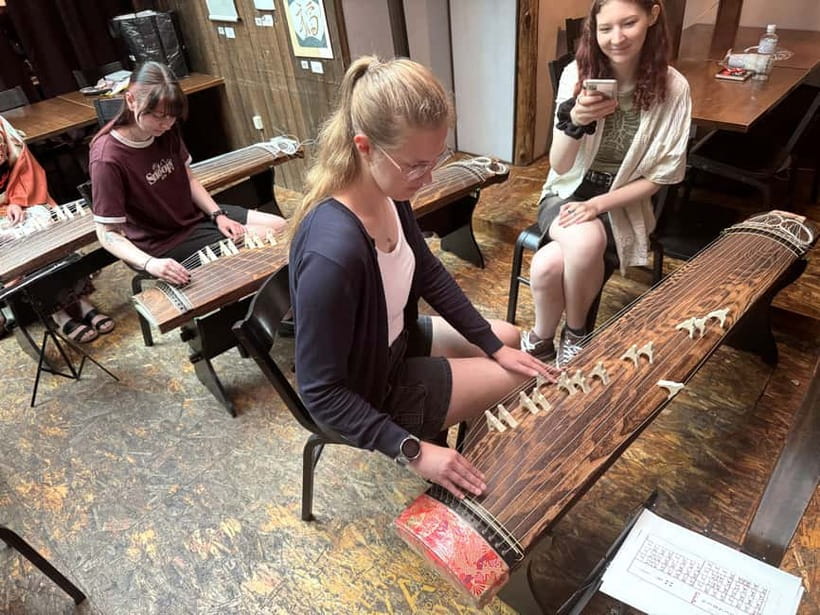
That beginner focus is important. One participant, Rebecca, described having no experience with any instrument yet feeling able to learn the basics during the class. That is the right expectation to carry into the room. You are not being tested, and the point is not to perform at concert level. The point is to understand how the instrument works and make music with it under careful guidance.
Instructor Natsuko has drawn particular praise for patience and friendly teaching. That matters with a traditional instrument, where the posture, string layout, and playing method may be new to you. A patient teacher can keep the lesson from becoming a struggle and help you enjoy the sound as you improve.
The class is offered in English and Japanese. If you speak English, you can follow the lesson without needing to know Japanese musical terms in advance. The small group size, limited to 10 participants, also helps keep the setting more personal than a large demonstration.
What the 90-minute lesson feels like
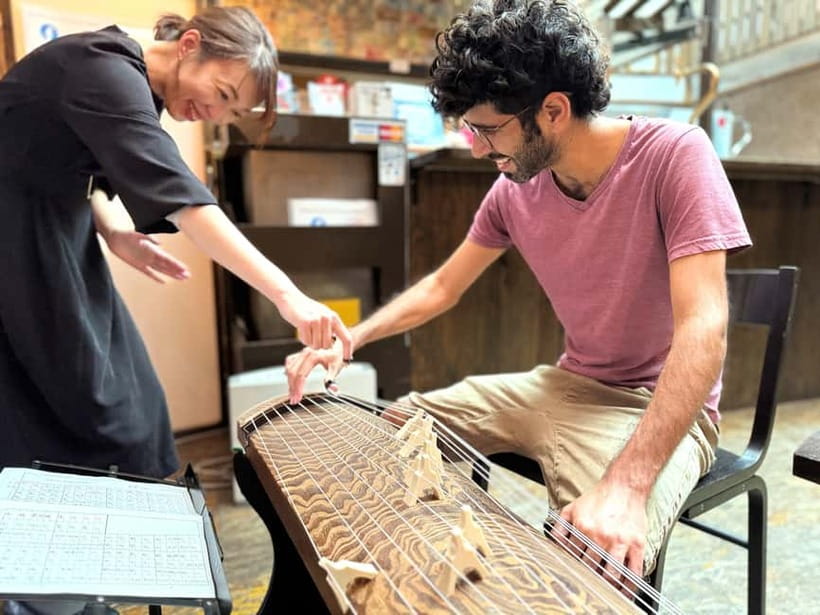
The 90-minute length is well suited to a short cultural activity. It gives you enough time to hear the instrument, receive instruction, practice, and try to complete a song without taking up half a day of your Kyoto schedule.
The exact pacing may depend on the group. If several people need more help, you may spend more time on the basic technique. If the group moves quickly, you may have time to try additional songs after learning Sakura Sakura. The activity specifically allows for that possibility, but you should treat extra songs as a bonus rather than a promise.
A useful way to think about the session is in three stages:
- Listen: Begin with a live performance and get used to the koto’s sound.
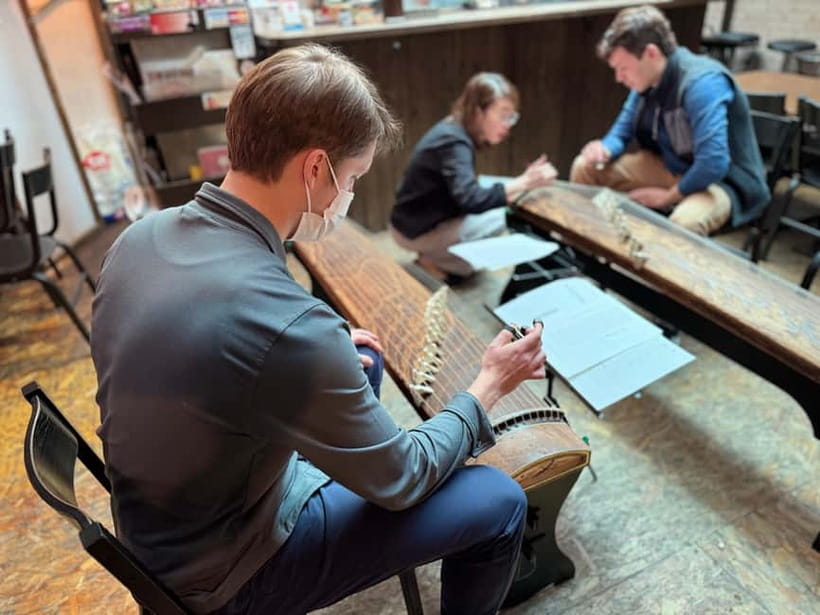
- Learn: Follow the instructor’s guidance as you take your first notes and work through the selected song.
- Play: Build the parts together and, if time permits, try another piece.
The class also leaves room for photos and videos. That is a nice touch for an activity built around a physical skill. You can record the moment you first play the koto, rather than leaving Kyoto with only a photo of the instrument behind glass.
The atmosphere should appeal to people who like a calm activity with a clear focus. You will not be rushing between sights or collecting facts from a guide while walking. You will be sitting with one instrument and paying attention to its sound and movement.
Why the small group makes a difference
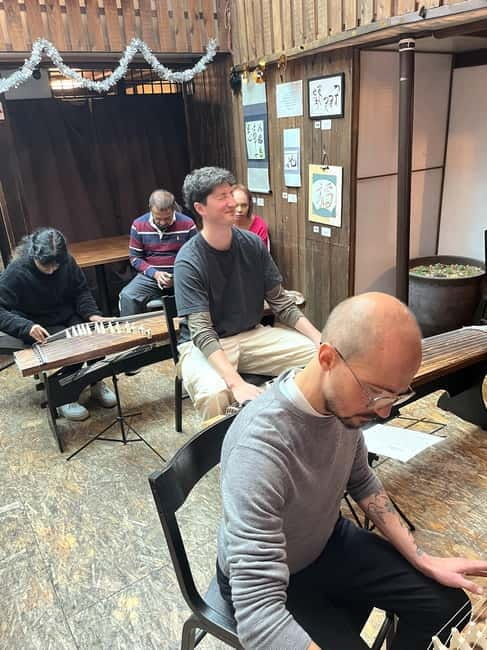
A maximum of 10 participants is large enough for a social class but small enough to avoid the feel of a crowd. This is especially useful when you are learning something unfamiliar. You can watch the instructor closely, follow the group, and get help when your hands do not quite do what you expect.
The class also works for solo visitors. Rebecca attended on her own and said the lesson went ahead even when she was the only participant. That is worth knowing if you are traveling alone or visiting Kyoto outside the busiest season. The experience is not dependent on bringing a large party.
At the same time, a small group is not the same as a private lesson. You may share the instructor’s attention with up to nine other participants. If you want extended one-to-one coaching, confirm what is available before booking. The advertised format promises a small group, not a private appointment.
The instructor’s role is central here. The strongest praise has focused on Natsuko’s patience, friendliness, and ability to explain the instrument. Carlo described the teacher as very patient and excellent, while David highlighted her friendly manner and skill. Those qualities are particularly valuable when the activity is aimed at people who may be touching a koto for the first time.
The cultural value of making music yourself
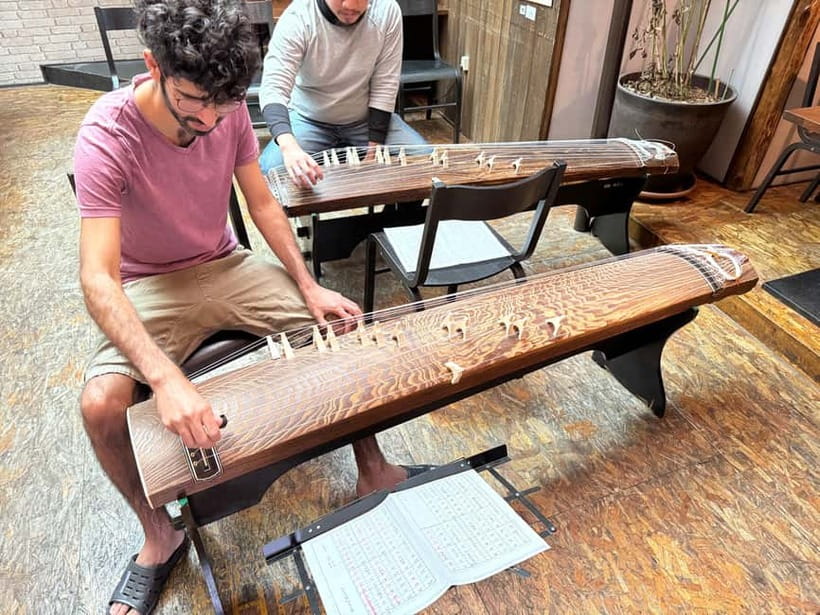
Kyoto offers many ways to see traditional culture. You can visit temples, gardens, old streets, and museums. A koto lesson adds a different kind of contact because you are not only looking at a tradition. You are taking part in a small piece of it.
You should not expect a full education in Japanese music during one 90-minute class. The value is more immediate. You hear an established sound, learn how the instrument is played, and gain a better sense of the care behind traditional performance.
Playing Sakura Sakura also gives the class a cultural anchor. You are not practicing random notes without context. You are working toward a song that many people associate with Japan. That makes the experience easier to remember after your trip.
I especially like this for visitors who feel that sightseeing has become too passive. If you have spent several days taking photos and following routes, the class gives you a change of pace. You sit down, listen, make mistakes, and gradually produce something that resembles music.
It may also suit music lovers who want a modest introduction rather than a formal study program. The lesson does not require you to commit to future training, buy equipment, or know how to read music. You can simply try a Japanese instrument and decide what you think.
Price, timing, and practical value
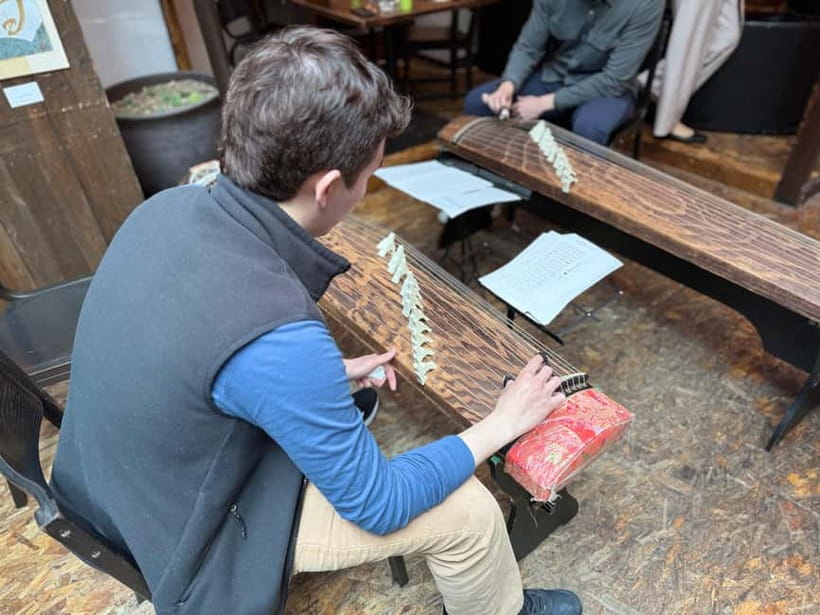
At $32 per person, the class offers solid value if you want an activity rather than a short demonstration. The price includes the instructor, the koto, and all necessary materials. You are paying for guided access to an instrument you would not normally be able to try during a standard Kyoto visit.
The value is strongest for people who care about participation. If you only want to hear koto music, a performance may be a better fit. If you want to understand the basics by playing the strings yourself, the included instruction makes the price more worthwhile.
The class lasts 90 minutes, so it fits neatly into a morning or afternoon. Check the available starting times when you book, since the schedule can vary. You must reserve at least one day in advance, so this is not the best choice for a completely spontaneous day.
The booking terms are helpful for an itinerary that may change. You can reserve now and pay later, and cancellation is free up to 24 hours before the activity for a full refund. Read the final booking terms carefully, but these conditions give you some room to adjust plans.
Gojo Paradiso is accessible by wheelchair, another useful point for planning. The meeting point is near public transit, but the activity details do not provide information about every part of the route or the venue setup. If you have specific access needs, contact the provider before reserving.
Who should take this Kyoto class
This is a particularly good choice for:
- First-time visitors who want a traditional activity with real participation.
- Music lovers who enjoy learning how an unfamiliar instrument works.
- Solo visitors who want a small, structured experience.
- Couples or friends looking for a shared memory that is quieter than a food or nightlife activity.
- Culture-focused families with children aged 10 or older.
- Anyone who wants photos or video of themselves doing something distinctive in Kyoto.
It is less suitable if you want a long, advanced music lesson or a broad tour of Japanese instruments. You will focus on the koto, with Sakura Sakura as the main goal. It is also not available to children under 10.
The class can work well after a morning near Kiyomizu-dera or before an evening around Kiyamachi Street, thanks to the central meeting point. Do not assume you can drop in between other plans, though. Advance booking is required, and you will want to arrive with enough time to reach Gojo Paradiso.
What I would know before booking
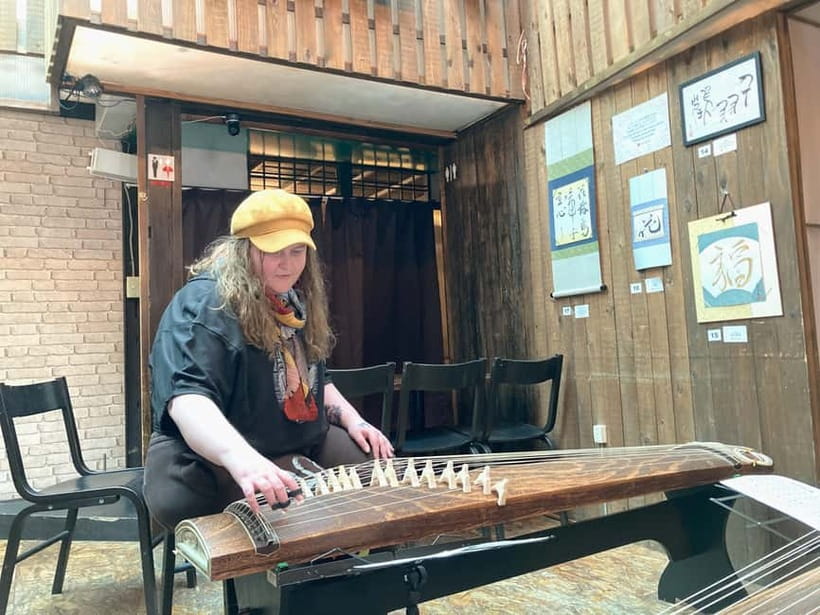
I would book this for the experience of trying the koto, not for the promise of becoming a skilled player in one visit. The class gives you a taste of the instrument and a simple song, which is enough to make the session satisfying without overselling what 90 minutes can do.
I would also keep the schedule flexible after the lesson. You may have time to attempt another song, but the core experience is learning Sakura Sakura. If you are hoping for several complete pieces, ask about the lesson pace before you arrive.
The instructor is the biggest reason I would feel comfortable recommending it to beginners. Natsuko’s patience has been praised repeatedly, and that is exactly what you want when a new instrument feels awkward at first. You should still expect to concentrate. Traditional music is not effortless simply because the class is beginner-friendly.
The rating is 4.9 from 11 published ratings, with praise centered on the teacher, the unusual nature of the activity, and the pleasure of hearing and playing the koto. That pattern tells you what the class does best: it offers a warm, personal first contact with a part of Japanese culture that many visitors only hear in passing.
Should you book the koto class?
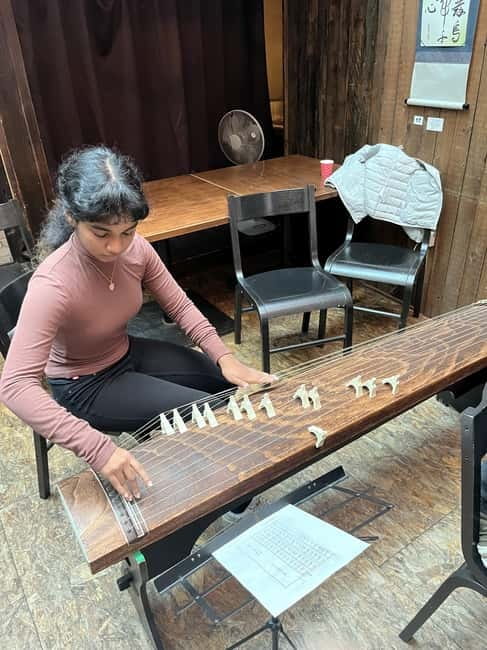
Book it if you want to do something in Kyoto rather than simply look at something. For $32, you receive 90 minutes of instruction, a live performance, use of the koto, and a chance to play a familiar Japanese song. The small group, English-language instruction, accessible venue, and flexible cancellation terms make it easy to fit into a wider itinerary.
Skip it if you want advanced training, a long concert, or an activity suitable for children under 10. For everyone else, especially solo visitors and people with little or no musical background, this is a gentle and memorable way to meet Kyoto’s traditional culture with your own hands.
FAQ
Where does the Kyoto koto class take place?
The class takes place at Gojo Paradiso, along the Takase River on Kiyamachi Street in Kyoto.
How far is Gojo Paradiso from Kiyomizu Gojo Station?
Gojo Paradiso is about 386 meters from Kiyomizu Gojo Station, roughly a five-minute walk from Keihan Kiyomizu Gojo Station.
How long does the koto experience last?
The activity lasts 90 minutes.
How much does the class cost?
The price is $32 per person.
Do I need prior musical experience?
No. Beginners are welcome, and no previous experience is required.
Which song will I learn?
The main song taught during the class is Sakura Sakura. If time allows, you may also try other songs.
What is included in the price?
The price includes an expert koto instructor, the koto, and all necessary materials.
Is the activity available in English?
Yes. The instructor teaches in English and Japanese.
Can children join the class?
Children under 10 are not suitable for this activity.
How many people can join each class?
The class is limited to 10 participants.
Can I cancel my reservation?
You can cancel up to 24 hours in advance for a full refund. Reserve now and pay later is also available.
More Workshops & Classes in Kyoto
More tours in Kyoto we've reviewed
Workshops, compared.
 ★ 4.3Kyoto: 45-Minute Tea Ceremony Lesson ExperienceFrom $2245 min
 ★ 5.0Ramen Cooking Class at Ramen Factory in KyotoFrom $131
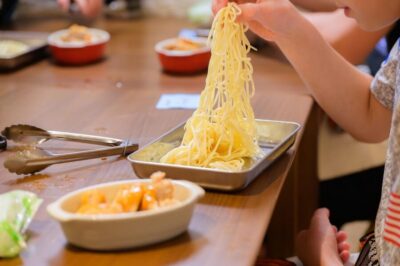 ★ 4.9Kyoto: Ramen Cooking Class at a Ramen Factory with SouvenirFrom $1271h 30m
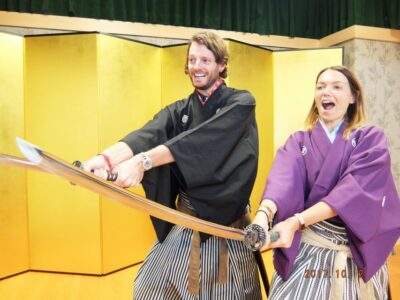 ★ 4.9Kyoto: Samurai Class, Become a Samurai WarriorFrom $70
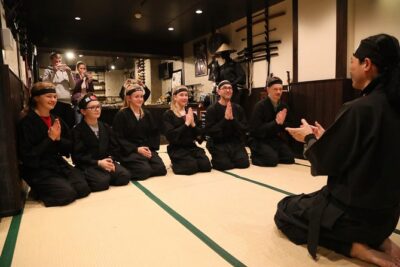 ★ 5.0Ninja 1-hour Hands-on Lesson by Japanese master in Kyoto -EntryFrom $80
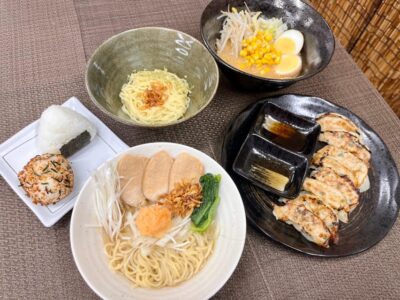 ★ 5.0Kyoto: Ramen, Gyoza, and Onigiri Cooking ClassFrom $901h 30m