
Reviewed · 1-DAY TOURS
Kyoto/Osaka: Mount Koya and Wakayama Private Day Trip
Mount Koya gives this private day trip its real appeal. High in Wakayama Prefecture, this sacred Buddhist center feels far removed from the city, with grand gateways, temple halls, pagodas, and quiet walking areas. You can also add Wakayama and Shirahama-area stops, though the published route needs clarification before you commit.
I like the private vehicle for up to seven people, since the drive from Osaka or Kyoto is long and public transport connections can eat up much of your day. I also like the chance to include shojin ryori, traditional Buddhist vegetarian food, alongside visits to Daimon Gate, Konpon Daito, and Kongobu-ji Temple.
The main concern is reliability. One booking reports a two-hour late pickup, no guide, missed stops, and frightening driving, while another gives warm praise to a guide named David, though that comment refers to the Mount Fuji area rather than this exact route. Confirm your pickup, guide, vehicle, and stops in writing.
In This Review
- Key points to know before booking
- Mount Koya gives this day trip its purpose
- The long ride from Osaka or Kyoto
- Daimon Gate makes a dramatic first stop
- Konpon Daito adds color and scale
- Kongobu-ji Temple rewards a slower visit
- Shojin ryori brings Buddhist practice to the table
- Shirahama and Adventure World complicate the route
- A private guide can make or break the day
- Is $499 good value for your group?
- Who will enjoy this day most?
- Should you book the Mount Koya day trip?
- FAQ
- Where can I be picked up and dropped off?
- How long does the tour last?
- What places are included in the Mount Koya route?
- Is lunch included in the price?
- How many people can join the private tour?
- What languages are available for the guide?
Key points to know before booking
- Mount Koya is the main prize: Visit the sacred mountain center of Shingon Buddhism, including Daimon Gate, Konpon Daito, and Kongobu-ji Temple.
- Private transport saves effort: A private vehicle handles the long journey from Osaka or Kyoto and lets your group set the pace.
- The route needs confirming: The advertised schedule includes Mount Koya, Shirahama, and Shirahama Adventure World, an ambitious combination for one day.
- Lunch is not included: Shojin ryori is suggested as part of the day, but food and drinks must be paid for separately.
- The price suits a full group: At $499 for up to seven people, the cost can be reasonable for a family or group, but less so for one or two people.
- Service quality appears uneven: One booking praises a calm, friendly guide named David, while another describes serious pickup and guiding problems.
Mount Koya gives this day trip its purpose
Mount Koya, or Koyasan, is not simply a scenic mountain stop. It is the center of Shingon Buddhism in Japan, and the temples here give the day a clear cultural focus. You are visiting a working religious area with centuries of Buddhist practice behind it, not just collecting a few pretty photographs.
The appeal is strongest for you if you enjoy architecture, religious art, quiet walks, and places that reward a slower pace. The mountain setting also makes a welcome change from the dense streets of Osaka or Kyoto. After the drive, the temple compounds offer room to pause, look closely, and listen to your guide’s explanation.
This is sold as a fully customizable 10-hour private trip. That sounds useful, but the listed schedule is not entirely clear. It includes about an hour and a half of travel, a guided visit to Kongobu-ji, another long Mount Koya stop, and separate one-hour stops in Shirahama and at Shirahama Adventure World. Those locations may not all fit comfortably into one relaxed day, depending on the exact route and traffic.
I would ask for a written timetable before paying. The most important question is simple: are you booking a Mount Koya day, a Mount Koya and Shirahama day, or a broad sightseeing route with several short stops?
The long ride from Osaka or Kyoto
Pickup is offered from accommodation in Osaka, and the itinerary also lists Kyoto as a pickup and drop-off choice. The private vehicle is a practical advantage here. You do not need to manage several train changes, and your group can keep bags with you rather than planning around station lockers.
The listed travel time for one van segment is about 1.5 hours. Treat that as an estimate rather than a promise. Mountain roads, city traffic, and the distance between Mount Koya and the Wakayama coast can affect the day.
You should wear comfortable shoes and bring warm clothing. Mount Koya can feel cooler than Osaka, and the day includes walking as well as vehicle time. Water and a camera are sensible additions. Smoking and alcoholic drinks are not allowed in the vehicle.
The vehicle is private, but that does not automatically mean the day is luxurious. The key benefit is control and convenience. You can travel with your own group of up to seven people, rather than sharing a bus with strangers. Ask how many people the vehicle comfortably seats if your group is large, especially if you are carrying luggage.
Daimon Gate makes a dramatic first stop
Daimon Gate is one of the most recognizable entrances to Mount Koya. Its crimson structure and towering guardian statues create a strong arrival point, and it is an easy place for your guide to begin explaining the mountain’s religious importance.
This stop works well as a photo break, but it should not be treated as the whole Mount Koya experience. The gate introduces the setting. The temples and pagoda provide the substance.
You may have free time here to take photographs and look around. Keep a little flexibility in mind, since the schedule describes several activities in broad blocks rather than giving exact times. If you want time for quiet observation instead of a quick picture, say so at the start of the day.
Konpon Daito adds color and scale
Konpon Daito is the central pagoda of Mount Koya. The vivid Buddhist murals and calm interior atmosphere offer a different experience from the open-air view at Daimon Gate. This is the sort of stop where a guide can make a real difference, especially if you want more than a quick explanation and a photograph.
Look closely at the color and decoration. Buddhist buildings can appear restrained from outside, while the interior art may be much more expressive. Your guide is expected to explain the religious meaning of the site and place it within Shingon Buddhist practice.
The available information does not give a fixed visit length for Konpon Daito. That matters because a short stop may feel rushed, while a longer visit could reduce time elsewhere. If Konpon Daito is important to you, ask the operator to make it a confirmed stop rather than an optional suggestion.
Kongobu-ji Temple rewards a slower visit
Kongobu-ji is the head temple of the Shingon sect and one of the most substantial visits on the route. The temple is known here for its architecture, sliding screen paintings, and the largest rock garden in Japan.
The listed guided visit lasts about 40 minutes. That is enough for an introduction, but it may feel short if you want to examine the paintings and garden carefully. I would treat this as a focused visit, not an unhurried temple morning.
The sliding screens are especially worth your attention. The delicate paintings can be easy to overlook when a group is moving through rooms, so take a moment to look at the details. The rock garden offers a quieter pause and helps balance the more colorful interiors.
A private tour is useful here because you can tell the guide what interests you. If you care about Buddhist art, ask for more explanation. If your group includes children or people who tire easily, ask where you can take a break and how much walking remains.
Shojin ryori brings Buddhist practice to the table
Shojin ryori is vegetarian Buddhist cuisine, traditionally associated with temple life. It is one of the most appealing parts of the proposed day because it connects the meal to the place you are visiting.
Food and drinks are not included in the $499 price. The description presents lunch as something you can enjoy, but it does not name a restaurant or guarantee a specific menu. Confirm the lunch arrangement before departure, including whether the guide recommends a restaurant or simply leaves you to choose and pay locally.
Do not expect a standard meat-and-rice tourist lunch. Shojin ryori is valued for careful preparation, seasonal ingredients, and a presentation that reflects Buddhist restraint. The supplied information does not specify dishes, so I would avoid promising a particular menu.
If a full traditional lunch matters to you, tell the operator in advance. If you prefer to keep the day moving, you may want to set aside enough time for a simpler meal instead.
Shirahama and Adventure World complicate the route
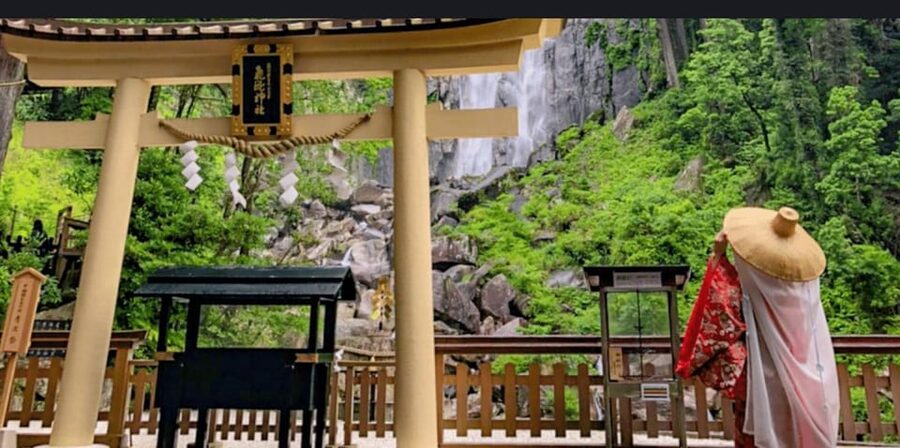
The published itinerary also lists Shirahama, with a photo stop, visit, guided tour, and sightseeing block of about one hour. It then lists Shirahama Adventure World for another hour, followed by an additional one-hour visit at an unnamed location.
These stops create the biggest planning question. Shirahama is not simply another Mount Koya temple area, and the schedule does not explain exactly what you will see there. The final unnamed stop is also too vague to evaluate. Ask for the attraction name and confirm if admission fees apply.
Shirahama Adventure World is listed as a visit and photo stop, but no ticket inclusion is stated. The general inclusions cover transport, pickup, and the private English-speaking guide. They do not include food, drinks, or attraction tickets. You should ask directly about entry costs before the day begins.
If your priority is Mount Koya, adding several coastal stops could leave you with rushed temple visits. If you specifically want a broad Wakayama outing, the combination may appeal to you, but only after the operator confirms realistic drive times.
A private guide can make or break the day
The tour includes a live guide, with English, Urdu, Hindi, Punjabi, and Japanese listed as available languages. A good guide should help you understand why the temples matter, keep the route moving, and translate practical details such as meal choices and opening arrangements.
One positive booking gives warm praise to David, describing him as friendly, calm, helpful with time, and able to explain local history. However, that same comment refers to the Mount Fuji area, not clearly to Mount Koya or Wakayama. I would not assume David will be your guide unless the company confirms his assignment.
A separate booking reports a pickup scheduled for 6:00 a.m. that did not arrive until 8:00 a.m. It also describes missed stops, no sightseeing guide, and driving that felt fast and unsafe. That is a serious warning, not a minor scheduling complaint.
To protect your day, confirm these points a day or two before pickup:
- The exact pickup time and address
- The guide’s name and language
- The vehicle type and passenger capacity
- Every confirmed stop
- Whether entry fees are extra
- The lunch plan
- The estimated return time
The tour is private and wheelchair accessible, but accessibility at individual temple sites is not explained. If someone in your group uses a wheelchair, ask specifically about vehicle access, temple entrances, and walking surfaces.
Is $499 good value for your group?
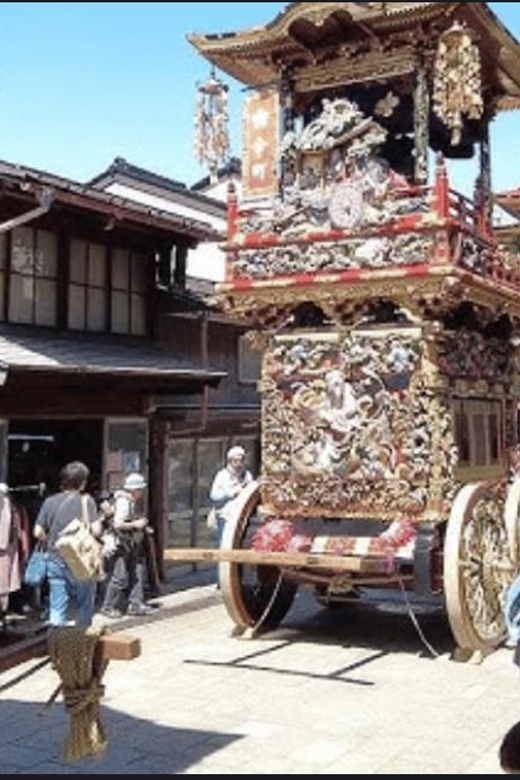
The price is $499 per group of up to seven people. For seven people, that is about $71 per person before meals and any admission fees. For four people, it is about $125 each. For two people, the price becomes much harder to justify unless you place a high value on door-to-door transport and a private schedule.
The strongest value comes from sharing the cost. A family or group of friends can avoid buying several individual rail tickets and can travel directly from a hotel. You also gain flexibility that a standard group excursion cannot offer.
The value drops if the route is unclear or if the guide service is not delivered as promised. A private driver without sightseeing guidance is a very different product from a private cultural tour. The negative booking makes that distinction important.
Free cancellation is available up to 24 hours before departure for a full refund, and you can reserve now and pay later. Those terms give you some room to check the route and service details before the final commitment. Still, flexible cancellation does not recover a lost day, so clear confirmation matters.
Who will enjoy this day most?
I would consider this trip for a group of up to seven people that wants a private vehicle and has Mount Koya high on its list. It can work well for families, older relatives who prefer door-to-door transport, and friends who want to set their own pace.
It also suits you if you would rather pay for convenience than organize a long independent journey. The guide can link Daimon Gate, Konpon Daito, Kongobu-ji, and Buddhist food into one coherent day.
I would be cautious if you want a precise, tightly scheduled sightseeing program. The supplied itinerary contains several broad stops and an unnamed visit. I would also hesitate if your group is only one or two people, unless the private format is especially important.
This is not the best fit for someone seeking a leisurely temple stay. Ten hours, long drives, and possible Shirahama additions make it an active day. You should expect time in the vehicle and plan for walking once you arrive.
Should you book the Mount Koya day trip?
Book it if you are traveling as a larger private group, want hotel pickup, and are willing to confirm the route in detail. Mount Koya itself offers a worthwhile mix of Buddhist architecture, art, mountain scenery, and traditional food. Daimon Gate and Kongobu-ji give the day memorable anchors, while Konpon Daito adds spiritual and visual depth.
I would not book this experience without written confirmation of the guide, pickup time, exact stops, lunch arrangement, and driving plan. The positive account of David suggests that the right guide can make the day friendly and well paced, but the late pickup and missed sights described in another booking show that service cannot be taken for granted.
My practical call: good potential for a group, but confirm everything first. If the operator can provide a clear Mount Koya-focused schedule, the $499 group price can be fair. If the company cannot explain how Shirahama fits into the day, choose a simpler route or another provider.
FAQ
Where can I be picked up and dropped off?
Pickup and drop-off options are listed for Osaka and Kyoto. Pickup is described as taking place directly from your accommodation.
How long does the tour last?
The private experience is described as a 10-hour tour and is valid for one day. Starting times depend on availability.
What places are included in the Mount Koya route?
The described Mount Koya visits include Daimon Gate, Konpon Daito, and Kongobu-ji Temple. The itinerary also lists Shirahama, Shirahama Adventure World, and one additional unnamed visit, so confirm the final route before booking.
Is lunch included in the price?
No. Food and drinks are not included. Shojin ryori, traditional vegetarian Buddhist cuisine, is suggested as a lunch option, but the dining arrangement is not specified.
How many people can join the private tour?
The price covers a private group of up to seven people.
What languages are available for the guide?
Guide languages are listed as English, Urdu, Hindi, Punjabi, and Japanese. Confirm your preferred language when booking.
1-Day Tours, compared.
 ★ 5.0PERFECT KYOTO 1-Day Bus TourFrom $129
 ★ 4.8Kyoto: Fushimi Inari, Kinkakuji, Bamboo Grove 1 Day Bus TourFrom $122510 minutes - 9 hours
 ★ 5.010 Must-see Spots in Kyoto One Day Private Tour (up to 7 people)From $179
 ★ 4.0Kyoto 1 Day Tour from KyotoFrom $168
 ★ 4.5Kyoto and Nara Day Trip from KyotoFrom $194
 ★ 4.0From Tokyo 1-Day Kyoto English-guided Tour by Bullet TrainFrom $452