
Reviewed · OSAKA & HIROSHIMA DEPARTURES
Osaka/Kyoto : Hiroshima & Miyajima Trip with Indian Lunch
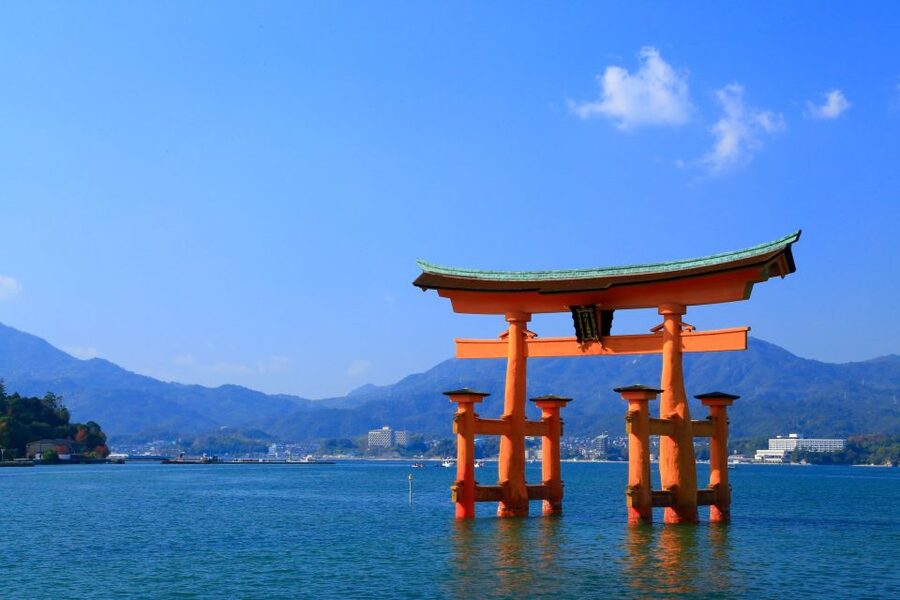
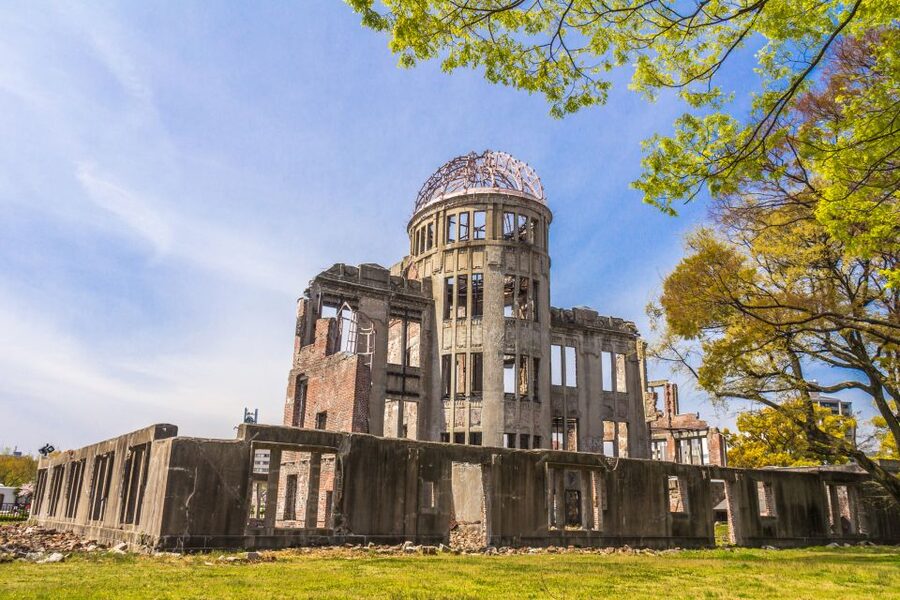
Hiroshima and Miyajima give you two very different sides of western Japan in one long day: the quiet weight of Peace Memorial Park, followed by the sea crossing and bright vermilion gate of Miyajima. The A-Bomb Dome asks for reflection, while Itsukushima Shrine brings a more traditional, scenic Japan into view.
I like the way this trip handles the long distance with roundtrip bullet train tickets, an air-conditioned bus, and the Miyajima ferry already arranged. I also like the Indian curry lunch, especially if you want a dependable vegetarian meal. The drawback is the schedule: twelve hours is a full day, and the ride leaves limited free time for wandering at either destination.
In This Review
- Key points to know before booking
- Why this day works despite the distance
- Leaving Kyoto or Shin-Osaka for Hiroshima
- Hiroshima Peace Memorial Park and the A-Bomb Dome
- Crossing Hiroshima Bay to Miyajima
- Itsukushima Shrine and the Grand Torii Gate
- Indian curry lunch and dietary planning
- The pace, the guide, and the group experience
- Who will get the most from this tour
- Booking flexibility and other practical points
- Should you book this Hiroshima and Miyajima day trip?
- FAQ
- Where does the tour start?
- How long does the experience last?
- Is transportation included?
- Is lunch included?
- Can the restaurant change the menu on the day?
- Are admission fees included?
- What happens if the Peace Memorial Museum is closed?
- Can I cancel the tour?
Key points to know before booking
- Two major Hiroshima sights in one day: Visit the A-Bomb Dome and Peace Memorial Park, then continue to Miyajima and Itsukushima Shrine.
- A real ferry crossing: Reach Miyajima by boat across Hiroshima Bay, with the island approach forming part of the experience.
- Indian curry lunch included: Vegetarian options are available, but menu changes cannot be made on the day.
- Easy departure from Kyoto or Shin-Osaka: The package includes roundtrip bullet train tickets for the Osaka and Kyoto option, plus local bus transport.
- English guidance matters here: Guides including Azusa and Mейурkey add explanations about Japanese culture, history, and the meaning of Hiroshima’s memorials.
- Plan your evening carefully: If you need a Shinkansen after the tour, book a departure after 6:30 PM.
Why this day works despite the distance
Hiroshima is far enough from Kyoto and Osaka that doing it independently in one day takes careful planning. You need to coordinate the Shinkansen, local transport, ferry, shrine admission, and the return journey. This tour packages those moving parts together, which is the main reason to consider it.
The $309 price is not a bargain in the simple sense. It is a premium day trip. But it includes roundtrip bullet train tickets, an air-conditioned bus in Hiroshima, return ferry fare, admission to Itsukushima Shrine, entry to the Hiroshima Peace Memorial Museum, and lunch. If you would otherwise buy the train tickets and arrange each local connection yourself, the price becomes easier to justify.
You should still think of this as an efficient introduction, not a slow, detailed exploration of Hiroshima. The day is built around the two headline sights. You get context, transport, and a clear route, but not the freedom to linger wherever you please.
The English-speaking guide is an important part of the value. Azusa is described as enthusiastic and happy to answer questions about Japanese culture and history. Another guide, Mейурkey, was praised for making the day feel complete. Guide quality can vary from one departure to another, but this is the sort of trip where clear explanations make a real difference.
A few more Hiroshima tours and experiences worth a look
Leaving Kyoto or Shin-Osaka for Hiroshima
You can begin at either Kyoto Station or Shin-Osaka Station, depending on the option you book. Hotel pickup is not included, so you need to reach the assigned meeting point on your own. Check the exact starting location and time before departure, since the meeting point can vary by booking choice.
The train is more than a transfer. The Shinkansen gives you a fast, comfortable way to cover the distance without the fatigue of a long road journey. Once you arrive in Hiroshima, the air-conditioned coach takes over for the local sightseeing portion.
The supplied schedule lists short bus segments of about 15 minutes and 40 minutes. Those figures appear to describe local transfers rather than the complete journey from Kyoto or Osaka. In practical terms, expect a long travel day with several changes in mode: bullet train, coach, ferry, and walking.
That combination is efficient, but it requires punctuality. Keep your meeting instructions handy, arrive early, and do not count on wandering around the station at the last minute. A twelve-hour tour can feel very smooth when you are ready for each departure, and rather stressful if you are not.
Hiroshima Peace Memorial Park and the A-Bomb Dome

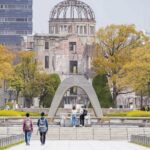
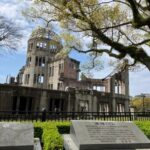
The first major stop brings you into Hiroshima’s central memorial area. The A-Bomb Dome is the ruined remains of a building damaged by the atomic blast. Its incomplete structure has been preserved as a memorial, and its presence is more powerful than a newly built monument could be.
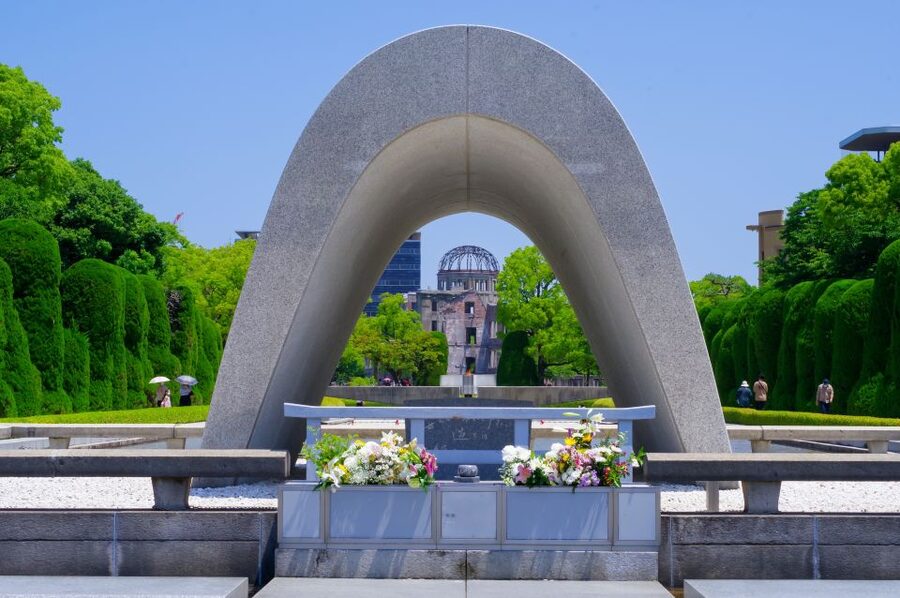
You will also visit Hiroshima Peace Memorial Park and the Hiroshima Peace Memorial Museum. Together, these places explain the human cost of nuclear warfare and the continuing call for peace. This is not a sightseeing stop to rush through with a camera. Give yourself mental space for difficult material and quiet reflection.
The museum admission is included, which removes one extra expense and keeps the group moving through the planned route. If the museum is closed, the tour visits the Hiroshima National Peace Memorial Hall for the Atomic Bomb Victims instead. That alternative still keeps the focus on remembrance and the effects of the bombing.
The guide’s role is especially useful here. Hiroshima is not a place where a quick photograph tells you enough. Historical background helps you understand why the Dome was preserved, how the memorial area is organized, and why the city’s message reaches beyond Japan.
You should also know that this part of the day may feel emotionally heavy. That is not a flaw in the experience, but it is worth preparing for. The tour pairs the memorial district with Miyajima later, creating a change of mood without treating Hiroshima’s history as a mere stop on a checklist.
Crossing Hiroshima Bay to Miyajima
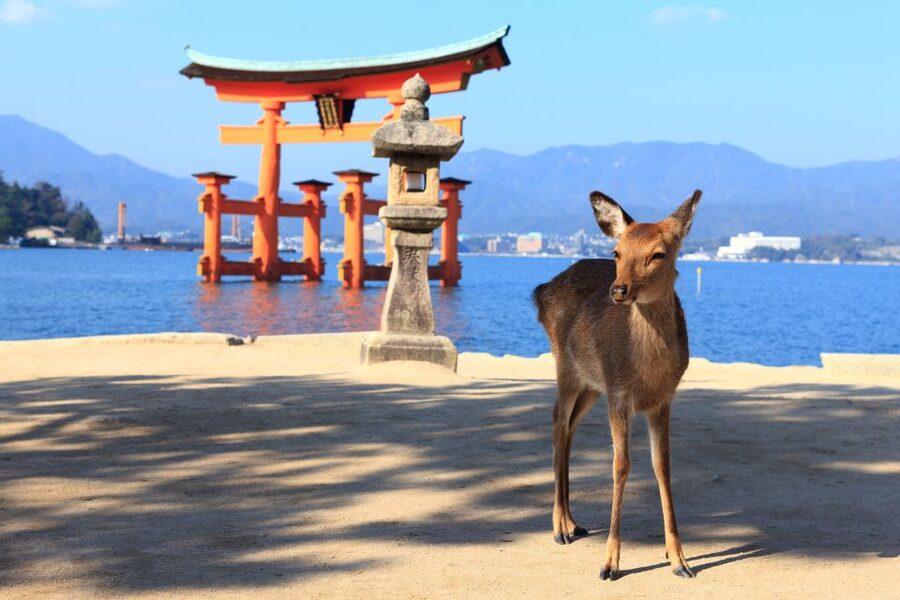
After Hiroshima, you travel by ferry to Miyajima Island. The return ferry ticket is included, so you do not need to work out the boat fare separately. The crossing adds a welcome change of pace after the museum and coach travel.
Miyajima is known for Itsukushima Shrine, a Shinto site registered as a UNESCO World Heritage Site. The shrine is famous for its red O-Torii, or Grand Torii Gate, which appears to float in the sea. The gate is the image most people associate with Miyajima, but the setting matters just as much as the structure.
Seeing the shrine from the water gives you the essential island approach. The ferry ride is brief compared with the long train journey, yet it helps the visit feel like a real change of place rather than another coach stop. You move from a city memorial district to an island shrine reached across the bay.
The view of the torii depends on conditions at the time of your visit. The supplied information calls it a floating gate, but it does not promise a particular tide, weather, or viewing angle. Keep expectations sensible. The shrine remains the main attraction, while the famous illusion of the gate in the water is part of the setting rather than a guaranteed photo moment.
Admission to Itsukushima Shrine is included. That is helpful because you can focus on the visit instead of standing aside to sort out tickets. Your time is still structured, so do not expect the same freedom as you would have on a full independent day on the island.
Itsukushima Shrine and the Grand Torii Gate
Itsukushima Shrine is a national treasure and part of the UNESCO-listed site. Its red structures and position beside the water make it a sharp contrast to the solemn gray remains of the A-Bomb Dome.
The visit gives you a useful look at a major Shinto shrine without requiring a separate Miyajima trip from Hiroshima. The tour’s design is clever in that respect. You see a place tied to Japan’s modern wartime history in the morning, then a sacred site tied to older religious traditions in the afternoon.
The shrine is the main reason to choose this itinerary over a Hiroshima-only tour. If you have always wanted to see the Grand Torii Gate, this trip puts it within reach from Kyoto or Osaka without requiring an overnight stay.
The trade-off is time. A guided day trip must keep the group together for the ferry, meal, and return transport. You will have less room for an unplanned side street, a long pause by the water, or a meal chosen on your own. If you prefer to set your own pace, an overnight Hiroshima and Miyajima visit would suit you better.
Indian curry lunch and dietary planning

Indian curry is included, with vegetarian options available. For many people, this is a practical advantage. Japanese day tours do not always make vegetarian meals simple, and having a meat-free choice built into the schedule can remove a lot of guesswork.
The meal is also a useful pause between the major sightseeing sections. After the memorial sites and ferry transfer, a set lunch gives you a predictable place to sit and eat before continuing.
There are firm limits. The provider cannot accommodate menu changes on the day, and you should not bring your own food or drinks into the restaurant. If you have dietary needs beyond the stated vegetarian option, confirm what can be handled before booking rather than assuming the kitchen can adjust the meal.
Drinks are not included, so budget for those separately. The meal is Indian curry, not a broad selection of Japanese dishes. That will suit you if you want familiar spice and a vegetarian-friendly option, but it may disappoint if your main goal is to sample local Hiroshima food.
The pace, the guide, and the group experience
This is a tightly planned twelve-hour outing. The schedule must connect two stations, a long-distance train, local bus transfers, a ferry, two major sightseeing areas, lunch, and the return journey. You should expect an organized day rather than a relaxed one.
That structure is helpful for first-time visitors who do not want to navigate Hiroshima’s transport system. It is also useful if you are staying in Kyoto or Osaka and have only one day available for Hiroshima.
The guide provides the human element. Azusa is noted for offering plenty of information about Japanese culture and history and for answering questions. Mейурkey is also named as an effective guide. Those details matter because the memorial sites need explanation, while the shrine benefits from cultural context.
The current rating is 4.8 from 48 ratings, with particular praise for organization, clear timing, enthusiastic guiding, and the Indian vegetarian lunch. The practical lesson is simple: the tour appears strongest when you value structure and interpretation more than personal freedom.
No group size is provided, so do not book this expecting either a tiny private outing or a guaranteed small group. The experience is operated by H.I.S. Co Ltd, also identified as TIC, and the guide language is English.
Who will get the most from this tour
I would recommend this trip to you if you are based in Kyoto or Osaka, want to see Hiroshima and Miyajima in one day, and prefer someone else to coordinate the transport. It is also a good fit if you want an English guide at the memorial sites and appreciate a planned vegetarian lunch.
It suits first-time visitors especially well. You can cover the A-Bomb Dome, Peace Memorial Park, the museum, Miyajima, the ferry, and Itsukushima Shrine without having to learn every connection in advance.
Families and older visitors may appreciate the air-conditioned coach and included admissions, though the day still involves station transfers, ferry boarding, and walking between sights. The provided information does not specify accessibility arrangements, so ask the provider directly if mobility support is important to you.
This tour is less suitable if you want a slow museum visit, a long Miyajima walk, or plenty of time for independent food stops. It is also not open to Japanese nationals, since the activity is specifically for international travelers.
If you plan to continue by Shinkansen after the tour, choose a departure after 6:30 PM. That buffer is important. A day involving several transport links should not end with a tight, expensive train connection.
Booking flexibility and other practical points
You can cancel up to 24 hours in advance for a full refund, and the reserve-now, pay-later option lets you hold a place without paying immediately. Starting times depend on availability and the departure option you choose.
The tour may be canceled in the event of a natural disaster, such as a typhoon. If that happens, a full refund is issued. Weather can also affect how the O-Torii looks from the ferry, so keep the photo goal flexible.
Before booking, check four things:
- Your correct starting station, Kyoto or Shin-Osaka
- The exact meeting point for your selected option
- The meal details if you have dietary restrictions
- Your return plans, especially if you need a train after the tour
These checks take only a few minutes and can prevent the most common problems on a long day trip.
Should you book this Hiroshima and Miyajima day trip?
Book it if you want a practical first look at Hiroshima and Miyajima from Kyoto or Osaka, with major transport, admissions, ferry fare, lunch, and English guidance bundled together. The strongest reasons are the efficient Shinkansen connection, the thoughtful pairing of Peace Memorial Park with Itsukushima Shrine, and the included vegetarian curry option.
Skip it if you need a leisurely pace or want to choose every meal and stop yourself. At $309, the value comes from convenience and coordination, not from a cheap ticket.
For many international visitors, this is a sensible way to reach two important Japanese sights in one demanding day. Just arrive prepared, allow plenty of time for the return, and treat Hiroshima’s memorial sites with the attention they deserve.
FAQ
Where does the tour start?
You can choose a starting option at Kyoto Station or Shin-Osaka Station. The exact meeting point may vary depending on the option booked.
How long does the experience last?
The tour lasts 12 hours. Check availability for the specific starting time.
Is transportation included?
Yes. The experience includes roundtrip bullet train tickets for the Osaka and Kyoto option, transportation by air-conditioned bus in Hiroshima, and a return ferry ticket to Miyajima Island.
Is lunch included?
Yes. Indian curry lunch is included, and vegetarian options are available.
Can the restaurant change the menu on the day?
No. The provider cannot accommodate menu changes on the day of the tour. You should also avoid bringing your own food or drinks into the restaurant.
Are admission fees included?
Yes. The package includes entry to the Itsukushima Shrine and the Hiroshima Peace Memorial Museum.
What happens if the Peace Memorial Museum is closed?
You will visit the Hiroshima National Peace Memorial Hall for the Atomic Bomb Victims instead.
Can I cancel the tour?
Yes. You can cancel up to 24 hours in advance for a full refund. The tour may also be canceled because of a natural disaster, such as a typhoon, in which case a full refund is issued.
More Osaka & Hiroshima Departures in Hiroshima
More tours in Hiroshima we've reviewed
Osaka & Hiroshima Departures, compared.
 ★ 4.1Osaka/Kyoto:Kinkakuji,Arashiyama,FushimiInariShrine,NaraParkFrom $66
 ★ 4.5One-Day Tour of Kyoto’s Highlights from Osaka/KyotoFrom $66
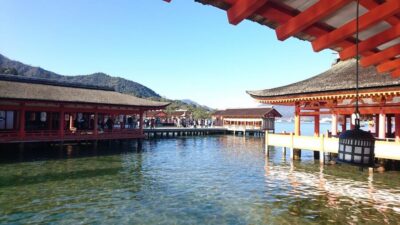 ★ 4.7Osaka/Kyoto: Hiroshima Miyajima Bus Tour & Shinkansen TicketFrom $27712 hours
 ★ 4.4Osaka/Kyoto: Arashiyama, Nara & Fushimi Inari Shrine w/LunchFrom $61
 ★ 4.3From Osaka: Sagano Train Ride and Kyoto Guided Day TourFrom $66
 ★ 4.0Kyoto and Nara Day Trip from OsakaFrom $198