
Reviewed · FUSHIMI INARI TOURS
Osaka/Kyoto: Arashiyama, Nara & Fushimi Inari Shrine w/Lunch
Arashiyama’s tall bamboo, Nara’s free-roaming deer, and Fushimi Inari’s endless red gates make this $61 day trip a smart way to cover three major sights around Kyoto. You travel by air-conditioned bus, eat Kobe beef shabu-shabu in a 120-year-old Kyoto townhouse, and return to either Kyoto or Osaka.
I like the packed but sensible route and the fact that lunch is included, since transport and a proper meal can quickly push up the cost of an independent day out. I also like the guides’ practical help, from photo spots to shrine customs. The tradeoff is time: about 80 minutes at some stops can feel short, especially at Fushimi Inari.
In This Review
- Key points
- What this Osaka and Kyoto day trip actually does
- Arashiyama Bamboo Forest: beautiful, brief, and crowded
- Lunch at Kyoto Wasabi in a 120-year-old townhouse
- Nara Park and Todai-ji: deer, etiquette, and a giant Buddha
- Fushimi Inari: the red gate walk
- Why the bus matters on a nine-hour schedule
- Is $61 good value?
- Who will enjoy this trip most?
- Small details that make the day easier
- Should you book it?
- FAQ
- How long does the tour last?
- Where does the tour start?
- Is lunch included?
- Is the Todai-ji entrance fee included?
- What languages are available?
- Can I return to either Osaka or Kyoto?
Key points
- Three major sights in one day: Visit Arashiyama, Nara Park and Todai-ji, then Fushimi Inari without arranging several train journeys.
- Traditional townhouse lunch: Eat Kobe beef shabu-shabu, pork shabu-shabu, or vegetarian curry at Kyoto Wasabi.
- Free time at each stop: Your guide explains the plan on the bus, then you explore independently before returning at the stated time.
- English or Chinese guidance: Guides including Gary, Nick, Eric, Mike, and Tracy have led different departures.
- About nine hours on the road: The schedule works well for a first visit, though crowds, traffic, heat, and walking can make the day feel brisk.
- Flexible return: Finish at the Kyoto VIP Lounge or continue back toward Osaka, depending on the option booked.
What this Osaka and Kyoto day trip actually does
This is a sightseeing circuit, not a slow cultural tour. You meet at the Osaka Villa Namba or Kyoto VIP Lounge, board an air-conditioned bus, and spend the day moving between famous places in Kyoto and Nara.
At each stop, the guide gives instructions and useful background, then you are generally free to explore on your own. That arrangement is important. You are not escorted through every gate or temple building, so you need to watch the clock and find your own way back to the bus.
The tour lasts about nine hours, though traffic and unexpected delays can change the timing. The route covers a lot of ground, which saves you the work of planning train connections, but it cannot offer the leisurely pace of visiting each place separately.
Guides vary by departure. Gary, Nick, Eric, Mike, Tracy, Kevin, and others have led different groups. Strong guides such as Nick, Gary, Eric, and Mike are praised for clear instructions, humor, cultural information, and keeping track of the group. English or Chinese commentary may be used, and on some departures both languages are included.
A few more Kyoto tours and experiences worth a look
Arashiyama Bamboo Forest: beautiful, brief, and crowded
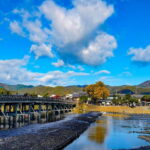
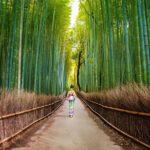
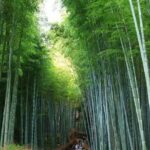
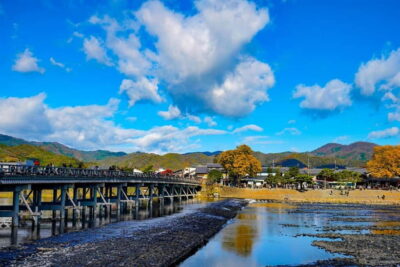
The day usually begins at Arashiyama Bamboo Forest, one of Kyoto’s most photographed sights. The path passes between tall bamboo stalks that filter the light and sway above you. It is a short, memorable walk, especially if you arrive before the heat becomes intense.
You will have time for photographs and a look at the surrounding area, but do not picture a long woodland hike. This is a popular path, and the experience depends partly on how many people are there that day. The famous section is compact, so an early start and a steady pace matter more than athletic ability.
The bamboo also provides a welcome break from summer heat. One guide, Tracy, was particularly appreciated for making the walk comfortable on a hot day, while other guides have helped people find better photo angles and get moving on time.
I recommend taking your main photographs early in the stop. Then use any remaining minutes to enjoy the sound of the bamboo and the change in temperature beneath the stalks. If you want to explore all of Arashiyama, including its temples and river area, this tour will not give you enough time. It is a first look, not a full neighborhood visit.
Lunch at Kyoto Wasabi in a 120-year-old townhouse
Lunch is one of the strongest parts of the experience. Kyoto Wasabi occupies a traditional Kyo-Machiya townhouse that has welcomed diners for more than 120 years. The setting gives the meal a sense of place that a quick stop beside a highway would lack.
The main choice is Kobe beef shabu-shabu. Thinly sliced wagyu is cooked in hot broth at the table, so you control how long the beef cooks. The appeal is its tender texture and full flavor, and the meal gives you a chance to try a well-known Japanese specialty without arranging a separate restaurant booking.
You can also choose pork shabu-shabu, with pork and tofu cooked in fragrant broth. The vegetarian choice is curry rice. This is useful for mixed groups because everyone does not need to order the same dish. A Kobe beef aburi sushi option is available for an additional charge on the day.
Lunch is included in the $61 price, which makes the overall cost attractive. A meal, bus transport, guide, and taxes are already covered. The portion may feel modest if you have a large appetite, and one departure found the meal a little short on quantity, but most people consider it a satisfying and enjoyable break.
The schedule may not allow a long, relaxed meal. Keep that in mind if you enjoy lingering over food. You are eating as part of a timed day, not spending an afternoon at a restaurant.
Nara Park and Todai-ji: deer, etiquette, and a giant Buddha
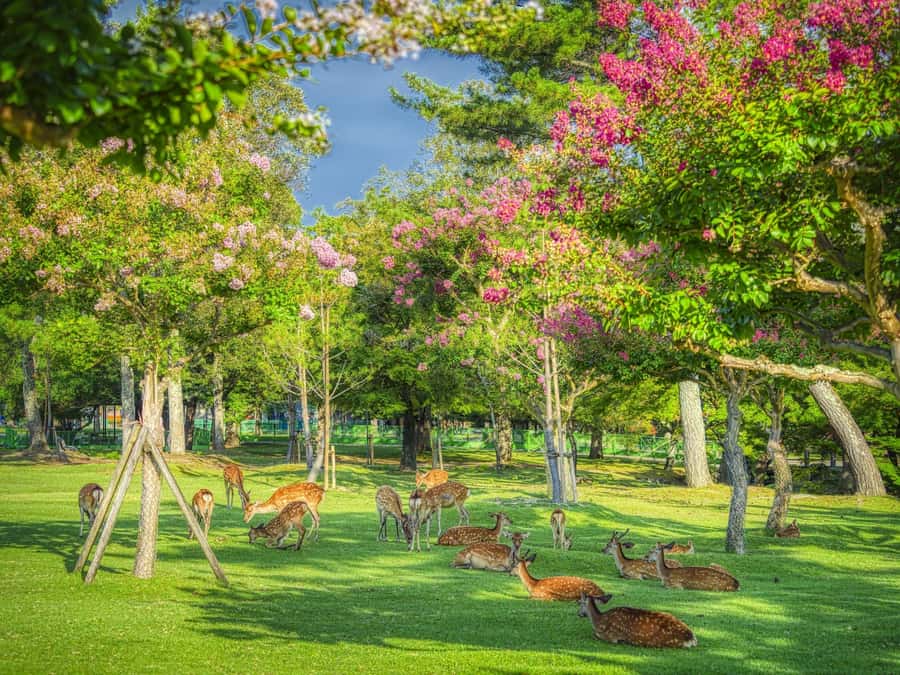
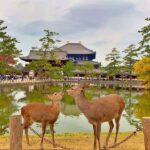
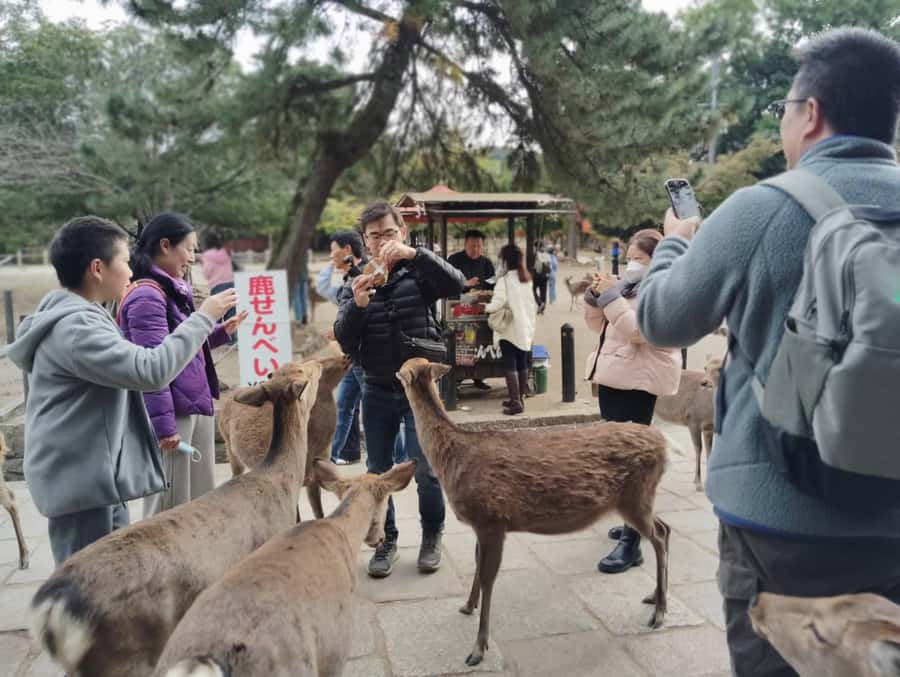
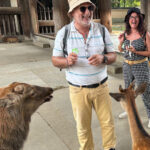
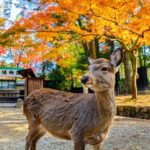
Nara Park changes the mood of the day. Deer wander through the park and around the paths, creating one of Japan’s most memorable public spaces. You can interact with them, but remember that they are wild animals. Do not tease, chase, or disturb them, and keep an eye on anything they might try to eat.
The deer can be eager, especially around food. A useful bit of practical advice is to pay attention to what they are doing and finish any feeding promptly. One amusing warning from the day is to stay away from the deer’s chocolate, a polite way of referring to what they leave behind on the paths.
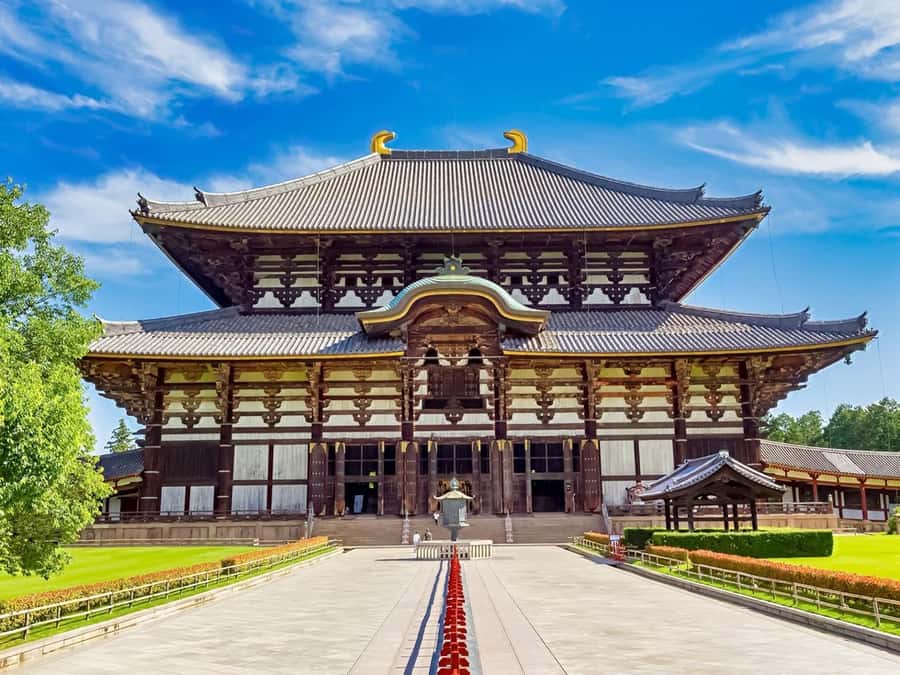
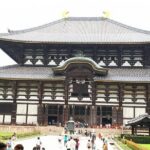
Todai-ji Temple is the major cultural stop in Nara. Its Great Buddha Hall is a UNESCO World Heritage site and is described as the world’s largest wooden structure. Inside, the colossal Buddha statue measures about 15 meters tall.
The entrance fee for Todai-ji is optional and not included. If you want to enter the hall, bring extra money and allow enough time. If you skip the temple interior, you can focus on the park and exterior views, but you will miss the main reason Todai-ji is included.
The Nara stop is also self-guided after the bus briefing. Your guide may explain the route and meeting time, but you are responsible for reaching the temple, seeing the deer, and returning promptly. The time works for a first visit, though families with young children or anyone who likes slow walks may wish for longer.
Fushimi Inari: the red gate walk
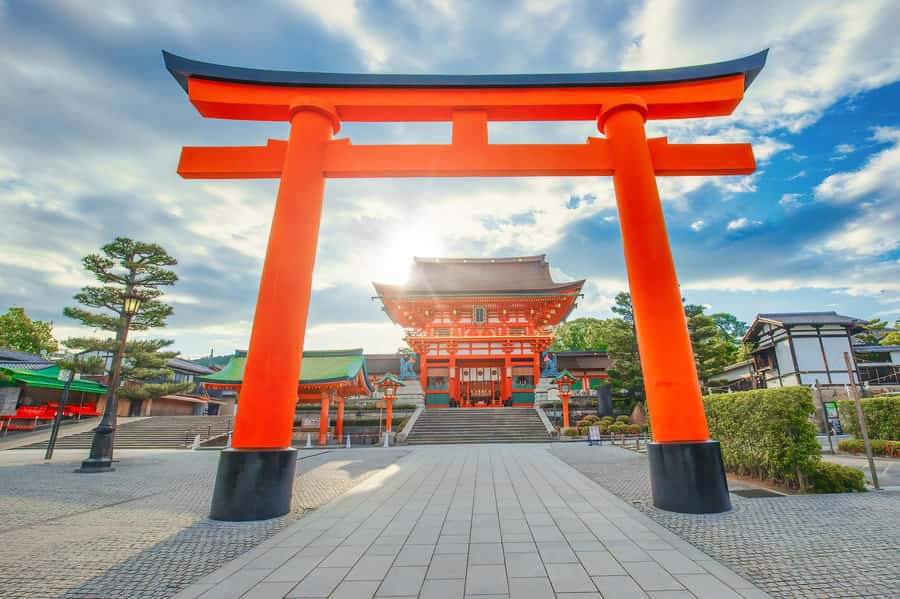
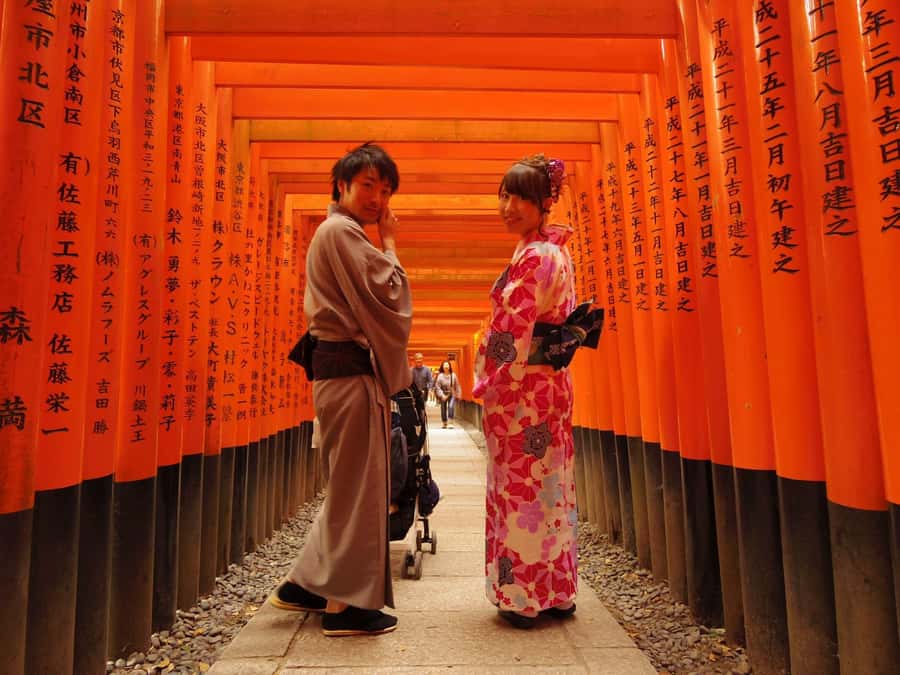
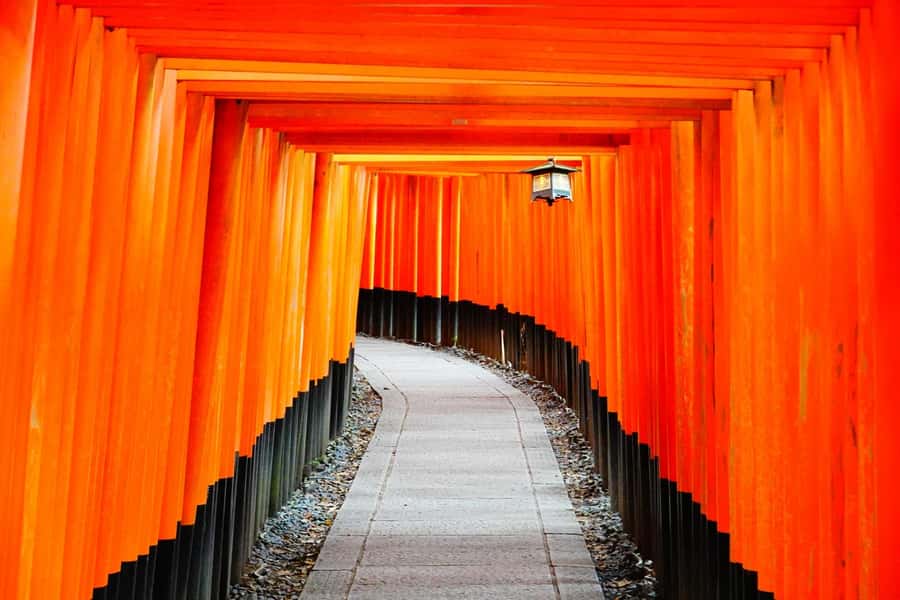
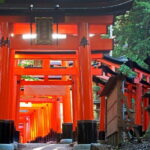
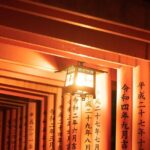
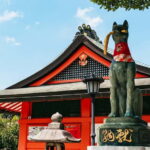
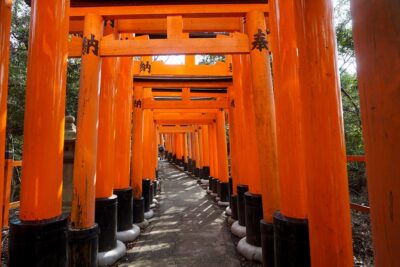
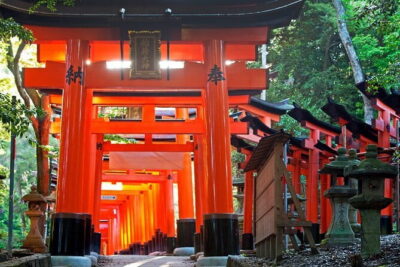
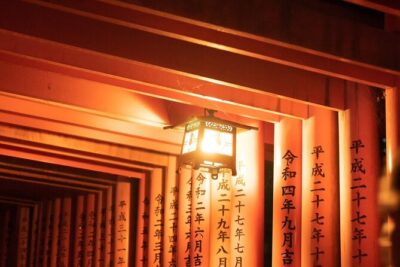
Fushimi Inari Taisha is the final major sight, and it has a different feel from both Arashiyama and Nara. Its famous torii gates form long red-orange corridors on Mount Inari. Each gate was donated in connection with a business or individual seeking prosperity, safety, or success.
You do not need to climb the entire mountain to enjoy the shrine. The lower paths contain the most recognizable gate tunnels, along with smaller shrines and religious details. The route rises gradually, and you can turn around when your time or energy runs low.
This is the stop most likely to feel rushed. The bus parking area may be some distance from the shrine entrance, and the paths can be crowded. Around 80 minutes may be enough for the lower gates and photographs, but it is not enough for a thorough mountain walk.
Plan your route before setting off. Walk directly toward the torii gates, take photographs as you go, and keep your return time firmly in mind. It is easy to lose track of time because each turn seems to reveal another gate tunnel.
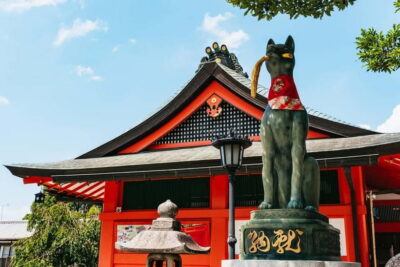
Your guide can also explain basic shrine behavior, including how to approach the site and receive blessings. Still, you should expect to explore independently rather than follow a guide through the entire shrine complex.
A few more Kyoto tours and experiences worth a look
Why the bus matters on a nine-hour schedule
The biggest practical benefit is transportation. You avoid piecing together trains and buses between Osaka, Arashiyama, Nara, and Fushimi Inari. For a first visit, that can remove a great deal of stress, especially when you are trying to fit several distant sights into one day.
The vehicle is air-conditioned, which matters greatly in July and other hot periods. Guides have handed out refreshing wipes, fans, or reminders to refill water bottles on very hot departures. You should still carry water, wear comfortable shoes, and bring sun protection.
The bus may be full, and charging ports are not guaranteed. Bring a fully charged phone and, if you rely on your phone for photographs or navigation, a portable battery. The bus is your fixed base, so you cannot count on returning to it during a stop.
The schedule depends on traffic. Extra stops may be made to keep the route on track, and the day can run longer than nine hours. The bus leaves promptly at every meeting time. If you arrive late or go to the wrong pickup point, the guide may not be able to take you and a refund is not provided.
Check your exact meeting point before departure. The Osaka and Kyoto options use different starting locations, and the bus and guide are assigned to that selected point. If you need to change it or are unsure, contact the operator at least two days before the tour.
Is $61 good value?
At $61 per person, this is good value for a visitor who wants a broad first look at the Kyoto and Nara area. You receive round-trip group transport, an English or Chinese-speaking guide, lunch, an air-conditioned vehicle, and taxes.
The price is especially appealing because the Kobe beef lunch is included. Independent transport between all three locations, plus a substantial meal, can cost a fair amount and requires careful planning. You also save time by not studying several routes or worrying about where to change trains.
The price is less compelling if you already know Kyoto well or want long visits at each site. You are paying for convenience and coverage, not privacy or a custom pace. The tour is designed to show you the main sights in one day, then let you return later to the places that deserve more time.
Todai-ji’s entrance fee is extra. Kobe beef aburi sushi is also an optional on-site purchase. Keep those costs in mind when setting your daily budget.
Who will enjoy this trip most?
I would choose this tour for a first visit to Osaka or Kyoto, especially if you have only one free day for the surrounding sights. It suits solo visitors, couples, and families who prefer a clear plan and do not want to manage several transport connections.
It also works well for people who want a sampler day. You can see the bamboo, the deer, a major temple, and the torii gates, then decide which area deserves a longer return visit.
The trip is less suitable if you want deep time at one location, quiet photography, a full hike on Mount Inari, or an unhurried temple visit. Families should allow for the walking, heat, crowds, and the need to return to the bus at fixed times.
The quality of the day depends partly on your guide. Guides such as Nick, Gary, Eric, and Mike have been praised for humor, clear organization, helpful cultural tips, and looking after people in difficult heat. English pronunciation may vary by guide, so ask politely if you miss an instruction.
Small details that make the day easier
Wear shoes suitable for walking on paved paths and steps. Arashiyama, Nara, and Fushimi Inari all require time on foot, and a rushed day becomes much harder in poor footwear.
Carry water, a charged phone, and a small amount of cash for the optional temple entry or extra food. Keep your bus meeting time visible on your phone or written down.
At Nara Park, treat the deer with care. At Fushimi Inari, leave enough time to walk back from the torii gates to the bus. At lunch, choose your meal in advance if your group has different dietary needs, since the listed choices are Kobe beef shabu-shabu, pork shabu-shabu, and vegetarian curry rice.
Cancellation is allowed up to 24 hours before departure for a full refund. Extreme weather or a natural disaster can also cancel the tour with a full refund. The weekday contact line operates from 9:30 a.m. to 6 p.m. Japan time, so do not wait until the last minute with a meeting-point problem.
Should you book it?
Book this tour if you want three famous sights, included lunch, and simple transport in one long day. The route is efficient, the townhouse meal adds something special, and a good guide can make the bus time both useful and entertaining.
Skip it if your priority is a slow, detailed visit. Fushimi Inari is the clearest warning: 80 minutes may leave you wishing for more. For most first-time visitors, though, the tour delivers a strong introduction at a fair price. Use it to see the highlights, then return independently to the place that captured your attention.
FAQ
How long does the tour last?
The tour takes approximately nine hours, though traffic and unforeseen conditions can change the schedule. Extra stops may be made to help cover the planned sights.
Where does the tour start?
The starting point depends on the option you book. Departures are available from the Osaka Villa Namba or the Kyoto VIP Lounge.
Is lunch included?
Yes. Lunch at Kyoto Wasabi is included, with a choice of Kobe beef shabu-shabu, pork shabu-shabu, or vegetarian curry rice.
Is the Todai-ji entrance fee included?
No. Entry to Todai-ji Temple is optional and the entrance fee is not included in the tour price.
What languages are available?
The tour is offered in English or Chinese. Depending on group size, commentary may be given in both languages.
Can I return to either Osaka or Kyoto?
The return includes an option to disembark at Kyoto or Osaka, depending on the option booked. The activity ends back at the designated meeting point.
More Nara Day Trips in Kyoto
More Arashiyama & Bamboo Tours in Kyoto
More Fushimi Inari Tours in Kyoto
More tours in Kyoto we've reviewed


Fushimi Inari Tours, compared.
 ★ 4.8Kyoto: Fushimi Inari, Kinkakuji, Bamboo Grove 1 Day Bus TourFrom $122510 minutes - 9 hours
 ★ 5.0Fushimi Inari Hidden Hiking Tour (Private Option Available)From $63
 ★ 4.7Kyoto/Osaka: Nara, Fushimi Inari Taisha, Arashiyama Bus TourFrom $529 - 10 hours
 ★ 5.0Kyoto: Nijo, Kinkaku-ji, Arashiyama, Kiyomizu & Fushimi InariFrom $51
 ★ 5.0Kyoto Fushimi-Inari Night Walking TourFrom $43
 ★ 4.9Kyoto: 3-Hour Fushimi Inari Shrine Hidden Hiking TourFrom $723 hours