
Reviewed · OSAKA & HIROSHIMA DEPARTURES
One-Day Tour of Kyoto’s Highlights from Osaka/Kyoto
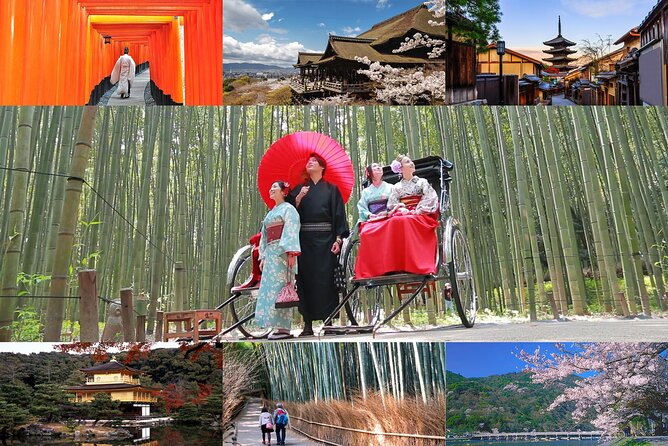
Kyoto packs centuries of Japanese culture into four famous stops: Fushimi Inari’s red torii gates, Kiyomizu-dera’s wooden stage, Kinkaku-ji’s gold pavilion, and Arashiyama’s bamboo paths. This tour gives you all four in one long day, with the comfort of an air-conditioned bus between them.
I like the efficient route and the chance to rest between crowded temple grounds. I also like the helpful personal touches some guides bring, such as Naomi’s practical tips, Hama’s photo advice, and Tet/Ted’s warm welcome for first-time visitors. The main trade-off is simple: you see a lot, but you cannot see everything. Expect hills, stairs, heat, crowds, and limited free time at each stop.
In This Review
- Key points at a glance
- Four famous Kyoto sights without changing trains
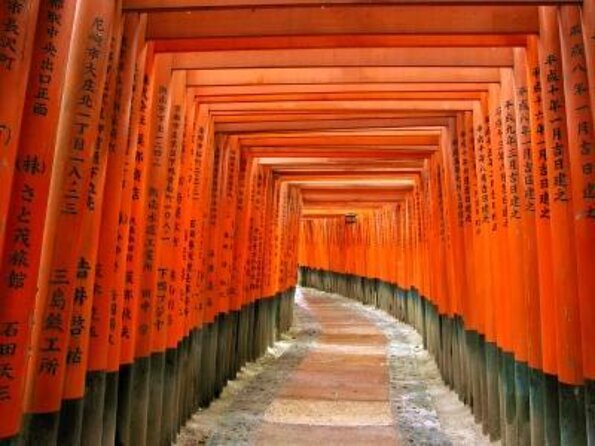
- Fushimi Inari and its endless red gates
- Kiyomizu-dera and the view over Kyoto
- Kinkaku-ji, the Golden Pavilion
- Arashiyama’s bamboo and Togetsukyo Bridge
- The guide can shape the whole day
- Lunch: convenient, but check the menu rules
- Heat, hills, and the real walking demands
- Starting points and timing from Osaka or Kyoto
- Who should book this Kyoto day trip
- Should you book this Kyoto highlights tour?
- FAQ
- How long does the Kyoto highlights tour last?
- Where can I join the tour?
- Is lunch included?
- Are temple admission fees included?
- Is the tour suitable for young children?
- Can I cancel for a full refund?
Key points at a glance
- Four Kyoto icons in one day: Fushimi Inari, Kiyomizu-dera, Kinkaku-ji, and Arashiyama.
- Two departure choices: Meet at Namba’s OCAT building at 8:50 AM or Kyoto Station at 9:05 AM.
- Comfortable transport: The air-conditioned bus includes free Wi-Fi, a welcome feature in Kyoto’s summer heat.
- Lunch is optional: Choose the lunch package or bring your own. Halal and vegan meals are not available.
- A fast, walking-heavy schedule: Allow for temple steps, sloped paths, and plenty of time on your feet.
- Strong overall feedback: The experience is rated 4.7 out of 5, with 95 percent recommending it.
Four famous Kyoto sights without changing trains
For about $66.32 per person, this tour offers a practical way to cover Kyoto’s headline sights from Osaka or Kyoto. The price includes transport, an English-speaking guide, and admission to Kiyomizu-dera and Kinkaku-ji. That is fair value if you want an overview and would otherwise spend the day arranging several train and bus connections.
The bus matters more than it may first appear. Kyoto’s major sights are spread across the city, and moving from the southeastern edge near Fushimi Inari to northern Kinkaku-ji and then west to Arashiyama takes time. You will still face traffic, but you can sit down between stops rather than figuring out each connection while carrying bags or managing children.
The group can reach up to 42 people, so this is not a private or intimate outing. At the same time, several guides have been praised for looking after the group, taking photos, giving clear instructions, and adding recommendations. Guide quality can vary, so your experience may depend partly on who leads your departure.
A few more Kyoto tours and experiences worth a look
Fushimi Inari and its endless red gates
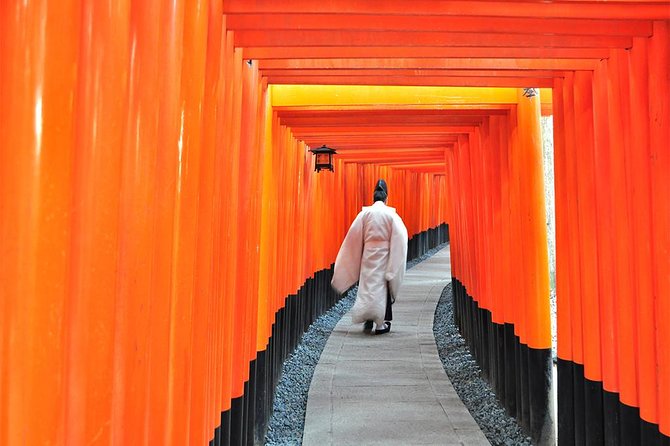
Your first stop is Fushimi Inari Taisha, the most visually striking start to the day. The shrine is known for its thousands of vermilion torii gates, which line the mountain paths in long, shaded corridors. These gates were donated over time by individuals and businesses seeking good fortune, especially in agriculture and commerce.
You have about one hour and 20 minutes here. That gives you enough time to pass through the lower gate tunnels, take photos, and get a taste of the wooded route. It is not enough time to walk all the way up Mount Inari and back, so keep your expectations realistic.
This is one of the places where the tour’s pace becomes clear. If you want a quiet, extended walk through the gates, you will prefer visiting independently. If you mainly want to see the famous lower sections and keep moving, the allotted time works well.
Wear shoes with a good grip. Even the lower paths can involve slopes and steps, and the tour requires walking at every stop. In warm weather, take water with you and use the shaded stretches when you can.
Kiyomizu-dera and the view over Kyoto
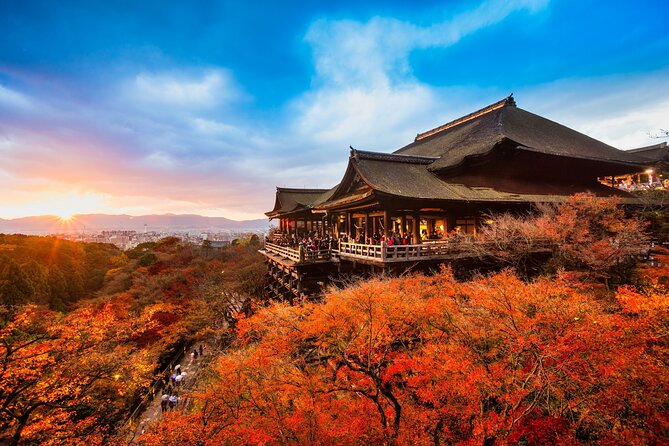
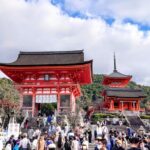
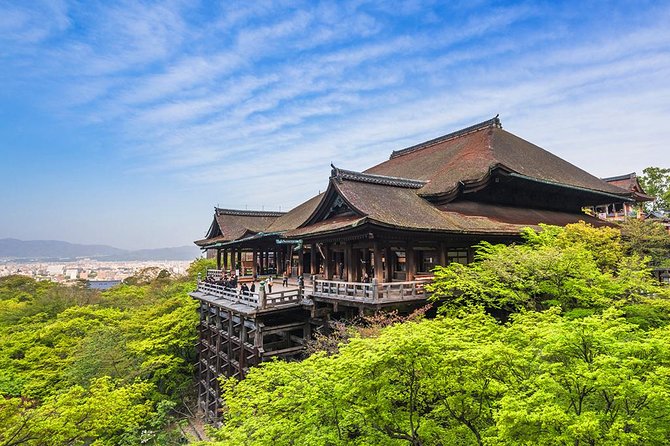
Kiyomizu-dera gives you the classic temple experience: a large wooden stage projecting from the hillside, traditional buildings, and broad views over Kyoto. The main wooden structure was built with an impressive interlocking technique and no nails, a detail your guide should explain during the visit.
You have roughly one hour and 40 minutes, the longest stop of the day. That extra time helps because the complex has several sections, shops, lanes, and viewpoints. The approach includes slopes and stairs, and the temple grounds can be crowded, so the walking may feel more demanding than the schedule suggests.
I would use this stop for more than a quick photograph. Look across the wooden stage toward the city, then allow time for the surrounding temple grounds. The view changes with the weather, and summer haze can soften the skyline, but the setting on the hillside remains memorable.
This is also one of the included admissions, along with Kinkaku-ji. That makes the ticket price easier to justify, especially if you are comparing the tour with a simple bus transfer that does not include entry.
Kinkaku-ji, the Golden Pavilion
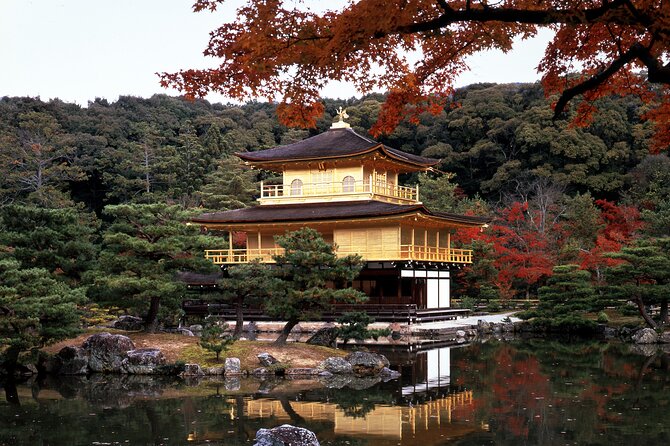
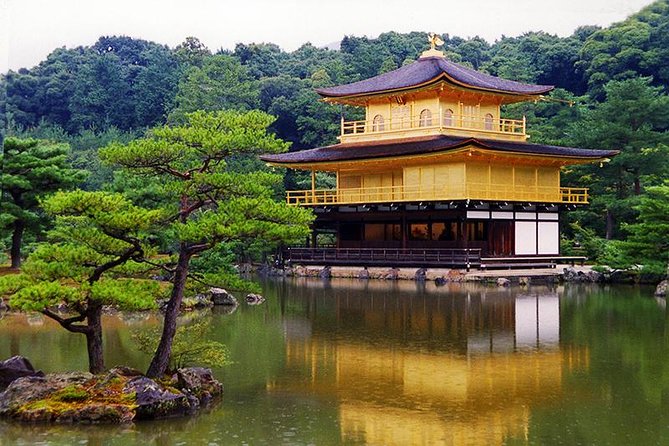
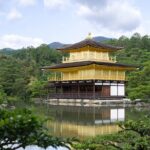
Kinkaku-ji is a short visit, with about 45 minutes scheduled. The Zen temple’s gold-leaf-covered pavilion sits beside a pond and traditional gardens. You will follow a set route around the grounds, stopping at the main viewing points rather than entering the pavilion itself.
The short time is enough for the essential view and a walk through part of the garden. It is not designed for slow wandering or a long look at every detail. The gold surface photographs especially well in good weather, but this stop can feel brief if you enjoy garden design or want time for careful observation.
Your admission is included. As at Kiyomizu-dera, listen for the guide’s explanation of the site’s former role as the villa of the Ashikaga shogun and its later use as a Zen temple. The historical setting helps turn a famous picture into a place with a story.
Arashiyama’s bamboo and Togetsukyo Bridge
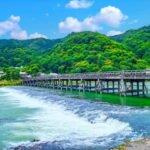
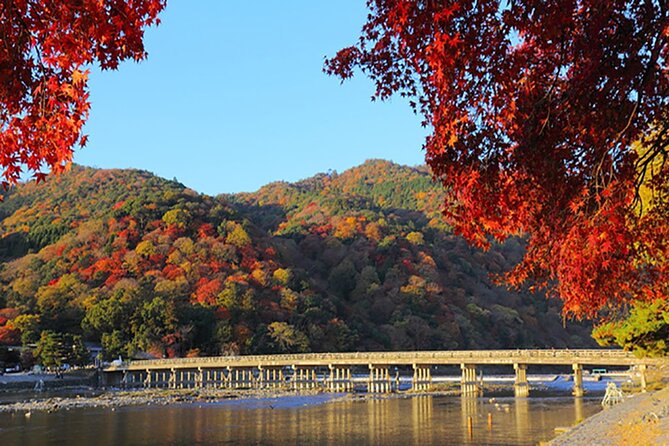
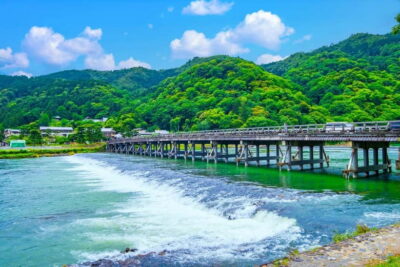
The final major stop is Arashiyama, where you walk through the Sagano Bamboo Forest and see Togetsukyo Bridge, also called the Moon-Crossing Bridge. The bamboo path is cool and shaded in places, which can feel like a relief after the exposed temple grounds.
You have about one hour and 20 minutes. That is enough to walk through the best-known section, take pictures, and see the bridge. It is not enough to explore all of Arashiyama, and the most famous bamboo lanes can be crowded. You will need to stay aware of the meeting time.
Arashiyama is the stop most likely to leave you wanting more. The bamboo forest is compact compared with the way it appears in photographs, and a short group visit cannot cover every temple, garden, and riverside path in the district. Still, it gives you the essential first look without requiring another day in Kyoto.
If Arashiyama is your main reason for visiting Kyoto, I would book a separate visit on another day. If you want a broad introduction to the city, this stop rounds out the tour nicely with nature and river scenery after three historic religious sites.

The guide can shape the whole day
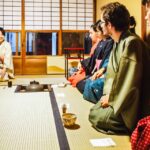
The tour promises an English-speaking guide, and the strongest experiences come when the commentary is clear and active. Guides including Maria, Naomi, Hama, Alice, Ma-chan, Maiki, Milo, Kenji, and Tet/Ted have been singled out for their care, humor, explanations, photographs, and practical instructions.
Naomi has been praised for offering family-friendly help, taking pictures, and giving useful ideas for the rest of a Japan trip. Hama is noted for finding good photo spots and explaining the sites in clear English. Tet/Ted has been described as especially welcoming to first-time visitors, with suggestions about Japanese customs and places to visit.
You should also know about the weak point. Some departures have had limited English commentary, while another guide was criticized for giving too few facts. In a multilingual group, explanations may also take longer or be repeated in Japanese, reducing the time available for English. If detailed interpretation is your top priority, confirm the language arrangement before booking and bring a small guidebook or saved notes as backup.
The tour works best when the guide gives a short explanation on the bus, clear instructions at each site, and then lets you explore. Several strong experiences followed that pattern, with a good balance between organized walking and personal time.
Lunch: convenient, but check the menu rules
You can choose a lunch-included option or bring your own. A lunch package removes one decision from a busy day, and several visitors found the meal enjoyable, including one description of it as especially photogenic.
Do not choose the lunch option if you need halal or vegan food, since those meals are unavailable. Vegetarian requests require direct contact with the operator at least three days before departure. The safest choice for strict dietary needs is the no-lunch option, followed by bringing food you know you can eat.
There is a lunch break during the tour, but this is still a sightseeing day rather than a food-focused experience. I would select the included meal if convenience matters more than restaurant choice. Bring your own if you want a particular diet, need larger portions, or prefer to use the break on your own terms.
Heat, hills, and the real walking demands
The air-conditioned bus is a major advantage in July and August. One departure took place in 38-degree weather, and the cool bus provided a useful break from the heat and sudden rain. Kyoto’s summer humidity can make a normal walking day feel much harder, so plan accordingly.
You will walk on temple grounds, through shrine paths, along bamboo lanes, and up and down hills and stairs. A stroller may be folded and stored with the luggage, but the routes themselves can be awkward with a stroller. Families should be ready to carry or maneuver it over uneven sections.
Children aged two and under travel free, but no seat or meal is included, and the child must sit on an adult’s lap. Most people can participate, but this is not a low-effort sightseeing program. Older adults and anyone with limited mobility should consider the slopes, stairs, heat, and need to keep up with a group.
Comfortable shoes, water, sun protection, and a small umbrella are sensible choices. The schedule can change because of traffic or weather, and safety takes priority over keeping every stop exactly on time.
Starting points and timing from Osaka or Kyoto
From Osaka, meet at Namba OCAT 1F near Daiso at 8:50 AM. From Kyoto, meet at Kyoto Station’s Hachijo Exit Tourist Bus Parking at 9:05 AM. Check in at least 10 minutes early. The bus will not wait for late arrivals, so allow extra time to find the correct area.
The Kyoto departure is particularly convenient if you are already staying near Kyoto Station. The Osaka option is useful if Kyoto is a day trip from Osaka and you do not want to plan the intercity journey and local sightseeing separately.
Hotel pickup and drop-off are not included. You must reach the meeting point yourself, and the bus returns you to the starting point at the end. Mobile ticketing keeps the booking simple, but save the ticket where you can access it without a strong signal.
Who should book this Kyoto day trip
I would recommend this tour to a first-time visitor with only one free day in Kyoto. It covers the city’s most recognizable sights and removes much of the transport planning. It also suits families and visitors who appreciate an air-conditioned base between long walks.
It is a good fit if you want:
- A broad introduction to Kyoto in about 10 hours
- Transport from Osaka or central Kyoto
- Included entry at two major temples
- An English-speaking guide and basic site explanations
- A simple lunch option
- A mobile ticket and fixed schedule
I would hesitate if you want quiet temple visits, long photography sessions, deep historical discussion, or a flexible day. Independent sightseeing gives you more time at Fushimi Inari and Arashiyama, the two stops most likely to feel short.
The 95 percent recommendation rate and 4.7 out of 5 rating suggest a dependable experience overall, but the language concern is worth taking seriously. Ask yourself what matters most: seeing four major places efficiently, or understanding fewer places in greater detail.
Should you book this Kyoto highlights tour?
Book it if your Kyoto time is limited and you want the major sights handled in one organized day. At $66.32, the bus, guide, Wi-Fi, and two temple admissions create solid value, especially from Osaka. Choose lunch for convenience, or skip it if you need halal, vegan, or very specific vegetarian food.
Do not book it expecting a leisurely cultural study. This is a brisk introduction with hills, crowds, and fixed meeting times. Bring water, wear practical shoes, arrive early, and keep your expectations focused on seeing the highlights rather than uncovering every corner of Kyoto.
FAQ
How long does the Kyoto highlights tour last?
The tour lasts approximately 10 hours, with morning departure and return to the original starting point.
Where can I join the tour?
You can meet at Namba OCAT 1F near Daiso at 8:50 AM, or at the Kyoto Station Hachijo Exit Tourist Bus Parking at 9:05 AM.
Is lunch included?
Lunch is included only if you select the lunch option when booking. You can also choose the option without lunch and bring your own meal.
Are temple admission fees included?
Admission to Kiyomizu-dera and Kinkaku-ji is included. Fushimi Inari and Arashiyama are listed without an admission charge.
Is the tour suitable for young children?
Children aged 0 to 2 can join free, but they do not receive a seat or meal and must sit on an adult’s lap. Folding strollers are allowed and stored with the bus luggage.
Can I cancel for a full refund?
Yes. You can receive a full refund if you cancel at least 24 hours before the experience start time. Changes made less than 24 hours before departure are not accepted, and weather cancellations offer a different date or full refund.
More Osaka & Hiroshima Departures in Kyoto
More tours in Kyoto we've reviewed




Osaka & Hiroshima Departures, compared.
 ★ 4.1Osaka/Kyoto:Kinkakuji,Arashiyama,FushimiInariShrine,NaraParkFrom $66
 ★ 4.7Osaka/Kyoto: Hiroshima Miyajima Bus Tour & Shinkansen TicketFrom $27712 hours
 ★ 4.4Osaka/Kyoto: Arashiyama, Nara & Fushimi Inari Shrine w/LunchFrom $61
 ★ 4.3From Osaka: Sagano Train Ride and Kyoto Guided Day TourFrom $66
 ★ 4.0Kyoto and Nara Day Trip from OsakaFrom $198
 ★ 5.0Full Day Guided Tour to Kyoto and Nara from Osaka by VanFrom $96