
Reviewed · NARA DAY TRIPS
3 Day Japan Highlights Tour: Tokyo, Mt.Fuji, Nara, Kyoto, Osaka
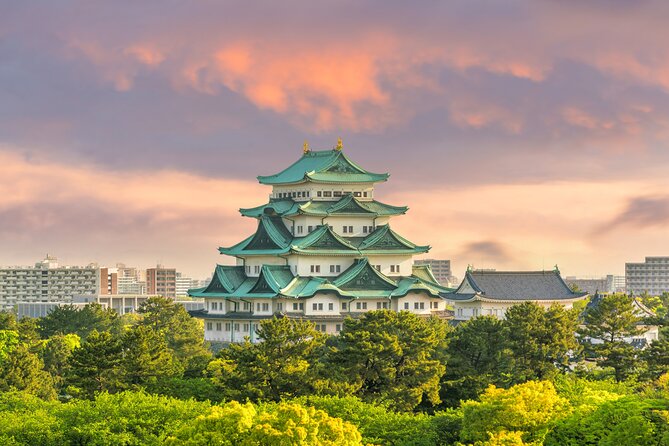
Japan’s biggest challenge is not finding places worth seeing. It is fitting them together. This three-day small-group tour links Kamakura, Hakone, Mt. Fuji, Nara, Kyoto, and Osaka without making you solve every train connection and hotel change yourself. You travel by air-conditioned vehicle, with an English-speaking guide and a maximum group size of 23.
I especially like the mix of famous sights and less obvious stops, from Hakone’s sulfur vents and Lake Ashi cruise to a thatched-roof village near Mt. Fuji. I also like the flexibility promised by guide Matt, who has adjusted the day around guests’ interests. The catch is simple: this is a whirlwind tour, not a slow look at Japan. Expect long days, extra admission costs, and only a short taste of each major city.
In This Review
- Key points to know before booking
- A fast route from Tokyo to Osaka
- Day one: Kamakura’s Buddha, Hakone’s volcano, and Lake Ashi
- Day two: Mt. Fuji villages and a night in Nagoya
- Day three: Nara deer, Kyoto temples, and Osaka after dark
- What the price really covers
- Who will get the most from this tour
- Should you book it?
- FAQ
- Where does the tour start?
- Where does the tour finish?
- How long is the experience?
- What is included in the price?
- Are meals included?
- Are attraction admission fees included?
- How large is the group?
- Can I cancel for a full refund?
Key points to know before booking
- Kamakura and Hakone on day one: See the Great Buddha, Hasedera, Enoshima, Owakudani, Lake Ashi, and Hakone Shrine in one packed day.
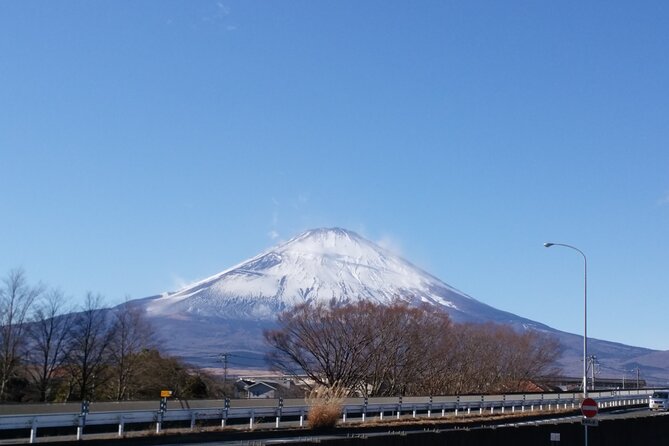
- Mt. Fuji depends on the weather: Oshino Hakkai, Oishi Park, and Lake Kawaguchi offer excellent viewpoints, but clear views are never guaranteed.
- A smart route for first-time visitors: The tour moves mainly west from the Tokyo and Narita area, finishing in Osaka instead of returning you to Tokyo.
- The guide can shape the experience: Matt is named as the main guide, with flexibility for particular interests and cultural questions.
- Budget beyond the tour price: The $1,310.55 cost includes transport, two breakfasts, parking, tolls, and three-star lodging, but not lunches, dinners, or most admission fees.
- Good for ordinary fitness levels: Most stops involve short walks, though the schedule and repeated boarding of the vehicle can be tiring.
A fast route from Tokyo to Osaka
At $1,310.55 per person, this is not a bargain-basement bus tour. But the price covers a lot of costly practical work: an air-conditioned vehicle, WiFi on board, road tolls, parking, two breakfasts, three-star accommodation, and an English-speaking guide. You are paying for a route that would take careful planning to reproduce by public transport.
The value is strongest if you want to see Japan’s major cultural stops but do not want to manage luggage, regional transport, and hotel changes. It is weaker if you already know Japan’s rail system, prefer independent dining, or want long blocks of time in Tokyo, Kyoto, or Osaka.
The tour begins around Tokyo or Narita, with the listed meeting point at Narita Airport Terminal 2 and 3 Station. Pickup is offered, but you should confirm the exact pickup arrangement before booking, especially if you are staying in Tokyo rather than arriving at Narita. The final location is different from the starting point, which is useful if Osaka is your next stop, but you should confirm the precise end point.
The group limit of 23 is small enough for a more personal feel than a large coach. It is still large enough that each stop needs firm timing. Guide Matt’s flexibility is a real advantage here. The experience is best approached as a guided sampler, with enough structure to keep moving and enough room to ask for special interests when conditions allow.
Day one: Kamakura’s Buddha, Hakone’s volcano, and Lake Ashi
The opening day begins with a handsome coastal run toward Kamakura, Japan’s former capital. The first stop is Kotoku-in, home of the Great Buddha, an 11-meter bronze figure cast in 1252. You get about 30 minutes here, enough to admire the statue and its setting, though not enough for a slow study of every corner.
Admission is not included, so keep some yen ready. The short visit works well for a first look, but anyone deeply interested in Kamakura’s temples may want more time than this schedule allows.
Nearby Hasedera gives you a different kind of experience. The temple holds a nine-meter wooden statue of the goddess of mercy, along with gardens, ocean views, and an underground passage. The 40-minute stop should let you see the main features and enjoy the setting without turning the morning into a temple marathon.
I like that Enoshima follows. This scenic island adds sea air and a change of pace after the temples. You can visit part of the shrine complex, watch surfers, see the sea caves, or choose lunch at one of the seafood restaurants. One hour is enough to get a feel for the island, but you will need to choose your priorities.
Lunch is not included, so Enoshima is a natural place to buy your own meal. Regional specialties are part of the appeal, and the tour description specifically allows for tasting local foods along the way.
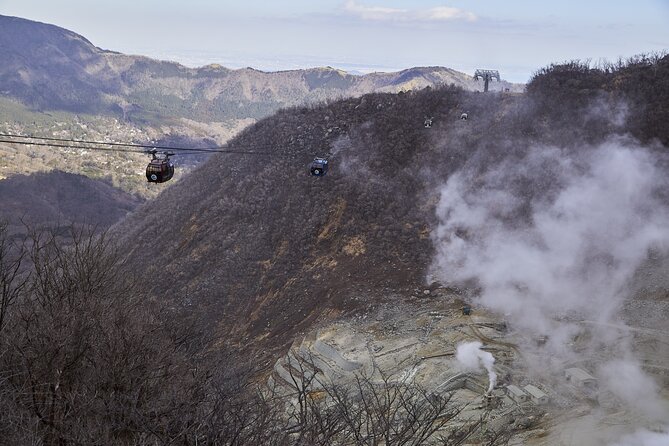
The afternoon shifts inland to Hakone and becomes more unusual. The Hakone Ropeway provides mountain views and a foot bath before your gondola ride down the mountain. The listed admission is 2,000 yen, paid separately. This is one of the tour’s more memorable transport experiences, but weather can affect what you see.
At Owakudani Valley, sulfur steam rises from the old crater area. You have only 15 minutes, so this is a quick photo and snack stop rather than a long walk. Try a kuro-tamago, the black egg boiled in the sulfur springs, if you want one of Hakone’s most recognizable local treats.
Next comes the Hakone Pirate Ship from Tōgendai Port. The one-hour cruise crosses Lake Ashi, an old volcanic crater lake, and can offer Mt. Fuji views on a clear day. Admission is 1,700 yen and is not included. The boat is a pleasant break from road travel, though the famous mountain view is entirely weather dependent.
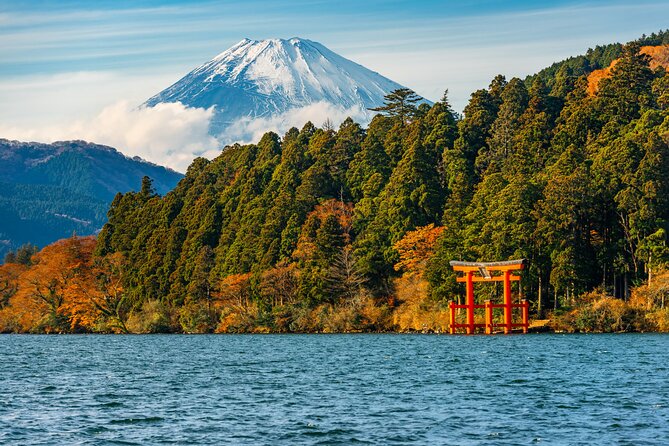
Hakone Shrine brings the day back to quiet cedar woods. You can visit the shrine complex or the torii gate set at the edge of Lake Ashi. The shrine dates to 757, and its forest setting gives you a stronger sense of place than a quick roadside photo stop.
The final drive uses the Lake Ashinoko Skyline, with views toward the Pacific, Lake Ashi, and Mt. Fuji when the weather cooperates. The route may also offer glimpses of deer and raccoon dogs. This is a scenic driving day, but it is also a long one. If you tire easily, the frequent stops and vehicle transfers may be more demanding than the walking itself.
Day two: Mt. Fuji villages and a night in Nagoya
Day two focuses on the foothills and villages around Mt. Fuji. The first stop includes local tasting and views of tea plantations. It is brief, only about 20 minutes, but it gives the morning a regional flavor before the more famous viewpoints.
Oshino Hakkai is one of the day’s better stops for a sense of rural Japan. The pretty village is known for eight clear ponds, small shops, and local specialties. You have about an hour, enough to walk around and buy snacks without feeling rushed.
Kitaguchi Hongu Fuji Sengen Jinja offers a quieter counterpoint. Set in a cedar forest at Mt. Fuji’s base, this old shrine is described as the traditional starting point for the climb. The 30-minute visit is short, but the tall trees and shrine approach should feel very different from the commercial areas around the viewpoints.
Oishi Park is a dedicated Mt. Fuji lookout beside Lake Kawaguchi. The schedule calls for a 20-minute stop, and the best views are said to come on clear mornings. That timing matters. Clouds often decide how rewarding a Fuji-viewing day will be, so treat the mountain as a bonus rather than a promise.
At Saiko Iyashi no Sato Nemba, you can put on a kimono or samurai armor and walk through a rebuilt traditional village of thatched-roof houses. This is one of the tour’s more hands-on stops and a good choice if you want photographs and a glimpse of old village design. Admission is 500 yen extra.
Fugaku Wind Cave takes you underground into lava tubes formed at Mt. Fuji. The natural ice inside acts like a refrigerator for much of the year. The cave visit lasts about 30 minutes and costs 300 yen. Wear sensible shoes and be aware that cave surfaces may feel uneven, even though the tour is described as suitable for most fitness levels.
Aokigahara Forest receives only 10 minutes, so do not expect a long forest walk. It is a brief look at one of Japan’s most famous woodland areas, followed by Shiraito Falls. The waterfalls are reached by a short walk, and you have 40 minutes to see them and buy local snacks.
The route then continues to Nagoya, where you spend about an hour in the Sakae district. Sakae is known for colorful shops and restaurants, making it a practical place for dinner at your own expense. The stop is limited, so think of it as an evening orientation rather than a full Nagoya visit.
This day is strongest for scenery and variety. You move from ponds to shrines, lakes, a traditional village, a lava cave, forest, and waterfalls. The drawback is that the experience can feel like a checklist if you want to linger. Still, for a first trip, the range is impressive.
Day three: Nara deer, Kyoto temples, and Osaka after dark
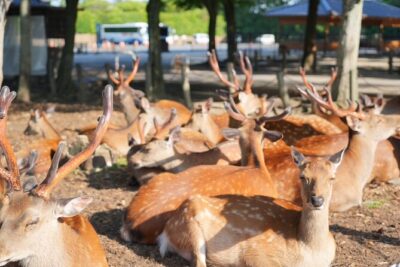
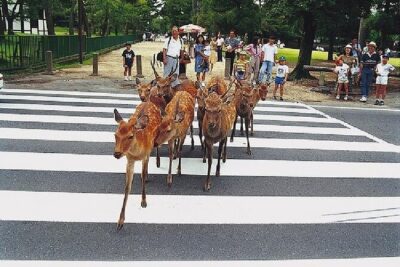
Day three starts in Nara Park, where the deer wander among the paths. Two hours gives you enough time for a guided walk and a relaxed look at the park. The deer are famous for approaching people, so keep food and belongings under control and follow the guide’s instructions.
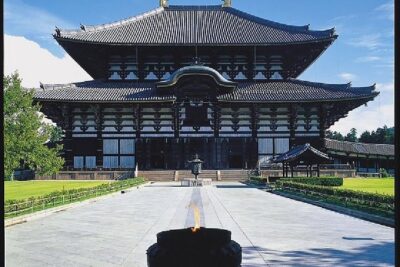
Todai-ji is the major cultural stop. Founded in 738, it houses one of the world’s largest bronze Buddha statues inside an enormous wooden temple. You have one hour, with an 800-yen admission fee paid separately. The scale is the point here: even visitors who have seen many Japanese temples may find the building and statue memorable.
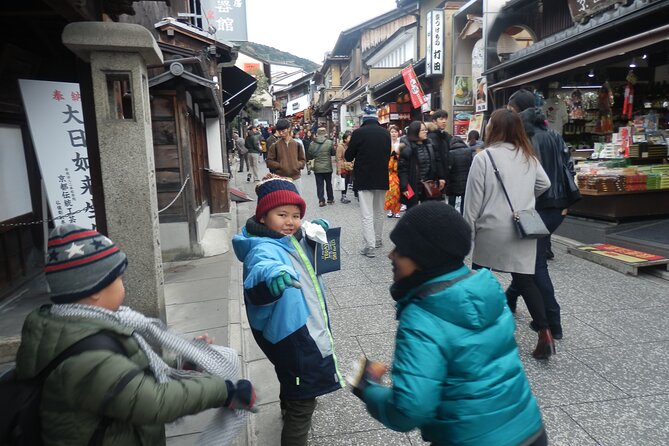
Kyoto follows with Kiyomizu-dera and its traditional shops. You get an hour at the World Heritage temple, and the route is planned to avoid much of the worst crowd pressure. That does not make Kyoto quiet, but it can make the visit less frustrating.
Entoku-in adds a smaller, more intimate setting. It was the family home and garden of Nene, Toyotomi Hideyoshi’s wife, and was built in 1605. The stop lasts about 40 minutes. A short tea ceremony is available for an additional 1,300 yen, giving you the chance to add a cultural activity without committing to a long formal program.
Arashiyama’s famous bamboo forest is scheduled for an hour. It is a beautiful place, but the narrow path can be busy and the visit is short. The tour also offers a less crowded bamboo grove at Kotoku-in if time is tight. That flexibility matters, since the popular Arashiyama route may not deliver the peaceful mood you expect from photographs.
Fushimi Inari-taisha closes the Kyoto portion. Its thousands of orange torii gates form a tunnel up the mountain, and the main shrine dates to 1499. Forty minutes lets you see the lower section and begin the climb, but not complete a serious hike. Plan on turning back when the guide sets the meeting time.
The final stop is Dotonbori in Osaka, with one hour to explore its back alleys, restaurants, and entertainment district. Dinner is not included, so this is your chance to choose your own meal. It is a fitting end to a tour that moves from temples and shrines to Japan’s more playful urban side.
What the price really covers
The price makes the most sense when you count the included transport and route planning. You avoid arranging separate transfers between the Tokyo area, Hakone, Mt. Fuji, Nagoya, Nara, Kyoto, and Osaka. Parking and road tolls are covered, which removes several annoying costs from a road trip.
Two breakfasts and three-star accommodation are included. The hotel standard is practical rather than luxurious, and the accommodation details are not specified, so do not book this expecting a boutique stay or a traditional inn.
You still need to budget for admissions. Known extra costs include:
- Hakone Ropeway: 2,000 yen
- Hakone Pirate Ship: 1,700 yen
- Saiko Iyashi no Sato Nemba: 500 yen
- Fugaku Wind Cave: 300 yen
- Todai-ji: 800 yen
- Kiyomizu-dera: 500 yen
- Optional tea ceremony at Entoku-in: 1,300 yen
Lunches and dinners are also separate. That is not a flaw, since choosing your own food is often better than being tied to a group menu, but your actual trip cost will be higher than the headline price.
Who will get the most from this tour
I would choose this experience if you are visiting Japan for the first time and want a broad introduction without handling every transfer yourself. It suits adults, families, and people with ordinary fitness who prefer a guide to explain cultural details as they go.
It is also useful for an open-jaw trip. You can begin near Tokyo or Narita and finish in Osaka, avoiding a return journey. The company also says the route can be tailored and extended, including extra days in Tokyo, continuation to Hiroshima, or a return through the Japan Alps. Those options should be discussed before booking because the published experience itself lasts about three days.
I would hesitate if Kyoto is your main goal. One day can show you Kiyomizu-dera, Entoku-in, Arashiyama, and Fushimi Inari, but it cannot give you much quiet time in any of them. I would also hesitate if you dislike early starts, long drives, or changing plans around mountain weather.
The strongest praise connected with this experience centers on guide Matt’s full itinerary, cultural explanations, and willingness to adjust the day around particular interests. That makes the guide especially important. Ask about the exact route, pickup, accommodation, and final drop-off before paying.
Should you book it?
Book this tour if your priority is maximum geographic coverage in minimum time. You will see far more than you could comfortably organize in three days, and you get a useful mix of temples, shrines, villages, mountain scenery, food stops, and city nightlife.
Skip it if you want a slow Kyoto stay, a guaranteed Mt. Fuji view, or independent control over every hour. The schedule is demanding, and admission fees and meals add to the cost.
For the right person, this is an efficient first look at central Japan. Go in expecting a sampler, keep your expectations flexible on weather, and treat Matt’s local guidance as part of the value. The experience is highly rated, with all listed recommendations positive, but its success depends on being comfortable with a fast pace.
FAQ
Where does the tour start?
The listed meeting point is Narita Airport Terminal 2 and 3 Station in Narita, Chiba. Pickup is also offered from Tokyo or Narita, so confirm your exact meeting arrangement before departure.
Where does the tour finish?
The activity ends in a different location from the start. The route finishes in Osaka at Dotonbori, but you should confirm the precise final drop-off point.
How long is the experience?
The tour lasts approximately three days.
What is included in the price?
The price includes WiFi on board, an air-conditioned vehicle, parking fees, road tolls, three-star accommodation, and two breakfasts.
Are meals included?
Two breakfasts are included. Lunch and dinner are not included.
Are attraction admission fees included?
Most admission fees are extra. Listed costs include the Hakone Ropeway, Hakone Pirate Ship, Saiko Iyashi no Sato Nemba, Fugaku Wind Cave, Todai-ji, and Kiyomizu-dera. The Lake Ashinoko Skyline and several outdoor stops are included or free.
How large is the group?
The tour has a maximum of 23 participants.
Can I cancel for a full refund?
Yes. You must cancel at least six full days before the experience start time for a full refund. Cancellation two to six days before departure receives a 50 percent refund, while cancellation within two days is nonrefundable.
Nara Day Trips, compared.
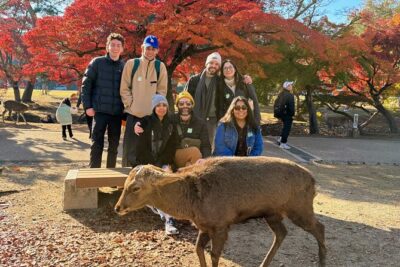 ★ 5.0World Heritage Kyoto & Nara Uji Authentic Matcha ExperienceFrom $129
 ★ 4.7Kyoto/Osaka: Nara, Fushimi Inari Taisha, Arashiyama Bus TourFrom $529 - 10 hours
 ★ 4.4Osaka/Kyoto: Arashiyama, Nara & Fushimi Inari Shrine w/LunchFrom $61
 ★ 5.0Nara Early Morning Tour (Kyoto or Osaka Departure Available)From $61
 ★ 4.5Kyoto and Nara Day Trip from KyotoFrom $194
 ★ 4.5Nara Afternoon Tour from Kyoto or OsakaFrom $102