
Reviewed · NARA DAY TRIPS
Nara Afternoon Tour from Kyoto or Osaka
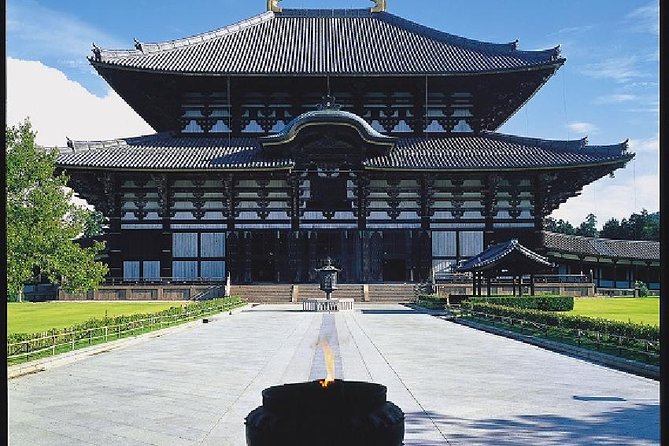
Nara’s Great Buddha and free-roaming deer make this one of Japan’s most memorable short excursions. In a single afternoon, you see the huge wooden hall at Todai-ji, walk through Nara Park, and visit Kasuga Grand Shrine, a place filled with old stone and bronze lanterns.
I like the ease of round-trip transport and the useful historical commentary from guides such as Yuki, KC, and Mo Mo. I also like that admission and transportation are included, so you can focus on the sights instead of sorting out train connections and local tickets. The catch is time: the walk from the coach parking area to Todai-ji takes about 25 minutes each way, and some people find the schedule hurried.
In This Review
- Key points to know before booking
- Why Nara makes a strong half-day trip from Kyoto
- The long approach to Todai-ji Temple
- Meeting Nara’s deer in a 1,250-acre park
- Kasuga Grand Shrine and its lantern corridors
- What the guide adds to the day
- Transport, price, and the real value
- Who will enjoy this Nara afternoon tour
- Timing, cancellation, and small practical details
- Should you book this Nara tour?
- FAQ
- How long does the Nara afternoon tour last?
- Where does the Kyoto tour depart from?
- Is transportation included?
- Is an English guide included?
- Which places are visited?
- How much walking is involved?
- Are meals included?
- Can I cancel for a full refund?
Key points to know before booking
- Todai-ji’s Great Buddha Hall: See one of the world’s largest wooden buildings and its immense bronze Buddha.
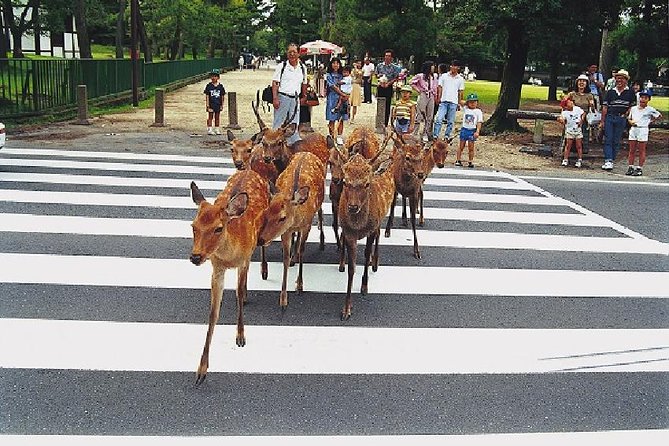
- Nara’s famous deer: More than 1,000 deer roam the 1,250-acre park, but feeding time can be short.
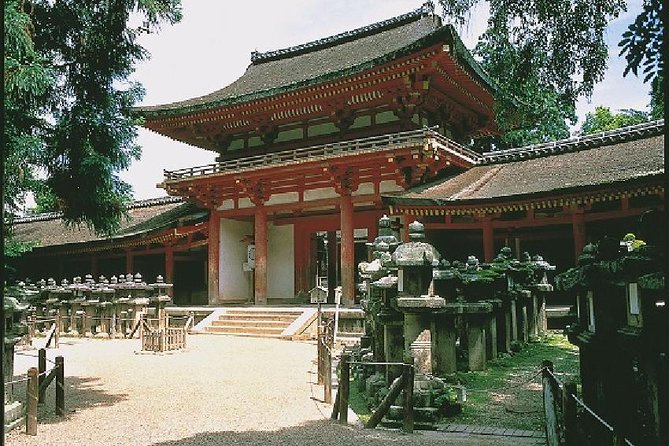
- Kasuga Shrine lanterns: The shrine contains about 3,000 antique stone and bronze lanterns.
- Afternoon timing: The tour lasts about 5 hours 40 minutes, making it a practical add-on from Kyoto.
- Long walking sections: You walk from the parking area to Todai-ji and back, with more walking around the temple and shrine.
- Group size and pacing: The coach can carry up to 40 people, so late arrivals or slower walkers can affect everyone’s free time.
Why Nara makes a strong half-day trip from Kyoto
Nara was Japan’s first permanent capital, established in 710 under the name Heijo. For a time, it was the country’s political and religious center, with major Buddhist temples shaping public life and government.
The capital later moved to Nagaoka in 784, but Nara kept its temples, shrines, and old religious traditions. That history gives the day a clear shape. You are not simply looking at a big statue and feeding deer. You are seeing the remains of a city that helped form early Japanese culture.
The tour leaves in the afternoon from the Avanti Tour Desk near Kyoto Station. The listed duration is about 5 hours 40 minutes, though traffic and crowd conditions can alter arrival times. This timing works well if you want a morning in Kyoto and still hope to see Nara without planning the railway connections yourself.
The Osaka option is less direct. An English-speaking assistant accompanies you from Hotel Granvia Osaka to the Sunrise Tours Desk in Kyoto Avanti, then from Kintetsu Nara Station to Osaka Namba Station. That transfer arrangement is useful, but you should understand that the licensed guide is not with you for every part of the Osaka connection.
A few more Kyoto tours and experiences worth a look
The long approach to Todai-ji Temple
Todai-ji is the first major stop, with about 1 hour and 10 minutes allocated. It is a World Heritage site and a symbol of the Nara period.
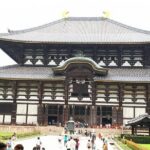
The main attraction is the Daibutsuden, or Great Buddha Hall. This vast wooden structure was built in the eighth century and houses a huge bronze Buddha. The scale is the point. The hall feels enormous even before you take in the statue, and the combination of timber construction and religious purpose gives the visit real weight.
Your guide can add context about Buddhism, the Nara period, and the role of the temple. Several guides have been praised for clear explanations and an entertaining manner, with Yuki and KC receiving especially warm attention. Guide quality can vary, but the experience is strongest when the commentary helps you notice details rather than simply move you from one gate to the next.
The main practical issue is the walk. The coach cannot pull up beside the temple entrance, so you walk roughly 25 minutes each way from the parking area. That may be close to a mile in total, depending on the exact route and movement within the grounds.
This matters because the listed 1 hour 10 minutes includes the temple visit, movement through the area, and time needed to return. If you stop often for photographs, walk slowly, or want to spend a long time with the deer afterward, your free time can shrink quickly.
You should wear comfortable shoes and keep your group in sight. The walking is not presented as difficult, but it is longer than the short ride-and-step-out format some people expect from a bus excursion.
Meeting Nara’s deer in a 1,250-acre park
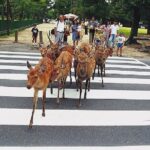
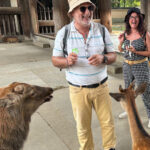
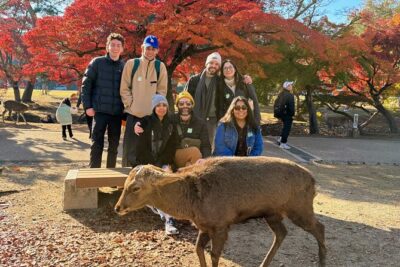
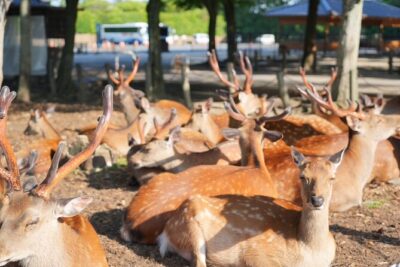
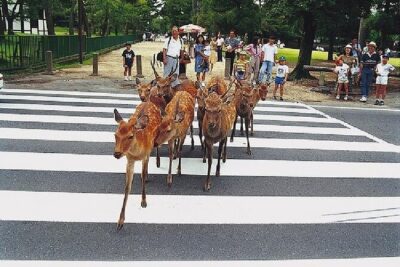
Nara Park covers about 1,250 acres and is home to more than 1,000 deer. These animals are one of Nara’s defining sights. They wander through the park, graze near paths, and approach people who have food.
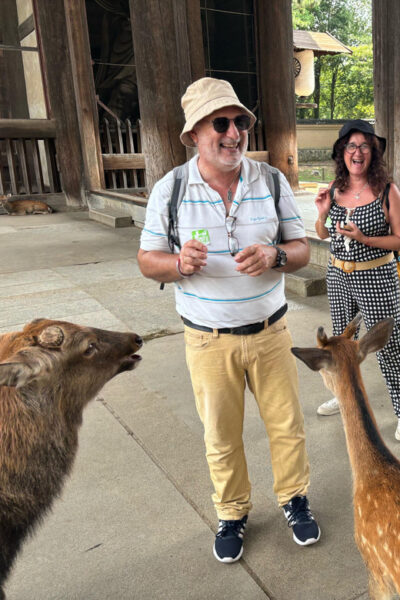
The deer are often described as tame and interactive. You may see them bowing for treats, a behavior that has become part of the park’s famous appeal. The animals are still wild creatures, though, and one visitor found them more aggressive than expected. Keep food tucked away when you are finished, and give the deer space if one becomes pushy.
The tour’s schedule does not give a separate long block of time for feeding deer. Your time in the park is tied to the Todai-ji visit and the movement toward the next stop. Some people find this perfectly adequate for a first look. If your main goal is to feed deer, take photographs, and wander without a clock, an independent visit may suit you better.
One especially useful point: make sure you know where deer crackers are sold before the group moves on. If you spend the whole temple stop following the guide and do not buy food until late, you may have little time left to use it.
The park is also where the tour can feel least predictable. Deer may gather near paths, while other areas feel quieter. Traffic, crowds, and the pace of the group can all change how long you have to explore.
Kasuga Grand Shrine and its lantern corridors
Kasuga Grand Shrine receives about one hour. This Nara-period Shinto shrine is linked to the deer, which are regarded as messengers of the shrine’s deities.
The shrine is known for its collection of roughly 3,000 stone and bronze lanterns. They give the grounds a distinctive character, especially as you move toward the sanctuary and notice lanterns hanging along the corridors.
From January 2025, the schedule includes the Main Sanctuary special visit area. This lets you get closer to the Main Sanctuary and view the hanging lanterns in the corridor. It is a worthwhile addition because the lanterns are one of the shrine’s most memorable details, and the special area gives you a closer look than a quick exterior visit.
There is an important limitation. The Main Sanctuary special area can be closed because of ceremonies, events, or operating conditions. If that happens, the itinerary may substitute the Kasuga Taisha Museum or the Todaiji Museum. You do not receive a refund for that change.
The Treasures Hall and Manyo Botanical Gardens are not included. Also, the phrase included admission can be confusing here. It refers to the included portions of the scheduled visit, not every ticketed attraction within the shrine complex. If you want the gardens or Treasures Hall, plan on paying separately if time and access allow.
The hour at Kasuga is enough for a guided introduction and photographs, but not for an unhurried study of every corner. Stay aware of the meeting point and departure instructions. Confusion about where to rejoin the group has caused delays, and a late departure can cut into the final stop for everyone.
What the guide adds to the day
A good guide changes this excursion from a sightseeing shuttle into a useful introduction to Nara. The strongest guides explain the connection between the deer, Kasuga Shrine, Buddhism, and the old capital. They also help you manage the walking route and meeting times.
Yuki has been praised for being organized, clear, and attentive. KC is noted for explaining Japanese culture and history in an approachable way. Mo Mo has been described as lively and informative, while other guides have brought humor to the temple commentary. The guide assigned to your departure is not guaranteed, so you should see these names as examples rather than a promise.
English ability and delivery can vary. Some people find the explanations excellent, while others feel that directions are not concise enough or that the English is harder to follow. This is a group tour, and your experience depends partly on how well the guide balances stories, instructions, and movement.
The coach can carry up to 40 people. That is not a tiny group. A larger party makes the cost of transport and guiding more predictable, but it also means you cannot set your own pace. If one person is late or struggles with the walk, the next part of the afternoon may be shortened.

Transport, price, and the real value

The price is $102.38 per person. That is not the cheapest way to reach Nara, since you can use public transport and arrange temple visits independently. The fair comparison is not simply bus fare versus tour price. You are also paying for return transportation, an English guide, entrance fees, and a planned route linking three major sights.
I think the value is reasonable if you want structure and historical explanation. The bus ride removes the worry of changing trains or finding the correct local connection after arriving in Nara. It also gives you a fixed return to Kyoto, which can be reassuring after a full day of sightseeing.
The value is weaker if you want a slow day. You pay for convenience, but you give up control. There is no included lunch or drink, no hotel pickup or drop-off, and no promise that you will have a long stretch to sit with the deer.
Bring water and eat before departure or carry something with you. Food is not included. Comfortable shoes are more important than stylish ones, since the walk to Todai-ji is a meaningful part of the afternoon.
The vehicle is described as comfortable, and one guide even had spare umbrellas available during sudden heavy rain. Still, weather can affect the walking sections, so check the forecast and bring rain protection if needed.
Who will enjoy this Nara afternoon tour
This is a good choice for you if:
- You have limited time in Kyoto and want to add Nara without planning the route yourself.
- You want an English guide to explain the temples, shrine customs, and local history.
- You prefer a set schedule with transport and admissions handled in advance.
- You are comfortable walking for extended periods and keeping to group meeting times.
- You want a first look at Todai-ji, Kasuga Shrine, and the deer park in one afternoon.
You may prefer to go independently if feeding deer is your top priority, if you want to explore every museum and garden, or if you dislike large groups. The train gives you more control over how long you stay at each place, though you will need to arrange tickets, directions, and local movement yourself.
Families should note that children up to age five may join free, but they do not receive a bus seat unless booked at the child rate. Anyone under 18 needs written parental permission. Anyone under 15, or not yet enrolled in middle school, must travel with a parent or guardian.
Most people can take part, and service animals are allowed. The main concern is stamina for the walking and the ability to keep up with a group.
Timing, cancellation, and small practical details
Pickup is at the Avanti Tour Desk near Kyoto Station, not at your hotel. Confirmation arrives within 48 hours of booking, subject to availability, and mobile tickets are accepted.
The order of stops and exact arrival times may change because of road congestion or conditions at the sights. Treat the schedule as a framework rather than a minute-by-minute promise.
You can cancel for a full refund up to 24 hours before the start time. Changes or cancellations made less than 24 hours ahead are not accepted for a refund. The tour is operated by JTB Global Marketing & Travel Inc.
Should you book this Nara tour?
Book it if you want the simplest organized introduction to Nara and you value a guide, included admissions, and return transport more than free time. Todai-ji is powerful even on a short visit, Kasuga’s lanterns give you a different side of Japanese religious tradition, and the deer provide the lighthearted part of the afternoon.
Skip it if you are mainly coming for an extended deer-park visit or if a 40-person coach group sounds tiring. The long walk to Todai-ji and the tight schedule are real drawbacks, not minor footnotes.
For many first-time visitors, this tour works best as an efficient sampler. You will see Nara’s essential sights, learn why they matter, and return to Kyoto without handling the logistics yourself. Just wear good shoes, buy deer food early, listen carefully for the meeting point, and expect a brisk pace.
FAQ
How long does the Nara afternoon tour last?
The tour lasts approximately 5 hours and 40 minutes. Road conditions, traffic, and conditions at the attractions can change the exact timing.
Where does the Kyoto tour depart from?
Pickup is at the Avanti Tour Desk near Kyoto Station.
Is transportation included?
Yes. Return transportation and transportation costs are included. Hotel pickup and drop-off are not included.
Is an English guide included?
Yes. The tour includes the fee for a National Government Licensed English Guide Interpreter. The Osaka departure option also uses an English-speaking assistant for the Osaka to Kyoto and Nara to Osaka connections.
Which places are visited?
The scheduled stops are Todai-ji Temple, Nara Park, and Kasuga Grand Shrine.
How much walking is involved?
You walk from the coach parking area to Todai-ji, which takes about 25 minutes each way. There is also walking within the temple, park, and shrine areas.
Are meals included?
No. Lunch and drinks are not included.
Can I cancel for a full refund?
Yes, if you cancel at least 24 hours before the experience start time. Cancellations or changes made less than 24 hours ahead are not refunded or accepted.
More Nara Day Trips in Kyoto
More tours in Kyoto we've reviewed





Nara Day Trips, compared.
 ★ 5.0World Heritage Kyoto & Nara Uji Authentic Matcha ExperienceFrom $129
 ★ 4.7Kyoto/Osaka: Nara, Fushimi Inari Taisha, Arashiyama Bus TourFrom $529 - 10 hours
 ★ 4.4Osaka/Kyoto: Arashiyama, Nara & Fushimi Inari Shrine w/LunchFrom $61
 ★ 5.0Nara Early Morning Tour (Kyoto or Osaka Departure Available)From $61
 ★ 4.5Kyoto and Nara Day Trip from KyotoFrom $194
 ★ 4.6From Kyoto: Nara Guided Morning TourFrom $774 hours