
Reviewed · FUSHIMI INARI TOURS
Kyoto/Osaka: Nara, Fushimi Inari Taisha, Arashiyama Bus Tour
Nara’s deer, Fushimi Inari’s endless red gates, and Arashiyama’s bamboo forest make this a very full day in Japan’s cultural heartland. You move between three major sights without wrestling with train routes, platform changes, or confusing bus connections. Guides such as Amy, Willa, Fiona, and Christine are known for clear directions, humor, history, and keeping the group together.
I like the strong mix of nature and sacred places, from feeding deer to walking beneath torii gates. I also like the easy transport from Osaka, especially if you want to finish in Kyoto or see several famous spots in one day. The tradeoff is simple: this is a fast-moving tour, and some stops may feel brief if you prefer to linger.
In This Review
- Key points at a glance
- What this $52 day tour is really buying you
- Starting in Osaka or Kyoto
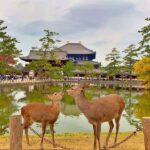
- Nara Park and its free-roaming deer
- Fushimi Inari Taisha and the red gate corridor
- Arashiyama gives you the most freedom
- Nonomiya Shrine
- Tenryu-ji Temple
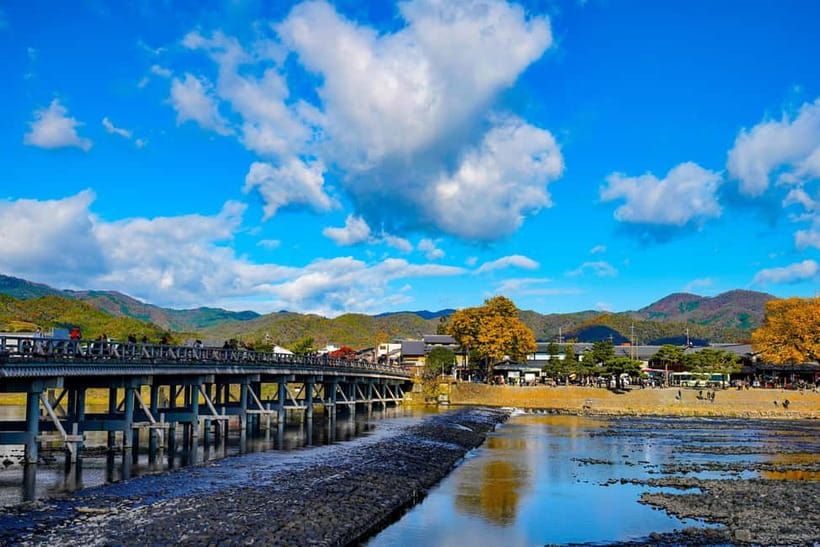
- Togetsukyo Bridge
- Kimono Forest and the footbath
- The guide can make or break a fast day
- Who should book this Kyoto and Nara tour
- Should you book it?
- FAQ
- How long does the tour last?
- Where does the tour depart?
- What time does the tour leave Osaka?
- Can I finish the tour in Osaka or Kyoto?
- How much time is provided at Nara Park?
- How long is the visit to Fushimi Inari Taisha?
- Is Tenryu-ji Temple included in the price?
- Are meals included?
- Which languages are available?
- Is the tour suitable for wheelchair users?
Key points at a glance
- Three major sights in one day: Visit Nara Park, Fushimi Inari Taisha, and Arashiyama without arranging separate transport.
- A practical Osaka to Kyoto option: Begin in Osaka and use the tour as a convenient way to reach Kyoto sights along the route.
- Free time at the main stops: The guide provides direction, then you explore Nara and Arashiyama at your own pace.
- Several Arashiyama choices: See the bamboo forest, Nonomiya Shrine, Togetsukyo Bridge, Kimono Forest, and Tenryu-ji Temple.
- Strong guide presence: Guides including Amy, Willa, Fiona, Christine, Laura, and others are praised for organization, humor, explanations, and careful timing.
- Good value at $52: The price includes the guide, air-conditioned vehicle, fuel, parking, taxes, and handling charges, but not meals or Tenryu-ji admission.
What this $52 day tour is really buying you
At $52 per person, this tour is less about deep time at one temple and more about covering a large area without logistical fuss. You get a nine to ten-hour day, an English or Chinese-speaking guide, and transport between Osaka, Nara, Fushimi Inari, and Arashiyama.
That matters in this part of Japan. Nara and Kyoto are close on a map, but their sights are spread out. Organizing the same day independently means checking train schedules, finding the right station exits, and working out how to connect Nara with southern Kyoto and Arashiyama. The bus removes much of that work.
The fee includes parking, fuel, taxes, and handling charges. You pay separately for food, drinks, personal purchases, and the optional admission to Tenryu-ji Temple. For a first visit, I consider the price fair, particularly if you value a guide and want to avoid figuring out every transfer.
You should not mistake it for a slow cultural walk. The schedule is designed to show you the headline sights, offer useful background, and get you back to your chosen drop-off point. If you like to spend half a day in one temple garden, a self-guided visit will give you more freedom.
A few more Kyoto tours and experiences worth a look

Starting in Osaka or Kyoto
The tour has two pickup choices: Harimaya Nippombashi 1-chome in Osaka, or the sunken garden at Kyoto Station’s Hachijo Entrance Square. The Osaka departure is listed for 8:00 AM, with the Kyoto departure around 9:00 AM.
Arrive 10 to 15 minutes early. The bus leaves on time, and a late arrival could mean missing the departure. After booking, you need to tell the operator if you want to finish in Osaka or Kyoto. Without that request, the default is the same place where you were picked up.
The air-conditioned vehicle is a major comfort on a long sightseeing day. It gives you a place to sit between stops, and several guides use the ride to explain what you are about to see. Amy is noted for sending clear information before each stop and using visual material on the way. Christine is praised for keeping departure instructions precise and helping people regroup.
Traffic can change the order or shorten the available time. Your return may also be later than planned. Keep the evening open rather than scheduling a nonrefundable dinner or train connection immediately after the tour.
Nara Park and its free-roaming deer
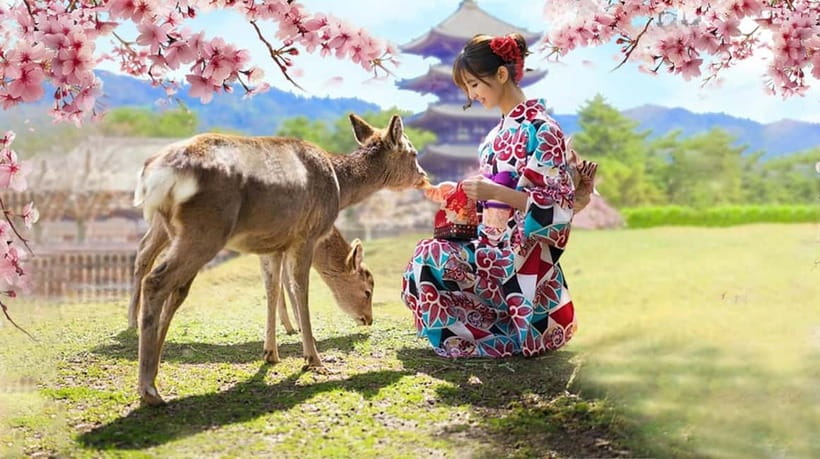
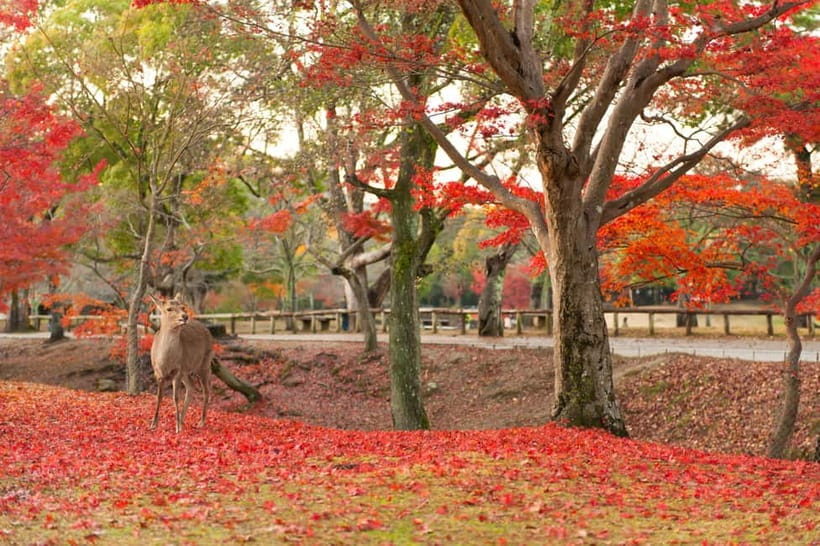
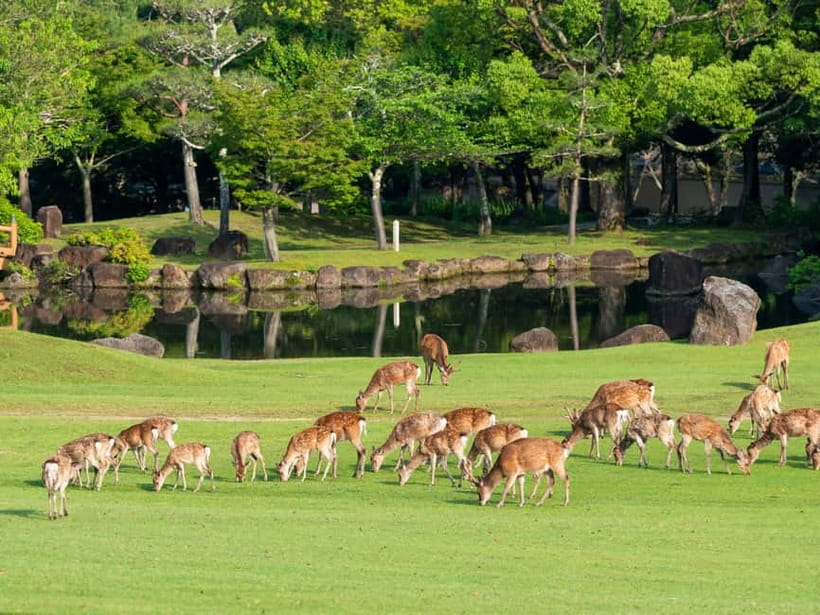
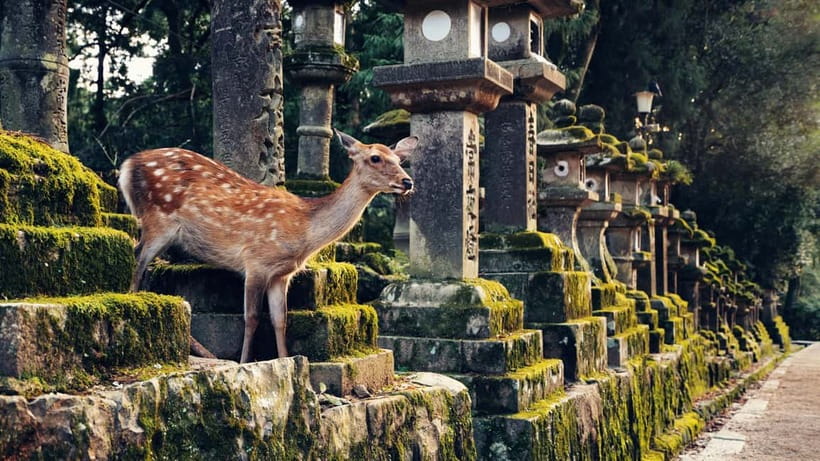
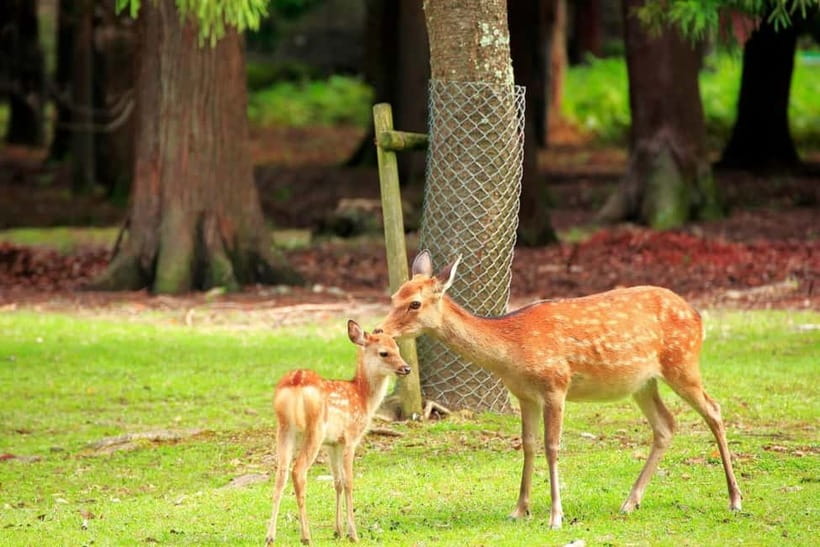
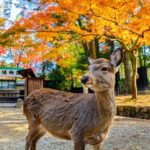
The first major stop is Nara Park, with about one hour to look around. The park is famous for more than 1,000 deer that roam freely and are traditionally regarded as messengers of the gods.
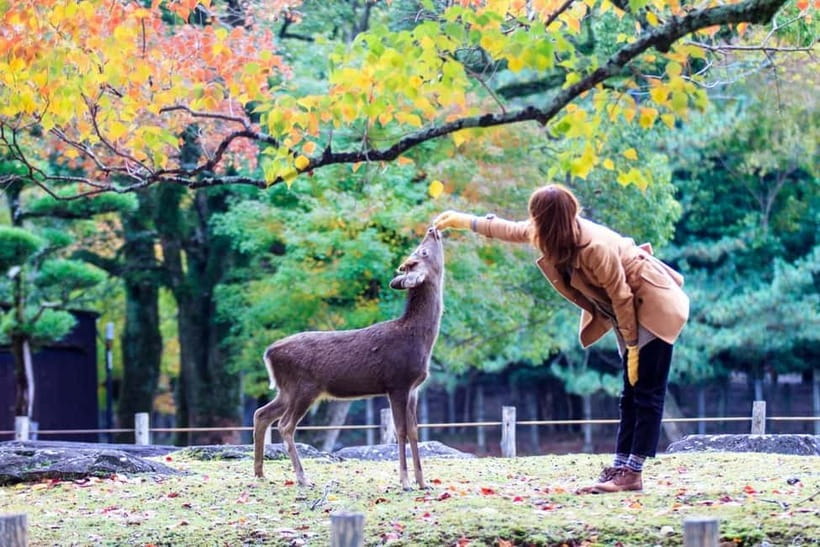
The central activity is feeding them special shika senbei, or deer crackers. You can pet the deer, take photos, and watch how quickly they gather when food appears. This is one of the most memorable parts of the day because it is direct and playful, not just a distant look at a monument.
Use a little care with the crackers. Keep them visible, feed them promptly, and pay attention to the animals around you. The tour information specifically encourages feeding and playing with the deer, but you remain responsible for handling your food and belongings sensibly.
One hour is enough for a first look and several photos, but it is not enough for every corner of Nara. You will not have a long visit to the city’s many other temples and museums. If deer are your main reason for visiting Nara, this tour gives you a useful introduction. If you want a full Nara day, you will need to return independently.
Nara can also feel crowded and commercial around the main deer areas. That is part of the tradeoff for seeing one of Japan’s most popular sights in a compact schedule.
Fushimi Inari Taisha and the red gate corridor
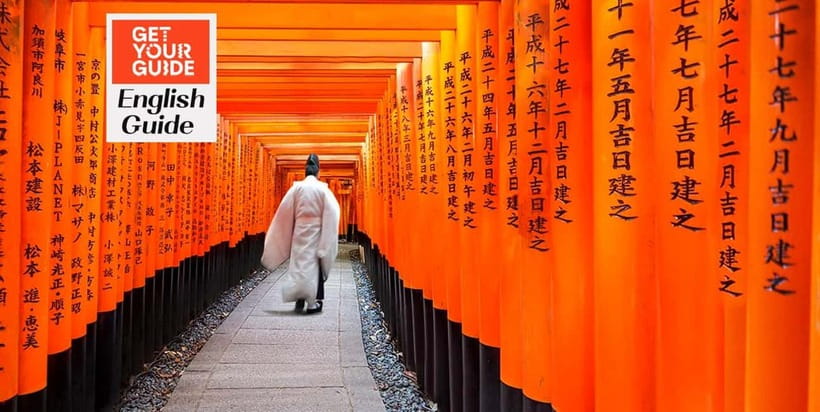
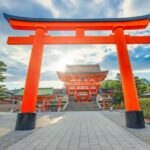
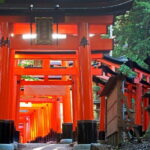
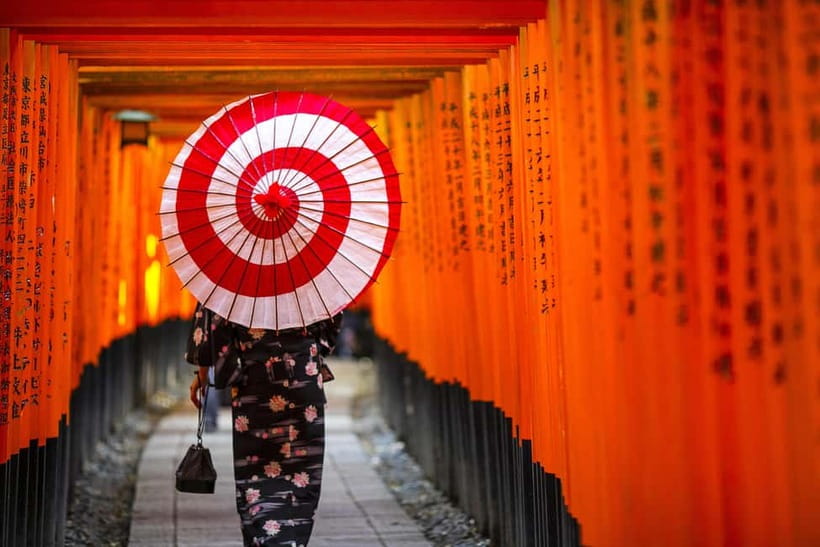
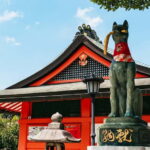
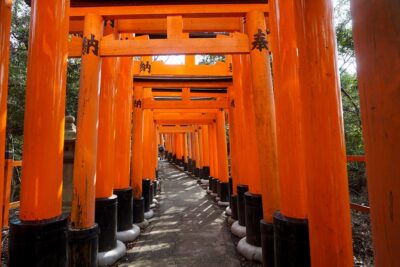
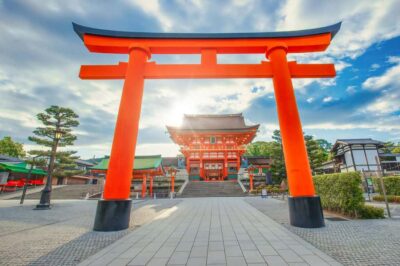
Next comes Fushimi Inari Taisha, with about 70 minutes. The shrine is dedicated to Inari, a deity associated with prosperity and successful business, and its most famous feature is the long corridor of vermilion torii gates.
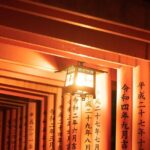
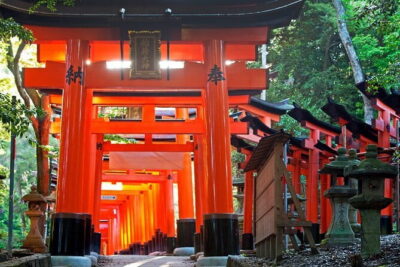
More than 10,000 gates climb the mountainside. You do not need to walk the entire route to understand its appeal. Even the first section creates the famous tunnel effect, with bright gates packed closely together and small shrines appearing along the path.
This is the stop where comfortable shoes matter most. The ground rises as you continue, and the time limit means you need to decide how far to go before turning back. I suggest taking your main photos early, then walking farther if your pace allows. The shrine becomes quieter as you move away from the entrance, but the tour schedule does not allow a full mountain visit.
Fushimi Inari is a working religious site, not merely a photo set. You will see people praying and making offerings among the gates. Keep your voice down near worship areas and follow the signs around the shrine.
The guide may explain the shrine’s connection with prosperity, careers, and business success. The site has also appeared in popular films and television, including Memoirs of a Geisha and Detective Conan. That screen connection may be fun, but the main pleasure is walking through the gates themselves.
Arashiyama gives you the most freedom
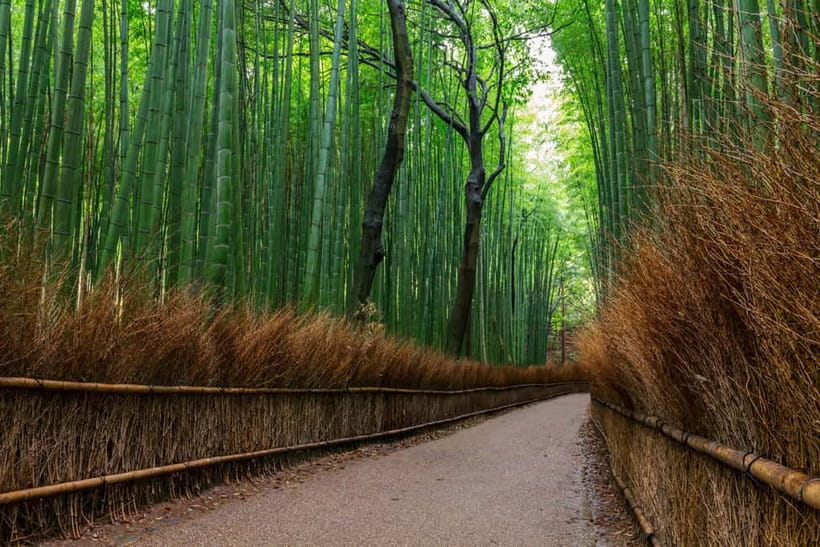
Arashiyama receives the longest portion of the day, about two to two and a half hours depending on the schedule and traffic. This is where the tour opens up. You get a short guided orientation, then free time to choose your own route.
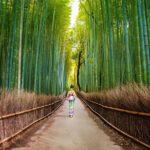
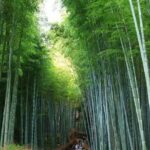
The bamboo forest is the main draw. Tall stalks line the path, filtering the light and creating a calm setting even when the area is busy. The marked walking section is not enormous, so do not expect hours of wilderness. Its appeal comes from the unusual scale and quiet feeling of the bamboo corridor.
The best approach is to arrive with realistic expectations. You may find other people taking photos, especially around the most familiar entrance points. Still, the bamboo is worth seeing, and the stop gives you time to walk rather than simply step off the bus for a quick picture.
A few more Kyoto tours and experiences worth a look
Nonomiya Shrine
Within the Arashiyama area, Nonomiya Shrine has roots reaching back more than 1,000 years to the Heian Period. It is linked with love and academic blessings, and its unpainted Kuroki Torii is a rare detail among Kyoto’s more familiar red and painted gates.
The shrine is close to the bamboo forest, making it an easy pairing. You can include it in a short walk without giving up too much of your free time. The site is modest in scale, so people looking for a grand temple complex may find the bamboo path more rewarding.
Tenryu-ji Temple
Tenryu-ji is a UNESCO World Heritage Site and one of Arashiyama’s major cultural stops. Its Sogenchi Garden is known for using borrowed scenery, allowing the surrounding hills and trees to become part of the garden view.
Admission costs extra. That is important when comparing the $52 tour price with your actual spending. If you enjoy Zen gardens and traditional temple settings, Tenryu-ji is probably the best use of your optional admission budget. If your priority is bamboo, photos, or food, you can spend your free time elsewhere.
Autumn brings strong color to the garden, while other seasons change the mood. The tour does not promise a particular seasonal display, so consider the garden’s design and setting the main reason to enter.
Togetsukyo Bridge
Togetsukyo Bridge offers broad views over the Arashiyama area. It is a short walk and a useful place to pause after the bamboo forest.
The bridge also gives you a glimpse of the old-fashioned side of Arashiyama, with rickshaws passing nearby. You can take photos from the bridge, then use the remaining time for shops, food, or another nearby sight.
Kimono Forest and the footbath
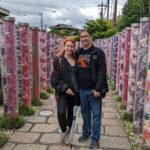
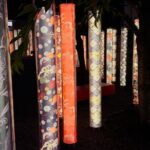
Kimono Forest is a modern art installation at Arashiyama Station. About 600 pillars are covered with Kyoto Kyo-Yuzen textile patterns, creating a colorful photo stop that contrasts with the shrine and temple architecture.
This is a good choice if you want something quick and easy. It takes little walking compared with the bamboo route, and it gives you a different view of Kyoto craftsmanship.
You may also find local street food, restaurants, a Rilakkuma Tea House, and an Arashiyama station footbath. The footbath is a pleasant way to rest, though personal expenses are not included. Your guide may offer restaurant suggestions. Laura, for example, is praised for useful food advice, while another guide helped a visitor choose a kimono.
With so many options, decide early what matters most. You cannot comfortably fit every activity into the available Arashiyama time.
The guide can make or break a fast day
The most important part of a tour like this is not the bus. It is the person managing the clock. You need clear meeting instructions, sensible explanations, and a guide who can round up a group without turning the day into a military exercise.
This operation uses multiple guides, so the exact style varies. Amy is described as warm, funny, organized, and good at making history easy to follow. Willa is praised for her friendly manner and clear information. Fiona is noted for her energy, helpful advice, and multilingual ability. Christine receives praise for communication, timing, recommendations, and keeping everyone accounted for.
Other named guides include Laura, Jackson, Frederick, Anson, Tracy, Sofia, Amanda, Elisa, and Theodore Chan. The common thread is careful coordination and a friendly tone. Some guides also help solo passengers feel included by seating people together on the bus.
That said, a group tour cannot give you unlimited flexibility. You need to return to the bus when instructed, and you may occasionally wait for someone who has lost track of time. The strong organization is valuable, but it works best when you also watch the clock.
Who should book this Kyoto and Nara tour
I would choose this tour if you are staying in Osaka and want a simple first look at Kyoto and Nara. It also suits you if you have only one open day, dislike transport planning, or want an English-speaking guide to explain what you are seeing.
Families can benefit from the straightforward route, though the walking and time limits may be tiring for very young children. Solo visitors may appreciate the social setting and the effort to seat solo passengers together.
This is less suitable for wheelchair users and people with mobility impairments. The day involves walking around shrine grounds, bamboo paths, bridges, and temple areas. Anyone aged 70 or older, or anyone who is pregnant, is asked to sign a waiver on arrival.
Bring comfortable shoes, water, an umbrella, and clothing suited to the weather. Smoking is not allowed. If you bring an infant, stroller, or large luggage, state that when booking because Japanese traffic rules count babies as passengers and the vehicle needs the correct passenger information.
The cancellation policy is forgiving: you can cancel up to 24 hours in advance for a full refund. You can also reserve now and pay later, which helps if your Osaka and Kyoto plans are still shifting.
Should you book it?
Book this tour if your goal is to see the essential sights efficiently, not to study each one at length. For $52, the combination of transport, parking, fuel, taxes, and a live guide is solid value, especially from Osaka.
Choose it for the deer, the torii gates, the bamboo forest, and the relief of letting someone else handle the route. Skip it if you want a slow Nara temple day, a long climb through Fushimi Inari, or several unplanned hours in Arashiyama.
My practical choice would be to book it early in your Japan visit. Use the day to discover which place deserves a second, slower visit. Fushimi Inari for a longer mountain walk, Nara for more temples, or Arashiyama for Tenryu-ji and the surrounding streets are all good candidates.
FAQ
How long does the tour last?
The tour lasts approximately nine to ten hours. Weather, traffic, and other unforeseen conditions can affect the schedule and return time.
Where does the tour depart?
You can choose between Harimaya Nippombashi 1-chome in Osaka and the sunken garden at Kyoto Station’s Hachijo Entrance Square. The meeting point depends on the option selected.
What time does the tour leave Osaka?
The listed Osaka departure time is 8:00 AM. The listed Kyoto departure time is around 9:00 AM.
Can I finish the tour in Osaka or Kyoto?
Yes. Tell the operator your preferred drop-off point when you make the reservation. If you do not provide a preference, drop-off defaults to the same point as pickup.
How much time is provided at Nara Park?
The scheduled time at Nara Park is about one hour. You can feed the deer with shika senbei, take photos, and explore the park during this stop.
How long is the visit to Fushimi Inari Taisha?
The scheduled visit lasts about 70 minutes. This gives you time to walk beneath the vermilion torii gates, but not to explore the entire mountainside route.
Is Tenryu-ji Temple included in the price?
Tenryu-ji admission is not included. The temple is an optional extra-fee visit during the Arashiyama portion of the day.
Are meals included?
No. Food and drinks are not included. Arashiyama has street food and restaurants where you can buy refreshments during your free time.
Which languages are available?
Live guides are available in English and Chinese.
Is the tour suitable for wheelchair users?
No. The activity is listed as unsuitable for wheelchair users and people with mobility impairments. Comfortable shoes are recommended because the day includes walking at several sites.
More Nara Day Trips in Kyoto

More Arashiyama & Bamboo Tours in Kyoto
More Fushimi Inari Tours in Kyoto
More tours in Kyoto we've reviewed




Fushimi Inari Tours, compared.
 ★ 4.8Kyoto: Fushimi Inari, Kinkakuji, Bamboo Grove 1 Day Bus TourFrom $122510 minutes - 9 hours
 ★ 5.0Fushimi Inari Hidden Hiking Tour (Private Option Available)From $63
 ★ 4.4Osaka/Kyoto: Arashiyama, Nara & Fushimi Inari Shrine w/LunchFrom $61
 ★ 5.0Kyoto: Nijo, Kinkaku-ji, Arashiyama, Kiyomizu & Fushimi InariFrom $51
 ★ 5.0Kyoto Fushimi-Inari Night Walking TourFrom $43
 ★ 4.9Kyoto: 3-Hour Fushimi Inari Shrine Hidden Hiking TourFrom $723 hours