
Reviewed · NARA DAY TRIPS
Kansai Region Hiking Adventure in Nara Kobe Kyoto and More
Kansai’s best hiking day may be the one you design yourself. This private tour lets you choose among six mountain routes, from the forest trails of Mount Kongo to the temple paths of Mount Hiei and the city views of Mount Rokko. It is a useful way to escape Osaka without giving up the comfort of private transport.
I like the small private format, since your group of up to six can choose a route that fits its pace and interests. I also like the mix of nature and culture: waterfalls, viewpoints, shrines, cafés, temples, and even an amusement park appear across the route choices. The main thing to consider is fitness. These are genuine mountain outings, and meals are not included.
In This Review
- Key points to know before booking
- Why this private Kansai hike works so well
- Mount Kongo for a forested climb and Osaka views
- Mount Rokko pairs Kobe views with a waterfall and café
- Mount Yoshino brings shrines, tea, and year-round beauty
- Mount Atago leads to Kyoto’s highest peak and a shrine
- Mount Hiei connects mountain scenery with Enryaku-ji
- Mount Ikoma adds a cable car and an amusement park
- What $458.55 means for a group of six
- Starting at Namba and preparing for the day
- Who will get the most from this experience
- Should you book this Kansai hiking tour?
- FAQ
- Where does the tour start?
- What time does the tour begin?
- Where does the tour end?
- How many people can join the private tour?
- Which hiking routes can I choose from?
- Is transportation included?
- Are meals included?
- What happens if bad weather cancels the tour?
Key points to know before booking
- Six routes give you real choice: Pick Mount Kongo, Mount Rokko, Mount Yoshino, Mount Atago, Mount Hiei, or Mount Ikoma.
- Private transport is included: Meet at Namba Station at 7:30 am, then return to the same meeting point.
- The scenery changes by route: Expect Osaka views, Kobe views, Kyoto viewpoints, cherry-blossom country, forest trails, or temple grounds.
- Cultural stops are part of the walk: Routes include Atago Shrine, Yoshimizu Shrine, Enryaku-ji Temple, and local historic sites.
- Food costs extra: Cafés, tea houses, lunch, and local eateries are mentioned on several routes, but meals are not included.
- Plan for moderate exertion: The tour is suited to people with a moderate level of physical fitness, not simply to those seeking a city stroll.
Why this private Kansai hike works so well
Osaka is a fine base for exploring Kansai, but its dense streets can make the region feel more urban than it really is. Within a day, you can reach mountains overlooking Osaka, Kobe, or Kyoto, then return to Namba without changing trains or working out a complicated route.
The private setup is the biggest practical advantage. You are not tied to the interests or pace of a large group. If your party wants a demanding climb, Mount Kongo or Mount Atago may be the better fit. If you prefer a gentler day with scenic stops and facilities along the way, Mount Rokko or Mount Ikoma could make more sense.
The guide adds local context to places that might otherwise become a series of uphill paths. The information provided describes stories about the local area, historical background, and cultural meaning at several stops. That matters in Japan, where a shrine or temple can look attractive but mean far more once you understand why it is there.
There is also a welcome human side to the service. The experience is described as friendly and hospitable, with especially positive comments about the guide, staff, food, and reasonable pricing. Since only three ratings are available, I would treat that as encouraging rather than definitive proof of a perfect operation. Still, the repeated praise points to the guide and general hospitality as the strongest parts of the day.
A few more Namba tours and experiences worth a look
Mount Kongo for a forested climb and Osaka views

Mount Kongo is the route to consider if you want the clearest sense of a traditional mountain hike. The trail passes through forest before reaching the summit, where you can look toward Osaka. Your guide provides stories about the area, and the planned stops include scenic viewpoints and a rest at the top.
This route sounds best for hikers who want the climb itself to be the main event. The forest setting gives you a break from the city, while the summit provides a satisfying reward. It is also a good choice if you enjoy a route with a clear beginning, ascent, viewpoint stops, and summit pause.
The trade-off is effort. The tour only gives a general moderate-fitness requirement, not a trail distance or elevation profile, so you should ask for those details before confirming if you are concerned about steep ground or stamina. Wear proper walking shoes, bring water, and do not assume that private transportation means an easy walk.
Mount Rokko pairs Kobe views with a waterfall and café
Mount Rokko gives you more variety than a straightforward summit hike. The route includes trails with views of Kobe, a stop at Nunobiki Waterfall, several viewpoints, and a break at a local café.
I like this option for mixed groups. One person may want scenery, another may care about a well-known natural feature, and someone else may appreciate a café stop more than a long summit push. The guide also provides background on the area, giving the day some historical shape rather than leaving you to simply follow a path.
The café stop is useful, but remember that meals are not included. The same applies to any food or drink purchased along the way. If your group has dietary needs or a strict budget, ask what is planned and carry a snack.
Mount Rokko may also be the most approachable route for people who want a proper outdoor day without choosing the most demanding-sounding climb. Even so, it remains a mountain outing, and the physical requirement still applies.
Mount Yoshino brings shrines, tea, and year-round beauty
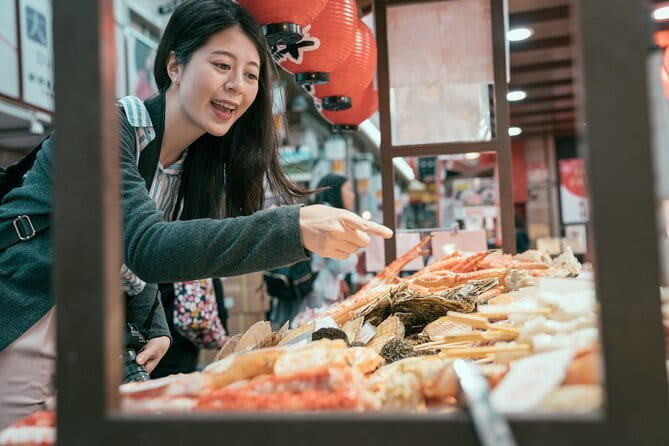
Mount Yoshino is famous for cherry blossoms, but this route is not limited to blossom season. The walk includes Yoshimizu Shrine, scenic viewpoints, and a local tea house, with cultural stories from the guide along the way.
This is likely the best match for you if you want a calm day that combines walking with Japanese culture. Yoshimizu Shrine gives the route a clear historical and spiritual focus, while the tea house provides a slower pause. You get more than a forest trail, but less of the strenuous feel suggested by a full mountain ascent.
Cherry blossoms are not guaranteed outside the flowering season, so book this route for Yoshino’s wider appeal rather than for blossoms alone. The supplied details specifically present it as a worthwhile hiking destination throughout the year.
The tea house is another possible extra cost, since meals are excluded. That is not a major problem, but it is worth budgeting for if the stop is part of what attracts you.
Mount Atago leads to Kyoto’s highest peak and a shrine
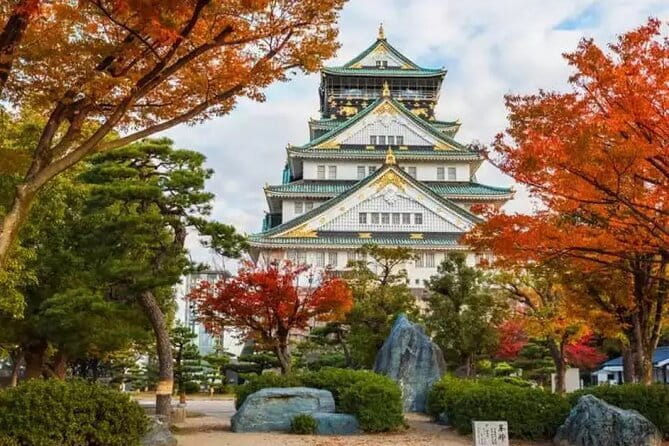
Mount Atago combines physical challenge with a strong cultural destination. The route climbs to Mount Atago, described here as Kyoto’s highest peak, and continues to the historic Atago Shrine. Observation points provide rest stops and views, followed by lunch at a local place.
This is the route I would consider for a group that wants its hike to have a clear purpose. Reaching a shrine at the top gives the climb more meaning than simply checking off a viewpoint. The guide also shares cultural information, making this a good fit for anyone who wants history and local tradition alongside exercise.
The climb may be demanding for some people. The general tour guidance calls for moderate fitness, but no exact distance or ascent is provided. Ask about the trail conditions before booking, especially if your group includes older walkers, young children, or anyone unused to mountain paths.
Lunch is mentioned but not included in the tour price. That makes the meal stop convenient, though you should plan to pay separately. The route’s length, food arrangements, and meeting time also make an early start important.
Mount Hiei connects mountain scenery with Enryaku-ji
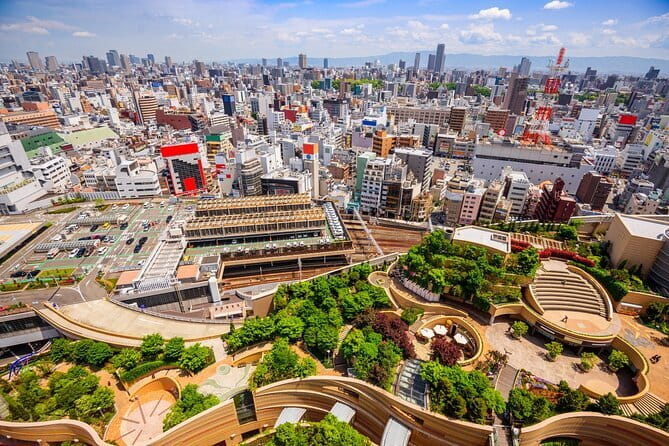
Mount Hiei is the strongest choice for a temple-focused day. The route includes scenic viewpoints, the Enryaku-ji Temple complex, and a local eatery. The stated duration for this route is about five hours, shorter than the overall eight to nine-hour tour window.
That shorter schedule could make Mount Hiei attractive if you want mountain air and major cultural sights without committing to the longest possible day. Enryaku-ji gives the route a major destination, while the viewpoints prevent it from becoming only a temple visit.
The temple complex is also why you should clarify exactly which admission costs are covered. The tour includes all fees and taxes in general, and the route information lists admission as free, so there is no stated extra admission charge here. Still, asking the guide what is included for your chosen route is sensible when you book.
A local eatery is part of the plan, but food remains outside the tour price. Keep some yen available for lunch or refreshments.
Mount Ikoma adds a cable car and an amusement park
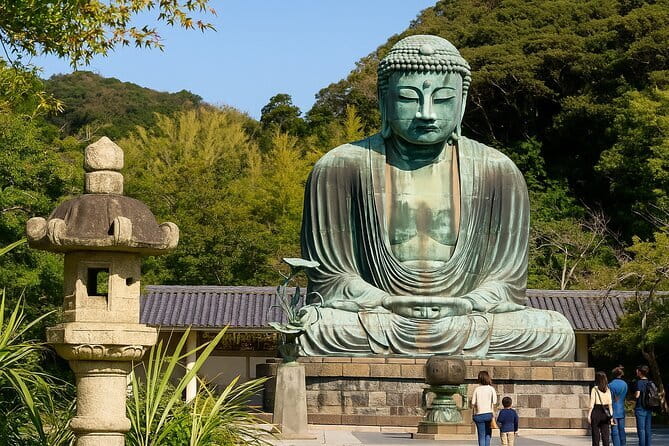
Mount Ikoma is the most relaxed-sounding of the six choices. It combines a moderate hike with nature and city views, then adds a cable car ride, observation decks, a hillside café, and Ikoma Sanjo Amusement Park. The route is listed at about four hours.
This choice suits you if your group wants variety more than a long climb. The cable car reduces the amount of ascent, while the observation decks keep the scenery central. The amusement park gives the day an unusual, lightly playful turn, which could work well for families or groups with different interests.
It is also a practical route for people who like mountain views but do not want the entire experience to be physically demanding. That said, the available information does not specify which portions are walked and which are covered by the cable car. Ask the guide for the walking distance and any uphill sections before choosing it.
The hillside café is not included in the price, and you should also confirm whether the cable car ride is covered by the all-fees statement. The route description mentions the ride, but it does not separately state its cost.
What $458.55 means for a group of six
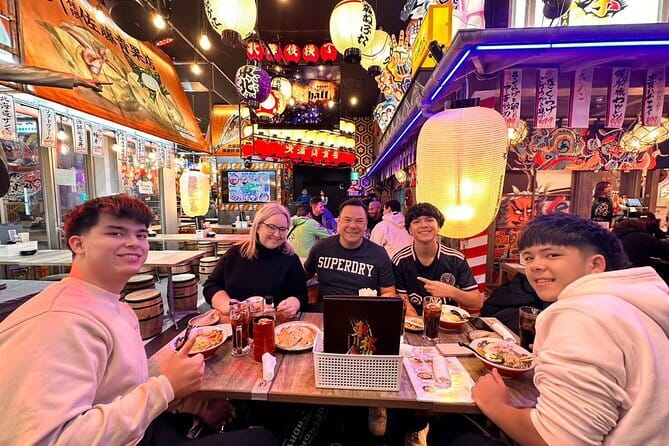
The listed price is $458.55 per group, with up to six people included. At full capacity, that works out to about $76.43 per person. For two people, the same group price comes to about $229.28 each, so the value improves sharply as your party gets larger.
That price includes private transportation and all fees and taxes. You are paying for a private day out of Osaka, not simply a guided walk starting at a mountain trailhead. The transport matters because the six routes spread across Nara, Kobe, Kyoto, and nearby areas, and arranging the same transfers yourself could take time.
Meals are the clear extra. Several routes include a café, tea house, lunch, or local eatery, but none of that food is covered. The price is strongest for a group of four to six people that values convenience and a private guide. It is less attractive for a solo visitor or couple unless private service is especially important.
The overall tour lasts about eight to nine hours, although Mount Hiei and Mount Ikoma are given shorter route durations. Confirm the timing for your selected mountain, since the full-day window may include transportation to and from Osaka.
Starting at Namba and preparing for the day
The meeting point is Namba Station, at 1 Chome-9 Namba in Osaka’s Chuo Ward. The start time is 7:30 am, and the activity ends back at the meeting point.
That early start is useful. It gives you more time in the mountains and leaves room for transport, viewpoints, cultural stops, and a meal break. It also means you should plan your morning carefully and arrive ready to go rather than treating the first hour as a slow city start.
Private transportation is included, but the material does not identify the vehicle type or specify hotel pickup. Pickup is offered, while the stated meeting point remains Namba Station, so confirm the exact pickup arrangement when booking.
Bring comfortable walking shoes, water, and clothing suited to the weather. The activity requires good weather and can be canceled if conditions are poor. If that happens, you are offered another date or a full refund.
Who will get the most from this experience
I would recommend this tour to a small group that wants outdoor scenery but does not want to manage Japanese transport connections alone. It is particularly useful for friends or families who can split the group price and choose a route that matches their shared interests.
It also suits repeat visitors to Osaka who have already seen the major city sights. Mount Yoshino, Mount Hiei, and Mount Atago add shrines and temples, while Mount Rokko and Mount Kongo focus more on trails and views. Mount Ikoma gives you the easiest mix of mountain scenery and extra attractions based on the information provided.
I would be more cautious if your group expects a light stroll. The overall description calls for moderate fitness, and several routes involve mountain ascents. Since exact distances and difficulty grades are not provided, ask direct questions before booking.
The tour is private, but it is not fully all-inclusive. You still pay for meals, and some route-specific costs may need clarification. Those are small issues for a well-prepared group, but they matter when comparing this experience with a standard sightseeing day.
Should you book this Kansai hiking tour?
Book it if you want a private, flexible mountain day from Osaka, especially with four to six people. The strongest value comes from combining transport, a personal guide, and a route chosen around your group’s interests.
Choose Mount Kongo for a forest climb, Mount Rokko for Kobe views and a waterfall, Mount Yoshino for shrines and tea, Mount Atago for a summit shrine, Mount Hiei for Enryaku-ji, or Mount Ikoma for a lighter outing with a cable car and amusement park.
I would skip it only if your group dislikes uphill walking, needs a fixed all-inclusive price, or wants a detailed trail plan before booking. In that case, ask about distance, elevation, meal costs, and route timing first. With those points settled, this is a practical way to see a more natural and cultural side of Kansai without giving up the ease of returning to Namba the same day.
FAQ
Where does the tour start?
The tour starts at Namba Station, 1 Chome-9 Namba, Chuo Ward, Osaka, 542-0076, Japan.
What time does the tour begin?
The stated start time is 7:30 am.
Where does the tour end?
The activity ends back at the meeting point.
How many people can join the private tour?
The price covers one private group of up to six people.
Which hiking routes can I choose from?
You can choose Mount Kongo, Mount Rokko, Mount Yoshino, Mount Atago, Mount Hiei, or Mount Ikoma.
Is transportation included?
Yes. Private transportation is included.
Are meals included?
No. Meals are not included, although some routes include a stop at a café, tea house, local eatery, or lunch spot.
What happens if bad weather cancels the tour?
If poor weather causes the cancellation, you are offered a different date or a full refund. You can also cancel up to 24 hours before the start time for a full refund.
More Nara Day Trips in Namba
More tours in Namba we've reviewed
Nara Day Trips, compared.
 ★ 5.0World Heritage Kyoto & Nara Uji Authentic Matcha ExperienceFrom $129
 ★ 4.7Kyoto/Osaka: Nara, Fushimi Inari Taisha, Arashiyama Bus TourFrom $529 - 10 hours
 ★ 4.4Osaka/Kyoto: Arashiyama, Nara & Fushimi Inari Shrine w/LunchFrom $61
 ★ 5.0Nara Early Morning Tour (Kyoto or Osaka Departure Available)From $61
 ★ 4.5Kyoto and Nara Day Trip from KyotoFrom $194
 ★ 4.5Nara Afternoon Tour from Kyoto or OsakaFrom $102