
Reviewed · NARA DAY TRIPS
From Osaka/Kyoto: Kyoto & Nara Day Trip with Optional Lunch
Kyoto’s bamboo, Nara’s deer, and Fushimi Inari’s endless red gates make this a big day with a clear purpose: cover three of Japan’s most famous sights without sorting out trains, transfers, and regional buses yourself. I especially like the variety of the route and the chance to add a traditional meal at Kyoto Wasabi Restaurant.
The bus keeps the day practical, and guides such as Nick, Amanda, Harry, Gary, and V have been praised for humor, organization, and useful explanations. I also like that you can depart from either Osaka or Kyoto and return to either city. The catch is simple: this is a fast group tour, with long drives and firm departure times.
In This Review
- Key points to know before booking
- What this Kyoto and Nara day trip actually does
- Arashiyama Bamboo Forest: beautiful, brief, and busy
- Kyoto Wasabi Restaurant and the optional lunch
- Nara Park and Todai-ji: the day’s most memorable contrast
- Fushimi Inari: a strong finish with more walking than you expect
- Guides, language, and the group experience
- Timing, traffic, and the strict return rule
- Heat, luggage, and what to bring
- Who should book this tour?
- Should you book the Kyoto and Nara day trip?
- FAQ
- How long does the Kyoto and Nara day trip last?
- Can I join the tour from Osaka or Kyoto?
- What sights are included?
- Is lunch included?
- Is the Todai-ji entrance fee included?
- What languages does the guide speak?
- How early should I arrive?
- Can I bring luggage?
- Can I cancel for a full refund?
Key points to know before booking
- Three famous sights in one day: Arashiyama, Nara Park, and Fushimi Inari are all included.
- A real full-day outing: Plan on roughly 9 to 10 hours, with traffic sometimes making the day longer.
- Optional Kyoto lunch: Choose Kobe beef or pork shabu-shabu, Kobe beef rice bowl, or Kobe beef sukiyaki.
- About 80 minutes at the main stops: Enough for highlights, but not enough for a leisurely visit to every temple, garden, and shop.
- Strict meeting rules: Arrive at least 10 minutes early at the exact departure point.
- Best for first-time visitors: You get a broad introduction to Kyoto and Nara, but less time for quiet corners or independent wandering.
What this Kyoto and Nara day trip actually does
This outing links three major sights that are spread across the Kansai region. You begin in Arashiyama on Kyoto’s western side, continue toward Nara, and finish at Fushimi Inari in southern Kyoto before returning by bus.
The route works well for a first visit because each stop feels different. Arashiyama offers bamboo, temple grounds, river views, and hillside attractions. Nara brings Japan’s ancient capital, free-roaming deer, and the massive Great Buddha at Todai-ji. Fushimi Inari ends the day with a long corridor of vermilion torii gates.
The price is listed at $68.03 per person. For that amount, you get an air-conditioned vehicle, an English- or Chinese-speaking guide, and taxes and fees connected with the tour. The value is strongest if you want transportation handled for you and plan to see all three areas in one day.
It is less attractive if you already know Kyoto well, dislike fixed schedules, or want to spend half a day at one temple. A private taxi or carefully planned train itinerary gives you more control, but usually requires more work and separate transport costs.
The bus can carry as many as 49 people. That matters. A large group keeps the price down, but it can also mean slower boarding, a busy meeting area, and less personal attention than you would get on a small-group tour.
A few more Namba tours and experiences worth a look
Arashiyama Bamboo Forest: beautiful, brief, and busy
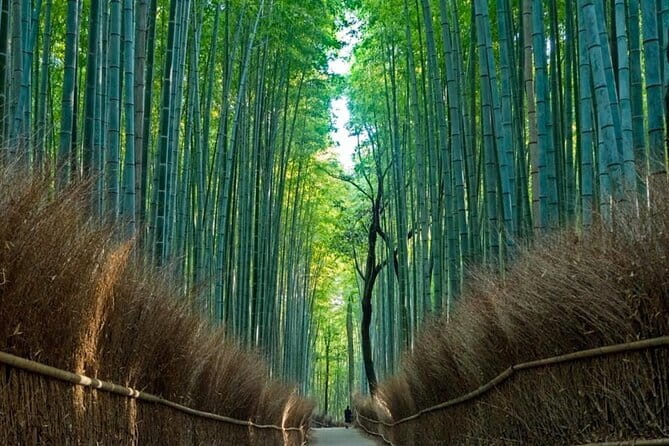
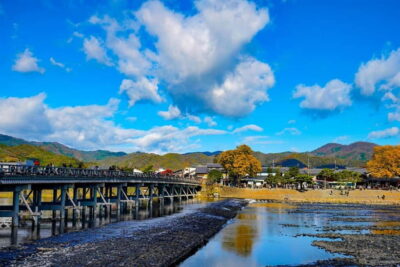
The first major stop is Arashiyama, where you get about 1 hour and 20 minutes. The bamboo path is the headline attraction, with tall stalks forming a narrow green corridor above you.
The grove is photogenic, but it is not a remote woodland walk. The main path can be crowded, especially during popular travel periods. Go in expecting a short scenic stroll rather than solitude.
Your guide can point you toward several nearby choices, including Tenryu-ji, Nonomiya Shrine, Togetsukyo Bridge, the Kimono Forest installation, and the riverside area. You will not have time to explore every one of these properly, so choose before leaving the bus.
Tenryu-ji is the most natural add-on if you want a Zen temple and garden. Its grounds provide a calmer setting than the bamboo path, though the tour does not include every optional admission. Okochi Sanso, the former home and garden of actor Denjiro Okochi, is another possibility for gardens and views, but its admission fee is separate.
The Iwatayama Monkey Park requires a climb toward Mount Arashiyama, so it is difficult to combine with several other sights during this short stop. The Fukuda Art Museum and Yusai-tei dye studio are also nearby attractions, but they are better saved for a dedicated Arashiyama visit.
I recommend heading directly to the bamboo forest first, then using the remaining time for one nearby attraction. If you try to squeeze in five places, you may spend the whole stop checking your watch.
Kyoto Wasabi Restaurant and the optional lunch
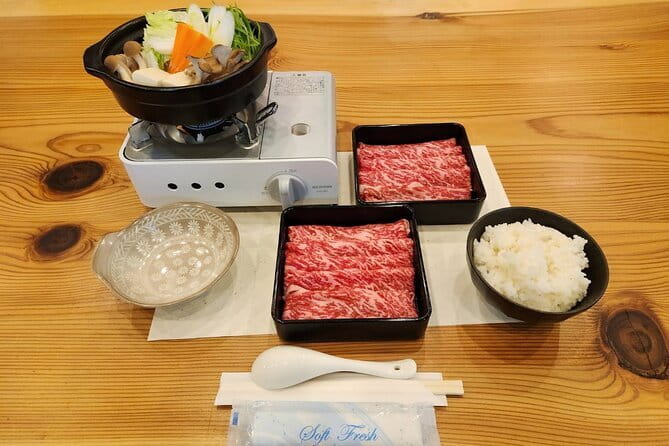
The meal stop lasts about 50 minutes at Kyoto Wasabi, a centuries-old Kyoto townhouse restaurant that has welcomed diners for more than 120 years. Lunch is optional, so you can choose the tour without it if you prefer to eat independently.
The menu gives you several ways to approach the meal:
- Kobe beef shabu-shabu
- Pork shabu-shabu
- Kobe beef rice bowl
- Kobe beef sukiyaki
Shabu-shabu is a hands-on Japanese meal. You cook thin slices of meat and other ingredients briefly in a hot broth, then dip them into sauce. It is a social and distinctly Japanese meal, and several guides have been praised for helping explain the process.
The Kobe beef option sounds luxurious, but expectations should stay realistic. The food experience can vary, and some diners found the beef too fatty or tough. If you prefer a simpler meal, the pork shabu-shabu or rice bowl may be the safer choice.
Lunch also serves a practical purpose. You do not have to search for a restaurant during a tightly timed day, and the group can eat in one place before heading to Nara. The downside is that 50 minutes is not a long lunch if the restaurant is busy or you need time to settle in.
Nara Park and Todai-ji: the day’s most memorable contrast
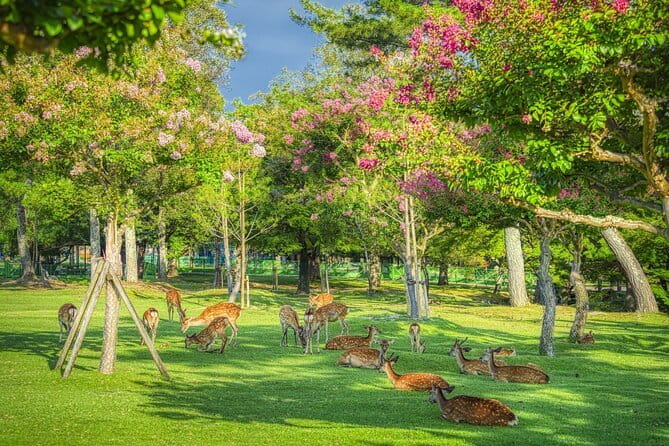
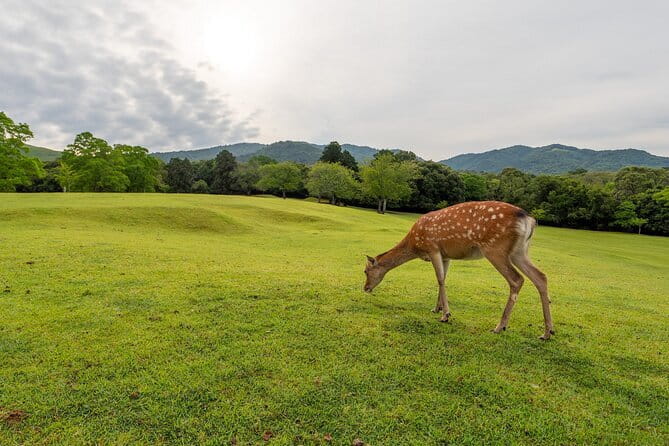
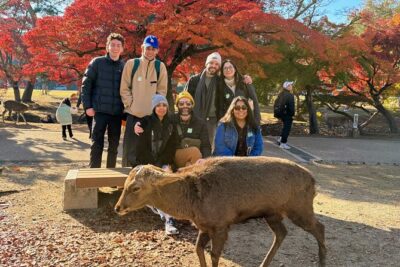
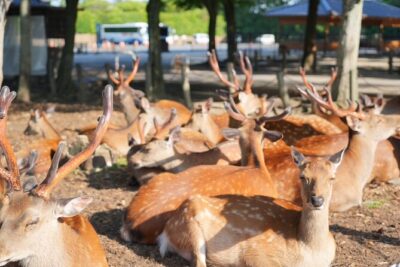
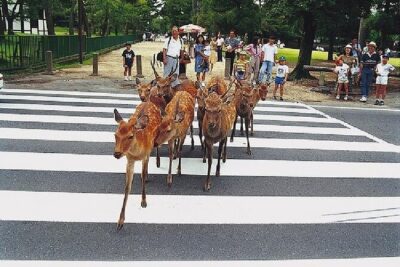
Nara Park is the second major sightseeing stop, with about 1 hour and 20 minutes. The park is known for its deer, which wander through the grounds and often approach people carrying deer crackers.
You can buy crackers locally and feed the deer, but hold them up clearly and be ready to bow. The deer are accustomed to visitors and may follow you once they spot food. Keep paper, maps, and loose snacks tucked away.
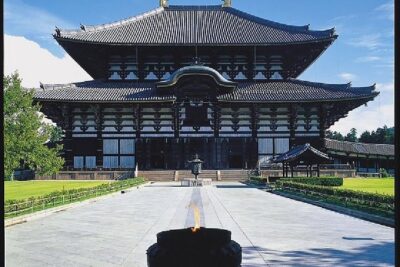
The deer are fun, but Nara is more than a photo stop. Todai-ji Temple is the main cultural prize. The temple’s Great Buddha Hall is described as the world’s largest wooden structure, and inside sits a 15-meter bronze Buddha.
Entrance to Todai-ji is optional and is not included in the tour price. If you have never visited Nara, I consider the admission worthwhile. The scale of the hall and statue gives the stop weight that a quick walk through the park cannot provide.
The timing requires discipline. Nara Park is spread out, and walking from the bus drop-off area to the temple may use part of your allotted time. You need to listen carefully to the guide’s return instructions and leave enough time to get back.
Nara may be the favorite stop for anyone who wants a relaxed outdoor break and a memorable encounter with local wildlife. It can feel less satisfying if your main interest is Kyoto’s traditional neighborhoods, tea culture, or Gion. One person found Nara out of the way and would have preferred Gion instead. That is a fair criticism, but it reflects the tour’s purpose: this is a Kyoto and Nara combination, not a complete Kyoto tour.
Fushimi Inari: a strong finish with more walking than you expect
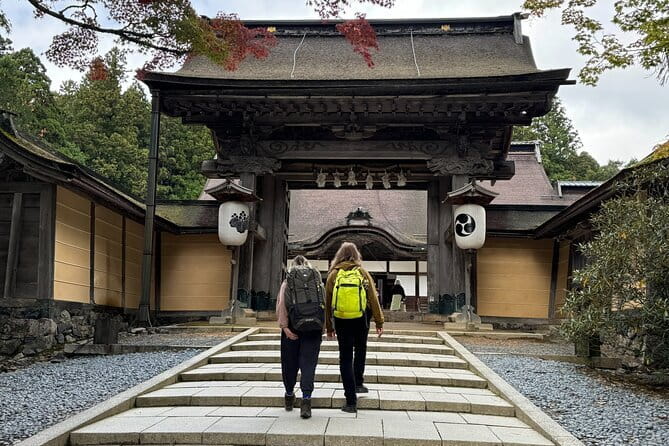
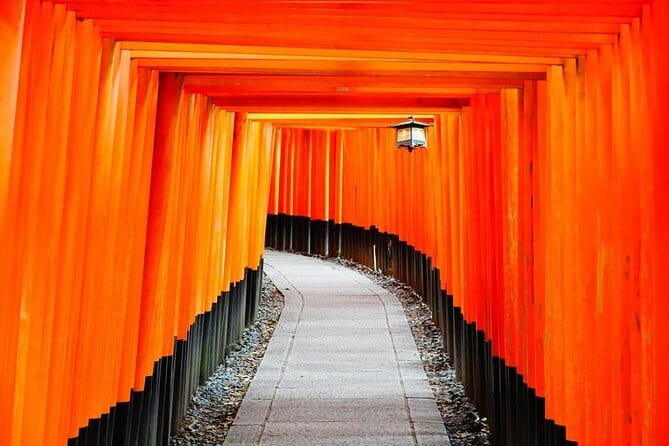
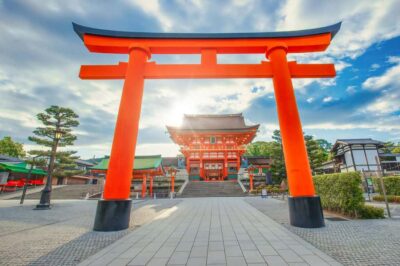
The final sightseeing stop is Fushimi Inari Taisha, with approximately 1 hour and 20 minutes. The shrine is famous for thousands of vermilion torii gates that climb the wooded slopes of Mount Inari.
You do not need to hike to the summit to enjoy the place. The first section gives you the classic repeated-gate views, while the higher paths become quieter and more demanding. With only about 80 minutes, most people will explore part of the route rather than attempt the full mountain walk.
Fushimi Inari is a working Shinto shrine, not merely a photo setting. Look for the fox imagery, since foxes are associated with Inari, the deity linked with rice, business, and prosperity. The bright gates are donated by individuals and companies, which explains the dense rows of inscriptions.
The shrine can be crowded near the entrance. Keep moving uphill if you want a calmer stretch, but watch the clock. Comfortable shoes are essential, especially after walking through Arashiyama and Nara.
The route may include nearby gardens or smaller points of interest depending on the day’s timing. One guide was praised for showing a water-lily garden that many people missed, but you should treat such extras as dependent on the schedule rather than guaranteed stops.
Guides, language, and the group experience
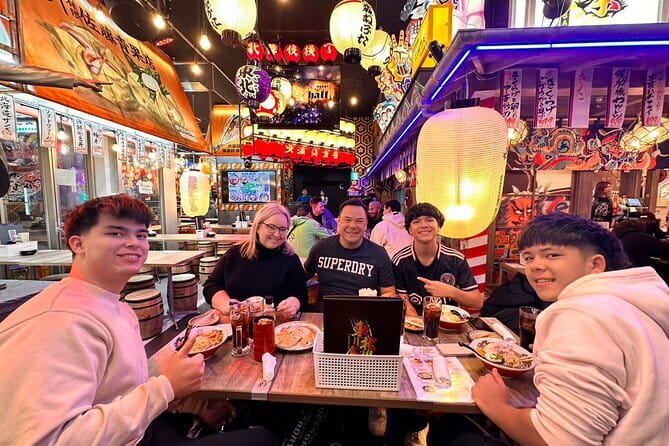
Guide quality can shape this tour more than almost anything else. Nick is repeatedly singled out for energy, humor, and helpful organization. Amanda is praised for clear explanations and answering questions. Harry is described as engaging and organized, with multilingual skills, while Gary is known for humor and knowing where to take people at the stops. Another guide, V, is described as friendly and well informed.
That said, the experience can vary by departure. Commentary may be delivered in English and Chinese on the same bus, depending on the group. Some people found the guide difficult to hear or the communication unclear, particularly when WhatsApp messages were used instead of direct announcements.
The tour’s structure is largely self-directed once you reach each area. Your guide gives instructions and suggestions, then you choose what to see within the available time. That arrangement suits you if you like freedom but want someone else to handle the route.
It will frustrate you if you expect a guide to walk beside you at every sight or provide a private explanation. A large bus also means you must keep track of your own group and return point.
The published rating is 4.4 from 79 ratings, which suggests a generally positive experience but not a flawless one. The strongest praise centers on the guides, the variety of sights, the comfortable transportation, and the ability to see major places in one day.
Timing, traffic, and the strict return rule
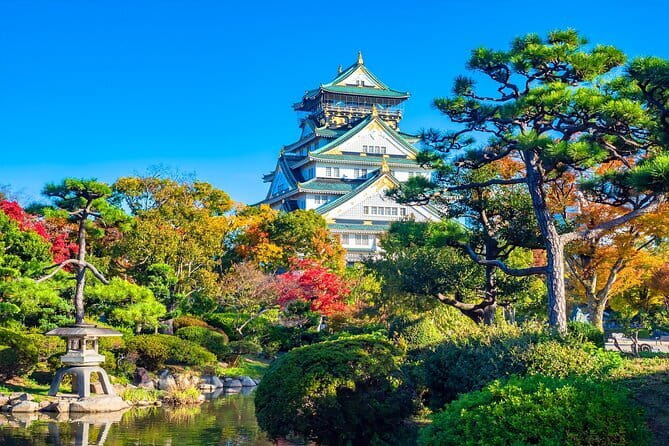
The official duration is about 9 to 10 hours, but you should not schedule a train, restaurant reservation, cruise, or flight immediately afterward. Traffic between Osaka, Kyoto, and Nara can stretch the day, and the return may be delayed.
The bus leaves on time. This is not a flexible hop-on, hop-off arrangement. If you arrive late, go to the wrong meeting point, or miss the stated return time, the bus may leave without you and no refund is provided.
Arrive at least 10 minutes early. Check the meeting-point photograph and QR code before departure, and confirm your name with the guide or staff. If you need to change the meeting point, contact the operator at least two days ahead.
Some people found the strict schedule reassuring because it kept the day moving. Others felt rushed, especially when walking from the bus to the actual sight took 15 minutes or more. That difference comes down to expectations. You are buying access to a wide route, not long, unhurried visits.
The tour operates in ordinary rain and traffic unless the operator tells you otherwise. Extreme weather or a natural disaster can lead to cancellation and a full refund. The experience also requires a minimum number of participants, so a cancellation for that reason results in a different date, another experience, or a refund.
Heat, luggage, and what to bring
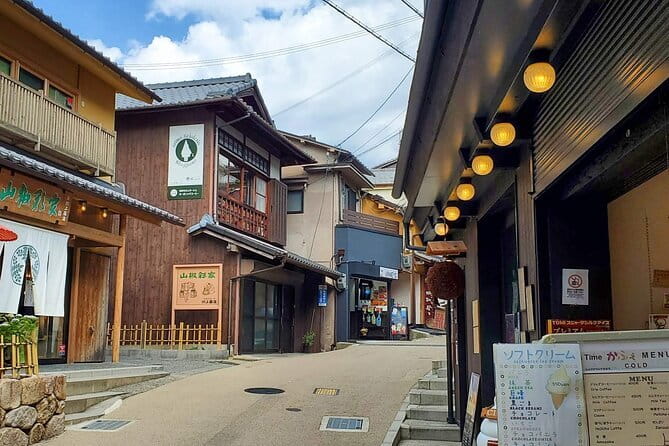
Summer conditions can be hard on this route. Temperatures around 35 to 38 C, high humidity, and long outdoor walks have made the fixed schedule feel especially demanding. Carry water, use sun protection, and wear shoes that are comfortable on uneven paths and hills.
Air conditioning is provided on the vehicle, but comfort may vary on very hot days, particularly while the bus is waiting or mostly empty. This is worth considering if you are sensitive to heat.
One piece of luggage per person is allowed, provided it fits comfortably in the vehicle. Stored luggage cannot be accessed between stops, and the combined height, width, and depth should not exceed 155 centimeters. Keep valuables and anything you need during the day with you.
A mobile ticket is provided, and confirmation arrives at booking. The tour is near public transportation, and most people can participate, but the itinerary involves substantial walking and timed group movements.
Who should book this tour?
I would choose this day trip if you have only a short stay in the Kansai region and want to see the headline sights without planning several train journeys. It is particularly useful for first-time visitors based in Osaka who want a quick introduction to Kyoto and Nara.
It also suits you if you enjoy a full schedule, like having transport arranged, and are happy to make your own choices at each stop. The optional lunch is convenient, and the range of dishes makes it easier to fit the meal to your taste.
I would hesitate if you want Gion, Nishiki Market, Kiyomizu-dera, or a slower look at Kyoto. None of those are the focus here. I would also choose a smaller or private tour if you dislike large groups, strict meeting times, or the possibility of mixed-language commentary.
At $68.03, the tour offers solid value for a long route with a guide, bus, and three major sightseeing areas. Add the optional Todai-ji admission and lunch only if they match your priorities. The best way to judge the price is to see it as a convenient overview, not as a relaxed cultural immersion.
Should you book the Kyoto and Nara day trip?
Book it if you want maximum sightseeing in one day and accept that each stop will be a highlights visit. Arashiyama’s bamboo, Nara’s deer and Great Buddha, and Fushimi Inari’s torii gates are a powerful trio.
Skip it if you have several days in Kyoto and can arrange your own transport. You will gain more time at each place by splitting the route across separate days.
For most first-time visitors, I think the tour makes sense, especially with a good guide such as Nick, Amanda, Harry, Gary, or V. Just arrive early, wear practical shoes, keep your schedule open after the tour, and return to the bus before the deadline. That preparation turns a demanding day into a useful and memorable introduction to Kansai.
FAQ
How long does the Kyoto and Nara day trip last?
The tour lasts approximately 9 to 10 hours. Traffic and other unforeseen conditions can delay the return, so avoid booking time-sensitive plans immediately afterward.
Can I join the tour from Osaka or Kyoto?
Yes. The experience offers departure options from Osaka or Kyoto, with the return arranged according to the selected route and meeting point.
What sights are included?
The main stops are Arashiyama Bamboo Forest, Nara Park with Todai-ji Temple, and Fushimi Inari Taisha Shrine.
Is lunch included?
Lunch is optional. If selected, you can choose Kobe beef shabu-shabu, pork shabu-shabu, Kobe beef rice bowl, or Kobe beef sukiyaki at Kyoto Wasabi Restaurant.
Is the Todai-ji entrance fee included?
No. Admission to Todai-ji Temple is optional and is not included in the tour price.
What languages does the guide speak?
The tour includes an English- or Chinese-speaking guide. Depending on the number of participants, English and Chinese commentary may be provided on the same bus.
How early should I arrive?
Arrive at least 10 minutes before departure at the exact meeting point selected during booking. The bus leaves on time, and late arrival can mean missing the tour without a refund.
Can I bring luggage?
One piece of luggage per person is allowed. Luggage stored in the trunk must have combined height, width, and depth of no more than 155 centimeters, and it will not be accessible between stops.
Can I cancel for a full refund?
You can cancel at least 24 hours before the experience starts for a full refund. Cancellations or changes made less than 24 hours before departure are not accepted for a refund.
More Osaka & Hiroshima Departures in Namba
More Nara Day Trips in Namba
More tours in Namba we've reviewed
Nara Day Trips, compared.
 ★ 5.0World Heritage Kyoto & Nara Uji Authentic Matcha ExperienceFrom $129
 ★ 4.7Kyoto/Osaka: Nara, Fushimi Inari Taisha, Arashiyama Bus TourFrom $529 - 10 hours
 ★ 4.4Osaka/Kyoto: Arashiyama, Nara & Fushimi Inari Shrine w/LunchFrom $61
 ★ 5.0Nara Early Morning Tour (Kyoto or Osaka Departure Available)From $61
 ★ 4.5Kyoto and Nara Day Trip from KyotoFrom $194
 ★ 4.5Nara Afternoon Tour from Kyoto or OsakaFrom $102