
Reviewed · NARA DAY TRIPS
From Osaka or Kyoto: Kyoto and Nara 1-Day Bus Tour
The big appeal here is simple: you can see Nara and Kyoto in one day without changing trains, studying bus maps, or finding your way across Kansai. The route packs deer, a giant Buddha, red torii gates, the Golden Pavilion, and possibly Arashiyama into roughly nine to ten hours.
I like the round-trip bus service from Namba or Kyoto, and I like the freedom at each stop. Guides such as Mike, Harry, Garry, Nick, and Eric have been praised for humor, organization, and helpful advice. The optional Kobe beef shabu-shabu lunch is another nice touch for departures from Osaka.
The catch is the pace. This is a large-group day with long walks from some bus parking areas, strict departure times, and limited time at major sights. Arashiyama has also been removed on some departures because of driver-hour restrictions, so confirm the current route before you pay.
In This Review
- Key points to know before booking
- What the $64.33 price really buys you
- Starting in Nara Park with deer and the Great Buddha
- Arashiyama and the bamboo-grove question
- Kinkaku-ji, the Golden Pavilion
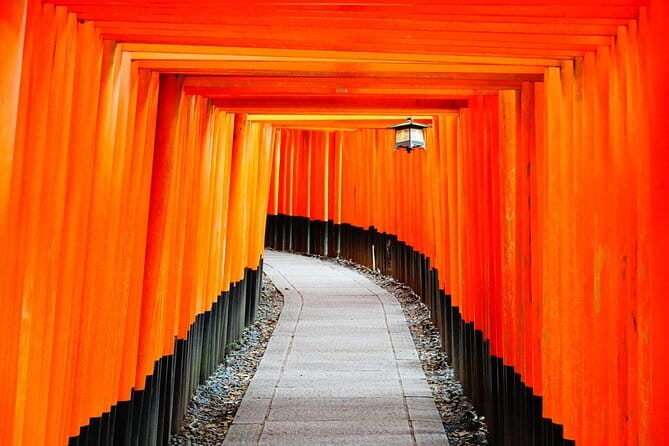
- Fushimi Inari and its thousands of torii gates
- Commentary, guides, and the large-bus format
- The optional Kobe beef shabu-shabu lunch
- Timing, walking, and meeting-point discipline
- Who should book this Kyoto and Nara day trip?
- Should you book it?
- FAQ
- Does the tour depart from both Osaka and Kyoto?
- Is admission to Todaiji Temple included?
- Is the Bamboo Grove always included?
- Is lunch included?
- What languages are available on the bus?
- What happens if I arrive late?
Key points to know before booking
- Four or five major sights in one day: The route can include Nara Park, Todaiji, Arashiyama, Kinkaku-ji, and Fushimi Inari.
- Arashiyama is not guaranteed in practice: Schedule changes have caused this stop to be cut on some dates.
- Todaiji admission is extra: The bus ride and guide are included, but the Great Buddha temple ticket is optional and not part of the price.
- Kinkaku-ji entry is included: This saves you one admission charge and keeps the visit easy.
- The bus does not wait: Arrive at least 10 minutes early at the exact meeting point, and return promptly at every stop.
- Lunch is an add-on: Osaka departures may offer Kobe beef shabu-shabu, but only if you select the lunch option.
What the $64.33 price really buys you
At $64.33 per person, this tour is priced as a transport-and-sightseeing shortcut rather than a slow cultural visit. You are paying to connect Osaka or Kyoto with several difficult-to-link sights in one day, while someone else handles the roads and general schedule.
That can be good value if you have only one spare day. A private car would cost far more, and arranging Nara, northern Kyoto, Arashiyama, and Fushimi Inari by train would take planning and several separate rides. The air-conditioned coach also gives you a place to rest between stops.
The price does not cover everything. Kinkaku-ji admission is included, but Todaiji’s entrance fee is not. Lunch is included only when you choose that option, and the Kobe beef shabu-shabu meal applies to departures from Osaka.
I would not book this expecting a personal guide at your side all day. The guide provides commentary and directions, but at the sights you generally explore on your own. That works well if you enjoy setting your own path and taking photographs. It is less satisfying if you want detailed explanations beside every gate, statue, and garden.
The group can reach as many as 99 people. That helps explain the low price, but it also means several buses may gather at the same meeting area, and organization can feel crowded. Check your bus number, confirm your name with staff, and keep the meeting-point photograph or QR code ready.
A few more Namba tours and experiences worth a look
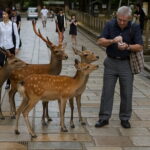
Starting in Nara Park with deer and the Great Buddha
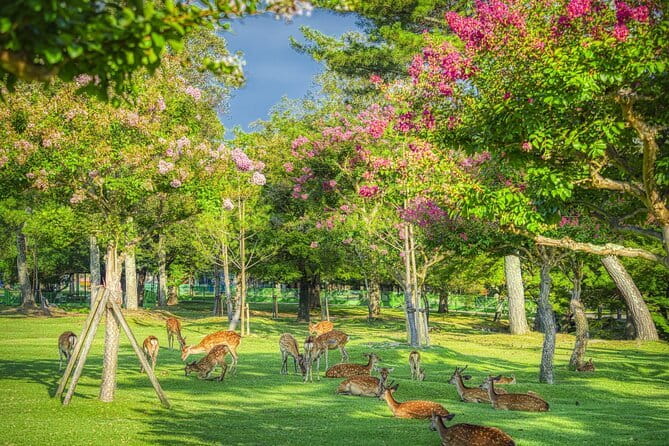
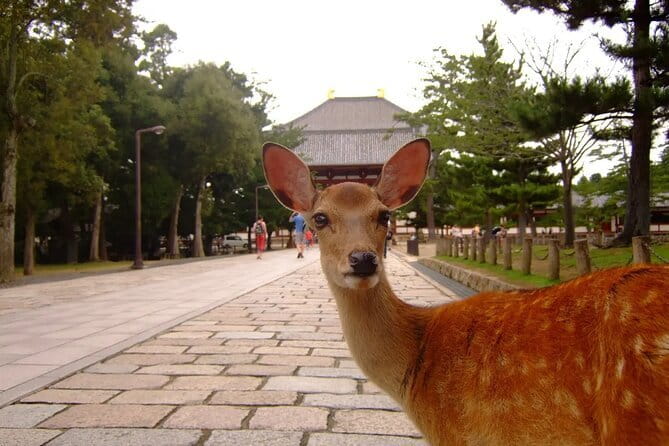
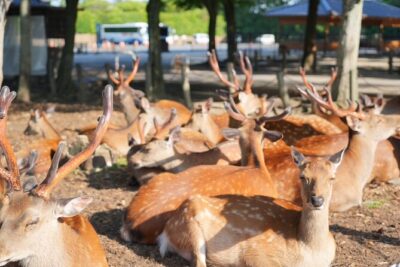
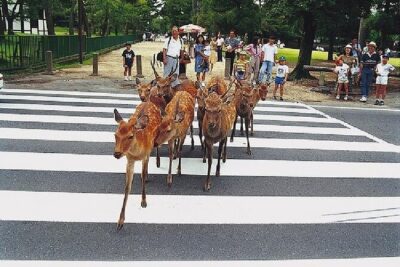
Nara is usually the first major stop, with about 1 hour 20 minutes listed for Nara Park. The park itself is free, and the deer are the immediate draw. They move around the paths and temple grounds, giving you one of Japan’s most memorable city experiences without an additional ticket.
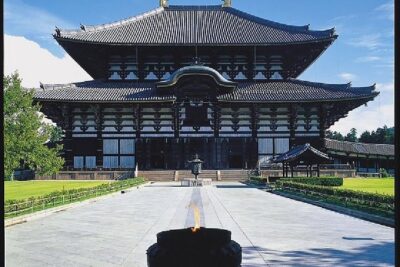
The real prize is Todaiji Temple. Its Great Buddha is one of the world’s largest bronze Buddha statues, housed inside one of the largest wooden buildings ever constructed. Even from the outside, the scale is impressive. Inside, the wooden hall makes the statue feel even more powerful.
Here is the timing problem: 80 minutes sounds reasonable until you account for the walk from the bus, the park paths, the ticket line, and the temple visit. Todaiji admission is extra, and slower walkers may need to choose between spending time with the deer and entering the hall.
The listed nearby sites include the Manyo Botanical Garden and Tamukeyama Hachiman Shrine, but do not expect a full visit to each one. They are useful landmarks around the Todaiji and Kasuga area, not separate, leisurely tour stops.
I would make Todaiji your priority, then use the remaining minutes for Nara Park. Keep your ticket money and phone accessible, and listen carefully for the meeting time. A late return can affect everyone on the coach.
Arashiyama and the bamboo-grove question
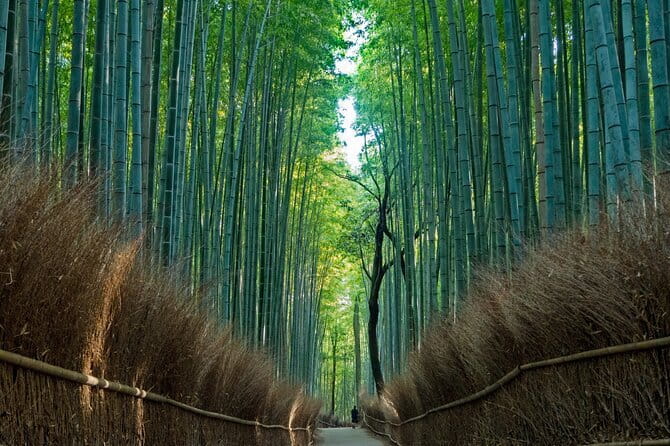
Arashiyama is scheduled for about two hours and, when included, it is one of the most attractive parts of the day. The Bamboo Grove offers a short walk among tall bamboo stalks, with paths that can feel far removed from central Kyoto even when crowded.
There is more around the district than the grove. Tenryu-ji, Nonomiya Shrine, Togetsukyo Bridge, the Kimono Forest installation, and the gardens of Okouchi Sanso are all listed in the wider Arashiyama area. The schedule, however, does not allow you to see all of them properly.
This stop needs a clear warning. Several departures have skipped the bamboo forest because of changes to bus-driver working-hour rules. In some cases, the change was announced only a few days before departure. In others, visitors learned on the day itself.
That matters because the bamboo grove is often the main reason people choose this route. If it is essential to you, contact VIP Japan Tours before booking and ask whether Arashiyama is operating on your chosen date. Do not assume the printed route guarantees it.
When the stop runs as planned, use your two hours carefully. Go directly toward the grove, take your photographs, and return with time to spare. You might find enough time for part of Tenryu-ji or a walk toward Togetsukyo Bridge, but the schedule is not designed for a broad exploration of western Kyoto.
Kinkaku-ji, the Golden Pavilion
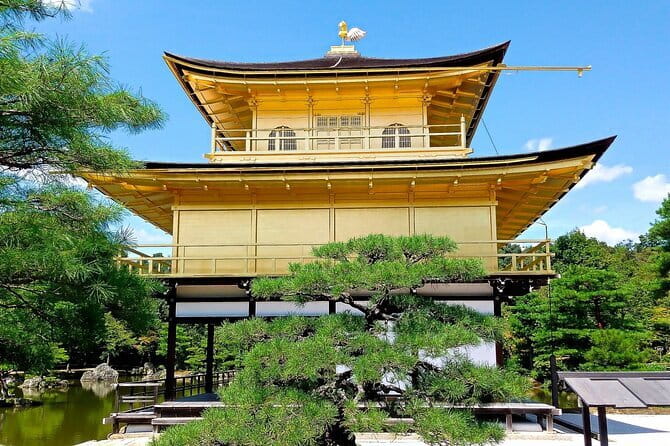
Kinkaku-ji receives about 40 minutes, and admission is included. The temple’s golden exterior reflects across its pond, with carefully arranged gardens around it. This is a sight that works even on a short visit because the main view comes quickly after entering.
The short stay is also the weakness. You will have time to follow the visitor path, photograph the pavilion, and pass through the grounds, but not to linger over every garden detail. Crowds can slow the walk, especially in popular seasons.
I consider the included ticket a practical benefit. You do not need to find a ticket booth or wonder about the correct admission process, and the guide can direct you toward the entrance. Still, 40 minutes leaves little room for delays, so remain alert to the return instructions.
Kinkaku-ji is a visual stop more than a long temple visit. If you want extensive time in the gardens or quiet reflection, visit separately. If you want the famous view during a packed day, this format does the job.
Fushimi Inari and its thousands of torii gates
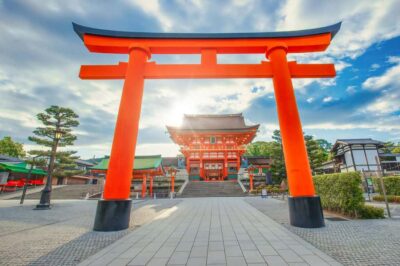
Fushimi Inari-taisha is allotted about 1 hour 20 minutes. Its orange-red torii gates form long passages up the wooded slopes, making this one of Kyoto’s most recognizable religious sites.
You do not need to climb the entire mountain to enjoy the shrine. With a limited stop, walk through the first gate tunnels, take in the smaller shrines and stone fox figures, and turn back before you risk missing the bus. The full route extends far beyond what this tour allows.
Fushimi Inari is free to enter, which keeps the day’s extra costs down. It is also a place where you set your own pace. The guide may explain the shrine and give directions, but you are generally responsible for choosing how far to walk.
The timing can feel tight after earlier stops. Long walks, crowds, photographs, and the return to the bus all use up the 80 minutes. Wear comfortable shoes and do not treat the stated departure time as flexible.
Commentary, guides, and the large-bus format
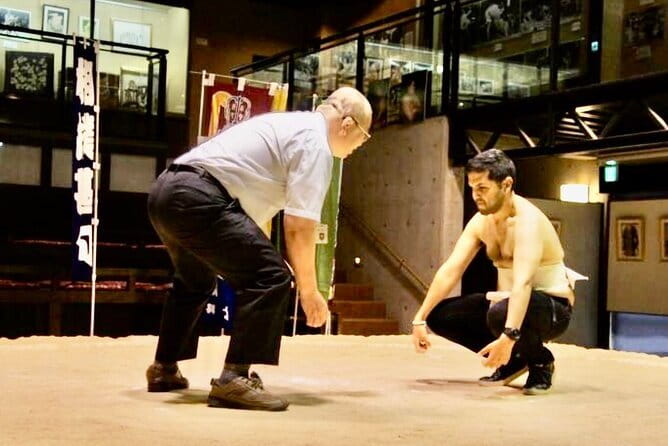
The tour offers live commentary in English or Chinese. Depending on the number of people booked, both languages may be spoken on the same bus. That can make the ride more informative, but it may also mean less time in each language.
The quality of the guide can shape the entire day. Mike has been praised for being friendly and helpful, while Harry was noted for answering questions and offering practical assistance beyond the tour. Garry received especially warm comments for his energy and cultural explanations. Nick and Eric were also described as funny, attentive, and clear.
The experience is not uniform. Some guides have been hard to hear, repeated minor details, or offered little explanation at the monuments. One especially poor account described late departures and confusion over Todaiji’s closing time. I would treat those problems as warnings to stay organized yourself, rather than relying entirely on the guide.
The bus format means the guide may lead you to an entrance, explain the basics, and leave you to explore. That is normal for a sightseeing coach, but it is different from a walking tour. If you need continuous interpretation, ask questions early and stay near the guide during orientation.
The optional Kobe beef shabu-shabu lunch
For departures from Osaka, you can select a lunch option featuring Kobe beef shabu-shabu. The meal comes with an explanation of Kobe beef, making it more than a simple break for food.
Several comments praise this meal, and it can add a pleasant Japanese dining experience to a day otherwise focused on famous sights. It also saves you from finding a restaurant during a tight schedule.
Do check exactly what you selected when booking. Lunch is not part of every fare, and the information provided specifically ties this option to Osaka departures. Kyoto departures may follow a different meal arrangement or have no lunch included.
A meal on a fixed schedule will not suit everyone. If you prefer to choose your own restaurant, bring snacks and use the stop time independently. If you want an easy meal with a regional specialty, the add-on is worth considering.
Timing, walking, and meeting-point discipline
This is a nine-to-ten-hour day, and traffic can make it longer. The coach operates in central Kansai, where busy roads and crowded temple districts can affect arrival and departure times. The operator says the schedule may change because of weather, traffic, or other conditions.
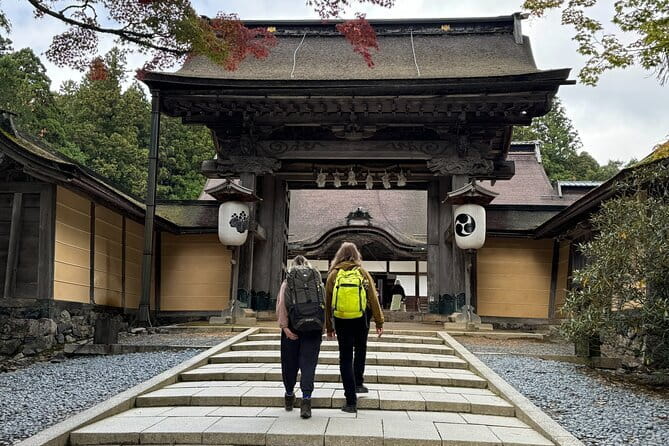
Some bus parking areas require a 10 to 20 minute walk to the attraction. That is especially important in Nara, where the distance between the coach and Todaiji can reduce your actual sightseeing time.
I would arrive at least 10 minutes before departure, not merely at the advertised time. The exact meeting point matters, and staff may not be able to move you to another bus if you wait at the wrong location. The bus leaves on time, with no promise to wait for late arrivals.
You may bring one piece of luggage per person, provided it fits comfortably in the vehicle. Stored bags are not accessible between stops, so keep passports, medication, valuables, and anything needed during the day with you. Trunk luggage must not exceed a combined height, width, and depth of 155 centimeters.
The tour is near public transport, and most people can participate, but the long day and walking make it better for active visitors. Families with older children may manage well. Anyone who walks slowly should allow extra time and consider whether Todaiji or Arashiyama is the higher priority.
Who should book this Kyoto and Nara day trip?
I would choose this tour if you have a short stay and want a broad first look at the region. It gives you famous images and major religious sites in one outing, with no need to coordinate several train lines.
It also suits you if you prefer a guide’s basic orientation followed by free time. The strongest guide experiences, including those with Mike, Harry, Garry, Nick, and Eric, suggest that a good escort can make the long day much more enjoyable.
I would skip it if Arashiyama’s Bamboo Grove is non-negotiable unless the operator confirms it in writing for your date. I would also skip it if you want quiet temple time, a small group, or detailed teaching at every site.
The cancellation terms are straightforward: cancel at least 24 hours before the start time for a full refund. Changes made within 24 hours are not accepted, and a weather or minimum-participant cancellation brings a different date or full refund option.
Should you book it?
Book this bus tour for maximum coverage with minimum transport planning. At $64.33, it is a sensible introduction to Nara and Kyoto, especially when you have only one free day and can accept a brisk pace.
Before booking, confirm three things: that Arashiyama is running, which meeting point applies to your departure, and whether lunch is included in your chosen option. If all three answers suit you, pack good walking shoes, arrive early, and treat the day as a highlight reel rather than a deep visit.
FAQ
Does the tour depart from both Osaka and Kyoto?
Yes. Pickup options are available from Namba in Osaka or from Kyoto. You must use the meeting point selected for your booking.
Is admission to Todaiji Temple included?
No. Todaiji admission is optional and must be paid separately. Admission to Kinkaku-ji is included.
Is the Bamboo Grove always included?
The planned route includes Arashiyama and the Bamboo Grove, but the stop may be removed because of traffic, weather, driver-hour restrictions, or other unforeseen changes. Confirm the current route before booking if this sight is essential.
Is lunch included?
Lunch is included only when you select the lunch option. The Osaka departure lunch is described as Kobe beef shabu-shabu with an explanation of Kobe beef.
What languages are available on the bus?
Live commentary is offered in English or Chinese. Depending on the number of participants, both languages may be used on the same bus.
What happens if I arrive late?
The bus departs promptly and does not wait for late arrivals. Arriving at least 10 minutes early at the correct meeting point is essential, and refunds may not be issued for missed departures.
More Osaka & Hiroshima Departures in Namba
More Nara Day Trips in Namba
More tours in Namba we've reviewed
Nara Day Trips, compared.
 ★ 5.0World Heritage Kyoto & Nara Uji Authentic Matcha ExperienceFrom $129
 ★ 4.7Kyoto/Osaka: Nara, Fushimi Inari Taisha, Arashiyama Bus TourFrom $529 - 10 hours
 ★ 4.4Osaka/Kyoto: Arashiyama, Nara & Fushimi Inari Shrine w/LunchFrom $61
 ★ 5.0Nara Early Morning Tour (Kyoto or Osaka Departure Available)From $61
 ★ 4.5Kyoto and Nara Day Trip from KyotoFrom $194
 ★ 4.5Nara Afternoon Tour from Kyoto or OsakaFrom $102