
Reviewed · NARA DAY TRIPS
3 Days Private Osaka Kyoto and Nara Tour With English Driver
Osaka, Nara, and Kyoto are close on a map but feel worlds apart. This private tour lets you move from Osaka street life to Nara’s deer parks and Kyoto’s temple lanes without changing hotels or working out every train connection. The full plan is packed, so your driver and your group will need to agree on priorities.
I like the private vehicle and the chance to customize the route. I also like the range of stops: Osaka’s food and shopping districts, Nara’s Buddhist treasures, and Kyoto’s famous shrines and gardens. One possible drawback is the sheer number of listed sights. Three days can cover the highlights, but not every stop at a relaxed pace.
In This Review
- Key points at a glance
- Why this three-city plan works
- Day one: Osaka Castle to Dotonbori-area shopping
- Osaka’s playful side at the Cup Noodles Museum
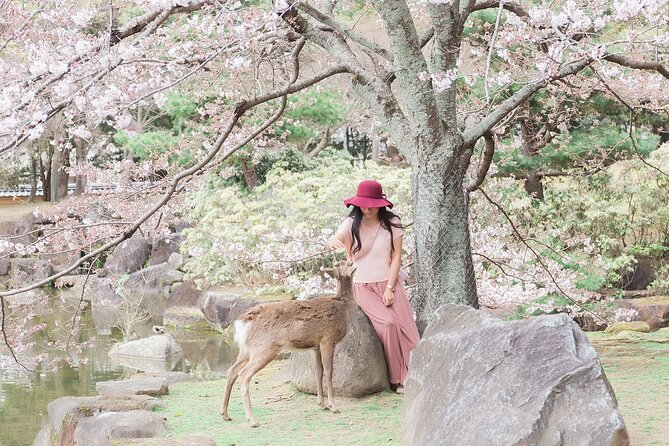
- Day two: Nara’s deer, temples, and gardens
- Quiet Nara: palace grounds and garden design
- Day three: Kyoto’s famous sights in one long sweep
- Kyoto’s art, food, and imperial past
- What the price really covers
- Who should book this private tour?
- Should you book it?
- FAQ
- How long is the tour?
- How many people can join the private tour?
- Is pickup and drop-off included?
- Is an English-speaking guide included?
- Are meals included?
- Is accommodation included?
- Are entrance fees included?
- Can I cancel for a full refund?
Key points at a glance
- One private vehicle for up to five people: Pickup and drop-off are included, with no other group sharing your car.
- An English-speaking driver: The driver handles transport, but a separate guide is not included.
- A flexible three-day route: You can shape the day around temples, food, gardens, museums, shopping, or hot springs.
- Osaka includes both famous and local-feeling stops: Osaka Castle, Shinsaibashi-suji, Sumiyoshi Shrine, and the Cup Noodles Museum all offer different views of the city.
- Nara’s best sights are packed into one day: Deer, Todai-ji, gardens, old streets, museums, and the former palace site all appear on the route.
- Kyoto’s headline sights come with a time tradeoff: Arashiyama, Kinkaku-ji, Fushimi Inari, Kiyomizu-dera, Gion, and Nishiki Market make for an exciting day, but you will need to keep moving.
Why this three-city plan works
The great strength here is control. You are not tied to a fixed group schedule, and only your party uses the private transport. For a family or group of friends, that can matter more than having a formal guide. You can pause longer at a temple, shorten a shopping stop, or skip a site that does not fit your interests.
The tour is priced at $1,646.41 per group of up to five people. Split five ways, that is about $329 per person for three days of private transport and an English-speaking driver, before meals, hotels, and admission charges. For two people, the per-person price is much higher. The value is strongest when the vehicle is full and you care about saving time between cities.
The main catch is that the package does not include a separate guide, meals, accommodation, taxes, or entrance fees. Your driver can help you get from place to place, but you should not assume that every temple visit includes a detailed historical talk. If interpretation is important to you, ask exactly what the driver can provide before booking.
A particularly encouraging detail is the praise for Vicky, who was described as patient and attentive during hot summer weather. Vicky even bought beverages for the couple he was driving. If Vicky is assigned to your group, that kind of practical care would be a real plus, though driver assignment should be confirmed rather than assumed.
If you're still narrowing it down, here are other tours in Osaka Prefecture we've reviewed.

Day one: Osaka Castle to Dotonbori-area shopping
The first day gives you a broad look at Osaka rather than a single theme. You begin at Osaka Castle, where a 40-minute stop allows time for exterior views and a quick look at the grounds. The castle is one of the city’s key symbols, but the listed time is short if you want to explore the interior as well.
Admission is not included, and the stated fee is ¥601 per person. If the castle is a priority, ask your driver whether the 40-minute visit includes enough time for entry or is intended mainly as a photo and grounds stop.
Shinsekai Inari Shrine follows, with about 45 minutes allotted. This small Shinto shrine sits in the Shinsekai area, a part of Osaka known for its strong local character and old-school entertainment atmosphere. It provides a quieter religious stop after the castle, though the listed admission charge of ¥626 per person is not included.
Sumiyoshi Shrine offers another side of Osaka. With more than 1,800 years of religious tradition behind it, this is an important Shinto site and a good place to notice the contrast between Osaka’s busy commercial districts and its slower sacred spaces. The visit lasts about 40 minutes, and admission is listed as free.
The Sakai City Hall Observatory is a smart choice if you want a city view without paying an entrance fee. From the 21st floor, you can look across Sakai and the surrounding part of Osaka Prefecture. The stop lasts 50 minutes, which should give you time to take in the view without turning it into a major detour.
Osaka’s playful side at the Cup Noodles Museum
The Cup Noodles Museum Osaka Ikeda gives day one a lighter turn. You can learn about instant noodles, see how the product developed, and create your own cup noodle. Admission is listed as free, although any activity or special feature may have its own conditions, so confirm details when planning your stop.
I like this inclusion because it breaks up a day otherwise filled with castles and shrines. It also gives you something hands-on to do, which can work well for families and anyone who wants more than another temple courtyard.
Solaniwa Onsen Osaka Bay Tower is the day’s relaxation option. The facility offers hot spring bathing and a pause from sightseeing. The planned visit is 45 minutes, but that is a brief window for an onsen facility if you want to change, bathe, and unwind without rushing.
Admission is not included, and the stated fee is ¥2,467 per person. Bring this stop into the plan only if a short bathing visit appeals to you. If you would rather spend more time in Osaka’s food districts, the onsen may be the first stop to cut.
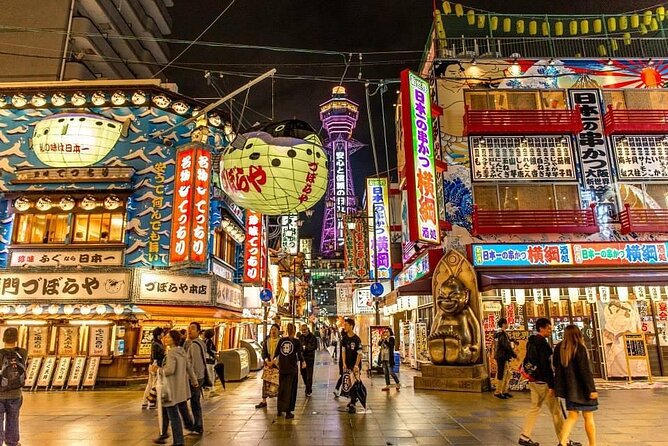
Shinsaibashi-suji Shopping Street gives you one hour beneath Osaka’s long covered shopping arcade. This is a practical place for browsing, snacks, and souvenirs, with shops stretching for more than 600 meters. It is also one of the easiest stops to adjust. You can spend less time shopping and use the saved minutes elsewhere.
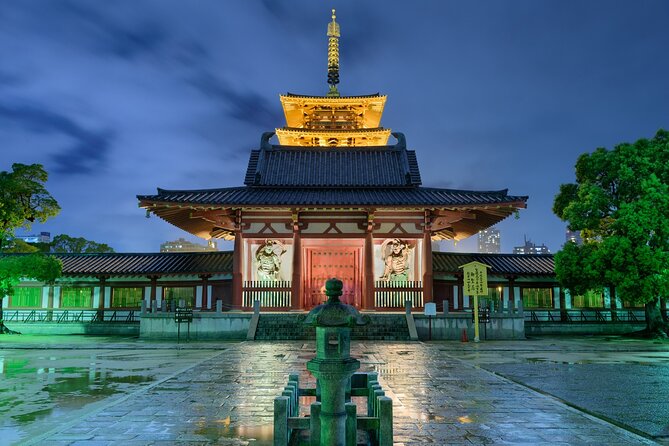
Shitennoji closes the day’s formal sightseeing. Dating to the sixth century, it is regarded as one of Japan’s oldest Buddhist temples. The 50-minute stop gives you a chance to see an important religious site without the crowds and commercial focus of the shopping arcade.
Admission is not included, with a stated fee of ¥500 per person. Day one contains eight stops, so I would treat the route as a menu rather than a promise to complete every visit in depth. Osaka is best enjoyed when you leave room for a meal and an unplanned street stop.
Day two: Nara’s deer, temples, and gardens
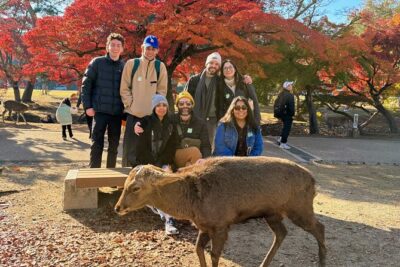
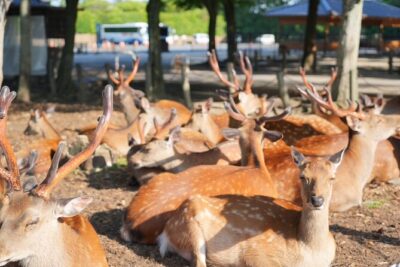
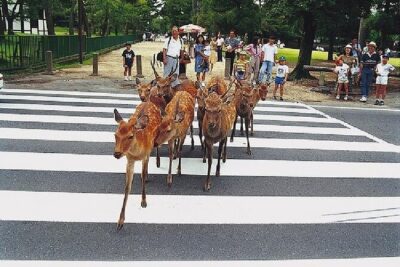
Nara Park is the natural starting point for day two. The planned visit is 90 minutes, and the park gives you access to the city’s famous free-roaming deer along with several major cultural sites. The stated admission line lists ¥621 per person, but other parts of the park may be freely accessible. Ask your driver which area and attraction that fee applies to.
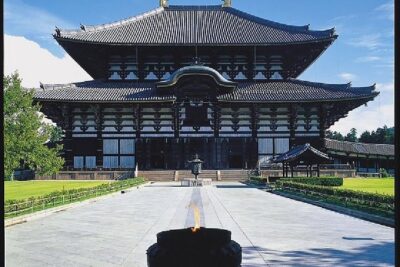
Todai-ji is the day’s essential stop. The temple’s Great Buddha Hall houses one of Japan’s best-known Buddhist images, and the scale of the building is hard to appreciate from photographs. You have about 50 minutes, with an ¥800 entrance fee listed separately.
The schedule is efficient rather than leisurely. If you want time for the park, the temple grounds, and the Great Buddha Hall, you may need to trim one of the later stops. Todai-ji deserves priority for first-time visitors to Nara.
The Kasuga Taisha Museum adds objects and background connected with the famous shrine. The visit lasts 50 minutes and costs ¥400 per person according to the supplied fee information. This is a good choice if you prefer displays and religious artifacts to another outdoor walk.
Naramachi offers a change of pace. Its narrow streets and traditional wooden machiya houses show an older side of Nara, and the 40-minute visit is long enough for a short walk and a few photographs. Admission is listed as free.
Kofuku-ji Temple is another major Buddhist site, with a 40-minute stop and a stated ¥600 entrance fee. Its long connection with Nara makes it a useful companion to Todai-ji, though some groups may feel temple fatigue by this point. If you are more interested in street life or gardens, ask whether this can be shortened.
The Nara National Museum is planned for 50 minutes. Established in 1889, it focuses on Japanese art and Buddhist works. Admission is listed at ¥700 per person. This stop is especially worthwhile on a hot or rainy day, but it may compete with the outdoor sights if your visit is in good weather.
Quiet Nara: palace grounds and garden design
Nara Palace Site Historical Park takes you beyond the compact temple area. The former Heijo Palace served as the imperial residence during the Nara period from 710 to 794. The park is free according to the itinerary and offers open space and archaeological context, but it does not have the immediate visual impact of Todai-ji.
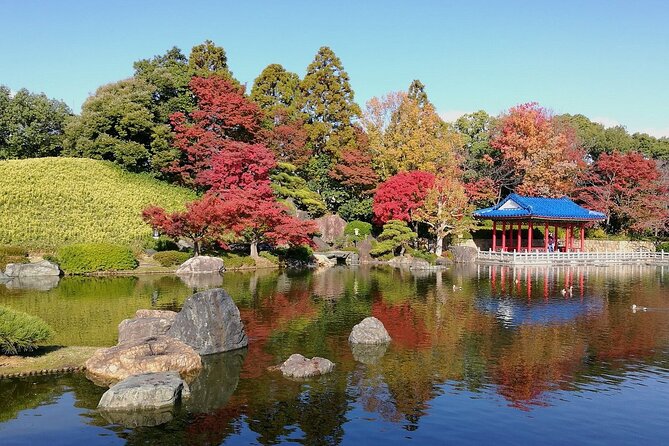
Isuien Garden is one of the most attractive choices for a slower, more thoughtful stop. The garden dates from the Edo period and uses ponds, paths, and carefully framed views. Admission is listed at ¥900 per person, and 40 minutes gives you a pleasant look without requiring a long visit.
The final Nara entry is labeled Nara Prefecture but describes Yoshikien Garden. It includes pond, moss, and tea ceremony garden styles, with a 40-minute stop and a listed fee of ¥1,299 per person. Because the naming and fee details are not perfectly clear, confirm the exact destination and cost before setting out.
Nara day two offers the tour’s best balance of major monuments and quiet spaces. Still, nine stops are too many for deep exploration. I would prioritize Nara Park, Todai-ji, one museum or garden, and Naramachi, then use the remaining time according to your interests.
Other private tours in Osaka Prefecture

Day three: Kyoto’s famous sights in one long sweep
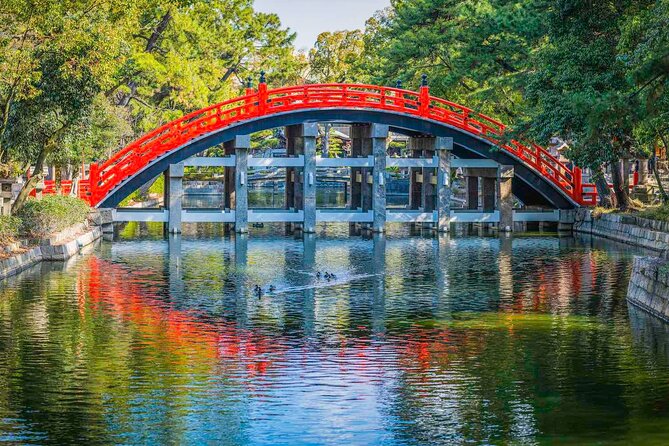
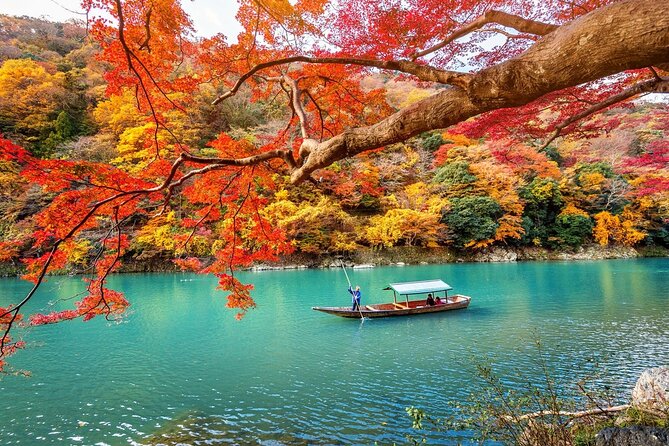
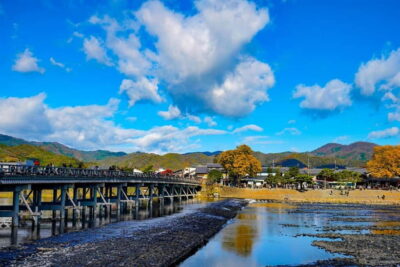
Kyoto day three begins in Arashiyama, on the western side of the city. The one-hour stop is meant for the district’s scenic paths and traditional atmosphere. Arashiyama can easily absorb much longer, so decide in advance whether you want a quick overview or a focused visit.
Kinkaku-ji, the Golden Pavilion, follows. Its gold-covered exterior reflects in the pond and makes it one of Kyoto’s most photographed temples. The visit lasts about 40 minutes, and the stated admission fee is ¥500 per person.
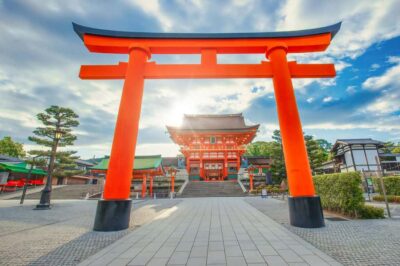
Fushimi Inari-taisha offers a very different scene. The shrine is famous for its long rows of vermilion torii gates on Mount Inari. The planned 40 minutes is enough for an initial walk under the gates, but not for a full mountain hike. If you want to walk farther, you will need to give up time elsewhere.
Kiyomizu-dera is another Kyoto essential. Set in the eastern hills, the temple is known for its large wooden stage and city views. The stop lasts 40 minutes, with a listed ¥400 entrance fee. The approach and grounds can take time, so comfortable shoes are useful.
The schedule then turns to Gion, Kyoto’s traditional district associated with geisha culture and old wooden buildings. You have one hour, but the stated entrance fee of ¥3,240 per person needs clarification because the district itself is generally experienced as a neighborhood rather than a single ticketed attraction. Ask what this charge covers before paying.
Kyoto’s art, food, and imperial past
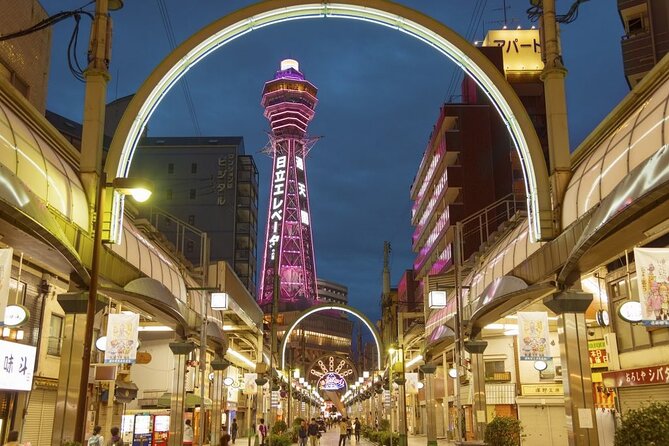
Sanjusangendo Temple is a strong choice for anyone interested in Buddhist art. Its central display of one thousand life-sized Kannon statues makes it unlike the other temples on this route. The 40-minute stop has a listed ¥600 admission fee.
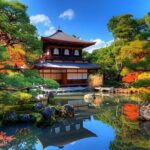
Ginkaku-ji, the Silver Pavilion, is quieter in appearance than Kinkaku-ji. Despite its name, it is not covered in silver. Its appeal comes from the Zen garden and restrained design, with a 40-minute visit and a stated ¥500 entrance fee.
Nishiki Market Shopping District provides a welcome food break. The market runs through central Kyoto and offers local foods, snacks, and traditional goods. The schedule gives you 90 minutes, the longest stop of the day, so this is where you can eat and browse instead of racing from one monument to the next.
Kyoto Imperial Palace finishes the listed route. The palace served as the Imperial Family’s residence until the capital moved to Tokyo in the late nineteenth century. Admission is listed as free, and the 40-minute stop gives you a look at Kyoto’s imperial past without another ticket charge.
Nine Kyoto stops make this the most demanding day. I would not try to treat each one as equally important. For a first visit, Arashiyama, Kinkaku-ji, Fushimi Inari, Kiyomizu-dera, Gion, and Nishiki Market are the strongest core. Add Sanjusangendo, Ginkaku-ji, or the Imperial Palace if your group prefers art, gardens, or court history.
What the price really covers
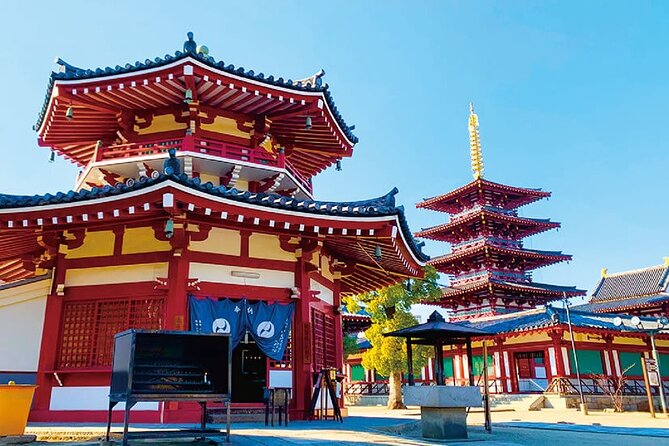
The $1,646.41 group price covers private transportation, pickup, drop-off, and an English-speaking driver for up to five people. It does not cover hotels, food, taxes, admission fees, or a separate guide.
The listed entrance costs add up quickly if you visit many paid sites. The supplied fees include Osaka Castle, Shitennoji, Solaniwa Onsen, Todai-ji, Kofuku-ji, the Nara National Museum, Isuien Garden, Kinkaku-ji, Ginkaku-ji, Kiyomizu-dera, Sanjusangendo, and the Kasuga Taisha Museum, among others. Some charges, such as the one shown for Gion and the entry connected with Nara Prefecture, deserve confirmation because the destination descriptions are not fully precise.
This tour makes the most financial sense for five people who value door-to-door transport and do not want to manage several complicated sightseeing days. It is less compelling for a couple who is comfortable using Japan’s public transportation and wants a slower pace.
Who should book this private tour?
I would recommend it to a small family, a group of friends, or first-time visitors who want to see all three cities from one base. The private format is useful when people in your group have different energy levels or interests. You can ask for more shopping, more gardens, or fewer temples.
It is also a good match for anyone concerned about summer heat. The attention shown by Vicky, including buying drinks for a couple during a hot-weather visit, suggests that practical comfort can be part of the experience when you have a considerate driver.
I would be cautious if you want in-depth guiding at every monument. The package includes an English-speaking driver, not a guide. I would also avoid booking it if your ideal holiday means lingering for hours in one neighborhood, since the proposed schedule covers a lot of ground.
Free cancellation is available when you cancel at least 24 hours before the start time. Changes or cancellations within 24 hours are not refunded, and late changes are not accepted.
Should you book it?
Book this tour if your priority is seeing Osaka, Nara, and Kyoto efficiently in three days with private transport. The route gives you plenty of choice, the group size is capped at five, and the driver can help turn a complicated regional trip into a manageable one.
Before paying, confirm the pickup area, the exact daily timing, the assigned driver, and the unusual entrance charges. Most important, agree on your top three sights in each city. With that plan, this is a useful and flexible introduction to the Kansai region. Without it, the long stop list could leave you feeling rushed.
FAQ
How long is the tour?
The experience lasts approximately three days.
How many people can join the private tour?
The private vehicle and tour are available for a group of up to five people.
Is pickup and drop-off included?
Yes. Pickup and drop-off are included, along with private transportation.
Is an English-speaking guide included?
An English-speaking driver is included. A separate guide is not included.
Are meals included?
No. Meals are not included in the price.
Is accommodation included?
No. Accommodation is not included.
Are entrance fees included?
No. Entrance fees are not included. Separate charges are listed for attractions such as Osaka Castle, Todai-ji, Kinkaku-ji, Kiyomizu-dera, and several museums, gardens, shrines, and temples.
Can I cancel for a full refund?
Yes, if you cancel at least 24 hours before the experience start time. Cancellations within 24 hours are not refunded, and changes made within 24 hours are not accepted.
More Private Tours in Osaka Prefecture
More tours in Osaka Prefecture we've reviewed
Nara Day Trips, compared.
 ★ 5.0World Heritage Kyoto & Nara Uji Authentic Matcha ExperienceFrom $129
 ★ 4.7Kyoto/Osaka: Nara, Fushimi Inari Taisha, Arashiyama Bus TourFrom $529 - 10 hours
 ★ 4.4Osaka/Kyoto: Arashiyama, Nara & Fushimi Inari Shrine w/LunchFrom $61
 ★ 5.0Nara Early Morning Tour (Kyoto or Osaka Departure Available)From $61
 ★ 4.5Kyoto and Nara Day Trip from KyotoFrom $194
 ★ 4.5Nara Afternoon Tour from Kyoto or OsakaFrom $102