
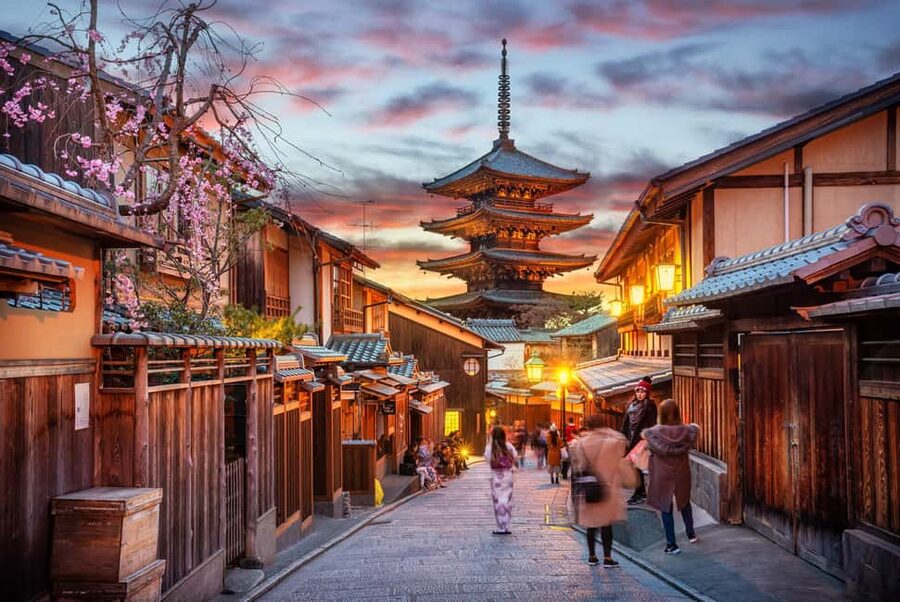
Reviewed · GION & GEISHA WALKS
Kyoto Gion: 2-Hour Geisha Culture & Photogenic Walking Tour
Gion’s geisha district is best understood on foot, one quiet lane at a time. This two-hour walk takes you from willow-lined Gion Shirakawa to old shrines, wooden townhouses, and Hanamikoji Street, where you may catch a glimpse of a geisha heading to an evening appointment. I especially like the mix of famous sights and less crowded backstreets, plus the chance to ask a local guide practical questions about Kyoto. The main consideration is that spotting a geisha is never guaranteed, and the walk is not suitable for wheelchair users or people with mobility impairments.
I also like the modest $27 price, which makes a short introduction to Gion easy to fit into a larger Kyoto plan. Guide Uta has earned particular praise for answering questions and explaining geisha culture clearly. Bring water, sunscreen, and good shoes, and remember that flash photography is not permitted inside temples.
In This Review
- Key points to know before you book
- Starting beside Gion Shirakawa
- Leaving the crowds for Gion’s side streets
- Historic shrines and a prayer for love
- Reading the signs of old wooden Kyoto
- What geisha culture means beyond a sighting
- Is two hours enough for Gion?
- What $27 buys you
- Practical details that affect your day
- Who should book this Gion walk?
- Should you book the Kyoto Gion walking tour?
- FAQ
- How long is the Kyoto Gion geisha culture tour?
- What language is the tour offered in?
- Where does the tour begin?
- Does the tour include hotel pickup and drop-off?
- Can I see a real geisha?
- What places does the tour visit?
- Can I take photographs?
- What should I bring?
- Is the tour accessible to wheelchair users?
Key points to know before you book
- Gion Shirakawa sets the mood: Begin beside willows, stone paths, and traditional tea houses along the river.
- Quiet lanes reveal old Kyoto: Walk past Edo-period wooden townhouses away from the busiest streets.
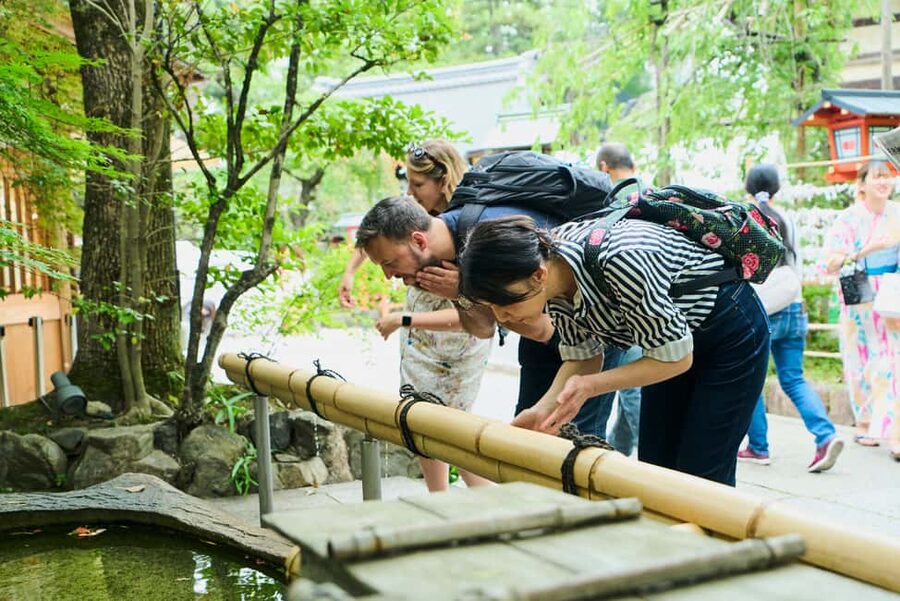
- Shrines add cultural context: Visit historic shrines, including Nonomiya Shrine, associated with prayers for love.
- Hanamikoji is your best geisha opportunity: The final part of the route takes you through Gion’s main geisha district.
- Uta may be your guide: One especially praised guide is Uta, noted for answering questions and explaining local customs.
- Plan for a real walk: Wear comfortable shoes, carry water, and bring rain protection because the tour runs in wet weather.
Starting beside Gion Shirakawa
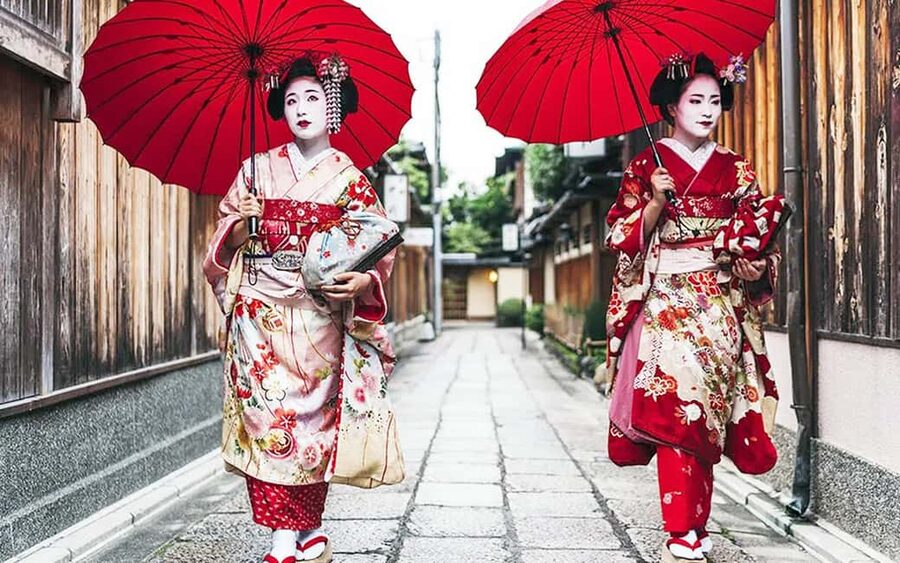
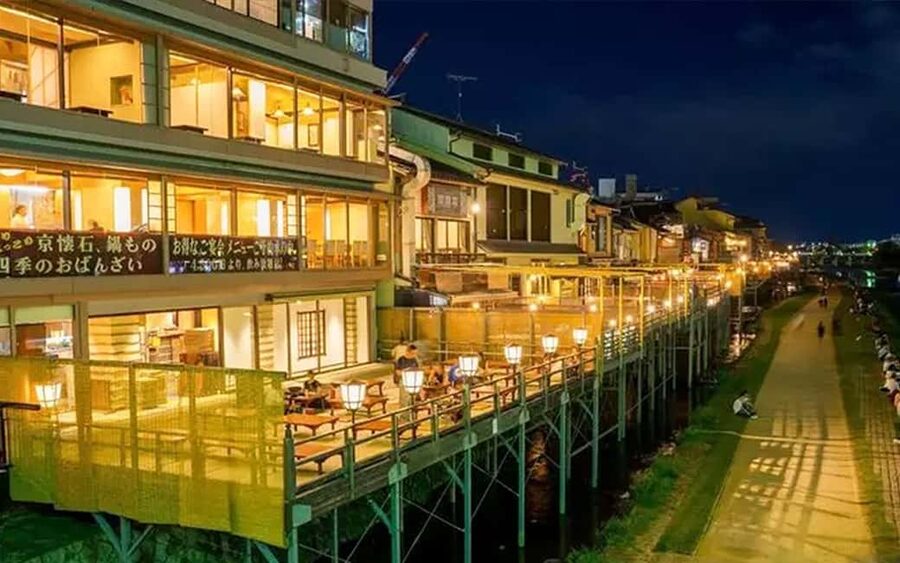
The walk begins at Gion Shirakawa, one of Kyoto’s most photogenic corners. Willow trees hang over the water, traditional tea houses line the route, and stone-paved paths give the area the old-fashioned look many people hope to find in Gion.
This is a smart starting point because it gives you a quick sense of place before the tour moves into narrower streets. You can take photographs here, but the setting is more than a backdrop. The riverside helps explain why Gion became such an important entertainment district, with tea houses and formal evening gatherings shaping the area over time.
Your guide meets you at the stated meeting point with a sign reading Local Guide Stars. The listed address is 105-1 Hashimoto-cho, Shimogyo-ku, Kyoto-shi, and the meeting point is supplied with a Google Maps link. Give yourself enough time to locate the guide, especially if you are arriving by public transport or walking from another part of Kyoto.
Because the tour lasts only two hours, the opening stop is not a long historical lecture. Expect short explanations as you walk, with time to look around and ask questions. That balance suits Gion well. You get useful background without spending the whole morning standing in one place.
A few more Kyoto tours and experiences worth a look


Leaving the crowds for Gion’s side streets
After Gion Shirakawa, the route turns toward quieter alleys. This is one of the tour’s strongest features. Many first-time visitors stay on the most obvious streets, take a few photographs, and leave with only a surface view of the district. A guide can help you notice the smaller details that are easy to miss on your own.
The backstreets are less about grand monuments and more about atmosphere. You may see traditional building fronts, family crests, narrow passages, and the careful design of old wooden homes. The tour includes a look at Edo-period townhouses, which offer a useful glimpse of how Kyoto’s older neighborhoods were built and maintained.
Do not expect every lane to be open for wandering. Gion remains a working neighborhood, and some streets lead toward private homes or businesses. The value of walking with a local guide is partly knowing where to pause, what you can photograph, and how to behave respectfully.
This part also gives you a chance to ask the questions that often do not fit into a guidebook. Uta, named in the feedback for this experience, is praised for responding to all kinds of questions and for explaining both the area and geisha culture. If Uta is leading your walk, you may find the conversational side especially useful. Guides can change, so the tour does not promise a particular person every day.
Historic shrines and a prayer for love
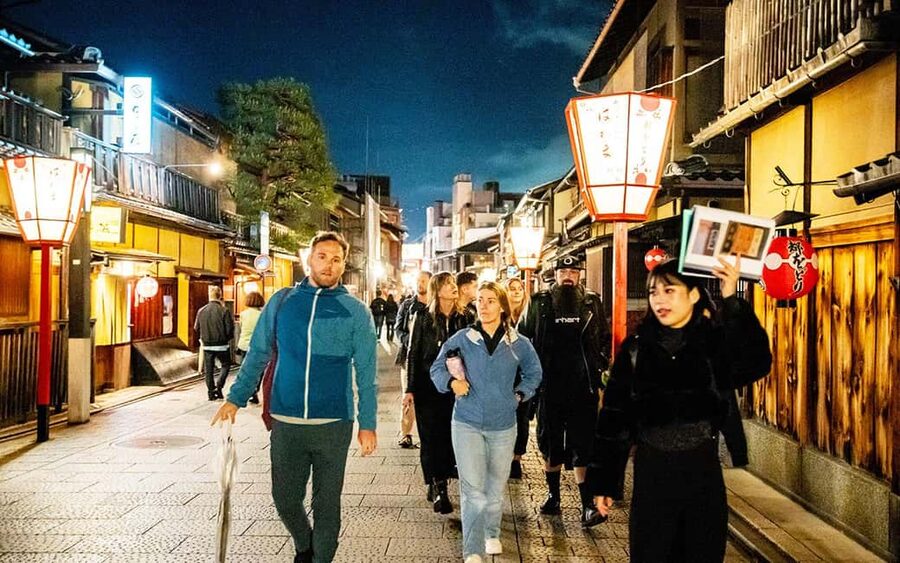
The route includes visits to historical shrines, including Nonomiya Shrine, known as a place to pray for love in Kyoto. For many visitors, this adds a personal and local element to the walk. You are not simply ticking off a famous building. You are seeing how religious sites remain part of daily hopes and customs.
The tour also highlights a shrine described as 1,000 years old. The supplied information does not identify which shrine carries that age, so your guide is the right person to ask for the exact background during the walk. That is a useful example of why a guided visit can be better than a quick solo stop. You can ask what the shrine is used for, how people pray there, and how it fits into Kyoto’s wider traditions.
Photography is allowed during the activity, but flash photography is not permitted inside temples. You should also be ready to lower your camera at times. Religious places are not simply photo sets, and a guide can help you understand when quiet observation matters more than getting another picture.
The shrine stops provide a change of pace from the streets. They also help connect geisha culture with the broader life of Kyoto. Gion is often presented only as a place to see elegant clothing and old buildings, but its shrines, homes, and narrow lanes show a district with more than one role.
Reading the signs of old wooden Kyoto
The Edo-period townhouses are another reason to choose this walk instead of a simple photo stroll. Wooden facades, traditional proportions, and family crests give you clues about the people and businesses that once shaped the neighborhood.
You will not be touring each house as a museum. Instead, you will see them from the street while your guide points out details and explains what makes them distinct. That approach keeps the tour moving, but it also means the experience depends on the guide’s explanations. Pay attention, and ask when something catches your eye.
I like this section because it teaches you how to look at Kyoto. Once you notice the family crests and older building styles, the streets become easier to read. You can carry that habit into the rest of your time in Japan, even after the tour ends.
The tradeoff is simple: a two-hour walking tour can introduce these buildings, but it cannot provide a full architectural study. If you want detailed information about construction methods or a long visit inside preserved homes, you will need a more specialized experience. For a first look at Gion, the shorter format is practical.
What geisha culture means beyond a sighting
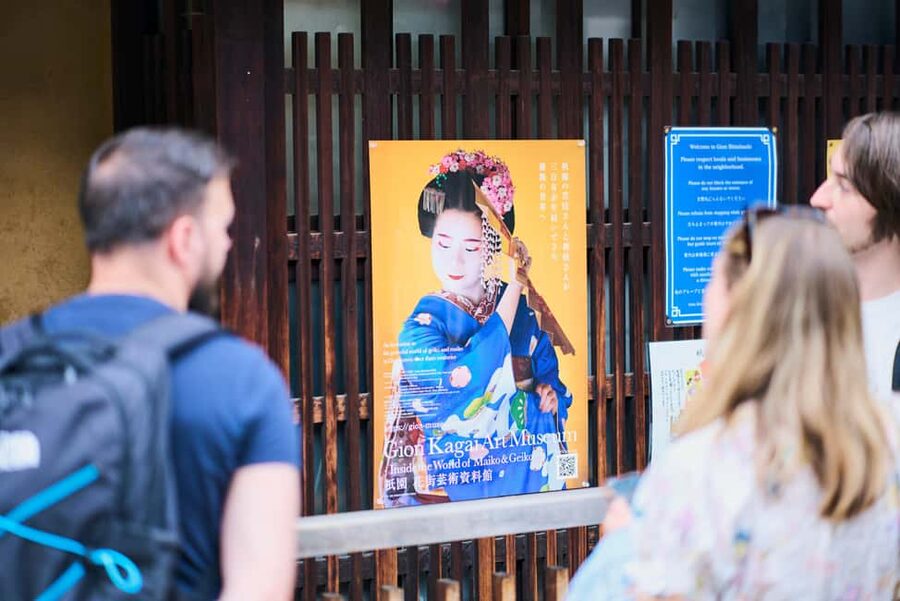
The tour ends with an introduction to Gion’s geisha culture, including training, graceful dance, kimono craftsmanship, and traditional hairstyles. This is important because a geisha is not merely someone in beautiful clothing. The culture involves years of discipline, performance, presentation, and formal work in the tea-house world.
Your guide can help you understand what you are seeing without turning a person into a tourist attraction. The language in the tour promises a chance to spot a geisha, not a scheduled encounter or posed photograph. If you see one on Hanamikoji Street, she may be on her way to an evening engagement and may not stop.
That uncertainty is part of the reality of Gion. You should not book this walk expecting a guaranteed geisha appearance. Book it to learn why the district exists, how the tradition works, and how to behave if you happen to see a geisha passing by.
Flash photography is not allowed inside temples, and respectful conduct matters throughout the neighborhood. Keep your distance, avoid blocking narrow paths, and follow your guide’s instructions. A discreet approach gives you a better chance of seeing ordinary local life without adding pressure to it.
Hanamikoji Street is the natural place to discuss these customs. It is the heart of the geisha district and one of the most recognizable streets in Gion. You get the famous setting, but the walking route also gives you quieter context before you reach it.
Other walking tours we've reviewed in Kyoto





Is two hours enough for Gion?

For a first introduction, yes. Two hours is long enough to connect several important parts of Gion without taking over your day. You see the riverside, side streets, shrines, old townhouses, and the main geisha district in one compact outing.
The shorter duration also makes this a useful choice on a packed Kyoto schedule. You can place it before another activity, use it to get oriented on your first day, or take it when you want a focused walk rather than a full-day tour.
There are limits. You will be walking for most of the experience, and the tour does not include hotel pickup or drop-off. The route is not suitable for wheelchair users or people with mobility impairments. Good shoes are essential, and you should carry water, particularly in warm weather.
The tour runs even when it rains. Bring an umbrella or raincoat, and protect your camera and phone as needed. Rain may make the stone paths slippery, so take care with your footing. Sunscreen is also recommended, which tells you to prepare for exposed sections as well as shaded lanes.
What $27 buys you
At $27 per person, this is an affordable guided introduction to one of Kyoto’s most famous districts. The value comes from the local explanation, not from admission to a major attraction. You are paying for someone to connect the places, explain customs, and help you find streets you might otherwise pass without understanding.
That price makes sense if you are curious about geisha culture but do not want to commit to an expensive private experience. It also suits visitors who want a short walk with a clear focus. You get an English-language guide, local recommendations, and a chance to ask questions in real time.
The price does not include transportation to the meeting point, food, drinks, or hotel transfers. It also does not guarantee a geisha sighting. Think of the tour as a low-cost orientation to Gion, not as a ticket to a performance or a private meeting.
The experience has received a top rating from eight reviews, and Uta receives specific praise for being present, answering questions, and explaining the area and geisha culture. That is the kind of praise that matters for this format. A walking tour succeeds when the guide notices what interests you and gives clear answers rather than rushing from stop to stop.
Practical details that affect your day
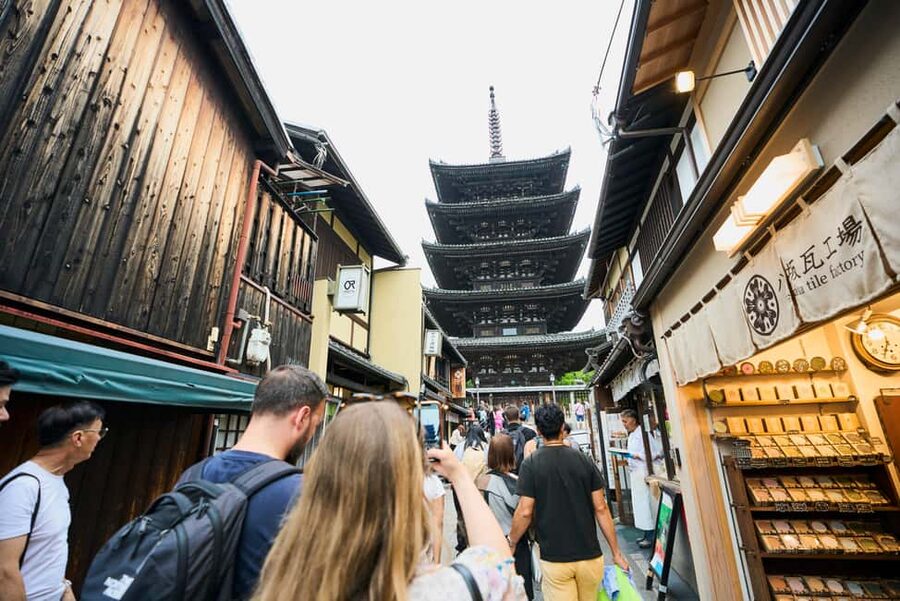
The tour is offered in English. You should arrive at the meeting point looking for the Local Guide Stars sign at the stated address. The activity information says the walk ends back at the meeting point, while the route description places the final portion at Hanamikoji Street. Because those details do not fully match, confirm the exact ending point with the operator when you book.
The tour allows you to reserve and pay later, which can help if your Kyoto schedule is still changing. You can cancel up to 24 hours in advance for a full refund. Those terms are useful, but you should still check the booking details before making final plans.
Pack light. Comfortable walking shoes, water, sunscreen, and rain protection are the key items. You do not need special clothing, but respectful dress is sensible for shrine visits and traditional neighborhoods.
This is not the right choice for anyone who struggles with walking on stone-paved streets or narrow lanes. Since no mobility accommodation is offered, choose another activity if you need wheelchair access or substantial assistance.
Who should book this Gion walk?
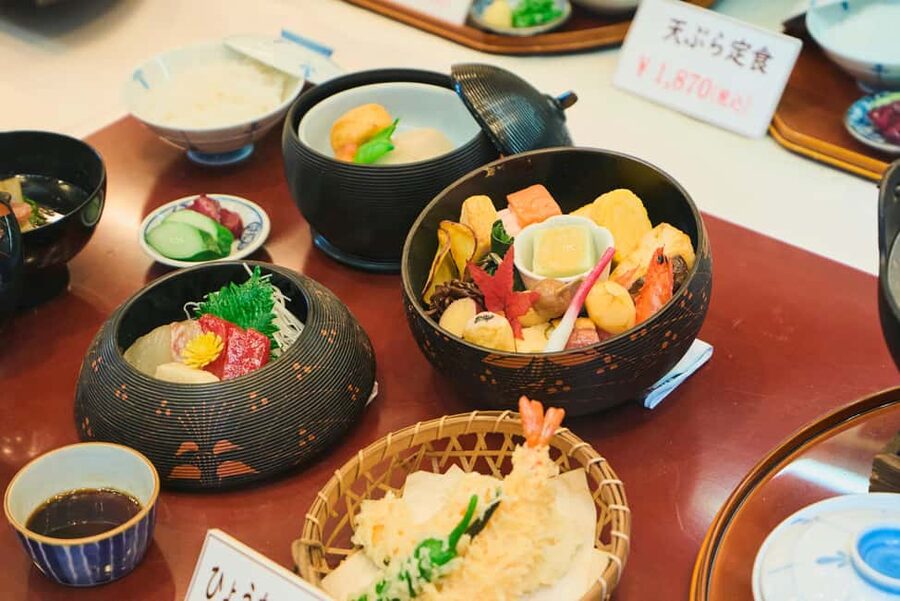
I would recommend it to first-time Kyoto visitors who want a clear introduction to Gion without spending half a day on a formal tour. It also suits photographers who enjoy streets, wooden buildings, shrines, and changing light, as long as they understand that flash is forbidden in temples and geisha sightings are uncertain.
It is a good match for you if you want local tips you can use during the rest of your stay. Your guide can point out the difference between the busy main streets and quieter lanes, explain the meaning of family crests, and give context to the customs surrounding geisha culture.
I would be more cautious if your main goal is a guaranteed geisha encounter. No walking tour can promise that from the information provided. I would also skip it if you dislike walking in rain, need step-free access, or want a long indoor visit with extensive architectural detail.
Should you book the Kyoto Gion walking tour?
Book it if you want an inexpensive, focused way to understand Gion on foot. The combination of Gion Shirakawa, quiet alleys, old townhouses, historic shrines, Nonomiya Shrine, and Hanamikoji Street gives you more than a quick photo stop. The chance to see a geisha is a bonus, not the product itself.
The tour is most valuable when you treat it as an introduction. You will learn how to read the district, how to act respectfully, and where Gion’s traditional culture fits into modern Kyoto. At $27, that is a fair return for two hours, especially if you are lucky enough to have Uta as your guide.
FAQ
How long is the Kyoto Gion geisha culture tour?
The walking tour lasts two hours.
What language is the tour offered in?
The tour is offered in English.
Where does the tour begin?
The meeting point is 105-1 Hashimoto-cho, Shimogyo-ku, Kyoto-shi, Kyoto. Look for a guide holding a Local Guide Stars sign.
Does the tour include hotel pickup and drop-off?
No. Hotel pickup and drop-off are not included.
Can I see a real geisha?
You may catch a glimpse of a geisha on Hanamikoji Street, but a sighting is not guaranteed.
What places does the tour visit?
The route includes Gion Shirakawa, historical shrines, Nonomiya Shrine, quiet backstreets, Edo-period wooden townhouses, and Hanamikoji Street.
Can I take photographs?
Yes, photography is allowed. Flash photography is not permitted inside temples.
What should I bring?
Bring comfortable walking shoes, water, sunscreen, and an umbrella or raincoat if rain is possible.
Is the tour accessible to wheelchair users?
No. The tour is not suitable for wheelchair users or people with mobility impairments.
More 2-Hour Experiences in Kyoto

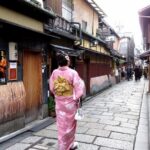

More Walking Tours in Kyoto
More Gion & Geisha Walks in Kyoto

More tours in Kyoto we've reviewed

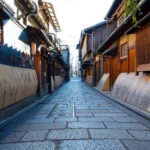





Gion & Geisha Walks, compared.
 ★ 4.7Kyoto Geisha Walking Tour: Gion District & Hidden GemsFrom $252 hours
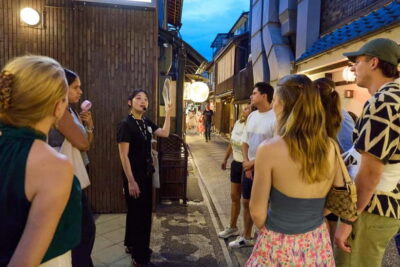 ★ 4.7Kyoto: Gion Geisha District Walking Tour – Stories of GeishaFrom $202 hours
 ★ 4.9Best of Kyoto: Gion, Geisha, Pagodas & CobblestonesFrom $242 hours
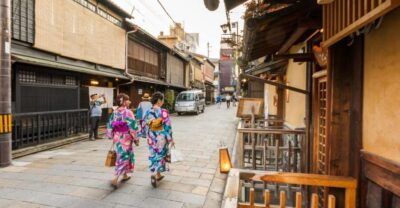 ★ 4.5Night Walk in Gion: Kyoto’s Geisha DistrictFrom $211h 40m
 ★ 5.0Kyoto Night Foodie Tour in Gion (9+ dishes + 6 Sake tastings)From $163
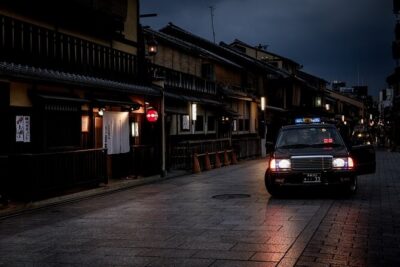 ★ 5.0Kyoto Gion Geisha District Walking Tour – The Stories of GeishaFrom $25