
Reviewed · FUSHIMI INARI TOURS
Osaka/Kyoto: Kiyomizudera Fushimi Inari, Nara Tour w/ Pickup
Kiyomizu-dera, Fushimi Inari, Nara Park, and Todai-ji make this a big sightseeing day with very little wasted travel planning. You move from Kyoto’s temple lanes to Nara’s free-roaming deer, then finish among Osaka shops and food stalls. Guide Jason is especially praised for friendly help and lesser-known photo spots.
I like the $54 price, which covers 10 hours of car use, a bilingual guide and driver, tolls, and parking. I also like the chance to see two major cities in one day, including a meaningful stop at Kasuga Shrine where you can write a wish on an ema plaque. The tradeoff is a fast schedule, and entry fees and meals are extra.
In This Review
- Key points at a glance
- Why This Kyoto and Nara Day Trip Works
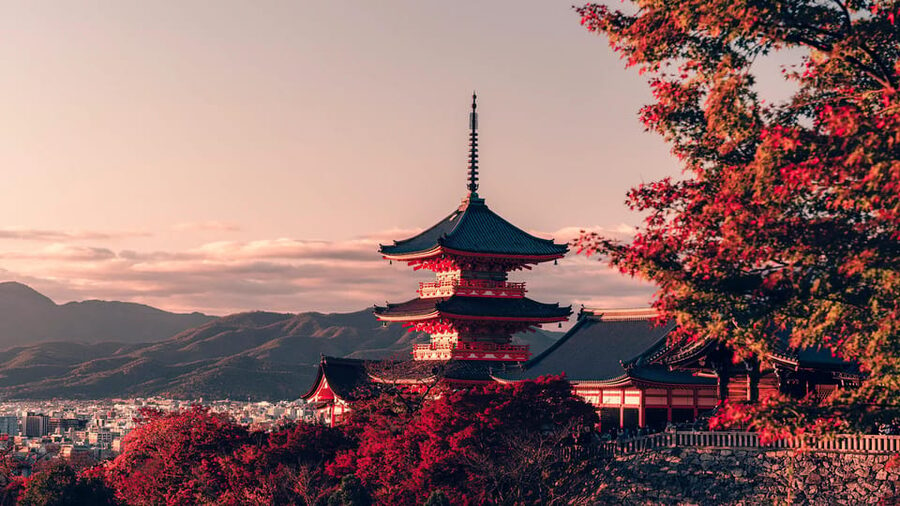
- Kiyomizu-dera and Kyoto’s Hillside View
- Walking Through Fushimi Inari’s Senbon Torii
- Nara Park and the Deer Encounter
- Todai-ji and the Great Buddha
- Kasuga Shrine and the Surprise Stops
- Returning to Osaka and Shinsaibashi-suji
- What the $54 Price Really Covers
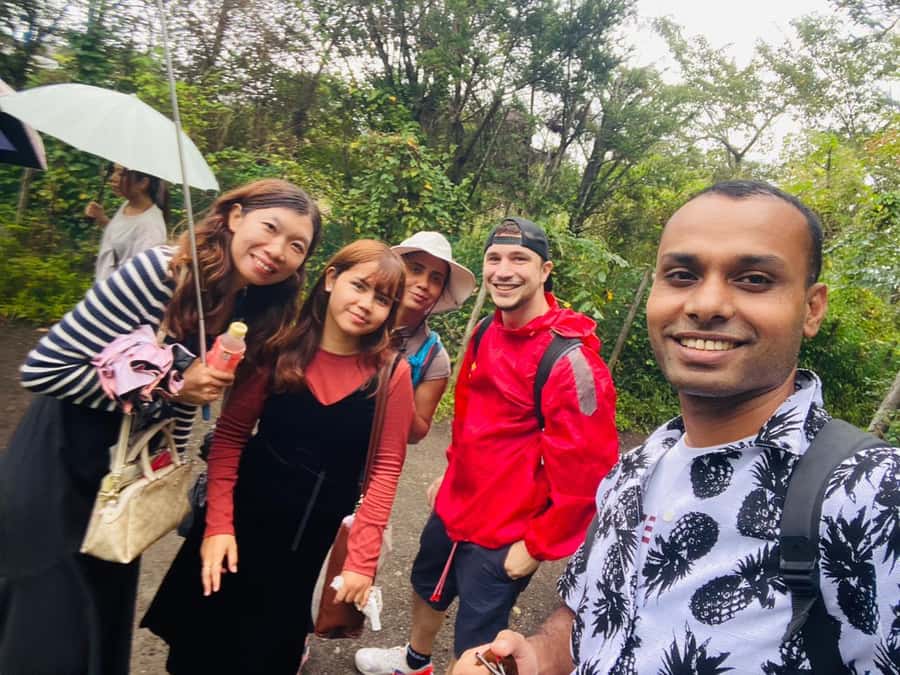
- The Pace, Guide Service, and Practical Fit
- Should You Book This Osaka Day Trip?
- FAQ
- Where does the tour begin?
- Where does the tour end?
- How long does the tour last?
- What languages are available?
- Are temple entrance fees included?
- Are meals included?
- Can I bring a stroller or large luggage?
- Do children under three pay?
Key points at a glance
- Four major cultural stops: Kiyomizu-dera, Fushimi Inari, Nara Park, and Todai-ji are packed into one day.
- A practical Osaka departure: Meet at Nihonbashi Exit 2 near Namba and Shinsaibashi, with the day ending back there.
- Personal guide service: Guide Jason is praised for friendly support and for pointing out photo spots away from the main crowds.
- Nara’s deer require care: The deer are approachable, but some may nip your hand if you hold food too slowly.
- Possible bonus stops: A 1,300-year-old garden and Kasuga Shrine may add extra character, depending on the day.
- Extra costs are modest but real: Kiyomizu-dera costs 400 yen for adults, Todai-ji costs 600 yen, and meals are not included.
Why This Kyoto and Nara Day Trip Works
This tour is built for you if you want the famous sights without arranging several train rides, local buses, taxis, and temple entrances on your own. In roughly 10 hours, you see two of Japan’s most important cultural centers and return to Osaka for an evening in Shinsaibashi.
That is a lot. Kyoto and Nara each deserve more than a quick visit, so you should expect highlights rather than a slow, detailed exploration. Still, the route makes sense. Kiyomizu-dera and Fushimi Inari give you Kyoto’s classic temple and shrine experience, while Nara adds deer, the huge Buddha at Todai-ji, and a quieter feel in its parkland setting.
The car service matters here. Public transport between Osaka, eastern Kyoto, and Nara can be easy enough for confident planners, but it also takes time and requires attention to stations and transfers. With a guide and driver handling the road, you can focus on the sites instead of watching the clock and reading train signs.
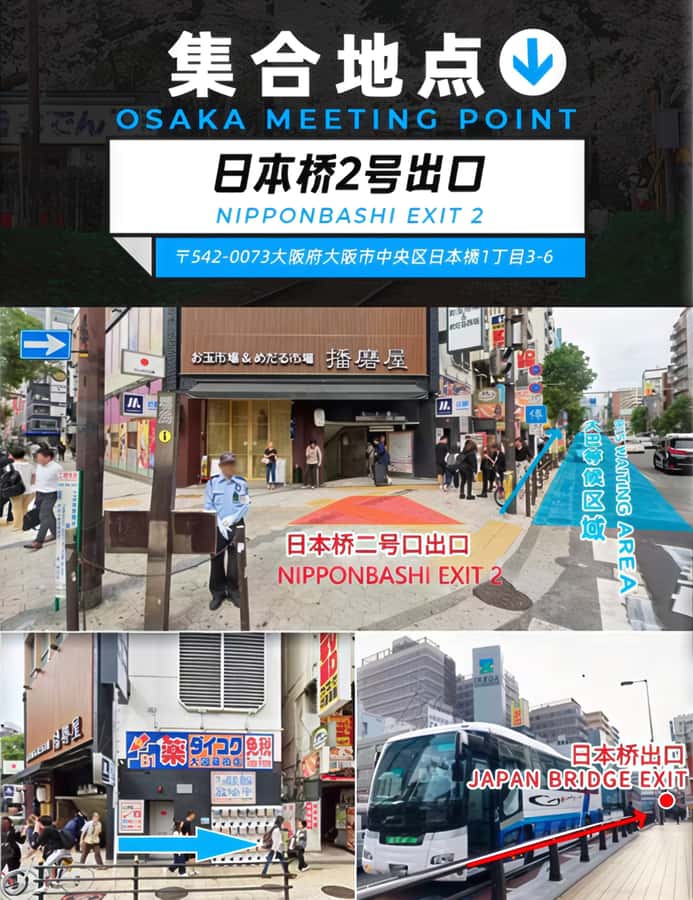
The starting point is Nihonbashi Exit 2, at 1-chome-3-6 Nipponbashi in Osaka’s Chuo Ward. It is close to the Namba and Shinsaibashi area, so it is handy if you are staying nearby or can reach the area by subway. Be there 15 minutes early. The vehicle leaves on time, and a late arrival or wrong location may mean no refund.
A few more Osaka tours and experiences worth a look
Kiyomizu-dera and Kyoto’s Hillside View
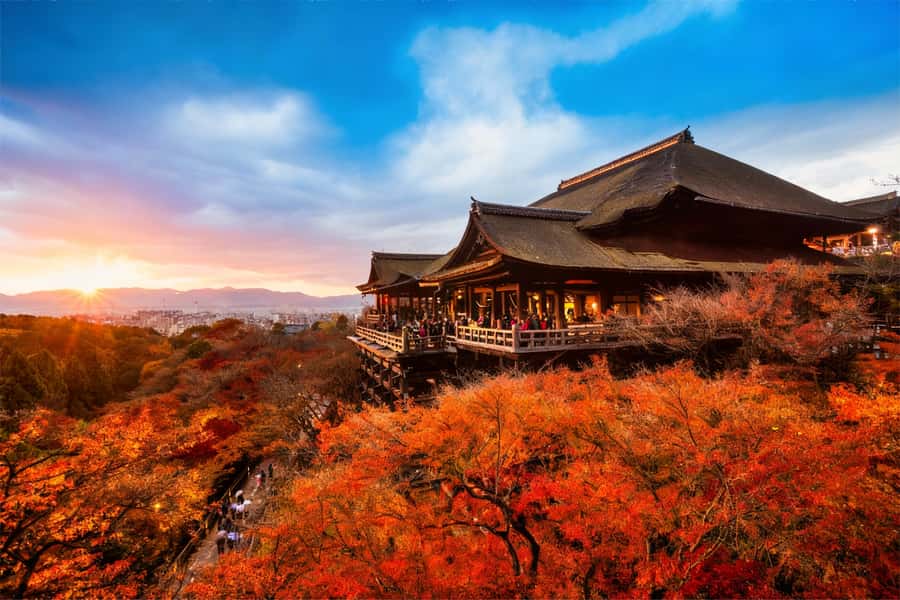
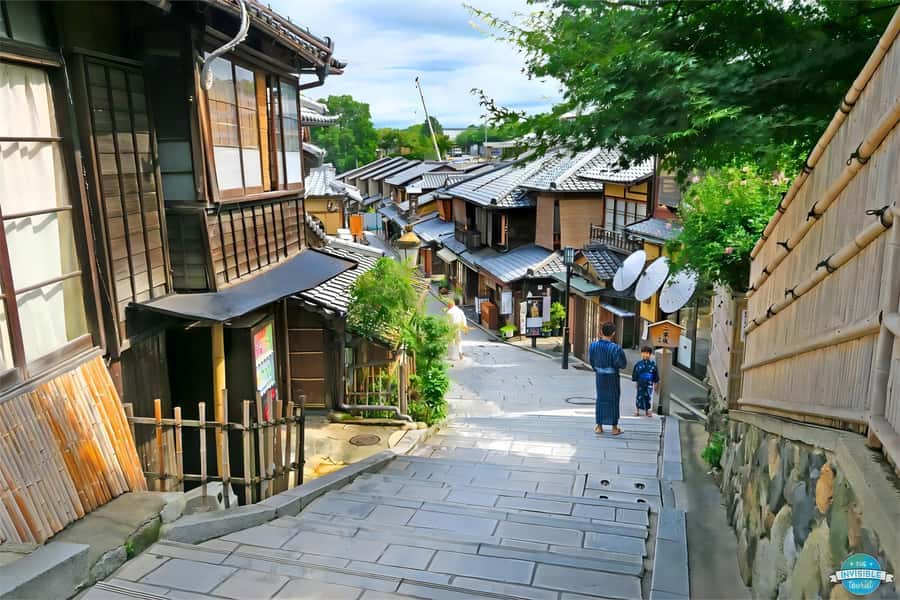
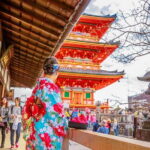
Kiyomizu-dera is one of Kyoto’s defining sights. The temple is known for its historic buildings and high position, which gives you scenic views across Kyoto. It is also a UNESCO World Heritage site, so this is not just a quick photo stop. You are seeing one of the city’s major religious and cultural landmarks.
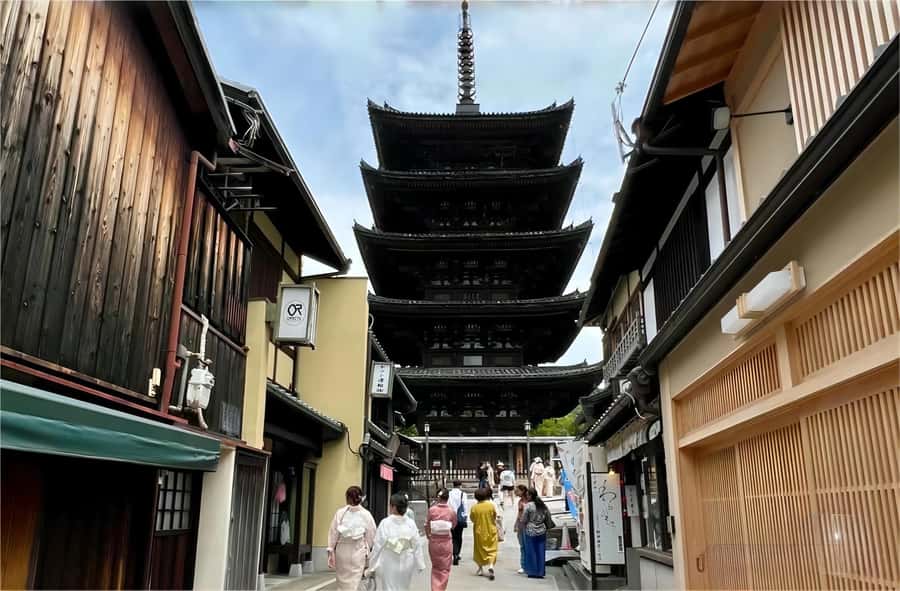
The visit is likely to begin with the approach through the traditional streets around the temple. The supplied schedule does not give an exact amount of time, so be ready to keep moving if traffic has delayed the morning. This is one reason comfortable shoes matter. You will be walking on busy temple approaches and uneven surfaces.
The temple entrance is not included. Adults pay 400 yen and children pay 200 yen. That is a small addition to the tour price, but you should have yen ready so the stop does not slow the group.
I like this first Kyoto stop because it gives you a sense of place right away. Kiyomizu-dera is more than a large building to photograph. Its architecture, hillside setting, and religious role help explain why Kyoto feels different from Osaka. The drawback is that the area can feel crowded, especially during peak travel periods, and a short visit may leave you wanting more time in the surrounding streets.
Walking Through Fushimi Inari’s Senbon Torii
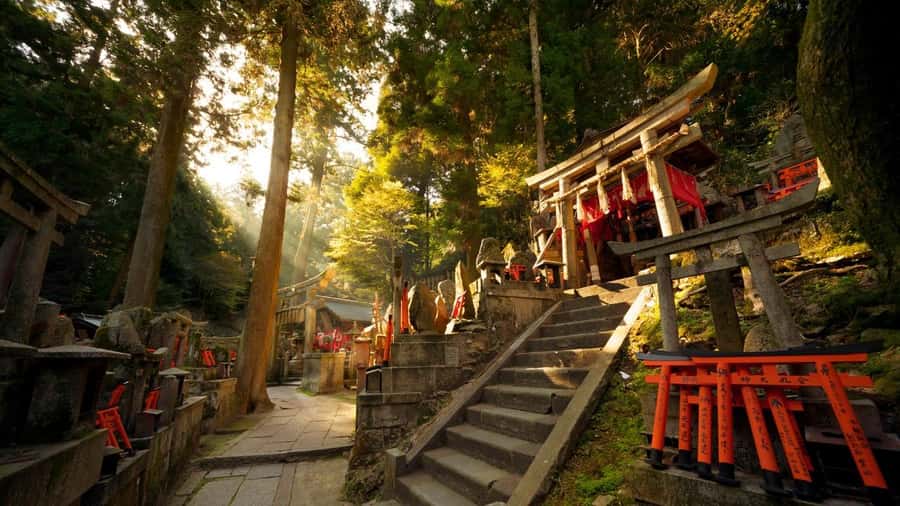
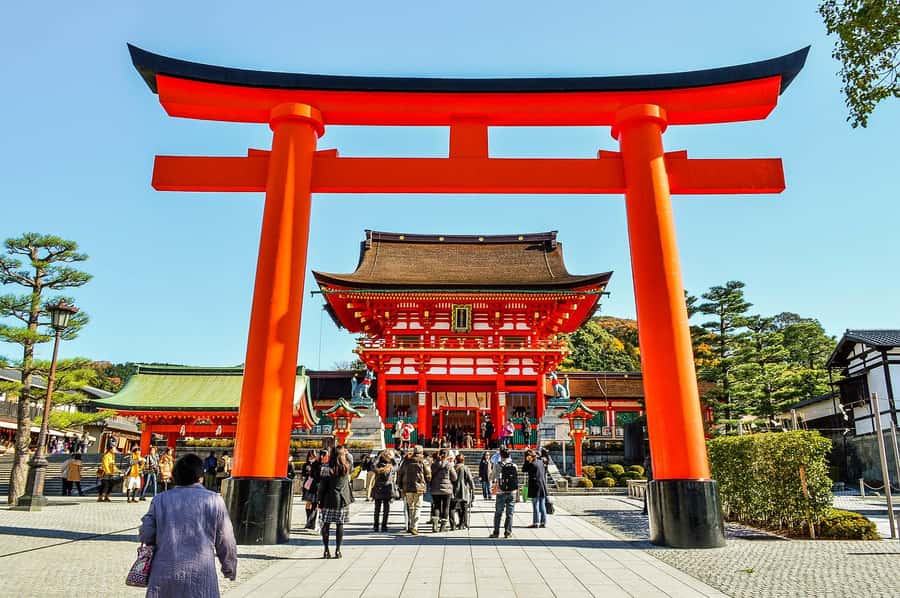
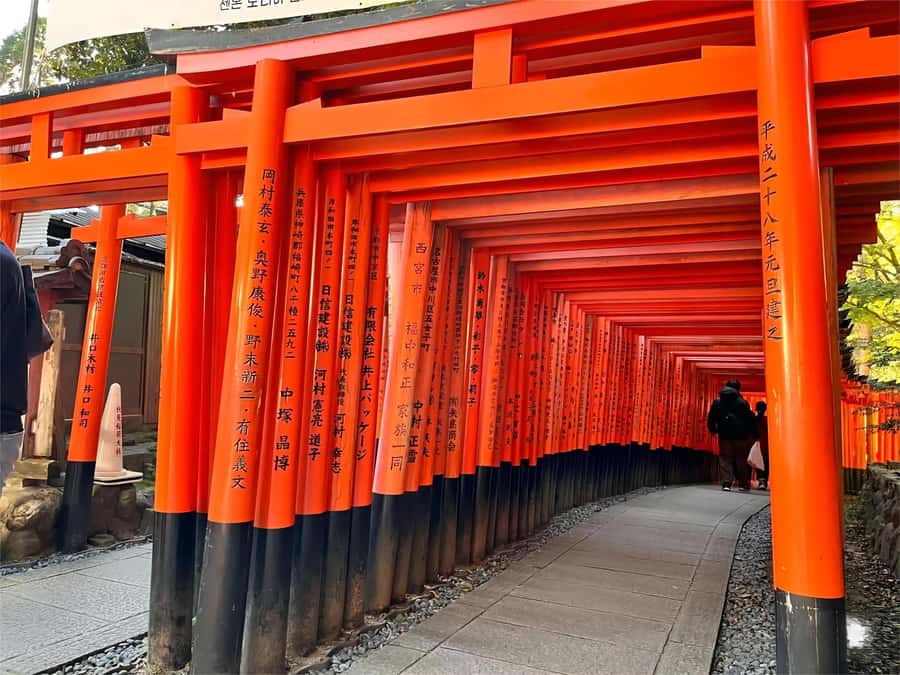
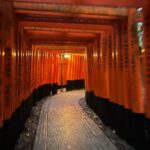
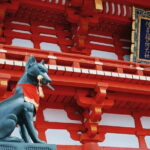
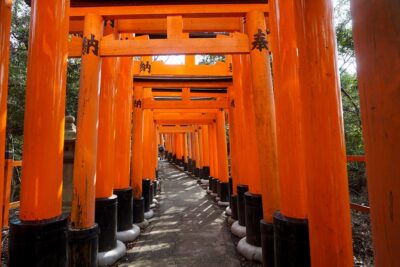
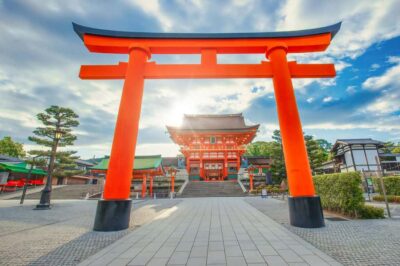
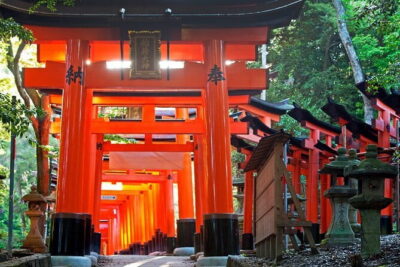
Fushimi Inari Taisha is famous for its long rows of orange torii gates. These gates form the Senbon Torii, or thousands of torii, along wooded paths that rise behind the main shrine area. The route is one of Japan’s most recognizable sights, and you will understand why almost immediately.
The first section is usually the most photographed. If your group has limited time, you may not walk the entire mountain route. That is not a flaw unique to this tour. Fushimi Inari is much larger than the familiar gate tunnel shown in photographs, and a complete visit can take far longer than a standard day trip allows.
The shrine is linked with good fortune and business success, and you will see a strong connection between worship, local custom, and everyday life. Your guide can add useful context while helping the group stay together. The bilingual service is offered in Chinese, English, and Japanese, so language support is available across those three languages.
I like the contrast between Kiyomizu-dera and Fushimi Inari. One gives you grand temple architecture and city views; the other gives you a shaded walking route marked by hundreds of bright gates. Wear shoes suited for walking, and do not assume the entire trail is flat or brief.
Nara Park and the Deer Encounter
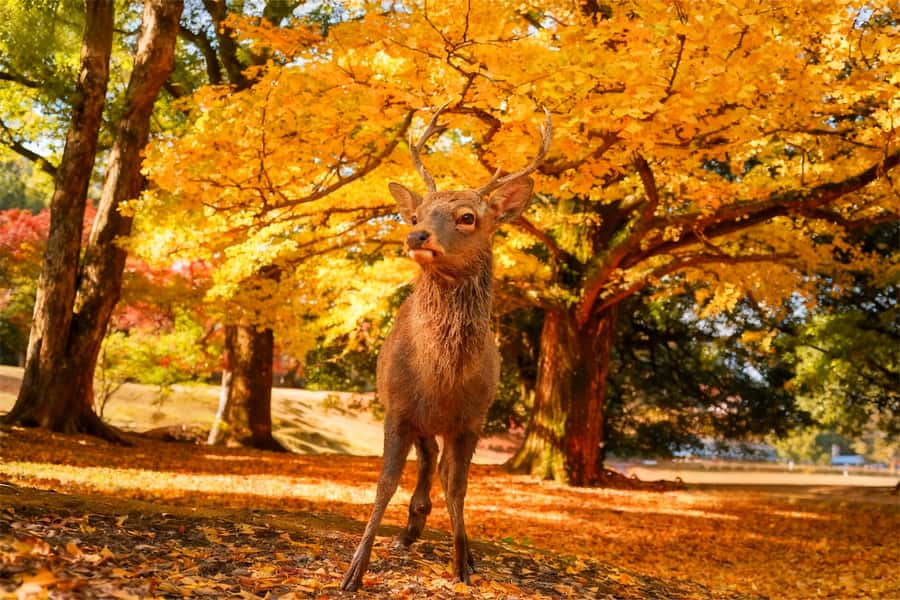
Nara Park changes the mood of the day. Instead of moving from one formal religious site to another, you meet sika deer that roam freely through the grounds. The animals are a memorable part of Nara, and feeding one can be fun, especially for children and first-time visitors.
You need to treat the deer with a little respect. Some are gentle and patient, while others can move in quickly when food appears. Hold the food carefully, keep your fingers out of the way, and be prepared for an eager deer to nip your hand if you are too slow. This is a small practical point, but it can make the difference between a funny moment and a painful surprise.
The park gives you room to pause after Kyoto’s busy temple areas. You can watch the deer, take photographs, and enjoy the open setting. At the same time, the stop is not a wildlife excursion. The deer are part of a public park, and the experience depends on the animals being nearby and willing to approach.
This is one of the tour’s best choices for variety. You are not simply collecting temple photographs. You are seeing how a famous Japanese city combines religious places, public space, and animals that have become part of its identity.
Todai-ji and the Great Buddha
Todai-ji is Nara’s most imposing stop. The temple is known for its massive Great Buddha statue and peaceful grounds. Entering the temple gives you a powerful sense of scale, even if you have already visited several shrines and temples earlier in the day.
The adult admission is 600 yen, and the child admission is 300 yen. This fee is separate from the $54 tour price. The grounds themselves provide a calmer setting, while the main hall and Buddha offer the dramatic centerpiece.
I find Todai-ji valuable because it gives Nara historical weight beyond the deer. The park is easy to remember, but the Great Buddha explains why Nara is such an important destination. You get both the lighthearted animal encounter and a serious cultural landmark in the same stop.
The possible drawback is fatigue. By the time you reach Todai-ji, you may already have walked around Kiyomizu-dera, Fushimi Inari, and Nara Park. If you tire easily, take short pauses when you can. The tour is not described as suitable for pregnant women or people over 80, and the pace may be demanding for anyone with limited mobility.
A few more Osaka tours and experiences worth a look

Kasuga Shrine and the Surprise Stops
The planned route includes the main sights, but the day may also bring an unexpected stop. One particularly appealing possibility is a 1,300-year-old garden that smaller vehicles can reach, creating a more private-feeling moment away from the largest tourist sites.
Another meaningful possibility is Kasuga Shrine, where you may learn to write a wish on an ema plaque. An ema is a small wooden plaque used for written prayers or wishes. This is the kind of activity that can make a day feel more personal, since you are taking part in a local custom rather than only looking at buildings.
These extra stops are not guaranteed in the supplied schedule, so you should treat them as possible additions, not promises. Traffic, timing, and the needs of the group can change the route. That flexibility can work in your favor, especially with a small vehicle, but it also means you should not plan the rest of your evening around a precise return time.
The guide’s role is especially important here. Jason is praised for watching out for the group and showing photo spots that many visitors miss. That kind of practical help can be worth more than a long lecture, especially when the day gives you limited time at each place.
Returning to Osaka and Shinsaibashi-suji
The tour ends back at the meeting point, followed by access to Shinsaibashi-suji Shopping Street. This is a fitting finish after a day of temples and deer. You move from old Japan into Osaka’s shopping and food scene, with shops, street food, and evening activity close at hand.
Shinsaibashi-suji is useful as more than a final photo stop. You can continue your night without arranging another transfer. If you are hungry, meals are not included in the tour, so this is a good place to buy food after the day’s paid admissions and walking.
The return timing may shift because of traffic, especially during busy seasons. Osaka, Kyoto, and Nara are all major destinations, and road delays can affect a schedule that already covers a lot of ground. Keep your evening plans flexible, particularly if you have a restaurant reservation or a train to catch.
What the $54 Price Really Covers
At $54 per person, this is a strong value if you place a high price on convenience. The fee includes 10 hours of car use, a bilingual guide and driver, tolls, and parking. You are paying for transport and coordination across three major destinations, not just entry to one attraction.
You still need to budget for:
- Kiyomizu-dera admission: 400 yen for adults, 200 yen for children
- Todai-ji admission: 600 yen for adults, 300 yen for children
- Meals and drinks
- Personal purchases and other expenses
That makes the tour less than an all-inclusive day, but the required extra fees are clear and fairly small. The main value comes from avoiding separate transport costs and the time involved in planning the route yourself.
For a solo visitor or couple, the price can be attractive if the vehicle arrangement replaces several train or taxi journeys. For a family, free admission for children under age three is helpful, provided the child does not occupy a seat. Strollers are not allowed, and luggage space is limited, so bring only what you need for the day.
One detail deserves attention: the formal meeting instructions specify Nihonbashi Exit 2, while one experience account describes a punctual Osaka hotel pickup. Do not assume hotel pickup is included. Wait for the email sent one day before departure, which should contain the guide’s contact information and vehicle details, and check your spam folder. A WhatsApp group is also created for coordination.
The Pace, Guide Service, and Practical Fit
The guide and driver arrangement is one of the tour’s strongest features. A guide can help you find the correct entrance, keep the day moving, explain the meaning of the sites, and point out a better place for a photograph. Jason is specifically praised for friendly attention and for looking after the group.
The tour is offered in Chinese, English, and Japanese. That gives you a useful choice of language support, though the exact guide assigned to your departure is confirmed the day before.
The schedule is best for you if you want a first look at Kyoto and Nara, or if your Osaka stay is short. It is less suitable if you prefer to spend half a day at one temple, browse every lane around Fushimi Inari, or set your own pace. You will cover a lot, but you will not have unlimited time at each stop.
Traffic is another factor. Departure time and the route can change during peak periods. The 10-hour vehicle window sounds generous, but Kyoto and Nara can require patience on busy roads. The guide can adjust the timing, yet no road-based tour can remove traffic from the equation.
Book at least a day ahead if you need to cancel, since cancellation up to 24 hours before departure allows a full refund. The reserve-now, pay-later option also helps if you are still arranging your Osaka plans.
Should You Book This Osaka Day Trip?
I would book this tour if you want the major Kyoto and Nara sights in one organized day and value having a car, driver, and guide. The route gives you excellent variety: a hillside temple, orange torii gates, free-roaming deer, the Great Buddha, and an Osaka shopping street to finish.
I would skip it if you want a slow temple visit, dislike fixed group schedules, or need guaranteed hotel pickup. You should also think twice if walking is difficult, since the day includes several large temple and shrine areas and is not recommended for pregnant women or people over 80.
For most first-time visitors based in Osaka, the $54 price is sensible once you understand what it includes and what it does not. Arrive early at Nihonbashi Exit 2, carry a small bag, wear good walking shoes, keep some yen for admissions and food, and handle the deer feed with care. Do that, and you get a very full introduction to Kyoto, Nara, and Osaka without spending your holiday solving the transport puzzle yourself.
FAQ
Where does the tour begin?
Meet your guide at Nihonbashi Exit 2, located at 1-chome-3-6 Nipponbashi, Chuo Ward, Osaka, 542-0073. The meeting point is in the Namba and Shinsaibashi area.
Where does the tour end?
The activity ends back at the original meeting point.
How long does the tour last?
The tour includes 10 hours of car use. The departure time and itinerary may change because of traffic, especially during peak seasons.
What languages are available?
The tour is offered in Chinese, English, and Japanese.
Are temple entrance fees included?
No. Kiyomizu-dera costs 400 yen for adults and 200 yen for children. Todai-ji costs 600 yen for adults and 300 yen for children.
Are meals included?
No. Meals, drinks, and other personal expenses are not included.
Can I bring a stroller or large luggage?
Baby strollers are not allowed, and luggage space is limited. Avoid bringing large bags.
Do children under three pay?
Children under three can join for free as long as they do not occupy a seat.
More Osaka & Hiroshima Departures in Osaka
More Nara Day Trips in Osaka
More Fushimi Inari Tours in Osaka
More tours in Osaka we've reviewed




Fushimi Inari Tours, compared.
 ★ 4.8Kyoto: Fushimi Inari, Kinkakuji, Bamboo Grove 1 Day Bus TourFrom $122510 minutes - 9 hours
 ★ 5.0Fushimi Inari Hidden Hiking Tour (Private Option Available)From $63
 ★ 4.7Kyoto/Osaka: Nara, Fushimi Inari Taisha, Arashiyama Bus TourFrom $529 - 10 hours
 ★ 4.4Osaka/Kyoto: Arashiyama, Nara & Fushimi Inari Shrine w/LunchFrom $61
 ★ 5.0Kyoto: Nijo, Kinkaku-ji, Arashiyama, Kiyomizu & Fushimi InariFrom $51
 ★ 5.0Kyoto Fushimi-Inari Night Walking TourFrom $43