
Reviewed · GION & GEISHA WALKS
Kyoto: Private Gion District Photoshoot Experience
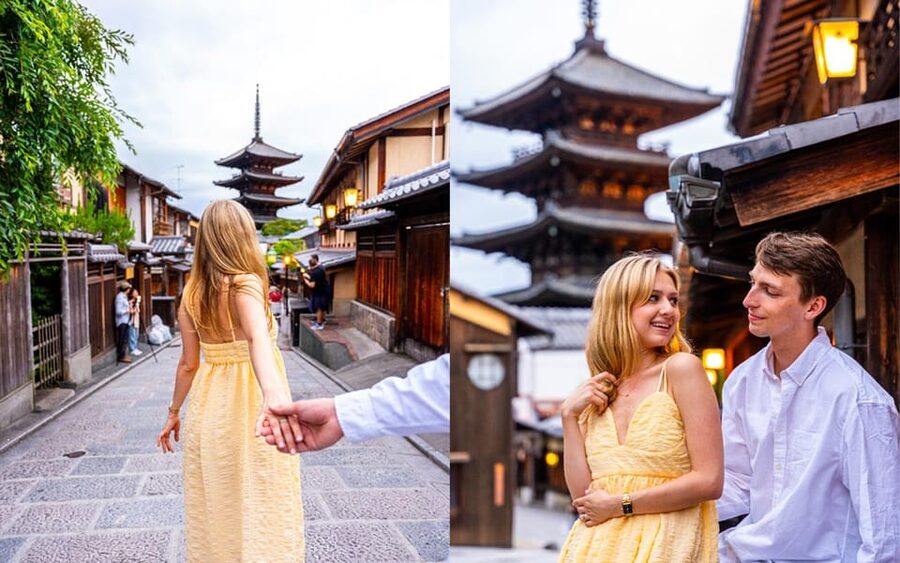
Kyoto’s best souvenir may be the one you can hang on a wall. This private photoshoot takes you through Gion and Higashiyama, pairing famous sights with quieter streets while a photographer guides your poses. You get about 200 standard JPG images per hour and 30 polished edits, not just a handful of rushed snapshots.
I like the relaxed coaching, especially if you freeze when someone points a camera at you. I also like the flexible route, which can include Hōkan-ji Temple, Sannenzaka, Yasaka Koshindo, Maruyama Park, and a less-known old Kyoto lane. The main consideration is that the standard session is 90 minutes, so five locations can mean a brisk walk and quick stops.
In This Review
- Key points to know before you book
- Why a Gion photoshoot can be worth your Kyoto time
- Meeting in Gion and setting the pace
- Hōkan-ji Temple and the famous pagoda view
- Sannenzaka’s old Kyoto setting
- Yasaka Koshindo’s colorful details
- A quieter Kyoto lane and Maruyama Park
- How the photographers help you look natural
- Kimono sessions, engagements, and solo portraits
- What you receive and how to protect the files
- Timing, language, and practical limits
- Is the $109 price good value?
- Who should book this Kyoto photo walk?
- FAQ
- Where does the photoshoot start?
- How long does the photoshoot last?
- Which Kyoto locations may be included?
- How many photographs do I receive?
- When will the edited photographs arrive?
- How long can I download the photographs?
- Is the experience private and wheelchair accessible?
Key points to know before you book
- About 200 images per hour: You receive the full set of standard-quality JPG photographs, not only the edited selections.
- Thirty edited photographs: These are the polished, high-quality images you will likely use for prints, albums, or social profiles.
- Pose guidance included: Josh, Mina, Peter, and Frances have been praised for making people feel comfortable and showing them how to stand, look, and move.
- Five Higashiyama locations in 90 minutes: The route can include Hōkan-ji Temple, Sannenzaka, Yasaka Koshindo, Maruyama Park, and a quieter street.
- Private and adaptable: You can request a particular backdrop and book for a solo portrait, couple session, family shoot, or group.
- Fast delivery, with one catch: Edited photographs are usually sent within 24 hours, but the download link lasts only two weeks.
Why a Gion photoshoot can be worth your Kyoto time
Kyoto is wonderfully photogenic, but getting a good picture of yourself here is harder than it looks. You can ask a stranger to take a shot, set up a phone on a wall, or settle for another selfie with half a pagoda cut off. This experience solves that simple problem with a private photographer, a proper camera, and direction in front of it.
The value is not only the final photographs. You are also walking through one of Kyoto’s most appealing areas with someone who knows how to use its angles, alleys, temple gates, and changing light. Several photographers also share tips about places to visit, eat, or shop, so the session can help you get your bearings in the city.
At $109 for a group of up to one person, the advertised price needs careful reading. It is presented as a group price, but the wording says up to one participant, so confirm the total cost for couples, families, or larger groups before paying. For one person, the fee can make sense if you want serious portraits, are wearing a kimono, or are marking an engagement or another major trip.
For a couple, the value depends on the final group price. Thirty edited images plus the larger standard set is a solid package, especially when you consider that a private session avoids sharing the photographer with strangers. It is less attractive if you only want a few casual snapshots and do not care about posing or image quality.
A few more Kyoto tours and experiences worth a look

Meeting in Gion and setting the pace
The stated starting point is 625 Gionmachi Kitagawa, placing you near the heart of Gion. The exact meeting instructions matter here. Gion has narrow lanes, busy pedestrian areas, and several nearby streets with similar names, so arrive with the location details open on your phone.
The session is usually described as 90 minutes. During that time, you walk through the Higashiyama Ward, stopping for portraits, sightseeing, and short breaks. The route generally aims for around five notable locations, though you can ask for different backdrops.
That flexibility is useful. A solo visitor in a kimono may want more time at one temple approach. An engaged couple may prefer a mix of posed portraits and walking photographs. A family may need a slower pace and fewer stops. Tell the photographer what matters most before you begin, since five locations in an hour and a half leaves little room for long pauses.
The experience is private, so you do not have to match another group’s pace or pose in front of unfamiliar people. That also gives you room to ask for a costume change midway, something one participant was able to arrange. It is worth asking in advance how much time changing clothes will take, since every minute spent changing reduces time for photographs.
Hōkan-ji Temple and the famous pagoda view
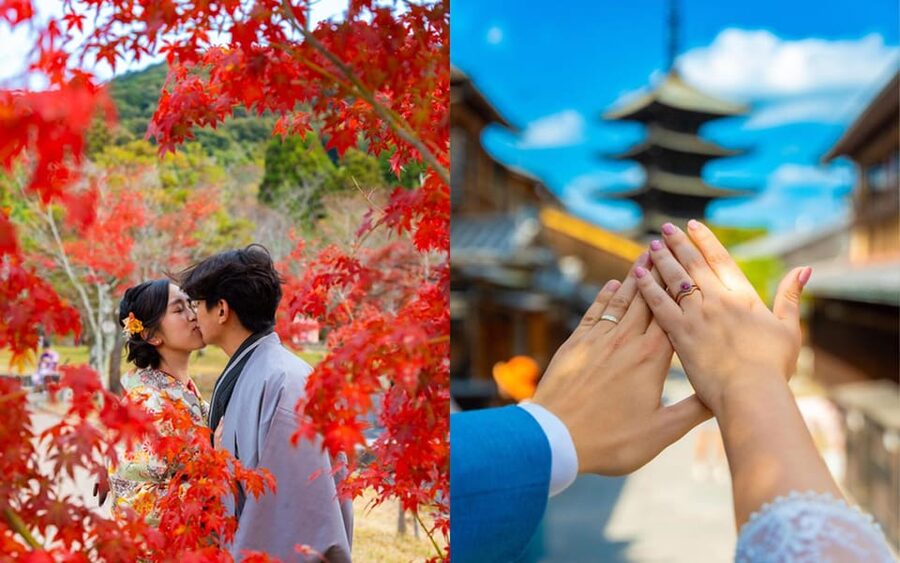
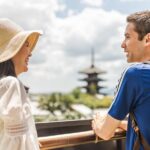
Hōkan-ji Temple is one of the classic Kyoto backdrops, thanks to its distinctive pagoda. The view gives your photographs an instant sense of place, and it works well for both formal portraits and walking shots.
This is also one of the locations where timing and crowd levels matter. The surrounding streets are popular, and a photographer may need patience to find a clear angle. The useful skill here is not simply pointing a camera at the pagoda. It is finding a position where the building frames you without turning the picture into a crowd scene.
The activity does not include admission fees. If the photographer needs to enter a paid site, you are responsible for the photographer’s entry fee. Ask about this before entering any place that charges, particularly if you request a location outside the usual street route.
Sannenzaka’s old Kyoto setting
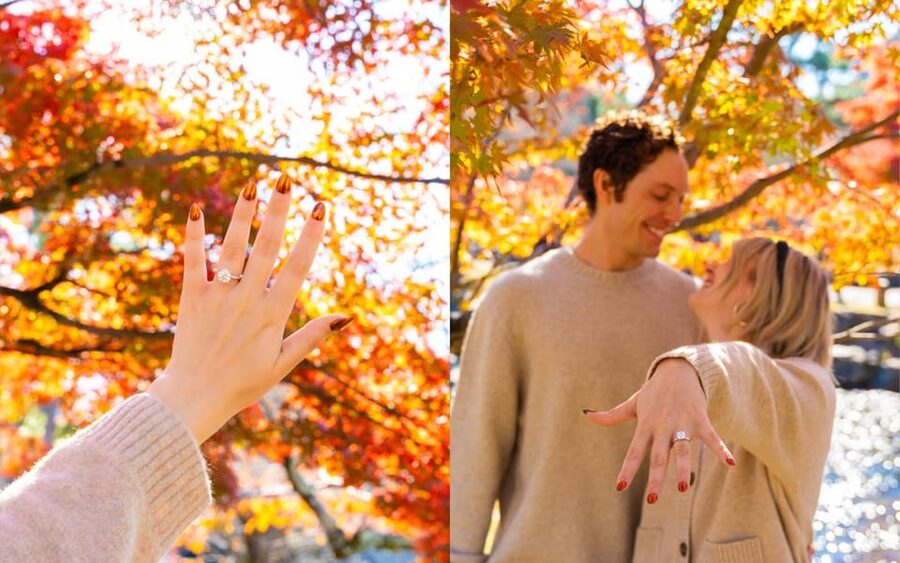
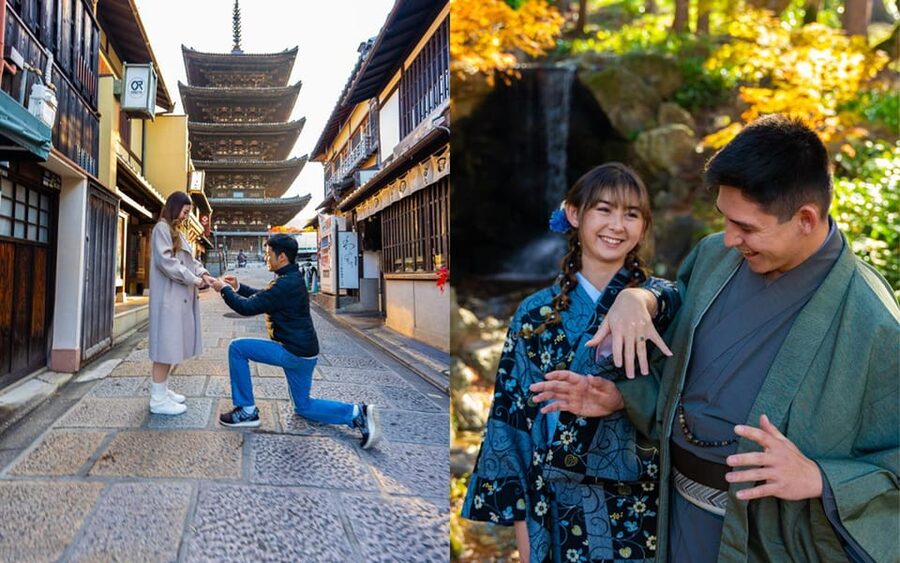
Sannenzaka is a traditional sloping street lined with old-style buildings and shops. It gives you the Kyoto look many people hope to take home: wooden facades, tiled roofs, stone or paved lanes, and a sense of movement through an historic district.
The drawback is that Sannenzaka is not a private photo studio. It can be crowded, and the street is a walking route as well as a picture setting. A good photographer can help you look natural while moving, rather than asking you to block the path for a long pose.
You should wear shoes you can walk in, even if your main outfit is a kimono. The route includes walking and sightseeing, and traditional streets can be tiring if you are not used to them. If your group includes young children or anyone with limited mobility, mention that before the shoot. The activity is wheelchair accessible, but the precise route and chosen stops should still be confirmed.
Yasaka Koshindo’s colorful details
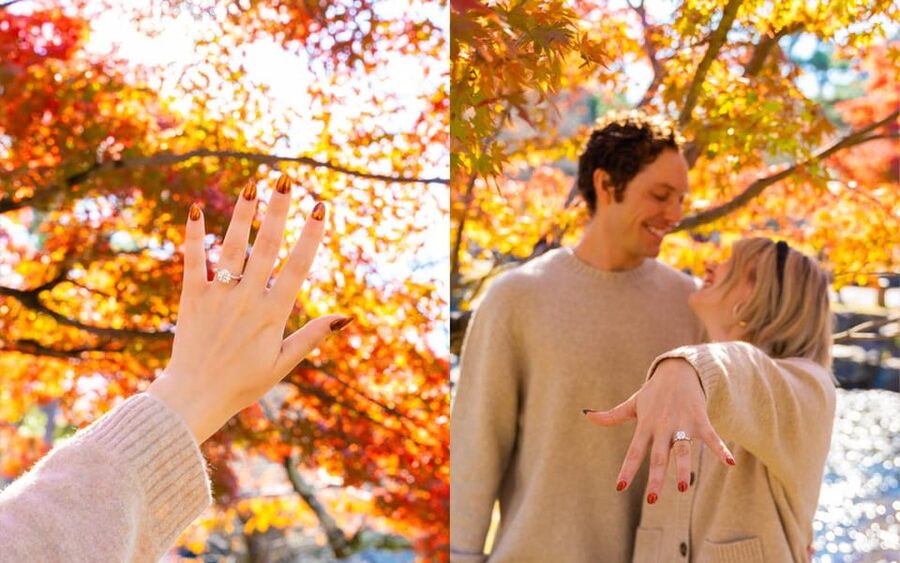
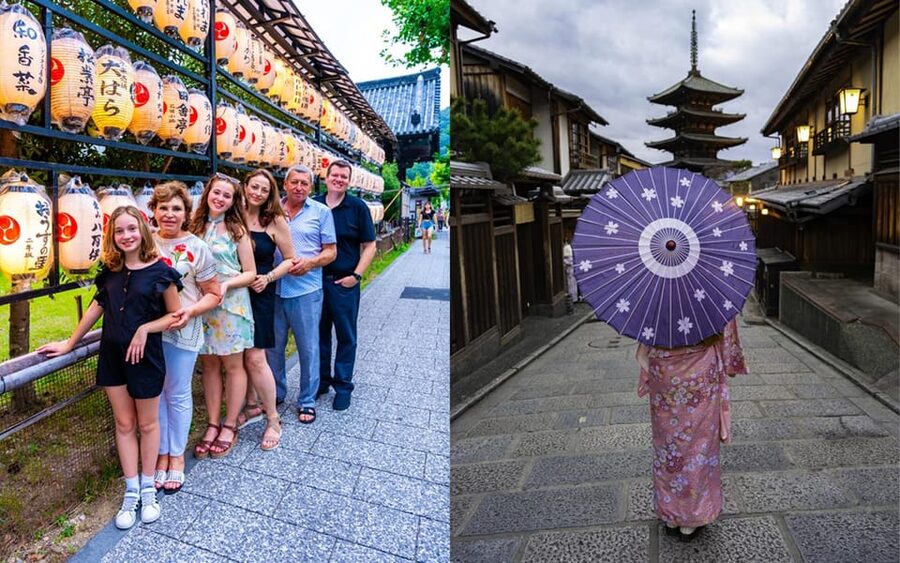
Yasaka Koshindo adds a different mood to the session. Its colorful decorations make a lively contrast with the muted wood and stone of nearby streets. This is a good place to request close portraits, detail shots, and photographs that feel less formal.
Because the site has a strong visual character, you may not need elaborate posing. The photographer can use the colors and decorations as part of the frame while keeping attention on you. That is especially helpful if you are uncomfortable with stiff, model-like poses.
Still, colorful backgrounds can easily overpower a portrait. Tell your photographer if you want the setting to be prominent or if you prefer a tighter image with only a hint of the temple. The photographers are open to ideas, and several participants appreciated being shown sample poses while also having their own requests considered.
Other private tours in Kyoto
A quieter Kyoto lane and Maruyama Park
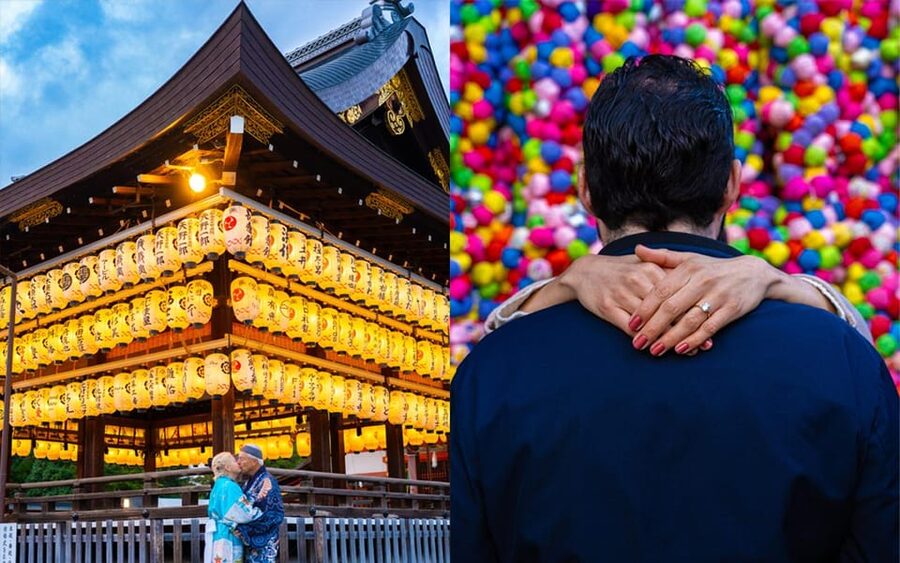
The route may include a lesser-known street with an old Kyoto atmosphere. This kind of stop is valuable because it can produce photographs that feel more personal than the standard postcard view. You might find quieter walls, traditional details, and a more natural walking rhythm.
The precise location is not fixed, so do not book this expecting one guaranteed secret address. The point is the photographer’s ability to adjust the route and find a setting that fits your style.
Maruyama Park offers a change of pace, with open space and seasonal scenery. It can soften a session that has mostly taken place along narrow streets. Depending on the season and conditions, the park may suit broad family photographs, relaxed couple portraits, or pictures with more room around the subject.
The tradeoff is distance. Each added stop takes time to reach, and a 90-minute session cannot give every place equal attention. If your top priority is the pagoda, say so. If you want a balanced set of photographs, let the photographer choose the order and keep the walking efficient.
How the photographers help you look natural
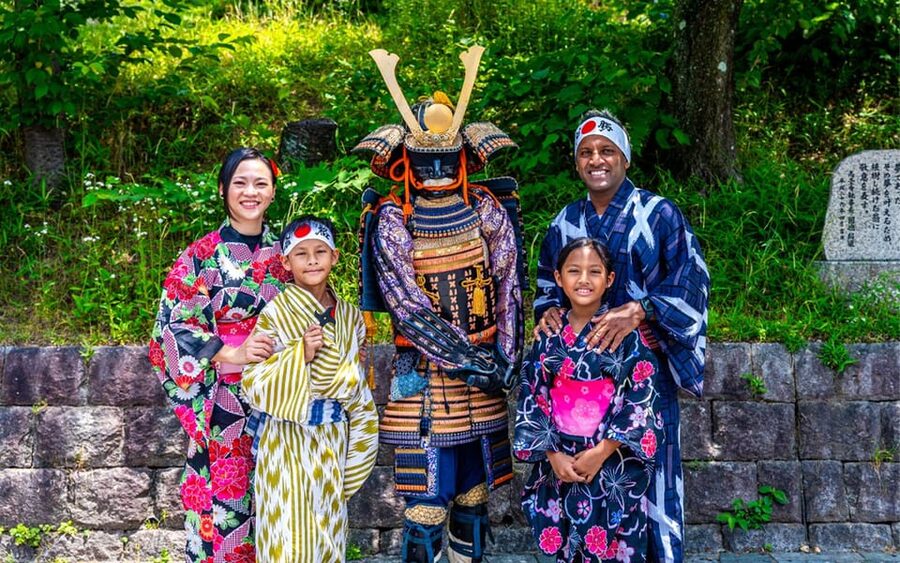
The strongest part of this experience is the direction. Josh is repeatedly described as friendly, creative, and good at finding poses and locations. Mina is praised for clear guidance, patience, social ease, and an ability to make people feel like professional models. Peter is described as kind and patient, while Frances is noted for explaining what you are seeing and adapting the session to the person being photographed.
That matters because most people are not comfortable posing. You may not know where to put your hands, how far to turn your shoulders, or where to look. The photographer gives practical instructions such as raising your head, changing your gaze, or walking naturally through the frame.
You can also ask for candid photographs. One couple particularly liked that their images did not feel forced, even though the photographer gave constant direction. That balance is the goal: enough help to avoid awkwardness, but not so much that every picture looks staged.
The photographers may show you images during the session so you can adjust your expression or pose. This is useful if you have a particular style in mind. Bring a few examples on your phone if you want a specific look, but keep your requests realistic within the available time and locations.
Kimono sessions, engagements, and solo portraits
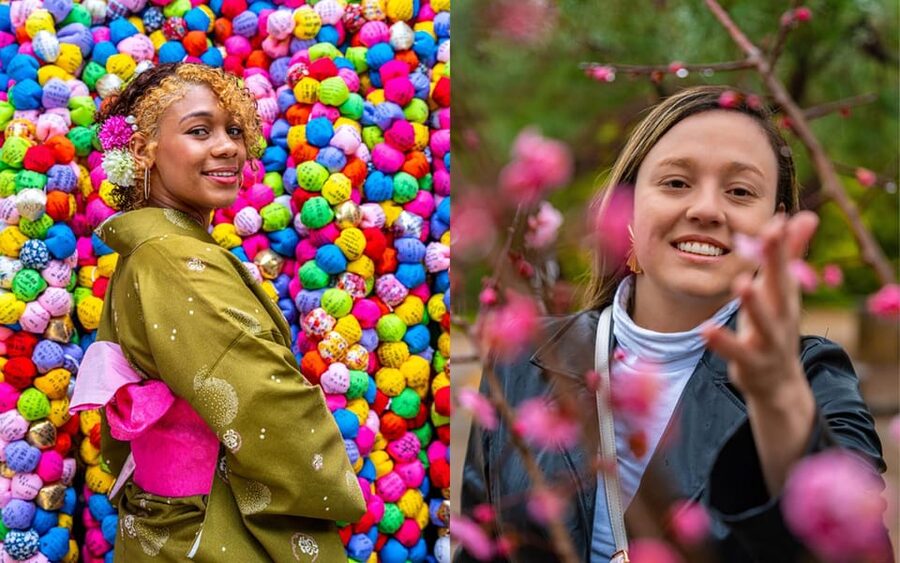
This experience fits especially well with a kimono rental. One photographer helped arrange a kimono rental, and another waited while a couple got dressed. Do not assume every booking includes clothing rental, though. The supplied package covers photography and edited files, not kimono hire.
For couples, the session can function as an engagement shoot, anniversary portrait, or simple record of a Japan trip. The setting gives you a mix of romantic streets, temple architecture, and candid walking frames. The photographer’s pose guidance is useful here, since couples often need help finding positions that look affectionate rather than stiff.
Solo visitors can benefit just as much. If you have dressed up and want more than a mirror photograph, a private session gives you a full set of portraits in different settings. It also avoids the common problem of trying to ask a stranger for ten versions of the same picture.
Families and groups should discuss priorities before starting. Thirty edited images sounds generous, but a large group takes longer to arrange and may reduce the number of individual portraits. Ask for a mix of group photographs and smaller combinations if those are important to you.
What you receive and how to protect the files
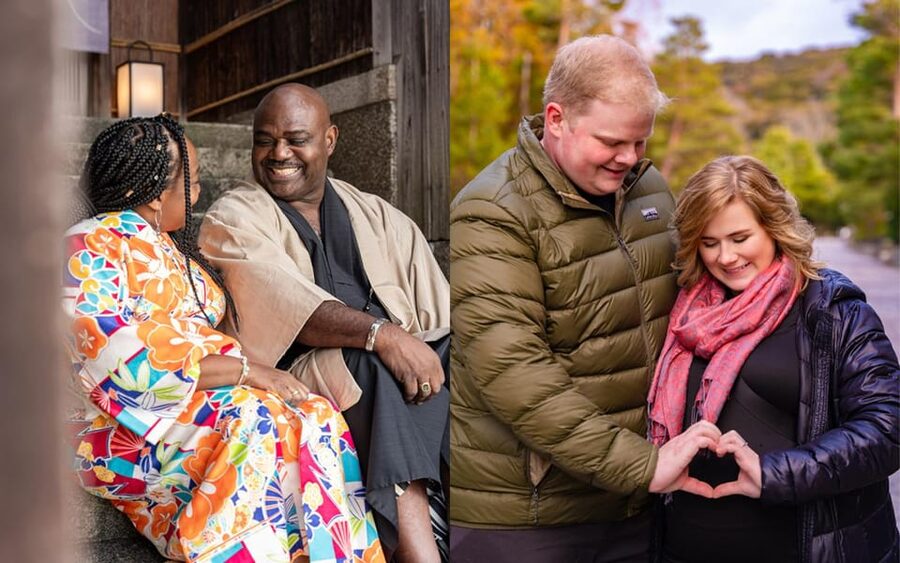
You receive approximately 200 standard-quality JPG images per hour. A 90-minute session should produce a substantial set, though the exact number is approximate rather than a guaranteed file count.
You also receive 30 professionally edited, high-quality JPG photographs. These are the images to favor for printing or sharing. The standard files still give you plenty of choice, including expressions or moments that may not have been selected for the edited set.
The aim is to deliver the edited files within 24 hours. That is unusually useful on a short Kyoto stay, since you may be able to see the finished work before leaving Japan. Busy periods can cause delays, and one participant experienced an extra few days, so do not plan an important print order around the 24-hour target.
The download link remains active for two weeks after it is sent. Save the files in two places as soon as you receive them. This is not a minor detail. If you are moving between hotels or returning home, it is easy to forget, and the files are deleted after the download period.
Timing, language, and practical limits
The available duration is listed from 90 minutes to seven hours, with starting times depending on the date selected. The standard description focuses on a 1.5-hour session, so treat longer durations as something to confirm rather than an automatic part of every booking.
Live guidance is available in English, Arabic, and Japanese. That gives you room to discuss poses, preferred locations, and timing. If your group has a particular language need, confirm that the photographer assigned to your date can provide it.
Cancellation is free up to 24 hours before the activity for a full refund. You can also reserve now and pay later, which helps if your Kyoto schedule is still changing. The activity is private and wheelchair accessible, but access through individual historic streets or paid sites can vary, so share mobility needs when you book.
One detail deserves clarification: the description includes wording about starting at Ebisubashi Bridge and ending near Osaka street food, including takoyaki. That does not match the Kyoto meeting point at Gionmachi Kitagawa or the Higashiyama route. Treat the Kyoto address as the relevant information, but confirm the meeting point and route with PhoenixJP before your session.
Is the $109 price good value?
For a solo visitor, this is a straightforward way to buy professional images without arranging a larger production. You get a private photographer, roughly 200 images per hour, and 30 edited photographs. The combination is stronger than a basic portrait add-on, especially if you are wearing a kimono or celebrating something important.
For two or more people, the value depends on the final group price and how many edited photographs you need. The private format is a plus, and the photographer can work around your group rather than rushing you through a shared slot. Ask exactly what the price covers for your party size, since the published wording says up to one person.
I would not choose this solely for sightseeing. The walk is part of the experience, but the main product is photography. If you want a detailed temple tour, a formal history lecture, or admission to several interiors, another activity would serve you better.
Who should book this Kyoto photo walk?
I would choose it for a solo visitor who wants attractive portraits, a couple marking an engagement or anniversary, or anyone renting a kimono. It is also a good fit if you dislike posing but want help, since the photographers give clear instructions and keep the mood easy.
You should think twice if your schedule allows no flexibility, if you want to visit many paid interiors, or if you only need one quick picture. A 90-minute shoot involves walking, changing locations, and stopping for several setups. It is not a quick snap outside a station.
Book it if you value the photographs and want a human guide through Gion’s best-looking corners. Before paying, confirm your group size, photographer, exact meeting point, preferred locations, any kimono arrangements, and the delivery timeline. If those details line up, this is a practical way to turn a Kyoto walk into a set of photographs you will still want years from now.
FAQ
Where does the photoshoot start?
The stated starting location is 625 Gionmachi Kitagawa in Kyoto’s Gion area.
How long does the photoshoot last?
The standard experience is described as 90 minutes, while available durations are listed from 90 minutes to seven hours. Check the available option for your chosen date.
Which Kyoto locations may be included?
Possible locations include Hōkan-ji Temple, Sannenzaka Street, Yasaka Koshindo, a quieter old Kyoto street, and Maruyama Park. You can request different locations.
How many photographs do I receive?
You receive about 200 standard-quality JPG images per hour, plus 30 professionally edited, high-quality JPG photographs.
When will the edited photographs arrive?
The provider aims to deliver the edited photographs within 24 hours. Delays can occur during busy seasons.
How long can I download the photographs?
The download link remains available for two weeks after it is sent. After that period, the files are deleted.
Is the experience private and wheelchair accessible?
Yes. The photoshoot is offered as a private group experience and is listed as wheelchair accessible. You are responsible for the photographer’s admission fee when a paid-entry location is used.
More Photography Tours in Kyoto
More Private Tours in Kyoto
More Gion & Geisha Walks in Kyoto
More tours in Kyoto we've reviewed










Gion & Geisha Walks, compared.
 ★ 4.7Kyoto Geisha Walking Tour: Gion District & Hidden GemsFrom $252 hours
 ★ 4.7Kyoto: Gion Geisha District Walking Tour – Stories of GeishaFrom $202 hours
 ★ 4.9Best of Kyoto: Gion, Geisha, Pagodas & CobblestonesFrom $242 hours
 ★ 4.5Night Walk in Gion: Kyoto’s Geisha DistrictFrom $211h 40m
 ★ 5.0Kyoto Night Foodie Tour in Gion (9+ dishes + 6 Sake tastings)From $163
 ★ 5.0Kyoto Gion Geisha District Walking Tour – The Stories of GeishaFrom $25