
Reviewed · NARA DAY TRIPS
From Osaka/Kyoto: Kyoto & Nara Private Day Trip
The best part of this private day trip is how much classic Kansai Japan you can see in one long day: vermilion torii gates, a gold-covered temple, free-roaming deer, and Nara’s giant bronze Buddha. Fushimi Inari Taisha and Tōdai-ji offer two very different looks at Japanese religious life, while the private van keeps you from piecing the day together on trains and buses.
I like the flexible route and the comfort of a private group of up to six. Drivers including Ali, Awais, and Imran have adjusted visits, chosen less crowded access points, and helped fit four major sights into roughly 10.5 hours. The main drawback is the price: $787 per group is good value for six people, but expensive for one or two, and entrance fees and meals are extra.
In This Review
- Key points at a glance
- Why this private Kyoto and Nara route works
- Fushimi Inari Taisha and its red torii tunnel
- Kinkaku-ji, the Golden Pavilion by the pond
- Nara Park, deer, and the etiquette of feeding
- Tōdai-ji and the Great Buddha Hall
- Kasuga Taisha, lanterns, and a possible extra stop
- The van, timing, and comfort
- What the $787 group price really means
- Who will enjoy this day most
- Should you book this Osaka or Kyoto day trip?
- FAQ
- Where does the tour pick me up?
- How long does the day trip last?
- Is the tour private?
- Is an English-speaking guide included?
- Are admission fees and meals included?
- Can I cancel or pay later?
Key points at a glance
- Four major sights in one day: Fushimi Inari Taisha, Kinkaku-ji, Nara Park, and Tōdai-ji form the core route, with Kasuga Taisha also possible within the Nara portion.
- Private van, not a shared coach: Your group travels together with Wi-Fi, fuel, tolls, and parking covered.
- Flexible sightseeing: The route can be adjusted to your interests, and past drivers have changed access points and timing to reduce wasted walking.
- The torii gates require walking: You can enjoy the first section of Fushimi Inari without climbing far, but the full mountain route takes much longer.
- Nara combines deer and serious temple art: The park is playful at first, but Tōdai-ji delivers one of Japan’s most powerful religious spaces.
- Best value for groups: Six people split the $787 cost far more comfortably than a couple does.
Why this private Kyoto and Nara route works
Kyoto and Nara are close enough to combine, but their sights are spread out. Fushimi Inari is in southern Kyoto, Kinkaku-ji is across town, and Nara lies farther east. Public transport can handle each place, yet transfers and station walks eat into a day already packed with major stops.
A private van gives you one useful luxury: continuity. You leave your hotel, Airbnb, or apartment in Osaka, ride with the same driver, and return without changing trains with tired legs and shopping bags. Fuel, tolls, parking, and Wi-Fi are included, so the quoted price is easier to understand.
The English-speaking driver is the practical center of the day. This is not clearly described as a full historian-led tour with a separate guide, so you should expect driving, route help, and English conversation rather than a long formal lecture at every temple. That said, Awais was able to suggest a quieter temple entrance on another Kyoto route, and Imran helped organize four stops during a 10.5-hour day. Those details matter because good timing is often more valuable than extra commentary.
The day lasts 10 to 11 hours. That sounds generous, but the schedule is tight. The planned visits total about three and a half hours, while the listed drives add roughly three hours. The rest disappears during loading, parking, walking between the van and entrances, and getting oriented. You will see a lot, but this is a highlights day, not a slow study of Kyoto.
A few more Nara tours and experiences worth a look
Fushimi Inari Taisha and its red torii tunnel
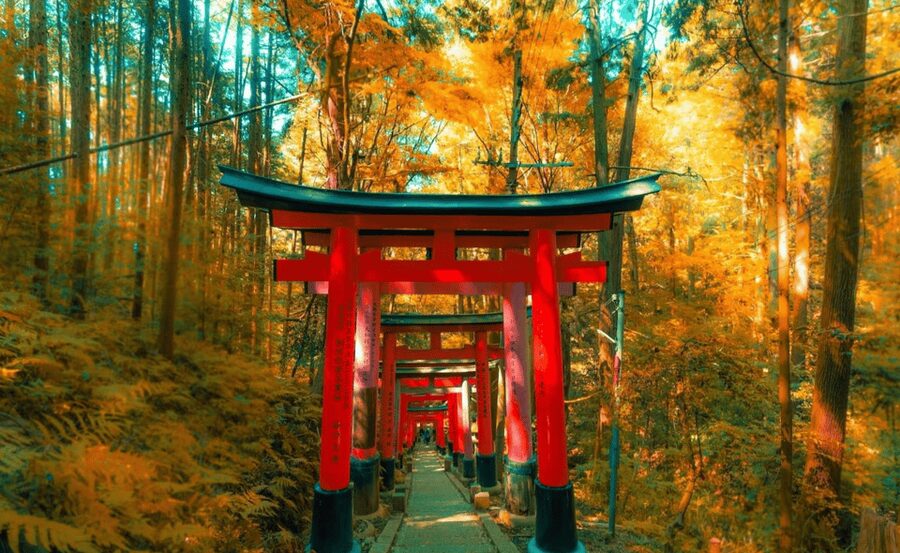
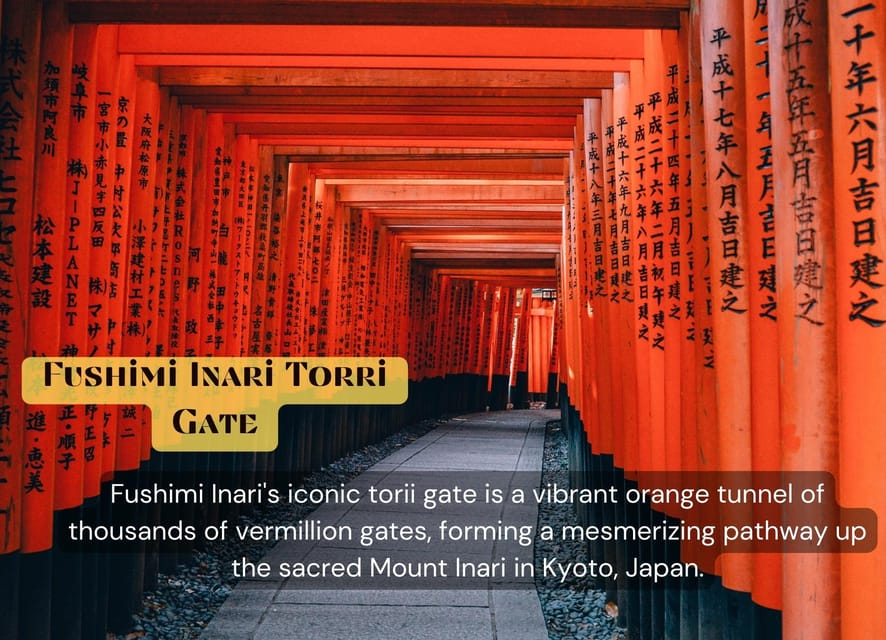
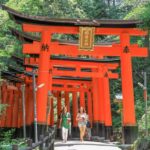
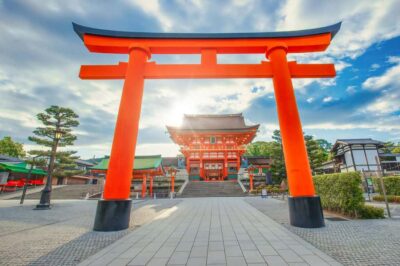
Fushimi Inari is the day’s most visually striking opening. Thousands of red-orange torii gates form long corridors through wooded hills, creating one of Kyoto’s most recognizable scenes. The gates were donated by individuals and businesses to Inari, the Shinto deity associated with rice, agriculture, and commercial success.
You receive about 90 minutes here. That is enough to walk through the famous lower gates, pause at smaller shrines, notice the stone fox figures, and get a taste of the forest paths. Foxes are linked with Inari and appear throughout the shrine grounds, sometimes carrying symbolic objects in their mouths.
The important practical point is that Fushimi Inari is not just a photo stop. The torii continue uphill for a considerable distance, and the mood changes as you leave the busiest lower section. If you want the famous tunnel effect without a major climb, stay near the entrance and lower trail. If you want quieter woods and additional viewpoints, use the available time for a higher section, but keep an eye on the clock.
Comfortable shoes are essential. The route includes stairs, slopes, and uneven walking surfaces. Bring water, especially in warm weather, and carry sun protection or an umbrella as conditions require. The wooded setting offers shade, but the exposed approach and stairways can still feel strenuous.
Your driver may help you judge how far to go, but the exact amount of walking depends on your group. This is one place where private travel helps. A family with young children or someone managing limited stamina can turn back early, while a fitter group can spend more time on the uphill path.
Kinkaku-ji, the Golden Pavilion by the pond
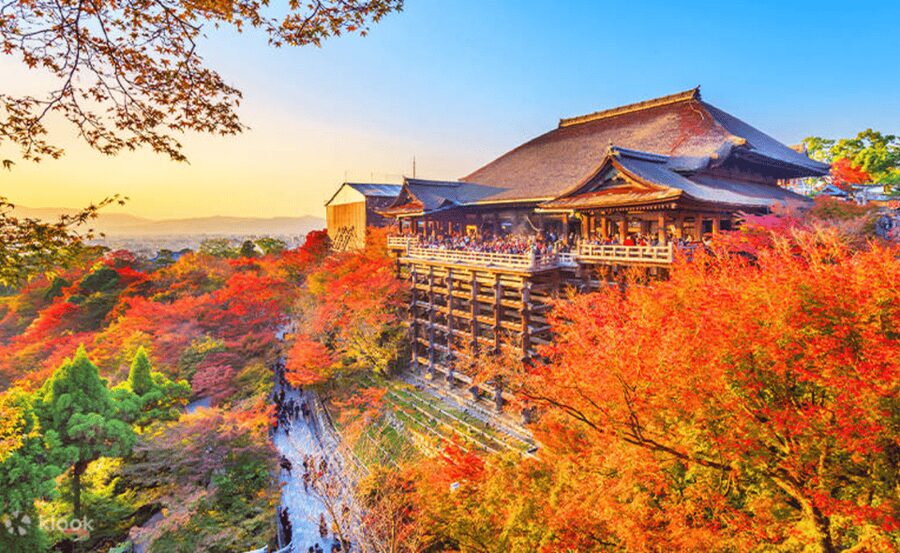
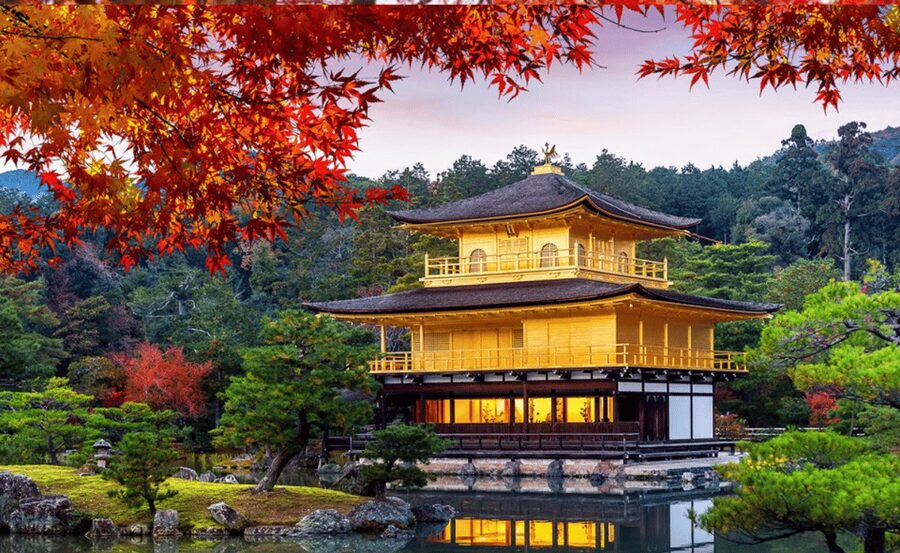
Kinkaku-ji, usually called the Golden Pavilion, provides a sharp change of mood. Instead of a long wooded climb, you enter a carefully arranged temple garden centered on a gold-leaf-covered pavilion reflected in a pond. The view is composed almost like a painting, with the building, water, trees, and sky working together.
The planned visit lasts about one hour. That is enough to walk the main circuit, see the pavilion from its best angles, and take photographs. It is not enough for a leisurely exploration of every garden detail, so keep moving at a steady pace.
Kinkaku-ji belongs to the Zen Buddhist tradition and is a UNESCO World Heritage Site. Its story includes construction, destruction, and rebuilding, which gives the polished scene more depth than a simple photo opportunity. The present building is a reconstruction, but the site’s religious and cultural importance remains substantial.
Crowds can affect the experience here. The main viewing area is popular, and you may need patience for a clear photograph. A private driver can help with the road approach and parking, but no vehicle can remove the basic fact that Kinkaku-ji is one of Kyoto’s busiest sights.
I would treat this stop as a focused visit rather than a quiet retreat. The gardens are attractive, but the route is controlled and the pavilion is viewed from outside. If you prefer temples where you can spend long periods in empty halls, this may feel brief. If you want the famous Golden Pavilion with little logistical trouble, the hour is well used.
Nara Park, deer, and the etiquette of feeding
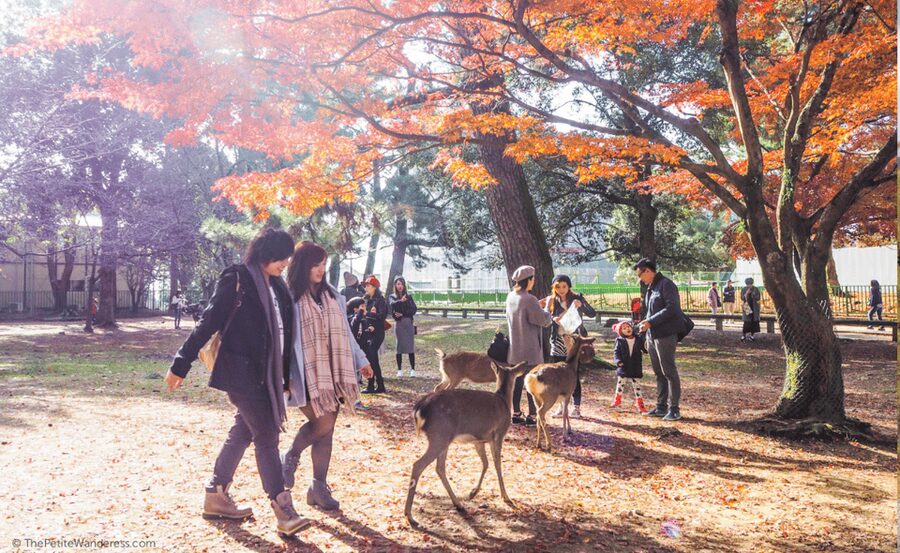
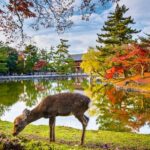
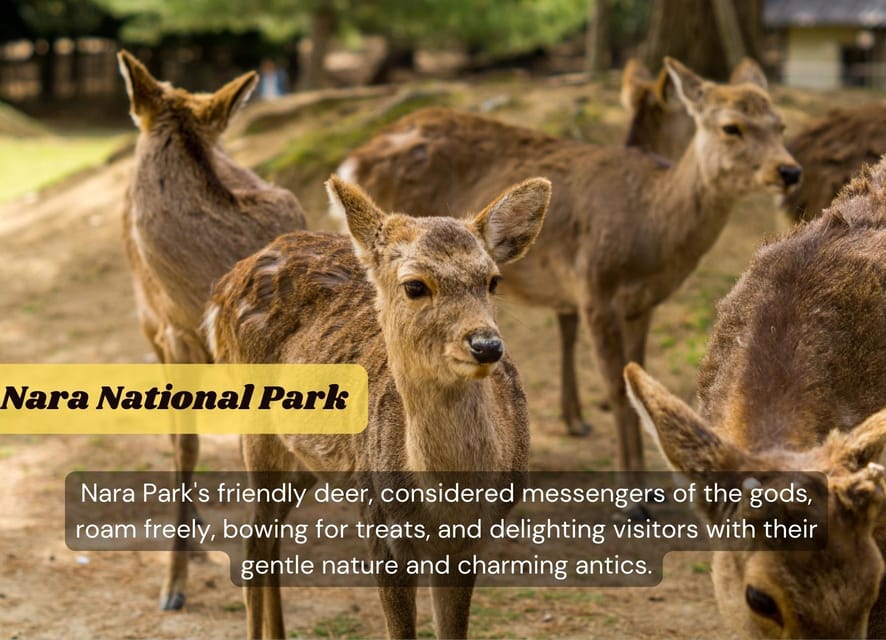
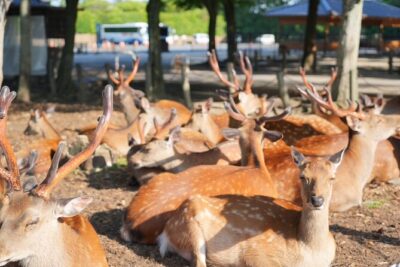
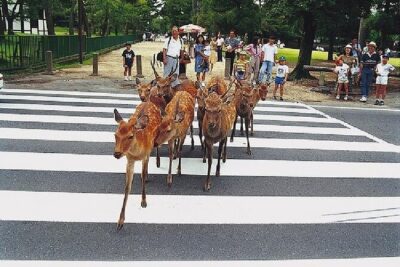
After Kyoto’s temples, Nara Park opens the day up. This broad green area is home to hundreds of free-roaming deer, regarded as sacred in Shinto belief. The deer are one of Nara’s great pleasures, but they also make the visit lively and a little unpredictable.
You have about one hour for the park portion before the schedule moves on. That gives you time to walk among the deer, feed them, and take in the open setting around the temples. The animals are accustomed to people and may approach closely, especially if they expect food.
Keep your attention on what is happening around you. The deer may bow, but they are still animals, not trained performers. Follow local instructions, keep food under control, and finish feeding promptly so you are not followed by an increasingly determined group.
The park works well for families because it offers an immediate, hands-on experience after several formal temple visits. It also gives you a break from enclosed city streets. On the other hand, the deer can distract you from the architecture, so set aside time to continue toward Tōdai-ji rather than spending the entire stop with the animals.
The one-hour park allocation is quite short if you want both deer and Kasuga Taisha. You can enjoy the park paths and some deer encounters quickly, but a full visit to every major Nara sight needs more time. Ask your driver early in the day how your group wants to divide the stop.
Tōdai-ji and the Great Buddha Hall
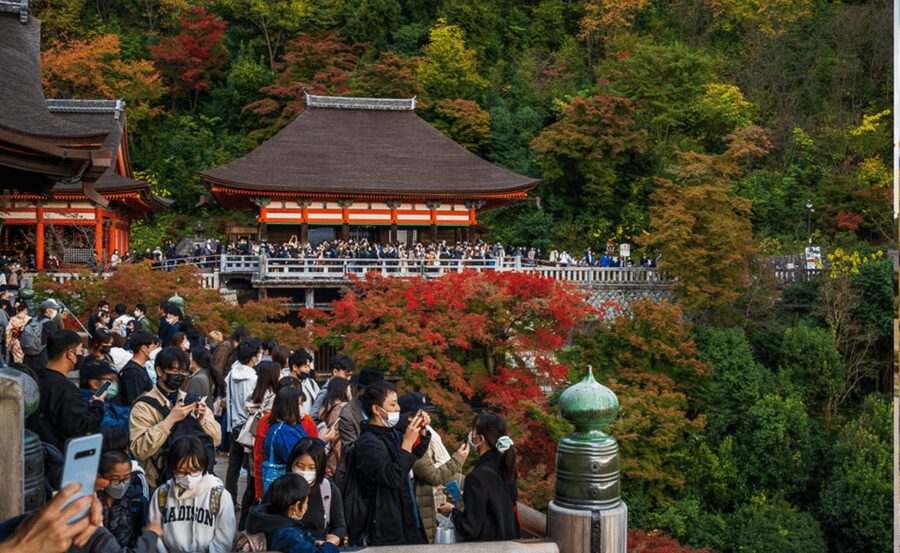
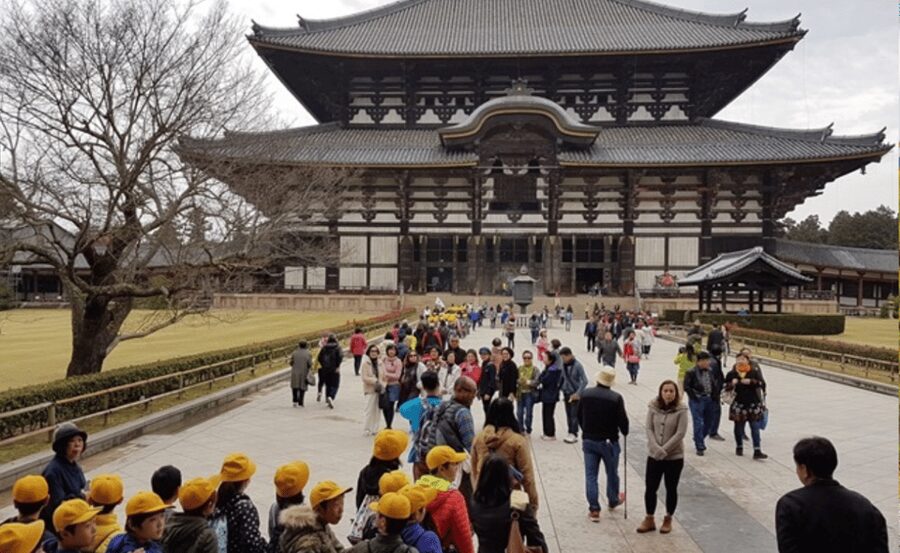
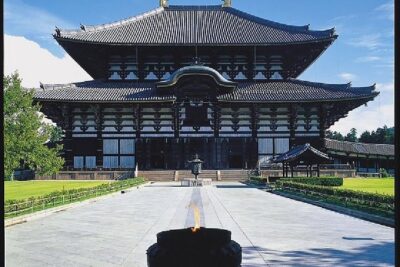
Tōdai-ji is the emotional high point for many visitors. Inside the Great Buddha Hall, known as Daibutsuden, sits a colossal bronze Buddha, one of the largest such statues in the world. The scale changes your sense of the room. After the bright gates of Fushimi Inari and the reflective composition of Kinkaku-ji, this is about size, shadow, timber, and quiet awe.
Tōdai-ji is another UNESCO World Heritage Site and one of Japan’s most important temples. The hall’s scale reflects Nara’s role as an early imperial capital and a major center of Buddhist worship. You do not need a long lecture to grasp the power of the place, though an English explanation from your driver can add helpful context.
The temple is within Nara Park, so the van portion takes you to the broader Nara area rather than treating Tōdai-ji as a separate distant stop. Allow time for the walk from the vehicle area to the temple entrance. Deer may remain part of the route, but the focus shifts firmly toward architecture and religious art once you enter the hall.
Entrance fees are not included, so budget separately for the paid sights. The provided price covers transportation-related costs, not admission. This distinction is important when comparing the trip with a self-guided day using rail passes or local buses.
Kasuga Taisha, lanterns, and a possible extra stop
Kasuga Taisha is also within Nara Park and is known for its many bronze and stone lanterns. Donated by worshippers, the lanterns line the paths and create a distinctive atmosphere, especially during festivals when they are lit.
The schedule specifically gives Nara Park one hour, so Kasuga Taisha should be treated as a possible part of that time rather than an assured additional hour. You can ask about fitting it in, but doing so may reduce time with the deer or inside Tōdai-ji.
This is where the private format is most useful. A fixed coach group has less room to adjust. Your driver can discuss priorities with you and help shape the Nara stop around temples, lanterns, deer, or a quick look at each.
The van, timing, and comfort
The trip uses a private van for groups of up to six. That capacity makes the tour particularly sensible for a family, two couples, or a small group of friends. You avoid splitting up, and you can leave coats, day bags, and purchases in the vehicle during visits.
Wi-Fi is included, along with fuel, tolls, and parking fees. Those inclusions do not make the trip cheap, but they reduce the small costs and decisions that can clutter a long sightseeing day. An English-speaking driver is included, with English and Japanese listed as the available languages.
Pickup is offered from hotels, Airbnbs, apartments, and other addresses in Osaka. The material also lists Kyoto and Tokyo as pickup and drop-off options, while the main description centers on Osaka and Kyoto and the transportation inclusion specifies round-trip service from Osaka. If you are staying in Kyoto, or especially if you see Tokyo displayed during booking, confirm the exact pickup area and any price change before paying.
The 30-minute drive to Fushimi Inari, 30 minutes to Kinkaku-ji, 40 minutes onward toward Nara, and about an hour on the return leg give you time to rest. The long return is useful after a full day on foot, though traffic can change the exact duration.
What the $787 group price really means
At $787 for up to six people, the price works out to about $131 per person for a full group. That is a reasonable private transport rate for a long route with parking, tolls, fuel, and a driver included. For four people, it is about $197 each. For two, it rises to about $394 each, before admission and food.
The value is less about saving money than buying time and ease. You are paying to avoid route planning, transfers, parking problems, and the risk of losing an hour between Kyoto and Nara. A group that values privacy and door-to-door travel may find the cost fair.
A solo traveler or couple should compare carefully with trains and local transport. Public travel will usually be cheaper, but it will not offer the same direct pickup, private space, or ability to adjust the day around your group’s walking pace.
Food and drinks are not included. Plan to buy them during the day, though the supplied details do not specify a restaurant or meal stop. Since the schedule is full, ask about the meal plan before departure so lunch does not become an afterthought.
Who will enjoy this day most
I would recommend this trip to first-time visitors who want the major Kyoto and Nara sights in one day and do not want to manage several transfers. Families and small groups gain the most from the private van, especially when everyone has different walking speeds.
It also suits you if you want a flexible day. Ali handled special requests without trouble, Awais helped avoid a busy main entrance on another route, and Imran fit four locations into 10.5 hours while speaking good English and sharing a few Japanese phrases. These examples suggest that driver quality and communication can make a noticeable difference, so tell the operator your priorities in advance.
I would hesitate if you prefer slow temple visits, long meals, or detailed museum time. The route covers a lot, but each stop receives a limited slice of the day. You should also be comfortable with walking, stairs, and a long return ride.
The activity is wheelchair accessible, but the individual mix of shrine paths, temple grounds, and crowded outdoor areas can still affect comfort. Ask before booking about the exact route you need if accessibility is central to your plans.
Should you book this Osaka or Kyoto day trip?
Book it if you are a group of four to six, have only one day for Kyoto and Nara, and place a high value on a private vehicle. The combination of Fushimi Inari, Kinkaku-ji, Nara Park, and Tōdai-ji gives you a strong first look at the region’s religion, architecture, and wildlife.
For a couple, the decision is closer. The convenience is real, but the per-person price climbs quickly, and admission and meals remain separate. I would choose it for a special day, a family outing, or a tight schedule, but use public transport if keeping costs down matters more than door-to-door comfort.
Before booking, confirm the pickup city, ask how much time you want at Kasuga Taisha, and tell the driver which stops matter most. With those points settled, this is an efficient and personable way to cover a demanding Kansai route without turning the day into a transport puzzle.
FAQ
Where does the tour pick me up?
Pickup is available from hotels, Airbnbs, apartments, and other addresses in Osaka. The activity information also lists Kyoto and Tokyo as pickup options, so confirm the exact pickup location during booking if you are staying outside Osaka.
How long does the day trip last?
The trip lasts 10 to 11 hours. The listed schedule includes visits to Fushimi Inari Taisha, Kinkaku-ji, and Nara Park, plus travel between the stops and the return journey.
Is the tour private?
Yes. It is a private group experience for up to six people, using a private van.
Is an English-speaking guide included?
An English-speaking driver is included, and Japanese is also available. The service description identifies the driver as the English-speaking contact, so expect route assistance and explanations rather than assume a separate professional guide.
Are admission fees and meals included?
No. Entrance fees, food, and beverages are not included in the price. Transportation, Wi-Fi, fuel, tolls, and parking fees are included.
Can I cancel or pay later?
You can cancel up to 24 hours in advance for a full refund. The reserve-now, pay-later option lets you book without paying immediately.
More Private Tours in Nara
More Nara Day Trips in Nara
More tours in Nara we've reviewed
Nara Day Trips, compared.
 ★ 5.0World Heritage Kyoto & Nara Uji Authentic Matcha ExperienceFrom $129
 ★ 4.7Kyoto/Osaka: Nara, Fushimi Inari Taisha, Arashiyama Bus TourFrom $529 - 10 hours
 ★ 4.4Osaka/Kyoto: Arashiyama, Nara & Fushimi Inari Shrine w/LunchFrom $61
 ★ 5.0Nara Early Morning Tour (Kyoto or Osaka Departure Available)From $61
 ★ 4.5Kyoto and Nara Day Trip from KyotoFrom $194
 ★ 4.5Nara Afternoon Tour from Kyoto or OsakaFrom $102