
Reviewed · ARASHIYAMA & BAMBOO TOURS
Kyoto/Osaka: Kinkakuji, Bamboo Forest, and Nara Deer Park
Kyoto’s Golden Pavilion and Arashiyama Bamboo Forest make a memorable pair, but adding Nara’s deer and the Great Buddha turns this into a packed sweep of western Japan’s classic sights. You get three major stops without having to puzzle out trains, buses, temple entrances, and meeting points on your own.
I like the simple sightseeing plan and the friendly guides. Guides such as Eiko, Yuki, Jewel, Maki, and Satoshi have been praised for clear explanations, help with photos, and careful group management. I also like the price: at $69 per person, transportation alone can make this useful if you are short on time.
The tradeoff is time. This is a highlights tour, not a slow wander, and traffic plus crowds can leave you rushing at one or more stops. Lunch quality also seems to depend on your taste and the option you choose, so I would not add it automatically.
In This Review
- Key points to know before booking
- A long day linking Kyoto, Nara, and Osaka
- Arashiyama’s bamboo path and the Katsura River
- Kinkaku-ji, where the building shares the spotlight with the pond
- Nara Park and deer that know the snack routine
- Todai-ji and Japan’s Great Buddha
- Lunch, bus comfort, and the practical value of $69
- Guides make the difference on a tightly timed day
- Who should book this Kyoto and Nara day trip?
- My recommendation
- FAQ
- Where does the tour depart from?
- Does the tour include hotel pickup?
- Is lunch included?
- Can I request a vegetarian lunch?
- Are the Kinkaku-ji and Todai-ji entrance tickets included?
- Can I feed the deer in Nara Park?
- Are babies and strollers allowed?
- What should I bring?
Key points to know before booking
- Arashiyama comes first: Walk the famous Sagano Bamboo Forest and see the Togetsukyo Bridge over the Katsura River.
- Kinkaku-ji includes more than a photo stop: The gold-covered pavilion is striking, but its original garden deserves your attention too.
- Nara brings the hands-on fun: You can buy approved shika-senbei crackers and feed the park’s free-roaming deer.
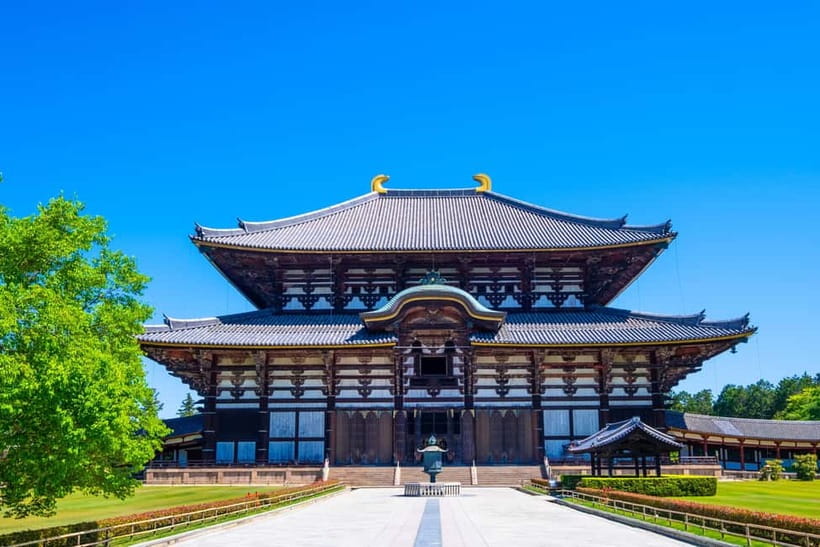
- Todai-ji adds real scale: The temple houses one of Japan’s three great Buddha statues.
- The day is tightly timed: You see a lot, but this suits you better if you prefer a clear schedule to open-ended exploring.
- Check your booking option carefully: Lunch and entrance tickets may be included or excluded, depending on the package.
A long day linking Kyoto, Nara, and Osaka
This tour is built for the first-time visitor who wants the major sights in one day. You can start from Kyoto Station’s Hachijo Exit Tourist Bus Parking at 9:05 a.m., or from OCAT Building in Namba at 8:50 a.m. Hotel pickup is not included, so you need to reach the correct meeting point yourself.
The outing runs for roughly nine hours, though traffic and weather can change the schedule. An air-conditioned coach with Wi-Fi is included, giving you a place to rest between stops. That matters here. Kyoto and Nara are close enough to combine, but not so close that moving between them feels effortless during a busy sightseeing day.
I see the main value in removing the transport headache. You do not need to work out the best rail connection to Arashiyama, then find a bus to Kinkaku-ji, then get to Nara Park. The guide also gives meeting instructions, and several guides have been praised for keeping the group together and explaining what to do at each stop.
Still, pay attention when the guide gives the return time. Nara Park is broad, and the final meeting area can become confusing. One person missed the bus after getting lost among the crowds, so keep your guide’s instructions in mind and allow time to return to the meeting point. Do not treat free time as permission to wander far.
If you're still narrowing it down, here are other tours in Nara we've reviewed.
Arashiyama’s bamboo path and the Katsura River
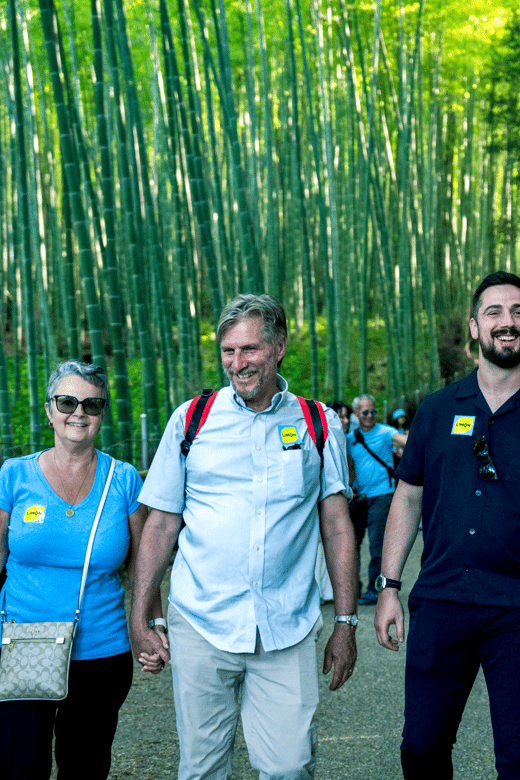
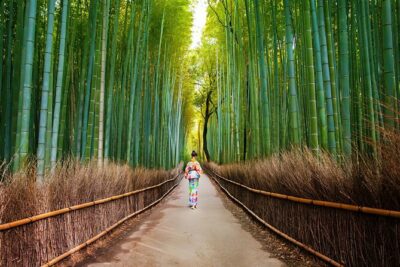
Arashiyama is the first major stop, and the bamboo grove is the scene most likely to fill your camera. The Sagano Bamboo Forest is a narrow walking route lined with tall bamboo, where the light changes as the stalks rise overhead. The sound of leaves moving in the wind is part of the appeal, though the path can be crowded.
You should set your expectations correctly. This is not a solitary nature walk. The bamboo forest is one of Kyoto’s best-known photo spots, and groups move through the same route. You will still get the distinctive green corridor, but you may need patience for an unobstructed picture.
The area has been associated with nature viewing since the Heian Period, giving the walk a sense of continuity with Kyoto’s courtly past. Your guide may add local stories and cultural details, which makes the stop more useful than simply arriving, taking a picture, and leaving.
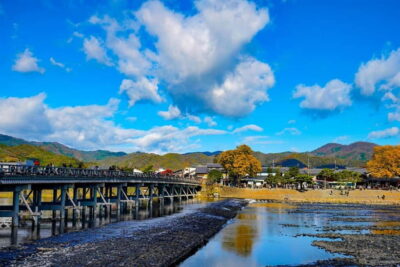
Arashiyama also gives you a look at the Togetsukyo Bridge, often called the Moon Crossing Bridge. It crosses the Katsura River and provides a pleasant contrast to the enclosed bamboo path. If the weather is clear, the open river setting gives your eyes a break from the tight grove.
The tour includes a traditional Japanese lunch of seasonal Kyoto specialties if you select the lunch option. In practice, the meal has received mixed reactions. Some people have enjoyed the buffet and its range of choices, while others found the room cramped and the food ordinary. Vegetarian requests can be made if you contact the provider at least three days ahead, but halal and vegan lunches are not available.
My advice is simple: choose lunch for convenience, not as a central reason to book. It saves you from finding food during a tightly planned day, but you should not expect a carefully paced restaurant meal.
Kinkaku-ji, where the building shares the spotlight with the pond
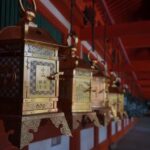
After Arashiyama, the coach continues through Kyoto to Kinkaku-ji, the Golden Pavilion. The temple’s upper floors are covered in gold leaf, and the building reflects in the pond in front of it. In good light, the sight is almost too polished to seem real.
The pavilion is the obvious attraction, but I would not stop at the first viewpoint. The garden around it retains its original design from the 14th century, and the walking route lets you see the temple from changing angles. The pond, carefully placed views, and garden details explain why Kinkaku-ji remains one of Kyoto’s essential stops.
You cannot enter the pavilion itself. This is a viewing visit, with time to photograph the building and walk through the garden. That distinction matters if you want an interior temple experience. Kinkaku-ji gives you a beautiful exterior and a refined garden, rather than a long visit inside a working religious building.
The Kinkaku-ji entrance ticket is included only with selected options, so check the exact package before paying. The same applies to the Todai-ji ticket later in the day. A low advertised price can change once you add lunch and admission, though the overall cost can still be sensible when compared with arranging transport and tickets separately.
Crowds are another factor. The narrow paths and famous viewing points can slow the group, especially during popular seasons. Several guides, including Hama and Winnie, have been praised for managing the schedule well and helping the group reach the main sights in good order, but no guide can remove Kyoto’s crowds or road traffic.
Nara Park and deer that know the snack routine
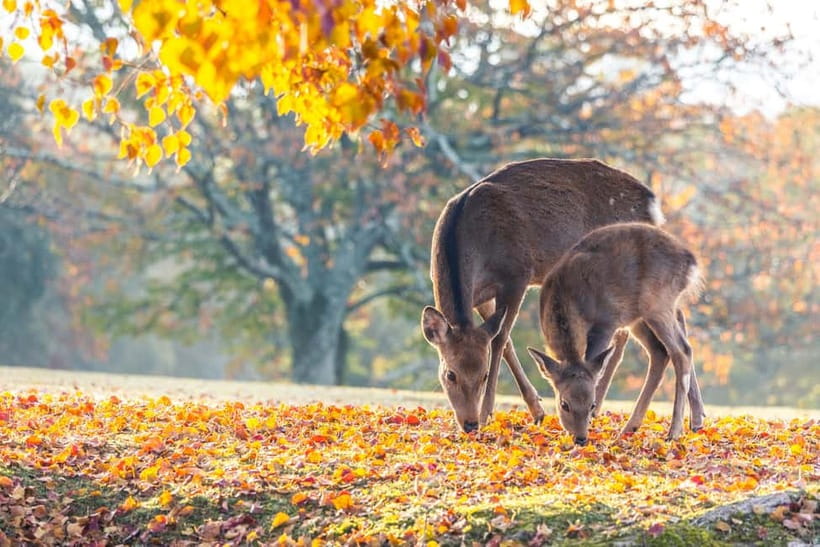
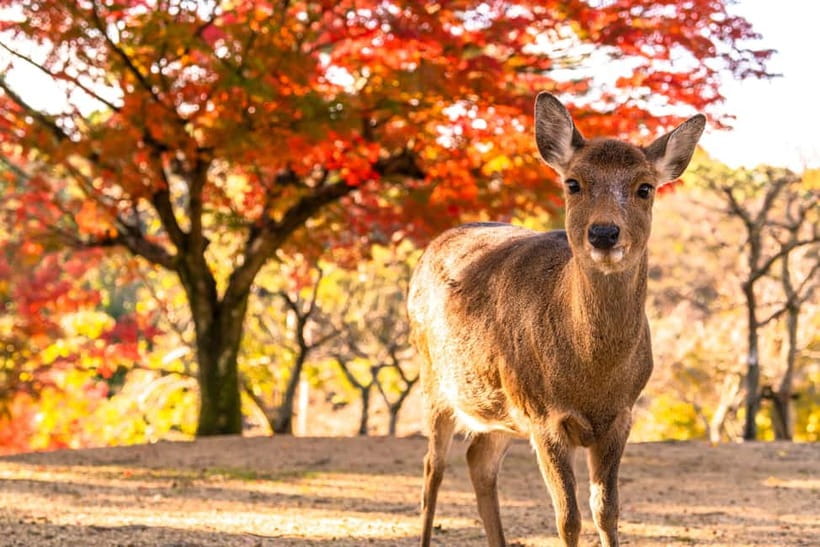
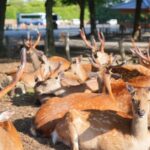
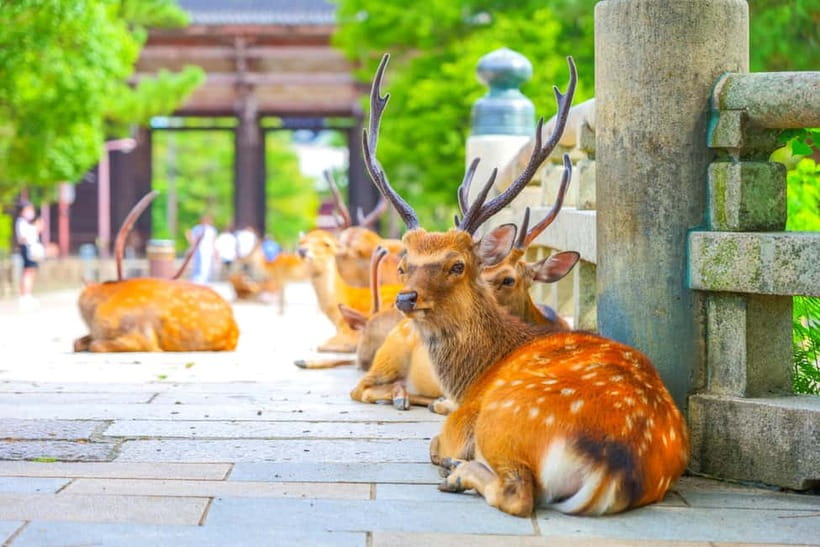
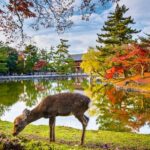
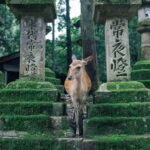
Nara Park brings a different kind of encounter. Around 1,200 wild deer live freely in the park, and they are used to people approaching with special deer crackers called shika-senbei.
You can buy the crackers near the park and offer them to the deer. The animals are famous for bowing, though you should think of this as learned behavior for food rather than a formal greeting. Feed them only the approved crackers. The tour specifically warns against giving them anything else.
The deer are the most interactive part of the day, but use common sense. Keep the crackers visible only while you have some to offer, and follow the guide’s instructions around the animals. Once your supply is gone, show empty hands and move away rather than teasing them with food.
The timing can affect the experience. One afternoon visit found the crackers sold out, leaving plenty of deer to see but no feeding opportunity. If feeding the deer is high on your list, ask your guide about the best place and time to buy the crackers, then do not wait until the last minute.
Nara Park itself has an open, spacious feel after the tighter paths of Arashiyama and Kinkaku-ji. You can walk among the deer, take pictures, and make your way toward Todai-ji. Heavy rain has sometimes reduced the crowds, but weather is never something you can count on. Bring water and wear shoes that can handle a full day on foot.
Todai-ji and Japan’s Great Buddha
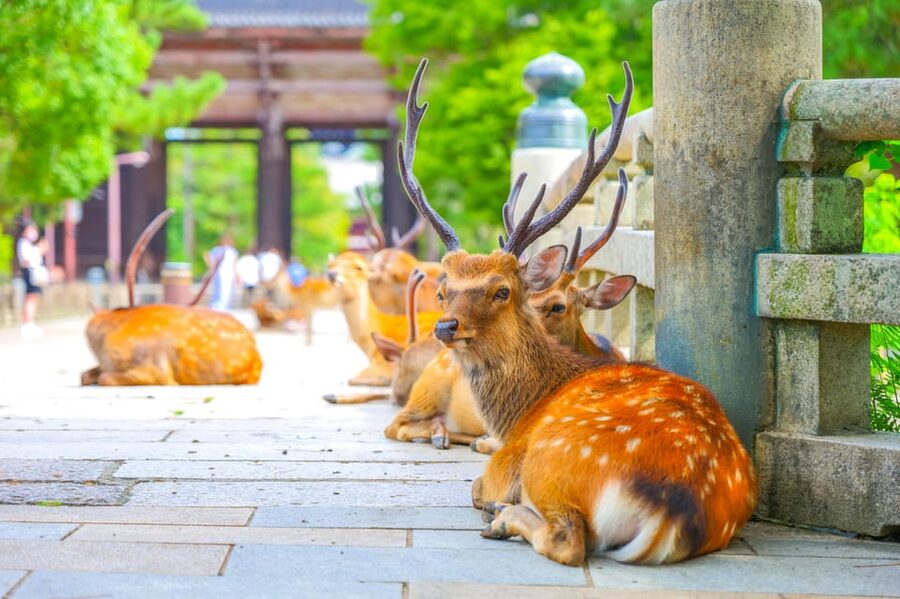
Within Nara Park, Todai-ji Temple provides the day’s biggest sense of scale. The temple is home to one of Japan’s three massive Great Buddha statues, and the building and statue together make a strong final sight.
This stop is more than a quick animal encounter. After seeing deer outdoors, you enter a major temple complex and face a huge seated Buddha. The contrast gives the Nara portion of the tour some depth: the park is playful and approachable, while Todai-ji is solemn and monumental.
The temple entrance ticket is included only in certain booking options. Confirm this before you reserve, especially if you are comparing a cheaper basic package with one that includes admissions. You do not want to discover an extra payment at the end of a long day.
Nara is also where the schedule feels most fragile. The park is spread out, and the final meeting point may not be beside the exact spot where you are exploring. Keep track of the time, stay alert for the group’s return instructions, and do not assume the bus can wait if you are late.
Lunch, bus comfort, and the practical value of $69
At $69 per person, this tour offers solid value if you want to cover three headline sights in one day. The strongest part of the deal is not simply the bus. It is the coordination of distant stops, an English-speaking guide, and optional admission tickets.
A public-transport version is possible, but it takes more planning. You would need to connect Kyoto’s western district with Kinkaku-ji and then Nara, while keeping an eye on opening hours and return times. If you are comfortable with Japanese trains and buses, planning it yourself may give you more freedom. If you are visiting for a short stay, this package can protect a valuable day.
The air-conditioned coach has been described as comfortable, and Wi-Fi is included. That makes the longer transfers easier, especially after walking through the bamboo grove and Nara Park. Smoking is not allowed in the vehicle, and oversize luggage and pets are not permitted.
Lunch is optional. The buffet has pleased some people because it offers many choices and keeps the group moving, while others found it cramped or disappointing. I would choose the meal if you value convenience and do not want to hunt for food between stops. If food is a major part of your Japan trip, skip the lunch add-on and make your own plan when possible, keeping in mind that your free time is limited.
Children aged zero to two travel free, but they do not receive a seat or meal and must sit on an adult’s lap. Only foldable strollers are accepted, and they are stored under the bus with the luggage. Comfortable shoes and water are the two items you should not forget.
Guides make the difference on a tightly timed day
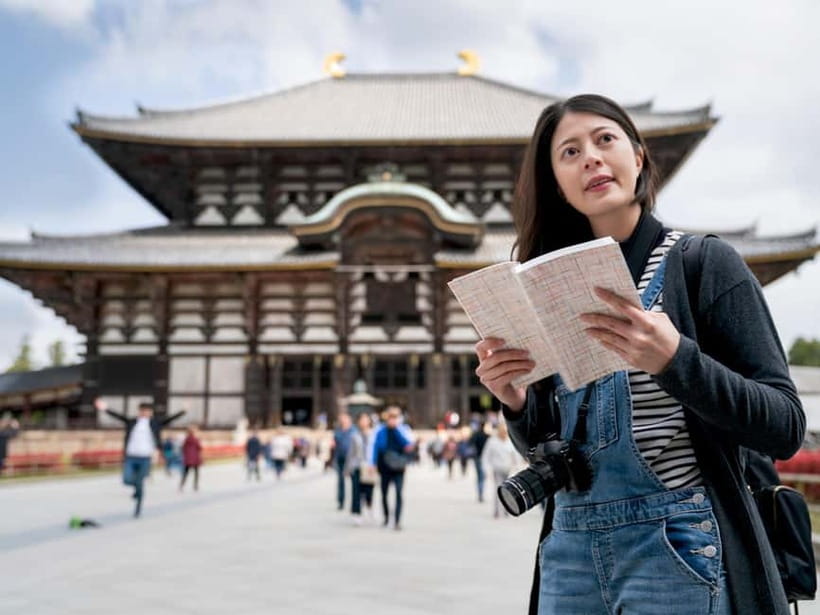
The guide can shape this experience more than any single temple. Strong guides explain cultural details on the bus, point out what matters at each site, and give precise meeting instructions.
Several guides have been praised for this kind of care. Eiko has been described as warm and helpful, including taking photos and finding deer crackers late in the day. Yuki, Jewel, Maki, Satoshi, Hama, Winnie, and others have also been singled out for clear explanations, humor, patience, and good group control.
English ability may vary by guide. One person found Eiko difficult to understand, while others had no problem following her. The tour is conducted in English, but if detailed spoken explanations are very important to you, remember that the individual guide assignment can affect how much you get from the commentary.
You do get some time to explore independently. This is not a tour where you are physically escorted every second. The guide normally explains where to go, what to look for, and when to return. That gives you a little breathing room, but you need to listen carefully and manage your own watch.
Who should book this Kyoto and Nara day trip?
I would choose this tour if you have one open day, are staying in Kyoto or Osaka, and want to see the classic sights without arranging several train and bus connections. It is also a good fit for families and first-time visitors who value clear instructions and a comfortable ride.
You will get the most from it if you enjoy seeing a lot in one day and can accept short visits. The itinerary is not ideal for photographers who need quiet conditions, history fans who want long temple talks, or anyone who prefers lingering over a slow lunch.
The Osaka departure can be useful if you are based in Namba, while the Kyoto departure makes sense if you are already near Kyoto Station. Check the meeting point for your selected option, since it can vary. Cancellation is available up to 24 hours before departure for a full refund, and you can reserve now and pay later.
My recommendation
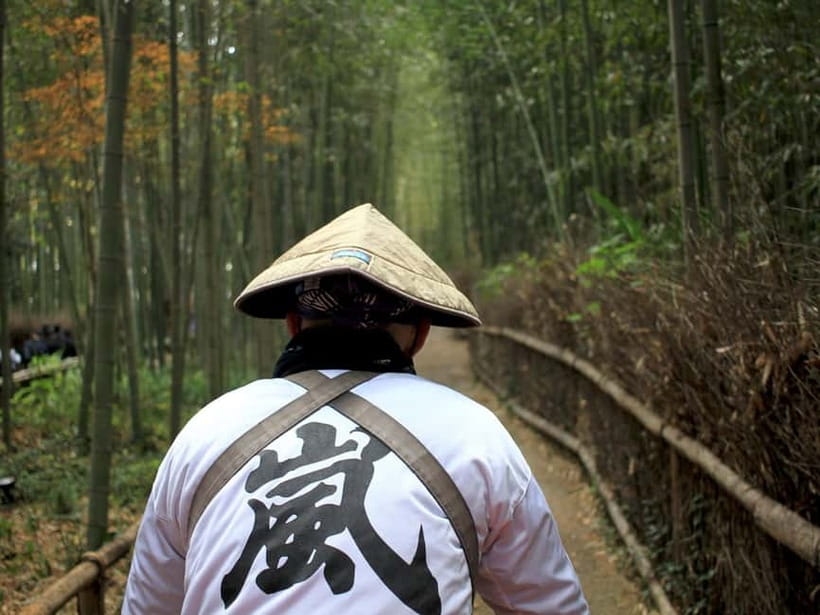
Book this tour if convenience and coverage matter more to you than a leisurely pace. Arashiyama, Kinkaku-ji, Nara Park, and Todai-ji are a strong set of sights, and the $69 starting price is fair when transportation and selected admissions are included.
Skip it if you want to linger, eat slowly, or explore each district beyond the main route. For everyone else, this is a practical way to fit Kyoto’s famous golden temple and bamboo grove together with Nara’s deer and Great Buddha, provided you keep your expectations focused on a well-organized highlights day.
FAQ
Where does the tour depart from?
The Kyoto departure is from Kyoto Station Hachijo Exit Tourist Bus Parking at 9:05 a.m. The Osaka departure is from the first floor of the OCAT Building at 8:50 a.m.
Does the tour include hotel pickup?
No. Hotel pickup and drop-off are not included, so you need to reach the assigned meeting point yourself.
Is lunch included?
Lunch is included only if you choose an option that lists it. The meal is a buffet featuring seasonal Kyoto specialties, but halal and vegan lunches are not available.
Can I request a vegetarian lunch?
Yes. Contact the activity provider at least three days before the tour to request a vegetarian meal.
Are the Kinkaku-ji and Todai-ji entrance tickets included?
Entrance tickets are included only with selected options. Check your booking choice to confirm which admissions are covered.
Can I feed the deer in Nara Park?
Yes. You can feed them special shika-senbei crackers. Do not give the deer any other food.
Are babies and strollers allowed?
Children aged zero to two can join free, but they do not receive a seat or meal and must sit on an adult’s lap. Only foldable strollers are allowed, and they are stored under the bus.
What should I bring?
Bring comfortable shoes and water. Oversize luggage, pets, and smoking in the vehicle are not allowed.
More Nara Day Trips in Nara
More tours in Nara we've reviewed
Arashiyama & Bamboo Tours, compared.
 ★ 4.8Kyoto: Fushimi Inari, Kinkakuji, Bamboo Grove 1 Day Bus TourFrom $122510 minutes - 9 hours
 ★ 4.1Osaka/Kyoto:Kinkakuji,Arashiyama,FushimiInariShrine,NaraParkFrom $66
 ★ 4.7Kyoto/Osaka: Nara, Fushimi Inari Taisha, Arashiyama Bus TourFrom $529 - 10 hours
 ★ 5.0Kyoto Arashiyama Walking Tour: Bamboo, Monkeys, Gardens & SecretsFrom $65
 ★ 4.8Arashiyama Bamboo, Temple, Monkeys, or Secret Sake BreweryFrom $875 hours - 330 minutes
 ★ 4.4Osaka/Kyoto: Arashiyama, Nara & Fushimi Inari Shrine w/LunchFrom $61