
Reviewed · NARA DAY TRIPS
Nara Early Bird Tour (Kyoto Departure Option Available)
Nara is at its best early, before the lanes fill with tour groups and deer crackers start flying. This small-group morning walk takes you to Kofuku-ji, Todaiji, Nara Park, and Kasuga Grand Shrine, with guides such as Kota, Futaba, Genki, and Natsuho bringing the sites to life.
I like the smart timing and the friendly, personal guiding. You see the famous deer while the park is still quiet, then finish with much of the day ahead. The tradeoff is a brisk start, plenty of walking, and no room for late arrivals.
In This Review
- The early start is the real attraction
- Why Nara is worth an early morning
- Starting at Kyoto Station or in Nara
- Kofuku-ji gives you your first taste of Nara
- Todaiji is the morning’s biggest cultural stop
- Nara Park is more than a deer photo
- Kasuga Grand Shrine brings a quieter finish
- The guides make the short tour work
- What the $88 price covers
- What to do after the tour ends
- Who should book this Nara walk
- Final verdict: book it for timing and guidance
- FAQ
- Where does the Kyoto departure meet?
- How long does the tour last?
- Is transportation from Kyoto to Nara included?
- What sights are included?
- What should I bring?
- Can I cancel the booking?
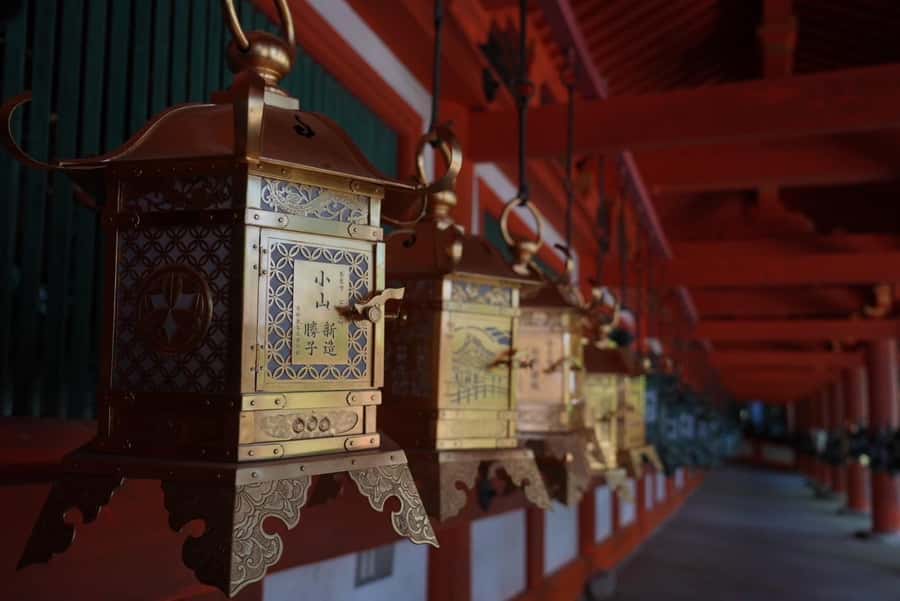
The early start is the real attraction
- Arrive before the crowds: Nara’s main sights are calmer in the morning and far easier to photograph.
- See four major stops: The route covers Kofuku-ji Temple, Todaiji Temple, Nara Park, and Kasuga Grand Shrine.
- Small groups only: The tour accepts up to 12 people, making it easier to hear and ask questions.
- Use the train from Kyoto: The Kyoto departure includes the public train ride to Nara, which takes about one hour.
- Finish before noon: The Kyoto Station option lasts four hours, leaving time for lunch, more sightseeing, or a trip to Osaka.
- Meet personable local guides: Guides including Shuma, Ai, Rowan, Daizen, Kotaro, and Soichiro are praised for clear English, warmth, and useful Japan tips.
Why Nara is worth an early morning
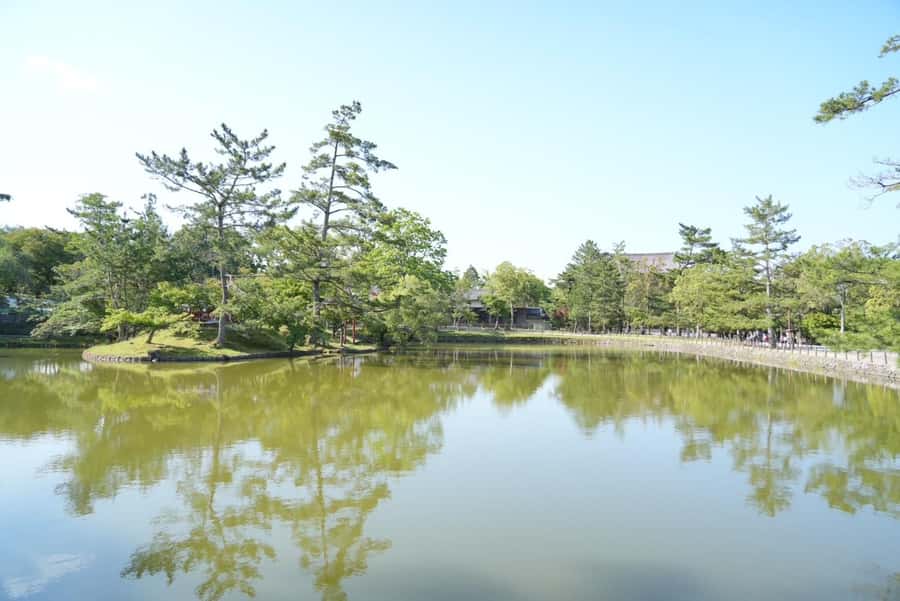
Nara is an easy day trip from Kyoto, but it can feel less easy once the central park fills up. By late morning, the paths around Todaiji and the deer feeding areas can become crowded. You may spend more time working around people than looking at the temples.
This tour makes a simple choice: get moving early and see the important places before the day gathers speed. That matters most at Nara Park, where the deer are easier to approach when the grounds are quiet and the walking routes feel more open.
I also like the half-day shape. You are not locked into a full-day bus itinerary. Once the guided portion ends, you can eat lunch in Nara, visit another temple, or continue to Osaka or Kyoto. For a first visit, it gives you structure without taking over your whole day.
The early hour is not for everyone. You need to reach the meeting point 10 minutes before departure, and the tour cannot wait for late arrivals. If your Japan schedule already has several early starts, this may feel like work. Still, the timing is the main reason to choose this particular Nara tour.
A few more Nara tours and experiences worth a look


Starting at Kyoto Station or in Nara
The Kyoto departure begins at the Central Ticket Gate of Kyoto Station, on the north side of the station. Kyoto Tower is visible outside, and the meeting point is beside Hotel Granvia. Look for the large gate on the ground floor, not a smaller platform entrance.
From there, the group uses the public train to Nara. The ride takes around one hour, and the transportation fee from Kyoto to Nara is included. This is useful if you want someone else to handle the first part of the trip, though you should still allow extra time to find the correct station entrance.
There is also a Kintetsu Nara Station meet-up option. That version is shorter, at three hours. The Kyoto Station departure lasts four hours because it includes the train journey from Kyoto.
The end point depends on the option you select. The Kyoto Station version returns to the original meeting point. If you are doing the Nara portion as part of a full day out, transportation back to Kyoto is not included, so you will need to arrange your own return.
Kofuku-ji gives you your first taste of Nara
Kofuku-ji is one of the first major temple areas on the route. It helps set the tone for Nara: old Buddhist buildings, open grounds, and a city where religious sites are closely tied to everyday life.
Your guide can explain the temple’s place in Nara and point out details you might pass without context. This is one of the strongest reasons to take a guided walk instead of simply following a map. The buildings are impressive, but a short explanation helps you understand why they matter.
The stop is also a gentle beginning to the walking portion. You are not thrown immediately into the largest temple hall or the busiest deer area. Instead, you start with a major site, get oriented, and ease into Nara’s park district.
Do not expect a long private temple visit here. The tour is designed to cover several main sights in one morning, so the time at each stop is focused. If you prefer slow architectural study or extended photography, plan to stay in Nara after the tour.
Todaiji is the morning’s biggest cultural stop
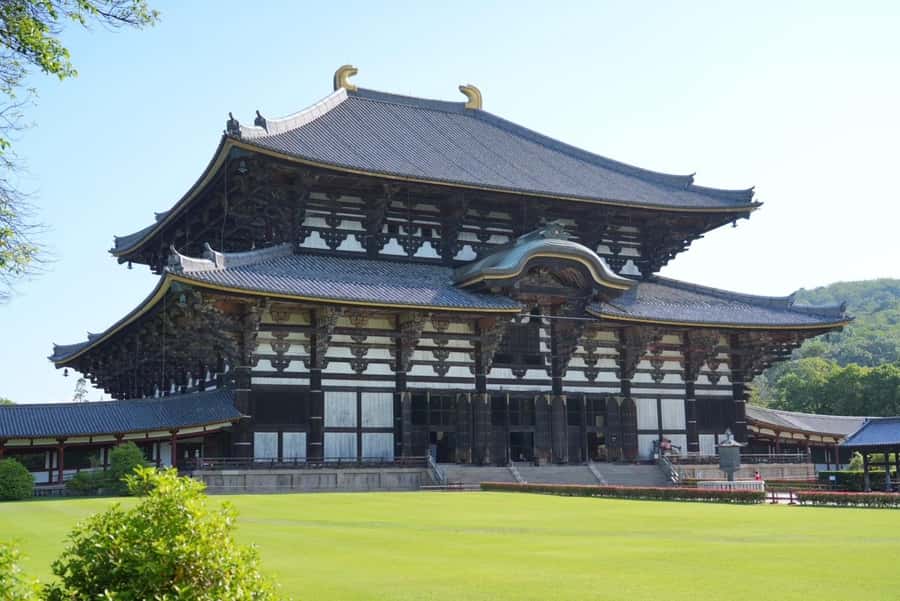
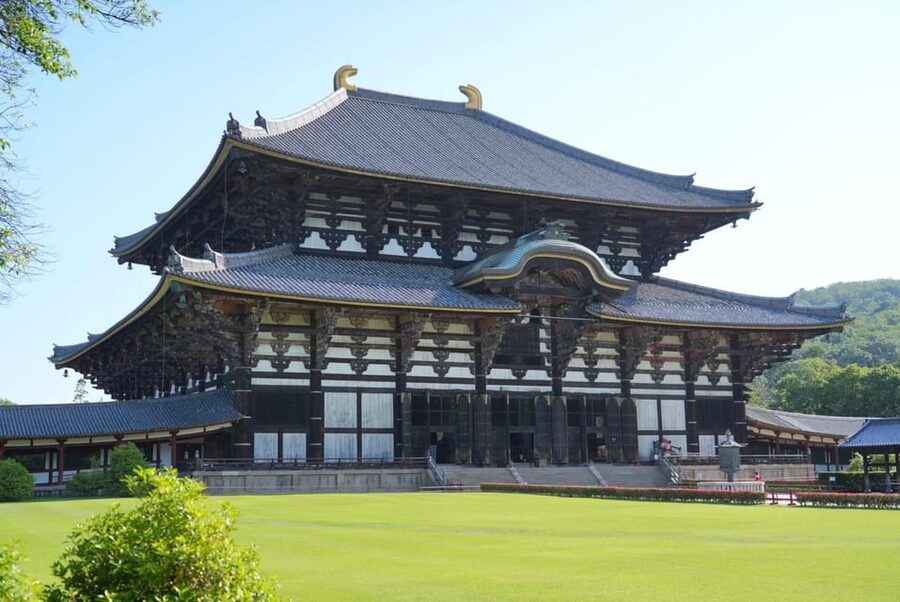
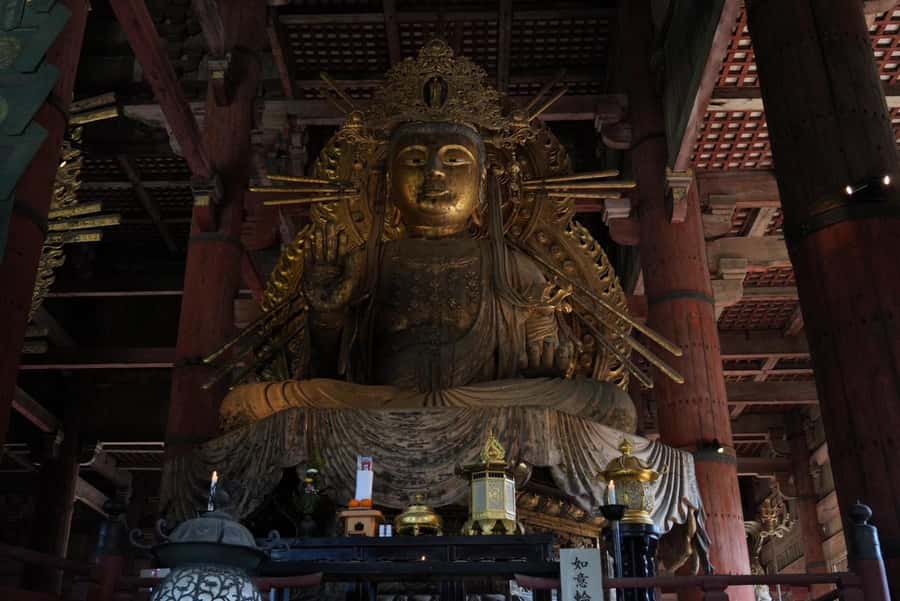
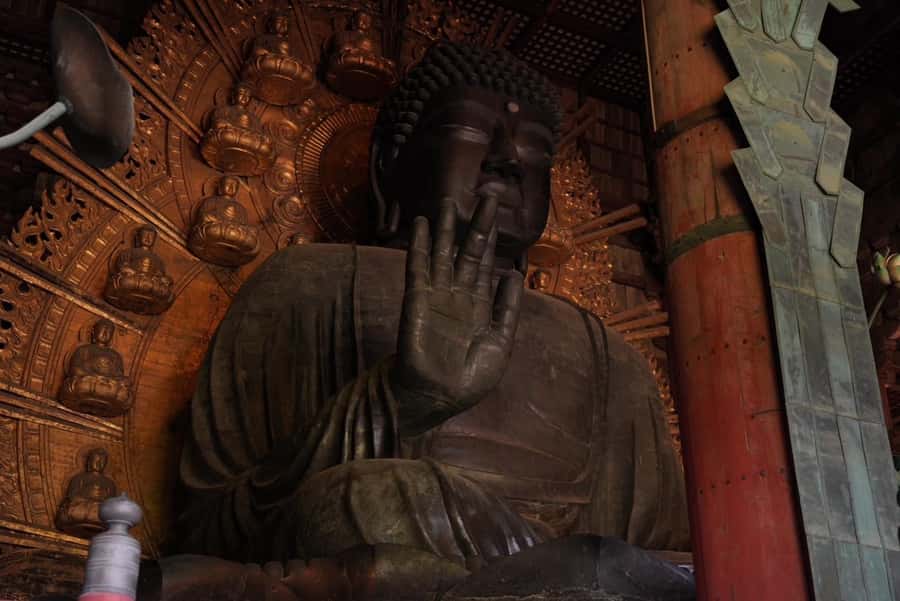
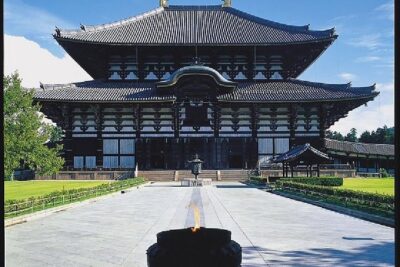
Todaiji Temple is the major attraction on this route, and admission costs 800 yen, paid separately. The temple is famous for its enormous bronze Buddha, and the scale of the main hall makes this one of the most memorable stops in Nara.
The building and statue are not quick photo props. Give yourself a moment to look upward and take in the proportions. The hall is a powerful example of how Buddhist worship, engineering, and political ambition came together in early Japan.
A guide adds useful context here. Several guides are praised for explaining the spiritual and cultural meaning of the temple in clear English, rather than simply naming the building and moving on. Guides such as Daizen, Genki, and Soichiro are especially noted for keeping the group engaged while answering questions.
One lighthearted detail is the famous pillar with a hole said to match the size of the Buddha’s nostril. You may see people attempting it, though one visitor jokingly noted that fitting through was not part of the experience. The stop works for families as well as adults, but the temple can become crowded quickly, which makes the early arrival valuable.
Nara Park is more than a deer photo
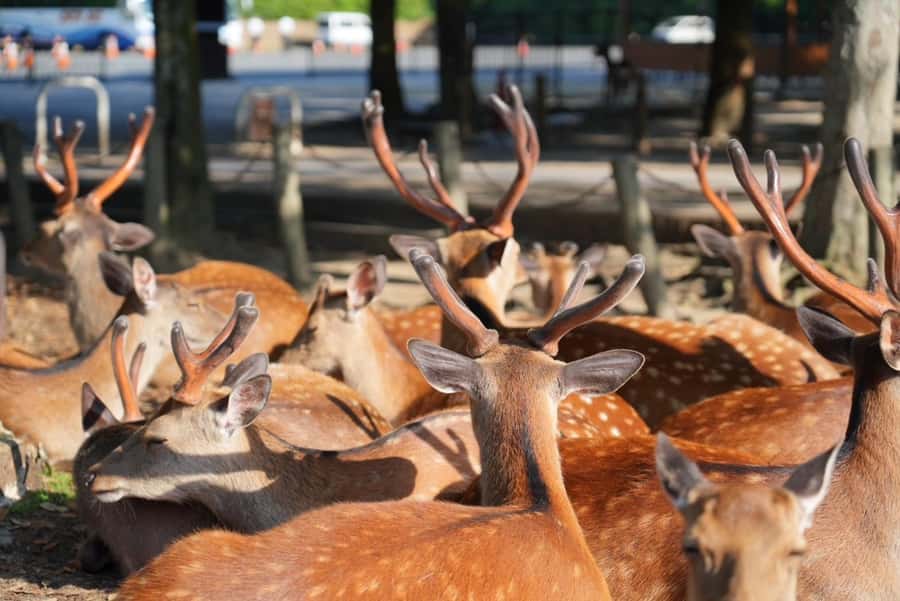
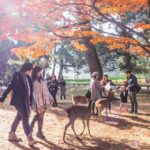
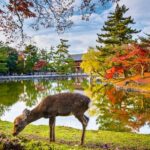
The deer are the obvious stars of Nara Park, and feeding them is a memorable part of the morning. You can buy special crackers and offer them to the deer, some of which bow before eating. That small ritual is charming, but you should still follow your guide’s instructions and finish the crackers promptly.
The early timing changes the encounter. With fewer people around, you have more space for photographs and a better chance to watch the deer calmly. By the time the group is leaving, the same areas may be much more crowded.
The park is not only about animal encounters. It connects the temples and shrines with wooded paths and open green areas, giving the walk a peaceful rhythm. Guides often use this stretch to explain local customs, the role of deer in Nara, and everyday aspects of Japanese culture.
This is also where the tour’s walking level becomes clear. You will be on your feet for much of the morning, moving between temples, park paths, and shrine grounds. Comfortable shoes are essential. Baby strollers are not allowed, and the activity is not suitable for wheelchair users or people recovering from recent surgery.
Kasuga Grand Shrine brings a quieter finish
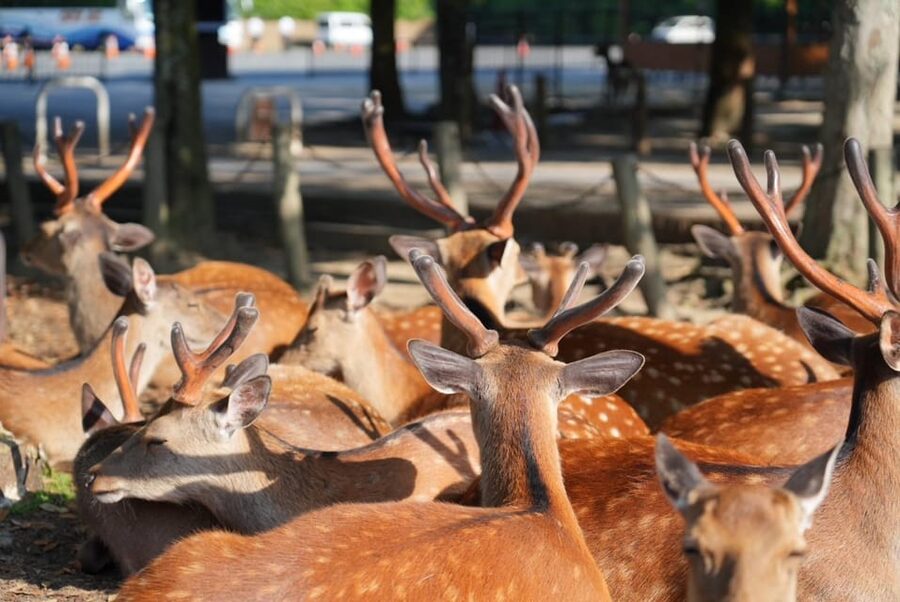
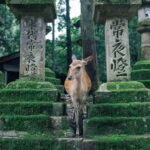
Kasuga Grand Shrine offers a different mood from Todaiji. The route through the shrine grounds gives you more time among trees and stone features, with the atmosphere shifting from monumental temple architecture to a more secluded Shinto setting.
Your guide can help explain the difference between Buddhist and Shinto sites, a useful distinction when you are seeing both in the same morning. The value here is not just another landmark checked off a list. It is the contrast between the large Buddhist temple, the open deer park, and the quieter shrine approach.
The visit is still part of a timed morning route, so you will not explore every corner of the wider area. That is a fair compromise for anyone who wants an introduction to Nara rather than a full religious-site study. If Kasuga Grand Shrine interests you most, use the free time afterward to return at your own pace.
The guides make the short tour work
The strongest part of this experience is the guide team. The feedback consistently praises guides for being warm, patient, organized, and easy to talk with. That combination matters in a small group, especially when the morning includes train travel and several major stops.
Kota is praised for meeting the group at Kyoto Station, sharing useful background on Nara and Japan, and offering tips for food and mochi afterward. Futaba is described as energetic and clear, with a good pace that keeps the walk informative without making it feel like a lecture.
Genki receives special praise for making the history and culture engaging while ensuring the group felt comfortable. Natsuho is noted for helping with onward plans, even going out of her way to make sure one group reached its next destination. Kotaro, a local guide, is valued for detailed knowledge of Nara and a friendly, personal manner.
Other named guides include Shuma, Hina, Ai, Rowan, Daizen, Soichiro, Momoka, Kota, Koichiro, Joshua, Lee, and Satoshi. You cannot choose a particular guide from the information provided, but the repeated praise for different members of the team suggests a consistent guiding approach.
The small group limit of 12 helps. You can hear explanations, ask questions, and keep track of the group more easily than on a large coach tour. One practical improvement would be a more visible group marker, since one person found it difficult to identify the group in crowded Nara.
What the $88 price covers
At $88 per person, this is not the cheapest way to reach Nara. You could take public transportation on your own and visit the same broad area without a guide. That comparison is important.
The price becomes easier to justify if you value time, orientation, and local explanation. Your train fare from Kyoto to Nara is included for the Kyoto departure, and the guide leads you through the main temple and shrine areas in an efficient order. You also avoid spending your first hour studying maps and train connections.
The 800-yen Todaiji admission is extra. Food and drinks are also on your own, as is the journey back to Kyoto for anyone treating Nara as a full-day outing. These costs are modest, but include them in your budget.
I see the tour as good value for a first Nara visit, particularly if you have limited time in Kyoto. It is less valuable for independent travelers who already understand the area, want to linger at one site, or prefer complete control over the pace.
What to do after the tour ends
The early finish is one of the best practical features. You can remain in Nara and explore more temples, find lunch, or visit a mochi shop using your guide’s suggestions. Several guides offer food tips, including a recommended katsu restaurant.
You can also make the morning a starting point for a longer day. The tour information specifically allows time to continue toward Osaka or Kyoto, though you must arrange that transportation yourself. If you want photographs without crowds and still hope to see more of the region, this schedule works well.
The supplied highlights also refer to Fushimi-Inari Shrine, Kinkakuji, and Arashiyama. Those are Kyoto-area attractions, not part of the stated Nara walking route. Treat them as separate places to visit during your wider Kyoto plans, not as stops included in this morning tour.
Who should book this Nara walk
I would choose this tour if you are staying in Kyoto, want a clear introduction to Nara, and prefer a guide to explain what you are seeing. It suits families, couples, and solo visitors who like a social but small-group experience. The route also works well for a first visit because it covers the main sights without using your whole day.
It is a particularly good fit if deer are high on your list but you do not want to meet them at the busiest part of the day. The combination of quiet park paths, Todaiji, and Kasuga Grand Shrine gives you more than an animal encounter.
Think twice if you dislike early starts, cannot walk comfortably for several hours, or want extended time inside the temples. The tour is not suitable for wheelchair users, people with recent surgeries, or people over 70 according to the stated restrictions. Comfortable shoes are a must.
You can reserve now and pay later, and cancellation is allowed up to 24 hours in advance for a full refund. Most important, arrive at least 10 minutes early. Late arrivals cannot join and do not receive a refund.
Final verdict: book it for timing and guidance
I recommend the Nara Early Bird Tour for a first visit from Kyoto. The route is focused, the guides are consistently friendly and well informed, and the early schedule solves Nara’s biggest problem: crowds at the famous sites.
Book it if you want the main temples, the deer, and useful cultural background with time left for the rest of your day. Skip it if you are already comfortable navigating Nara or want a slow, self-directed temple day. At $88, you are paying less for entry tickets than for a well-planned morning and a guide who helps you make that morning count.
FAQ
Where does the Kyoto departure meet?
Meet at Kyoto Station’s Central Ticket Gate on the north side of the station, where Kyoto Tower is visible outside. The meeting point is next to Hotel Granvia, at the large ground-floor gate.
How long does the tour last?
The Kyoto Station Departure Option lasts four hours, including the train ride to Nara. The Kintetsu Nara Station Meet-up option lasts three hours.
Is transportation from Kyoto to Nara included?
Yes. The Kyoto departure uses the public train, and the transportation fee from Kyoto to Nara is included. Transportation back to Kyoto Station is not included for people continuing their own day trip from Nara.
What sights are included?
The route includes Kofuku-ji Temple, Todaiji Temple, Nara Park, and Kasuga Grand Shrine. Todaiji admission costs 800 yen and is not included.
What should I bring?
Wear comfortable shoes because the tour involves substantial walking. Food and drinks are not included.
Can I cancel the booking?
You can cancel up to 24 hours before the tour for a full refund. You must arrive 10 minutes before the scheduled meeting time because late arrivals cannot join and are not refunded.
More Nara Day Trips in Nara
More tours in Nara we've reviewed
Nara Day Trips, compared.
 ★ 5.0World Heritage Kyoto & Nara Uji Authentic Matcha ExperienceFrom $129
 ★ 4.7Kyoto/Osaka: Nara, Fushimi Inari Taisha, Arashiyama Bus TourFrom $529 - 10 hours
 ★ 4.4Osaka/Kyoto: Arashiyama, Nara & Fushimi Inari Shrine w/LunchFrom $61
 ★ 5.0Nara Early Morning Tour (Kyoto or Osaka Departure Available)From $61
 ★ 4.5Kyoto and Nara Day Trip from KyotoFrom $194
 ★ 4.5Nara Afternoon Tour from Kyoto or OsakaFrom $102