
Reviewed · NARA DAY TRIPS
Kyoto/Osaka: Kyoto and Nara Sites & History Day Trip
The big idea here is simple: fit Kyoto and Nara into one long private day without figuring out trains, buses, temple entrances, and city streets on your own. You move by air-conditioned vehicle from your hotel, with an English-speaking guide such as Rana, Tahir, Nomi, Hamza, or Muhammad, depending on availability.
I like the door-to-door service, especially if you have only one day or are traveling with older relatives. I also like the mix of famous sights and small cultural moments, from the red torii gates at Fushimi Inari to feeding deer in Nara Park and posing in a kimono. The tradeoff is clear: the route is ambitious, and one guest found there was not enough time to reach Nara after seeing Kyoto.
In This Review
- Key points at a glance
- A very full day across Kyoto and Nara
- Starting from Osaka, Kyoto, or Nara
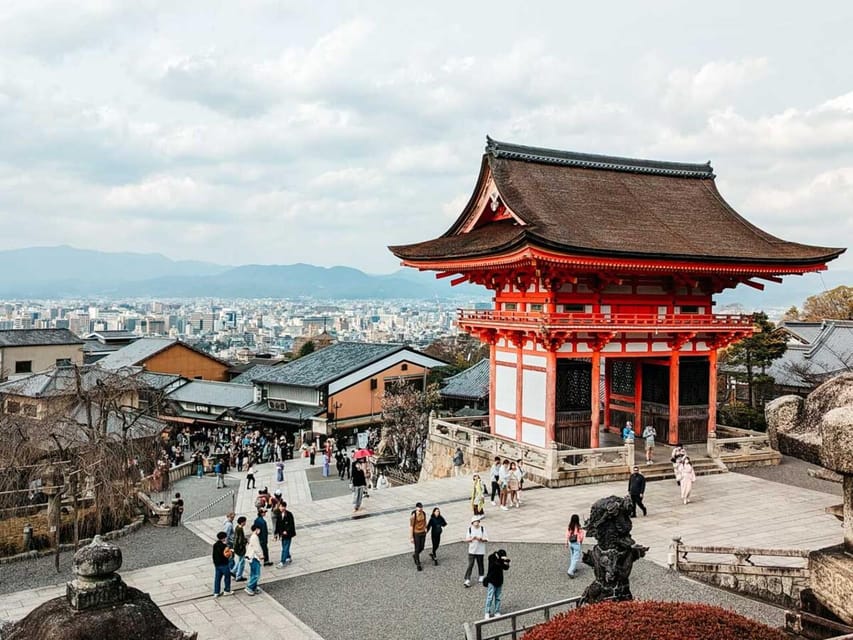
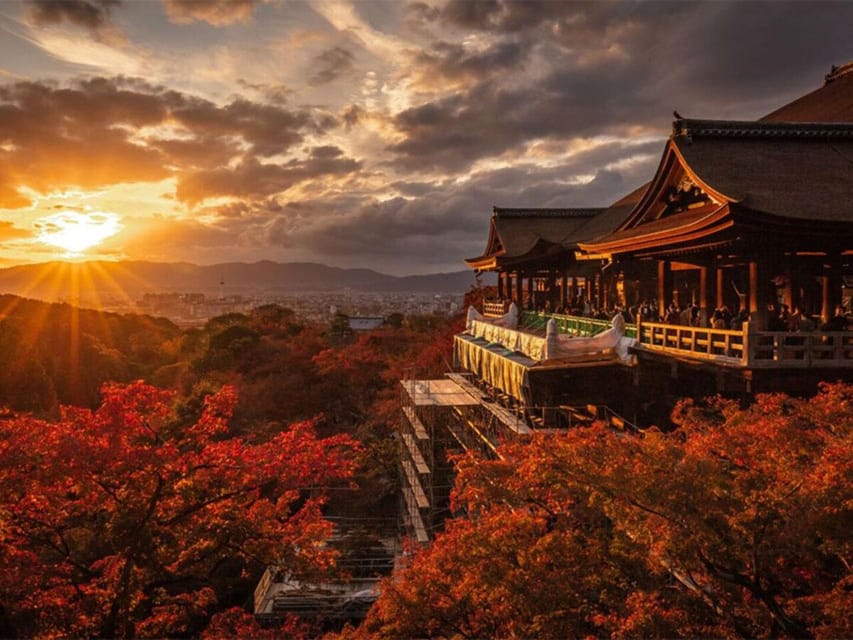
- Kiyomizu-dera and Kyoto’s old lanes
- The kimono photo stop
- Fushimi Inari and the Senbon Torii
- Arashiyama Bamboo Forest and Kinkaku-ji
- Nishiki Market as a useful food break
- Nara Park, deer, and Todaiji Temple
- How the guides shape the day
- What is included, and what costs extra
- Walking, weather, and accessibility concerns
- Who should book this Kyoto and Nara day trip?
- Should you book it?
- FAQ
- How long does the tour last?
- Where can I be picked up?
- Where can I be dropped off?
- Is the tour private?
- What language does the guide speak?
- Are temple entrance fees included?
- Is kimono rental included?
- Are meals included?
- What should I bring?
- Can I cancel the tour?
Key points at a glance
- Private vehicle for up to six people: The $670 price covers the group, not each person, making the cost easier to justify for a full party.
- Two historic cities in one day: Kyoto’s temples and shrines are paired with Nara Park and Todaiji Temple.
- A flexible guide-led day: You get guided visits plus free time to explore, shop, eat, or adjust the pace.
- Kimono photo opportunity: Rental costs extra, and advance booking is recommended.
- Hotel pickup and drop-off: Pickup and return are available in Osaka, Kyoto, or Nara.
- Expect plenty of walking: Comfortable shoes, water, sun protection, and weather-ready clothing matter.
A very full day across Kyoto and Nara
This is not a slow, single-neighborhood Kyoto outing. It is a grand tour designed for people who want the major sights in one shot.
The route can include Kiyomizu-dera, the old streets of Nineizaka and Sanneizaka, Ishibei-koji Alley, Hanamikoji Street, Yasaka Shrine, Fushimi Inari, Arashiyama Bamboo Forest, Kinkaku-ji, Nishiki Market, Nara Park, Kasuga Taisha, and Todaiji Temple. That is a lot for 10 hours, even with a private vehicle.
I see the tour as a useful first look rather than a leisurely study of Kyoto. You will see a wide range of places, but you will need to accept short visits at some stops. The private format helps because your guide can adjust the order, help with tickets, and respond to what your group wants to see.
The strongest reason to book is convenience. Several guides have helped groups make the most of a single day, including people arriving from a cruise or staying outside Kyoto. The vehicle takes you close to the sights where possible, and the guide can walk with you when a direct drop-off is not available.
A few more Nara tours and experiences worth a look


Starting from Osaka, Kyoto, or Nara
You can arrange pickup from Osaka, Kyoto, or Nara, with the same three areas available for drop-off. That makes this useful if your hotel base and sightseeing plans do not match neatly.
Starting in Osaka is practical for a day trip, but you should understand that the distance between the cities leaves less room for lingering. If you start in Kyoto, you may spend less time reaching the first sight and more time at the temples. A Nara pickup may make sense if Nara is the main priority.
The operator lists hotel pickup and drop-off, plus an air-conditioned coach or private vehicle. The exact vehicle may vary, but the private setup is a major advantage for families and small groups. You do not have to find the right station exit or shepherd everyone onto a crowded local bus.
The price is $670 per group of up to six. For one or two people, that is a costly day. For six, it works out to about $112 per person before entrance fees, meals, and kimono rental. Compare that with the value of private transport, a guide, and a full 10-hour day. The price becomes easier to defend when convenience matters more than saving every yen.
Kiyomizu-dera and Kyoto’s old lanes
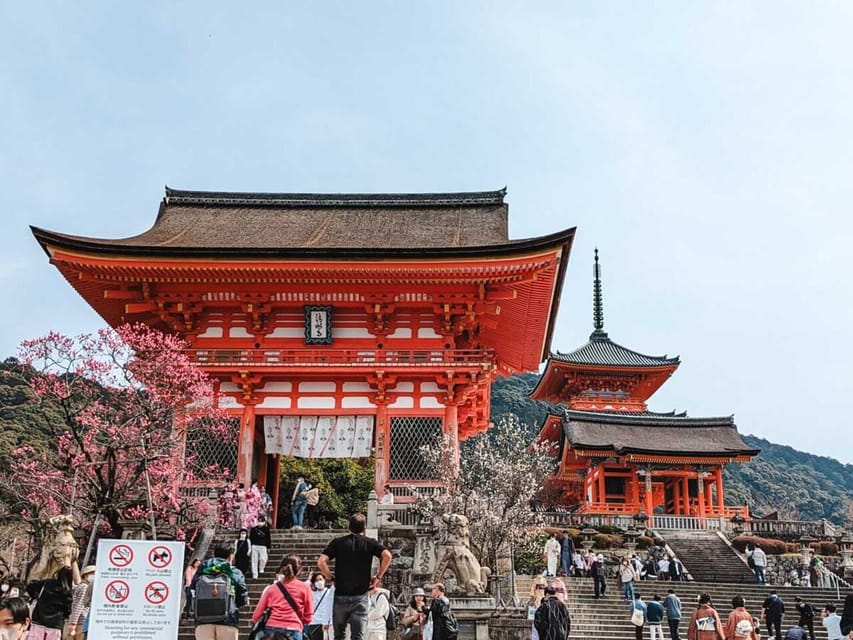
Kiyomizu-dera is one of Kyoto’s best-known temple visits and a natural starting point for seeing the city’s older side. The temple itself requires an entrance fee, which is not included, so bring money for admission.
The streets around the temple are part of the attraction. Nineizaka and Sanneizaka have traditional-looking buildings, shops, and slopes that give you a feel for old Kyoto. Ishibei-koji Alley is quieter and more tucked away, while Hanamikoji Street offers another look at Kyoto’s historic entertainment district.
Yasaka Shrine adds a major Shinto site to the morning. I like this section because it lets you compare different parts of Kyoto rather than seeing temples one after another with no change of mood.
You should pace yourself here. The stone lanes and uphill stretches call for good shoes, and the combination of shopping, photos, and temple visits can eat into the schedule. If your group has mobility limits, tell the guide early so the day can be adjusted as much as possible.
The kimono photo stop
Trying on a kimono gives the day a personal touch, especially if you want a family photo in Kyoto’s old streets. This is a photo experience, not a full traditional dress study, and the rental fee is extra.
Book the rental ahead of time. The activity information specifically recommends advance arrangements, and a last-minute request may not fit the day’s timing. You should also ask how much time the fitting and photographs will take, since every minute counts on this route.
I would treat the kimono as an optional add-on. It is a good choice for families, couples, and anyone who wants a memorable portrait. If your priority is seeing more temples, you may prefer to use that time for sightseeing.
Fushimi Inari and the Senbon Torii
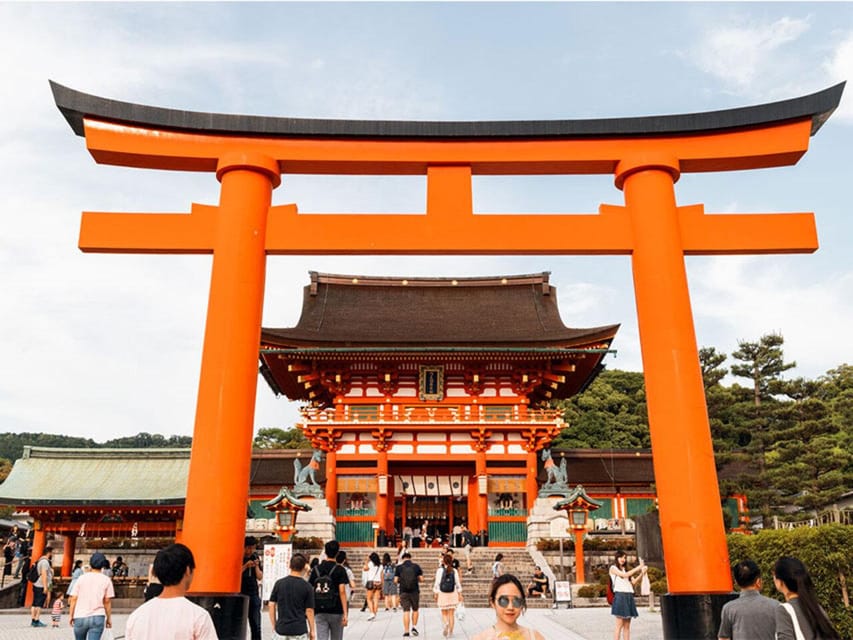
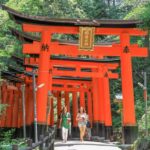
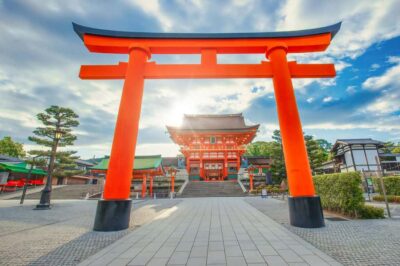
Fushimi Inari Taisha is the most visually distinctive stop on the Kyoto portion. Its thousands of red torii gates form the famous Senbon Torii, creating a shaded walkway up the wooded hillside.
You do not need to walk the entire mountain route to enjoy the shrine. The tour provides a guided visit, and you can see the most recognizable gate paths near the main shrine. The shrine also has unusual ema, or wooden prayer plaques, and your guide can explain the customs behind them.
This is an active stop. The route includes steps and walking, and the crowd level can change throughout the day. Keep your belongings close and avoid flash photography, which is not allowed.
Fushimi Inari also gives the tour a different feel from Kyoto’s grand temples. It is a working shrine where people come to pray for family and personal good fortune. That everyday spiritual side is one reason I would not skip it, even on a packed schedule.
Arashiyama Bamboo Forest and Kinkaku-ji
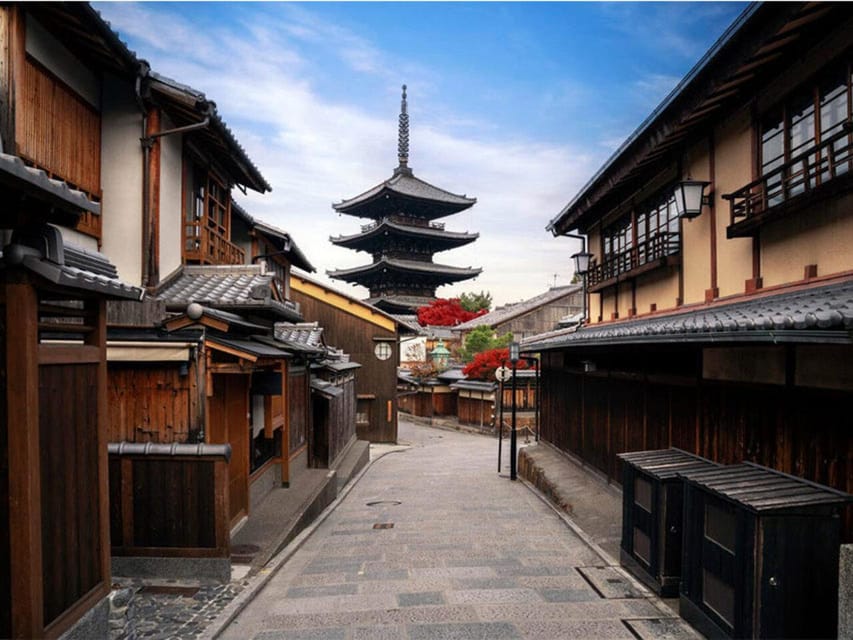
The Arashiyama Bamboo Forest is included as a photo stop with about one hour of free time. The bamboo paths are striking, but the visit is usually more about getting a taste of the setting than taking a long walk through the wider Arashiyama area.
One hour can be enough for photographs and a short stroll, but not for exploring every nearby sight. If Arashiyama is your main Kyoto goal, you may want a separate visit with more time. Here, it is one piece of a large day.
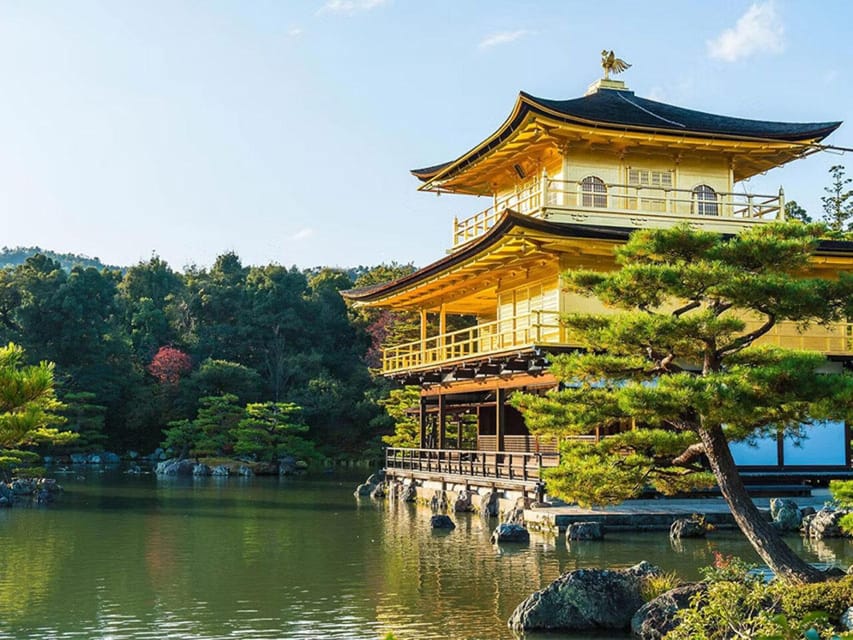
Kinkaku-ji, the Golden Pavilion, adds one of Kyoto’s most recognizable views. The temple’s gold-covered exterior reflects in the pond, and the surrounding garden gives you a calm break from the city streets.
The stop is guided, but the visit is still fairly focused. You will see the pavilion and walk the established grounds, rather than spend hours studying every garden detail. For a first visit, that may be exactly right. For repeat Kyoto visitors, it may feel too brief.
Nishiki Market as a useful food break
Nishiki Market is listed as a visit rather than a formal meal stop, and food costs are not included. This gives you freedom to choose what you want, but you should not assume lunch is covered.
The market is a sensible place to eat because your group can split up briefly, sample something, or choose a proper meal nearby. One guide recommended a Japanese-Chinese restaurant, and lunch advice has been a notable part of the guiding service.
I like having a market stop in the middle of a temple-heavy day. It gives you a chance to sit, eat, and see Kyoto’s food culture. Still, keep an eye on the clock. A long lunch can put pressure on the Nara portion, especially if your group has added shopping or a kimono fitting.
Nara Park, deer, and Todaiji Temple
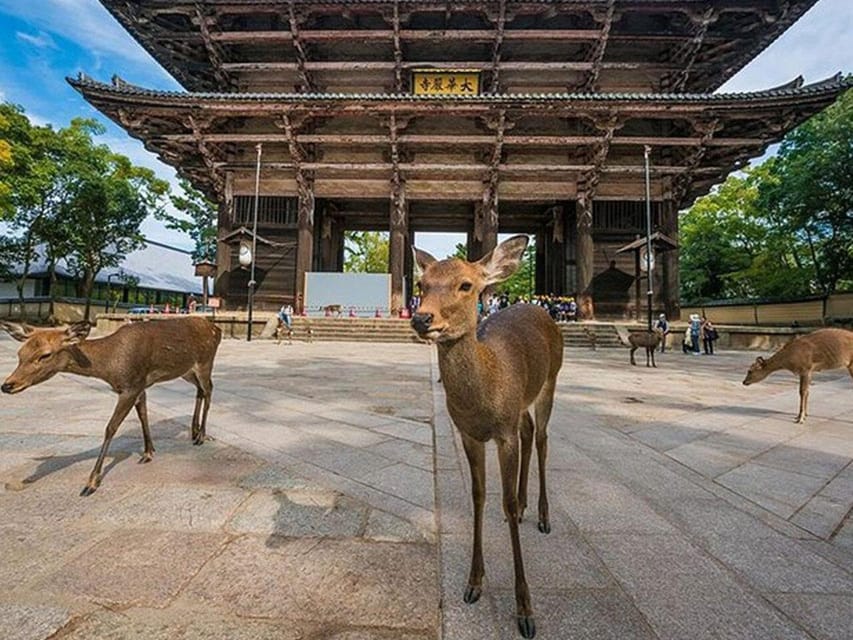
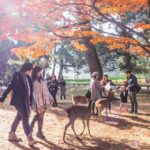
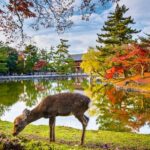
Nara changes the mood completely. Nara Park spreads at the foot of Mt. Wakakusa, with open paths, shrine and temple grounds, and free-roaming deer.
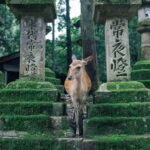
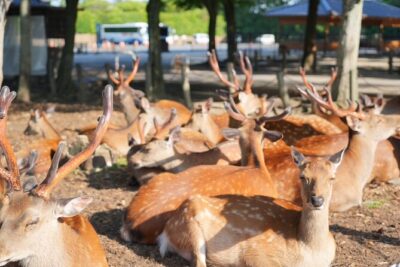
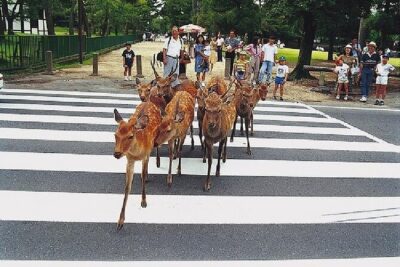
Feeding the deer is one of the day’s most memorable moments. The animals are accustomed to people and may crowd close once food appears. Keep your hands clear after the food is gone, and pay attention to the guide’s instructions. A flock can jostle you, and the activity information warns that deer may knock you down.
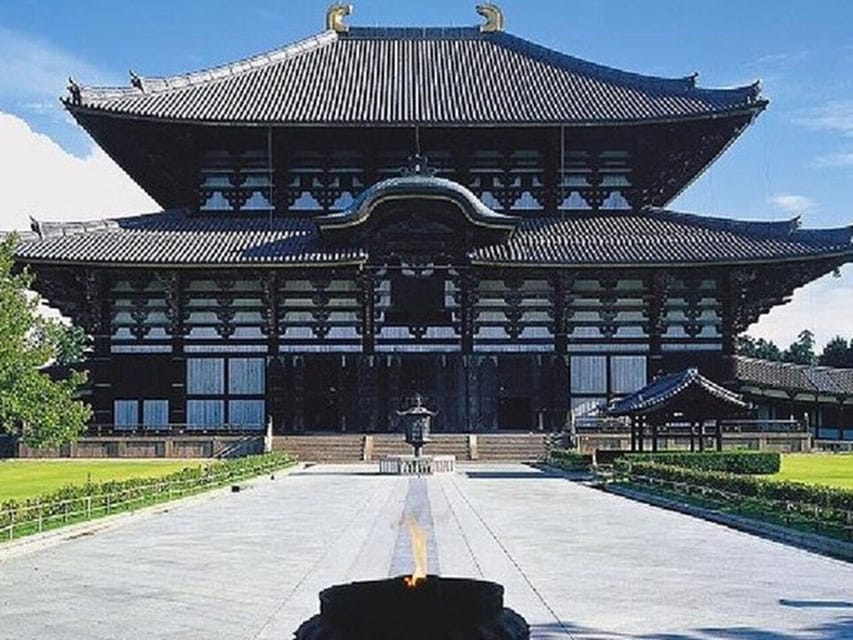
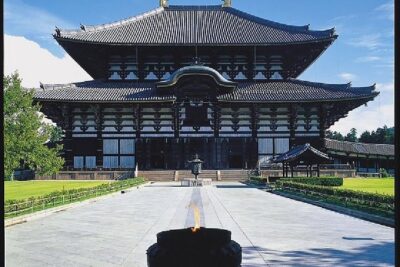
Todaiji Temple is the major cultural stop in Nara. The entrance fee is extra, so budget separately for it. The temple is known for its enormous scale and major Buddhist image, making it a powerful contrast to the intimate lanes and shrine paths in Kyoto.
The Nara portion also includes Kasuga Taisha. The combination of Nara Park, Todaiji, and Kasuga Taisha gives you more than a quick deer stop. You get a look at Nara as an old religious center, not just a park with animals.
The listed schedule gives Nara about 110 minutes for a guided tour, followed by 30 minutes in the park, with additional time at Todaiji. That sounds generous until you count walking, photographs, deer feeding, and temple admission. If Nara is essential to you, tell your guide at the start and protect that time.
How the guides shape the day
The tour is sold with a professional English-speaking guide, and the individual guide can make a real difference. Rana has been especially good at adapting the route, suggesting food, taking photographs, and helping older people avoid unnecessary walking. Tahir is described as strong on the history of Kyoto and Nara, while Nomi is praised for patience, humor, photo help, and care during rainy weather.
Other guides named by guests include Hamza and Muhammad. Hamza has handled communication and driving duties with care, while Muhammad has taken time to explain the sights and follow group requests.
You should not assume every guide will use the same style. Some may focus more on history, while others may put more energy into photos, language practice, food, or flexible routing. If you have a strong preference, ask about guide availability when booking.
The best use of a private guide is not simply listening to facts. Ask for help with the order of sights, the most useful photo spots, meal choices, and the amount of walking. One guide used visual art and simple Japanese phrases to explain the stops, and another taught counting and everyday expressions. Those touches can make a packed day easier to follow.
What is included, and what costs extra
Included in the $670 group price are the professional guide, hotel pickup and drop-off, air-conditioned transport, and free time at the sights.
You pay separately for:
- Kiyomizu-dera entrance
- Todaiji Temple entrance
- Meals and drinks
- Kimono rental
The price is best for a group of four to six people who value comfort and time. A couple paying the full amount may find public transport cheaper, but the private vehicle removes much of the route planning. For a family with children or older adults, that saved effort can be worth more than the fare difference.
The activity offers free cancellation up to 24 hours before departure and allows you to reserve now and pay later. Starting times depend on availability, so check the date carefully before you commit to other plans.
Walking, weather, and accessibility concerns
Wear comfortable shoes. You will walk through temple grounds, shrine paths, old lanes, market areas, and Nara Park, with some steps and uneven surfaces likely along the route.
Bring water, a hat, sunscreen, and a camera. Rain is possible, and the guides have helped groups cope with wet weather, but you should still dress for the forecast. Flash photography is not allowed, and smoking is not permitted.
The activity information contains a contradiction about mobility. It says the tour is wheelchair accessible, but it also says it is not suitable for wheelchair users. It also lists the experience as unsuitable for pregnant women and people with back problems. Confirm the current vehicle, walking route, and access arrangements directly before booking if any of these points affect your group.
Who should book this Kyoto and Nara day trip?
I would choose this tour if you have only one day, dislike navigating several train and bus connections, or want a private vehicle for a family group. It also suits people arriving from Osaka who want to see the headline sights without changing hotels.
It is a strong fit for first-time visitors who want variety: old Kyoto streets, a major temple, a famous shrine, bamboo, a food market, Nara deer, and Todaiji. The guides can also make the day more personal through photos, food suggestions, and small cultural explanations.
I would not choose it if you want a slow Kyoto day, long temple visits, or a serious exploration of Arashiyama. The route covers a lot, and the Nara stop may suffer if the morning runs long. If your top priority is Nara, consider telling the guide to protect that portion rather than trying to add extra Kyoto stops.
Should you book it?
Book this private day trip if time and ease matter more than a relaxed pace. Six people can share the $670 cost, and hotel pickup, private transport, and an adaptable English-speaking guide solve the hardest parts of combining Kyoto and Nara.
Before paying, confirm the pickup time, guide availability, kimono arrangements, entrance costs, vehicle access, and the exact plan for protecting Nara time. If you accept a busy day and arrive ready to walk, this is a practical way to see a large slice of Kansai in one outing.
FAQ
How long does the tour last?
The tour lasts 10 hours. Starting times depend on availability.
Where can I be picked up?
Pickup is available from Osaka, Nara, or Kyoto.
Where can I be dropped off?
Drop-off is available in Kyoto, Osaka, or Nara.
Is the tour private?
Yes. It is a private group experience for up to six people.
What language does the guide speak?
The live tour guide service is provided in English.
Are temple entrance fees included?
No. Entrance fees for Kiyomizu-dera and Todaiji Temple are paid separately on the day.
Is kimono rental included?
No. Kimono rental costs extra, and advance booking is recommended.
Are meals included?
No. Meal costs are not included.
What should I bring?
Bring comfortable shoes, a hat, a camera, sunscreen, and water. Dress for changing weather conditions.
Can I cancel the tour?
Yes. You can cancel up to 24 hours in advance for a full refund. You can also reserve now and pay later.
More 1-Day Tours in Nara
More Historical Tours in Nara
More Nara Day Trips in Nara
More tours in Nara we've reviewed
Nara Day Trips, compared.
 ★ 5.0World Heritage Kyoto & Nara Uji Authentic Matcha ExperienceFrom $129
 ★ 4.7Kyoto/Osaka: Nara, Fushimi Inari Taisha, Arashiyama Bus TourFrom $529 - 10 hours
 ★ 4.4Osaka/Kyoto: Arashiyama, Nara & Fushimi Inari Shrine w/LunchFrom $61
 ★ 5.0Nara Early Morning Tour (Kyoto or Osaka Departure Available)From $61
 ★ 4.5Kyoto and Nara Day Trip from KyotoFrom $194
 ★ 4.5Nara Afternoon Tour from Kyoto or OsakaFrom $102