
Reviewed · KYOTO
Making Fresh To-fu from soybeans in Kyoto
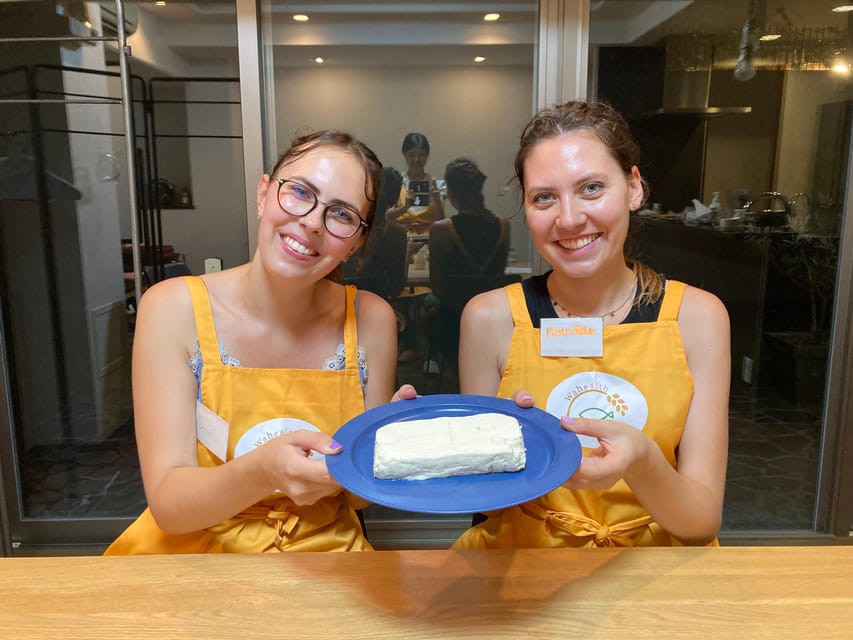
The most interesting part of this Kyoto class is that you eat the tofu you make, first without seasoning. That simple taste shows you how fresh, handmade tofu differs from the firm blocks commonly sold outside Japan. I like the hands-on format and the chance to see tofu as a Japanese food with its own flavor, not just an ingredient for soup or stir-fry.
I also like the small setting, where the instructor can answer questions and adjust ingredients for dietary needs. The main thing to consider is the small apartment setting. It is part of the local feel, but anyone expecting a large cooking studio may find the room tight.
In This Review
- Key points about the Kyoto tofu class
- Why fresh tofu tastes different in Japan
- A 90-minute lesson with a clear rhythm
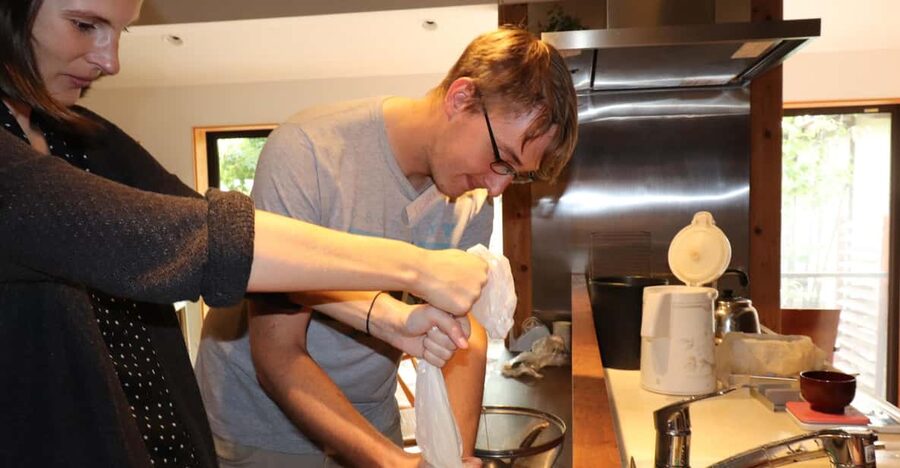
- Making tofu from soybeans by hand
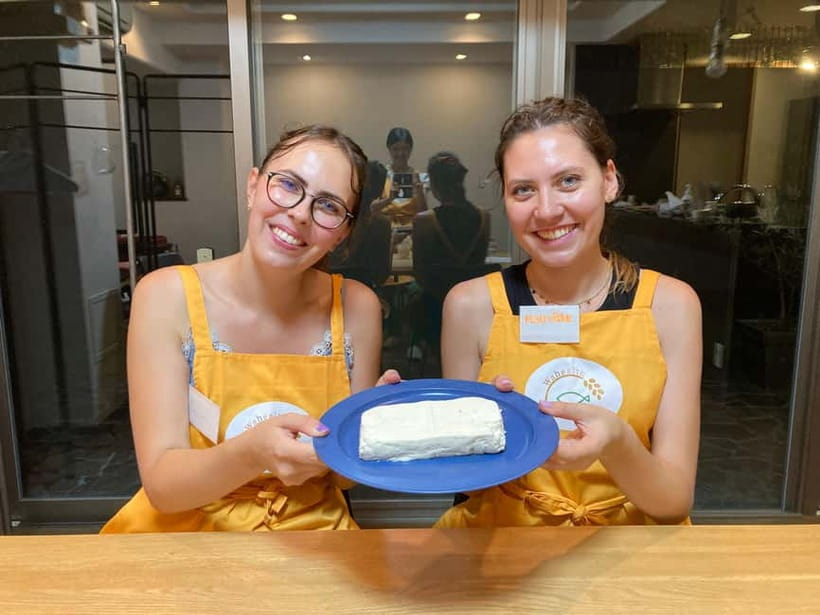
- The plain tofu tasting comes first
- Soymilk and oboro-dofu add two more tastes
- Four tofu dishes made from your batch
- The small Kyoto apartment setting
- Location near Shijo and Karasuma Stations
- Is $56 a fair price?
- Dietary needs and language support
- Who will enjoy this activity most?
- Booking and practical details
- Should you book the Kyoto tofu-making class?
- FAQ
- How long does the tofu-making class last?
- How much does the activity cost?
- Where does the class take place?
- How do I find the meeting point?
- What languages does the instructor speak?
- How many people can join the class?
- What will I learn during the activity?
- What food is included?
- Is the class suitable for special diets?
- Are transportation, meals, and drinks included?
- Can I cancel the booking?
- Can I reserve now and pay later?
Key points about the Kyoto tofu class
- Make tofu from soybeans: Learn about soybean differences, production, and how tofu is eaten in Japan.
- Taste it plain and fresh: The first bite comes without seasoning, so you can notice the tofu’s natural texture and flavor.
- Try the byproducts: Soymilk and oboro-dofu are served during the preparation.
- Eat four tofu dishes: Your handmade tofu becomes the base for four separate tastings.
- Small group of six: The limited size leaves time for questions and close guidance.
- Walkable central location: The meeting point is within 10 minutes of Shijo Station and Karasuma Station.
Why fresh tofu tastes different in Japan
Tofu can be a surprise in Japan. Outside the country, it is often treated as a sturdy food for stir-fries, curries, and stews. Japanese tofu is also eaten on its own, chilled or lightly served, so texture and freshness matter much more.
This class gives you a useful way to understand that difference. You make tofu from soybeans, then taste it before sauces or strong seasonings cover its character. The lesson is not only about cooking. It is about learning what Japanese diners are looking for in tofu: softness, thickness, moisture, and a clean soybean taste.
I like this approach because it turns an everyday food into something you can assess with your own palate. You do not need prior cooking experience or a deep interest in Japanese cuisine. You simply need enough curiosity to notice how the same basic ingredient can change through preparation.
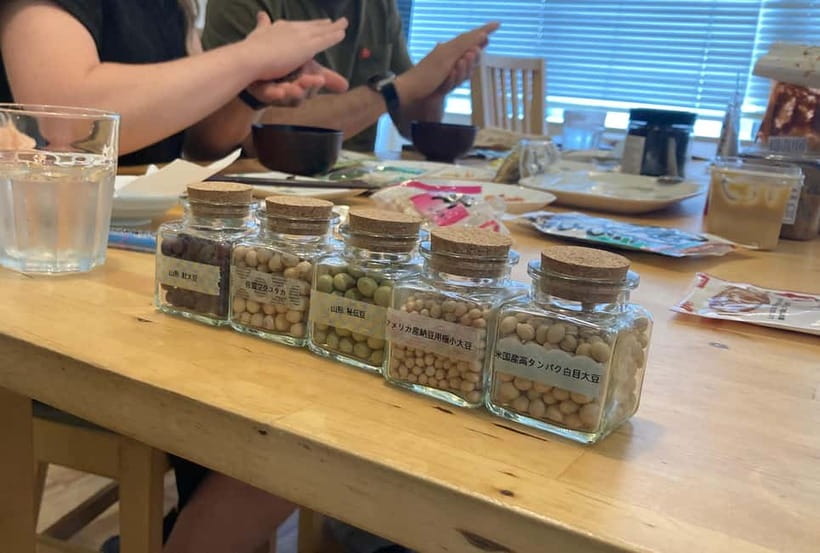
The class also introduces differences between soybeans. That matters because tofu is not one single product. The beans used and the way they are processed affect the final result. The instructor explains these distinctions in plain terms while guiding you through the activity.
If you're still narrowing it down, here are other tours in Kyoto we've reviewed.

A 90-minute lesson with a clear rhythm
The session lasts 90 minutes, which makes it easy to fit between sightseeing plans. It is long enough for a proper introduction, hands-on preparation, and several tastings, but short enough that it will not take over your day in Kyoto.
The class begins with an introduction to the instructor and an explanation of what you will make. You learn about soybeans, how tofu is made from them, and how tofu is served in Japan. This opening gives you useful context before you start working with the ingredients.
English and Japanese are available. Marie has led the class for English-speaking participants and is described as especially helpful when answering questions. I would expect the teaching to be conversational rather than a large demonstration from across a room, since the group is limited to six people.
The small size is important here. Tofu making involves texture and timing, and a compact group makes it easier to see what is happening and ask for help. It also means the experience feels more like a private workshop than a standard food tour.
Making tofu from soybeans by hand
The main activity is making tofu from soybeans. The exact appeal is not simply that you produce food. It is that you see the connection between a plain bean and one of Japan’s most familiar foods.
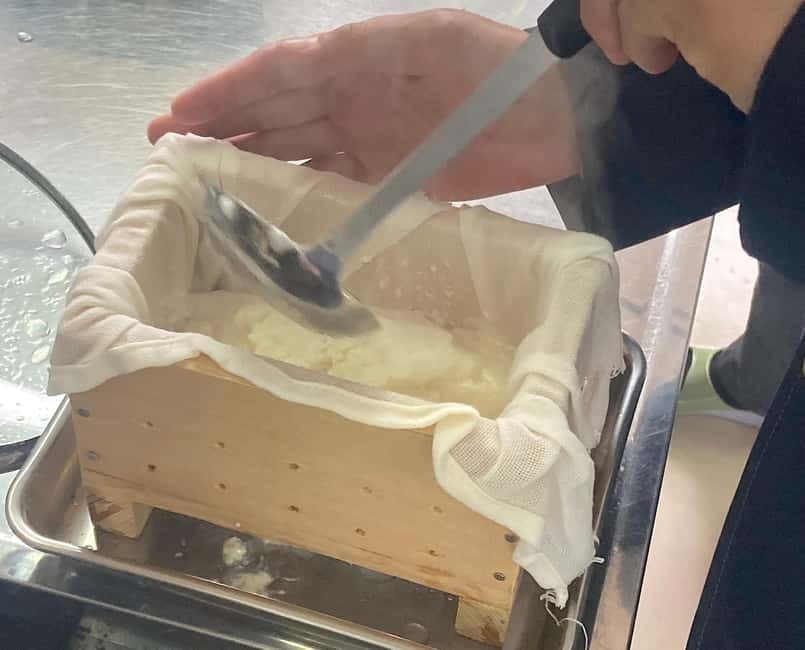
The instructor covers the difference between soybeans and explains the basic method of turning them into tofu. You are not just handed a finished block and told a few facts. You take part in the process, then taste the result.
That handmade element matters when you reach the tasting stage. The tofu you make is described as thicker and more flavorful than machine-made tofu, even when eaten plain. You can decide for yourself if you notice the difference. For me, that is one of the strongest reasons to book this activity: the lesson gives you a direct comparison through your own food.
You should also expect a practical class rather than a formal culinary certification course. The goal is to learn the original taste and the Japanese way of eating tofu. If you want a long technical lesson on commercial production, this 90-minute session will be too short. If you want a clear introduction with something to eat at the end, the format fits well.
The plain tofu tasting comes first
Fresh tofu is first tasted without seasoning. This is a smart choice, because dipping sauces and other strong flavors can hide the qualities the class is trying to teach.
Pay attention to the texture as much as the flavor. The point is to understand why freshly made tofu can be eaten by itself in Japan. You may find that it seems fuller or more substantial than the tofu you are used to buying abroad.
The plain tasting also keeps the lesson honest. You are not being asked to praise a dish because it has a rich sauce or familiar garnish. You are tasting the tofu itself. That is a small but valuable lesson for anyone who plans to visit tofu restaurants, food markets, or traditional Japanese meals later in the trip.
Soymilk and oboro-dofu add two more tastes
The class includes soymilk and oboro-dofu made during the production process. These are not filler tastings. They show that tofu making produces more than one useful result.
Soymilk lets you taste the soybean in liquid form. Oboro-dofu offers a softer, less formed style of tofu. Together with the finished tofu, they give you a simple progression through different textures and stages.
I like this part because it helps you connect the preparation work to the food on the table. You are not waiting for one final dish after a long demonstration. Several parts of the process become things you can taste.
The information provided does not specify the exact serving sizes, so you should think of these as tastings rather than a full meal. The activity includes tofu samples and four tofu dishes, but it does not include other meals or drinks. If you arrive hungry, plan around the class rather than treating it as lunch or dinner.


Four tofu dishes made from your batch
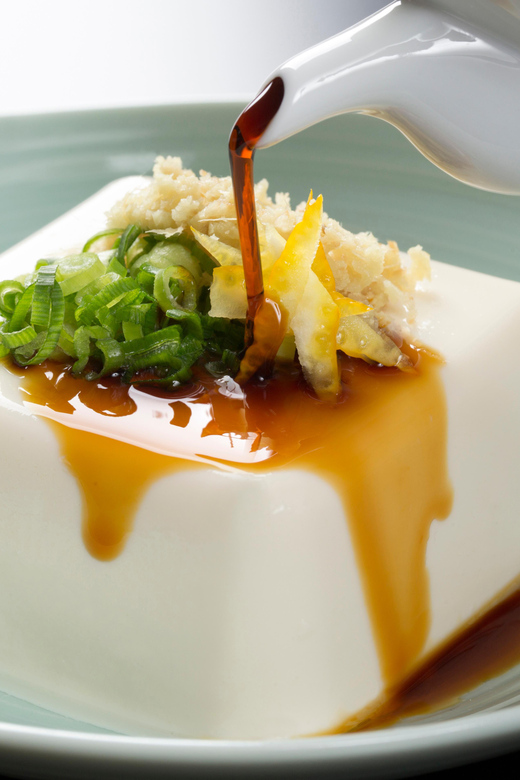
After the plain tasting, you enjoy four different tofu dishes made with the tofu you make. This gives the class a second purpose. First, you learn to notice tofu on its own. Then you see how it works in several Japanese preparations.
The four dishes help show tofu’s range without turning the class into a long restaurant meal. You can compare how the same handmade tofu feels when served in different ways. Since the dish list is not specified, I would not book this expecting a particular soup, salad, or dessert. The useful promise is variety, not a fixed menu.
The amount is listed as a tasting, so portions may be modest. That is suitable for a food lesson, especially when you have already sampled fresh tofu, soymilk, and oboro-dofu. It is less suitable if you want a full cooking class where you prepare a large meal and leave completely full.
For anyone interested in Japanese food, this is a better lesson than simply eating tofu at a restaurant. A restaurant can show you a finished dish. Here, you learn why the tofu has that texture and how it changes from one stage to the next.
The small Kyoto apartment setting
The meeting point is in an apartment. You take the elevator to the third floor and press the doorbell for room 302. This instruction is important, since you are not walking into a clearly marked shopfront or a large commercial kitchen.
The apartment setting has a tradeoff. Space is limited, and the room may feel tight when six people are working. On the other hand, it gives you a look inside an ordinary Japanese living space and makes the activity feel personal. I would choose this class knowing that the setting is informal.
The apartment also helps explain why the group is capped at six. A small room cannot offer the open floor plan of a cooking school, but a small class lets the instructor work directly with each person. One participant described the setting as more authentic because of its size, while also noting that the instructor made the process easy.
That balance is worth keeping in mind. If you like polished studios, display kitchens, and plenty of room around your station, this may not be your best fit. If you enjoy local settings and do not mind close quarters, the apartment adds character.
Location near Shijo and Karasuma Stations
The class is within a 10-minute walk of both Shijo Station and Karasuma Station. That makes it a practical addition to a central Kyoto day, especially if you are already exploring the shopping streets, markets, or nearby sights.
Transportation to and from the activity is not included. You arrange your own way to the meeting point, then follow the third-floor instructions. Build in a few extra minutes to find the building and room, since the entrance is not described as a public storefront.
The 90-minute length is another advantage. You can place it between larger sightseeing stops instead of giving up a whole morning or afternoon. It also works well for a rainy-day plan, though the class itself is not presented as a substitute for a full Kyoto food tour.
Is $56 a fair price?
At $56 per person, this is not the cheapest food tasting in Kyoto. You are paying for instruction, hands-on participation, fresh tofu, soymilk, oboro-dofu, and four tofu dishes in a group of no more than six.
The value depends on what you want from a food activity. If your goal is simply to eat a large meal, this price will not look attractive, because the portions are tastings and meals and drinks beyond the tofu are not included. If you want a focused lesson with a small group and a direct connection between preparation and taste, the price is more reasonable.
I especially like that the class does not stop at a short demonstration. You make the tofu, taste it plain, and then use it in four dishes. That gives the 90 minutes a clear purpose. You leave with a better sense of what Japanese tofu is supposed to taste and feel like, rather than only a few facts about soybeans.
The small group also supports the price. Six participants is a very different experience from a crowded workshop where you watch from the back. Here, you have a better chance to ask questions and receive help during the process.
Dietary needs and language support
The class is described as gluten-free, vegan, halal-friendly, and suitable for allergy-related requests. You must tell the provider about dietary restrictions so the ingredients can be prepared accordingly.
That advance notice matters. Do not assume that every possible need will be handled automatically just because the class is listed as suitable for several diets. Share your requirements before the activity so the instructor can prepare.
English and Japanese are offered. For English speakers, Marie has taught the class and helped explain both the process and questions about soybeans. The class is not described as requiring Japanese ability.
Who will enjoy this activity most?
I would recommend this class to you if you enjoy food experiences that explain a single ingredient in detail. It suits curious eaters, vegetarians and vegans, people interested in Japanese home cooking, and anyone who wants a quieter activity between Kyoto’s major sights.
It is also a good choice for couples, friends, and small families who prefer participating over watching. The small group gives the session a friendly feel, and the hands-on work makes it more memorable than a standard tasting.
You may want to skip it if you dislike soy products, need a full meal, or prefer a spacious professional kitchen. You should also be comfortable with the possibility of a compact apartment setting.
The activity is suitable for travelers who want to add a personal food experience to a Kyoto visit. It offers a different side of the city from shrines and temples without requiring a full day or advanced cooking skills.
Booking and practical details
You can reserve now and pay later, which helps if your Kyoto plans are still changing. Free cancellation is available up to 24 hours before the activity for a full refund.
Check the available starting times when you book. The duration is fixed at 90 minutes, but the start time can vary. Remember that transportation, meals, and drinks other than the tofu tasting are not included.
When you arrive, take the elevator to the third floor and press the doorbell for 302. I would keep the meeting instructions handy on your phone, since an apartment entrance can be less obvious than a restaurant sign.
Should you book the Kyoto tofu-making class?
Book it if you want to understand tofu through your own hands and taste it fresh, plain, and in several dishes. The combination of a six-person limit, central location, English support, and direct tasting makes this a strong choice for a short Kyoto food activity.
Skip it if you are looking for a generous meal or a large, polished cooking studio. The apartment is small, the food is served as tasting portions, and the class focuses tightly on tofu.
For most curious food lovers, I think the $56 price is justified by the personal instruction and the chance to compare handmade tofu with the machine-made versions you may know from home. It adds a useful layer to a Kyoto itinerary, especially when you want something more active than simply ordering another dish.
FAQ
How long does the tofu-making class last?
The class lasts 90 minutes.
How much does the activity cost?
The price is $56 per person.
Where does the class take place?
The class takes place in Kyoto, within a 10-minute walk of Shijo Station or Karasuma Station.
How do I find the meeting point?
Take the elevator to the third floor and press the doorbell for room 302.
What languages does the instructor speak?
Instruction is available in English and Japanese.
How many people can join the class?
The group is limited to six participants.
What will I learn during the activity?
You learn about differences between soybeans, how tofu is made from soybeans, and how tofu is eaten in Japan.
What food is included?
You taste freshly made tofu, soymilk, oboro-dofu, and four different tofu dishes made with the tofu you produce.
Is the class suitable for special diets?
The class is described as gluten-free, vegan, halal-friendly, and suitable for allergy-related requests. You should tell the provider about your dietary restrictions in advance.
Are transportation, meals, and drinks included?
Transportation to and from the activity is not included. Meals and drinks beyond the tofu tasting are also not included.
Can I cancel the booking?
You can cancel up to 24 hours in advance for a full refund.
Can I reserve now and pay later?
Yes. You can reserve your place and pay later, which keeps your plans flexible.
More tours in Kyoto we've reviewed



Kyoto, compared.
 ★ 5.0PERFECT KYOTO 1-Day Bus TourFrom $129
 ★ 4.8Kyoto: Fushimi Inari, Kinkakuji, Bamboo Grove 1 Day Bus TourFrom $122510 minutes - 9 hours
 ★ 4.9Kyoto: Tea Ceremony in a Traditional Tea House in KiyomizuFrom $4945 min
 ★ 4.7Kyoto Geisha Walking Tour: Gion District & Hidden GemsFrom $252 hours
 ★ 4.9Kyoto: Tea Ceremony Ju-An at Jotokuji TempleFrom $291h 10m
 ★ 4.3Kyoto: 45-Minute Tea Ceremony Lesson ExperienceFrom $2245 min