
Reviewed · FUSHIMI INARI TOURS
Full Day Kyoto Tour : Bamboo Forest, Golden Temple, Fushimi Inari
Kyoto packs three of Japan’s most recognizable sights into this small-group day tour from Osaka. You cross Togetsukyo Bridge, walk beneath Arashiyama’s tall bamboo, see the Golden Pavilion reflected in its garden pond, and follow the red gates at Fushimi Inari Shrine.
I like the personal scale, with a maximum of 11 people, and the fact that your guide and driver handle the long transfers between Osaka and Kyoto. I also like that admission to Kinkakuji, transportation, bottled water, and taxes are included in the $105.71 price. The main tradeoff is time: Fushimi Inari receives two hours, but the bamboo forest area and lunch stop together can take nearly two hours, so the schedule may feel uneven.
In This Review
- Key points to know before booking
- Why this Kyoto day trip works from Osaka
- Togetsukyo Bridge gives you a gentle start
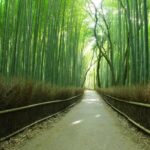
- Arashiyama bamboo forest is the visual highlight
- Lunch in Arashiyama is flexible but not included
- Kinkakuji brings the famous Golden Pavilion
- Fushimi Inari is the longest and most demanding stop
- The ride back to Osaka is part of the bargain
- Is $105.71 a fair price?
- Who should book this tour?
- My practical advice for the day
- Should you book the Kyoto day tour from Osaka?
- FAQ
- Where does the Kyoto tour start?
- How long does the tour last?
- What sights are included?
- Is lunch included?
- How much walking is involved?
- What is included in the price?
Key points to know before booking
- Three major Kyoto sights in one day: Visit Arashiyama, Kinkakuji, and Fushimi Inari without arranging separate trains, buses, and entrance tickets.
- Small vehicle, maximum 11 people: This is more intimate than a large coach tour, though it is still a fixed group experience.
- Guides praised by name: Taka, Woody, Jin, Tom, and Toru have received especially warm comments for clear explanations, humor, kindness, and careful organization.
- A full day on foot: Expect stairs, hills, bridges, shrine paths, and long walks at each stop.
- Lunch is on your own: Arashiyama gives you about an hour to choose local food, street snacks, or souvenirs.
- Two Osaka meeting points: Start at either Shinsaibashi or Umeda DT Tower, then return to the same general meeting point.
Why this Kyoto day trip works from Osaka
Kyoto is close enough to Osaka for a day trip, but the city’s famous sights are spread far apart. Arashiyama is on Kyoto’s western side, Kinkakuji is farther north, and Fushimi Inari is in the south. Seeing all three by public transport in one day would require careful planning and several changes.
This tour solves that problem with a private vehicle for the group. You meet at 9:45 am in Shinsaibashi or at Umeda DT Tower, then spend about 1 hour and 20 minutes traveling to Arashiyama. Traffic can change the timing, but the vehicle saves you from managing Kyoto’s crowded stations and figuring out which bus reaches each temple.
The group limit of 11 matters. You will not have the flexibility of a private tour, since the route and stops are fixed, but you should have a better chance of hearing the guide and moving through narrow paths than you would with a full-size coach. The experience can also be operated with an English-speaking or Mandarin-speaking guide, and the assigned guide may vary.
Several guides have been praised for making the day more than a sequence of photo stops. Taka is noted for his history explanations and easy conversation. Woody has helped with restaurant suggestions, including an okonomiyaki recommendation. Jin has been appreciated for giving detailed information at each site. Drivers Tom and Toru have also been singled out for their calm, professional service. Those names are useful when comparing the experience, but you should not assume a particular guide will lead your departure.
A few more Osaka tours and experiences worth a look
Togetsukyo Bridge gives you a gentle start
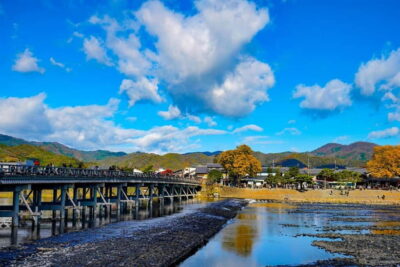
Your first Kyoto stop is Togetsukyo Bridge, one of Arashiyama’s best-known views. You have about 50 minutes here, enough to cross the bridge, pause beside the river, and walk toward the town and bamboo area.
The bridge is not a temple entrance or a formal attraction. Its appeal is the setting: water below, wooded hills around the valley, and a broad view that helps you understand why Arashiyama became a favorite retreat long ago. I like this opening because it lets you get your bearings before entering the more crowded lanes and forest paths.
You will also begin walking immediately. Crossing the bridge and continuing through town may sound easy, but this tour is not a ride-up-to-the-door sightseeing day. Wear shoes that are comfortable for several hours on pavement, paths, and steps.
The 50-minute allocation is fairly brisk if you want many photographs or a slow look at the river. Still, it gives the group a useful introduction without using up the time needed at the major sites.
Arashiyama bamboo forest is the visual highlight
The Bamboo Forest Trail is culturally important and has been associated with Kyoto for more than 1,000 years. The path runs through tall bamboo that changes the light and sound around you. It is one of those places where even a short walk feels unlike ordinary city sightseeing.
You should expect a popular path rather than a quiet wilderness walk. The tour lets you stroll through the bamboo for about 50 minutes, which is enough to enjoy the main route and take photographs, but not enough for a long, wandering exploration of all of Arashiyama.
The guide can add useful context about the area and the bamboo tradition, so stay close enough to hear the commentary. The tall stalks are the obvious attraction, but the value of a guided visit is understanding why this small area has mattered to Kyoto for centuries.
One practical point is worth noting: the bamboo stop and lunch are part of a longer Arashiyama visit. Some schedules may give you close to two hours in this part of town. I can see the appeal if you want time to browse, eat, and take photographs, but people who prefer more time at shrines may find this section generous.
Lunch in Arashiyama is flexible but not included
After the bamboo walk, you have about one hour to eat and explore Arashiyama. Lunch is not included, which gives you freedom to choose from local restaurants or food stalls rather than being tied to a set meal.
This is a useful break in a long day. You can buy a quick snack, sit down for a fuller meal, or use the time for souvenirs. The area offers enough choice for different budgets, though the price and waiting time will depend on where you eat.
I like having control over this part of the day, but you should watch the clock. A slow restaurant meal can cut into browsing time or make it harder to return to the vehicle promptly. If food is a priority, ask your guide for a practical suggestion. Woody, in particular, has received praise for a restaurant recommendation, though no specific restaurant is guaranteed on every departure.
Kinkakuji brings the famous Golden Pavilion
The drive from Arashiyama to Kinkakuji takes about 25 minutes. At the temple, you have roughly 1 hour and 30 minutes, including the entrance ticket.
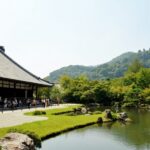
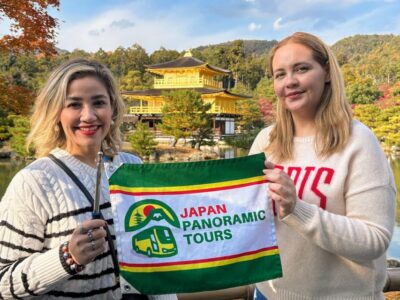
Kinkakuji is known as the Golden Pavilion, a bright three-story building beside a pond and garden. The view is carefully arranged, with the pavilion and its reflection providing the classic photograph. The surrounding grounds matter just as much as the building, so allow time to follow the marked route rather than stopping only at the first viewpoint.
This is a controlled temple visit. You generally follow the path through the garden, and you do not enter the pavilion itself. That makes the guide’s explanation helpful, since the meaning of the temple and its design can be easy to miss when the main goal is a photograph.
The 90-minute stop gives you a comfortable amount of time for the pavilion, garden, and a few pauses. It is longer than the Bamboo Forest Trail itself, but Kinkakuji has a more defined route, so the time should feel easier to manage.
Keep in mind that the temple grounds include uneven paths and some inclines. The tour description specifically warns about stairs and hills at the stops. You do not need to be an athlete, but you should be comfortable walking for much of the day.
A few more Osaka tours and experiences worth a look

Fushimi Inari is the longest and most demanding stop
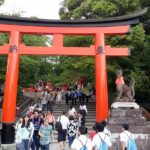
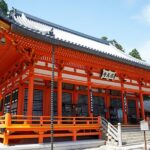
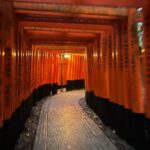
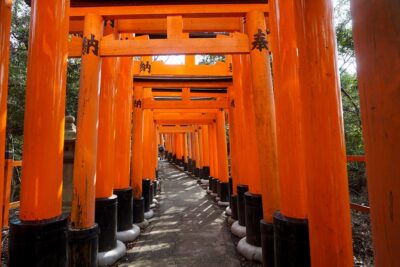
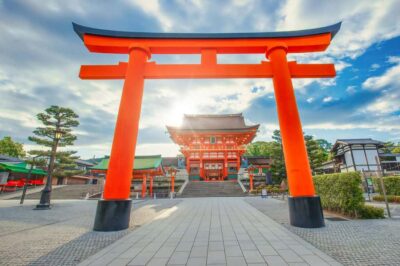
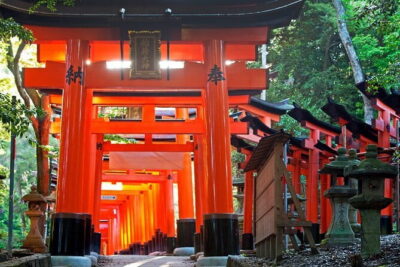
Fushimi Inari Taisha is the final major sight before returning to Osaka. The shrine was founded more than 1,300 years ago for Inari Okami, associated with the peaks of Mount Inari. Its famous torii gates were donated by worshippers and businesses, creating long corridors of red and orange gates up the hillside.
You have about two hours here. That sounds generous, but Fushimi Inari can absorb far more time than that if you try to climb deep into the mountain paths. The initial gates and lower shrine grounds are the busiest and most photographed areas. Going higher brings more walking, stairs, and hills.
This is the point where the tour’s physical demands are clearest. If you want to reach the upper sections, pace yourself and carry water. Bottled water is included, but sensible footwear and realistic expectations matter more than speed.
The two-hour allocation can work well for a first look, especially if your goal is to see the main shrine and walk beneath a substantial stretch of gates. It may feel rushed if you want to climb far up Mount Inari. Compared with the amount of time given to Arashiyama, this stop is the likeliest place where you will wish for more time.
The guide can help you decide how far to go based on the group’s schedule. I would not treat the visit as a full mountain hike. Think of it as a focused shrine walk with the option to continue uphill as your energy and timing allow.
The ride back to Osaka is part of the bargain
After Fushimi Inari, you return to Osaka in the same air-conditioned vehicle. The drive is listed at about one hour, though traffic and weather can change the timing. You can finish at Shinsaibashi RIMOWA or Umeda DT Tower, depending on your chosen meeting point.
This return transfer is one of the tour’s practical strengths. After several hours of walking, you can sit down rather than navigate a late-day train connection. WiFi is available on board, and the vehicle is air-conditioned, which is useful during warm or humid weather.
The downside is that the vehicle cannot avoid Kyoto and Osaka traffic. You should not schedule a tight dinner reservation, show, or train immediately after the estimated return. The stated duration is about eight to nine hours, but the operator warns that weather and road conditions may alter the timetable.
Is $105.71 a fair price?
At $105.71 per person, the tour is not the cheapest way to visit Kyoto. You could spend less by using trains and buses, especially if you already know the city and are comfortable planning the route yourself.
The price becomes easier to justify when you count the included pieces: an English or Mandarin-speaking conductor, air-conditioned transportation from Osaka, onboard WiFi, bottled water, taxes, and the Kinkakuji admission ticket. You also avoid the cost of arranging three separate areas of Kyoto on your own.
The bigger value is time and simplicity. You do not have to work out the best connection from western Kyoto to northern Kyoto and then south to Fushimi Inari. You also have a guide to explain the sites and help the group move through a busy day.
For a first visit, or for a short Osaka stay, I think the price is reasonable if you value convenience and broad coverage. If you prefer long temple visits, quiet side streets, or a flexible lunch, a private plan or a focused Kyoto tour may suit you better.
Who should book this tour?
I would recommend it to you if you are staying in Osaka and want a clear introduction to Kyoto in one day. It is especially useful if you want the city’s three most recognizable sights without dealing with Kyoto’s transport system.
It also suits people who value a guide’s explanation. The strongest praise has focused on guides who are friendly, informative, funny, and attentive, with Taka, Woody, and Jin receiving particular appreciation. The experience seems designed to make a major sightseeing day feel organized rather than confusing.
You should think twice if you dislike fixed schedules or long vehicle transfers. The tour is not customizable, lunch is not included, and traffic may change the timing. You also need to be able to walk long distances, manage stairs and hills, and keep pace with a group.
Service animals are allowed, the meeting points are near public transportation, and the tour generally accepts most people who can manage the walking. A minimum of two people is required for a booking, and the group can reach 11 people.
My practical advice for the day
Wear shoes with firm support and bring clothing suited to the forecast. The route includes bridges, town streets, forest paths, temple grounds, and shrine steps.
Keep lunch simple unless you know exactly where you want to eat. The Arashiyama break is only about an hour, and the group will need to leave on time for Kinkakuji.
Use the two hours at Fushimi Inari carefully. If you want photographs and a taste of the torii path, the lower section may be enough. If you want to climb farther, move steadily and accept that you may have less time to linger at the shrine buildings.
Confirm your meeting point before the morning of departure. If you selected the option to decide later, send a message through the booking platform. There is no extra pickup or drop-off service beyond the stated meeting points.
Free cancellation is available up to 24 hours before the start time for a full refund. Late cancellations and changes are not accepted, and poor weather or failure to reach the minimum number can lead to a new date, another experience, or a refund.
Should you book the Kyoto day tour from Osaka?
Book it if your priority is seeing a lot of Kyoto with very little planning. The three-stop route is well chosen, the small vehicle is more personal than a large bus, and the included transportation and admission make the price easier to understand.
Skip it if you want to set your own pace, spend half a day at Fushimi Inari, or explore Kyoto beyond its headline sights. For everyone else, this is a practical first look at Kyoto, with enough guidance to add meaning to the photographs and enough structure to keep a complicated day on track.
FAQ
Where does the Kyoto tour start?
The tour starts at 9:45 am at either Shinsaibashi or Umeda DT Tower in Osaka. You should confirm your selected meeting point before departure.
How long does the tour last?
The experience lasts approximately eight to nine hours. Travel time and the schedule can change because of traffic and weather.
What sights are included?
The route includes Togetsukyo Bridge, the Bamboo Forest Trail in Arashiyama, the Arashiyama town area, Kinkakuji Temple, and Fushimi Inari Taisha Shrine.
Is lunch included?
No. Lunch is not included, but you have about one hour in Arashiyama to buy local food, eat at a restaurant, visit food stalls, or shop for souvenirs.
How much walking is involved?
The tour includes long walks, stairs, and hills at the various stops. It is not recommended if you cannot walk long distances.
What is included in the price?
The price includes an English-speaking or Mandarin-speaking conductor, air-conditioned vehicle transportation, onboard WiFi, bottled water, all fees and taxes, and the Kinkakuji admission ticket. Gratuity and lunch are not included.
More Golden Pavilion & Temple Tours in Osaka
More Arashiyama & Bamboo Tours in Osaka
More Fushimi Inari Tours in Osaka
More tours in Osaka we've reviewed


Fushimi Inari Tours, compared.
 ★ 4.8Kyoto: Fushimi Inari, Kinkakuji, Bamboo Grove 1 Day Bus TourFrom $122510 minutes - 9 hours
 ★ 5.0Fushimi Inari Hidden Hiking Tour (Private Option Available)From $63
 ★ 4.7Kyoto/Osaka: Nara, Fushimi Inari Taisha, Arashiyama Bus TourFrom $529 - 10 hours
 ★ 4.4Osaka/Kyoto: Arashiyama, Nara & Fushimi Inari Shrine w/LunchFrom $61
 ★ 5.0Kyoto: Nijo, Kinkaku-ji, Arashiyama, Kiyomizu & Fushimi InariFrom $51
 ★ 5.0Kyoto Fushimi-Inari Night Walking TourFrom $43