
Reviewed · FUSHIMI INARI TOURS
Fushimi Inari Hidden Hiking Tour (Private Option Available)
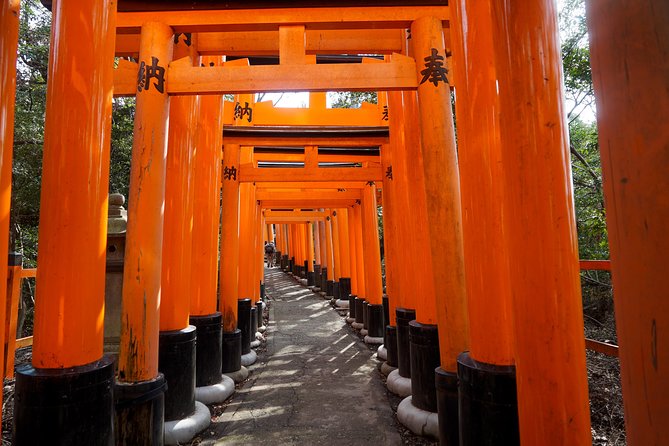
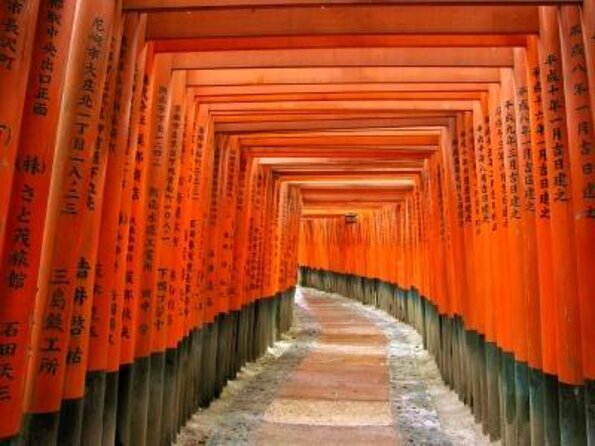
The clever part of this Fushimi Inari tour is the route. Instead of beginning with the packed main entrance, you walk through residential streets, forest paths, and a natural bamboo grove before reaching the shrine from the upper mountain. By the time you encounter the famous orange torii gates, much of the hardest crowding is behind you.
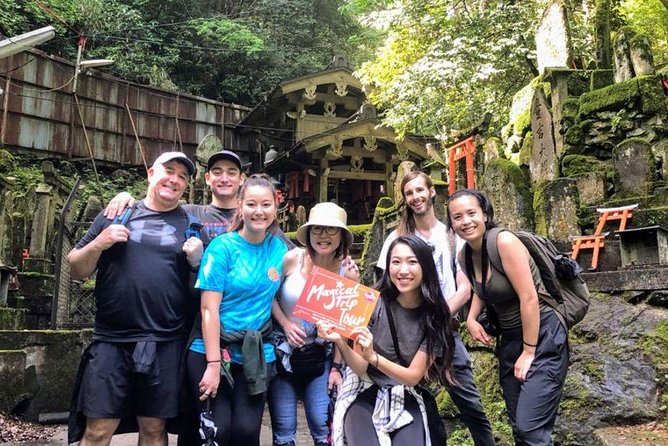
I like the quiet approach through the woods, where a guide handles trails that are easy to miss alone. I also like the small-group format, with no more than seven people, because guides such as Naru, Hina, Emi, and Josh can answer questions and adjust the pace. The tour includes photos, too.
The catch is simple: this is a hike, not a gentle shrine stroll. The route covers about 7 kilometers, with uphill sections, stairs, slippery ground, insects, and heat to contend with. You need grippy shoes, water, and a reasonable level of fitness.
In This Review
- Key points to know before booking
- Why the back route changes Fushimi Inari
- From Tofukuji toward the forest
- The bamboo forest and small Inari shrine
- Reaching Fushimi Inari Taisha from above
- The mountain view toward Fushimi-Momoyama Castle
- How difficult is the 7km hike?
- What the small group adds
- Is $63.14 a fair price?
- Who should book this experience?
- My verdict on the Fushimi Inari Hidden Hiking Tour
- FAQ
- How long is the Fushimi Inari Hidden Hiking Tour?
- Where does the tour begin?
- Where does the tour end?
- Is this a difficult hike?
- What shoes should I wear?
- Should I bring water and insect protection?
- How many people can join the tour?
- Are tour photos included?
- What happens if bad weather cancels the tour?
- Can I cancel for a full refund?
Key points to know before booking
- Approach Fushimi Inari from the quieter back side: Reach the torii gates after walking forest trails rather than joining the main entrance crowd.
- Walk through a natural bamboo forest: This peaceful section gives the tour a very different feel from a standard shrine visit.
- Visit a small shrine away from the main route: Your guide points out religious sites that are easy to miss without local help.
- Expect a moderate 7km hike: Regular stops help, but the route includes hills, stairs, and potentially slippery ground.
- See Fushimi-Momoyama Castle from above: The mountain route includes a scenic view toward the castle connected with Hideyoshi and Ieyasu.
- Keep the group small: The maximum is seven people, and a private option is available for those wanting more control over pace and attention.
Why the back route changes Fushimi Inari
Fushimi Inari Taisha is famous for its endless rows of orange torii gates, but the main entrance can feel like a procession. The lower shrine area draws the heaviest concentration of people, especially during holidays, autumn foliage, and popular visiting hours.
This tour uses the mountain itself as the introduction. You meet near FamilyMart Nakai Tofukuji at 12-chōme-232 Honmachi and walk toward the Fushimi Inari area by a less obvious route. The exact order can vary. Emi, for example, has sometimes led the group in the opposite direction, beginning near the upper section and finishing at the main shrine entrance to avoid the crowds building later in the morning.
That flexibility is valuable. You are not simply being marched from point A to point B. The guide can shape the walk around the group’s energy, weather, and trail conditions. Mat has been noted for giving people options based on how energetic they felt, while other guides have slowed the pace for questions, photographs, or a short look at local shops and shrine details.
The main benefit is not just fewer people. It is a better sense of place. You see how the shrine sits within wooded mountain terrain, rather than treating the torii gates as an isolated photo stop.
A few more Kyoto tours and experiences worth a look

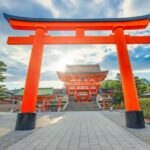
From Tofukuji toward the forest
The meeting point is near Tofukuji, a useful starting area in southeastern Kyoto. The tour does not begin at Fushimi Inari’s main entrance, so check the address carefully and allow enough time to arrive at FamilyMart Nakai Tofukuji.
From there, the route passes through a quieter mix of local streets and wooded paths. This transition matters. You move from ordinary Kyoto neighborhoods into the mountain setting without the sudden crush of people found at the shrine’s front approach.
The walk is guided throughout, which is particularly useful on the narrow trails. Some paths are not the sort of routes you would confidently pick from a city map. You may encounter uneven ground, short steep sections, and trail surfaces that become slick after rain.
I like this opening because it gives the tour a gradual rhythm. You have time to warm up before the more demanding parts, and the guide can explain the area as you go. Guides including Skito, Shin, Naru, and Yukari have been praised for answering questions and explaining local customs, history, and shrine details in a friendly way.
Do not mistake the word hidden for effortless. The trail is away from the main tourist flow, but it still requires concentration. Wear shoes with good grip, not smooth-soled trainers or casual sandals.
The bamboo forest and small Inari shrine
One of the most appealing sections is the natural bamboo forest. This is not the famous Arashiyama bamboo grove, and that is part of its charm. Here, the bamboo appears as part of a wooded mountain route rather than as a heavily photographed city attraction.
The mood can change quickly. One moment you are on a narrow path, and the next you are walking among bamboo and trees with very little urban noise. In hot weather, the shade is welcome, though it does not remove Kyoto’s summer humidity.
The route also reaches a small Inari shrine away from the usual tourist path. This stop gives your guide room to explain the religious setting at a more human pace. You can ask about the fox motifs, the meaning of the torii gates, and the inscriptions placed around the shrine without trying to hear an explanation over a large crowd.
Naru has been praised for reading inscriptions and explaining Japanese traditions along the way. Other guides have added historical details and answered family questions patiently. The exact personality will depend on who leads your departure, but the small group gives you a good chance to speak directly with that person.
Bring insect repellent or long sleeves and trousers. Mosquitoes and other bugs are possible in the mountain forest. One guide, Yuko, carried mosquito repellent on a particularly hot day, but you should still prepare as if you need your own protection.
Reaching Fushimi Inari Taisha from above
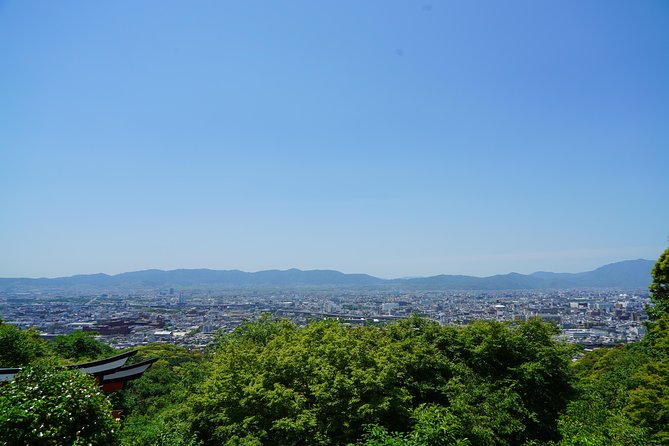
The tour eventually brings you to Fushimi Inari Taisha by way of the mountain. This is the payoff: instead of meeting the torii gates at their busiest lower entrance, you encounter sections higher up, then work toward the main shrine.
The torii gates are not all one uniform attraction. They form corridors, bends, stairways, and shaded passages that change as you climb. Your guide can point out how the gates are connected with offerings and explain the customs that shape the shrine experience.
You should still expect other people once you reach the more famous shrine areas. The tour reduces the time spent in the worst crowds, but it cannot make Fushimi Inari private. The lower sections and main entrance remain popular, and the route finishes in front of the main shrine at 68 Fukakusa Yabunouchichō.
That ending works well for independent sightseeing. You are left at the shrine rather than returned to the original meeting point, so you can continue on your own. It also means you need to plan your next move. A guide may help with directions, as Yukari did for a couple looking for the subway, but transportation after the tour is not listed as an included service.
The mountain view toward Fushimi-Momoyama Castle
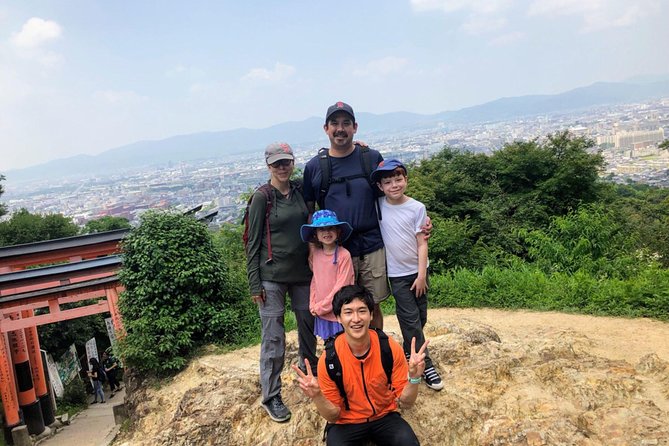
After enjoying the upper part of Fushimi Inari, the route includes a view toward Fushimi-Momoyama Castle. The castle has links to Toyotomi Hideyoshi and Tokugawa Ieyasu, and its story adds a historical layer beyond the shrine itself.
This is a scenic pause rather than a separate castle visit. You do not tour the castle interiors as part of this experience. The value is the view from the mountain and the chance to connect Kyoto’s religious sites with its political past.
The route’s woodland setting makes the view feel earned. You have climbed through narrow paths and forest before reaching an open sightline. In clear weather, this can be one of the more memorable moments of the walk, though visibility depends on conditions.
Other private tours in Kyoto




How difficult is the 7km hike?
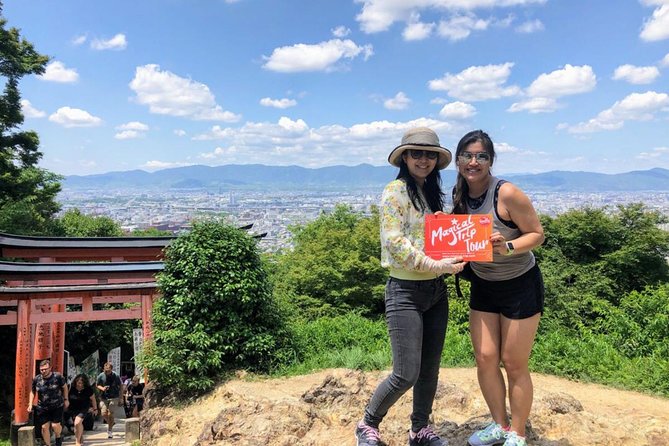
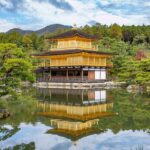
The tour description calls the route approximately 7 kilometers and moderate. That is a useful warning. Some people find it manageable, especially with regular breaks, while others describe it as semi-strenuous because of the uphill walking and steps.
You should be comfortable walking for around three hours with repeated climbs. The route is not presented as a technical mountaineering trip, but parts can feel rougher than a paved sightseeing route. One particularly fit participant enjoyed the partially technical trail, while other people appreciated guides who slowed down when needed.
Rain changes the experience. Wet ground can be slippery, and the forest is less forgiving of poor footwear. The tour requires good weather, so a cancellation caused by poor conditions should result in a choice of another date or a full refund.
Summer deserves extra care. Kyoto can be very hot and humid, especially on exposed sections and during uphill effort. Carry water, wear a hat, and consider long sleeves that protect against both sun and insects. The tour does not include food or drinks, so bring what you need before setting out.
The guide makes regular stops and can add extra breaks if necessary. That helps, but it does not turn the walk into an easy outing. I would not choose this tour for anyone who has trouble walking or is not in regular physical condition.
What the small group adds
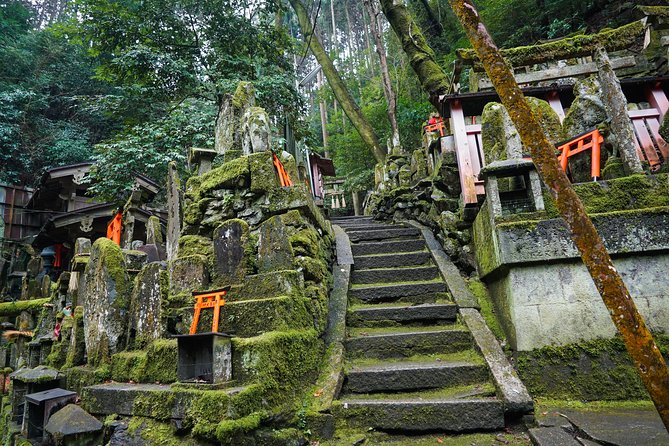
The maximum group size is seven, which is one of the strongest practical features. A guide can hear your questions, notice when someone is tiring, and stop for photographs without holding up a large crowd.
The small size also affects the tone. The walk has room for conversation, and several guides have been praised for their friendly personalities as much as for their explanations. Josh, Yuko, Naru, Hina, Shin, Matt, Emi, and Yukari have each received warm praise for different strengths, from photography and history to pacing and practical help.
You may not have any particular guide on your date, so book this for the route and format rather than a named individual. A private option is available if your party wants more control over the pace and attention, though the supplied details do not state the private supplement or exact arrangements.
Tour photos are included. This is a useful extra on a hike, since it lets you focus on the path and scenery instead of constantly asking someone to take pictures. Still, bring your own phone or camera if you want full control over what gets captured.
Is $63.14 a fair price?
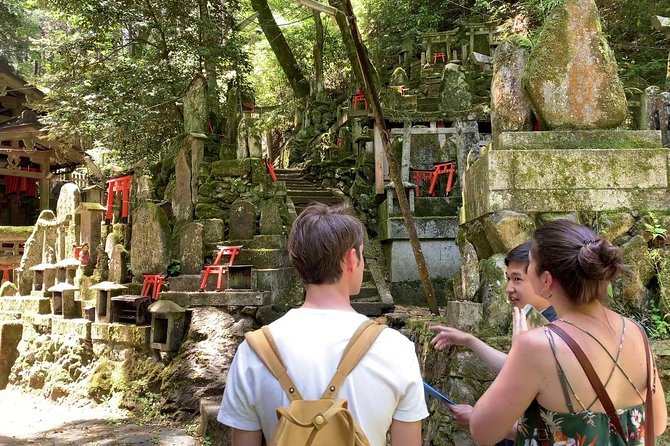
At $63.14 per person, the tour costs more than walking into Fushimi Inari on your own, where shrine admission is free. The comparison, though, is not quite apples to apples.
You are paying for a three-hour guided route, navigation on lesser-used mountain paths, cultural explanation, a small group capped at seven, and tour photographs. You also get a more structured way to connect the bamboo forest, small shrine, torii gates, and castle view in one outing.
For a first visit to Kyoto, I think the price can make sense if you value avoiding route-finding and want context rather than a quick photo at the main gate. It is less compelling if you only want to see the famous torii corridor and are happy to arrive early and walk independently.
Group discounts may improve the value for larger bookings. A private option is also available, which may suit families or friends who want the guide to work closely around their pace. Food and drinks are not included, so budget for your own water and snacks.
Who should book this experience?
I would choose this tour if you want a more peaceful side of Fushimi Inari and are comfortable with hills. It suits couples, families with fit adult children, solo visitors who prefer guided navigation, and anyone interested in the shrine’s customs and setting.
It is especially useful during busy periods. The route cannot remove every person from the shrine, but it can keep much of the walk quiet and bring you to upper sections before the thickest crowds.
I would not book it for a casual half-day stroll, a person with serious walking limitations, or anyone unwilling to deal with heat, bugs, stairs, or wet trail surfaces. The guide can adjust the pace, but you still need to meet the physical demands of the route.
Free cancellation is available up to 24 hours before the start time for a full refund. Changes or cancellations inside that window are not accepted for a refund, and cut-off times use Kyoto local time.
My verdict on the Fushimi Inari Hidden Hiking Tour
I recommend this tour for the right kind of visitor: someone who wants Fushimi Inari with fewer crowds and more walking. The bamboo forest, small shrine, mountain views, and approach from behind give the famous torii gates a stronger sense of place.
The best reason to book is the route, not simply the shrine ticket. You could visit Fushimi Inari free of charge on your own, but you would need to find the forest paths, manage the climbs, and supply the cultural context yourself.
Bring grippy shoes, water, insect protection, and a hat. If that sounds like a fair trade for a quieter, more informed visit, the $63.14 price is reasonable. If your ideal Kyoto morning involves flat paths and minimal exertion, skip this one and visit the shrine independently.
FAQ
How long is the Fushimi Inari Hidden Hiking Tour?
The tour lasts approximately three hours and covers about 7 kilometers in total.
Where does the tour begin?
The meeting point is FamilyMart Nakai Tofukuji, at 12-chōme-232 Honmachi, Higashiyama Ward, Kyoto, 605-0981, Japan.
Where does the tour end?
The tour ends in front of the main shrine of Fushimi Inari Taisha at 68 Fukakusa Yabunouchichō, Fushimi Ward, Kyoto, 612-0882, Japan.
Is this a difficult hike?
It is a moderate hike rather than a simple walk. The route includes uphill sections, stairs, narrow paths, and ground that may be slippery. Regular stops are provided, with extra stops possible if needed.
What shoes should I wear?
Wear walking shoes with good grip because some sections of the trail can be slippery.
Should I bring water and insect protection?
Yes. Food and drinks are not included, so bring water. Mosquitoes and other bugs may be present, and long sleeves and trousers are strongly recommended.
How many people can join the tour?
The group has a maximum of seven people. A private option is also available.
Are tour photos included?
Yes. Tour photos taken during the experience are included.
What happens if bad weather cancels the tour?
If poor weather causes the experience to be canceled, you will be offered another date or a full refund.
Can I cancel for a full refund?
You can cancel at least 24 hours before the experience start time for a full refund. Cancellations or changes made less than 24 hours in advance are not accepted for a refund.
More Hiking & Trekking Tours in Kyoto

More Private Tours in Kyoto
More Fushimi Inari Tours in Kyoto

More tours in Kyoto we've reviewed











Fushimi Inari Tours, compared.
 ★ 4.8Kyoto: Fushimi Inari, Kinkakuji, Bamboo Grove 1 Day Bus TourFrom $122510 minutes - 9 hours
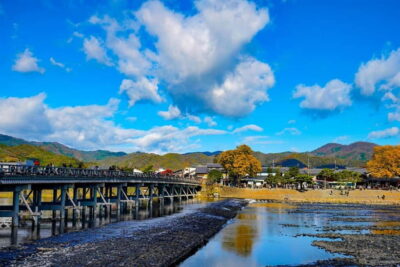 ★ 4.7Kyoto/Osaka: Nara, Fushimi Inari Taisha, Arashiyama Bus TourFrom $529 - 10 hours
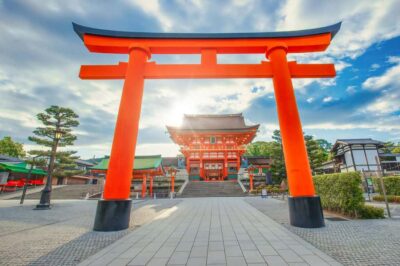 ★ 4.4Osaka/Kyoto: Arashiyama, Nara & Fushimi Inari Shrine w/LunchFrom $61
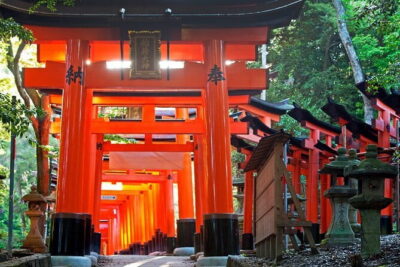 ★ 5.0Kyoto: Nijo, Kinkaku-ji, Arashiyama, Kiyomizu & Fushimi InariFrom $51
 ★ 5.0Kyoto Fushimi-Inari Night Walking TourFrom $43
 ★ 4.9Kyoto: 3-Hour Fushimi Inari Shrine Hidden Hiking TourFrom $723 hours