
Reviewed · FUSHIMI INARI TOURS
Kyoto Fushimi-Inari Night Walking Tour
Fushimi-Inari is famous for its endless rows of red torii gates, but the shrine feels entirely different after sunset. This small-group night walk leads you beyond the entrance and up the wooded paths of Mount Inari, where lanterns, fox statues, and darkened gates create a mood that daytime crowds can easily miss.
I like two things here. First, the group is capped at 12 people, so your guide can answer questions and keep the walk personal. Second, guides such as Jem, Tammy, Caleb, Hiro, Masaki, and Yessi are praised for explaining prayer customs, symbols, and local stories in a clear, lively way.
The main consideration is the darkness and uphill walking. Much of the tour takes place on mountain paths after dusk, so good walking shoes and sensible layers matter. You may still meet plenty of people near the entrance, though the shrine generally grows quieter as the evening continues.
In This Review
- Key points to know before you go
- Why Fushimi-Inari works so well at night
- Meeting at the fox statue near the shrine entrance
- Walking through the first torii gates
- Fox statues, smaller shrines, and the climb up Mount Inari
- What the guides add to the experience
- Night photography and the changing light
- How much walking and darkness should you expect?
- Is $43.11 a fair price?
- Who should book this evening walk?
- My recommendation for the Fushimi-Inari night tour
- FAQ
- Where does the Fushimi-Inari night tour begin?
- Where does the tour end?
- How long does the tour last?
- How large is the group?
- Do I need to pay admission to Fushimi-Inari Shrine?
- Will the tour take place entirely after dark?
- What should I wear?
- Can I cancel for a refund?
Key points to know before you go
- The gates look different after sunset: Evening light, lanterns, and shadow give Fushimi-Inari a more atmospheric feel than a standard daytime visit.
- You walk beyond the famous photo spot: The route follows paths up Mount Inari, passing smaller shrines, fox statues, and viewpoints.
- A guide adds useful context: You learn why the shrine is dedicated to Inari, the god linked with rice, agriculture, and business, plus how to pray at different sites.
- Small groups make a difference: With no more than 12 people, it is easier to hear explanations and stop for questions or photos.
- Plan for a real walk: The experience lasts about 90 minutes to two hours and includes an uphill section on mountain paths.
- The timing helps in warm weather: An early evening start can mean cooler air, less heat, and fewer people than midday.
Why Fushimi-Inari works so well at night
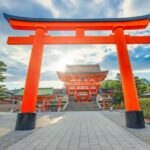
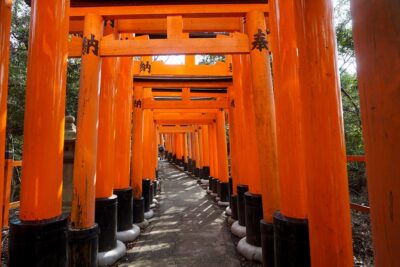
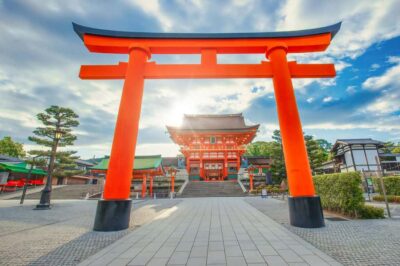
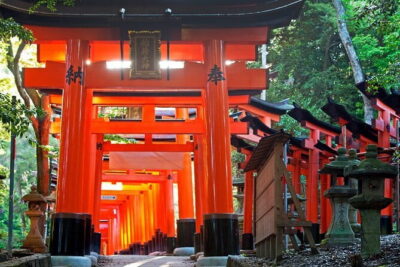
Fushimi-Inari Taisha is one of Kyoto’s most recognizable sights. Its thousands of orange-red torii gates form covered corridors that climb toward the summit of Mount Inari. During the day, the first section can be packed with people taking photos and moving in both directions.
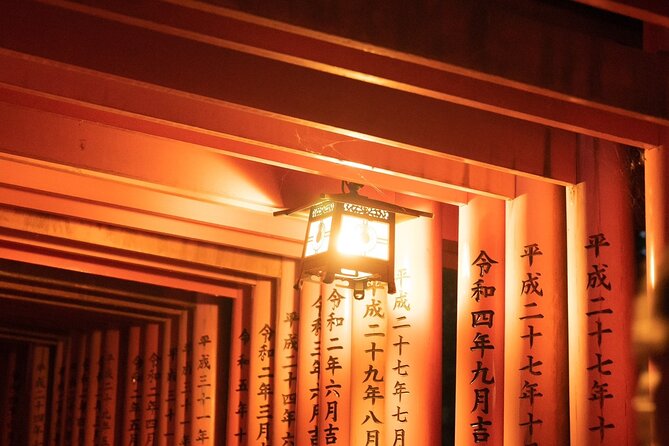
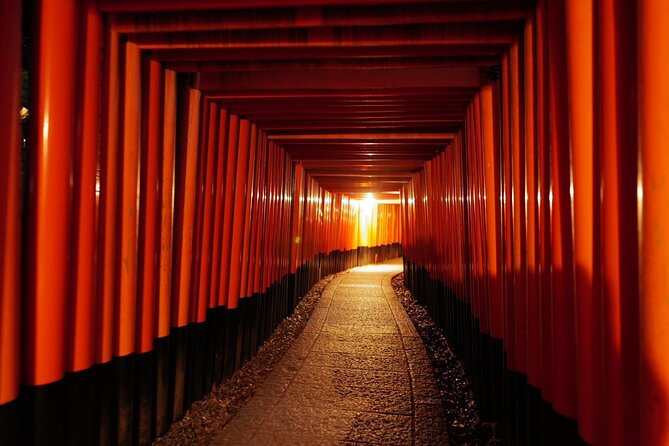
At night, the shrine’s appeal shifts. The gates become less about a quick photograph and more about the sensation of walking through a long, quiet passage. Lights guide parts of the route, while the wooded slopes create pockets of shadow. You get a better sense that this is an active Shinto religious site, not just a famous backdrop.
The evening setting also helps with Kyoto’s weather. One visitor who joined in August found the night much more comfortable than a daytime climb. Another chose a 6 p.m. start and appreciated the cooler air and the quick change from late daylight to darkness.
I would not promise an empty shrine. The entrance can remain busy at the beginning, especially around the station and lower gates. The crowd usually thins as you walk uphill, and the later sections feel calmer than the approach.
A few more Kyoto tours and experiences worth a look

Meeting at the fox statue near the shrine entrance
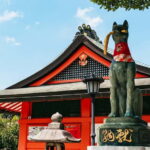
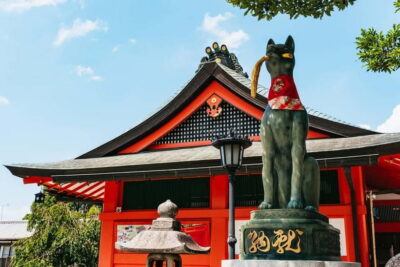
The meeting point is the fox statue at the entrance to Fushimi-Inari Taisha, near Inari Station in Fushimi Ward. Look for the shrine’s familiar fox imagery, which is especially fitting here because foxes are regarded as messengers of Inari.
This is a practical meeting point, but give yourself time to find it. The shrine area has several paths, railway access points, and busy pedestrian flows. The activity ends at the same meeting point, so you do not need to figure out a separate return route after the walk.
The experience uses a mobile ticket, and confirmation is provided when you book. Guides have also helped with directions before the tour. Tammy, for example, contacted a participant through WhatsApp to confirm the address and attendance. That kind of message can be useful in Kyoto, where a small mistake near a large shrine can cost you time.
Because the group is limited to 12, you should expect a more personal walk than a large bus-style outing. The pace still depends on the group, though. You may pause for photographs, questions, and explanations at several points.
Walking through the first torii gates
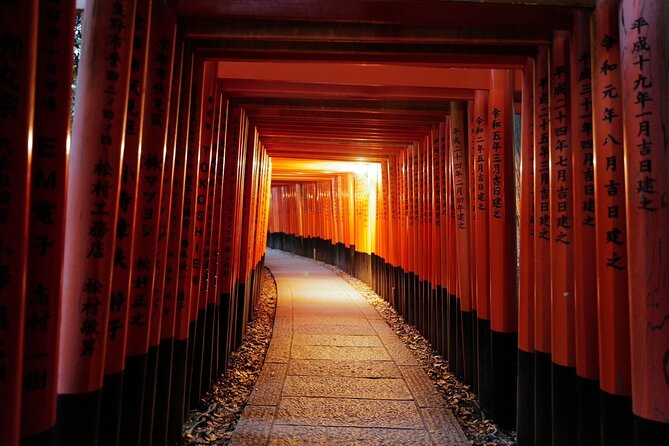
The opening section introduces the basic layout of the shrine and the meaning of the torii gates. These gates are donated by individuals, families, and businesses as expressions of thanks or requests for good fortune. Your guide can put the visual spectacle into context, helping you see the gates as part of an ongoing religious practice.
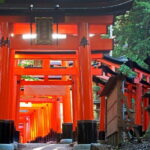
This is also where you get the strongest contrast between day and night. Near the entrance, the gates are easy to photograph and often well lit. As you move onward, the path becomes more enclosed, and the repeated columns create a tunnel effect.
Guides are particularly useful here because there are details you might otherwise pass without noticing. Yessi has shown how prayer works at different parts of the shrine, where rituals can vary from one sacred site to another. That turns a photo stop into a lesson in how the place is used.
Your guide may also explain the role of Inari. The deity is associated with rice, farming, business, health, happiness, and success. The shrine attracts people with many different hopes, so the statues, offerings, and smaller worship areas become easier to understand once you know what to look for.
Fox statues, smaller shrines, and the climb up Mount Inari
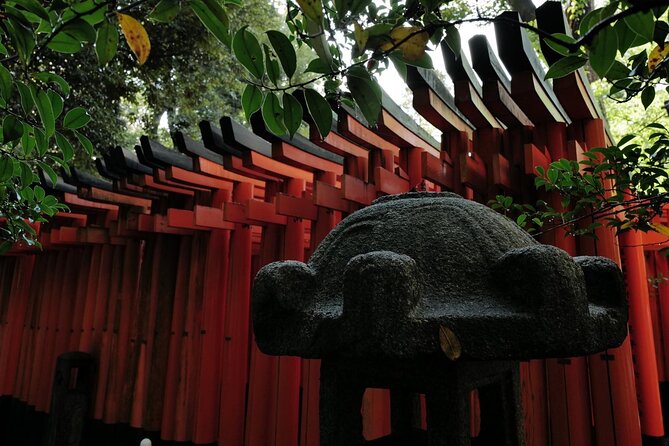
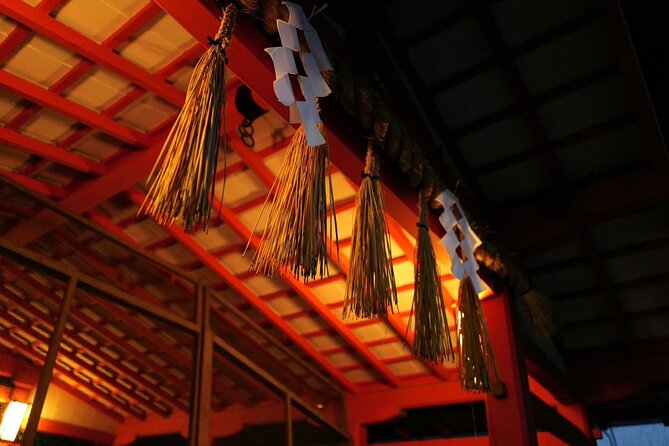
The main torii corridors are only part of Fushimi-Inari. The path continues uphill through forested sections with stone fox statues, side shrines, and resting points. This is where the tour feels more like a short hike than a simple sightseeing stroll.
The climb is described as small, but it is still a climb. One participant specifically advised bringing walking shoes and extra layers in December. That is good advice in any season, since the route changes from a warm city approach to a cooler, darker mountain path.
The uphill walk is also the reason the tour lasts longer than a quick visit to the lower gates. You have time to notice the gradual change in atmosphere. The lower shrine area can feel social and active, while the upper path offers more quiet and space.
Do not assume that you will reach every part of the mountain. The advertised duration is approximately one hour and 30 minutes to two hours, while the itinerary gives two hours for the shrine visit. The useful way to read this is as a focused evening walk, not a full expedition to every corner of Mount Inari.
What the guides add to the experience
The strongest part of this tour is the human explanation. Fushimi-Inari is easy to photograph on your own, but its symbols can remain confusing. A good guide connects the torii gates, foxes, prayers, offerings, and smaller shrines into a story you can follow.
Jem is praised for being organized, friendly, and good at keeping the group together. Her stories bring out the historical and cultural meaning of the site without turning the walk into a lecture.
Tammy is described as patient and pleasant, with a clear grasp of shrine customs. She has helped explain different ways to pray and has been attentive to practical details before the tour begins.
Caleb’s style is especially appealing if you want information without long speeches. He is described as engaging, easy to understand, and able to make the tour work for families with children. His musical life in Japan also gives his presentation a personal touch.
Hiro has been praised for answering questions confidently and making people feel welcome. That matters at a religious site where you may worry about doing something incorrectly. Masaki is noted for taking photos, answering questions, and offering suggestions for food and other Kyoto sights.
You should not expect one fixed personality or one guaranteed guide. The guide may be Jem, Tammy, Caleb, Hiro, Masaki, Yessi, Vincent, Cade, or another member of the team. The common thread is an emphasis on stories, explanations, and practical help rather than a silent walk through the gates.
A few more Kyoto tours and experiences worth a look





Night photography and the changing light
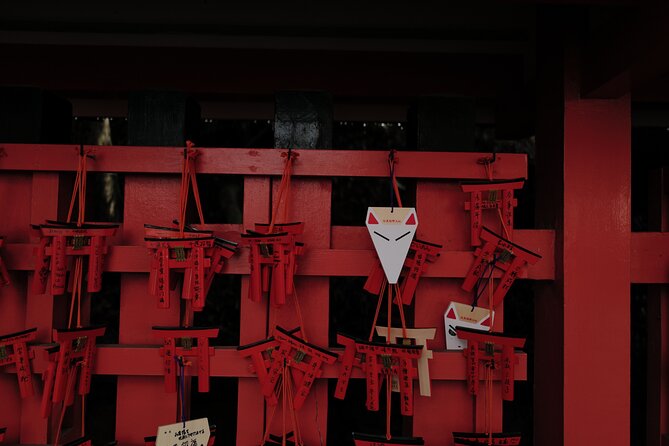
If you want bright, perfectly even photos of the torii gates, daytime may be easier. Night photography asks more from your phone or camera, and moving people can still appear near the entrance.
The reward is mood. Lanterns and path lighting pick out sections of the gates, while darker areas give the shrine a more mysterious look. Late afternoon starts are useful if you want both views: you begin with some daylight, then watch the shrine change as evening arrives.
Several people liked the lighting for photographs, especially during the transition from day to night. Vincent was also praised for allowing time to stop for pictures instead of rushing the group onward. That is worth noting if you want photographs but still want to follow the explanations.
Keep your phone ready, but do not let the camera take over the walk. The repeated gates are visually powerful, yet the most memorable parts may be the quieter pauses at a smaller shrine or the chance to understand why a particular object is there.
How much walking and darkness should you expect?
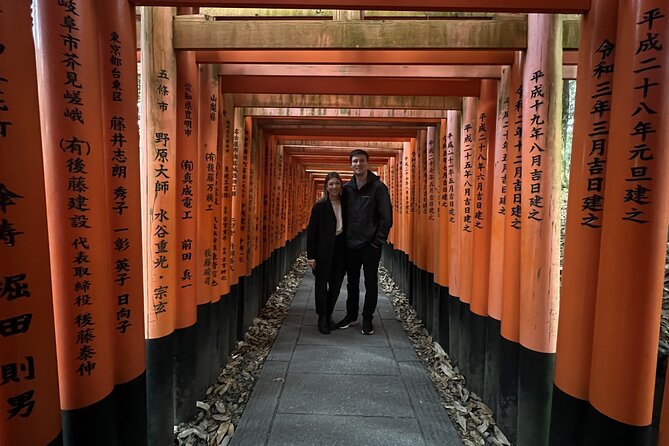
The route follows mountain paths through the torii gates. Most of the tour may take place in full nighttime rather than only at dusk, depending on the start time and season.
The paths have lights, but they are not the same as a brightly lit city pavement. You should wear shoes with a secure sole and avoid treating this as a casual stroll in sandals. Layers help in cooler months, and the evening timing can be a relief in Kyoto’s summer heat.
The pace appears manageable for most people, and the booking information says most participants can take part. Service animals are allowed, and the site is near public transportation. Still, anyone who dislikes hills, stairs, or dark paths should think carefully before booking.
The guide’s presence also helps with navigation. Fushimi-Inari can feel confusing once the paths split and the repeated gates make one section look much like another. At night, staying with the group is more than a convenience. It helps you focus on the shrine rather than wondering which turn leads back down.
Is $43.11 a fair price?
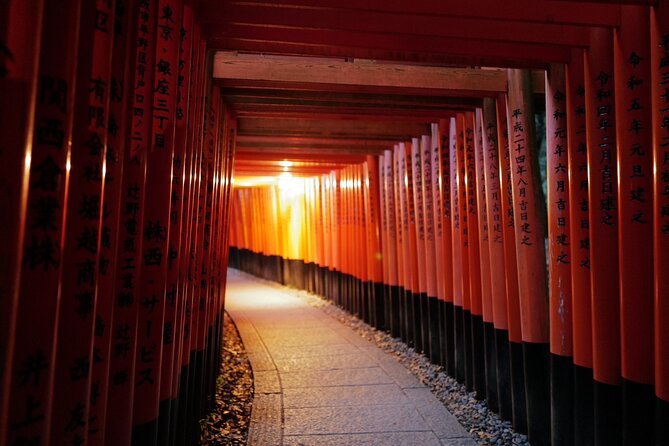
At $43.11 per person, this is not the cheapest way to see Fushimi-Inari. Admission to the shrine itself is free, so you are paying for the guide, the small group, the route, the interpretation, and the confidence of walking the mountain paths with someone who knows the site.
I think the price is reasonable if you care about meaning and atmosphere. A free visit gives you the gates, but it may not explain the role of Inari, the symbolism of foxes, or the different prayer customs. You may also miss smaller details that guides point out along the way.
The value is weaker if you only want a short photo stop at the lower gates. You can visit that area independently and spend less time. This tour makes more sense for someone who wants to walk farther, learn the basics of Shinto practice, and see the shrine after the daytime rush.
The group limit of 12 helps justify the cost. A guide can stop for questions, adjust the pace, and keep the group together more easily than on a large outing. Several guides also share suggestions for nearby food and other attractions, which can help you plan the rest of your evening.
Who should book this evening walk?
I would recommend it to a first-time Kyoto visitor who wants Fushimi-Inari explained rather than simply photographed. It also suits families, since Caleb has been praised for making the information accessible to children and keeping the walk interactive.
It is a good fit for people who have already seen the shrine by day and want a different mood. The cooler temperature, softer light, and smaller crowds can make the second visit feel worthwhile.
Photography-minded visitors should enjoy the late afternoon and nighttime setting, especially if they are happy with atmospheric images rather than bright daylight shots. The tour also suits solo visitors and couples who prefer company on a dark, unfamiliar mountain route.
I would hesitate if you have limited mobility, dislike uphill paths, or want a completely empty shrine. The shrine can remain active near the entrance, and the tour is still a walk through a real mountain setting, not a short indoor presentation.
Free cancellation is available if you cancel at least 24 hours before the start time. Changes or cancellations made inside that window are not refunded, so check the local start time before making plans.
My recommendation for the Fushimi-Inari night tour
Book this tour if you want the red torii gates placed in cultural context and you like the idea of walking after dark with a small group. The most praised qualities are consistent: friendly guides, clear explanations, useful stories, patience with photographs, and a peaceful nighttime atmosphere.
Choose an early evening start if you want some daylight and a gradual change in mood. Choose the experience only if you are ready for a moderate uphill walk, dark mountain paths, and comfortable walking shoes.
For $43.11, you are not buying entry to Fushimi-Inari. You are buying interpretation and navigation at a site that can otherwise feel repetitive and confusing. For many people, that is exactly what turns a famous Kyoto stop into a meaningful one.
FAQ
Where does the Fushimi-Inari night tour begin?
The tour begins at the fox statue at the entrance to Fushimi-Inari Taisha Shrine in Fushimi Ward, Kyoto. The meeting point is near Inari Station.
Where does the tour end?
The activity ends back at the original meeting point.
How long does the tour last?
The tour lasts approximately one hour and 30 minutes to two hours. The shrine portion is listed as a two-hour visit.
How large is the group?
The tour has a maximum of 12 participants.
Do I need to pay admission to Fushimi-Inari Shrine?
No admission ticket is required for the shrine portion of this activity.
Will the tour take place entirely after dark?
Not always. Depending on the start time, you may begin at dusk or in the late afternoon, with the walk continuing into nighttime. A 6 p.m. start has been described as moving into darkness shortly after the beginning.
What should I wear?
Wear comfortable walking shoes and bring layers, especially in cooler months. The route includes mountain paths and an uphill section, and much of the walk may take place in darkness.
Can I cancel for a refund?
Yes. You can receive a full refund if you cancel at least 24 hours before the experience starts. Cancellations or changes made less than 24 hours before the start time are not refunded or accepted.
More Walking Tours in Kyoto



More Night Walks & Ghost Tours in Kyoto
More Fushimi Inari Tours in Kyoto
More tours in Kyoto we've reviewed







Fushimi Inari Tours, compared.
 ★ 4.8Kyoto: Fushimi Inari, Kinkakuji, Bamboo Grove 1 Day Bus TourFrom $122510 minutes - 9 hours
 ★ 5.0Fushimi Inari Hidden Hiking Tour (Private Option Available)From $63
 ★ 4.7Kyoto/Osaka: Nara, Fushimi Inari Taisha, Arashiyama Bus TourFrom $529 - 10 hours
 ★ 4.4Osaka/Kyoto: Arashiyama, Nara & Fushimi Inari Shrine w/LunchFrom $61
 ★ 5.0Kyoto: Nijo, Kinkaku-ji, Arashiyama, Kiyomizu & Fushimi InariFrom $51
 ★ 4.9Kyoto: 3-Hour Fushimi Inari Shrine Hidden Hiking TourFrom $723 hours