
Reviewed · NARA DAY TRIPS
Nara : Private Day Walking Tour (From Osaka/Kyoto Possible)
Nara’s biggest treat is the mix of monumental temples and free-roaming deer. This private six-hour walk takes you from Kofuku-Ji to Todai-Ji, across Nara Park, and on to Kasuga Taisha, with room to shape the day around your interests.
I like the one-group-only format, since you can ask questions, adjust the pace, and meet your guide at your hotel in Osaka, Kyoto, or Nara. I also like the clear chain of highlights: Ashura at Kofuku-Ji, the Great Buddha at Todai-Ji, deer in the park, and Kasuga’s red shrine buildings.
The main caution is that this is a walking tour, not a full guided visit inside every monument. Transport, food, drinks, and any desired tickets are extra, and guide quality can vary. One guide received poor marks for offering little insight, while Kokoro and Hugo were praised for making the day enjoyable.
In This Review
- Key points to know before booking
- What the six-hour Nara route gets right
- Kofuku-Ji and the Ashura statue
- Todai-Ji and the Great Buddha
- Nara Park and the deer
- Kasuga Taisha and the National Treasure Hall
- A private guide can improve the day
- Walking, timing, and extra costs
- Who will get the most from this tour
- Should you book this Nara walking tour?
- FAQ
- How long does the Nara private walking tour last?
- Where can the tour begin?
- Which sights are included in the route?
- Is this a private tour?
- Which languages are available for the guide?
- Are food, drinks, and transportation included?
- Can I cancel the booking for a refund?
Key points to know before booking
- Four major Nara sights in six hours: Kofuku-Ji, Todai-Ji, Nara Park, and Kasuga Taisha form a sensible first visit.
- A genuinely private outing: Only your group joins, so the guide can adjust the route and pace.
- Hotel pickup is available: Meet at accommodation in Osaka, Kyoto, or Nara, or choose another agreed meeting point.
- Deer feeding is part of the fun: Nara Park gives you close contact with the city’s famous wild deer.
- Transport is not included: You pay for public transportation used during the tour.
- Guide quality matters: English, Spanish, and French are offered, but the amount of site knowledge may differ by guide.
What the six-hour Nara route gets right
This tour follows a natural path through Nara’s central sights. You begin with Kofuku-Ji, continue to Todai-Ji, walk through Nara Park, and finish at Kasuga Taisha and its National Treasure Hall. Each stop offers a different side of the city: Buddhist sculpture, huge temple architecture, wildlife, and Shinto worship.
I like this order because the day builds from a major temple to Nara’s grandest monument, then gives you time outdoors before ending at a more atmospheric shrine complex. The four sections are listed at about 90 minutes each, though the actual balance can change because the itinerary is customizable.
At $174.29 per person, this is not the cheapest way to see Nara. You are paying for a private guide, hotel pickup when available, a flexible plan, and help arranging tickets for visits you want. For a couple, family, or small group that values a private pace, the price may be fair. For a solo visitor focused only on the headline sights, public transportation and a self-guided visit will cost much less.
The key is to use the customization well. Tell the guide before the day whether you care most about Buddhist art, temple architecture, deer, photography, or a relaxed pace. The more specific you are, the more useful the private format becomes.
A few more Osaka tours and experiences worth a look
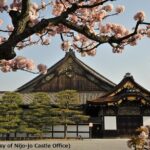

Kofuku-Ji and the Ashura statue
Kofuku-Ji is a strong opening stop because it puts Nara’s Buddhist past in front of you right away. The temple is a UNESCO World Heritage Site, and its grounds include designated National Treasures.
The Statue of Ashura is the major artistic draw named for this stop. It is a Buddhist sculpture with an important religious and cultural place in Japan. If Buddhist art interests you, ask your guide to spend time explaining what you are seeing rather than simply pointing out the building and moving on.
The planned visit lasts about 90 minutes. That gives you time to walk around the grounds without rushing, but the exact experience depends on which areas are open and which ticketed displays you choose. The tour description lists admission for this stop as free, while also noting that the company can help book tickets for desired visits. Confirm what you want to enter before the tour begins.
Kofuku-Ji works best when you want context, not just photographs. The buildings are important, but the sculpture is what gives this first section real depth. I would tell the guide that you want more than basic directions here, especially after one poor guide experience involved little information beyond links that could easily be found independently.
Todai-Ji and the Great Buddha
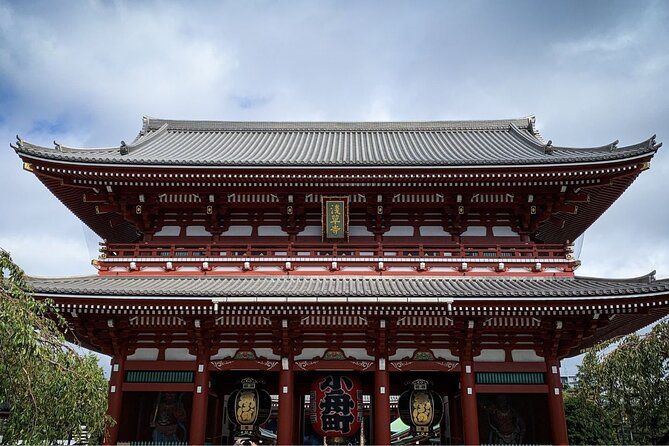
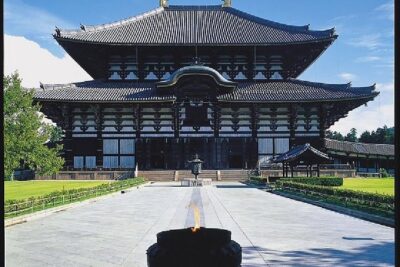
Todai-Ji is the grand centerpiece. At Nandaimon Gate, you see the imposing Kongo Rikishi statue, then continue into the temple complex to view Japan’s largest Great Buddha statue.
This is the moment that gives the tour its scale. The Great Buddha is not a small devotional image tucked into a side chapel. It is the main visual reason many people come to Nara, and the temple setting makes the visit feel much larger than a normal city sightseeing stop.
Plan on about 90 minutes here. That is enough for a focused visit, but you may want more time if you like architectural details or want to linger with the Buddha. Since the activity is described as a city walking tour rather than a tour inside the monuments, ask clearly how much of the temple interior the guide will accompany you through.
Todai-Ji was the highlight for Hugo’s group, and that makes sense. Even if you have seen large temples elsewhere in Japan, the combination of Nandaimon Gate, the Kongo Rikishi figure, and the Great Buddha creates a powerful sequence.
This is also the place where a guide can make a real difference. A useful guide should explain what makes Todai-Ji important and help you understand the figures and setting. If your guide provides only directions and website links, much of the value of paying for a private tour disappears.
Nara Park and the deer
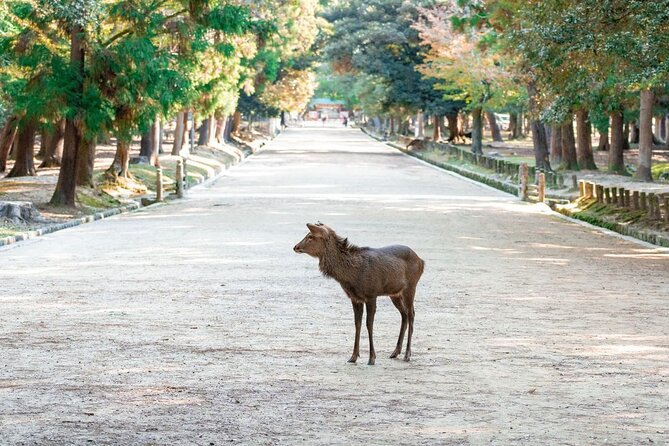
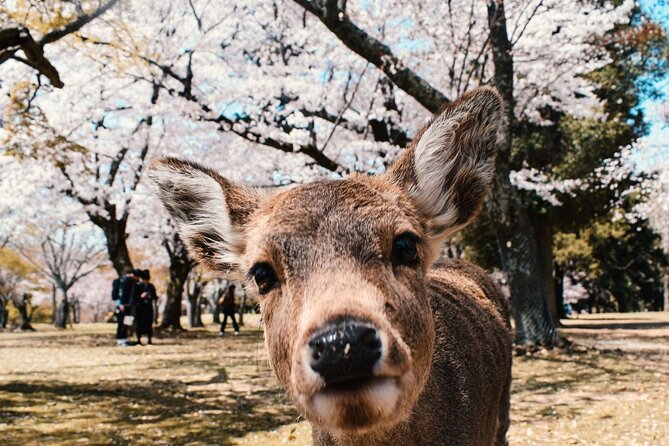
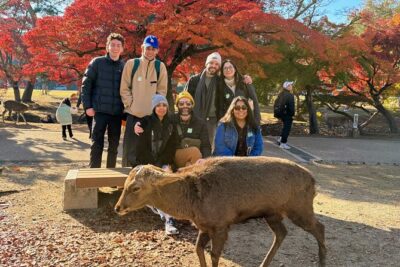
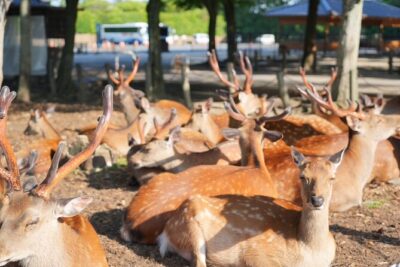
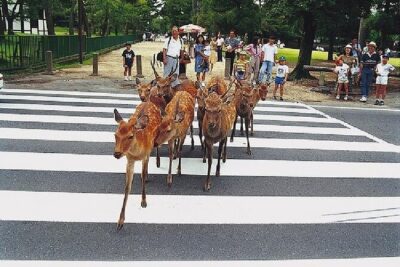
Nara Park is the lightest and most playful part of the day. Deer roam freely through the greenery, and feeding them is one of Nara’s signature activities.
The deer are wild, even though they are accustomed to people. That distinction matters. You can expect close encounters, but you should still treat the animals with care and follow your guide’s instructions. The park is not simply a photo stop. It gives you a break from temple interiors and a chance to walk at a slower pace.
The planned time here is about 90 minutes. That is generous enough for feeding deer, taking photos, and enjoying the park without turning the whole day into a race. Families and children will likely find this the most memorable section, while adults may appreciate the open space between the major religious sites.
The deer were the most praised part of the day for several people, and their appeal is easy to understand. Nara’s animals are not behind fences. They wander among visitors and temple grounds, creating a very different experience from seeing deer in a zoo or wildlife park.
Still, do not book this tour solely for the deer. Their behavior can change, and the park is only one part of a route that also includes major cultural sites. The best day combines the fun of feeding them with the quieter pleasure of the temples.
Kasuga Taisha and the National Treasure Hall
Kasuga Taisha gives the tour a different mood. It is a UNESCO World Heritage Site with striking red architecture and a strong Shinto character.
After the larger Buddhist temples, the shrine offers a change in color, setting, and religious tradition. I like having this stop near the end because it prevents the day from feeling like a series of similar temple visits. The visit can include the Kasuga-Taisha National Treasure Hall, where you can see Buddhist art and other valuable artifacts.
The listed timing is about 90 minutes. Ask your guide how that time will be divided between the shrine and the National Treasure Hall, since the tour is customizable and the experience is not a fixed inside-monument lecture. If the hall is a priority, say so when planning the route.
Kasuga Taisha suits visitors who want a quieter cultural finish after Todai-Ji and Nara Park. The red buildings are visually distinctive, and the sacred setting adds another layer to the city. It is less about one giant object and more about the feel of the shrine complex and the things preserved inside the hall.
A few more Osaka tours and experiences worth a look
A private guide can improve the day
The strongest reason to choose this tour is control. You are not joining a large group, and only your party takes part. That can make a big difference if your group includes children, older relatives, photographers, or people who want to stop often.
You can also meet at your accommodation in Osaka, Kyoto, or Nara. Hotel pickup is useful, but it does not mean all transportation is covered. Public transportation used during the tour is paid by you, so budget for those fares and clarify the meeting point in advance.
The guide languages listed are English, Spanish, and French. Guides named in the feedback include Kokoro and Hugo. Kokoro was praised for helping a mother and daughter move smoothly through the city and tour, while Hugo was associated with an enjoyable day featuring the Great Buddha, park, deer, views, and walks.
At the same time, a private label does not guarantee expert commentary. One guide was judged sub-par because the explanations added little beyond information available online. I would send a short note before the tour with the subjects you want covered: Ashura, the Great Buddha, the Kongo Rikishi figure, Shinto practice, or the deer. That gives the guide a fair chance to match the day to your interests.
Walking, timing, and extra costs
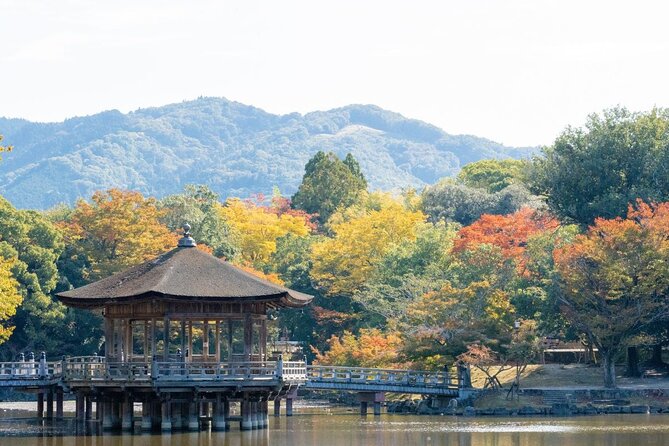
Six hours is a useful length for Nara, but this is still a walking tour. You will move between several major sights, spend time on temple and shrine grounds, and walk through the park. Wear comfortable shoes and bring water, since drinks and food are not included.
The tour is near public transportation, and most people can take part. No special access details are provided, so anyone with mobility concerns should ask about the route and walking distances before booking.
Admission is presented as free for the listed itinerary stops, but the activity also offers help booking tickets for desired visits. That suggests the price covers the guide and walking experience rather than every possible interior or optional display. Ask exactly what you want included, especially at the National Treasure Hall and any monument interiors.
The tour can begin from Osaka or Kyoto, but the time spent reaching Nara and returning is not described as part of the six-hour walking schedule. Clarify where the six hours begin and end. If your meeting point is outside Nara, transportation costs remain yours.
Who will get the most from this tour
I would choose this experience if you want a private introduction to Nara and prefer having someone organize the route. It suits families, couples, and small groups that want to move at their own pace rather than follow a fixed crowd.
It is also a good fit if you have a particular interest in Buddhist statues, Shinto shrines, or the deer and want the guide to adjust the emphasis. The ability to meet at your accommodation is useful for a day trip from Osaka or Kyoto.
I would be more cautious if you want a specialist art historian, a fully guided interior tour, or an all-inclusive package with transport and meals. Those features are not promised. The experience is best understood as a private guided walk with help planning selected visits.
The mixed guide feedback deserves attention. Kokoro and Hugo received warm praise, but another guide failed to provide enough explanation. If interpretation is central to your decision, ask about the guide’s background and the language match before the cancellation deadline.
Should you book this Nara walking tour?
Book it if you value a private route, hotel pickup, flexible pacing, and the chance to combine Nara’s four major highlights in one day. The Great Buddha and deer are the emotional high points, while Kofuku-Ji and Kasuga Taisha add the art and religious setting that make Nara more than a quick animal stop.
At $174.29 per person, the value depends on your group size and expectations. A private group can make the cost worthwhile, especially when you want personal help in English, Spanish, or French. Just confirm transport, interior admissions, meeting details, and the guide’s level of site knowledge.
You can cancel for a full refund up to 24 hours before the start time. That gives you some flexibility, but changes or cancellations made later are not accepted. For a first visit to Nara, this is a sensible private option, provided you treat the guide as part of the purchase and confirm that the commentary will match what you want from the day.
FAQ
How long does the Nara private walking tour last?
The tour lasts approximately six hours, with about 90 minutes planned at each of the four main stops.
Where can the tour begin?
Pickup is offered from your accommodation if it is located in Osaka, Kyoto, or Nara. You can also meet the guide at another designated location.
Which sights are included in the route?
The route includes Kofuku-Ji Temple, Todai-Ji Temple, Nara Park, and Kasuga Taisha, including the Kasuga-Taisha National Treasure Hall.
Is this a private tour?
Yes. Only your group participates, and no other guests are added to your booking.
Which languages are available for the guide?
In-person guides are offered in English, Spanish, and French.
Are food, drinks, and transportation included?
No. Food and drinks are not included, and you pay for public transportation used during the tour.
Can I cancel the booking for a refund?
Yes. You can cancel at least 24 hours before the local start time for a full refund. Cancellations or changes made less than 24 hours before the start time are not accepted.
More Osaka & Hiroshima Departures in Osaka
More Nara Day Trips in Osaka
More tours in Osaka we've reviewed


Nara Day Trips, compared.
 ★ 5.0World Heritage Kyoto & Nara Uji Authentic Matcha ExperienceFrom $129
 ★ 4.7Kyoto/Osaka: Nara, Fushimi Inari Taisha, Arashiyama Bus TourFrom $529 - 10 hours
 ★ 4.4Osaka/Kyoto: Arashiyama, Nara & Fushimi Inari Shrine w/LunchFrom $61
 ★ 5.0Nara Early Morning Tour (Kyoto or Osaka Departure Available)From $61
 ★ 4.5Kyoto and Nara Day Trip from KyotoFrom $194
 ★ 4.5Nara Afternoon Tour from Kyoto or OsakaFrom $102