
Reviewed · TOKYO
Tokyo to Kyoto 1-Full Day Private Guided Tour
Kyoto is a long way from Tokyo, but this tour makes a one-day visit possible. You leave the capital, cross Japan by bullet train, and spend the day with a private guide among bamboo, golden temples, food stalls, geisha streets, and red torii gates. I like the chance to see Kinkaku-ji and Fushimi Inari in one sweep, especially if Kyoto is not getting a proper overnight stay.
I also like the private format. Your guide can help with train platforms, translate at shops, suggest lunch, take photos, and adjust the pace for your group. Guides including Ahmed, Midori, Yuka, Yukari, and Kazz have received especially strong praise for their history knowledge, patience, and ability to keep a tight schedule.
The catch is serious: the advertised $490 price is not the likely final cost. Bullet train tickets, local transportation, a possible car and driver, Tokyo pickup, meals, and some entrance fees are extra. Read every cost before you book, then confirm the exact total in writing.
In This Review
- Key points at a glance
- Kyoto by bullet train, then straight into sightseeing
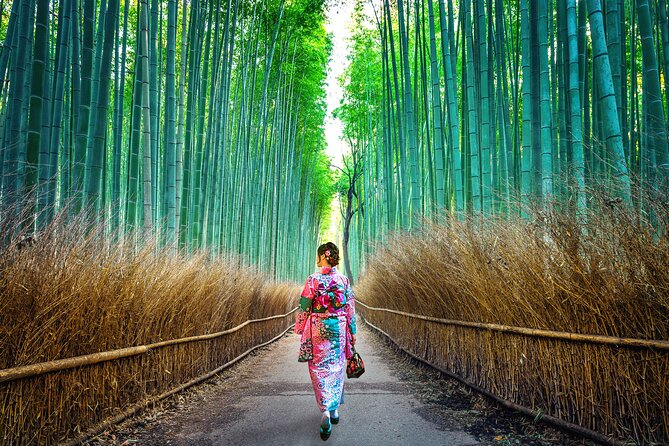
- Bamboo Forest Street and the gardens of Tenryu-ji
- Kinkaku-ji, Kyoto’s Golden Pavilion
- Nishiki Market, Kyoto’s food corridor
- Pontocho Alley and central Kyoto
- Gion, machiya houses, and traditional Kyoto
- Fushimi Inari and the first red torii gates
- The guides can make or break the day
- The real price is far above $490
- Who will appreciate this fast Kyoto visit
- Practical details before you commit
- Should you book this Tokyo to Kyoto day trip?
- FAQ
- How long does the Tokyo to Kyoto tour last?
- How many people can join the private tour?
- Are bullet train tickets included?
- Is transportation in Kyoto included?
- Is lunch included?
- Are entrance fees included?
- Can I cancel for a full refund?
Key points at a glance
- Tokyo to Kyoto in one day: A fast bullet train makes this ambitious trip possible, but the day remains tightly packed.
- Six classic Kyoto stops: You visit the Bamboo Forest, Kinkaku-ji, Nishiki Market, Pontocho, Gion, and Fushimi Inari.
- Private guiding: Only your own group participates, with a maximum group size of 10.
- Transport changes the price: A private vehicle in Kyoto is listed at ¥100,000 per booking for up to five people, while train tickets are about ¥28,000 per person.
- Public transport can save money: A small group reported using trains and buses instead of hiring a car and driver.
- Best for first-time visitors: This works well if you want a fast introduction to Kyoto and accept that you will not see everything.
Kyoto by bullet train, then straight into sightseeing
The day begins in Tokyo and continues by bullet train to Kyoto. The train ride itself is one of the practical strengths of the plan. You cover the distance quickly, and a guide can help you choose trains, find the right platform, and navigate the station.
Several people praised the help at the stations, especially when arriving visitors were still getting used to Japan’s rail system. Ahmed has met groups at a station, helped them with tickets, and guided them from the platform to their waiting vehicle in Kyoto. That kind of assistance matters if you are carrying luggage, traveling with children, or simply find a large Japanese station intimidating.
The schedule is built around about nine hours, but the real day can vary. One group took an early train, reached Kyoto around 8:30 or 10:15 depending on its departure, and returned to the station in the late afternoon for an evening train. Another group had a longer day and visited additional sites such as Nijo Castle and Kiyomizu-dera.
You should expect a brisk pace. Kyoto’s sights are spread across different parts of the city, and the route crosses from Arashiyama in the west to Fushimi in the south, with central Kyoto in between. A private car saves time between stops, but it does not create extra hours in the day.
Other guided tours in Tokyo
Bamboo Forest Street and the gardens of Tenryu-ji
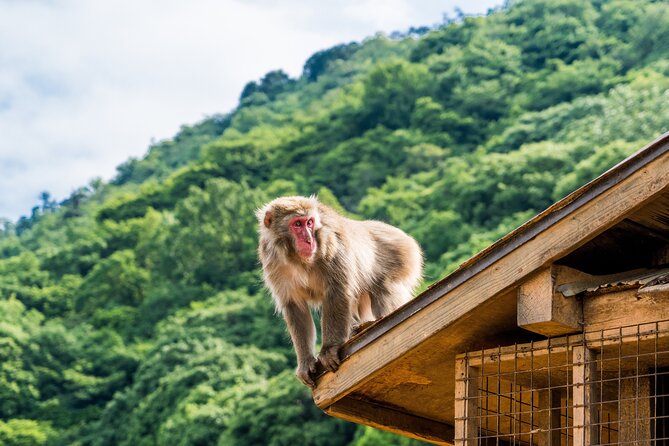
The first listed stop is Bamboo Forest Street, usually paired with Nonomiya Shrine and the garden at Tenryu-ji. The tall bamboo is the visual hook. Even with crowds, the green stalks and narrow walking paths create a very different mood from Tokyo’s steel, glass, and traffic.
The stop is listed as one hour, with no admission charge for the Bamboo Forest itself. That hour is not long if you want to walk every path or spend much time at Tenryu-ji. It is enough for a focused visit, a few photographs, and a look at the shrine and temple garden.
I like this opening because it gives you scenery before the day turns into a sequence of famous buildings. Your guide can also explain how the shrine, temple grounds, and bamboo paths fit together rather than treating the forest as a quick photo stop.
The limitation is timing. Arashiyama alone can occupy half a day, particularly if you want a slower walk, more garden time, or extra shops. Here, you are seeing the signature parts and moving on.
Kinkaku-ji, Kyoto’s Golden Pavilion
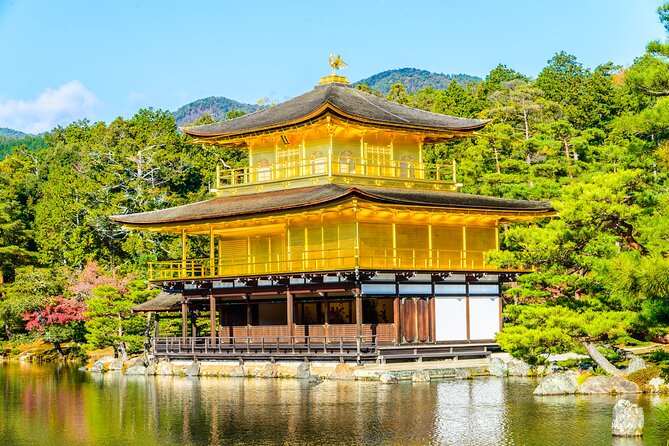
Kinkaku-ji is the picture-book stop: a gold-covered pavilion reflected in a pond, backed by carefully arranged gardens. The building is viewed from a set route rather than explored room by room, so the pleasure comes from the composition of the pavilion, water, trees, and surrounding grounds.
The planned visit lasts about one hour. An admission fee is listed as not included, so budget for that separately. The route through the grounds is manageable, but expect walking and some uneven surfaces in common temple areas.
This is one of the places where a guide adds real value. Without context, you may spend a few minutes taking the standard photograph and leave. With a good guide, you can better understand the temple’s role in Kyoto’s culture and the design choices that make the view so effective.
Ahmed, Kazz, Midori, and other guides have been praised for explaining temple customs and historical details without talking constantly. That balance matters on a long day. You want useful information, not a running speech from the first gate to the last.
Nishiki Market, Kyoto’s food corridor
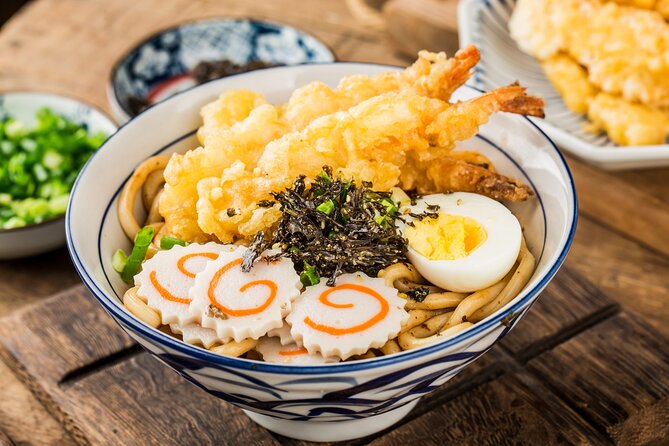
Nishiki Market is the tour’s best chance to pause and eat. The market stretches for roughly five blocks and includes more than a hundred stalls and shops. It is known as Kyoto’s Kitchen, and you might find seafood, pickles, sweets, seasonings, prepared snacks, and other local foods.
The scheduled stop is about one hour, with no general admission charge. Food is not included, so you choose and pay for what you want. One hour gives you time to sample a few items and browse, but not to inspect every stall or sit down for an elaborate meal.
I would use this stop for a light lunch rather than waiting until the end of the day. Guides have helped groups find a suitable place to eat, discuss dietary needs, and translate when ordering. That is particularly useful if you have food restrictions or want something local rather than a familiar chain.
The market can feel crowded, and the narrow passage is not ideal for a slow, spacious stroll. Stay close to your group and keep the schedule in mind. If food is your main reason for visiting Kyoto, this tour will not give Nishiki enough time. If you want a taste of the market between major sights, the stop works well.
Pontocho Alley and central Kyoto
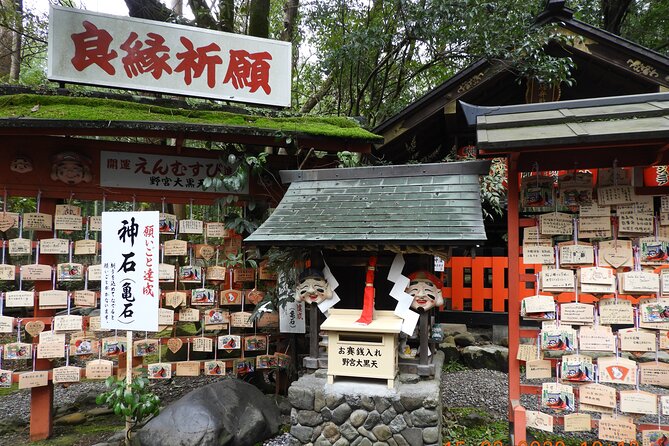
Pontocho receives only about 20 minutes, which tells you exactly how to view it: as a brief atmospheric walk, not a full evening out. The narrow alley runs parallel to the Kamogawa River and is lined with traditional wooden buildings, restaurants, and nightlife venues.
During the day, you can appreciate the old-style architecture and the tight lane. After dark, the area takes on a different character, but this day trip is unlikely to leave room for a long dinner or nighttime wandering.
I like the inclusion because Pontocho adds an ordinary street experience to a route otherwise heavy with temples and shrines. You see where Kyoto’s dining and entertainment life happens, even if only briefly.
Do not treat this as a major sightseeing stop. Twenty minutes is enough for a walk and some photographs. It is also one of the first places I would shorten if your group needs more time at Fushimi Inari or wants a proper meal.
Other private tours in Tokyo
Gion, machiya houses, and traditional Kyoto
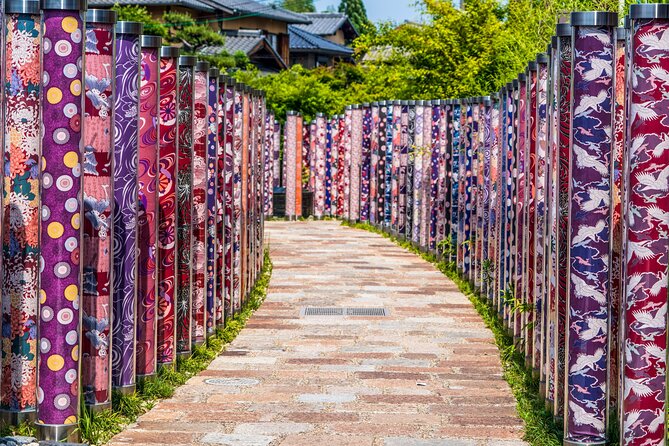
Gion is Kyoto’s best-known traditional district, with narrow lanes, wooden machiya houses, teahouses, and a strong connection to geisha culture. The tour allows about one hour here, and an admission charge is listed as not included, though much of a normal street walk does not require a ticket.
This is a place for looking carefully rather than rushing from one landmark to another. The wooden façades, quiet side streets, and old shopfronts give you a sense of Kyoto’s traditional urban character. Your guide can explain local customs and help you behave respectfully in a district where people live and work.
Keep your expectations realistic. Gion is not a stage set, and you should not expect to see a geisha simply because you walk through the area. Follow your guide’s advice about photography and avoid blocking narrow lanes.
The strongest guide experiences described by the operator include patient explanations, local food suggestions, photos, and help translating in shops. Yuka received particularly warm praise for combining stories about statues and gates with practical help during the day. That is the sort of guiding that makes Gion more than a quick backdrop.
Fushimi Inari and the first red torii gates
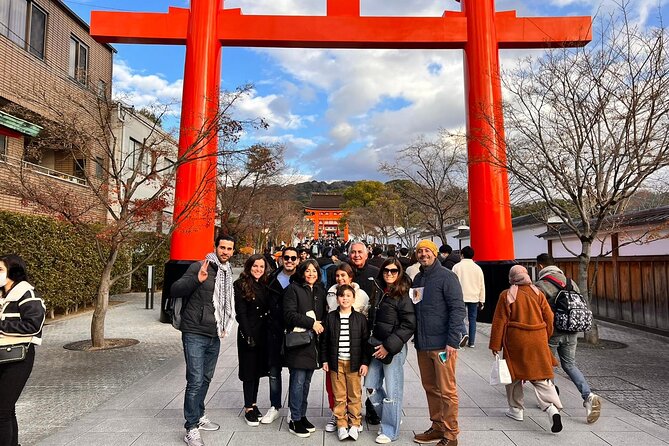
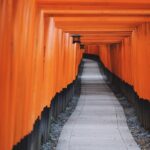
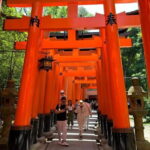
Fushimi Inari-taisha is the grand finish for many visitors. Its famous red torii gates form long paths into the wooded hills behind the shrine. The first section is easy to reach and visually impressive, but the full mountain route takes much longer than the one-hour stop allows.
The shrine is listed with an admission fee not included. The grounds are open and expansive, and you can choose how far to walk. If your legs are tired after Arashiyama, Kinkaku-ji, Nishiki, Pontocho, and Gion, I would not feel obliged to climb far. The first gates already provide the essential experience.
A guide can help you understand the shrine’s connection with Inari, the deity associated with rice and prosperity, and point out details you might otherwise miss. The repeated gates are not just decoration. They represent offerings made over time, which gives the path a human story as well as a striking visual rhythm.
Fushimi Inari is also a good test of the tour’s pace. If you arrive late, you may get only a short walk. If the group moves efficiently earlier in the day, you have a better chance to enjoy the shrine without watching the clock every minute.
The guides can make or break the day
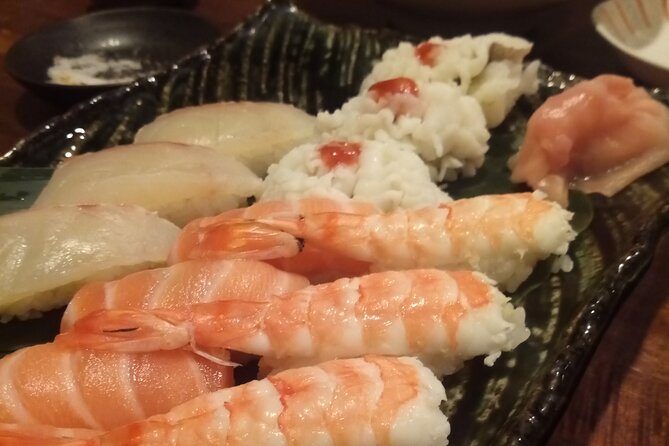
The strongest praise goes to the guides rather than to the basic route. Ahmed is repeatedly described as attentive, patient, and strong on history. He has guided families, groups of eight, and last-minute bookings. Midori has been praised for adapting to requests, taking photographs, and helping a family fit in extra sights.
Yuka received praise for local suggestions, translation help, photographs, and detailed explanations. Yukari was described as both informed and fun, while Kazz was praised for efficient planning and cultural background.
That does not mean every guide will suit every group. One low-rated experience described an unhelpful and unfriendly guide. You should confirm the guide’s name, language, meeting point, and planned route before the day if those details matter to you.
The private format is useful here. You do not follow a flag through a large group, and you can ask questions that fit your interests. Families, older visitors, and groups with different walking speeds may benefit most from that flexibility.
The real price is far above $490
The headline rate is $490 per group of up to 10, but treat it as the guiding and tour-management charge, not the complete cost of a Tokyo to Kyoto day.
The listed additional charges include:
- Bullet train tickets from Tokyo to Kyoto and back: about ¥28,000 per person, depending on the ticket selected
- Kyoto transportation: ¥100,000 per booking for up to five people, paid in cash
- Tokyo Station pickup guide cost: ¥60,000 per booking, if that option applies
- Lunch
- Admission fees where required
- Gratuities, which are appreciated but not required
For a family of four, bullet train tickets alone could add about ¥112,000. Add a private car and the total rises sharply. Several people specifically described the tour as costing two to four times more than expected once transport was added.
This price can still make sense for a large group. A private vehicle split among eight or ten people becomes less painful per person, and you gain station help, door-to-door movement in Kyoto, and a guide focused only on your party.
For a small group, compare the public transport option. One group of four used trains and other public transportation instead of hiring a car and driver and found it easy to manage with the guide’s help. That approach may reduce the cost, but you give up some comfort and may lose time during transfers.
Before booking, ask for a written breakdown of the total. Clarify if the ¥100,000 transport amount includes the vehicle, driver, fuel, parking, and all Kyoto transfers. Also ask how the cost applies to groups of more than five, since the supplied terms are not perfectly clear on that point.
Who will appreciate this fast Kyoto visit
I would recommend this experience to you if Kyoto is a must-see but your schedule is based in Tokyo. It gives you a useful first look at the city’s major sights without requiring a hotel change or a separate planning project.
It also suits families, first-time visitors, and groups that value direct help with stations, tickets, translation, and timing. A guide can be especially helpful if some members of your party walk slowly or need assistance keeping up.
I would hesitate if you have two or more nights available in Kyoto. The city deserves slower mornings, evening walks, and time inside the temples rather than only exterior highlights. I would also hesitate if your budget is tight, unless you are prepared to use public transport and carefully control extra costs.
The tour is not ideal for someone focused on food, shopping, or quiet temple time. Nishiki Market and Pontocho are short stops, and the day favors famous sights over long pauses.
Practical details before you commit
The experience is private for your group, with a maximum of 10 participants. Confirmation is provided at booking, and the tour is near public transportation. Most people can participate, but this is a walking-heavy day with stairs and extended time on your feet.
Bring a payment method suitable for the extra charges. The vehicle cost is specifically listed as cash, and at least one group had to find an ATM to pay the driver. Japanese yen in hand is a sensible precaution.
The tour requires good weather. If poor weather forces cancellation, you are offered another date or a full refund. Normal cancellation is free until 24 hours before the start time, but changes or cancellations inside that window are not accepted and are not refunded.
Should you book this Tokyo to Kyoto day trip?
Book it if you want maximum Kyoto coverage in minimum time, have a group large enough to share the added costs, and value a guide who handles stations, translation, timing, and local context.
Skip it if you expect $490 to cover the entire day, want a relaxed Kyoto experience, or can spend several nights in the city. The route is ambitious, and the extra transport charges are substantial.
My best advice is simple: request the final price before committing, ask whether your group will use public transport or a private car, and confirm which admissions are included. If the numbers work, this can be an efficient and memorable introduction to Kyoto. If they do not, take the bullet train independently and hire a local guide in Kyoto for a shorter, slower experience.
FAQ
How long does the Tokyo to Kyoto tour last?
The tour lasts approximately nine hours. The total day may feel longer when you include the bullet train journey from Tokyo and the return trip.
How many people can join the private tour?
The private tour is for your own group, with up to 10 people.
Are bullet train tickets included?
No. Bullet train tickets from Tokyo to Kyoto and back are listed at about ¥28,000 per person, depending on the ticket selected.
Is transportation in Kyoto included?
Transportation costs are not included in the base price. A private transportation charge of ¥100,000 per booking is listed for up to five people, paid in cash. Confirm the exact arrangement and cost before booking.
Is lunch included?
No. Lunch is not included, and you pay separately for food at Nishiki Market or elsewhere.
Are entrance fees included?
The supplied details are inconsistent. Several stops list admission as not included, while another inclusion note mentions entrance fees. Confirm the current admission policy for Kinkaku-ji, Gion, and Fushimi Inari before you book.
Can I cancel for a full refund?
Yes, if you cancel at least 24 hours before the experience start time. Cancellations or changes made less than 24 hours before the start are not accepted or refunded. If poor weather causes the tour to be canceled, you are offered another date or a full refund.
More Full-Day in Tokyo
More Private Tours in Tokyo
More Guided Tours in Tokyo
More tours in Tokyo we've reviewed
Tokyo, compared.
 ★ 4.0From Tokyo 1-Day Kyoto English-guided Tour by Bullet TrainFrom $452
 ★ 4.9Kyoto: Nijo Castle World Heritage Guided Tour with AdmissionFrom $401h 30m
 ★ 4.6Osaka: Kyoto By The Sea with Amanohashidate & Ine no FunayaFrom $553 hours
 ★ 5.0From Tokyo to Kyoto and Nara: A Captivating Full-Day Private TourFrom $490
 ★ 4.7From Osaka: Kyoto & Nara Highlights Day Tour (7 attractions)From $53
 ★ 3.5One Day Private Tour in Kyoto and Nara From OsakaFrom $490