
Reviewed · NARA DAY TRIPS
3 Day Japan Tour Kyoto, Osaka & Nara from Tokyo
Kyoto’s tea houses, Osaka’s street food, and Nara’s deer all fit into this fast-moving three-day Japan tour from Tokyo. You begin with a Shinkansen ride, spend the first night in Kyoto, and cover several of Japan’s best-known sights before returning to Kyoto.
I like the mix of major cultural stops and everyday city life, especially the walk through Gion and Hanamikoji Street, followed by Kuromon Market and Dotonbori. I also like that the tour includes accommodation and the long Tokyo to Kyoto bullet train, which can make a short Japan visit easier to organize. The catch is important: much of the movement between stops is self-guided, and incomplete travel instructions have caused real stress for some customers.
In This Review
- Key details before you book
- The big appeal: three famous cities without changing hotels every night
- Day one: Tokyo Station, Pontocho, and Kyoto after dark
- Pontocho Alley and the kabuki connection
- Gion, Gion Corner, and Hanamikoji Street
- Yasaka Shrine
- Day two: Osaka food, shopping, and castle views
- Namba and Dotonbori
- Hozenji Temple
- Kuromon Ichiba Market
- Osaka Castle Park
- Shinsaibashi
- Day three: bamboo, red torii, gold, and Nara’s Great Buddha
- Arashiyama Bamboo Forest
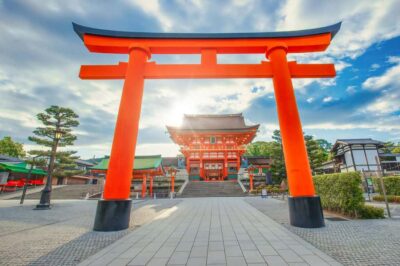
- Fushimi Inari-taisha Shrine
- Kinkaku-ji Temple
- Nara Park and Todai-ji
- Handling the trains without unnecessary stress
- What the $795 price really buys
- Who should book this three-day route?
- FAQ
- Where does the tour start?
- What time does the tour begin?
- Where does the tour end?
- Is the Tokyo to Kyoto bullet train included?
- Are the Kyoto to Osaka trains included?
- Which entrance fee is included?
- Is the tour suitable for solo visitors?
- Should you book it?
Key details before you book
- Tokyo to Kyoto by Shinkansen: Your long first transfer is included, with the tour starting at Tokyo Station at 9:00 am.
- Gion with Pontocho and Yasaka Shrine: Day one focuses on Kyoto’s traditional streets, tea houses, and geisha district.
- Osaka food and city life: Kuromon Ichiba Market includes one non-alcoholic drink and some Osaka street food.
- Kyoto’s classic sights in one day: Arashiyama, Fushimi Inari, and Kinkaku-ji are grouped together on day three.
- Nara Park and Todai-ji: You see the famous deer park and Great Buddha temple, though Todai-ji’s entrance fee is extra.
- Independent train navigation: The trains are part of the plan, but you may need to find platforms, make connections, and follow instructions without continuous escort.
The big appeal: three famous cities without changing hotels every night
At $795, this is an ambitious sampler rather than a slow cultural journey. In three days, you cover Kyoto, Osaka, and Nara, with an overnight in Kyoto and the return point also in Kyoto. That saves you from arranging separate transport and lodging, but the pace leaves little room for wandering beyond the planned stops.
The strongest value is the Tokyo to Kyoto Shinkansen. That is the longest and most expensive-looking piece of the route, and it is included. The Kyoto to Osaka and Osaka to Kyoto trains are also included, along with accommodation and the entrance fee for Kinkaku-ji Temple.
The price is less attractive if you expect a fully escorted tour. The experience has a maximum of 40 people, yet several transfers require you to manage your own movement. You should think of it as a packaged itinerary with guided or organized sightseeing at certain points, not as a private car tour with someone handling every door, platform, and ticket.
That distinction matters in Japan. Stations can be large, signs may use several names for the same area, and a missed connection can eat into a short sightseeing window. Before leaving Tokyo, make sure you know exactly where to meet, what train ticket you hold, and where you need to go after arriving in Kyoto.
A few more Tokyo tours and experiences worth a look
Day one: Tokyo Station, Pontocho, and Kyoto after dark
The tour begins at Tokyo Station at 9:00 am, at 1 Chome-9 Marunouchi, Chiyoda City. The first ride to Kyoto takes about two hours, and the bullet train is included. That gives you a smooth start in theory, but you still need to arrive at the correct meeting place on time.
After reaching Kyoto, the first sightseeing block centers on Pontocho Alley, Gion, Yasaka Shrine, and Hanamikoji Street. The area is compact enough to connect these sights on foot, but the short schedule means you should pay attention to the guide and keep your group together.
Pontocho Alley and the kabuki connection
Pontocho is a narrow historic lane known for traditional restaurants and evening atmosphere. The stop also includes the Statue of Izumo-no-Okuni, a useful detail because it ties the street walk to Japanese theater. Izumo-no-Okuni is associated with the early development of kabuki, so this is more than a quick photo stop.
You get about 30 minutes in the Pontocho District. That is enough to see the lane and hear the basic story, but not enough for a leisurely meal or extended shopping. If you want to return later, your overnight in Kyoto gives you that chance, assuming your evening remains free.
Gion, Gion Corner, and Hanamikoji Street
Gion is the traditional entertainment district most closely associated with geisha culture and tea houses. You should approach this area quietly and respectfully. The streets are working neighborhoods, not a stage set, and the appeal lies in the wooden facades, narrow lanes, and possibility of seeing a professional entertainer heading to an appointment.
The itinerary allows about an hour in Gion, with a quick stop at Gion Corner. The schedule also includes Hanamikoji Street, though that walk is listed at only 10 minutes and does not include an entrance ticket. That makes it a visual introduction rather than a full tour of the district.
I like this opening because it gives you Kyoto’s traditional character right away. The limitation is that the experience may feel hurried if you want to study the architecture, browse shops, or pause for tea.
Yasaka Shrine
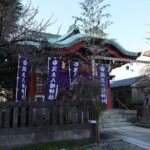
Yasaka Shrine receives about 20 minutes. Its location makes sense in this walking route, and the visit adds a religious site to the theater and entertainment themes of Pontocho and Gion.
Do not expect a long temple visit here. You will have time to see the main shrine setting and absorb the atmosphere, but the stop is brief. Since no admission fee is listed, the shrine visit itself does not add to your cost.
Day two: Osaka food, shopping, and castle views
Day two shifts from Kyoto’s old lanes to Osaka’s commercial districts. The route includes Namba, Dotonbori, Hozenji Temple, Kuromon Ichiba Market, Osaka Castle Park, and Shinsaibashi.
The Kyoto to Osaka train is included, but this is one of the days when you need to read the instructions carefully and manage parts of the journey yourself. The plan also returns you from Osaka to Kyoto by train, so you are not simply dropped in Osaka with no way back.
Namba and Dotonbori
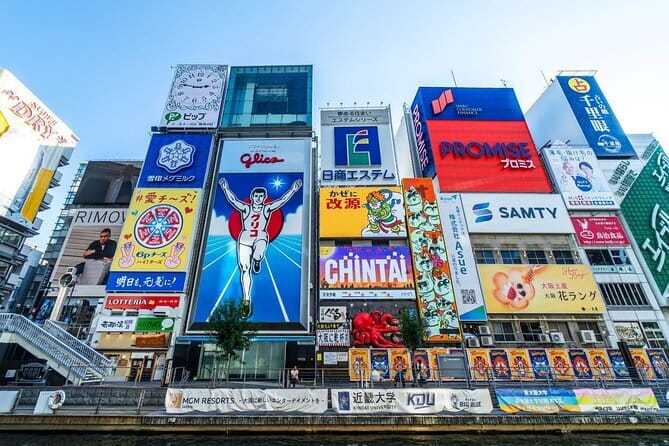
Namba gets about an hour, followed by another hour around Dotonbori. These districts are known for signs, shops, restaurants, and an energetic night-time feel. They show you a different side of Japan from the quiet lanes of Gion.
Dotonbori Tsuribori is listed as the stop name, but the activity is a walk through the entertainment district. You should see this as time to look around rather than a formal attraction with a long indoor visit.
The benefit is variety. You can compare Osaka’s loud commercial center with Kyoto’s more restrained streets in the same trip. The drawback is that these areas can feel crowded and commercial, especially if your idea of Japan centers on temples and gardens.
Hozenji Temple
Hozenji Temple takes about 20 minutes. It dates to the 17th century and gives the day a small, quiet pause amid Namba and Dotonbori.
This is one of the more appealing contrasts in the plan. You get a short look at an older religious setting without leaving central Osaka. Do not expect a large temple complex or a long guided visit. It is a compact stop that works well between city walks.
Kuromon Ichiba Market
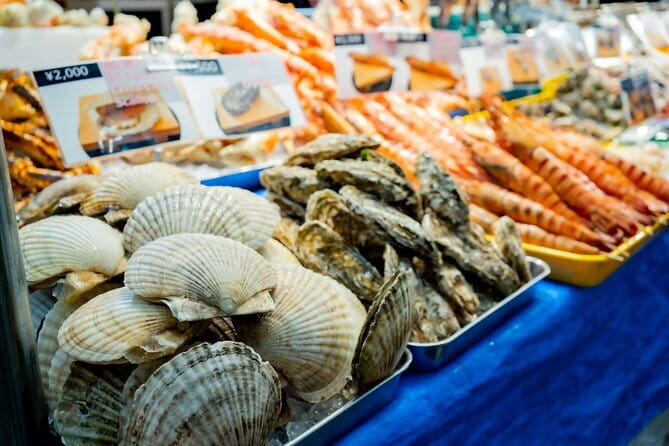
Kuromon Market is the day’s best food stop. You receive one non-alcoholic drink and some Osaka street food, which gives you a taste of the market without leaving every purchase to chance.
The market is a good place to watch how food is displayed and sold in Osaka. The included tasting helps with the tour’s value, but it is not a full meal plan. Bring extra money if you want to try more items, and keep your expectations sensible: one included tasting does not cover every specialty in the market.
The one-hour visit should give you time to walk through the main market area and sample the included food. If you enjoy eating your way through a city, this may be the most memorable part of the Osaka day. If food is not a priority, the market may feel like a busy detour.
Osaka Castle Park
The Osaka Castle portion allows about an hour. The listing specifies Osaka Castle Park rather than an included visit inside the castle keep, so you should not assume that an interior museum tour is part of the price.
The park gives you a major landmark and open space after the dense shopping districts. The castle itself is one of Osaka’s most recognizable sights, and the stop works well for photographs and a change of pace. With only an hour, you will need to choose between lingering around the grounds and seeking a closer look at the castle building.
Shinsaibashi
The final listed stop is Shinsaibashi, with about an hour to walk through the shopping district. This is useful if you want Osaka storefronts, department stores, and a city-center finish.
It is less useful if you prefer historic buildings or quiet neighborhoods. The tour gives Osaka a broad first look, but not a deep one. You will see the city’s food, shopping, entertainment, and castle themes without having time to settle into any single district.
Day three: bamboo, red torii, gold, and Nara’s Great Buddha
The third day packs several of Kyoto and Nara’s most photographed places into one route. You visit Arashiyama Bamboo Forest, Fushimi Inari-taisha Shrine, Kinkaku-ji Temple, Nara Park, and Todai-ji Temple.
This is the most demanding day. You should expect considerable walking, standing, and movement between sights. The tour advises a moderate level of physical fitness, and that is a fair description of what you need.
Arashiyama Bamboo Forest
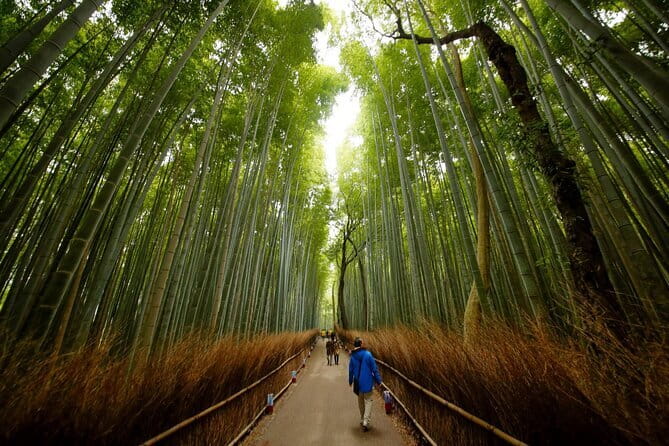
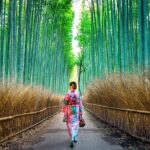
Arashiyama receives about an hour. The bamboo path is famous for its tall green stalks and enclosed feel, but the short visit keeps it focused on the main sight rather than the wider Arashiyama area.
You will not have time here for a broad exploration of every nearby attraction. Treat it as a concentrated walk and photo stop. Comfortable shoes matter, since the day continues with several more major sites.
Fushimi Inari-taisha Shrine
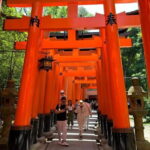
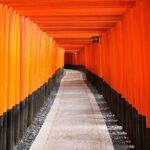
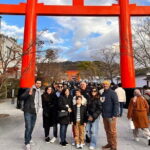
Fushimi Inari gets another hour. The shrine is known for its long rows of orange torii gates, and even a short visit lets you experience the lower portion of this major Kyoto site.
The entrance fee is not included, although the provided details do not state the amount. Carry some Japanese yen or another accepted payment method, but do not assume every minor cost is covered by the $795 price.
An hour is enough to begin the shrine route, not to walk the full mountain path. If you want a longer hike through the gates, this schedule will not allow it.
Kinkaku-ji Temple
Kinkaku-ji, the Golden Pavilion, is the only listed temple entrance fee included in the tour. You get about an hour to see the gold-covered structure reflected in its outdoor pond and walk through the surrounding grounds.
This inclusion improves the package value, since one of Kyoto’s headline sights is handled for you. The visit remains fairly short, so the appeal is the pavilion and its setting rather than a long museum or temple program.
Nara Park and Todai-ji
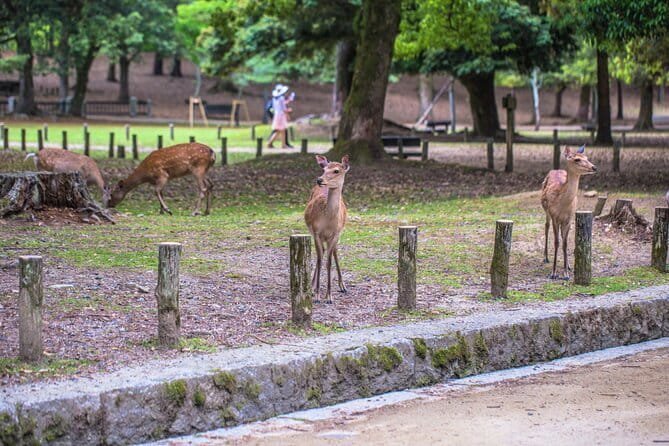
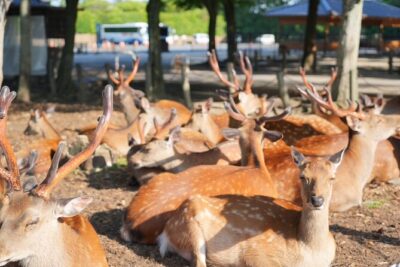
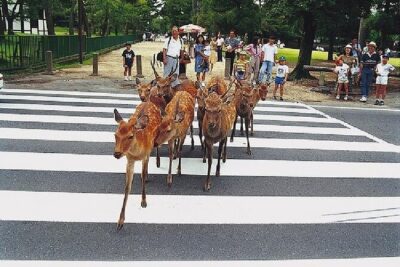
The route then reaches Nara Park for about an hour. The park is known for its free-roaming deer, and this is the most relaxed outdoor stop on the trip. You can enjoy the natural setting and the animals before entering Todai-ji.
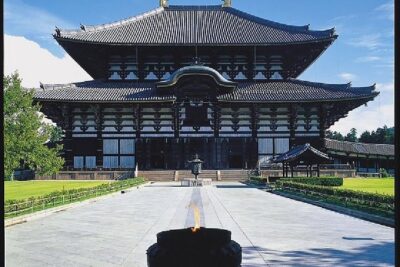
Todai-ji receives its own hour. The temple is home to the Great Buddha, one of Japan’s best-known religious works, and it gives the Nara portion real weight rather than making it only a deer-park visit.
Todai-ji’s entrance fee is not included. That extra cost is easy to overlook when comparing tour prices, so budget for it separately. The itinerary ends in Kyoto, but the supplied details do not explain the exact transport arrangement from Nara back to Kyoto. Confirm that part before departure.
Handling the trains without unnecessary stress
The largest practical issue is independent travel. The tour includes the Tokyo to Kyoto bullet train and the Kyoto to Osaka and Osaka to Kyoto trains, but the experience is not built around hotel pickup or constant escorting.
Some customers have had trouble because ticket and travel details were not clear enough. The useful lesson for you is simple: ask for the complete train information before the tour begins, not one piece at a time through customer support chat.
Keep these habits in mind:
- Arrive early at Tokyo Station for the 9:00 am meeting.
- Save every ticket, meeting instruction, and hotel detail in your phone.
- Check the exact station and platform before leaving each stop.
- Allow mental space for transfers instead of planning extra activities around them.
- Ask how the final Nara to Kyoto movement works, since that detail is not specified here.
If you are comfortable reading signs, checking routes, and staying alert in a large station, the independent sections may be manageable. If you want someone to guide you from platform to platform, this package may frustrate you.
What the $795 price really buys
The $795 cost pays for a lot of ground covered in a short period. You receive all touring and accommodation, the Tokyo to Kyoto Shinkansen, the Kyoto to Osaka and Osaka to Kyoto trains, and Kinkaku-ji admission.
You still pay for Todai-ji, Fushimi Inari’s listed entrance fee, personal expenses, and anything else not specified. Kuromon Market includes one non-alcoholic drink and some Osaka street food, but you should not treat that as a complete food budget.
The accommodation arrangement also needs attention. Single travelers must select single accommodation, and groups wanting separate rooms must choose the single-room option before completing the booking. The package is therefore best for someone who values advance structure more than hotel choice or a relaxed pace.
The current score shown for the experience is 2 out of 5 from three ratings. That small sample does not tell you everything, but the low result matches the main concern: the sightseeing itself is appealing, while the logistics may not be clearly supported enough.
Who should book this three-day route?
I would consider it if you have only a few days in Japan and want a ready-made route through Kyoto, Osaka, and Nara. It suits an active person who is willing to navigate trains and accept short visits in exchange for seeing many famous places.
It can also work for solo visitors who want accommodation and a basic sightseeing framework without arranging every train independently. The mobile ticket is convenient, but it does not remove the need to understand the meeting instructions.
I would hesitate if you need a calm holiday, private transport, flexible meals, or full-time help with transfers. Families with young children, people carrying large luggage, and anyone uneasy in unfamiliar stations should read the transport plan closely before paying.
The cancellation rule is strict: the experience is non-refundable and cannot be changed for any reason. If poor weather or too few bookings causes cancellation, you are offered another date or a full refund, but you cannot count on a refund for your own change of plans.
FAQ
Where does the tour start?
It starts at Tokyo Station, at 1 Chome-9 Marunouchi, Chiyoda City, Tokyo 100-0005, Japan.
What time does the tour begin?
The start time is 9:00 am.
Where does the tour end?
The tour ends in Kyoto, Japan.
Is the Tokyo to Kyoto bullet train included?
Yes. The Shinkansen from Tokyo to Kyoto is included in the tour price.
Are the Kyoto to Osaka trains included?
Yes. Train travel from Kyoto to Osaka and back from Osaka to Kyoto is included.
Which entrance fee is included?
Kinkaku-ji Temple admission is included. Todai-ji Temple admission and the listed Fushimi Inari entrance fee are not included.
Is the tour suitable for solo visitors?
Yes, but solo visitors must choose a single accommodation option when booking. The tour also requires a moderate level of physical fitness and includes self-guided train travel.
Should you book it?
Book this tour if your goal is to collect a strong first set of Japan highlights in three days and you are comfortable handling trains on your own. The Tokyo to Kyoto Shinkansen, Kyoto accommodation, Osaka train travel, Kuromon food tasting, and Kinkaku-ji admission give the $795 price some practical value.
Skip it if stress-free means a guide beside you for every transfer. The sights are excellent, but the route is tight, and unclear ticket instructions have been a serious weakness. Before booking, get the full transport plan in writing and confirm the Nara to Kyoto return. If those details are clear and you can keep moving, this is a useful high-speed introduction to Kyoto, Osaka, and Nara.
More Nara Day Trips in Tokyo
More tours in Tokyo we've reviewed
Nara Day Trips, compared.
 ★ 5.0World Heritage Kyoto & Nara Uji Authentic Matcha ExperienceFrom $129
 ★ 4.7Kyoto/Osaka: Nara, Fushimi Inari Taisha, Arashiyama Bus TourFrom $529 - 10 hours
 ★ 4.4Osaka/Kyoto: Arashiyama, Nara & Fushimi Inari Shrine w/LunchFrom $61
 ★ 5.0Nara Early Morning Tour (Kyoto or Osaka Departure Available)From $61
 ★ 4.5Kyoto and Nara Day Trip from KyotoFrom $194
 ★ 4.5Nara Afternoon Tour from Kyoto or OsakaFrom $102