
Reviewed · OSAKA & HIROSHIMA DEPARTURES
From Tokyo: Kyoto, Mount Fuji, and Hiroshima Guided Tour
The biggest idea here is also the biggest problem: one eight-hour tour is advertised across Tokyo, Kyoto, Mount Fuji, and Hiroshima. Those places represent very different parts of Japan, and the supplied details do not explain how you move between them or how much time you get at each stop. Confirm the exact format before paying.
I like the small limit of five people, the included admission, and the promise of an English-speaking guide with headsets. Those details could make a complicated sightseeing day easier to follow. I also like the range of subjects, from Kyoto shrines and Japanese gardens to Hiroshima’s Peace Memorial Park and Tokyo’s Shibuya Crossing.
The serious drawback is reliability. The only recorded booking feedback gives a rating of 1 out of 5, with two separate reports saying the guide did not arrive and the tour never happened. That is not a minor wrinkle. It is the main issue to resolve with Japan tourism before you book.
In This Review
- Key points at a glance
- Four famous Japanese destinations, one difficult schedule
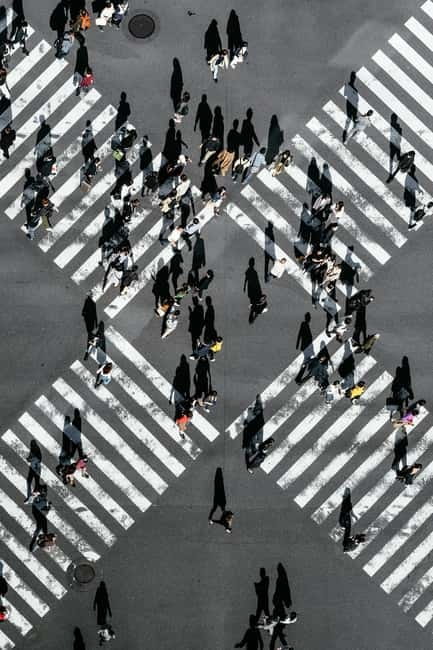
- Tokyo: modern streets and Shibuya Crossing
- Kyoto gardens and Fushimi Inari Shrine
- Mount Fuji and the sunrise claim
- Hiroshima’s Peace Memorial Park
- What a group of five changes
- Price: good group value only if the plan is real
- Walking, weather, and practical preparation
- The no-show problem deserves priority
- Who this tour may suit
- Should you book it?
- FAQ
- How long is the tour?
- Which destinations are included?
- Is a guide included?
- How many people can join the group?
- Are admission fees included?
- Is hotel pickup included?
- Is the tour suitable for wheelchair users or people with mobility impairments?
Key points at a glance
- Four major destinations in one advertised eight-hour period: Ask for a precise timetable and transport plan.
- Small groups of up to five: This could allow more direct contact with the guide, if the tour operates as promised.
- Admission and headsets are included: You should not need to pay separate entry charges for the listed sites.
- The itinerary mixes very different Japan experiences: Tokyo’s neon streets, Kyoto’s shrines, Mount Fuji’s scenery, and Hiroshima’s memorial sites each need time.
- Two no-show reports require caution: Get written confirmation of the meeting point, guide contact, and operating status.
- Moderate walking on uneven ground: The outing is not suitable for wheelchair users or people with mobility impairments.
Four famous Japanese destinations, one difficult schedule
This tour presents Japan as a quick sweep from modern Tokyo to traditional Kyoto, then onward to Mount Fuji and Hiroshima. On paper, that is an appealing lineup. You get city energy, religious architecture, mountain scenery, and a place of serious historical importance.
In practice, the timing matters more than the number of names. An eight-hour validity period is short for this combination, and no transport details are provided. You need to know if this is a live physical tour, a virtual guided presentation, or a condensed sightseeing program with selected stops. The description uses virtual tour language in places, while the practical details refer to admission, walking, headsets, and weather. That mixed wording deserves a clear answer before purchase.
If you are comparing this with a normal day tour, do not assume you will have a full visit at all five highlights. The advertised material does not give exact stop lengths, departure times, or travel methods. A good question to send the operator is simple: What exactly happens during the eight hours, and which locations are visited in person?
A few more Tokyo tours and experiences worth a look
Tokyo: modern streets and Shibuya Crossing
Tokyo is the natural starting point for a Japan overview. The tour promises a look at the city where old customs sit beside modern buildings, with a later focus on Shibuya Crossing and its neon lights.
That contrast can be useful if this is your first look at Japan. You may find the city’s appeal in the shift from quiet temples and formal gardens to bright signs, busy streets, and dense urban life. Shibuya Crossing is especially easy to understand as a symbol of present-day Tokyo, though the supplied details do not say how long you spend there or whether the visit is in person.
The lack of hotel pickup and drop-off is important here. You are responsible for getting to the meeting point, but the meeting point is not included in the information provided. With two reports of the guide not arriving, I would not leave this detail until the day of the tour. Ask for the exact location, a phone number, and a confirmation close to departure.
Kyoto gardens and Fushimi Inari Shrine
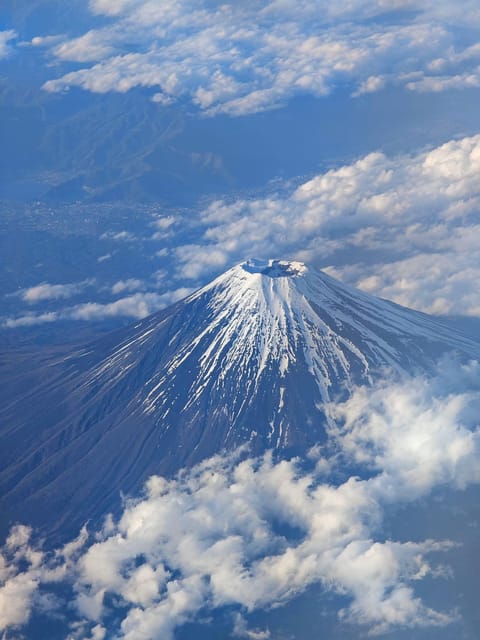
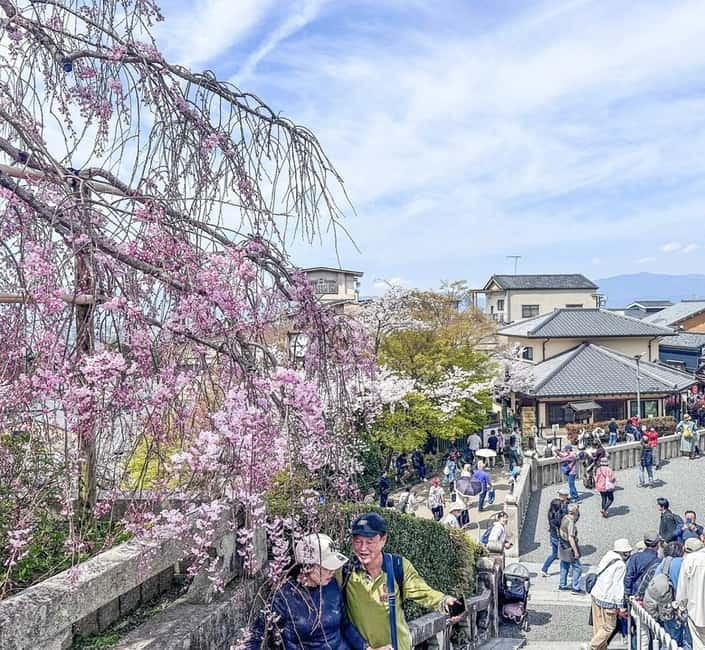
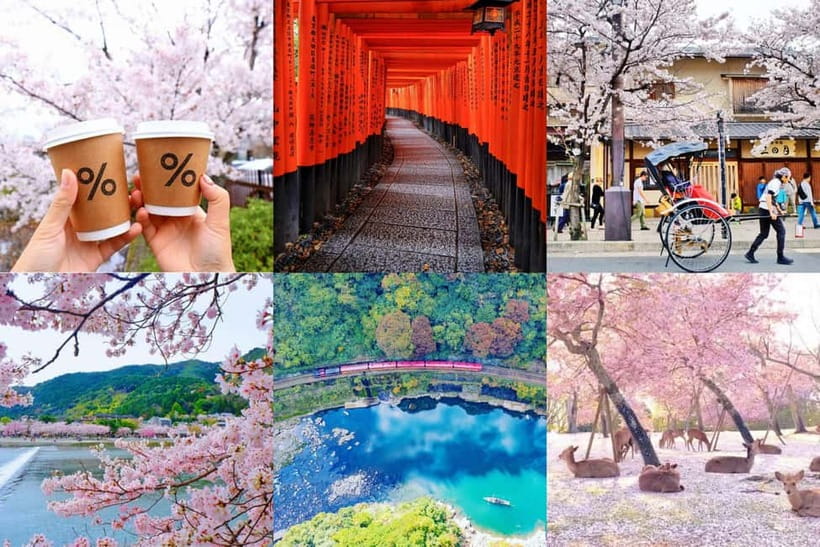
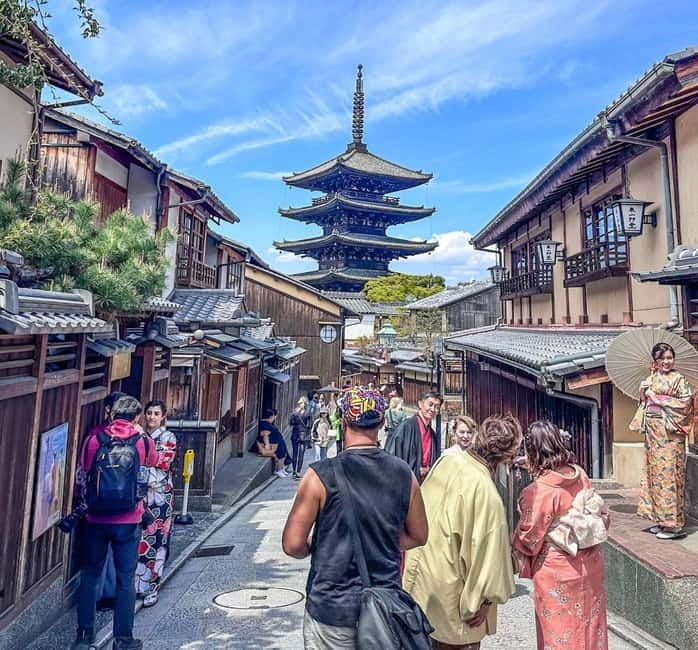
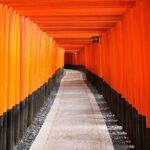
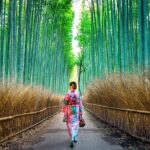
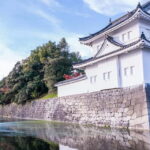
Kyoto supplies the traditional side of the program. The description points to serene gardens, temples, tea culture, and geisha traditions, along with Fushimi Inari Shrine.
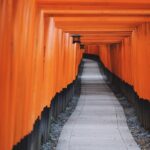
Fushimi Inari is known for its long path of red torii gates, making it one of Kyoto’s most recognizable sights. The shrine is more than a quick photo stop, though. Even a short visit involves walking, and the route includes uneven surfaces. The activity specifically warns that a moderate amount of walking is required.
The garden and temple portion could be the calmest part of the day. Gardens in Kyoto reward slowing down, looking carefully, and letting the setting speak without a packed schedule. That is why the proposed pace matters. If Kyoto is reduced to a rapid stop between long transfers, you may see the famous names without getting much sense of the place.
The tour is not suitable for children under 10, and it is not recommended for people with walking disabilities or wheelchair users. Comfortable shoes are essential. Bring water and clothing suited to the weather, since the tour operates in all conditions.
Mount Fuji and the sunrise claim
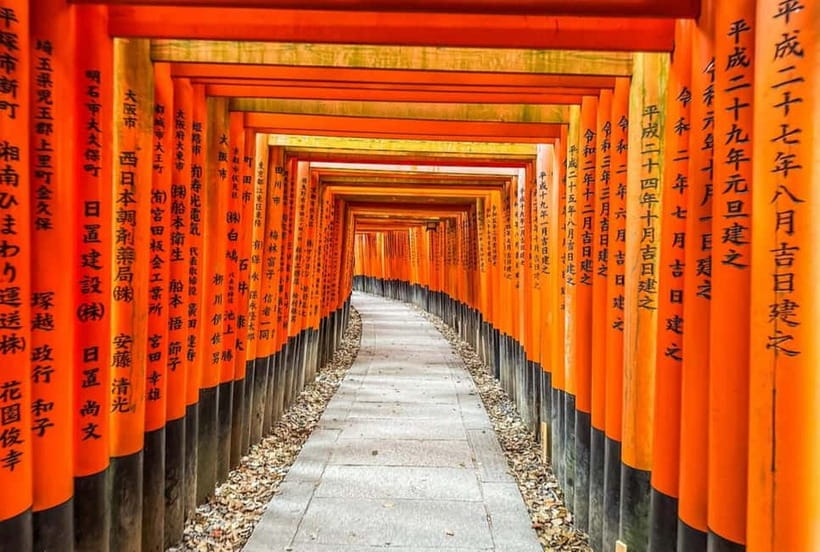
Mount Fuji is presented as a major highlight, with a promise of a sunrise from Japan’s highest summit. This wording needs special attention.
The supplied tour details do not explain whether you climb Mount Fuji, view it from a nearby site, or watch a sunrise in the surrounding area. They also do not provide a season, route, meeting time, or mountain access information. You should not assume that an eight-hour guided outing from Tokyo includes a summit ascent. Ask the operator to explain exactly where the Mount Fuji portion takes place and what sunrise from Japan’s highest summit means in this tour.
Even viewing Fuji from a nearby area can be rewarding, but visibility depends on weather. The tour runs in all weather, so clouds or rain could affect what you see. The operator does not list a weather-based alternative, so ask what happens if the mountain is hidden.
This is a good example of why precise wording matters. Mount Fuji is one of Japan’s most appealing sights, yet the value of the visit depends on location, visibility, and time. A proper schedule should tell you all three.
Hiroshima’s Peace Memorial Park
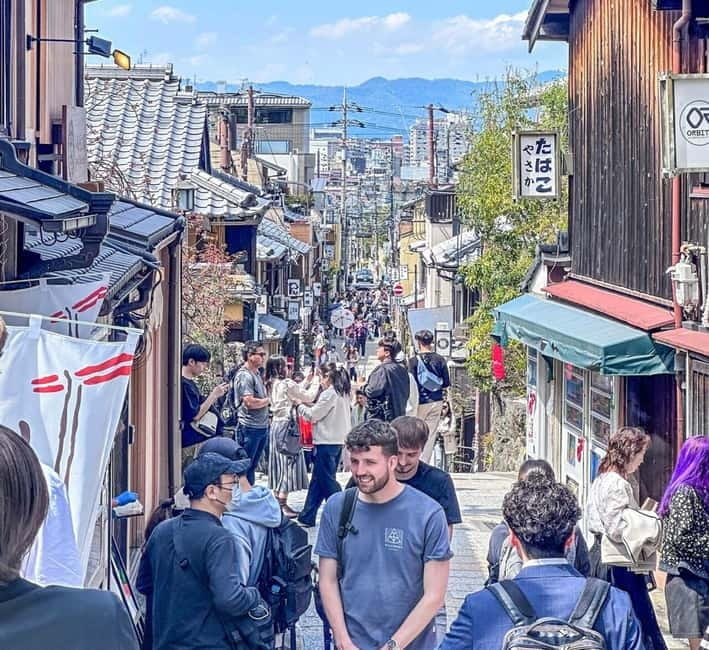
Hiroshima changes the mood of the outing. The tour includes Peace Memorial Park and the Atomic Bomb Dome, a place connected to the destruction of the city during World War II and to later messages of peace and resilience.
This is not a stop to rush through for a quick photograph. The park calls for quiet attention, and the Atomic Bomb Dome carries a weight that differs from the lighter atmosphere of Shibuya or Mount Fuji. If Hiroshima truly forms part of the physical route, ask how much time is reserved for the park and whether entry to any museum is included. The details only say that admission to all sites is included, without naming every admission or explaining what counts as a site.
The Hiroshima portion may be valuable for visitors who want historical context alongside scenic and cultural sights. It may also feel too compressed if the entire program is limited to eight hours. The description does not provide enough information to judge that balance confidently.
Other guided tours in Tokyo
What a group of five changes
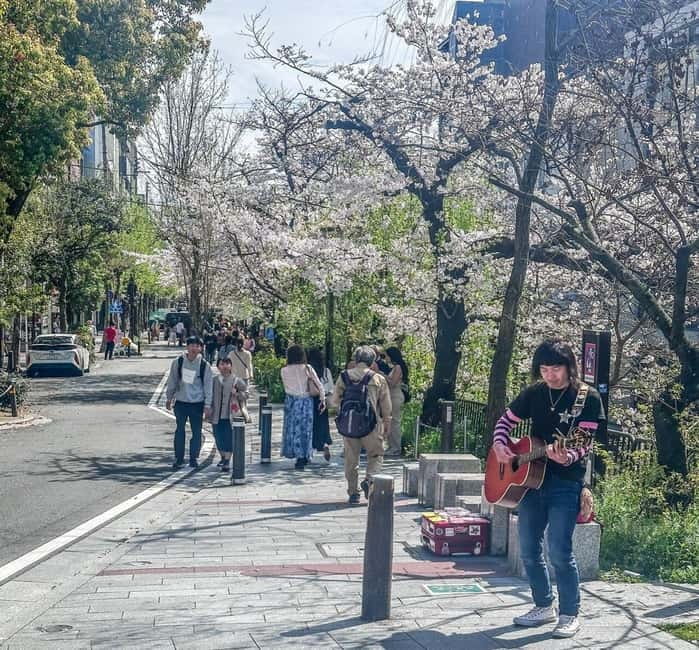
The maximum group size is five participants. That is a useful feature on paper. A small group can make it easier to hear explanations, ask questions, and adjust the pace within reason. The included headsets should also help you follow the guide in crowded areas or outdoors.
The benefit depends entirely on the guide arriving and the route operating correctly. The two no-show reports make this a point to verify, not simply a selling feature. No guide names are provided, so you cannot assess a particular leader’s background or language ability in advance. The information says the guide is professional and English-speaking, but the tour may also be operated by a multilingual guide.
If you need detailed explanations in English, ask whether the guide conducts the full outing in English or shares time among several languages. That can affect how much useful information you receive during a short schedule.
Price: good group value only if the plan is real
The price is $667 per group of up to five. At the full group limit, that works out to about $133.40 per person before any separate costs. For a private-feeling small group with admissions and a guide included, that could be reasonable.
The calculation changes if fewer than five people join. Two people would effectively pay $333.50 each, while one person would carry the full $667 cost. Food, drinks, hotel pickup, and hotel drop-off are not included, so you must add those expenses and your own transport to the meeting point.
Price alone cannot make this a good deal. The tour covers an unusually wide area, and the schedule is not sufficiently clear. A cheaper day that properly covers one region may give you more actual sightseeing time. A higher price can be worthwhile for a well-run private guide, but the no-show reports make confirmation essential.
The reserve-now-and-pay-later option provides some flexibility, and cancellation is free up to 24 hours in advance for a full refund. Still, flexible payment does not solve the practical problem of being left without a guide on the day. Save all confirmation messages and make sure you know how to contact the operator.
Walking, weather, and practical preparation
Plan for a moderate amount of walking. Comfortable shoes are not just a polite suggestion, especially if the Kyoto and shrine portions are physical visits. Uneven surfaces are specifically noted, and the outing is not suitable for wheelchair users or people with mobility impairments.
Bring a camera and water. Wear weather-appropriate clothing because the tour operates in rain and other conditions. Smoking is not allowed.
The description does not state the exact starting time. You must check availability for current start times, then compare that start with the promised Mount Fuji sunrise. If sunrise is central to your plans, this is one of the first facts to verify.
The absence of hotel pickup means you should also allow extra time to reach the meeting point. Since that location is not provided here, do not make restaurant reservations, train connections, or other fixed plans until the operator gives you a complete schedule.
The no-show problem deserves priority
Two separate reports describe the same basic failure: the tour did not happen because the provider did not show up. With only three recorded ratings and an overall score of 1 out of 5, there is no positive operating record here to offset that warning.
I would contact Japan tourism before booking and ask for four things in writing:
- The exact meeting point and start time
- The guide’s name and direct contact method
- Confirmation that the date is operating
- A detailed explanation of the Tokyo, Kyoto, Mount Fuji, and Hiroshima route
If the answers are vague, slow, or inconsistent, I would choose another arrangement. This is especially important because the tour covers several destinations and has no stated hotel pickup. A missed meeting could cost you much more than the booking price in lost time and replacement transport.
Who this tour may suit
This outing could suit you if you want a small group, an English-speaking guide, included admissions, and a broad introduction to Japan’s cultural and historical themes. It may appeal to someone with limited time who prefers a single booking rather than arranging several separate visits.
It is less suitable if you want a relaxed Kyoto day, a serious Hiroshima visit, or a clearly planned Mount Fuji ascent. It is also a poor match for anyone who needs wheelchair access, has difficulty walking on uneven surfaces, or is traveling with a child under 10.
Most of all, it suits only a reader who receives firm operating details before departure. The concept is attractive, but the execution is not clear enough to trust automatically.
Should you book it?
I would not book this tour without written confirmation from the operator. The small group and included admissions could offer fair value at the full five-person capacity, but the eight-hour schedule needs explanation, and the two no-show reports are a major warning.
If Japan tourism confirms a realistic route, names the guide, and clearly explains the Mount Fuji and Hiroshima portions, you can then judge the tour against your priorities. If you want depth, choose separate Kyoto, Mount Fuji, Hiroshima, and Tokyo visits instead. If you want convenience, insist on a precise itinerary before spending money.
FAQ
How long is the tour?
The activity is listed as valid for 8 hours. Exact start times depend on availability, and the information does not provide a detailed stop-by-stop schedule.
Which destinations are included?
The advertised destinations are Tokyo, Kyoto, Mount Fuji, and Hiroshima. Specific highlights include Kyoto gardens, Fushimi Inari Shrine, Shibuya Crossing, Mount Fuji, Peace Memorial Park, and the Atomic Bomb Dome.
Is a guide included?
Yes. A professional English-speaking guide is included. The guide may be multilingual, and no individual guide name is provided.
How many people can join the group?
The group is limited to five participants.
Are admission fees included?
Admission to all sites is included according to the activity details. Food and drinks are not included unless specifically stated.
Is hotel pickup included?
No. Hotel pickup and drop-off are not included, so you must arrange your own way to and from the meeting point.
Is the tour suitable for wheelchair users or people with mobility impairments?
No. The activity is not suitable for wheelchair users or people with mobility impairments because it involves moderate walking and uneven surfaces. It is also not suitable for children under 10.
More Guided Tours in Tokyo
More Osaka & Hiroshima Departures in Tokyo
More tours in Tokyo we've reviewed
Osaka & Hiroshima Departures, compared.
 ★ 4.1Osaka/Kyoto:Kinkakuji,Arashiyama,FushimiInariShrine,NaraParkFrom $66
 ★ 4.5One-Day Tour of Kyoto’s Highlights from Osaka/KyotoFrom $66
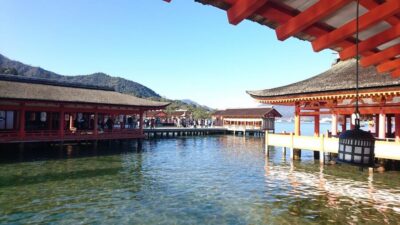 ★ 4.7Osaka/Kyoto: Hiroshima Miyajima Bus Tour & Shinkansen TicketFrom $27712 hours
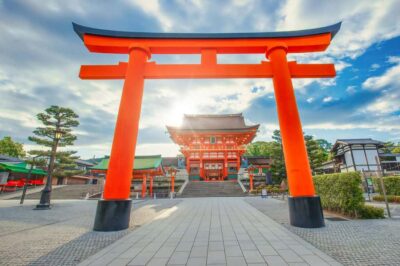 ★ 4.4Osaka/Kyoto: Arashiyama, Nara & Fushimi Inari Shrine w/LunchFrom $61
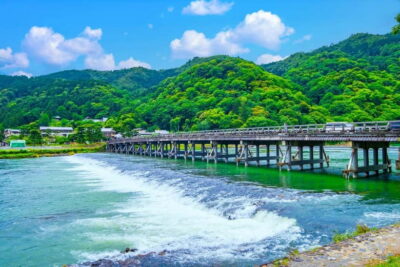 ★ 4.3From Osaka: Sagano Train Ride and Kyoto Guided Day TourFrom $66
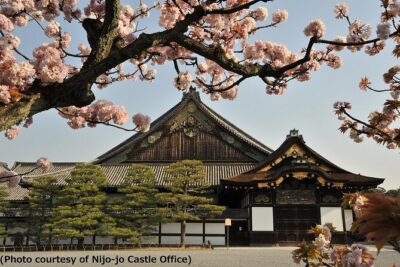 ★ 4.0Kyoto and Nara Day Trip from OsakaFrom $198