
Reviewed · NARA DAY TRIPS
From Osaka: Kyoto & Nara Highlights Day Tour (7 attractions)
Nara’s free-roaming deer and Kyoto’s thousands of red torii gates are the big draw here, but the day also brings you to the bronze Great Buddha, lantern-lined Kasugataisha, and Uji’s famous matcha street. I like the small-group minivan format, which can feel far more personal than a large coach, and I like having guides such as Jo, Min, Jeon, and Tae Hyun to explain the sites and help with photos. The tradeoff is pace: seven major stops in one day can feel like a temple marathon, especially when crowds and traffic slow things down.
The $53 price is attractive for transport between Osaka, Nara, Uji, and Kyoto, though entrance fees, lunch, and personal purchases are extra. You should also expect crowds at Fushimi Inari and Kiyomizu-dera, and the guide may shorten or adjust stops when traffic, weather, or Japan’s 10-hour vehicle rule affects the schedule.
In This Review
- Key points to know before booking
- Starting in Osaka at 8:00 AM
- Nara Park and the deer
- Todaiji and the Great Buddha
- Kasugataisha’s lantern paths
- Byodoin Temple and the Uji tea street
- Fushimi Inari’s vermilion gates
- Kiyomizu-dera and the Kyoto view
- What $53 really covers
- The pace, walking, and practical limits
- Who will enjoy this Kyoto and Nara day
- Should you book this tour?
- FAQ
- Where does the tour start?
- Where does the tour end?
- Which languages are available?
- What attractions are included?
- Is lunch included?
- Are temple admission fees included?
- Is the tour wheelchair-accessible?
- Can I bring a stroller?
- Can I cancel the booking?
Key points to know before booking
- Seven major sights in one day: Nara Park, Todaiji, Kasugataisha, Byodoin, Uji Omotesando, Fushimi Inari, and Kiyomizu-dera make this an efficient first look at the region.
- A small-group minivan feel: The format may offer more personal help than a large bus, with guides assisting at meeting points, taking photos, and suggesting food.
- Nara’s deer come first: You can feed the free-roaming deer, then see the Great Buddha inside Todaiji’s enormous wooden hall.
- Lunch is your choice in Uji: Food is not included, but the tea street gives you a useful chance to try udon, duck burgers, fried rice, and matcha sweets.
- The sightseeing is fast: Crowds, walking distances, traffic, and the number of stops mean you need comfortable shoes and realistic expectations.
- Simple cancellation terms: You can cancel up to 24 hours ahead for a full refund, and reserve now while paying later.
Starting in Osaka at 8:00 AM
Meet in front of Tsurutontan Soemoncho before 7:50 AM. Jtourstory staff will be waiting there, and the activity returns to this same meeting point at the end of the day.
That central Osaka start makes the tour easy to fit into an Osaka stay, but do not cut it close. You need to find the restaurant and locate the staff before departure. The day is built around shared transportation, so a late arrival can create a real problem.
The ride takes you from Osaka toward Nara, then onward to Uji and Kyoto. Transportation is included, and the small minivan setup can make the long day easier than arranging several trains and local connections yourself. It also gives you a guide nearby for basic directions, meeting times, and practical help.
English and Korean guiding is available. Several guides associated with this tour include Jo, Min, Jeon, and Tae Hyun. The strongest part of the guiding is practical support: Jo has helped with photos and restaurant suggestions, Min has explained cultural details and pointed out good photo spots, and Tae Hyun has been praised for careful driving. The exact guide depends on the date.
A few more Tokyo tours and experiences worth a look
Nara Park and the deer
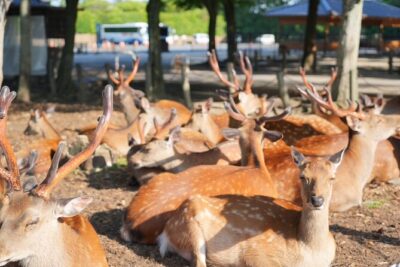
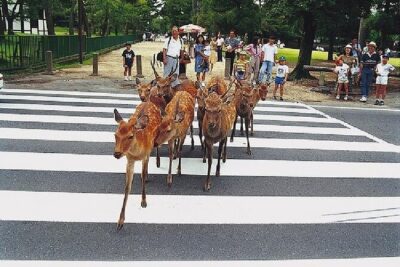
Nara Park is an excellent first stop because it gives you an immediate, memorable encounter with Japan beyond temple roofs and museum displays. Hundreds of deer roam freely through the park, around paths, trees, and historic buildings.
You can interact with them and feed them. Keep your attention on the deer rather than treating them like tame pets. They are friendly, but they are still animals, and a little patience makes the experience better for everyone.
The park is also a good place to slow down before the more crowded Kyoto stops. You can take photos, watch the deer approach, and get your first feel for Nara’s open setting. Rain can affect the mood and the experience, so bring protection if the forecast looks poor.
The tour does not provide a long, unstructured visit to Nara Park. You have other major sights ahead, so follow the guide’s timing carefully. If you want to spend hours with the deer, this is not the right format. If you want a well-planned introduction, it works well.
Todaiji and the Great Buddha

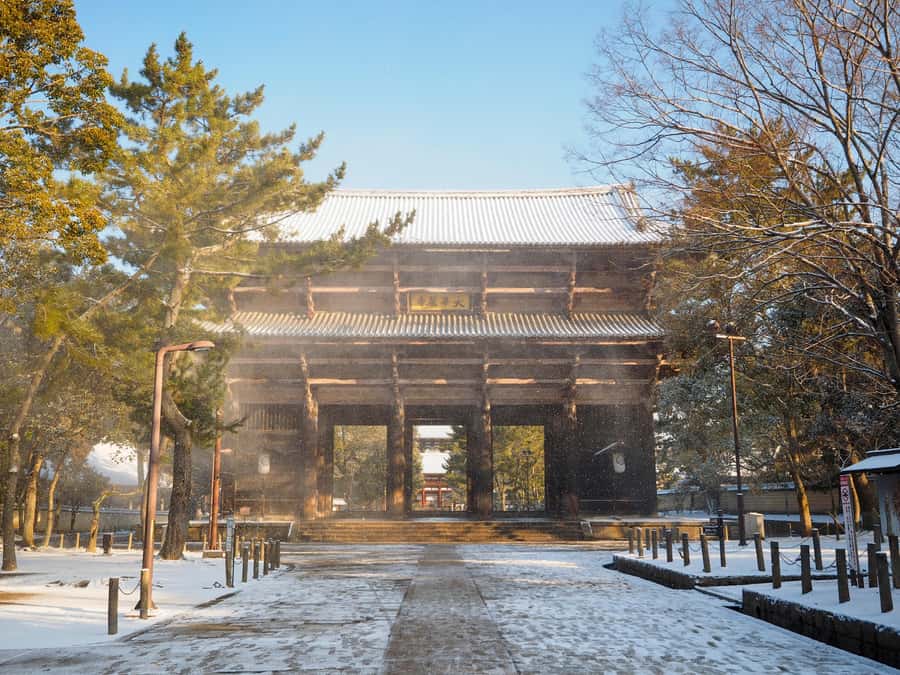
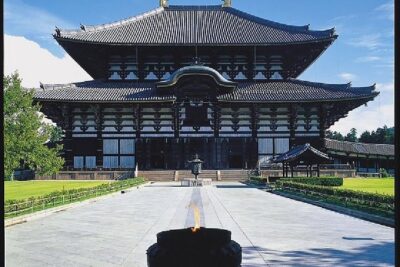
From the park, you continue to Todaiji Temple, one of the day’s most powerful stops. The main attraction is the Great Buddha, a huge bronze statue housed inside a massive wooden hall.
The scale is what matters here. You do not need a long lecture to understand why the building and statue have such impact, but a guide adds useful context about Japan’s Buddhist tradition and the role of the temple. This is one place where a short explanation can turn a quick visit into something more meaningful.
The temple can be crowded. At busy times, moving through the hall may take patience, and you may not get the calm atmosphere suggested by photographs. You also need to watch the clock, since the tour still has Kasugataisha, Uji, Fushimi Inari, and Kiyomizu-dera ahead.
I would give your attention to the Great Buddha first, then take a few minutes to notice the timber construction and the size of the hall. Do not spend all your time trying to photograph every detail.
Kasugataisha’s lantern paths
Kasugataisha Shrine shifts the mood from the large and imposing Todaiji to a quieter Shinto setting. The shrine is known for its many stone and bronze lanterns, which line the paths and add a solemn feel to the visit.
This stop is especially appealing if you enjoy atmosphere more than a single famous object. Walk slowly where you can, notice the lanterns, and listen to the guide’s explanation of the shrine’s spiritual role. The paths offer a useful contrast with the open deer park and the crowded temple hall.
Your time here depends on the season and conditions on site. The guide may adjust the stay at each stop, and the order or length of visits can change because of traffic and weather. That flexibility is necessary on a full day covering three destinations, but it means you should not expect every stop to receive equal time.
Byodoin Temple and the Uji tea street
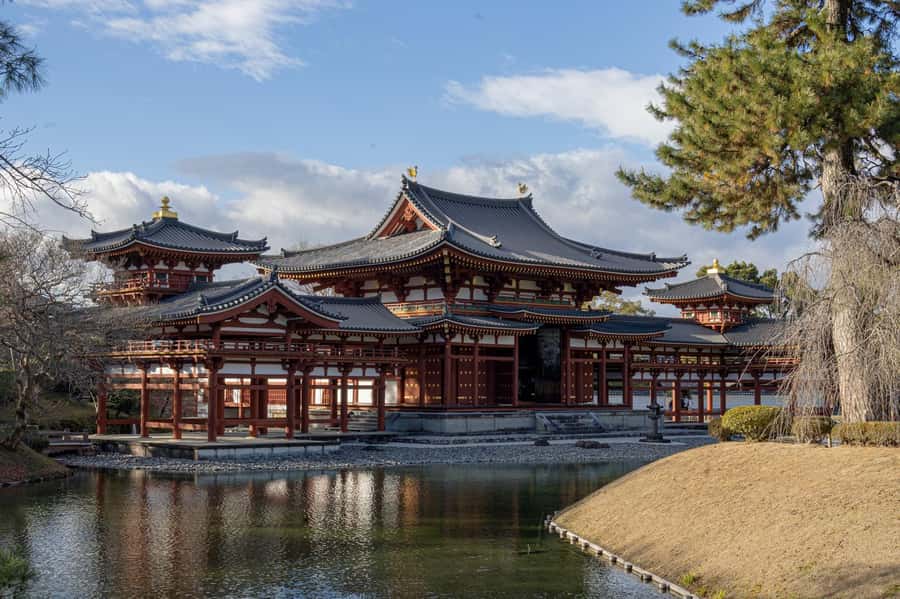
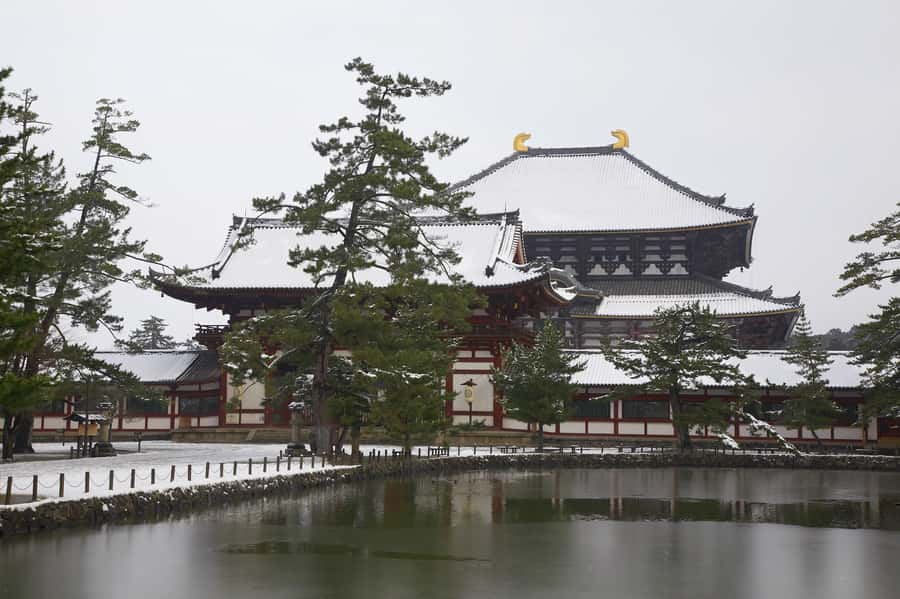
Around midday, the tour reaches Uji, where Byodoin Temple sits beside a tranquil pond. The Phoenix Hall is the star, with its golden form reflected across the water. The image is familiar to anyone who has handled a Japanese 10-yen coin, which features Byodoin on its reverse.
This is one of the day’s best photo stops. The pond gives you a clear view of the hall, while the temple grounds provide a more measured break after Nara’s large sights. Look for the Phoenix figures on the roof, an especially distinctive detail.
Admission fees are not included, so keep extra money available for the sites you choose to enter. The tour description identifies Byodoin as a visit, but the general policy makes clear that admission charges and activity costs are separate from the $53 transportation and guiding fee.
After Byodoin, you have time on Uji Omotesando, a traditional street lined with tea shops and places to eat. This is where you buy lunch at your own expense. Udon has been a popular choice, and guides have also helped people find fried rice, duck burgers, and matcha sweets.
Uji is not only a lunch stop. It gives you a chance to sample local tea culture without turning the whole day into a formal food tour. Try a matcha dessert if you want a quick taste, but remember that lunch time is limited. If you sit down for a full meal, leave enough time to return to the meeting point.
Fushimi Inari’s vermilion gates
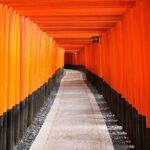
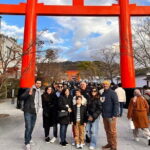
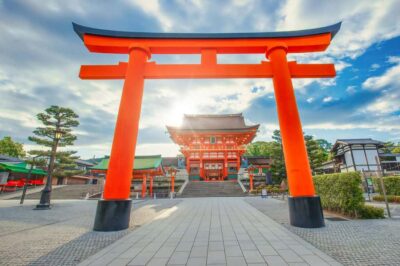
Fushimi Inari Taisha is one of Kyoto’s most recognizable sights. Its thousands of vermilion torii gates create long tunnels that climb Mount Inari, forming one of the most striking walks in Japan.
The first section is usually the most accessible and crowded. You can walk beneath the gates, take photographs, and feel the shift from ordinary city space into a sacred mountain route. You do not need to reach the upper parts to understand the appeal, especially with several more sights still waiting.
This is also where the pace may feel tight. Fushimi Inari can be packed, and stopping for photographs slows everyone down. Stay aware of the group meeting time. The gates extend much farther than most first-time visitors expect, so do not assume you can walk to the top and return comfortably during a short stop.
The shrine is valuable because it lets you experience a living religious site rather than simply viewing a historic building. You see people moving through the gates for different reasons, while the guide helps you understand what you are looking at.
Kiyomizu-dera and the Kyoto view
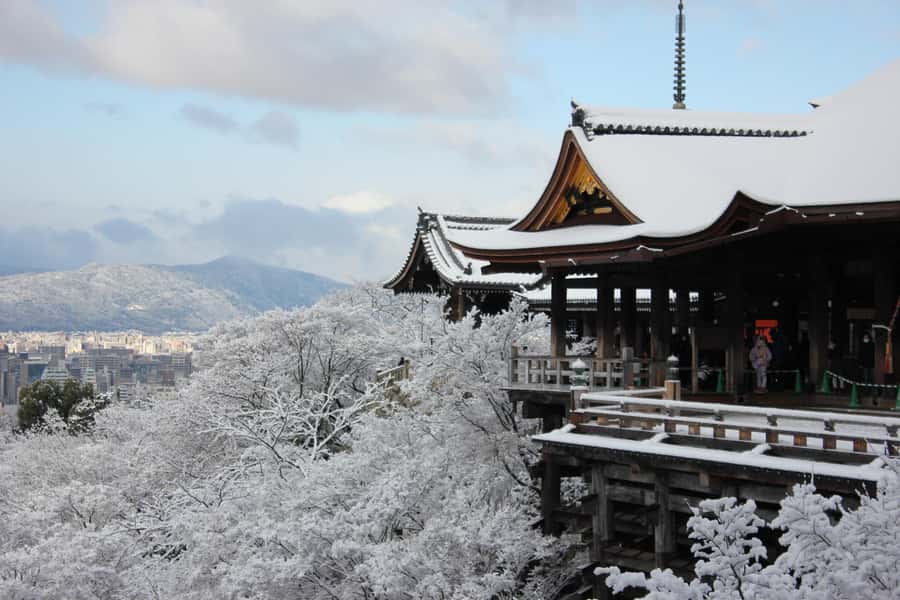
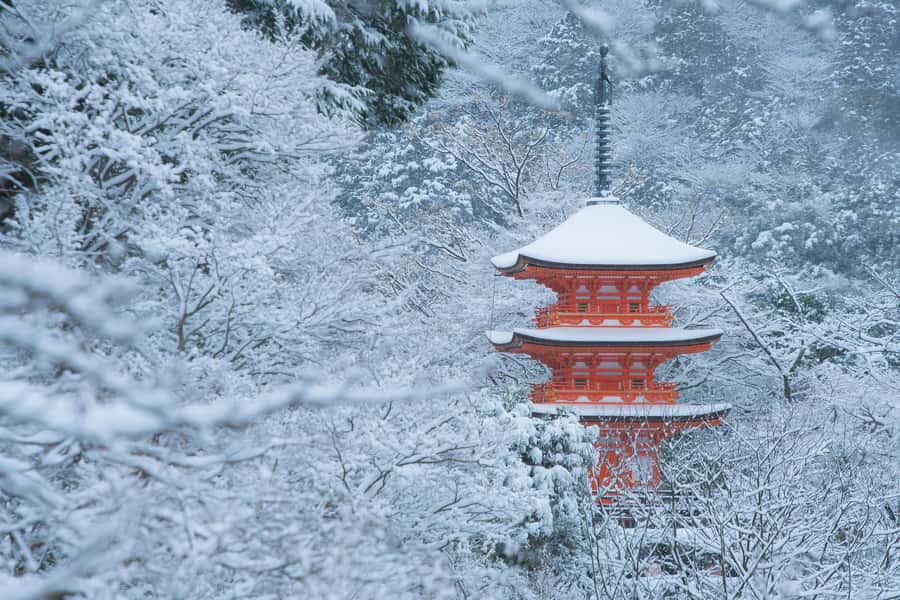
The final major stop is Kiyomizu-dera, a UNESCO World Heritage site built around a large wooden stage. From the terrace, you can look over Kyoto and take in the city from a high viewpoint.
The temple grounds are rewarding in every season. Spring brings cherry blossoms, while autumn brings maple color. Even outside those periods, the wooden architecture and elevated view give the day a fitting finish.
Kiyomizu-dera is also one of Kyoto’s most popular places. Crowds can make it difficult to see every part of the temple, and you may find yourself moving with a steady flow of people. The surrounding shopping streets and market areas add interest, but prices can be aimed at the tourist trade, so compare before buying.
Give priority to the wooden terrace and the main views. If time allows, explore the surrounding paths and shops. You may not see every interior space clearly when the site is crowded, and that is an important limitation of a packed day tour.
What $53 really covers
At $53 per person, this tour offers strong value if your main goal is to connect several distant sights without managing the transport yourself. Osaka, Nara, Uji, and Kyoto are not a simple hop between nearby attractions, and a private car would cost much more.
The price includes transportation and an English or Korean-speaking guide. It does not include meals, entrance fees, activity charges, insurance, or personal expenses. Your final cost will therefore be higher than the advertised rate, especially if you enter paid temple areas and buy lunch or matcha treats.
I see the value in the guided transport, not in a fully customized sightseeing schedule. You are paying for reach and convenience. You are not paying for a slow, specialist tour of one temple complex.
The small-group format can improve that value. A minivan and a limited group may give you more direct help than a large coach, and guides can sometimes adjust their advice to the people in the vehicle. Still, traffic and the 10-hour legal limit for vehicle operation can force changes.
The pace, walking, and practical limits
This is a full-day outing with seven stops, so comfortable shoes matter. You will walk through parks, shrine paths, temple grounds, torii tunnels, and busy shopping areas. Some surfaces and routes may be uneven, and the tour is not wheelchair-accessible.
The activity is stroller-friendly, but you should tell the operator if you are bringing a baby stroller. Infants are free, though no seat is provided. That is an important point for families, since the minivan setup may be less flexible than a private vehicle.
The schedule depends on traffic, weather, season, and the conditions at each attraction. The guide can change the itinerary to comply with Japanese law, which prevents vehicles from operating for more than 10 hours. In plain terms, you should treat the order and exact time at each place as flexible.
A previous family outing included a one-year-old, and the guide provided help throughout the day. That suggests the tour can work for families who are comfortable with a long schedule, but the pace may still be tiring for young children.
Who will enjoy this Kyoto and Nara day
I would recommend this tour to first-time visitors who want the major sights in one efficient day. It is particularly useful if you are staying in Osaka and do not want to plan separate rail trips, local buses, temple entrances, and meal stops.
It also suits you if you value practical help. Guides may assist with finding the meeting point, suggest food, explain cultural details, drive safely, and take photos. That personal support can matter when you are trying to fit a lot into a single day.
I would hesitate if your priority is quiet temple time. Fushimi Inari, Kiyomizu-dera, Todaiji, and the Uji sites can all be crowded, and the schedule does not leave much room to linger. A slower custom tour or a self-guided overnight stay in Kyoto would better suit someone who wants early morning or evening access.
The tour also needs a little fitness. Slow walkers can be supported, but you should still expect a long day on your feet. If you prefer short distances and long breaks, seven attractions may be too ambitious.
Should you book this tour?
Book it if you want a low-cost, well-organized introduction to Nara and Kyoto from Osaka, and you accept that famous places come with crowds and time limits. The combination of deer, the Great Buddha, lantern paths, Byodoin, Uji tea shops, Fushimi Inari, and Kiyomizu-dera gives you a broad first look at the region.
Skip it if you want a relaxed day centered on one or two sites, or if entrance costs and extra purchases must stay within the $53 price. For most first visits, though, the transport alone makes the rate appealing. Reserve and pay later if you need flexibility, and remember that cancellations made at least 24 hours ahead receive a full refund.
FAQ
Where does the tour start?
Meet in front of Tsurutontan Soemoncho before 7:50 AM. Jtourstory staff will be at the meeting point for the 8:00 AM departure.
Where does the tour end?
The activity ends back at the original meeting point at Tsurutontan Soemoncho.
Which languages are available?
The tour provides English and Korean-speaking guides.
What attractions are included?
The route covers Nara Park, Todaiji Temple, Kasugataisha Shrine, Byodoin Temple, Uji Omotesando, Fushimi Inari Taisha, and Kiyomizu-dera Temple.
Is lunch included?
No. Lunch is at your own expense, with time provided around Uji Omotesando. Meals and personal purchases are not included.
Are temple admission fees included?
No. Admission fees and activity charges are separate from the tour price.
Is the tour wheelchair-accessible?
No, this activity is not wheelchair-accessible.
Can I bring a stroller?
Yes, the activity is stroller-friendly. Tell the operator if you will bring a baby stroller.
Can I cancel the booking?
Yes. You can cancel up to 24 hours in advance for a full refund. You can also reserve and pay later.
More Osaka & Hiroshima Departures in Tokyo
More Nara Day Trips in Tokyo
More tours in Tokyo we've reviewed
Nara Day Trips, compared.
 ★ 5.0World Heritage Kyoto & Nara Uji Authentic Matcha ExperienceFrom $129
 ★ 4.7Kyoto/Osaka: Nara, Fushimi Inari Taisha, Arashiyama Bus TourFrom $529 - 10 hours
 ★ 4.4Osaka/Kyoto: Arashiyama, Nara & Fushimi Inari Shrine w/LunchFrom $61
 ★ 5.0Nara Early Morning Tour (Kyoto or Osaka Departure Available)From $61
 ★ 4.5Kyoto and Nara Day Trip from KyotoFrom $194
 ★ 4.5Nara Afternoon Tour from Kyoto or OsakaFrom $102