
Reviewed · NARA DAY TRIPS
From Tokyo to Kyoto and Nara: A Captivating Full-Day Private Tour
Kyoto’s Golden Pavilion, Nara’s free-roaming deer, and Fushimi Inari’s red gates all fit into one ambitious day from Tokyo. The tour handles the bullet train booking and gives you a private guide, so you can spend your limited time sightseeing instead of wrestling with Japanese rail websites.
I like the private format, which lets you adjust the pace and interests of your group. I also like the guide support at both ends of the journey, especially for first-time visitors who want help with train connections, temple customs, and local history. The drawback is clear: 10 hours is a very tight schedule, and the advertised price does not include the train, local transport, guide pickup costs, meals, or two temple admissions.
In This Review
- Key points to know before booking
- A remarkable day, but not a relaxed one
- Nara Park and the deer
- Todaiji and the Great Buddha
- Kinkakuji, Kyoto’s Golden Pavilion
- Lunch beneath Kyoto Station
- Gion and the old wooden streets
- Fushimi Inari’s red torii gates
- What the private guide adds
- The schedule, trains, and extra charges
- Who will get the most from this day
- Should you book From Tokyo to Kyoto and Nara?
- FAQ
- How long does the tour last?
- Is the tour private?
- Are bullet train tickets included?
- What transportation costs are extra?
- Is Tokyo pickup included?
- Are meals included?
- Are temple admission fees included?
- Can I cancel for a full refund?
Key points to know before booking
- Tokyo to Kyoto and back in one day: The bullet train makes this possible, but much of your day will be spent moving between cities.
- Nara adds wildlife and scale: Nara Park is free to enter, and deer roam the grounds around Todaiji and Kasuga Shrine.
- Private guiding matters here: Guides including Ahmed Abu Tayeh, Yuka, Moto, Midori, Yuji Hino, Kento, and Kazz have been assigned to different departures.
- The main Kyoto sights are tightly packed into the schedule: Kinkakuji, Gion, Fushimi Inari, and lunch near Kyoto Station each receive about an hour.
- The real cost is far above $490: Train tickets, transport, pickup, meals, and admission fees are extra.
- You need moderate fitness: Expect a long day with train travel, walking, temple grounds, stairs, and quick transitions.
A remarkable day, but not a relaxed one
This experience is designed for a very particular kind of Japan visit: you are based in Tokyo, have only one open day, and want to see Kyoto and Nara without arranging every rail and local connection yourself.
The headline price is $490 per private group of up to 10 people. That sounds reasonable for a full day of one-to-one guiding, but it is only the starting point. The bullet train from Tokyo to Kyoto and back is listed at about ¥28,000 per person, while transportation is listed at up to ¥100,000 per booking. A Tokyo Station pickup by the guide adds ¥60,000 in cash. Lunch and temple admissions are also separate.
That makes this a convenience purchase, not a budget day trip. For a couple, the extra transport and rail charges can push the total sharply upward. For a larger group, the private guiding and shared transport may make better financial sense because the base cost is divided among more people.
I would book this only if seeing Kyoto and Nara from Tokyo is important enough to justify a tiring day. If you can spend two or three nights in Kyoto, that is the better way to experience the area. If you truly have one day, this tour gives you a practical way to attempt it.
A few more Tokyo tours and experiences worth a look
Nara Park and the deer
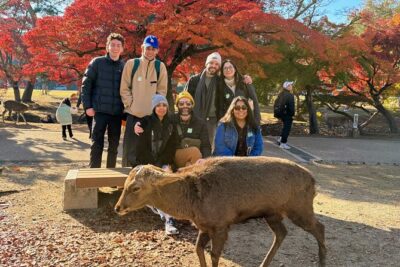
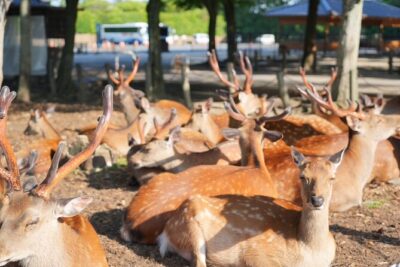
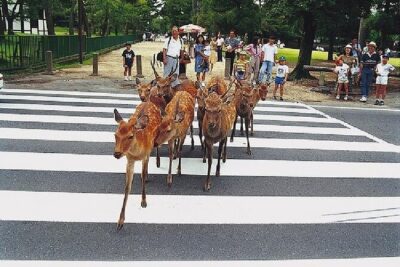
Nara Park is the gentlest opening to the sightseeing portion of the day. You receive about an hour to walk through the broad park, where deer roam freely among the trees and temple grounds.
The deer are the obvious attraction, but the park works best when you slow down enough to notice the setting. The animals are part of the everyday scene rather than a staged show. You can interact with them, though the supplied advice is worth taking seriously: if you feed them, keep your hands clear once the food is gone. Deer can become persistent when they expect another snack.
Admission to Nara Park is free, which helps offset the extra costs elsewhere. The limitation is time. One hour allows for a pleasant walk and photographs, but it does not allow you to explore every corner of this large area.
Your guide can also help you understand the behavior and setting of the deer. That is useful because the park can otherwise feel like a quick photo stop. Ask your guide to point out how Nara’s religious sites, old paths, and animals fit together.
Todaiji and the Great Buddha
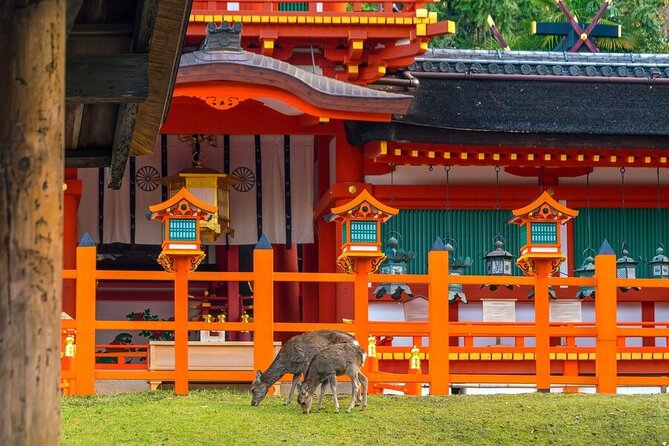
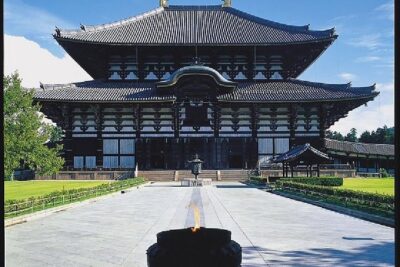
Todaiji is the main reason to make the trip to Nara. The temple’s Great Buddha Hall contains one of the world’s largest bronze Buddha statues, and the scale of the building gives the visit real force even if you have already seen many Japanese temples.
You have about an hour for Todaiji and Kasuga Shrine according to the planned route. That is enough for the main hall and a look at the surrounding grounds, but not enough for a slow study of every structure.
Admission to Todaiji is not included. The listed combined entrance cost for Todaiji and Kinkakuji is ¥1,300 per person, so keep cash available for these fees.
A guide adds value here because many visual details are easy to miss. Yuji Hino, for example, explained the source and arrangement of the pathway stones to one group, along with the symbolism connected to them. That kind of explanation changes the visit from simply seeing a giant statue to understanding how the site communicates religious ideas through buildings, stones, and movement.
Kasuga Shrine is included in the Nara portion, though the schedule gives only about an hour for both sites and the park. If Todaiji is your priority, tell the guide early. The private setup makes that kind of adjustment more realistic than it would be on a fixed group excursion.
Kinkakuji, Kyoto’s Golden Pavilion
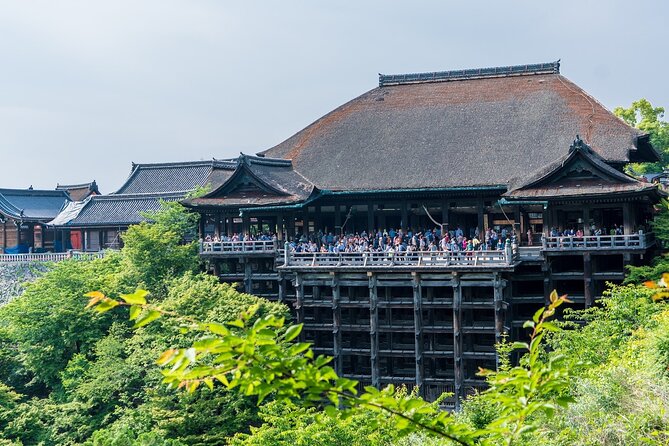
Kinkakuji, usually called the Golden Pavilion, is Kyoto’s most instantly recognizable temple sight. Its gold-covered upper stories reflect in the pond, and the garden path gives you changing views as you walk.
The setting is carefully composed, so the visit can feel more like a sequence of framed views than an open-ended temple exploration. You cannot simply wander everywhere, and the route can feel crowded at popular times. Still, the pavilion is famous for good reason. It is one of the strongest visual stops on this packed itinerary.
The planned visit lasts about an hour, with admission extra. That is enough time to follow the visitor path, see the pavilion from the main viewpoints, and walk through part of the garden.
I would not expect a quiet, reflective temple visit here. The value is visual and historical context, plus the chance to see one of Kyoto’s signature places without spending half a day figuring out buses and directions. A guide can also help you place the reconstructed building and its design in a broader Japanese setting, rather than leaving you with only a photograph.
Lunch beneath Kyoto Station
Lunch takes place at Porta Dining, the underground dining area beneath Kyoto Station. You receive roughly an hour for the break, and the location is practical because it keeps you close to the rail network.
This is not presented as a formal food tour. Instead, it is a chance to choose from several Japanese dishes while staying on schedule. Your guide can suggest a meal, and one group specifically appreciated a recommendation for traditional food.
Lunch is not included, so plan to pay separately. The hour may pass quickly once you are seated, ordering, and eating, especially if your train arrived late or the earlier stops ran over.
The setting also gives you a brief look at Kyoto’s modern side. Kyoto Station is not an old wooden quarter, but its underground dining and large transport complex show how the city functions today. That contrast is useful on a day otherwise filled with temples, shrines, and historic streets.
Other private tours in Tokyo
Gion and the old wooden streets
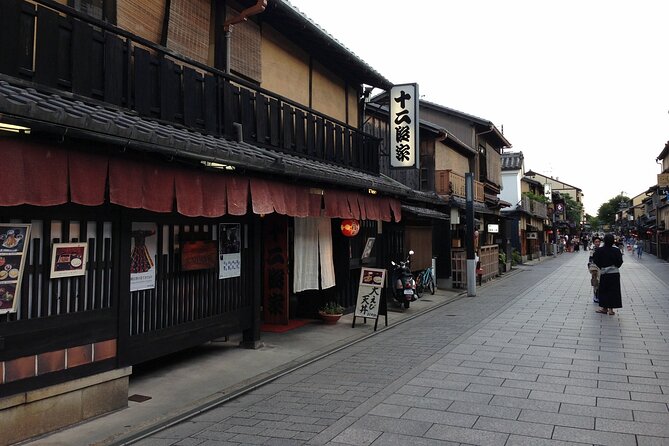
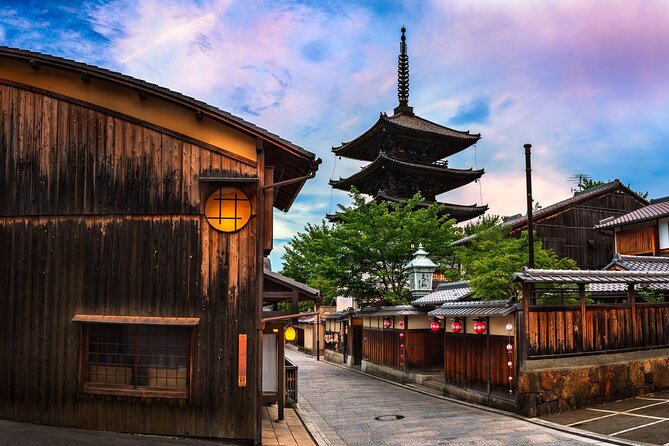
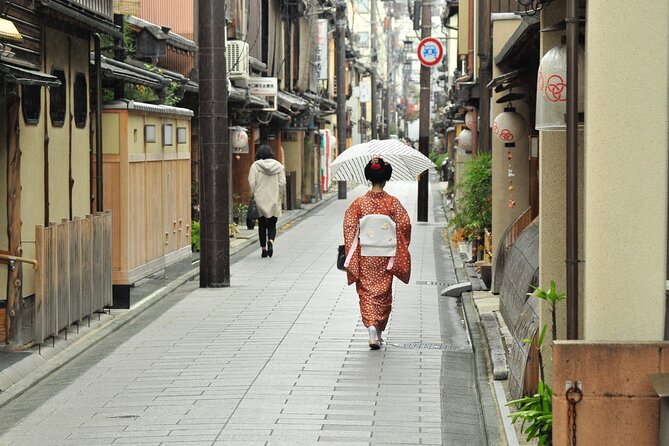
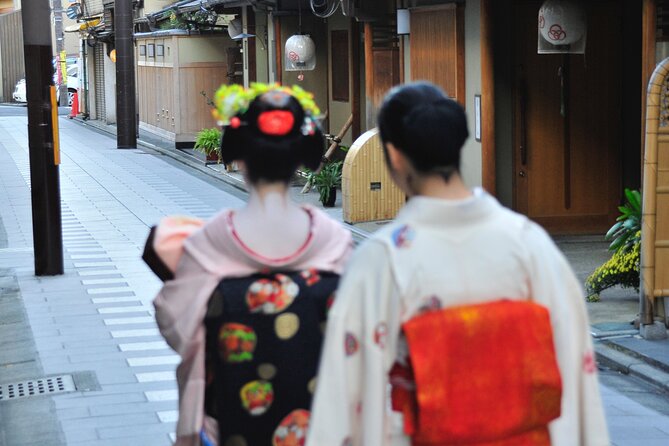
Gion is Kyoto’s best-known geisha district, with traditional wooden machiya houses and narrow streets that preserve a strong sense of place. The planned stop lasts about an hour and is intended for walking and seeing the district’s traditional character.
You should treat Gion as a residential and working neighborhood, not a theater set. Walk quietly, avoid blocking entrances, and do not photograph people without permission. Your guide can explain the difference between the district’s public streets, restaurants, tea houses, and traditional architecture.
This is also one of the stops where an English-speaking guide can make a real difference. Many signs and cultural references are not explained in English, and the district’s customs are not always obvious from the street.
The drawback is that one hour is barely enough for a walk through a small part of Gion. You will not get a full evening experience, and you should not expect to spot a geisha. The value lies in seeing the architecture and learning how the district functions, not in chasing a particular photograph.
Fushimi Inari’s red torii gates
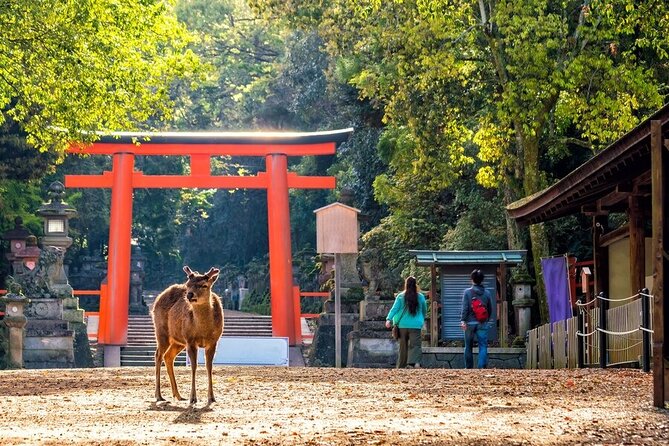
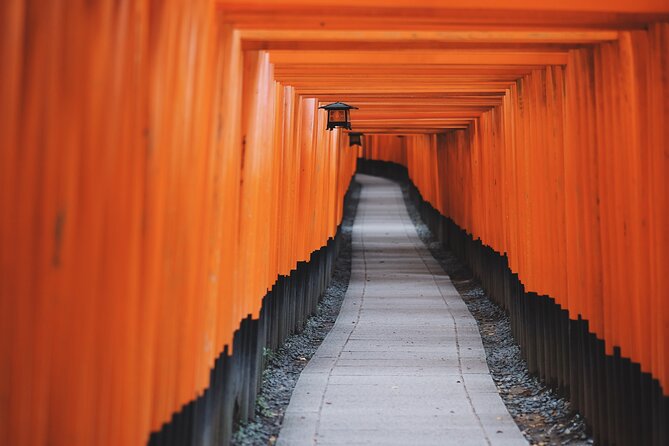
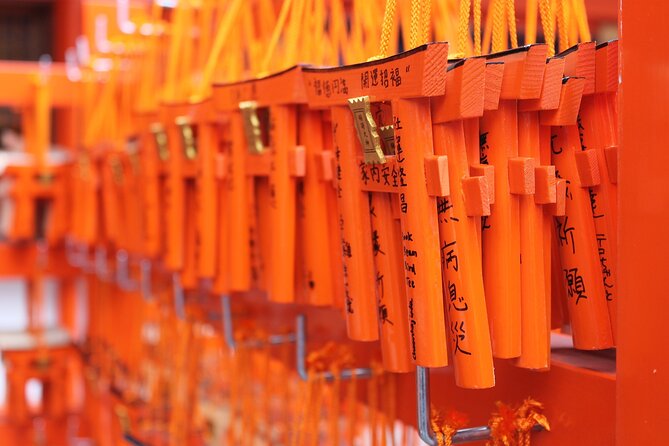
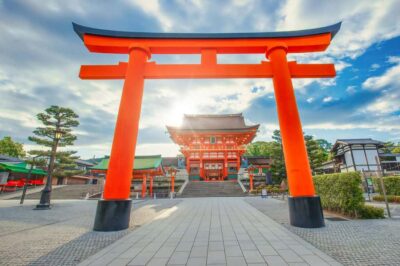
Fushimi Inari Taisha is the final major Kyoto sight on the listed route. Its thousands of red torii gates create long corridors up the wooded mountain behind the shrine.
The first stretch is the most accessible and photogenic, but the full route extends much farther than most short visits allow. With about an hour, you can pass through the lower gates, see the main shrine area, and walk far enough uphill to get a feel for the scale.
Wear practical shoes. The tour requires a moderate fitness level, and Fushimi Inari adds slopes and steps to a day that already includes a lot of walking and train travel.
This is a good place to tell your guide what matters most. If you want to walk farther under the gates, you may need to shorten another stop. If you are tired, the lower shrine area still gives you the essential experience without attempting the entire climb.
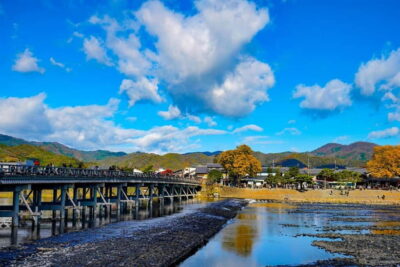
One review refers to Arashiyama’s bamboo forest, but bamboo forest is not included in the six-stop route supplied here. Do not assume it is part of your booking. Ask about any changes before the day begins, since adding Arashiyama would make an already compressed schedule even harder.
What the private guide adds
The strongest reason to choose this experience is the guide. The day involves multiple cities, a bullet train, local transportation, ticket timing, temple visits, and a return trip. Having one person manage the flow can prevent small delays from becoming major problems.
The guide assignments vary. Ahmed Abu Tayeh is praised for adjusting plans, explaining history and culture, helping with navigation, and taking photographs. Yuka is described as strong on both past and present Japanese culture. Moto worked especially well with a family that included a five-year-old child.
Other named guides include Midori, Yuji Hino, Kento, and Kazz. Kento is described as friendly, fully bilingual in English, and paired with a clean vehicle and driver. Midori is noted for warmth and close attention, while Yuji’s explanations show the level of detail you may receive at a temple.
The quality of your day will depend partly on the individual guide assigned. At booking, confirm the guiding language, pickup point, proposed route, and how much freedom you have to change the order of stops.
The schedule, trains, and extra charges
The tour lasts about 10 hours, which includes a major rail journey from Tokyo to Kyoto and back. The guide handles the bullet train booking, but the tickets are not included.
The listed rail cost is about ¥28,000 per person, depending on the ticket type. The transportation charge is listed as up to ¥100,000 per booking for up to five people, with a note to contact the provider for larger groups. A Tokyo Station pickup by the guide costs ¥60,000 in cash.
These figures need careful clarification before you pay. The wording suggests several separate costs, and you should ask exactly what the ¥100,000 transportation charge covers, how it is collected, and whether it applies to your group size and route. Also confirm where you meet the guide after arriving in Kyoto.
The schedule allows about one hour at each listed stop. That gives the day a clean structure, but it leaves little room for a delayed train, a long lunch, heavy crowds, or a group member who needs frequent breaks. One group had a delayed train and still received help adjusting the day, which shows why private guiding can be useful.
Who will get the most from this day
I would recommend this tour to a first-time visitor with a business schedule, cruise-style time limits, or only one free day in Japan. It also suits families and small groups that would rather pay for guidance than manage Tokyo to Kyoto rail arrangements alone.
The experience is less suitable if you want long temple visits, relaxed meals, extensive shopping, or a slow look at Kyoto neighborhoods. It is also a poor fit if the added transportation and train fees would strain your budget.
The physical side matters. You need moderate fitness for station transfers, walking through park and temple grounds, and the gates and slopes at Fushimi Inari. The private format helps with pacing, but it cannot make Kyoto and Nara physically closer to Tokyo.
Cancellation is free up to 24 hours before the start time. Inside that window, changes and refunds are not accepted. The experience requires good weather, and a weather cancellation offers a different date or a full refund.
Should you book From Tokyo to Kyoto and Nara?
Book it if your goal is to collect the essential sights of Kyoto and Nara in one carefully managed day, and if you understand that the day will be fast. The guide support, flexible itinerary, and help with bullet train arrangements are valuable when your time is short.
Before booking, request a complete written cost estimate. Include the private tour fee, train tickets, local transportation, Tokyo pickup if needed, temple admissions, lunch, and any gratuity. Then ask which guide is assigned and confirm whether your preferred stops can fit.
If you can stay overnight in Kyoto, choose the longer visit instead. If you cannot, this private tour is one of the more practical ways to attempt a very ambitious Tokyo day trip, provided you accept the cost and pace.
FAQ
How long does the tour last?
The experience lasts approximately 10 hours.
Is the tour private?
Yes. Only your group participates, and the tour can accommodate up to 10 people.
Are bullet train tickets included?
No. The guide arranges the bullet train booking, but the ticket cost is separate. The listed estimate is about ¥28,000 per person for travel from Tokyo to Kyoto and back, depending on the ticket type.
What transportation costs are extra?
Transportation is not included. The listed amount is up to ¥100,000 per booking for up to five people. You should confirm the exact charge and what it covers before booking.
Is Tokyo pickup included?
A Tokyo Station pickup by the guide costs ¥60,000 in cash. Confirm the meeting arrangement and fee for your departure.
Are meals included?
No. Lunch at Porta Dining beneath Kyoto Station is separate.
Are temple admission fees included?
No. Admission to Todaiji and Kinkakuji is separate. The listed amount for those two temples is ¥1,300 per person.
Can I cancel for a full refund?
Yes, if you cancel at least 24 hours before the experience start time. Cancellations or changes made within 24 hours are not refunded, and bad-weather cancellations offer either another date or a full refund.
More Full-Day in Tokyo
More Private Tours in Tokyo
More Nara Day Trips in Tokyo
More tours in Tokyo we've reviewed
Nara Day Trips, compared.
 ★ 5.0World Heritage Kyoto & Nara Uji Authentic Matcha ExperienceFrom $129
 ★ 4.7Kyoto/Osaka: Nara, Fushimi Inari Taisha, Arashiyama Bus TourFrom $529 - 10 hours
 ★ 4.4Osaka/Kyoto: Arashiyama, Nara & Fushimi Inari Shrine w/LunchFrom $61
 ★ 5.0Nara Early Morning Tour (Kyoto or Osaka Departure Available)From $61
 ★ 4.5Kyoto and Nara Day Trip from KyotoFrom $194
 ★ 4.5Nara Afternoon Tour from Kyoto or OsakaFrom $102