
Reviewed · KYOTO PREFECTURE
Amanohashidate Sand bar & culture e-bike tour
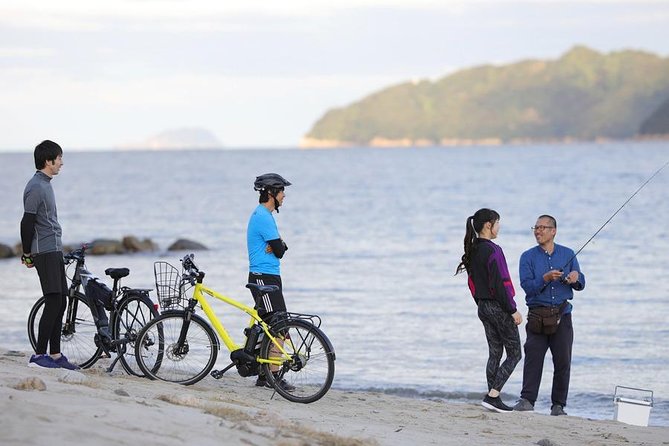
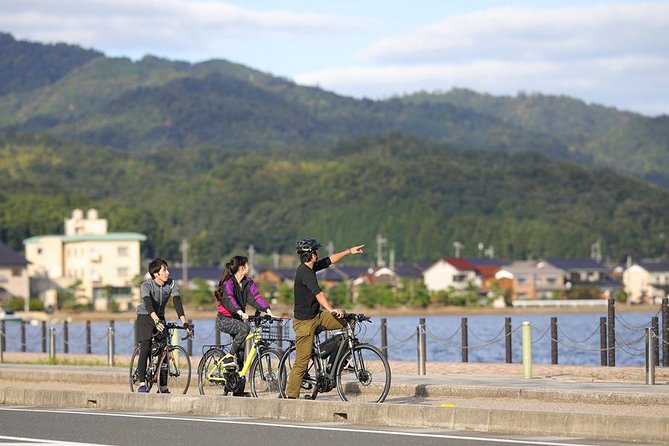
Amanohashidate is best understood from two angles: at water level, where you pedal a 3-kilometer sandbar between beaches and pine trees, and from above, where the narrow strip seems to stretch across the bay. This private e-bike outing gives you both views, then adds quiet roads and old shrines beyond the usual photo stop.
I like the latest electric bikes, which make the ride friendly even if you are not a strong cyclist. I also like the guide’s flexibility. One group faced intense heat, and the route was adjusted to favor flatter, shadier roads. The main catch is that the tour lasts only about two and a half hours, so Amanohashidate View Land’s admission, and any cable car or lift ride, costs extra and takes time from the cycling route.
In This Review
- Key things to know before you book
- Why Amanohashidate works so well by bicycle
- Starting with Amanohashidate Shrine and Chion-ji
- Crossing the sandbar between beaches and water
- Amanohashidate View Land from above
- Manai Shrine and the story of the gods
- Motoise Konojinja and a quieter cultural finish
- Rice fields, old roads, and the value of a private route
- What the two-and-a-half-hour timing really means
- Who will get the most from this e-bike outing
- Practical value at $97.73 per person
- Should you book the Amanohashidate e-bike tour?
- FAQ
- How long does the Amanohashidate e-bike tour last?
- How much does the tour cost?
- Is the tour private?
- Are electric bicycles provided?
- Is Amanohashidate View Land included in the price?
- Can most people participate?
- What happens if the weather is poor?
Key things to know before you book
- A 3-kilometer sandbar by e-bike: Amanohashidate is open to pedestrians and bicycles, giving you an unusual way to cross one of Japan’s most famous scenic sites.
- Private guiding: Only your group takes part, so the route can be adapted to heat, energy, and prior visits when possible.
- Sacred sites beyond the main resort area: Manai Shrine and Motoise Konojinja add quiet religious and cultural stops after the beach ride.
- Electric assistance helps on the road: The modern e-bikes reduce the strain, though you still need to be comfortable riding a bicycle.
- View Land is optional and costs extra: You can see Amanohashidate from above, but admission is not part of the tour price.
- Book well ahead in busy periods: This experience is typically reserved about 52 days before the date.
Why Amanohashidate works so well by bicycle
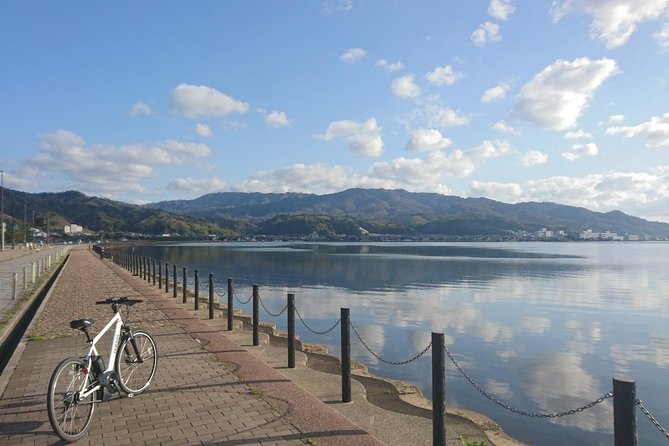
Amanohashidate means Bridge to Heaven, a fitting name for a slender natural sandbar that reaches roughly 3 kilometers across the bay. It has been admired since ancient times and is counted among Japan’s Three Most Scenic Spots.
From a car window, you get a quick look. On foot, you get a slower crossing. By bicycle, you can stop near the beaches, notice the water on both sides, and move at a useful middle pace. That is the central appeal of this tour.
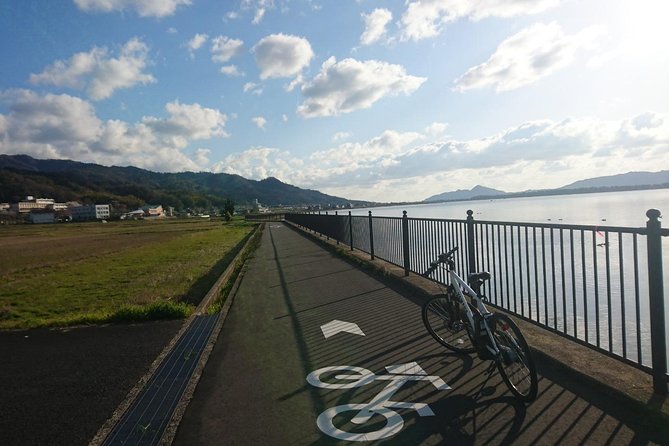
The sandbar allows only pedestrians and bicycles, so the ride feels separate from ordinary road traffic. You are not racing through a city street or following a bus from one lookout to the next. The route connects the main cultural sights with the physical setting that made Amanohashidate famous in the first place.
The electric motor matters here. The tour is not described as a hard athletic ride, and the e-bikes are intended to help people who are not especially fit. Still, you should be able to ride a bicycle safely and manage a two-and-a-half-hour outing. Electric assistance removes much of the worry about effort, but it does not replace balance, attention, or comfort in the saddle.
Other cycling tours in Kyoto Prefecture
Starting with Amanohashidate Shrine and Chion-ji
The first stop is Amanohashidate Shrine, located on the sandbar itself. The visit is brief, about five minutes, but its position makes it a useful introduction to the connection between this place and Japanese Shinto belief.
You can then continue toward Chion-ji Temple. This is another short stop, also listed at about five minutes, so do not expect a long temple visit or an extended religious lecture. Its value is in placing the sandbar within the wider cultural life of the area.
These opening stops also help you get oriented. Amanohashidate is not only a scenic strip of sand and trees. Shrines, temples, beaches, and local roads all fit into the same compact setting. The guide can explain the meaning of the places as you move between them, rather than leaving you to connect the sights on your own.
Because the stops are short, anyone hoping for detailed temple architecture or a long period of quiet prayer may find the pace brisk. I would treat them as focused introductions, not full temple tours.
Crossing the sandbar between beaches and water
The main ride takes about 20 minutes. You cycle across the sandbar, passing through the unusual setting that gives Amanohashidate its fame.
The route offers a closer look than the classic hilltop photograph. You can see the beaches and ocean from ground level, with the sandbar itself shaping the view. The ride is also a welcome change from a standard walking tour. You cover more distance, but the electric bike keeps the outing from becoming a race.
The beach element is worth noting. One earlier outing included time around beaches and encouraged bringing swimwear for fun in the water. That does not mean swimming is guaranteed as a formal part of this tour, so pack bathers only if you are prepared for an informal beach opportunity rather than a scheduled swim session.
Heat can change the character of the ride. A hot day may make the exposed sections less pleasant, and the group experience shows why a private booking is useful. The guide can choose a flatter, shadier route when conditions call for it. Ask about the day’s plan at the start, especially during summer.
Amanohashidate View Land from above
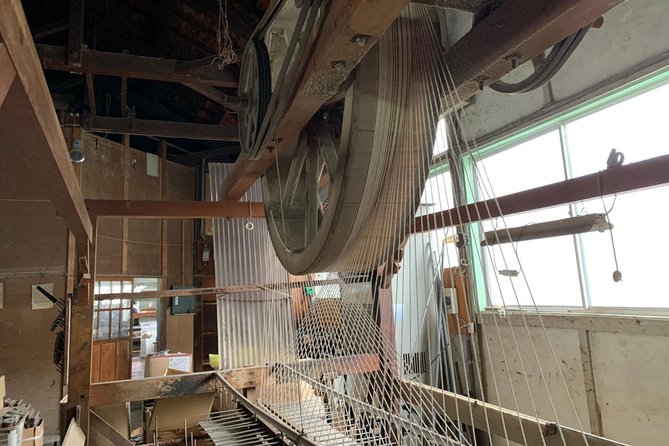
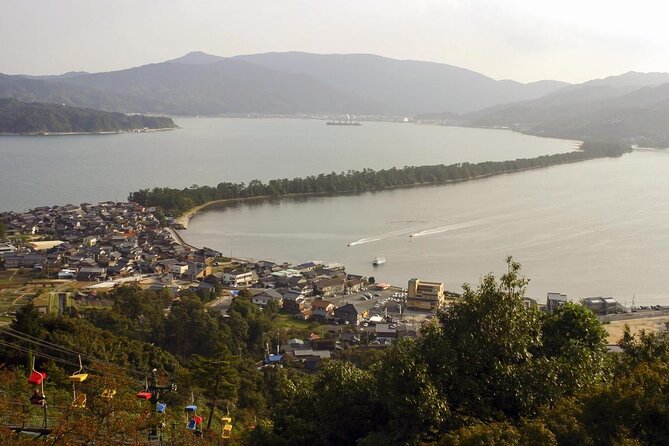
Amanohashidate View Land provides the high viewpoint. From above, the sandbar’s shape becomes clear, with the narrow strip connecting the surrounding waters like a bridge.
The stop is scheduled for about 20 minutes. Entrance is not included in the tour price, and the attraction may involve a cable car or similar ascent. One outing treated the cable car as a welcome bonus, but you should budget for the separate admission and allow enough time for the visit.
If you have already visited View Land, you can skip it. That flexibility is useful for repeat visitors and for anyone who would rather spend the available time riding or visiting the shrines. If this is your first time in Amanohashidate, I would give the viewpoint serious consideration. The beach-level ride shows how the sandbar feels; the high view shows why it is famous.
There is a tradeoff. The tour itself costs $97.73 per person, and the viewpoint adds another charge. The total can still be fair for a private experience with a bike, guide, and cultural stops, but you should not mistake the advertised price for an all-inclusive day package.
Manai Shrine and the story of the gods
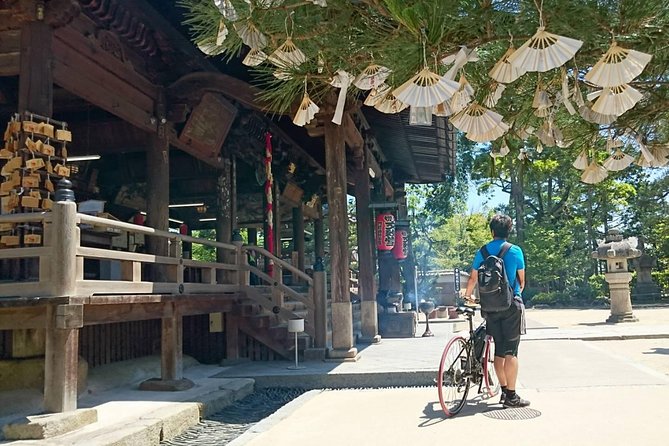
After the central sandbar sights, the tour heads to Manai Shrine. The visit takes about 10 minutes and shifts the mood from scenic recreation to sacred tradition.
Manai is described as a place where the gods first descended from heaven. You can see holy water, bamboo forests, and the gods’ boats. Those details give the stop a strong sense of place, even though the visit is short.
This is one of the best reasons to choose the e-bike tour instead of stopping only at Amanohashidate’s main viewpoint. The ride carries you beyond the most obvious scenic circuit and gives you access to a site tied to local Shinto belief. You are not simply collecting photographs. You are learning why the area has mattered for centuries.
The stop may feel too brief if you want time for a long personal visit. Ten minutes is enough to see the setting and hear an explanation, but not enough for an unhurried religious experience. Keep that in mind when deciding how much extra time to spend in the area before or after the tour.


Motoise Konojinja and a quieter cultural finish
Motoise Konojinja Shrine is another 10-minute stop. Like Manai Shrine, it is linked to the story of the gods’ first descent from heaven.
The shrine is noted for its thatched roof and turtles. These are small details, but they make the stop memorable. A thatched roof gives the site a different visual character from the more familiar urban temples and shrines you may see elsewhere in Japan. The turtles add a local point of interest that your guide can place in context.
The two shrine visits work well together. Manai offers holy water, bamboo, and the boats associated with the gods. Motoise Konojinja brings a thatched building and turtles. Together, they broaden the outing from a scenic bike ride into a short introduction to the spiritual traditions of the Amanohashidate area.
Again, the schedule is tight. You will see the main features, but you will not have hours for independent wandering. If you prefer long museum visits, extensive photography, or slow temple exploration, you may want to arrange extra time in the area outside this tour.
Rice fields, old roads, and the value of a private route
The connecting ride is part of the experience, not dead time between attractions. You pass rice fields and historic roads while looking toward the ocean. That mix gives you a better sense of the area than a single lookout can provide.
I especially value the route’s local focus. The tour does not stay only at the famous sandbar. It uses the bicycle to reach places that can be missed when you follow the standard sightseeing path. The old roads and agricultural views also help explain how the scenic area fits into daily life.
Because this is a private activity, only your group takes part. That changes the pace. You can ask questions without holding up a large group, and the guide can respond to your energy level. On a very hot day, the route has been adjusted to include flatter and shadier sections. That is a practical advantage, not just a comfort detail.
The private format also makes the price easier to assess. At $97.73 per person, it is not the cheapest way to see Amanohashidate. But you are paying for a guide, an electric bicycle, a planned route, and access to a set of cultural sites in a short window. For a small group that values active sightseeing, the cost can make sense. For a solo visitor who only wants the sandbar and a photograph, renting a bicycle independently may be cheaper, though it would not provide the same guided context.
Group discounts are available, which may improve the value for families or friends booking together.
What the two-and-a-half-hour timing really means
The advertised duration is about 2 hours and 30 minutes. That is enough for a clear sampler of Amanohashidate, but not enough for every stop to become a long visit.
The listed timing includes roughly:
- Five minutes at Amanohashidate Shrine
- Five minutes at Chion-ji Temple
- Twenty minutes crossing the sandbar
- Twenty minutes at Amanohashidate View Land
- Ten minutes at Manai Shrine
- Ten minutes at Motoise Konojinja Shrine
The remaining time covers the bike setup, riding between sites, and transitions. This helps explain why the tour feels active and efficient. You are constantly moving, with short cultural pauses rather than one long stay at a single attraction.
If you have already seen View Land, skipping it may give the route more breathing room. If you want to swim, take many photographs, or study each shrine, you should plan extra personal time before or after the tour. The outing is a guided overview with real riding, not a full-day cultural study.
Who will get the most from this e-bike outing
I would recommend this tour to you if you want to combine scenery and culture without spending the whole day walking. It is a good fit for couples, families, and small groups who enjoy private guiding and want a route that can respond to the weather.
It also suits visitors who have already seen the main view of Amanohashidate and want something different. The beaches, rice fields, historic roads, and shrines add variety without requiring a complicated independent plan.
You should think twice if you dislike bicycles, have no confidence riding one, or want a slow, formal shrine visit. The e-bike reduces physical strain, but the activity remains a bicycle tour. The short stops may also feel rushed to anyone who prefers lingering at one site.
The tour requires good weather. If poor conditions force a cancellation, you can choose another date or receive a full refund. For other cancellations, you need to cancel at least 24 hours before the local start time for a full refund. Changes or cancellations inside that window are not accepted.
Practical value at $97.73 per person
The price is strongest when you use the tour as a compact introduction to the whole Amanohashidate area. You get the sandbar, beaches, viewpoints, roads through the countryside, and two important shrines in one guided outing.
The price is less attractive if you plan to visit only one or two of those places independently. View Land admission is separate, and the tour is not a full-day package with every possible activity included. Still, the private format and electric bike offer something beyond a simple admission ticket.
The fact that people commonly reserve it about 52 days ahead suggests that you should not leave a preferred date until the last moment. Confirmation is sent within 48 hours of booking, subject to availability. The experience is near public transportation, and most people can participate, but the exact meeting and bike arrangements should be checked when your booking is confirmed.
Should you book the Amanohashidate e-bike tour?
Book it if you want to see Amanohashidate from the sandbar itself, appreciate a flexible private guide, and add shrines and countryside to the famous view. The electric bikes make the distance manageable, and the guide can adjust the route when heat or energy becomes a problem.
Skip it if your priority is the lowest possible cost, a long swim, or extensive time inside each shrine. You will need to pay separately for View Land, and the 2-hour-30-minute schedule moves at a purposeful pace.
For most first-time visitors who want more than a quick lookout photograph, this is a well-balanced choice. Bring water, dress for the weather, and ask about the day’s route. If you want the high view, budget for View Land. If you want an active way to connect Amanohashidate’s scenery with its older religious traditions, this tour earns its place on your itinerary.
FAQ
How long does the Amanohashidate e-bike tour last?
The tour lasts approximately 2 hours and 30 minutes.
How much does the tour cost?
The listed price is $97.73 per person. Group discounts are available.
Is the tour private?
Yes. Only your group participates in this private activity.
Are electric bicycles provided?
Yes. The tour uses the latest e-bikes, designed to make the ride manageable even for people who are not physically fit.
Is Amanohashidate View Land included in the price?
No. The entrance fee for Amanohashidate View Land is charged separately.
Can most people participate?
Most people can participate, and the tour is near public transportation. You still need to be able to ride a bicycle safely.
What happens if the weather is poor?
The experience requires good weather. If it is canceled because of poor weather, you can choose a different date or receive a full refund.
More Cycling Tours in Kyoto Prefecture
More tours in Kyoto Prefecture we've reviewed


Kyoto Prefecture, compared.
 ★ 4.9Kyoto: Zen Meditation and Garden Tour at a Temple with LunchFrom $1074h 30m
 ★ 5.0Kyoto: Hike and Hot Springs in KuramaFrom $804 hours
 ★ 4.9Itajime Shibori Scarf Class at Kyoto Shibori MuseumFrom $421 hour
 ★ 5.0Shibori Furoshiki Course at Kyoto Shibori MuseumFrom $421 hour
 ★ 5.0Kyoto Satoyama Cycling with Lunch and English GuideFrom $78
 ★ 5.0Kyoto 1 Day Suntory Yamazaki Distillery Tour and Asahi Art MuseumFrom $163