
Reviewed · KYOTO PREFECTURE
Shibori Furoshiki Course at Kyoto Shibori Museum
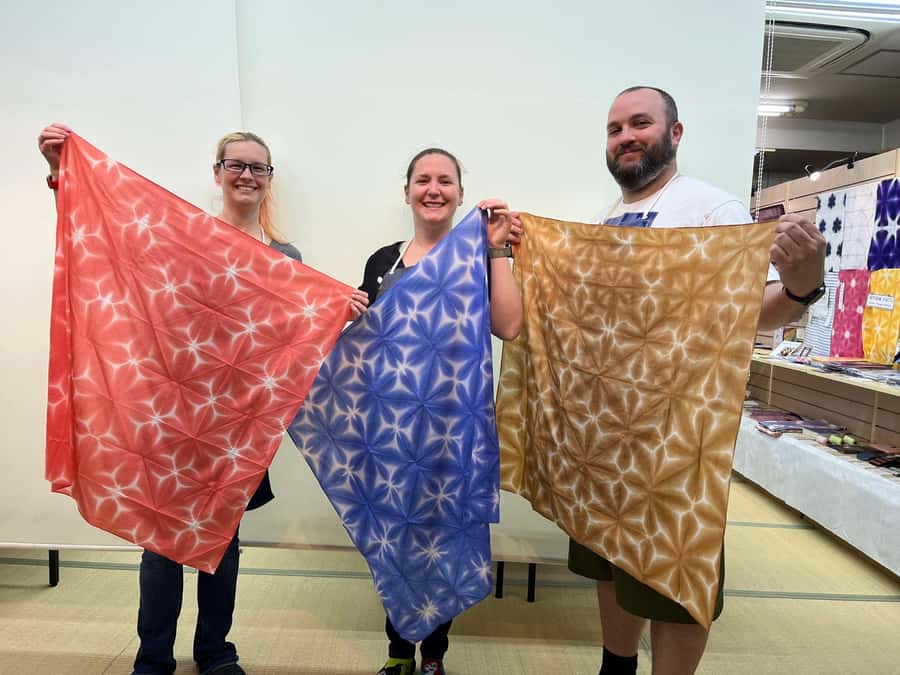
A large cotton cloth turns into a snowflake-patterned furoshiki at the Kyoto Shibori Museum, just a five-minute walk from Nijo Castle. I like that you leave with a useful handmade souvenir, not just a few notes about Japanese craft. I also like the small class size, with no more than eight people, and the chance to inspect the exhibits while your fabric dries.
The main drawback is time. The activity lasts about an hour, and the hands-on part may take only 30 to 60 minutes, so it can feel short for the $42 price. Still, the museum admission, careful instruction, and finished cloth make this a good pick if you want a focused craft activity rather than a long workshop.
In This Review
- Key points to know before booking
- A hands-on introduction to Kyoto shibori
- What happens during the one-hour class
- The reveal is the best part
- Explore the museum while your fabric dries
- Why the furoshiki makes a good Kyoto souvenir
- Price, time, and overall value
- Who will enjoy this most
- How to fit it into a Kyoto day
- The museum shop and the wider craft display
- Should you book the Kyoto Shibori Museum workshop?
- FAQ
- How long does the Shibori Furoshiki Course last?
- What will I make?
- Is museum admission included?
- How close is the museum to Nijo Castle?
- What languages are available?
- How large is the class?
Key points to know before booking
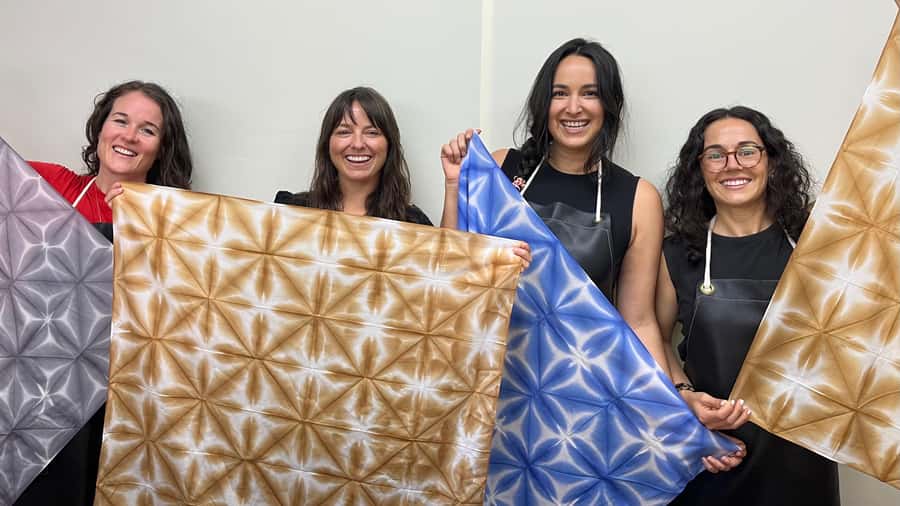
- Make a large 86 x 89 cm cotton furoshiki: Your finished piece is big enough to use as a wrapping cloth or display at home.
- Try sekka-shibori: Folding and dyeing create a delicate, snowflake-like pattern with pleasing surprises when the cloth opens.
- Use drying time well: Your fabric dries while you look through the museum’s shibori samples and art pieces.
- Walk from Nijo Castle: The museum is about five minutes away, making this easy to pair with a castle visit.
- Learn in a small group: Classes are limited to eight people, with instruction available in English and Japanese.
- Take home a practical souvenir: The cloth is personal, light to pack, and connected to a traditional Kyoto craft.
A hands-on introduction to Kyoto shibori
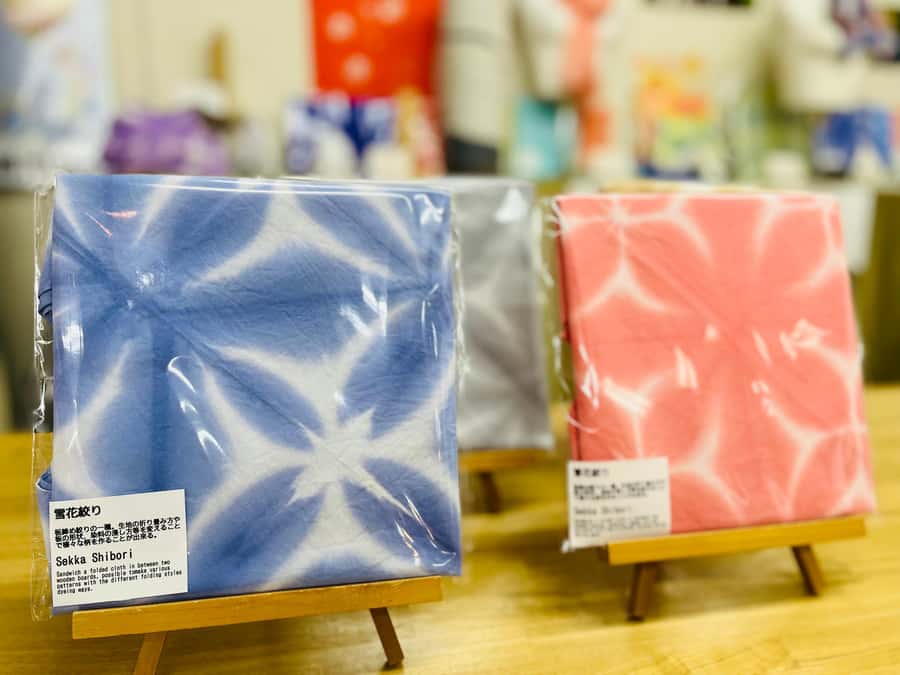
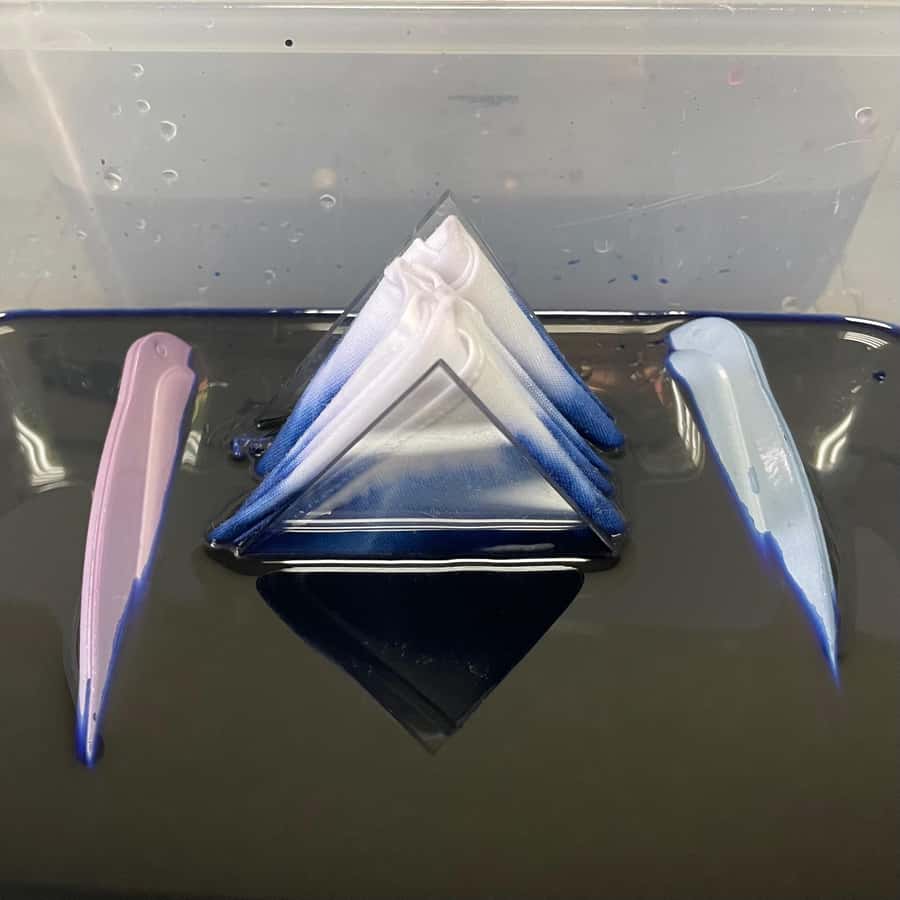
Shibori is a Japanese resist-dyeing art. You fold, bind, or otherwise shape cloth before dyeing it, so parts of the fabric resist the color. When the folded cloth is opened, the pattern appears. The pleasure comes from seeing how a few simple folds can produce a detailed design.
This class focuses on sekka-shibori, a technique that creates a snowflake-like pattern. You make a large 100% cotton furoshiki measuring about 86 by 89 centimeters. That size matters. It is not merely a tiny practice square, so you get something useful at the end.
You are not expected to arrive with textile experience. The class is similar in spirit to tie-dye, and the instructions are clear enough for first-time makers. A textile teacher who took the course specifically to study traditional shibori printing found the folding and dyeing steps easy to follow, with June giving clear explanations throughout.
The design will not be perfectly predictable, and that is part of the charm. Shibori rewards careful folding, but the final pattern still has an element of surprise. You get to make a piece of fabric that carries your own decisions rather than choosing a mass-produced souvenir from a shelf.
Other museum experiences in Kyoto Prefecture

What happens during the one-hour class
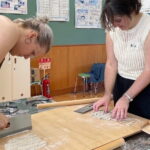
The activity begins with instruction on the folding and dyeing method. The exact presentation may vary, but the central task is straightforward: prepare the cotton cloth, fold it for the sekka pattern, and dye it under the guidance of the museum staff.
The class is short enough to fit neatly into a busy Kyoto day. You should plan on roughly 30 to 60 minutes of hands-on work, within a total activity time of about one hour. That makes it easy to place before or after Nijo Castle, especially since the museum is only a five-minute walk from the castle.
The small group limit helps here. With up to eight participants, the instructor can keep an eye on the folding and dyeing process. You are less likely to feel lost than in a large craft demonstration, and the format suits people who want direct help without committing to a full afternoon.
English and Japanese instruction is available. June is specifically praised for explaining the folding and dyeing steps clearly, and the museum staff are described as friendly and enthusiastic. That personal help is important because one incorrect fold can affect the pattern across a large cloth.
Some sessions may include an opening ceremony, which adds a pleasant sense of occasion before the practical work begins. The activity remains relaxed rather than formal, and the craft can suit teenagers and older children as well as adults.
The reveal is the best part
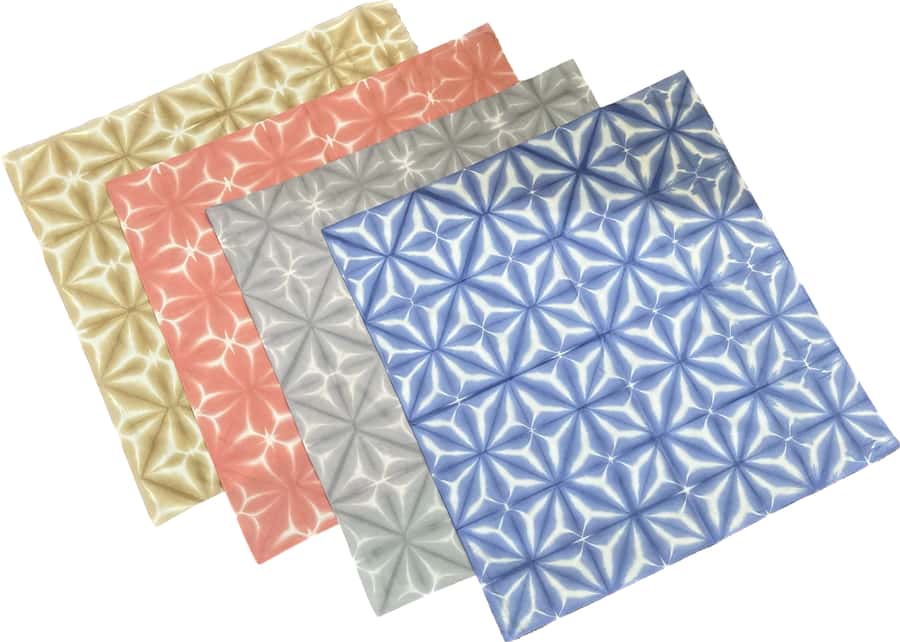
The most satisfying moment comes when the folded cloth is opened and the snowflake pattern begins to appear. You can understand the basic method in a few minutes, but the finished design feels more special because you made it yourself.
The cloth is large enough to show the pattern properly. A small dyed square can be charming, but an 86 by 89 centimeter furoshiki gives the design room to breathe. It can later serve as a wrapping cloth for a gift, a decorative textile, or a memento from Kyoto.
Several people who completed the activity made beautiful cloths without finding the technique too difficult. That balance is worth noting. The class gives you a real craft experience, but it does not demand advanced skill or a long series of complicated steps.
You should keep your expectations sensible. Your finished piece will be handmade, not a factory-perfect textile, and the color and pattern may differ from the sample. That variation is normal for this kind of work. If you want complete control over the final image, this may feel less predictable. If you like handmade results, it is one of the reasons the souvenir has character.
Explore the museum while your fabric dries
Once the dyeing work is done, your cloth needs time to dry. Instead of sitting around, you can use this period to visit the Kyoto Shibori Museum. Workshop participants receive free admission, normally priced at 1,000 yen.
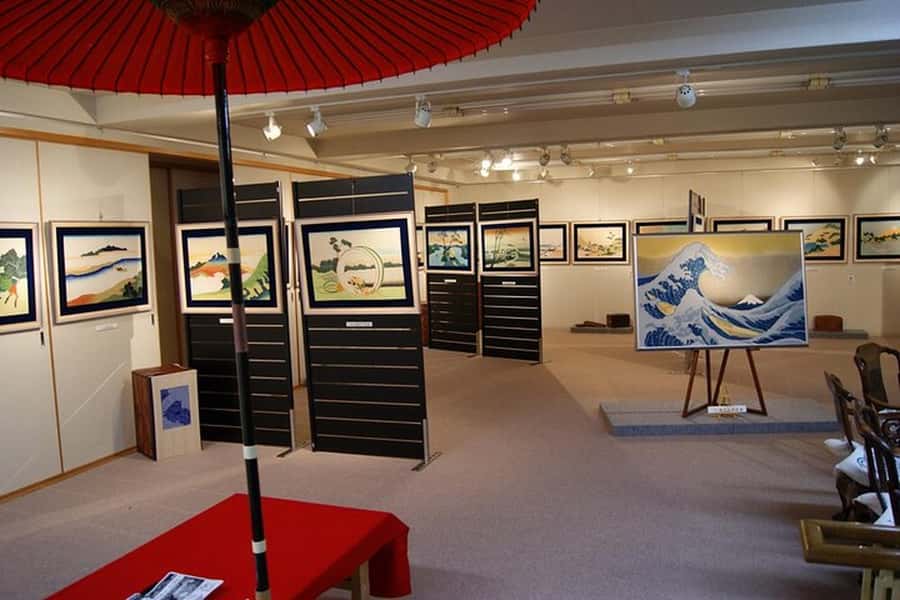
The museum opened in 2001 and is dedicated to shibori. Its displays include art pieces, fabric samples, and examples of the techniques represented in the workshop. Seeing finished textiles after handling the cloth yourself helps connect the simple folding exercise with the wider craft tradition.
This is a compact museum experience rather than a full-day cultural attraction. That works in its favor for this activity. You can look closely at the displays, learn more about the range of shibori patterns, and return to your drying fabric without needing to plan a separate museum visit.
The museum also gives you a better basis for judging the finished item. Before the class, a shibori textile may look like a pretty patterned cloth. After folding and dyeing your own, you can notice the planning behind the design and the skill needed to repeat complex patterns consistently.
I would allow enough attention for the exhibits rather than treating them as a waiting room. The museum is a key part of the value. Without it, the class would be a brief tie-dye session. With it, you get a small introduction to both the process and the finished art.
Why the furoshiki makes a good Kyoto souvenir
Kyoto offers no shortage of small keepsakes, but a furoshiki has practical value. You can use it to wrap gifts, carry items, or display it at home. It packs flat and weighs little, which is useful when your suitcase is already crowded with ceramics, sweets, and clothing.
The fact that you made it adds meaning without making the souvenir difficult to use. You do not need to frame it or preserve it behind glass. The cloth can become part of ordinary life, and each use can remind you of the hour spent learning shibori in Kyoto.
The size also makes it suitable as a gift. You can make it for someone at home, then explain how the snowflake-like design was created. That personal story gives it an advantage over a generic fabric souvenir.
The activity is especially appealing if you enjoy textiles, design, crafts, or Japanese decorative arts. It also works for families with older children and teenagers, provided they are comfortable following folding instructions and taking part in a calm, seated activity.



Price, time, and overall value
The listed price is $42 per person. That is not the cheapest short activity in Kyoto, especially when the active workshop portion may last only 30 to 60 minutes. You should book it for the combination of making, museum access, instruction, and the finished cotton cloth, not for the length alone.
The included museum admission is normally 1,000 yen. That reduces the gap between the workshop price and the value of the separate parts, though the main benefit remains the handmade furoshiki and the chance to learn directly from museum staff.
I consider the price reasonable for people who care about traditional craft and want a souvenir with a story. It is less compelling for someone simply looking for a quick, inexpensive activity between major sights. In that case, the short duration may leave you wishing for more.
The location improves the calculation. Since the museum is about five minutes from Nijo Castle, you do not need to spend much time or money crossing Kyoto for the class. Pairing the two gives your day a useful rhythm: visit the castle, make the cloth, then see the museum while it dries, or reverse the order if the class time suits you.
Flexible booking also helps. You can reserve now and pay later, and cancellation is free up to 24 hours in advance for a full refund. Starting times depend on availability, so check the schedule before building your Nijo Castle plans around the workshop.
Who will enjoy this most
I would recommend this to you if you want a small, creative Kyoto activity with a finished object to take home. It suits first-time crafters because the instructions are direct and the technique is not presented as an advanced lesson.
Textile students and teachers may get more from it than casual visitors. The class offers a practical look at folding and dyeing, while the museum provides examples that place the method in a wider artistic setting.
Families can also consider it. The calm format is suitable for teenagers and older children, and the result gives them something concrete to remember from Kyoto. Younger children may find the careful folding and short waiting period less engaging, but no specific minimum age is provided, so confirm any age requirements when booking.
This is also a good choice for anyone who prefers a quieter activity. There is no long transfer, no large group, and no demanding physical element described. You spend your time working with cloth, listening to instructions, and looking at art.
I would be less likely to recommend it to you if you want a long, detailed masterclass. The course gives you an introduction and a finished furoshiki, but the hour passes quickly. People hoping to study several shibori methods should treat this as a first step, not a complete textile course.
How to fit it into a Kyoto day
The museum’s location makes the planning simple. Nijo Castle is the obvious nearby pairing, and the five-minute walk means you can connect the two without a major change of route.
If your workshop starts before a castle visit, allow time to complete the class and view the museum during the drying period. If you visit Nijo Castle first, check the class start time carefully so you do not have to rush through the castle grounds.
The activity lasts one hour, but you should leave a little breathing room around it. The hands-on portion is short, yet you will probably want to look at the displays and the museum shop rather than walk out as soon as the cloth is ready.
The shop carries original items, fabrics, and souvenirs. It is useful if you want to compare your handmade piece with other shibori goods or buy a second textile for someone who could not join you. Keep in mind that the workshop itself already provides the main souvenir, so you do not need to spend extra money to make the visit worthwhile.
Because starting times vary, check availability before making fixed plans. The small group cap of eight is another reason not to leave the booking until the last minute if this is an important part of your Kyoto schedule.
The museum shop and the wider craft display
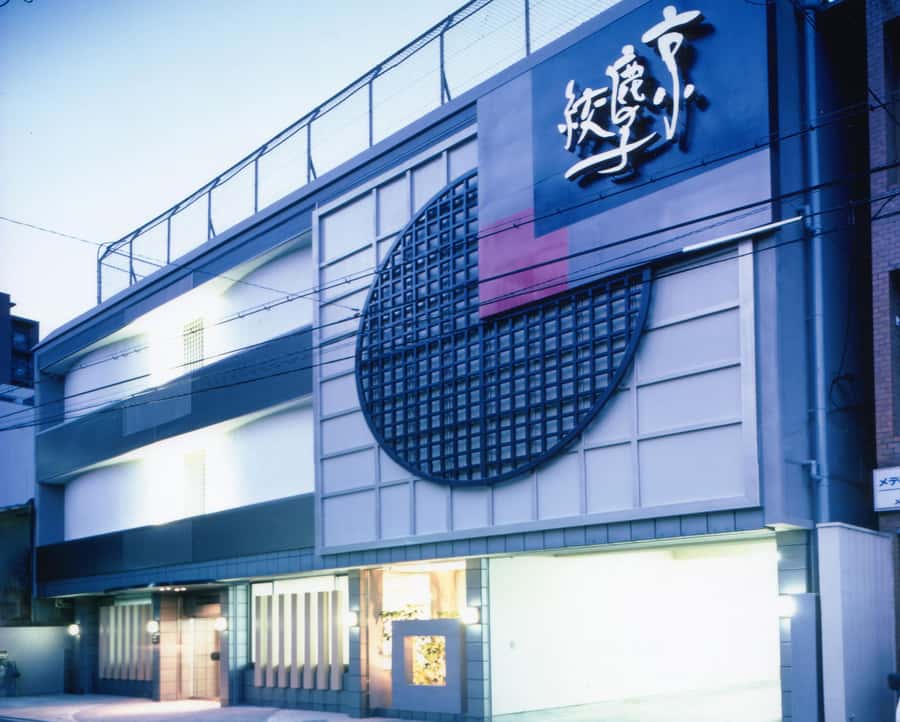
The shop extends the experience beyond your own cloth. You can see how shibori appears on different fabrics and in different finished products, from original art pieces to practical souvenirs.
I like this part because it gives you a chance to compare handmade work at different levels. Your furoshiki will be a beginner’s piece, while the museum’s textiles show what careful practice can produce. That contrast should encourage you rather than discourage you.
The museum’s purpose is to share shibori with a wider audience and help maintain this old craft. Your admission and workshop fee support a small specialist institution and the staff who care for its collection and teaching work. That does not make the price automatically cheap, but it gives the payment a clear cultural purpose.
The shop is also a useful final stop before leaving. Your fabric may still need care after dyeing, so ask the staff for any handling guidance provided during the class. The supplied details do not specify washing or drying instructions, so do not assume that the cloth is ready for immediate washing or heavy use.
Should you book the Kyoto Shibori Museum workshop?
Book it if you want to make a practical souvenir, enjoy textile art, or add a calm one-hour activity near Nijo Castle. The clear instruction, small group, free museum admission, and beautiful final pattern make it a strong choice for first-time crafters.
Think twice if you judge value only by workshop length. At $42, this is a focused cultural activity rather than a bargain. The best reason to book is not the number of minutes spent folding cloth, but the combination of learning a traditional technique, seeing the museum, and taking home a furoshiki made by you.
FAQ
How long does the Shibori Furoshiki Course last?
The activity lasts one hour. The hands-on class itself takes about 30 to 60 minutes, depending on the session.
What will I make?
You will make a large 100% cotton furoshiki measuring about 86 by 89 centimeters. The cloth uses the sekka-shibori technique, which creates a snowflake-like pattern.
Is museum admission included?
Yes. Workshop participants receive free admission to the Kyoto Shibori Museum. Regular museum admission is normally 1,000 yen.
How close is the museum to Nijo Castle?
The Kyoto Shibori Museum is about a five-minute walk from Nijo Castle.
What languages are available?
Instruction is available in English and Japanese. Museum staff, including an instructor named June, explain the folding and dyeing steps.
How large is the class?
The workshop is a small-group activity limited to eight participants.
More Museum Experiences in Kyoto Prefecture
More tours in Kyoto Prefecture we've reviewed
Kyoto Prefecture, compared.
 ★ 4.9Kyoto: Zen Meditation and Garden Tour at a Temple with LunchFrom $1074h 30m
 ★ 5.0Kyoto: Hike and Hot Springs in KuramaFrom $804 hours
 ★ 4.9Itajime Shibori Scarf Class at Kyoto Shibori MuseumFrom $421 hour
 ★ 5.0Kyoto Satoyama Cycling with Lunch and English GuideFrom $78
 ★ 5.0Kyoto 1 Day Suntory Yamazaki Distillery Tour and Asahi Art MuseumFrom $163
 ★ 5.0Kyoto Half Day Yamazaki Whisky Museum and Asahi Art MuseumFrom $65