
Reviewed · KYOTO PREFECTURE
Hanakoushi Shibori Cotton Scarf Class
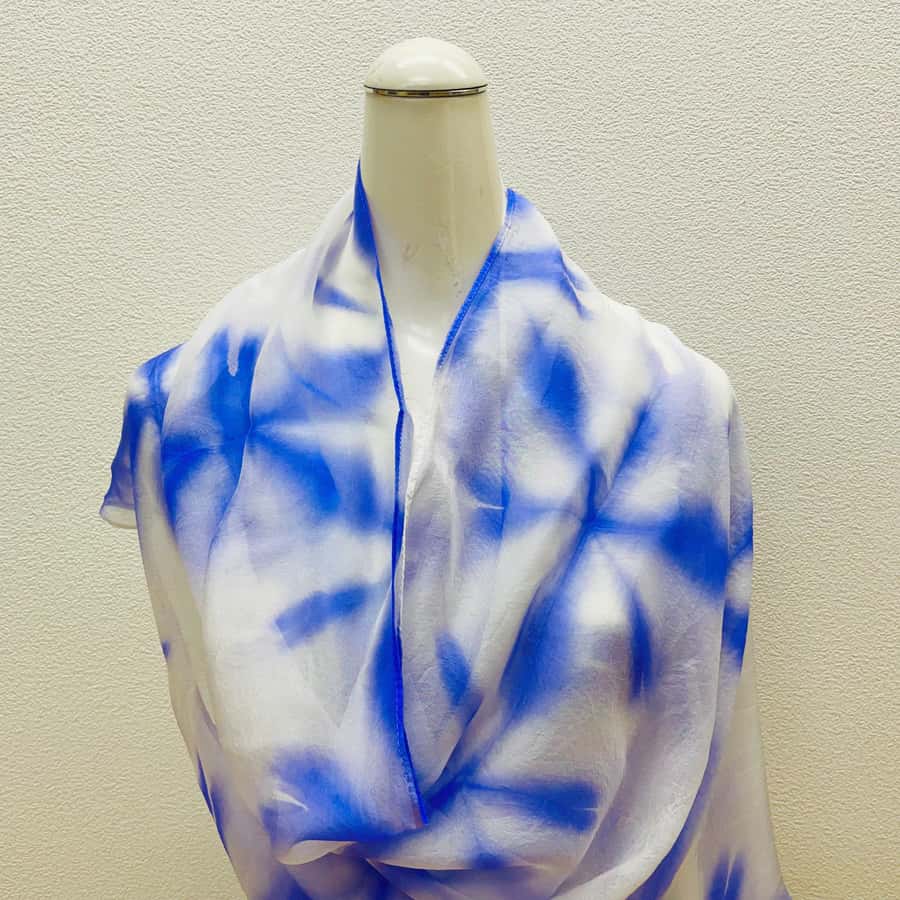
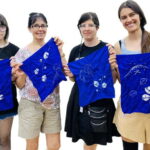
The clever part of this Kyoto workshop is that your scarf pattern comes from folding and clamping fabric before dyeing, not from painting each design by hand. In about an hour, you make a cotton shibori scarf, then use the drying time to see museum pieces, tools, and a short video.
I like the small group limit of eight, which gives the instructor room to help when the folding gets tricky. I also like that the 1,000-yen museum admission is included, so you get more than a quick craft lesson for the $42 price.
The main consideration is time. This is a compact introduction, not a long studio course. The class may take 30 to 60 minutes, so travelers hoping for a detailed study of every shibori method may find the visit brief.
In This Review
- Key points to know before booking
- Making shibori in a Kyoto museum
- What happens during the one-hour class
- Why the museum adds value
- Exploring the displays while your scarf dries
- The museum shop and handmade souvenirs
- Location near Nijo Castle
- Is $42 a fair price?
- Who will enjoy this most
- Booking, timing, and cancellation
- Should you book the Hanakoushi Shibori Cotton Scarf Class?
- FAQ
- How long does the Hanakoushi Shibori Cotton Scarf Class last?
- What languages are available?
- How many people are in each group?
- Is museum admission included?
- How far is the museum from Nijo Castle?
- Can I cancel for a full refund?
Key points to know before booking
- Make a cotton scarf in 30 to 60 minutes: Folding and clamping create clear, flower-like resist patterns.
- Museum admission is included: The normal 1,000-yen entry fee is covered with the workshop.
- See more while your scarf dries: Use the waiting time for art displays, tools, samples, and a video.
- Five minutes from Nijo Castle: The museum is easy to pair with one of Kyoto’s best-known sights.
- Small groups of up to eight: The format should feel more personal than a large demonstration.
- Take home a finished keepsake: Your scarf is wrapped for you after the artists have looked it over.
Making shibori in a Kyoto museum
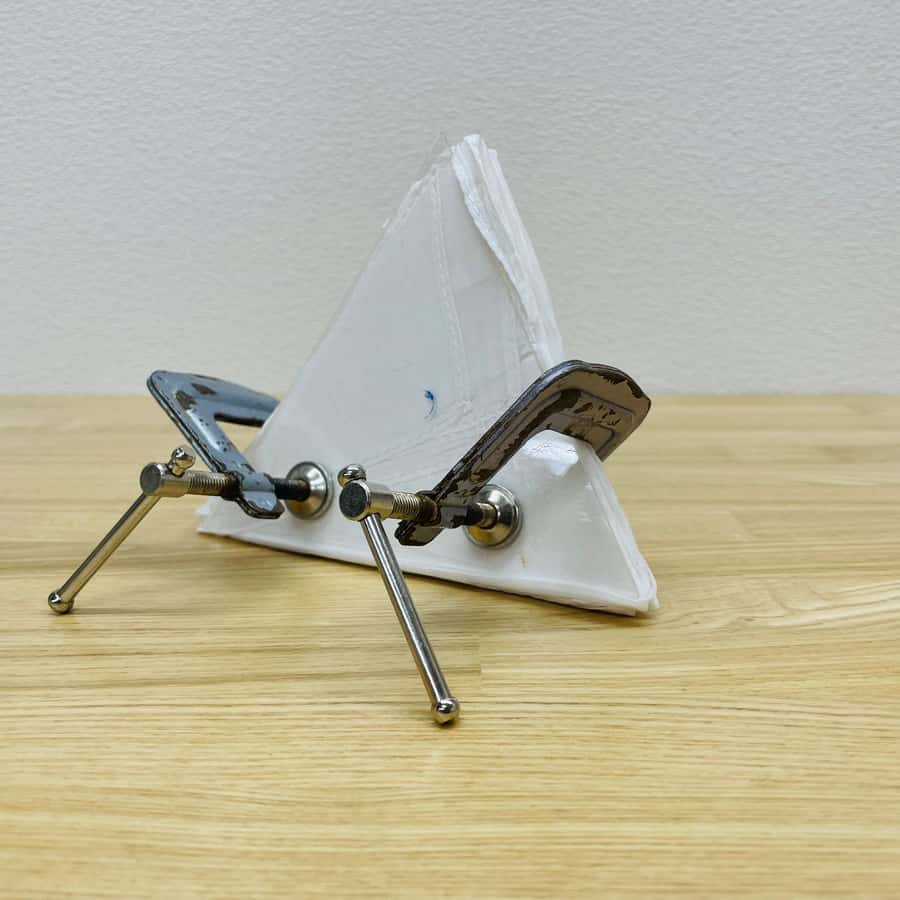
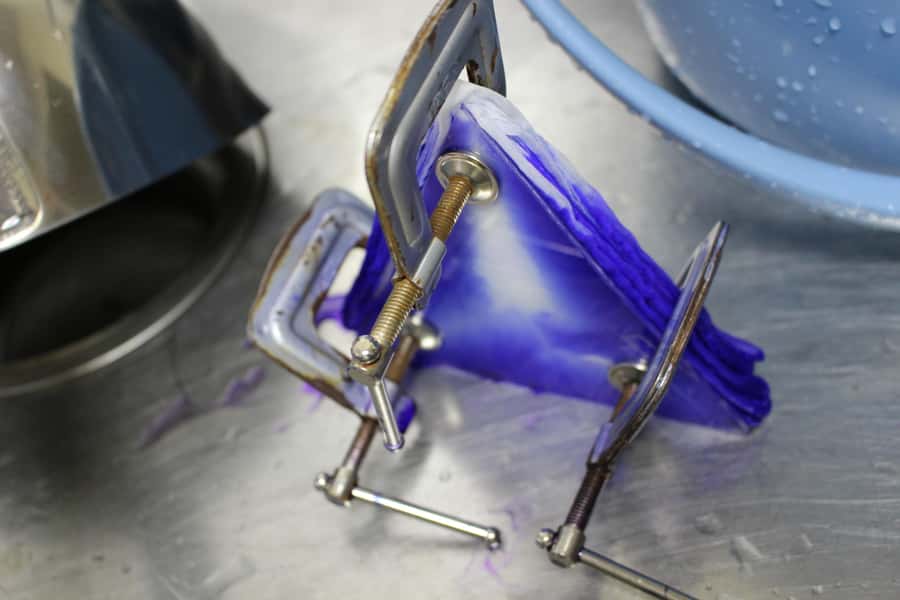
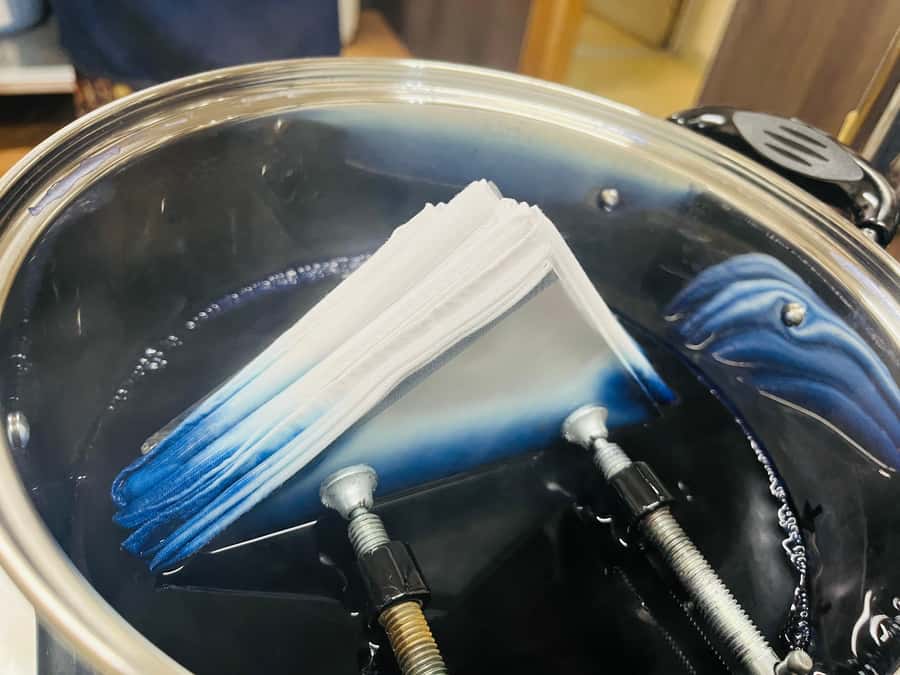
Shibori is a resist-dyeing method. You fold the fabric, place it between two plates, and secure the shape before dye is applied. The covered sections resist the color, leaving a crisp pattern when the fabric is opened.
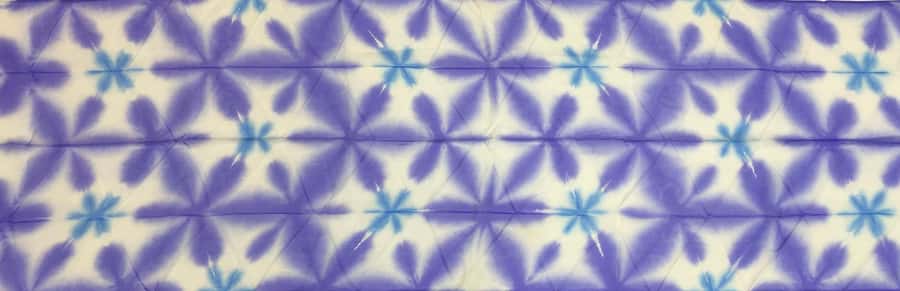
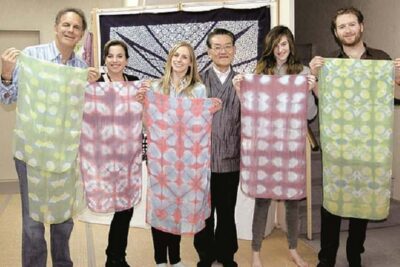
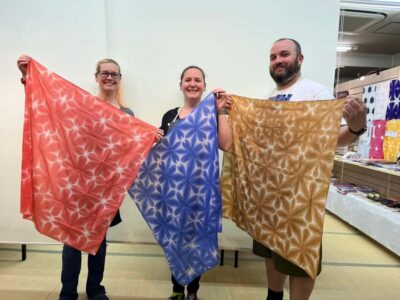
Here, the design creates a simple petal effect. That matters because you are not just coloring a souvenir. You are making a pattern through pressure, spacing, and careful preparation. A small change in the folds can alter the final arrangement.
The process is approachable for beginners. You do not need to arrive with sewing or textile experience. Still, the folding stage deserves attention. This is the part where the scarf’s final look is set, so rushing can make the design less even.
Your instructor can teach in English or Japanese. Since the group is limited to eight, you should have a reasonable chance to ask for help when the cloth does not fold as expected. Danielle from the United States found the class a useful push outside her comfort zone, with staff making sure she could succeed. That is a useful sign for anyone who feels unsure about hands-on crafts.
A few more Kyoto Prefecture tours and experiences worth a look

What happens during the one-hour class
The experience is short enough to fit neatly into a Kyoto sightseeing day. The class itself can run from 30 to 60 minutes, depending on the pace of the group and the work involved.
You begin by learning the basic method. The key idea is easy to grasp: fold the cotton scarf, sandwich it between two plates, and prepare it for dyeing. The plates act as a barrier, producing the light and dark sections that form the petal-like design.
The hands-on stage is the heart of the visit. You are making the decisions that shape the scarf, rather than simply watching an instructor perform the technique. The result should be a personal variation on the displayed examples, even though the basic method is shared.
Once the scarf has been dyed, it needs time to dry. This is not wasted time. The museum gives you a reason to keep looking instead of waiting beside a worktable. You can examine finished shibori pieces, study samples, and view tools used in the process.
The experience also includes a video. Kim and Mary Reardon from Australia found the museum and video worth the visit, along with the class itself. That combination gives the activity more context than a stand-alone craft session, especially if you know little about shibori before arriving.
At the end, your scarf is wrapped so you can take it away. Kim and Mary also noted that the artists celebrated their finished work before it was wrapped. That small moment gives the class a pleasant sense of completion. You leave with something made during your visit, not just a photograph or a shop purchase.
Why the museum adds value

The Kyoto Shibori Museum opened in 2001 and focuses entirely on shibori. Its purpose is to help more people understand the technique through finished works, tools, and displays.
That setting changes the character of the class. You are not making a craft in isolation. You can compare your developing scarf with museum examples and see how much variety the same broad method can produce.
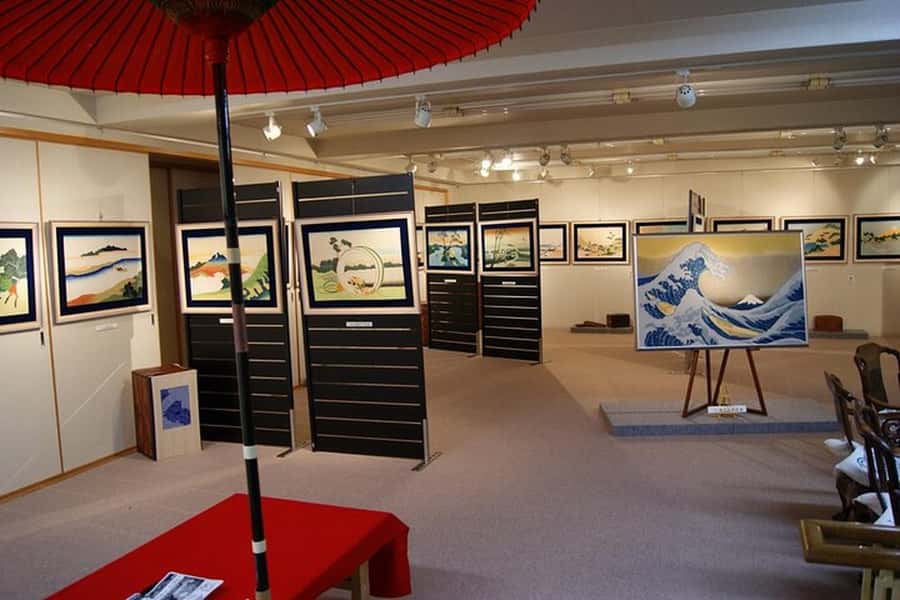
The displays include shibori art and valuable tools used in the process. The information provided does not promise a fixed exhibition schedule, so the exact pieces on view can change. Still, you can expect a specialist museum with more than a single room devoted to finished souvenirs.
I like this pairing of making and looking. The workshop gives you a basic physical understanding of resist dyeing. The museum helps you see the skill behind more elaborate pieces. You may leave with a new respect for how much care goes into patterns that appear simple at first glance.
The museum is also useful for family groups and mixed-interest parties. Someone who enjoys making things can focus on the scarf. Someone more interested in Japanese textiles can spend extra time with the displays and tools.
Exploring the displays while your scarf dries
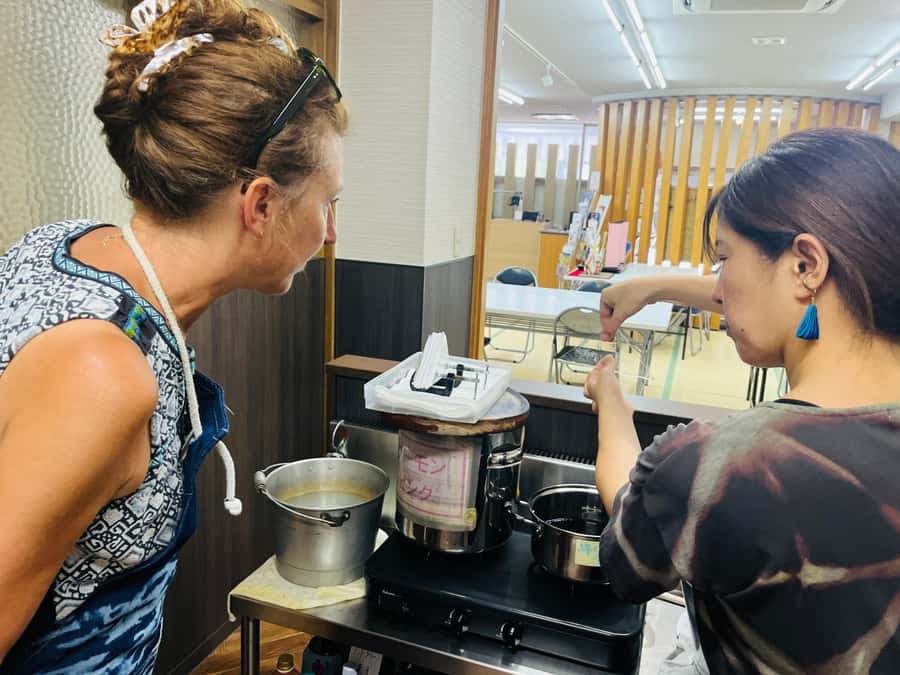
The drying period gives the visit a natural second act. Rather than ending as soon as the hands-on portion finishes, the class points you toward the museum collection.
Look for the contrast between your beginner piece and the finished works on display. Your scarf may have a clean, simple petal pattern. The museum pieces show how shibori can be developed into more ambitious textile art.
The tools deserve attention, too. They explain that shibori is built on physical steps: folding, holding, binding, covering, and dyeing. Seeing those tools beside finished work connects the method to the result.
The video is another useful stop. A short film can help you understand the process when the written explanation is limited or when you want to see the technique from a wider view. Kim and Mary specifically found the video worthwhile, so I would not skip it simply because you have already made your own scarf.
Plan to give the museum a proper look during the drying period. The workshop is only about an hour overall, but the included admission lets you see the displays without paying a second entrance fee. If you are interested in textiles, you may want to allow more time around the class if the schedule permits, though the supplied details only guarantee the one-hour activity duration.
The museum shop and handmade souvenirs
The shop is part of the appeal for anyone who wants to continue looking after the class. It carries original items, souvenirs, and fabrics in a range of shibori styles.
You can use your own scarf as a reference point. After making one small piece, you will have a better idea of how the folds and color patterns work. That makes the shop browsing more meaningful than simply scanning attractive fabric.
The shop also gives you an option if you want a gift but do not want to make one yourself. The class price covers your own cotton scarf and museum admission, while additional purchases are separate.
I would treat the shop as an optional extra rather than part of the financial calculation. The $42 price already includes a finished craft and entry to a specialist museum. Anything you buy afterward is a personal choice, not a required part of the experience.



Location near Nijo Castle
The Kyoto Shibori Museum is a five-minute walk from Nijo Castle. That makes the class easy to combine with sightseeing in central Kyoto.
A practical plan is to visit Nijo Castle before or after the workshop, then keep the museum class as a quieter change of pace. The exact order depends on your booked start time, but the short walk means you do not need to build a major transfer into your day.
This location is helpful if you are trying to balance famous sights with a local craft. Nijo Castle gives you a large historic attraction. The shibori class gives you a focused activity where you work with your hands and learn about a Japanese textile tradition.
Because the workshop lasts only an hour, it can fit between other plans more easily than a half-day craft course. At the same time, do not pack the rest of your schedule too tightly. The class may last the full 60 minutes, and you will likely want time for the museum displays and shop.
Is $42 a fair price?

At $42 per person, the value depends on what you want from a Kyoto activity. If you only want a cheap souvenir, the price may feel high compared with buying a ready-made item. If you want a hands-on lesson, a finished cotton scarf, museum entry, and time with a specialist collection, the cost is more reasonable.
The included admission is normally 1,000 yen. That reduces the effective cost of the workshop, especially if you would have paid to visit the museum anyway. You also receive a personal item that you made during the session, rather than a generic souvenir.
The small-group format adds practical value. With no more than eight participants, the instructor has fewer people to monitor than in a large class. That matters most during the folding and clamping stage, when a little guidance can prevent frustration.
The short duration keeps the price from becoming a major commitment. You get a clear introduction without giving up half a day of sightseeing. The tradeoff is that you will not cover every shibori technique or produce a highly complex textile.
Who will enjoy this most
I would recommend this class to first-time visitors who want a direct connection with Japanese craft. You make something, see how related works are displayed, and take the finished scarf home.
It also suits people who prefer a calm, structured activity. The museum setting and small group should appeal if you like learning by doing but do not want a large, noisy class.
Families may find the straightforward process accessible, though the provided details do not specify a minimum age. For that reason, check the booking information if you are planning to bring young children.
This is a good choice for a rainy Kyoto day, a break between major sights, or anyone who wants a souvenir with a story attached. It is less suitable if you want advanced textile instruction, a long artist-led session, or a tour covering several parts of Kyoto.
The English and Japanese instruction makes the class practical for international visitors. Individual instructor names are not provided, so I would book this for the museum and hands-on method rather than for a particular teacher.
Booking, timing, and cancellation
The activity lasts one hour, with starting times based on availability. The class itself may take 30 to 60 minutes, so check the time slot carefully before arranging Nijo Castle or another appointment.
The group size is capped at eight people. That is one of the strongest practical features, especially if you are nervous about getting the folding technique right.
You can reserve now and pay later, which helps if your Kyoto schedule is still changing. Free cancellation is available up to 24 hours in advance for a full refund. Keep that deadline in mind when adjusting a busy itinerary.
The workshop includes free entry to the Kyoto Shibori Museum. The normal museum admission is 1,000 yen, so be sure to allow time to see the collection rather than treating the class as a quick craft stop.
Should you book the Hanakoushi Shibori Cotton Scarf Class?
Book it if you want a small-group Kyoto craft activity that combines making, museum viewing, and a take-home keepsake. The included museum admission, five-minute walk from Nijo Castle, English and Japanese instruction, and strong personal attention make the $42 price fair for a one-hour experience.
You should also book it if the idea of making a scarf feels a little outside your comfort zone. Staff helped Danielle succeed, and Kim and Mary left with their scarf wrapped after it had been celebrated by the artists.
Skip it if you are looking for advanced textile study or a long workshop. This is a compact introduction. Its strength is the balance: a simple shibori method, a specialist museum, a short video, and a finished cotton scarf without taking over your Kyoto day.
FAQ
How long does the Hanakoushi Shibori Cotton Scarf Class last?
The activity lasts one hour. The scarf-making portion may take between 30 and 60 minutes, depending on the session.
What languages are available?
Instruction is available in English and Japanese.
How many people are in each group?
The workshop is limited to eight participants.
Is museum admission included?
Yes. Workshop participants receive free admission to the Kyoto Shibori Museum. The normal admission price is 1,000 yen.
How far is the museum from Nijo Castle?
The Kyoto Shibori Museum is a five-minute walk from Nijo Castle.
Can I cancel for a full refund?
Yes. You can cancel up to 24 hours in advance for a full refund.
More Workshops & Classes in Kyoto Prefecture
More tours in Kyoto Prefecture we've reviewed


Kyoto Prefecture, compared.
 ★ 4.9Kyoto: Zen Meditation and Garden Tour at a Temple with LunchFrom $1074h 30m
 ★ 5.0Kyoto: Hike and Hot Springs in KuramaFrom $804 hours
 ★ 4.9Itajime Shibori Scarf Class at Kyoto Shibori MuseumFrom $421 hour
 ★ 5.0Shibori Furoshiki Course at Kyoto Shibori MuseumFrom $421 hour
 ★ 5.0Kyoto Satoyama Cycling with Lunch and English GuideFrom $78
 ★ 5.0Kyoto 1 Day Suntory Yamazaki Distillery Tour and Asahi Art MuseumFrom $163