
Reviewed · GOLDEN PAVILION & TEMPLE TOURS
Kyoto: Zen Meditation and Garden Tour at a Temple with Lunch
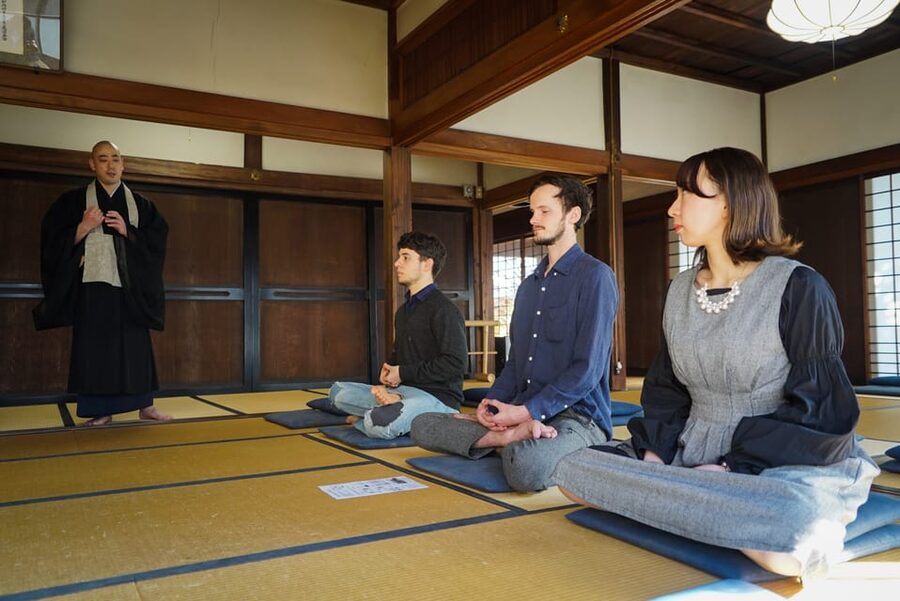
Kyoto’s Zen tradition makes the most sense when you slow down enough to notice it. This small-group experience takes you through quiet temple grounds, explains how to read a Zen garden, and gives you a full hour of zazen meditation with a monk. I especially like the small group of up to seven and the chance to discuss the session afterward.
I also like the balance between explanation and silence. Guides such as Yutaka, Eri, Tammy, and Louis have helped visitors make sense of Buddhist ideas without turning the tour into a lecture. The main drawback is that the meditation room may sometimes hold around 30 people, despite the walking group being small. The monk may not speak English, so questions can depend on your guide or a silent booklet.
In This Review
- Key points at a glance
- Why this Kyoto Zen tour feels different
- Meeting your guide near Tofukuji Station
- Kōmyō-in Garden: learning to look before you meditate
- Tofukuji Temple and the 13th-century setting
- Shōrin-ji and the one-hour zazen session
- Shojin Ryori lunch after meditation
- What the guide adds to the experience
- Timing, walking, and comfort
- Who will get the most from this experience
- Should you book this Kyoto Zen experience?
- FAQ
- Where does the Kyoto Zen meditation tour meet?
- How long does the experience last?
- Is the meditation session conducted in English?
- What food is served at lunch?
- Can children join the tour?
- What happens if I arrive late?
Key points at a glance
- A full hour of zazen: Learn posture, breathing, focus, and basic Zen ideas in a temple used for meditation practice.
- Kōmyō-in’s garden comes first: You begin with garden principles before sitting down to meditate, which gives the session useful context.
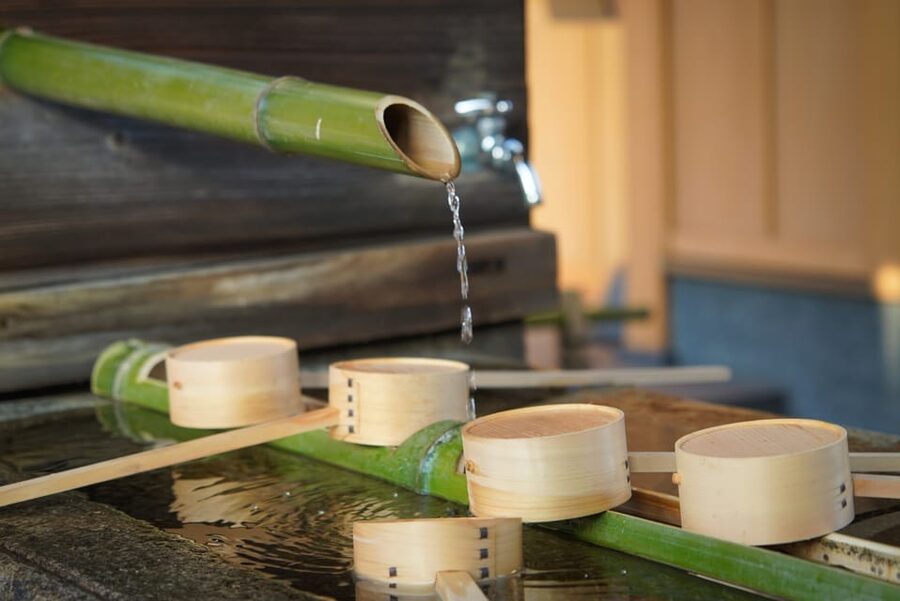
- Tofukuji is more than a photo stop: You see the San-mon gate, dragon ceiling paintings, and an old temple toilet linked to monastic life.
- Lunch is traditional Shojin Ryori: Expect vegetables, mushrooms, seaweed, and dashi broth, with some dairy included.
- The pace is calm but exact: The experience lasts 270 minutes, and arriving late means you may miss the group without a refund.
- Best for curious adults: Children under 12 cannot join, and the meal makes this a poor choice for anyone with gluten intolerance.
Why this Kyoto Zen tour feels different
Many Kyoto temple visits are built around moving quickly from one famous sight to the next. This one asks you to pause. You look at a garden, walk through temple grounds, sit quietly, and then eat a meal based on food traditionally served in Buddhist settings.
That order matters. You first receive a simple explanation of Zen and garden design. Then you see the temple district, and only after that do you sit for zazen. I find this more useful than being told to meditate with no cultural background at all.
The tour lasts 4.5 hours and costs $107 per person. That is not a cheap temple walk, but the price includes temple and garden admission, an English-speaking guide, a one-hour meditation experience, photos, and lunch. If you would otherwise pay separately for a guided temple visit, a meditation class, and a traditional meal, the package offers fair value.
The current rating is 4.9 from 86 reviews, with especially strong praise for the guides, the monk-led meditation, the garden, and the meal. I would still keep one expectation in check: this is an introduction to Zen, not a retreat or a private meditation lesson.
If you're still narrowing it down, here are other tours in Kyoto Prefecture we've reviewed.

Meeting your guide near Tofukuji Station
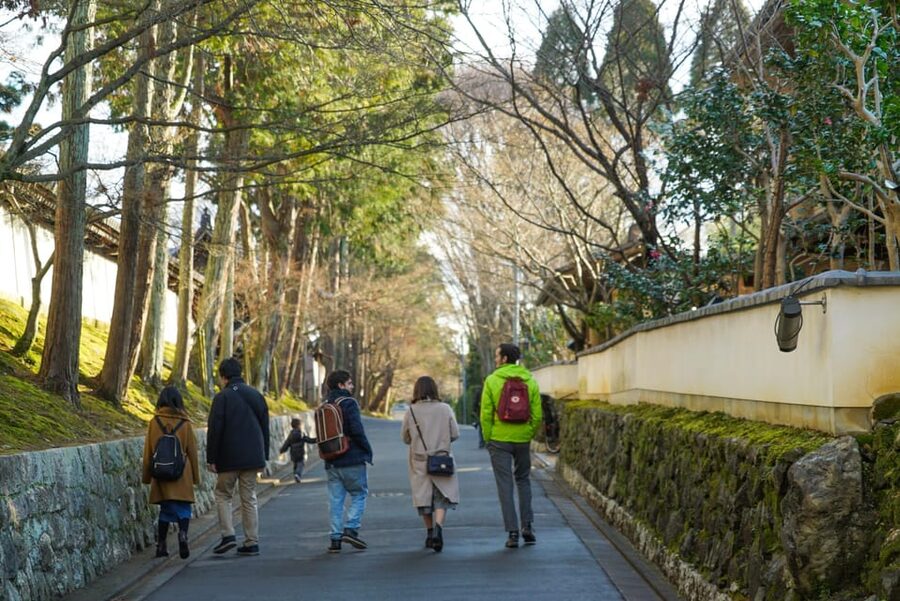
The meeting point is outside Exit 2 of Tofukuji Station, next to Family Mart. This detail matters. One person arrived by taxi and was dropped at the temple instead of the station, then had to hurry to find the group. If you use a taxi, show the driver the station name and confirm that you need Tofukuji Station, not Tofukuji Temple.
From Kyoto Station, take the JR line. Both rapid and local trains are suitable. From Shijo Keihan, use the Keihan line, but do not take an express train. Sub-express, semi-express, and local trains are the correct choices.
Plan to arrive early. The tour starts on time, and if you miss the group, you cannot join later, reschedule, or receive a refund. That strict rule is understandable during a silent meditation session, but it makes the meeting point one of the most important practical details.
The group is limited to seven people, so the walking portion should feel personal. Your guide can answer questions about Buddhism, symbols, Japanese customs, and the buildings without trying to manage a large crowd. Yutaka has been praised for his humor and clear explanations, while Eri has been especially helpful with photography and suggestions for the rest of a Kyoto visit.
Kōmyō-in Garden: learning to look before you meditate
The first substantial stop is Kōmyō-in Temple, where you spend about 40 minutes. This is a good opening because the garden gives you a visual introduction to Zen before the quieter sitting session.
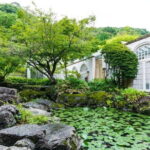
Your guide explains basic ideas about appreciating a Zen garden and points out how its restrained design encourages attention. You are not simply told to admire a pretty arrangement of rocks and gravel. You receive a way to look at it, then have time to sit with the scene.
That distinction is useful. Zen can feel vague when reduced to words such as calm or mindfulness. A garden gives you something concrete. You can notice the placement of stones, the open areas, and the way the setting uses space without needing a long lesson in Buddhist philosophy.
Allow yourself to be quiet here. The tour is not a rushed photo circuit, though your guide will take pictures during the day. The garden is one of the places where the slower pace makes the visit worthwhile.
Tofukuji Temple and the 13th-century setting
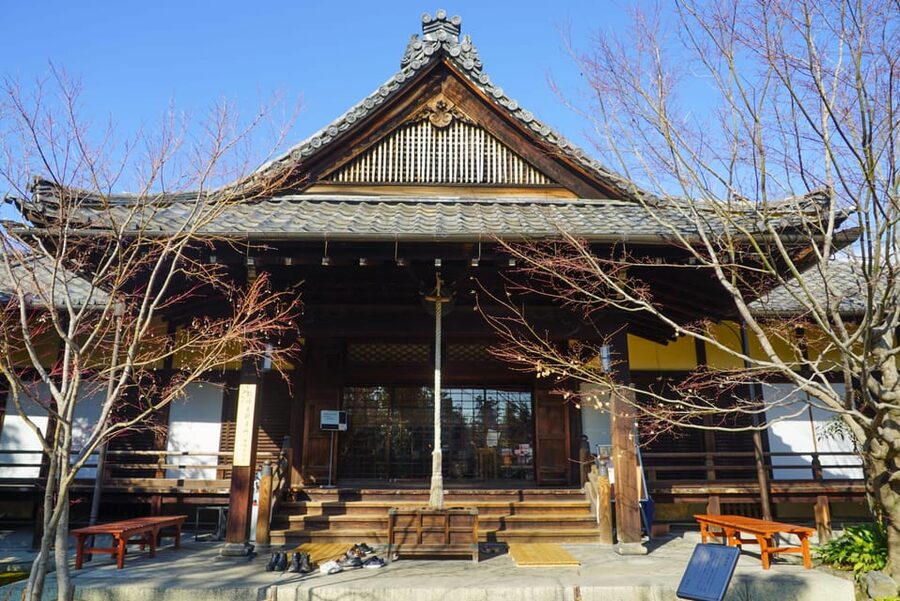
The next stop is Tofukuji Temple, one of Kyoto’s five major Zen temples. You spend about 10 minutes here, but that short visit connects the garden and meditation session to a larger temple complex.
Tofukuji has served as a home and training site for monks since the 13th century. You can see the imposing San-mon gate, dragon paintings on a ceiling, and the oldest surviving toji, or temple toilet. The toilet is an unusual detail, but it helps you picture the practical side of monastic life. Temples were not only places for grand ceremonies. They were working communities where monks lived, trained, ate, and followed strict routines.
The brief stop means you should not expect a full architectural tour of every hall. Instead, your guide gives you selected details that prepare you for the meditation experience. If you want to explore Tofukuji at length or visit every garden in the complex, plan a separate visit.
Shōrin-ji and the one-hour zazen session
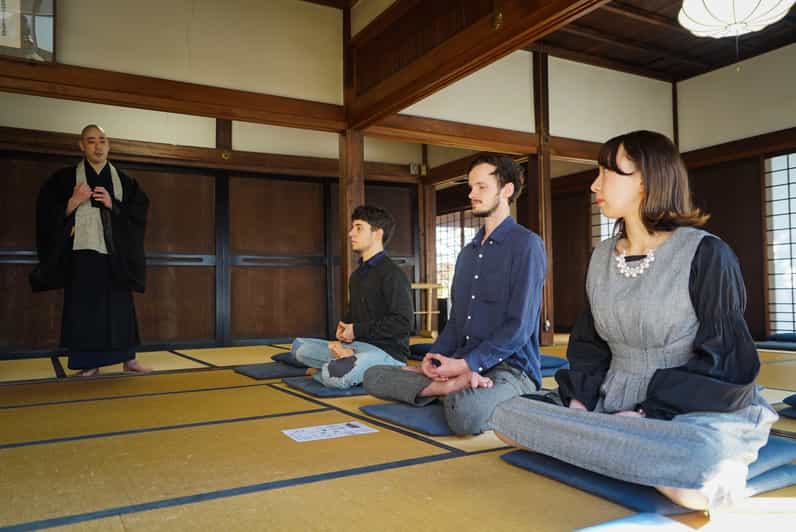
The heart of the experience takes place at Shōrin-ji, also called Bishamon-dō Temple. The visit lasts about 70 minutes, including the zazen session and related conversation.
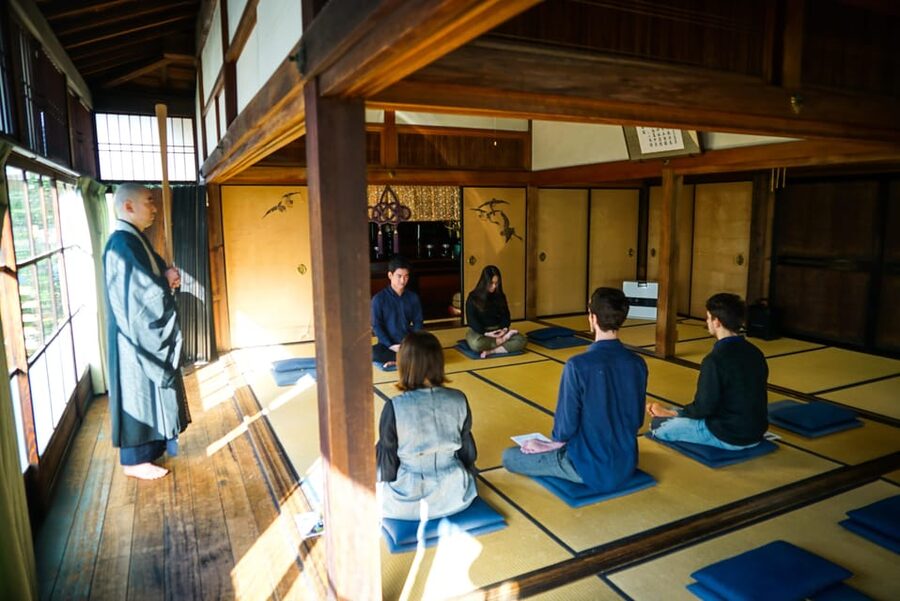
This is where you learn the practical side of Zen meditation: how to sit, how to hold your posture, how to breathe, and how to work with the ideas behind zazen. A full hour is long enough to move beyond a quick tourist demonstration. You have time to notice how your body responds and how difficult it can be to remain still.
During the meditation, the guide stays silent. You receive reading material that explains the process and can be read quietly. This arrangement respects the people meditating, but it also means you should not expect a running English translation once the sitting begins.
Afterward, there is a short discussion with the monk. Your guide can help translate questions when needed. One important limitation is that the monk may not speak English, so the conversation can be more limited than some people expect. Still, the chance to sit in a working temple and then ask questions gives the experience a human connection that a self-guided temple visit cannot provide.
The meditation room may not always be intimate. One experience took place in a large L-shaped room with about 30 other people. The walking party can be small while the actual zazen session is shared with a larger group. If you need complete privacy or a silent retreat atmosphere, this may disappoint you.
For everyone else, the larger room is best viewed as part of the temple’s regular practice rather than a flaw in the concept. You are not being staged in a private set. You are joining a meditation session where other people are also expected to remain quiet.
Wear clothes that allow you to sit comfortably. Temple floors can feel cold in winter, so thick socks are a smart choice. In summer, Kyoto is hot and humid. Bring water and wear a hat for the walking portions, especially before you reach the shaded temple interiors.
A few more Kyoto Prefecture tours and experiences worth a look
Shojin Ryori lunch after meditation
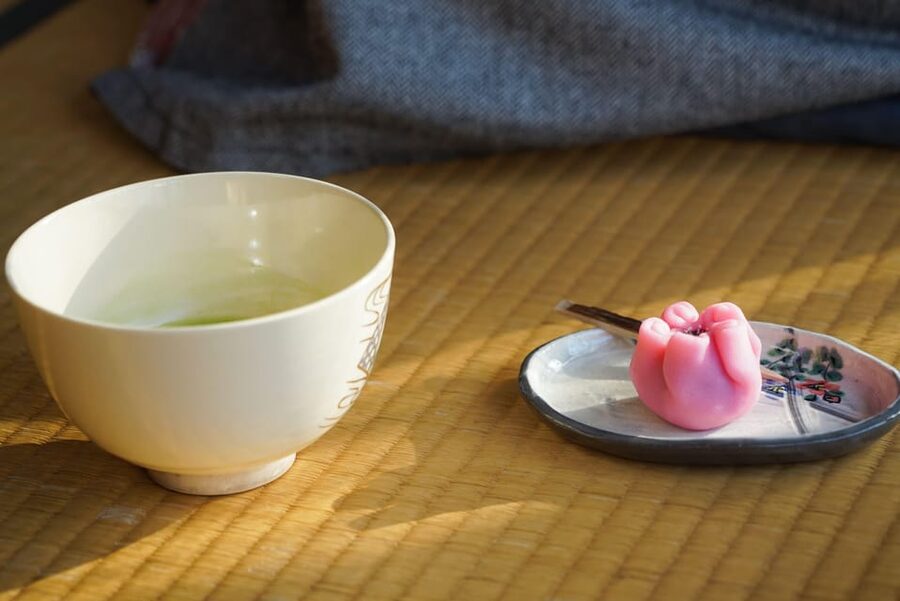
After the temple visit, you take a short walk to a local restaurant for lunch. The meal lasts about 45 minutes and is based on Shojin Ryori, the Buddhist vegetarian cooking tradition used by Japanese monks since the 13th century.
You can expect a range of vegetables, mushrooms, and seaweed rather than one large main dish. This style of meal is valuable because it shows how Buddhist practice reaches into daily life. Food is not treated as an afterthought. Preparation, restraint, seasonality, and presentation all matter.
The meal is described as vegetarian, but you should note an important exception: the dashi contains fish broth, and a little dairy is included. This is not a strict vegan meal. It is also unsuitable for people with gluten intolerance, so check the details before booking if you have dietary restrictions.
The lunch is a strong part of the value. Several guides have been praised for making it a fitting end to the meditation, and many people find the variety more substantial than expected. The later start option deserves attention, though. If you book the 10:45 departure, lunch is scheduled for 14:15. Eat a good breakfast or early snack, because that is a long wait for your main meal.
The final conversation takes place over lunch, giving you a chance to connect the garden, temple buildings, meditation, and food. I like this ending because it leaves room for questions after you have had time to process the sitting session.
What the guide adds to the experience
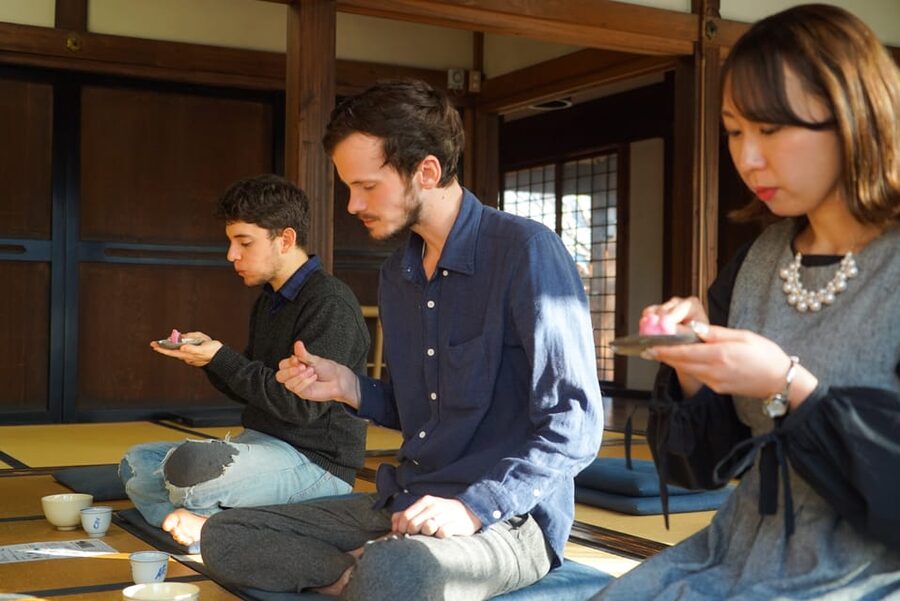
The guide is not just there to lead you from the station to the restaurant. The strongest part of the guiding is translation in the wider sense: translating Buddhist terms, explaining temple details, and helping you understand what you are seeing without pretending that Zen is simple.
Yutaka has been singled out for being patient, funny, and clear. Other guides, including Eri, Tammy, and Louis, have been praised for their preparation, cultural explanations, and friendly manner. The guide can also take photos during the tour, which is useful when you want a record of the day but do not want to spend the whole visit holding your phone.
The small group should make it easier to ask questions. You can ask about Buddhist symbols, temple customs, meditation technique, or places to visit later in Kyoto. The quality of the day will depend partly on the guide assigned, but the experience has repeatedly received praise for this personal approach.
Do not expect every explanation to continue during zazen. Silence is part of the activity. The provided reading material fills the gap, but one person found it disappointing to study the booklet alone because the monk did not speak English. That is a fair warning for anyone hoping for an extended bilingual lesson.
Timing, walking, and comfort
The advertised duration is 270 minutes, or 4.5 hours. The listed stops account for about 165 minutes, with the remaining time used for walking, transitions, conversation, and the full flow of the experience.
You begin at Tofukuji Station and finish in Kyoto after lunch. The route combines temple grounds, garden paths, and a short walk to the restaurant. Specific accessibility details are not provided, so ask before booking if stairs, floor seating, or walking distances are a concern.
The tour is not suitable for children under 12. That age rule makes sense because the meditation session requires quiet and stillness, and private conversation is generally prohibited during the sitting.
Seasonal clothing matters more than you might expect. Summer heat can make the walk tiring, while winter floors can be cold. Water, a hat, and thick socks are small additions that can make the day much more pleasant.
Who will get the most from this experience
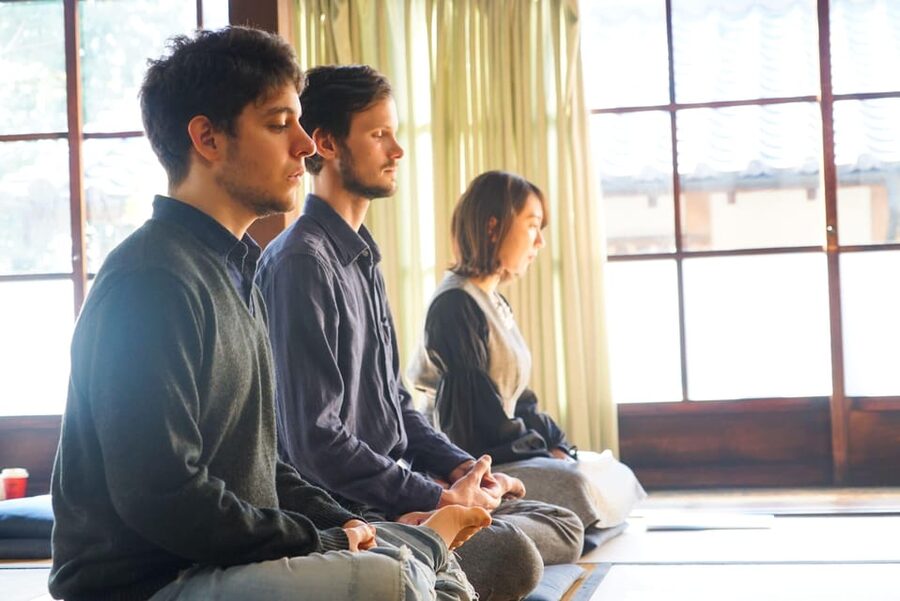
I would choose this tour if you want cultural context rather than a quick temple checklist. It suits first-time visitors who are curious about Buddhism, people who have tried meditation at home, and anyone who wants to see a quieter side of Kyoto.
It is particularly useful if you have never practiced zazen. You receive instruction before sitting, a full hour to try it, and a chance to discuss the experience afterward. If you already meditate, you may appreciate the change of setting and the opportunity to practice alongside local participants, though you should not expect an advanced retreat.
The tour may not suit you if you dislike floor seating, need complete dietary control, or want a private session with a monk. It is also a poor fit if you need a flexible start time. The group cannot wait for late arrivals.
At $107, I see the best value in the combination of access and interpretation. You are paying for more than admission to three temples. You are receiving a guided look at Zen gardens, an organized meditation session, translation help, photos, and a traditional lunch. The price is harder to justify if you already plan to visit Tofukuji independently and do not care about meditation or Shojin Ryori.
Should you book this Kyoto Zen experience?
Book it if you want a calm, structured introduction to Zen that combines gardens, temple life, meditation, and food. The strongest features are the full hour of zazen, the chance to speak with a monk afterward, and guides who can explain Buddhist ideas in plain English.
Think twice if you expect a private meditation room, a fully English-speaking monk, or a strictly vegan lunch. Also confirm that the fish-based dashi and gluten content work for your diet.
For most culturally curious adults, I think this is a worthwhile half-day in Kyoto. Arrive early at Tofukuji Station, eat before a 14:15 lunch, bring water in summer, wear thick socks in winter, and come ready to be quiet. Those simple preparations let the experience do what it promises: slow your pace and give you a more grounded look at temple life.
FAQ
Where does the Kyoto Zen meditation tour meet?
Meet outside Exit 2 of Tofukuji Station, next to Family Mart. From Kyoto Station, use the JR line. From Shijo Keihan, use the Keihan line, but do not take an express train.
How long does the experience last?
The tour lasts 270 minutes, or 4.5 hours. It includes temple and garden visits, a one-hour zazen session, walking, discussion, and lunch.
Is the meditation session conducted in English?
The live guide speaks English, but the guide remains silent during zazen. You receive silent reading materials, and the monk may not speak English. The guide can help translate questions during the discussion afterward.
What food is served at lunch?
You receive Shojin Ryori, a traditional Buddhist meal based on vegetables, mushrooms, and seaweed. The meal includes dashi made with fish broth and a little dairy, so it is not strictly vegan.
Can children join the tour?
No. The experience is not suitable for children under 12 years old.
What happens if I arrive late?
The tour starts on time. If you miss the group, you cannot join the tour, reschedule, or receive a refund. Full refunds and free date or time changes are available when made at least 24 hours before the start time, subject to availability.
More Lunch Experiences in Kyoto Prefecture
More tours in Kyoto Prefecture we've reviewed






Golden Pavilion & Temple Tours, compared.
 ★ 4.8Kyoto: Fushimi Inari, Kinkakuji, Bamboo Grove 1 Day Bus TourFrom $122510 minutes - 9 hours
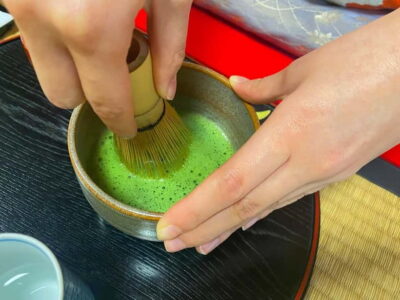 ★ 4.9Kyoto: Tea Ceremony in a Traditional Tea House in KiyomizuFrom $4945 min
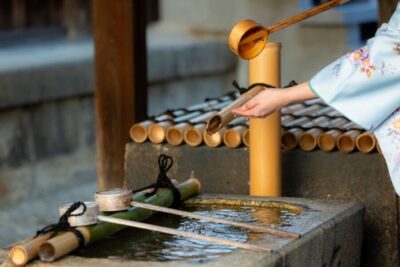 ★ 4.9Kyoto: Tea Ceremony Ju-An at Jotokuji TempleFrom $291h 10m
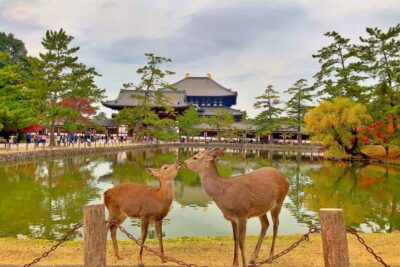 ★ 4.1Osaka/Kyoto:Kinkakuji,Arashiyama,FushimiInariShrine,NaraParkFrom $66
 ★ 4.8Arashiyama Bamboo, Temple, Monkeys, or Secret Sake BreweryFrom $875 hours - 330 minutes
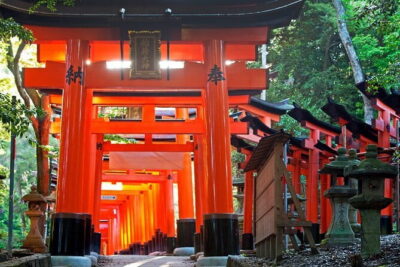 ★ 5.0Kyoto: Nijo, Kinkaku-ji, Arashiyama, Kiyomizu & Fushimi InariFrom $51