
Reviewed · HIKING & TREKKING
Kyoto: Hike and Hot Springs in Kurama
Mount Kurama gives you a very different Kyoto: cedar forest, stone steps, mountain air, old shrines, and legends tied to Reiki and spiritual power. The train ride from Demachiyanagi Station is part of the pleasure, carrying you from the city into a quiet northern valley. I especially like the sacred forest route and the chance to finish with a hot spring bath. The main catch is simple: this is a real uphill hike, not a gentle stroll.
I also like the small-group feel and the guides’ ability to adjust the pace. Philippe, Chris, Kevin, and other named guides have earned praise for explaining local customs, temple symbols, and mountain stories rather than simply pointing out buildings. You should still arrive ready for stairs, heat in summer, and a few hours on your feet.
In This Review
- Key points at a glance
- Leaving Kyoto by train for the northern mountains
- Starting the climb through Kurama’s sacred forest
- Kurama Temple and Mount Kurama’s spiritual pull
- Descending toward Kurama village
- Kibune Shrine and prayers for good relationships
- The hot spring is the ideal finish
- How hard is the hike?
- What the $80 price really covers
- Who should book this experience?
- Should you book the Kurama hike?
- FAQ
- Where does the tour meet?
- How long does the activity last?
- Is transportation included?
- Is lunch included?
- Is the hot spring included?
- How difficult is the hike?
- What should I bring?
- Which languages are available?
Key points at a glance
- Mountain train from Kyoto: Ride the Eizan Railway from Demachiyanagi into the wooded northern hills.
- Sacred Kurama route: Climb through an ancient cedar forest toward Kurama Temple, with stops for shrines, legends, and views.
- Kibune Shrine visit: Make a prayer connected with good relationships in this atmospheric riverside village.
- Flexible finish: End in Kurama village with choices for lunch, a walk, the train back, or a hot spring.
- Strong guide element: English and French guides, including Philippe and Chris, add cultural context and can tailor the pace in private or small groups.
- Moderate but demanding hike: You need comfortable shoes, water, and a decent level of fitness. Long pants help keep insects away.
Leaving Kyoto by train for the northern mountains
The meeting point is Demachiyanagi Station exit 7, in front of the Eizan Railway. That makes the start fairly easy to find, but give yourself time to locate the correct exit and railway entrance. The train ride is not just a transfer. It gradually trades central Kyoto streets for wooded hills and a quieter rhythm.
The route toward Kurama and Kibune is one of the nicest short escapes from Kyoto because you begin near the city center and reach a rural setting without spending a full day in transit. You will see the scenery change through the train windows, then step into a village atmosphere far removed from the major temple districts.
Your guide handles the transportation included in the tour. The tour ends in Kurama village, however, and your return transportation is not included. You receive guidance on the options, including taking the train back to Kyoto, but budget for that final ride.
The entire experience lasts about four hours. That is enough time for the train, hike, temple visit, descent, and orientation in Kurama, but it is not a leisurely full-day outing with long meals. If you want lunch and a hot spring, you will need to manage your time carefully or treat the four-hour tour as the organized portion of a longer mountain day.
If you're still narrowing it down, here are other tours in Kyoto Prefecture we've reviewed.

Starting the climb through Kurama’s sacred forest
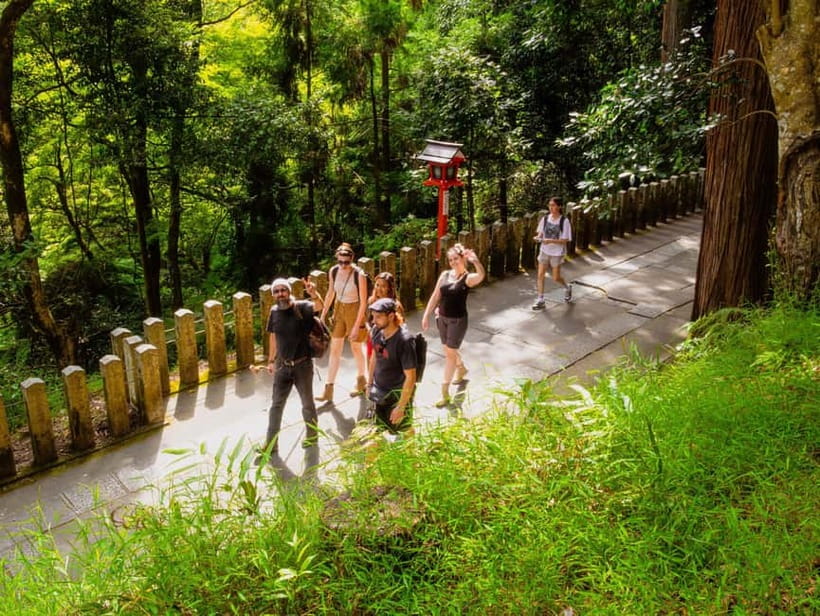
After a short visit at the beginning of the route, you head toward the hiking course. The climb uses steps and reaches the top in roughly 30 to 40 minutes for a reasonably fit hiker. That estimate does not mean the climb feels effortless. Summer heat, humidity, and repeated stairs can make it harder, so expect a moderate workout rather than a casual temple walk.
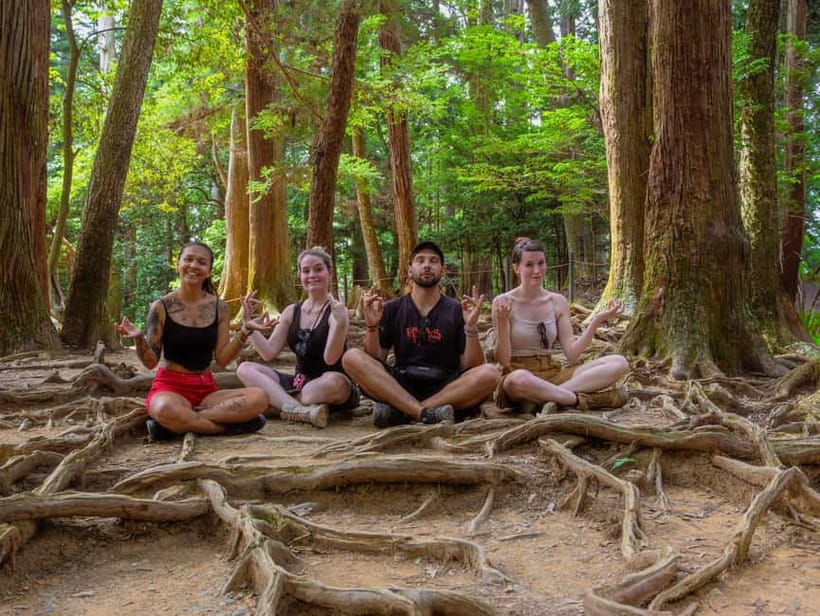
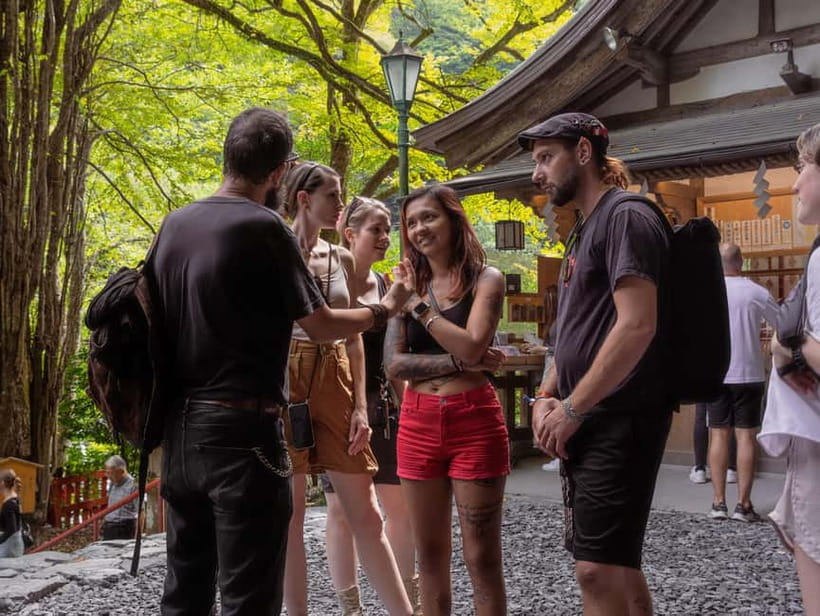
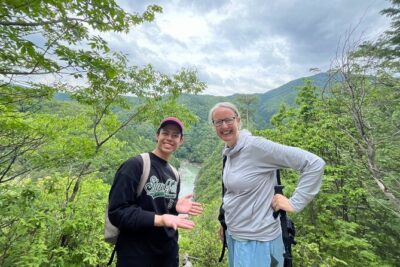
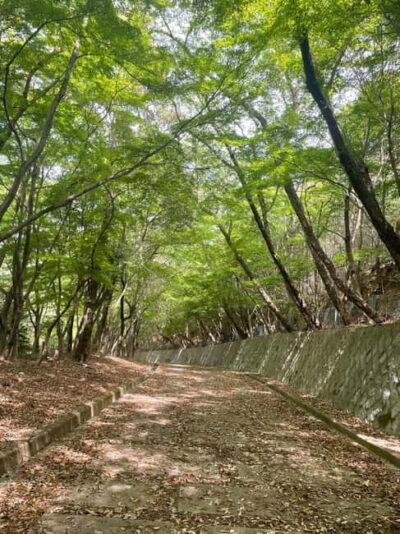
The trail’s appeal comes from the setting. Tall cedars shade the path, and the forest gives the climb a quiet, almost timeless feel. Your guide can explain the shrines, deities, local customs, and stories tied to the mountain. This is where a guide adds real value. Without context, you might see a series of gates, statues, and buildings. With someone like Philippe or Chris, the route becomes a lesson in how nature, Buddhist practice, Shinto tradition, and local legend overlap.
Plan to stop along the way. The tour is not built around racing to the summit. Guides have been praised for waiting, adjusting the pace, and taking people to less familiar parts of the mountain. Those pauses also give you time to catch your breath and enjoy the crisp air.
You might encounter wildlife in the forest. One guide even made a determined effort to track down a monkey, and another group saw deer on the way up. These sightings are not guaranteed, so treat them as a bonus rather than a feature to expect.
Kurama Temple and Mount Kurama’s spiritual pull
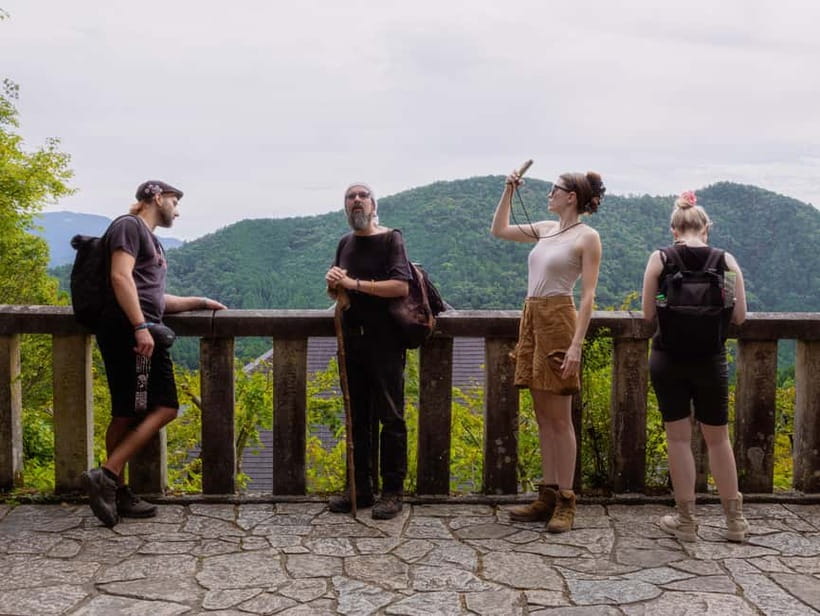
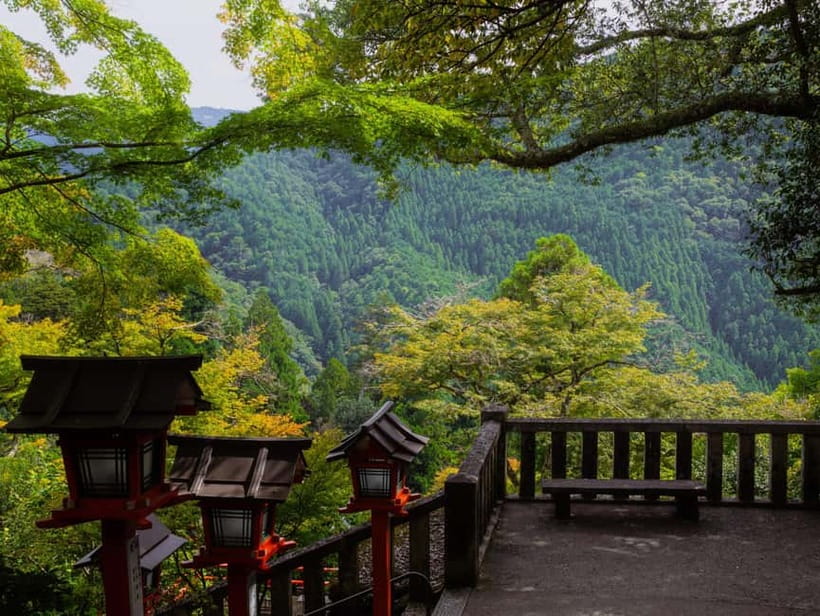
Kurama Temple sits near the mountaintop and is the central cultural stop. The temple area is regarded locally as a power spot, a place with unusual spiritual force. The mountain is also associated with the origin of Reiki, a fact that makes the visit especially meaningful for people interested in Japanese spirituality or Reiki practice.
The temple is not valuable only for its beliefs. It gives the hike a clear purpose and a strong sense of arrival. After the stairs, you can pause, offer prayers, take in the mountain air, and look across the valley. The view is one of the rewards for making the climb.
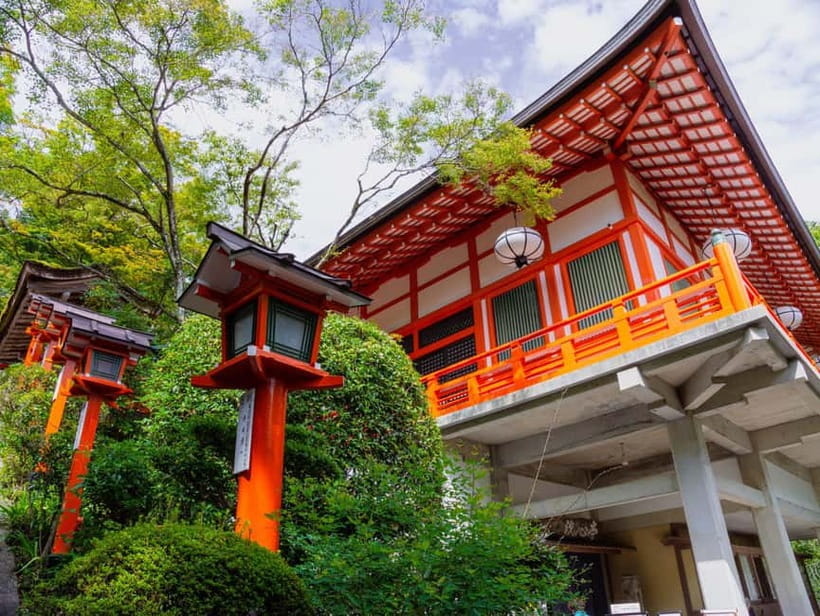
Conditions can change. At one point, maintenance scaffolding covered much of the temple exterior, limiting the view of the building itself. You may still enter the temple area and ring the large bell in the hills above, but construction work can affect what you see. If the temple’s architecture is your main reason for booking, it is worth checking current conditions before you go.
The guide’s interpretation is more important here than a quick photograph. You can learn about the deities, the temple’s role, and the legends connected with Mount Kurama. Several guides have been praised for making this part thoughtful and easy to follow, with Philippe receiving especially warm praise for his humor, patience, and cultural explanations.
Descending toward Kurama village
The descent follows steps from the temple toward the small town of Kurama. Going downhill is less demanding on your breathing, but it can be tough on knees and ankles. Good walking shoes matter. Smooth sandals or thin city shoes would make the route less comfortable and less safe.
The village gives you a welcome change of pace. You can stroll, find lunch, or simply rest after the climb. The tour itself does not include lunch, and the meal is not built into the $80 price, so you should decide in advance how much time you want to spend eating.
The area also gives you a taste of rural Kyoto without requiring an overnight stay. Restaurants sit near the river, and the setting is well suited to a slow meal after a physical morning. Still, do not assume you can fit a long lunch, a full bath, and an unhurried village visit into the four-hour schedule. The guide concludes the organized tour in Kurama and explains your choices at that point.
This flexible ending is useful for different kinds of visitors. You can return to Kyoto by train if you have afternoon plans. You can stay longer for food. Or you can continue with the hot spring, which is the most satisfying choice if your legs need a reward.
Kibune Shrine and prayers for good relationships
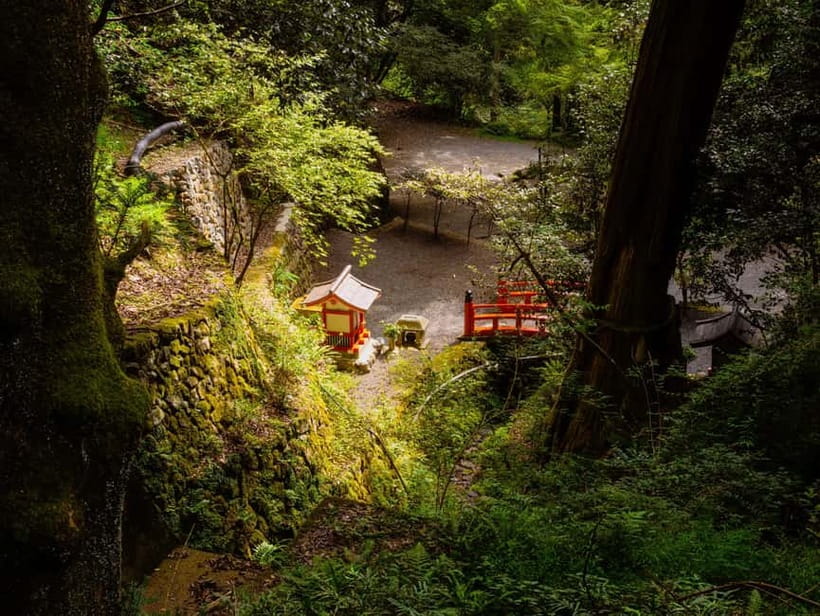
The experience includes a visit to Kibune Shrine, another major reason to choose this route instead of a simple Mount Kurama hike. Kibune has a strong connection with water and sits along a legendary river in the northern hills. The shrine’s setting feels intimate and atmospheric, especially after the train ride and forest walk.
Here you can make a prayer for good relationships. That gives the stop a clear personal focus, even if you are not deeply religious. You can approach it as a cultural visit, a quiet pause, or a chance to take part in a local tradition respectfully.
The exact flow between the shrine, trail, and village can vary with the guide and the day’s pace. Private and small-group options allow more room for questions and personal interests. If you care about shrine customs, Reiki, local legends, or the history of the mountain, tell your guide early so the time can be used well.



The hot spring is the ideal finish
The Kurama Hot Spring is not included, but it is the natural finale. The outdoor bath is known for views toward the surrounding mountains, and soaking after a climb can turn a good half-day into a memorable one.
You can receive a special discounted ticket for the bath through the tour, though the exact fee is separate from the $80 price. Ask your guide about the current cost and timing. The bath is optional, so you are not paying for something you do not want, but I think it offers the best value if you enjoy Japanese bathing culture.
Remember that this is a public bathing experience, so you should be comfortable following Japanese onsen customs. The supplied information does not specify every facility rule, opening condition, or current bathing arrangement, so confirm details before relying on the bath as part of your plans.
The hot spring also adds practical value. Kyoto sightseeing often means hours of walking on hard streets and temple paths. A mountain bath gives you a chance to slow down before returning to the city. One group called it glorious and urged visitors not to skip it. That enthusiasm makes sense, provided you leave enough time.
How hard is the hike?
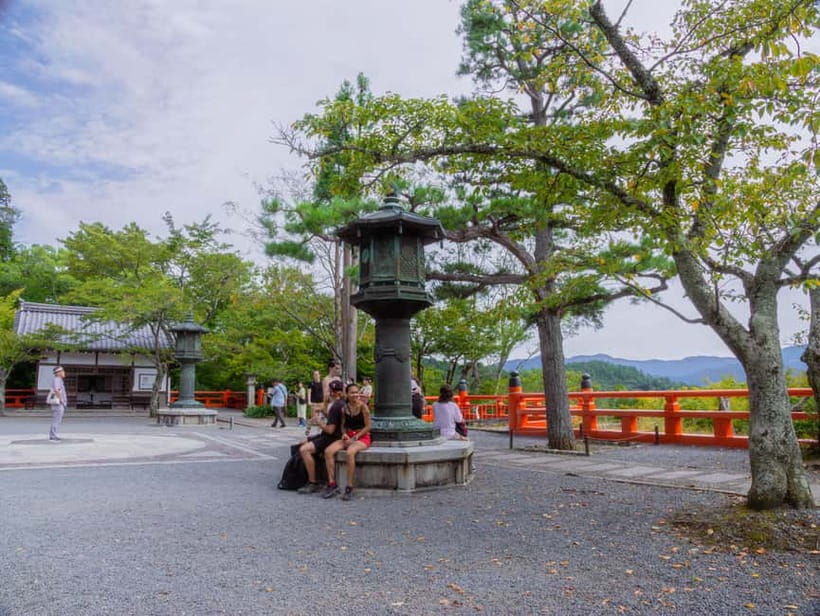
The route is described as moderate, but the practical warning is stronger: you need a decent level of fitness and some hiking experience. The climb to the mountaintop takes about 30 to 40 minutes, with steps and regular uphill effort. You will make stops, but the guide cannot remove the physical demand.
This tour is not suitable for children under 11, wheelchair users, or people with mobility impairments. It is also a poor choice if you have no hiking experience. Strong walkers who are comfortable with stairs should manage it, but summer is more demanding because heat and humidity add strain.
Wear comfortable shoes with a secure sole. Bring water. Long pants are a smart choice if you want to reduce the chance of insect bites. In hot weather, carry enough water for the climb and avoid treating the forest shade as a guarantee of cool conditions.
Winter can bring a different kind of beauty. Light snow has appeared on sunny days, creating memorable conditions, but you should still expect slippery or cold sections when weather changes. The tour description does not promise any special equipment, so dress for the forecast and choose footwear carefully.
What the $80 price really covers
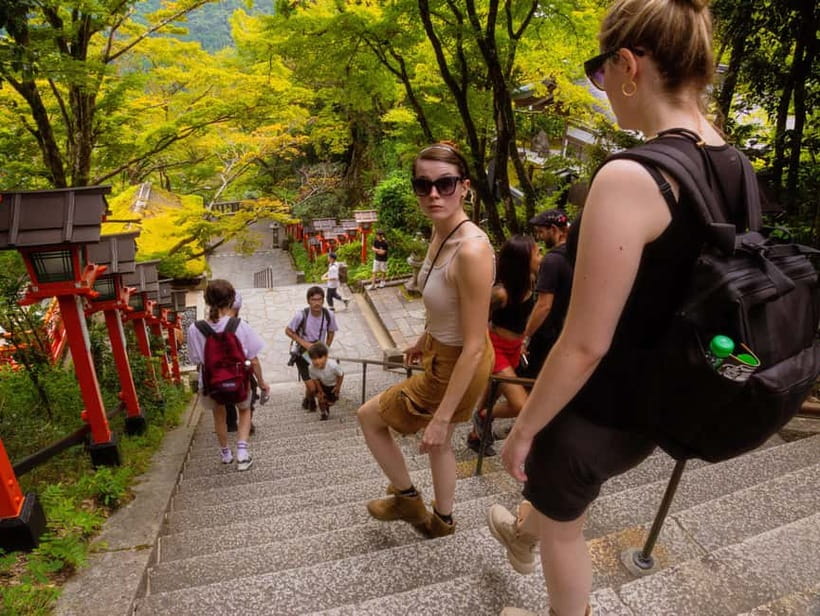
At $80 per person, the price is reasonable if you want a guide to connect the transport, mountain, shrine, and temple into one clear outing. The fee includes the guide, temple admission, and transportation during the organized tour. That removes some of the small planning chores that can slow down a short trip outside Kyoto.
You still pay separately for lunch, the hot spring, and transportation back to the meeting point or city. These extras are not hidden, but they affect your final budget. If you skip the bath and eat simply, the tour remains fairly controlled in cost. If you add a substantial meal, the onsen, and a longer village stay, plan to spend more.
The strongest value comes from the guide’s local knowledge and flexibility. A good guide can pace the climb, explain the spiritual sites, point out less familiar corners, and help you choose how to finish. Philippe has been particularly praised for his local understanding and route planning, while Chris, Kevin, and other guides have also received strong praise for cultural explanations and a friendly manner.
The private or small-group format can make the cost more worthwhile for couples, families with older children, or friends who want to ask questions. It also gives you more room to slow down at the temple or spend extra time on a point that interests you.
Who should book this experience?
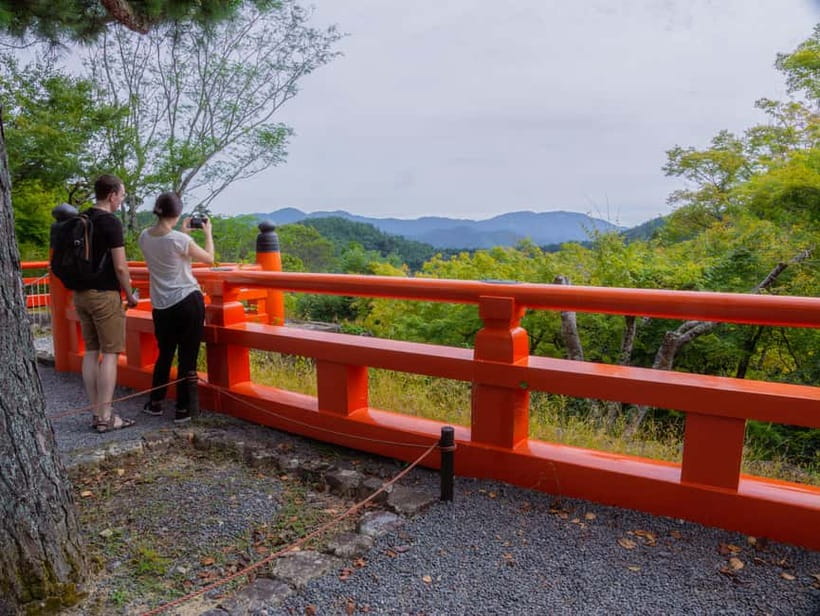
I would choose this tour if you want a genuine break from Kyoto’s central temples and shopping streets. It suits active adults, confident walkers, people interested in Japanese religious traditions, and anyone who likes pairing scenery with cultural explanation.
It is especially good for a visitor who might otherwise miss the northern mountains. You get a train ride, a forest hike, two important religious sites, a village, and the option of a hot spring in one compact outing.
I would hesitate if you dislike stairs, want a relaxed sightseeing day, or need guaranteed access for a wheelchair. I would also think twice if your Kyoto schedule is so tight that you cannot spare extra time after the official four hours. The most satisfying version includes a meal or bath, and both require some flexibility.
The guide matters. Most of the named guides receive very strong praise for being friendly, patient, funny, and well informed. One experience was let down by a guide who smoked while walking ahead and drank beer before the tour ended. That appears to be an exception, but it is a useful reminder that a private or small-group booking does not remove the need to communicate your expectations.
Should you book the Kurama hike?
Book it if you want Kyoto with more trees, fewer city crowds, and a little physical effort. The combination of the Eizan train, cedar forest, Kurama Temple, Kibune Shrine, and optional onsen gives you a rewarding half-day with a clear sense of place.
Choose it with comfortable shoes, water, long pants, and enough energy for stairs. If you can add the bath afterward, I would do so. At $80, this is a strong choice for an active visitor who values local stories and an adaptable guide more than a tightly scripted sightseeing route.
FAQ
Where does the tour meet?
The meeting point is Demachiyanagi Station exit 7, in front of the Eizan Railway, in Kyoto.
How long does the activity last?
The organized tour lasts four hours. The guide finishes in Kurama village and explains options for lunch, the hot spring, or the train back to Kyoto.
Is transportation included?
Transportation during the organized tour and the train journey to the area are included. Transportation back to the meeting point is not included.
Is lunch included?
No. Lunch is not included, and you can choose whether to eat in Kurama village after the hike.
Is the hot spring included?
No. The hot spring fee is separate. A special discounted bath ticket may be available through the tour.
How difficult is the hike?
The hike is moderate and includes stairs. The mountaintop can be reached in about 30 to 40 minutes, but you should have a decent level of fitness and some hiking experience.
What should I bring?
Bring comfortable shoes and water. Long pants are recommended if you want to reduce the chance of insect bites.
Which languages are available?
Live guiding is available in English and French. Private and small-group options are available.
More tours in Kyoto Prefecture we've reviewed



Hiking & Trekking, compared.
 ★ 5.0Fushimi Inari Hidden Hiking Tour (Private Option Available)From $63
 ★ 4.9Kyoto: 3-Hour Fushimi Inari Shrine Hidden Hiking TourFrom $723 hours
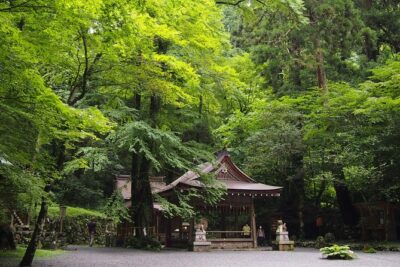 ★ 5.0Kyoto Hiking Tour: The Nature and Legends of Kurama and KibuneFrom $191
 ★ 5.0Kyoto Arashiyama Bamboo Forest Hiking Tour(Hidden Temples)From $52
 ★ 5.0Kyoto: Arashiyama Bamboo Forest Hiking TourFrom $693 hours
 ★ 5.0Ninja Trekking half-day tour at Mt.Daimonji KyotoFrom $347