
Reviewed · KYOTO PREFECTURE
Kyoto Satoyama Cycling with Lunch and English Guide
Sonobe gives you a side of Kyoto that most city sightseeing never reaches. On this private e-bike tour, you pedal past fields, rivers, mountain views, old houses, shrines, and the former Sonobe Castle site, with local guides who grew up in the area. The pace is gentle enough to take in the scenery, not just chase the next stop.
I especially like the hands-on soba-making lunch and the chance to add small cultural experiences such as wearing a kimono or playing the koto. I also like that guides Maki and Yasu can explain the area as locals, not as distant tour narrators. The main consideration is timing: extra activities, including the Mt. Komugi, or Mario Mountain, option, can push the finish beyond 2 PM.
In This Review
- Key things to know before you book
- Sonobe, a rural Kyoto day without a long journey
- E-biking through fields, rivers, and village roads
- Ikimi Tenmangu Shrine and the god of learning
- Sonobe Castle ruins at a school gate
- Making soba in a closed school
- Choose between soba and a traditional house lunch
- Make Shrine and Tanba’s farming tradition
- Add kimono, koto, or Mario Mountain
- The guides are part of the experience
- Timing, weather, and practical planning
- Who will get the most from this Sonobe ride?
- Should you book the Kyoto Satoyama Cycling tour?
- FAQ
- How long does the Kyoto Satoyama Cycling tour last?
- What time does the tour start?
- Where does the tour begin and end?
- Is the tour private?
- Is the tour conducted in English?
- What lunch options are available?
- Can dietary requirements be accommodated?
- What sights are included?
- Are extra activities included?
- What happens if the weather is bad?
Key things to know before you book
- Sonobe is only about 30 minutes from Kyoto City by train, yet the setting feels distinctly rural.
- The tour is private, so only your own group participates.
- Two lunch choices are available: make soba from local buckwheat, or eat local produce in a traditional Japanese house.
- E-bikes make the countryside route manageable, with roughly 10 to 20 minutes of cycling between stops.
- Your English-speaking guides are local residents, including Maki and Yasu, who can add personal context to the villages and shrines.
- Extra experiences are included, but choosing several can extend the tour beyond its usual 4 to 5 hours.
Sonobe, a rural Kyoto day without a long journey
Kyoto City is famous for temples, lanes, gardens, and crowds. Sonobe offers a useful change of rhythm. The town sits in Kyoto Prefecture, close enough for a half-day outing, but the ride takes you into a quieter setting of mountain views, fields, waterways, and traditional Japanese homes.
The tour begins at 10 AM at Mizobe-6-21 Sonobechō Oyama Higashimachi in Nantan. You return to the same meeting point at the end. The total running time is about four to five hours, and that includes cycling between the stops.
That detail matters. This is not a stationary food class with a quick photo stop. You spend a good part of the morning moving through the countryside by electric bicycle. The distances between sights are usually around 10 to 20 minutes by bike, giving the day a steady flow without making the ride feel like an endurance test.
The experience is described as a private activity, so only your group takes part. That is a real advantage for families, school groups, and friends who want to pause for photographs or ask questions without keeping pace with strangers. Group discounts are available, and the tour has been used successfully by larger groups, including a school party of 16 people.
Other cycling tours in Kyoto Prefecture
E-biking through fields, rivers, and village roads
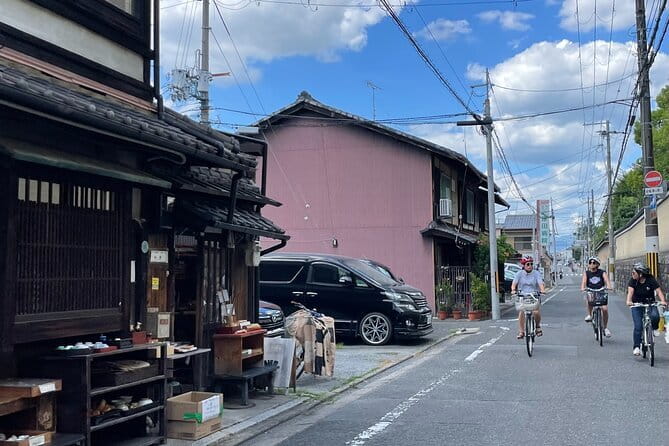
The bicycle is the heart of the experience. An e-bike gives you help on the route, which is useful in a rural area where even a short ride may include an incline. You still pedal, but the electric assistance lets you pay attention to the view instead of worrying about every rise in the road.
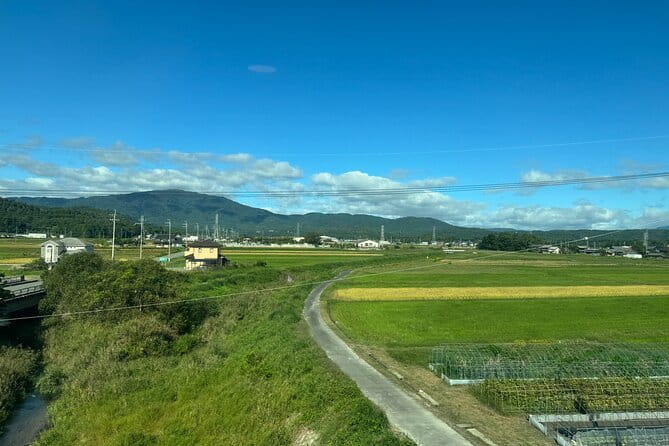
Expect fresh air, birdsong, flowing water, wooded slopes, fields, and Japanese houses along the way. The countryside is the main attraction, and the ride gives you time to see how ordinary life looks outside central Kyoto. This is a much better fit for you if you prefer movement and open space to a packed schedule of famous monuments.
The guides also pay attention to comfort. Guests have described receiving clear advice about clothing based on the forecast, along with safety equipment. On one cold-weather outing, the guides prepared disposable hand warmers and neck warmers. Those touches suggest a practical approach, though you should still check the weather and dress for the season.
The tour is suitable for most people, but cycling remains part of the activity. If you are uncomfortable on a bicycle, have mobility concerns, or want a fully vehicle-based outing, this may not be your best Kyoto day trip. The electric assistance helps, but it does not turn the tour into a sightseeing bus.
Ikimi Tenmangu Shrine and the god of learning
The first listed stop is Ikimi Tenmangu Shrine, where you spend about 10 minutes. It is described as the oldest Tenmangu Shrine in Japan and is dedicated to Sugawara no Michizane, traditionally honored as a god of learning.
That makes the stop especially appealing to families with school-age children or anyone interested in the way Shinto shrines connect with daily hopes and worries. People visit to pray for success in exams, so the shrine is not simply an old building to photograph. It remains tied to a living custom.
Ten minutes is brief. You should think of this as a focused introduction rather than a long shrine visit. You will have time to see the site, learn why it matters, and take part in the proper worship if you select the shrine experience among your included options. If you want a long, quiet temple visit, the schedule may feel quick.
Sonobe Castle ruins at a school gate
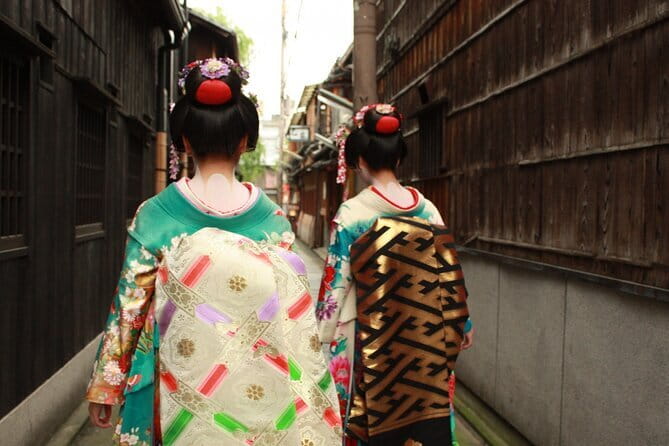
Next comes the former Sonobe Castle site, with about 20 minutes allotted. The surviving structures include the main gate, castle walls, turrets, and a guardhouse. The unusual detail is that the main gate now serves as the entrance to Sonobe High School.
The site is described as the last castle built in Japan. That claim gives the stop a curious place in the country’s castle story, especially since the remains are part of an active school setting rather than an isolated museum complex. You get a compact history lesson and a look at how old structures can remain part of everyday community life.
The castle visit can depend on the schedule, so do not expect a long exploration of a large preserved fortress. The stop is short and centered on the remaining structures. Still, it adds historical interest to a day that could otherwise be only a scenic bike ride.
A castle visit is one of the extra choices included in the price. Tell the guides at the beginning which options you want. This is important because the available choices affect the timing and shape of your morning.
Making soba in a closed school
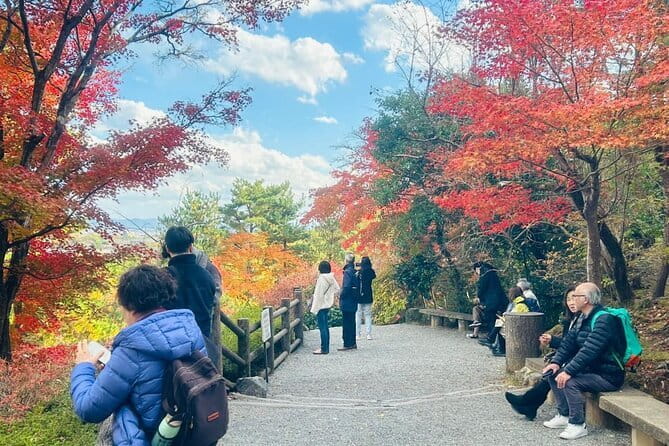
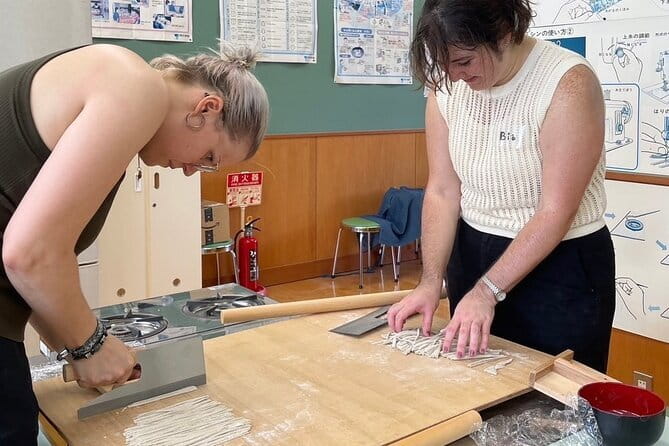
The longest stop lasts about one hour and 50 minutes, at the former Maki Elementary School. The building is used for a hands-on soba noodle-making session using buckwheat flour harvested locally. After making the noodles, you eat them freshly boiled.
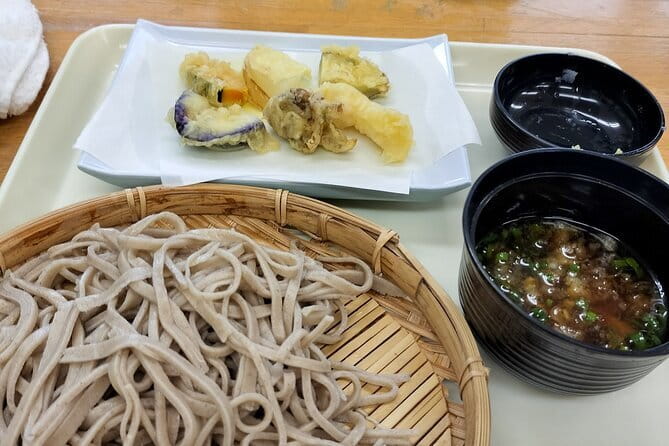
This is the strongest part of the day for many people because you are not merely handed a regional dish. You see part of the process, work with the ingredients, and then eat what has just been prepared. Tempura and rice balls are also served with the soba set meal, creating a filling lunch rather than a small tasting portion.
The old school setting adds character without needing a staged theme. A closed elementary school is a tangible reminder of changing rural communities, while the local buckwheat connects the meal to the surrounding farmland. For families, it gives children something to do with their hands. For adults, it offers a direct way to understand a local food tradition.
You should allow the full time listed here. Soba-making is not a quick demonstration, and the meal follows the activity. This is also the point most likely to make the tour feel longer than a standard sightseeing loop, so keep some space in your day afterward.
Vegan, vegetarian, and allergy-friendly meals can be arranged if requested. Make that request in advance rather than waiting until lunch. The alternative lunch course may also suit you better if you prefer a prepared meal over a cooking activity.


Choose between soba and a traditional house lunch
The tour offers two main lunch courses. Course A includes the soba-making class and a soba set meal. Course B features local produce served at a restaurant in a traditional Japanese house.
Course A is the more hands-on choice. Pick it if you want a practical food experience, are curious about buckwheat noodles, or are traveling with children and want an activity that breaks up the cycling. It also gives you a clearer link between local agriculture and what appears on your plate.
Course B is better if you want to sit back and focus on regional cooking and the character of an old Japanese home. One lunch setting has a playful frog theme, and the food is described as enjoyable and well presented. The restaurant option may be the easier choice for anyone who does not want to spend nearly two hours making noodles.
The data gives different pricing details: the advertised cost is $78.83 per person, while the participation fee is also listed as 15,000 yen for one person. Currency rates and booking conditions can change, so check the current total before paying. At either price, the value depends on what you would otherwise spend on transport, a guided countryside visit, a cultural activity, and lunch. The inclusion of the e-bike, English guidance, food, and extra choices makes the cost easier to justify for someone seeking a full local experience rather than a simple bicycle rental.
Make Shrine and Tanba’s farming tradition
The final listed stop is Make Shrine, with about 30 minutes to explore. The shrine honors the agricultural god of the Tanba region, an area historically important to Kyoto’s food supply.
Its most distinctive feature is the traditional thatched roof on the main hall. That roof gives the stop a strong rural character and links the shrine to the farming culture you have been seeing from the bicycle. The visit also offers a chance to learn the correct way to worship at a Shinto shrine, a small but useful lesson if you are unsure what to do at Japanese religious sites.
Make Shrine works well as the closing stop because it brings together the day’s themes: food, farming, local beliefs, and the countryside around Sonobe. The visit is long enough to look carefully and ask questions, but not so long that the tour becomes a formal religious study.
Add kimono, koto, or Mario Mountain
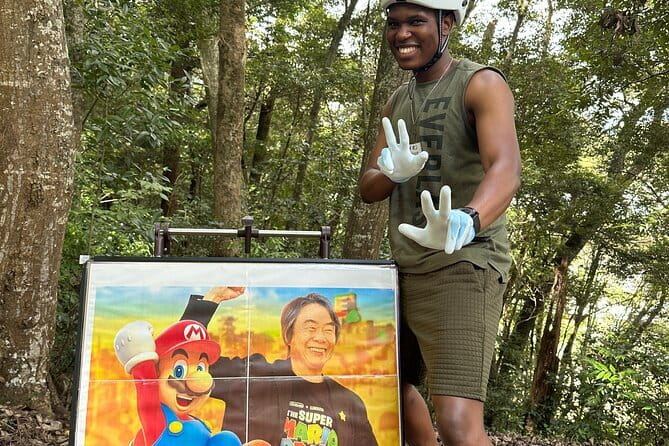
You can choose two or three extra experiences from the available options, and they are included in the tour price. Choices include visiting the castle, worshipping at Shinto shrines, drinking spring water over a small mountain, taking a photograph in a kimono, playing the koto, and exploring Mt. Komugi, known as the birthplace of Super Mario.
These choices make the private format more useful. A family may prefer the kimono photo and Mario Mountain. A group interested in culture may choose the koto and shrine worship. A school group could make different selections from a couple traveling alone.
Do not treat the extras as invisible add-ons that fit into the same schedule without consequence. The information provided specifically warns that Mt. Komugi can extend the tour beyond 2 PM. If you have a train reservation, dinner booking, or another afternoon activity in Kyoto, ask the guide at the start how your choices affect the finish.
The guides are part of the experience
Maki, Yasu, and the local guiding team are a major reason this tour feels personal. They were born and raised in the town, and the tour is conducted in English. That combination matters in a place where the sights are less familiar to international visitors than Kyoto’s central temples.
You can expect explanations at each stop, along with local context about Sonobe, its food, shrines, scenery, and community life. Maki is also described as energetic and enthusiastic, while the guides are attentive about directions, clothing, and safety equipment.
The tone appears warm rather than formal. That will suit you if you like asking questions and learning through conversation. If you want a silent, self-directed ride with minimal commentary, a rental bike would give you more independence.
Timing, weather, and practical planning
The tour starts at 10 AM and ends back at the meeting point. It is close to public transportation, and Sonobe can be reached from Kyoto City in about 30 minutes by train, making this a realistic half-day escape.
Bad weather is the main operational concern. The activity requires good conditions, and cancellation because of poor weather may lead to a different date or a full refund. In the supplied information, the operator says weather cancellations are announced by 5 PM the day before, with options including rescheduling, cancellation, or transportation by car. The normal cancellation policy allows a full refund when you cancel at least 24 hours before the start time. Late cancellations and late changes are not accepted.
Use the meeting point carefully: Mizobe-6-21 Sonobechō Oyama Higashimachi, Nantan, Kyoto 622-0041. Confirmation is sent at booking, and the activity has a mobile ticket. Since the tour starts in a rural area rather than central Kyoto, give yourself enough time to reach the exact location.
Ask for dietary arrangements before the day. Vegan, vegetarian, and allergy-friendly meals are available on request, but advance notice is the sensible approach.
Who will get the most from this Sonobe ride?
I would recommend this tour to you if you have already seen Kyoto’s major city sights and want a quieter day with real physical movement. It also suits families, school groups, couples, and solo visitors who want an English-speaking local guide and a structured way to reach the countryside.
The tour is particularly strong for people who value food and place together. You cycle through the area where the ingredients and traditions come from, then eat a meal connected to that setting. The shrine and castle stops add variety, while the optional kimono, koto, spring water, and Mario Mountain activities let you shape the day.
I would hesitate if you have limited cycling ability, need a tightly fixed finish time, or want a major castle or shrine complex with extensive indoor exhibits. Sonobe’s sights are smaller and more local. Their appeal comes from the connection between the village, the food, the scenery, and the people guiding you.
Should you book the Kyoto Satoyama Cycling tour?
Book it if your ideal Kyoto outing includes quiet roads, local food, small historical sites, and a guide who can introduce you to home territory. The handmade soba course offers the best value for an active cultural day, while the traditional-house lunch is better for a relaxed meal.
Before booking, confirm the current price in your currency, select your lunch preference, mention dietary needs, and decide which two or three extras you want. Keep the afternoon flexible, especially if you choose Mt. Komugi. For a short trip from Kyoto City that feels far removed from the usual sightseeing circuit, this is a thoughtful and well-rounded choice.
FAQ
How long does the Kyoto Satoyama Cycling tour last?
The tour lasts approximately four to five hours. Cycling between stops usually takes about 10 to 20 minutes, and optional activities may make the tour run past 2 PM.
What time does the tour start?
The start time is 10 AM.
Where does the tour begin and end?
The meeting point is Mizobe-6-21 Sonobechō Oyama Higashimachi, Nantan, Kyoto 622-0041, Japan. The activity ends back at the same meeting point.
Is the tour private?
Yes. Only your group participates in the activity.
Is the tour conducted in English?
Yes. Local guides lead the experience in English. Guides named in the supplied information include Maki and Yasu.
What lunch options are available?
You can choose Course A, which includes hands-on soba-making and a soba set meal, or Course B, which serves local produce at a restaurant in a traditional Japanese house.
Can dietary requirements be accommodated?
Vegan, vegetarian, and allergy-friendly meals are available when requested.
What sights are included?
The listed stops are Ikimi Tenmangu Shrine, the ruins of Sonobe Castle, the former Maki Elementary School for soba-making, and Make Shrine.
Are extra activities included?
Yes. You can choose two or three options from activities such as a castle visit, Shinto shrine worship, drinking spring water over a small mountain, a kimono photo, playing the koto, and exploring Mt. Komugi.
What happens if the weather is bad?
If poor weather causes cancellation, you can be offered another date, transportation by car, or a full refund. The operator says weather decisions are communicated by 5 PM the day before. You can also cancel for a full refund up to 24 hours before the tour start time.
More Lunch Experiences in Kyoto Prefecture
More Cycling Tours in Kyoto Prefecture
More tours in Kyoto Prefecture we've reviewed




Kyoto Prefecture, compared.
 ★ 4.9Kyoto: Zen Meditation and Garden Tour at a Temple with LunchFrom $1074h 30m
 ★ 5.0Kyoto: Hike and Hot Springs in KuramaFrom $804 hours
 ★ 4.9Itajime Shibori Scarf Class at Kyoto Shibori MuseumFrom $421 hour
 ★ 5.0Shibori Furoshiki Course at Kyoto Shibori MuseumFrom $421 hour
 ★ 5.0Kyoto 1 Day Suntory Yamazaki Distillery Tour and Asahi Art MuseumFrom $163
 ★ 5.0Kyoto Half Day Yamazaki Whisky Museum and Asahi Art MuseumFrom $65