

Reviewed · KYOTO PREFECTURE
Kyo-arashi Shibori Scarf Class at Kyoto Shibori Museum
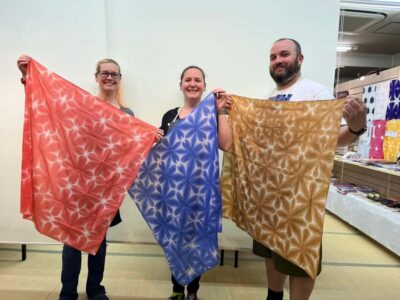
The clever part of this Kyoto activity is that you do not just look at shibori, you make a scarf using the museum’s own tube-and-string resist-dyeing method. The technique produces bold, carefully arranged patterns in a class lasting about 30 to 60 minutes.
I like the small group of no more than eight, which gives the instruction a personal feel, and I like that museum admission is included. You can use the drying time to see finished scarves, old tools, and other art rather than sitting around waiting. The main consideration is time: this is a short introduction, not a full-day craft course, and the final pattern depends on the dyeing process.
In This Review
- Key points to know before booking
- A hands-on introduction to Kyoto shibori
- What happens during the scarf class
- Waiting for the dye to dry
- Why the museum visit adds real value
- The museum shop and finished textiles
- Fitting the class into a Kyoto day
- Who will enjoy this most
- Price, group size, and language
- Should you book the scarf class?
- FAQ
- How long does the Kyo-arashi Shibori Scarf Class last?
- How much does the class cost?
- Is museum admission included?
- Where is the Kyoto Shibori Museum?
- What shibori method will I learn?
- Is the class taught in English?
- How large is the class?
- Can I cancel the booking?
Key points to know before booking
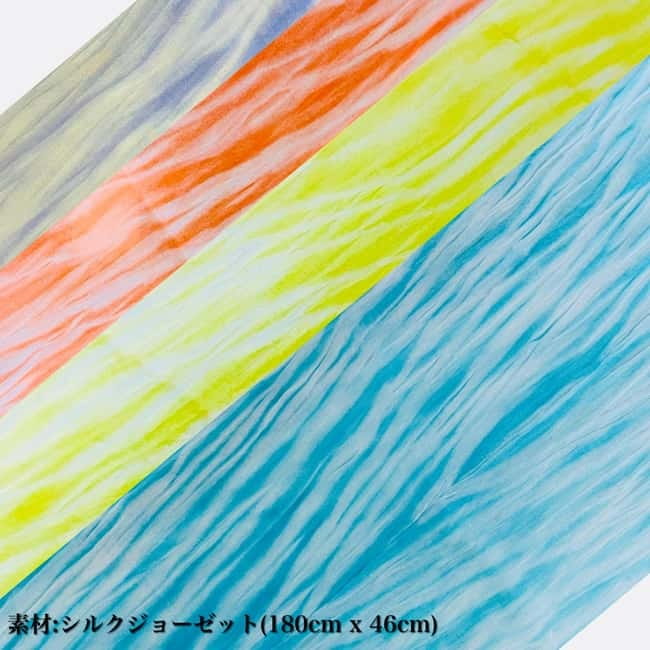
- Make a scarf with a Kyoto Shibori Museum technique: The tube-and-string method creates highly designed patterns rather than a plain dyed cloth.
- Use drying time to explore: Your scarf gives you a reason to visit the museum’s upstairs displays of artwork, tools, and samples.
- Stay near Nijo Castle: The museum is about a five-minute walk from one of Kyoto’s major sights.
- Work in a group of eight or fewer: The compact class size suits couples, friends, and small family groups.
- Get museum entry included: The usual 1,000-yen admission is covered for workshop participants.
- Choose English or Japanese instruction: The class is offered with an instructor speaking either language.
A hands-on introduction to Kyoto shibori

Shibori is a family of Japanese resist-dyeing methods. Instead of painting color freely across cloth, you protect parts of the fabric before dyeing it. The covered sections keep their original color, creating the pattern.
This class focuses on the Kyoto Shibori Museum’s original tube-and-string style. A tube and string are used to shape and resist the dye, allowing you to create a scarf with a more deliberate design. That is the key difference between this activity and a simple souvenir-making session: you are learning a particular method linked to the museum.
I like the balance here. You get enough instruction to produce something stylish, but you do not need to commit half a day to a craft workshop. The class itself takes roughly 30 to 60 minutes, and the entire activity lasts about an hour.
The short format works well in a packed Kyoto schedule. You can place it before or after a visit to Nijo Castle, since the museum is only a five-minute walk away. It also gives you a quiet change of pace after temples, gardens, and busy shopping streets.
Other museum experiences in Kyoto Prefecture


What happens during the scarf class
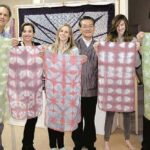
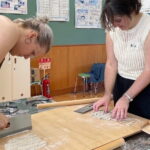
The class begins with instruction in the tube-and-string process. The English- or Japanese-speaking instructor shows you how the technique is used to resist dyeing and create the scarf’s pattern.
The exact sequence of hand movements is not described in detail, so you should expect a practical introduction rather than a long lecture on textile theory. The point is to understand the method, follow the instructions, and make your own piece.
That does not mean the activity is mindless. Shibori rewards attention. The way the tube and string shape the fabric affects the pattern, so your scarf becomes a record of the choices you make during the class. The finished result has a personal quality that a factory-made textile cannot match.
The instructor named Hero is described as clear and informative, and the teaching is designed to make the process easy to follow. English instruction is available, which matters if you want to understand the method rather than simply copy a few movements.
The group limit is eight people. That is large enough for a social outing, but small enough to avoid the feel of a crowded demonstration. It suits a couple or a few friends particularly well. If your group has different crafting experience levels, the short format also keeps the activity manageable for beginners.
Waiting for the dye to dry
Once the practical work is finished, your scarf needs time to dry. This is where the activity becomes more than a quick craft project.
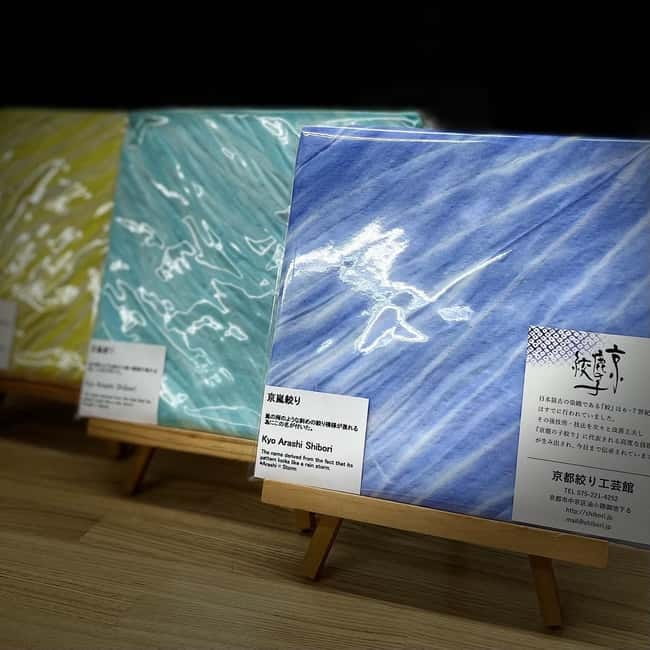
The museum displays finished shibori pieces and samples, giving you a chance to compare patterns with your own work. You might find that the samples help you understand how much control the tube-and-string method can provide. They also make the waiting period useful rather than awkward.
A video about shibori is shown as part of the museum experience. It gives additional context about the art and helps connect your small project to the wider craft tradition.
The museum opened in 2001 and was created to introduce shibori to a wider audience. Its displays include finished masterpieces and valuable tools used in the process. That combination is helpful because you see both the beauty of the final fabric and the equipment behind it.
I would allow myself time to look closely rather than rushing straight to the shop. The class gives you a basic understanding of resist dyeing, and the museum displays can help you see how the same broad idea has been developed into more complex works.
Why the museum visit adds real value
The included museum admission normally costs 1,000 yen. At a total price of $49 per person, the workshop is not the cheapest short activity in Kyoto, but the admission helps explain the price.
You are paying for three connected parts: instruction, your own scarf, and entry to a specialist museum. The value is strongest if you care about Japanese textile arts or want a keepsake you made yourself. If you only want a quick souvenir, buying an item in the shop may take less time and cost less, though it will not give you the hands-on experience.
The museum also gives the activity some substance. You are not making an isolated craft with no context. You learn a method, see examples, and view the tools used to produce shibori work.
That said, keep your expectations sensible. A one-hour class cannot teach every shibori style or turn you into an expert textile artist. Think of it as a well-focused introduction, with a finished scarf to take away.
The museum shop and finished textiles
The shop sells original items, souvenirs, and fabrics. It is a useful final stop because you can compare your own scarf with professionally made accessories.
The shopping portion may appeal to people who want a wider choice of colors, fabric types, or designs than the class provides. It also gives you a way to buy a gift connected to the craft, rather than a generic Kyoto souvenir.
I would treat the shop as optional, not the main reason to book. The strongest part of this activity is the link between learning and looking. The shop works best after you have seen the museum displays and understand more about the labor behind the textiles.


Fitting the class into a Kyoto day
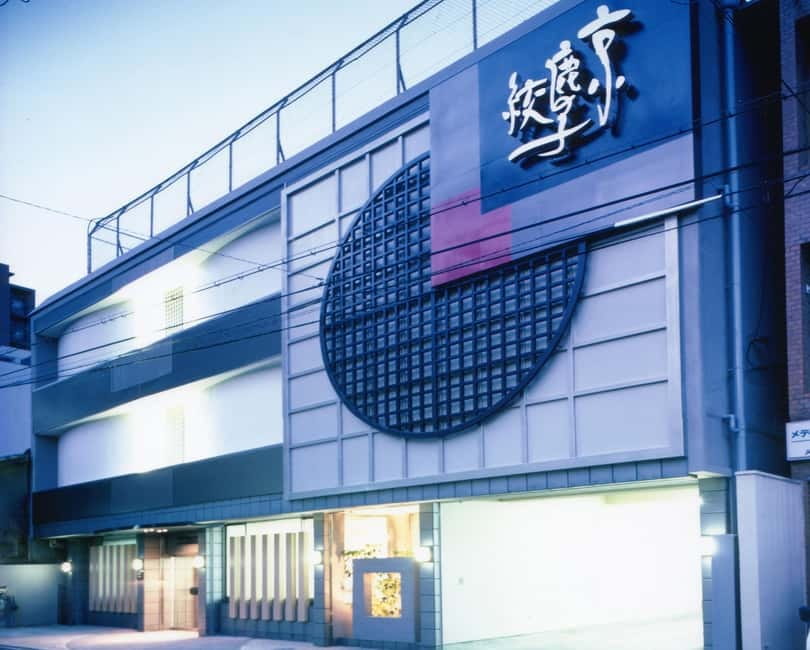
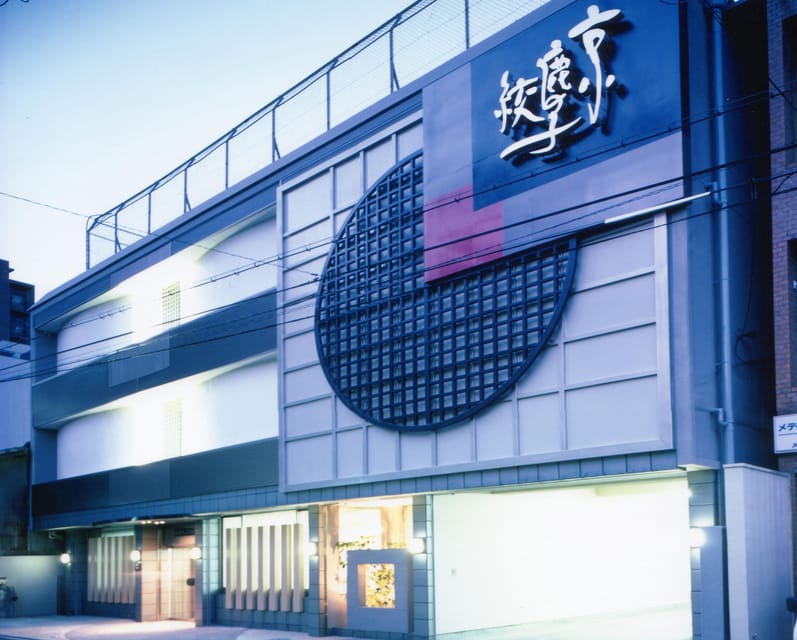
The location makes this easy to combine with sightseeing. The Kyoto Shibori Museum is a five-minute walk from Nijo Castle, so you can pair the class with a castle visit without planning a complicated transfer.
The one-hour duration is helpful when building a schedule, but leave a little breathing room around it. The class is advertised as lasting 30 to 60 minutes, and you will want time to see the museum displays and browse the shop.
This is also a good rainy-day activity. The work takes place indoors, and the museum provides something to see while your scarf dries. I would not book it as a substitute for a full cultural tour of Kyoto, but it fills a short gap well.
The activity begins at set times, so check availability before building your day around Nijo Castle. You can reserve now and pay later, and cancellation is free up to 24 hours in advance for a full refund. Those terms are useful when your Kyoto plans may change.
Who will enjoy this most
This class is a strong match for:
- Couples who want a shared activity and a small keepsake.
- Friends looking for something creative rather than another sightseeing stop.
- Visitors interested in Japanese textiles and traditional craft.
- Families with participants who can follow a short hands-on lesson.
- Shoppers who want to understand the fabric before buying something from the shop.
- Anyone staying near central Kyoto who wants an activity close to Nijo Castle.
It may be less suitable if you want a long, highly technical workshop. The class is brief, and the main goal is to introduce the museum’s scarf-making method.
It is also worth considering your interest in the finished item. The charm comes partly from the fact that you made it, but the outcome will reflect a short class rather than professional textile production. That is part of the fun, though perfectionists may need to relax and accept a little surprise in the final pattern.
Price, group size, and language
The listed price is $49 per person. Since museum admission of 1,000 yen is included, the cost covers more than the workshop alone.
For a short Kyoto activity, I see the price as fair when you value the scarf and museum visit together. It is less compelling if you plan to skip the displays and only want a basic craft lesson. The museum’s specialist focus gives the experience more purpose than a generic souvenir workshop.
The maximum group size is eight. English and Japanese instruction are available, so check that your preferred language is offered at your chosen time. A small group also makes this a better choice for people who prefer direct instruction over a large public demonstration.
The activity has a rating of 5 from six reviews, with praise focused on the friendly staff, clear guidance, the museum visit during drying time, and the video about shibori. Those details point to the experience’s strongest feature: it makes the practical class and museum displays work together.
Should you book the scarf class?
Book it if you want a compact, creative Kyoto activity with a finished textile to take home. The combination of hands-on making, museum admission, and a location near Nijo Castle gives the hour real value.
I would especially choose it for a couple or small group of friends. You can make scarves together, compare the patterns, then look through the museum and shop. The instructor can teach in English or Japanese, and the group limit keeps the class personal.
Skip it if you want an advanced textile course or a longer workshop with several dyeing stages. For everyone else, this is a practical way to meet one Japanese craft in person, without giving up a full day of sightseeing.
FAQ
How long does the Kyo-arashi Shibori Scarf Class last?
The activity lasts about one hour. The scarf-making portion takes approximately 30 to 60 minutes, depending on the class.
How much does the class cost?
The price is $49 per person.
Is museum admission included?
Yes. Workshop participants receive free admission to the Kyoto Shibori Museum. Normal admission is 1,000 yen.
Where is the Kyoto Shibori Museum?
The museum is in Kyoto on Honshu, Japan. It is about a five-minute walk from Nijo Castle.
What shibori method will I learn?
You will learn the Kyoto Shibori Museum’s original tube-and-string resist-dyeing technique, which is used to create patterned scarves.
Is the class taught in English?
Yes. Instruction is available in English and Japanese.
How large is the class?
The class is limited to eight participants.
Can I cancel the booking?
Yes. You can cancel up to 24 hours in advance for a full refund. You can also reserve now and pay later.
More Workshops & Classes in Kyoto Prefecture
More Museum Experiences in Kyoto Prefecture
More tours in Kyoto Prefecture we've reviewed

Kyoto Prefecture, compared.
 ★ 4.9Kyoto: Zen Meditation and Garden Tour at a Temple with LunchFrom $1074h 30m
 ★ 5.0Kyoto: Hike and Hot Springs in KuramaFrom $804 hours
 ★ 4.9Itajime Shibori Scarf Class at Kyoto Shibori MuseumFrom $421 hour
 ★ 5.0Shibori Furoshiki Course at Kyoto Shibori MuseumFrom $421 hour
 ★ 5.0Kyoto Satoyama Cycling with Lunch and English GuideFrom $78
 ★ 5.0Kyoto 1 Day Suntory Yamazaki Distillery Tour and Asahi Art MuseumFrom $163