
Reviewed · KYOTO PREFECTURE
Kyoto: Learn Sushi at cooking studio with 20 years history
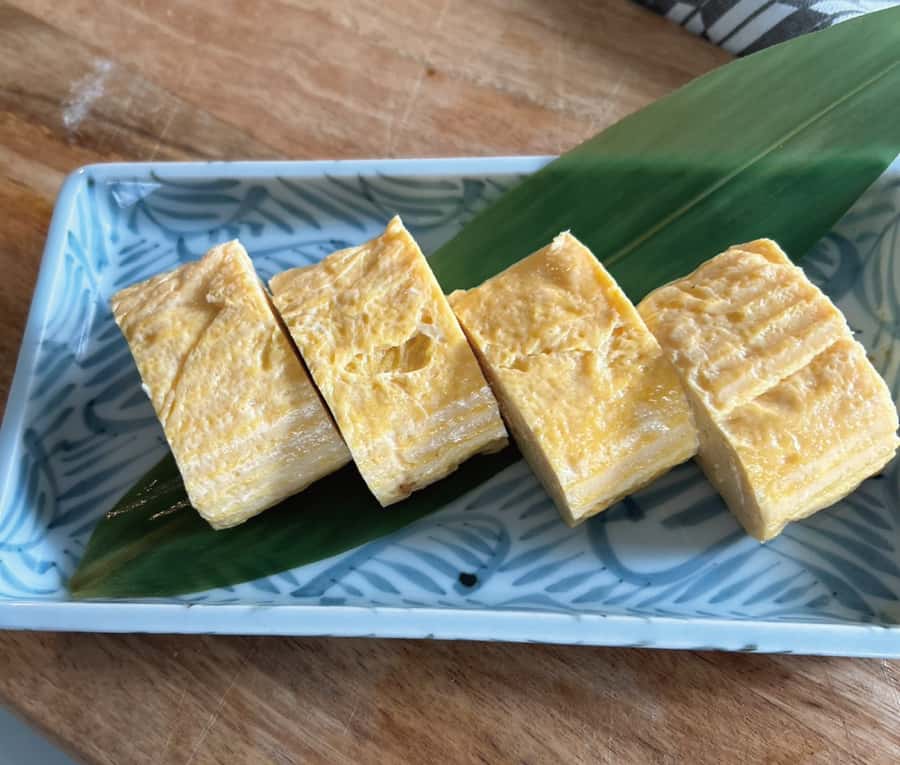
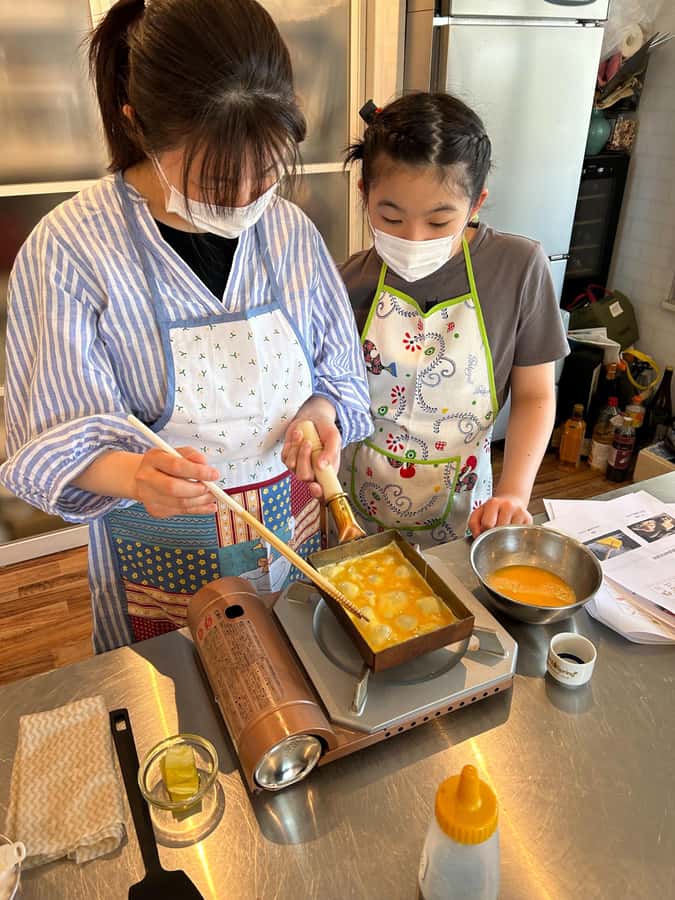
Sushi here is more than fish on rice. You learn the Japanese dashi tradition, taste the broth, prepare sushi rice, and watch the hostess make dashimaki, a soft Japanese omelet. The class takes place in a kitchen studio about 10 minutes from Kyoto Station.
I like the choice between nigiri sushi and chirashi sushi, since you can pick a style that suits your confidence and appetite. I also like the small-group limit of 10 people and the generous menu, which includes soup, namafu dengaku, and dessert. The main point to consider is that two hours goes quickly, so this is a guided introduction rather than a full cooking course.
In This Review
- Key points at a glance
- A Kyoto kitchen lesson, not just a sushi stop
- Choosing between nigiri and chirashi sushi
- Dashi tasting explains the quiet power of Japanese food
- The full menu makes the $96 price easier to judge
- What the two hours are likely to feel like
- Why the small group matters
- Location and arrival details near central Kyoto
- Dietary needs require advance notice
- How this class compares with a regular sushi meal
- Who will get the most from this experience
- Booking flexibility and practical planning
- Should you book the Kyoto sushi class?
- FAQ
- Where is the sushi cooking class held?
- How far is the studio from Kyoto Station?
- How far is it from Shijo Subway Station?
- How long does the class last?
- How much does the class cost?
- Can I choose the type of sushi I make?
- What is the difference between nigiri and chirashi sushi?
- What food is included?
- Are alcoholic drinks included?
- Can I cancel my booking?
Key points at a glance
- A 20-year Kyoto cooking teacher: Learn from the hostess who has run cooking classes for two decades.
- Two sushi styles: Choose hands-on nigiri sushi or colorful chirashi sushi.
- Dashi tasting included: Understand the savory stock that supports so much Japanese cooking.
- More than sushi: Make or enjoy dashimaki, dashi soup, namafu dengaku, and mitarashi dumplings.
- Easy indoor setting: The kitchen studio is near Kyoto Station and works in any weather.
- Good small-group format: The class is limited to 10 participants, with all meals included.
A Kyoto kitchen lesson, not just a sushi stop
This experience gives you a practical look at how several Japanese dishes fit together. Sushi gets top billing, but the class also introduces dashi, egg cooking, vegetables or seafood toppings, and a traditional Kyoto-style ingredient called namafu.
That mix matters. If you only make a few pieces of sushi, you learn one technique. Here, you also see how Japanese cooks build flavor with stock, balance a meal with small side dishes, and finish with a simple sweet.
The teacher has operated Kyoto cooking classes for 20 years. Her role is not limited to handing you ingredients. She explains the history of sushi and the appeal of Japanese food while guiding you through the preparation.
The class is held at Sumaya cooking class, on the third floor of a hair salon called Salon Roll. That unusual setting is useful to know before you arrive. You are looking for a cooking studio inside a working city neighborhood, not a large culinary school with a prominent street entrance.
If you're still narrowing it down, here are other tours in Kyoto Prefecture we've reviewed.

Choosing between nigiri and chirashi sushi
Your main choice is the kind of sushi you want to make.
Nigiri sushi is the familiar hand-formed style. Sushi rice is shaped, then paired with fresh fish or other ingredients. It is the more direct lesson in sushi technique, but shaping rice neatly takes some care. If you want the classic sushi-making experience, this is the natural pick.
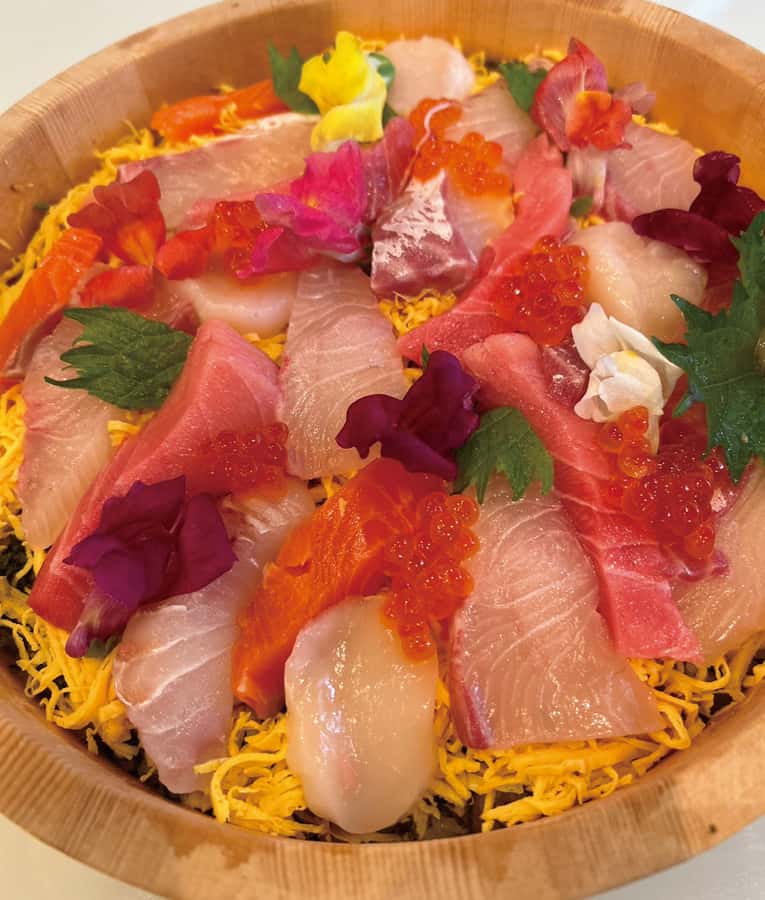
Chirashi sushi uses sushi rice topped with assorted ingredients, such as seafood, egg, and vegetables. It is less about forming individual pieces and more about arranging a complete bowl or plate. This can suit you if you prefer a colorful finished dish or want a simpler introduction to sushi preparation.
The available information does not specify the exact fish or toppings used on the day. Ingredients can vary, so you should treat the menu description as a guide to the style rather than a promise of a particular fish.
Both options give you a chance to prepare sushi rice. That is an important part of the lesson. Good sushi depends on the rice as much as the topping, and learning that basic step gives you something useful to remember after you leave Kyoto.
Dashi tasting explains the quiet power of Japanese food
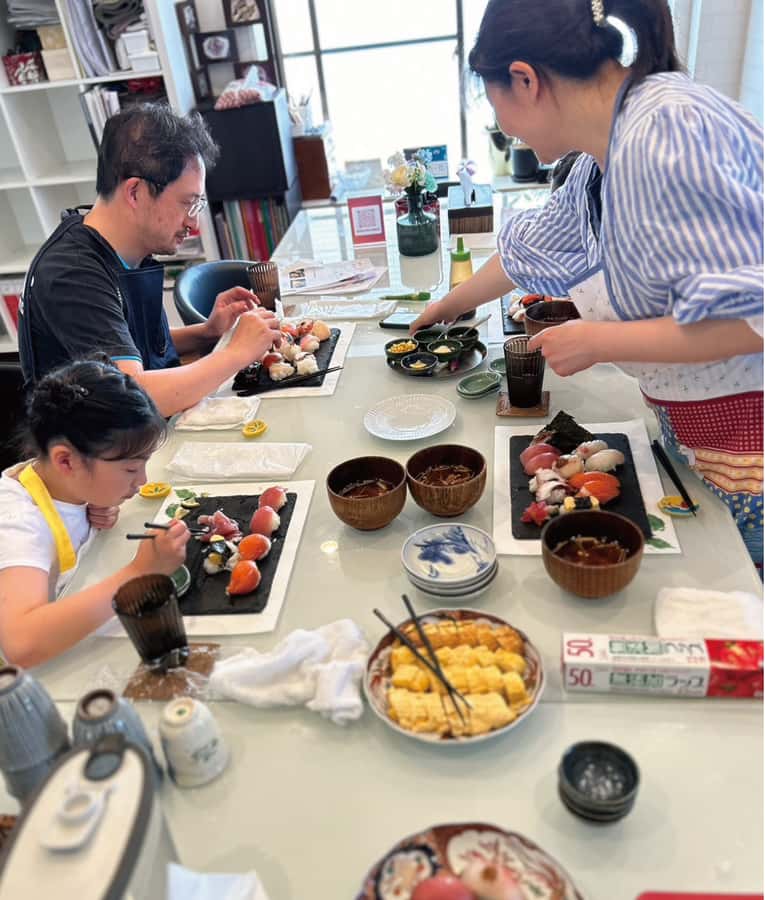
Dashi is a Japanese stock often used as a base for soups, sauces, and egg dishes. In this class, you taste dashi and have it served as soup, so you can notice how it works on its own and as part of a meal.
I like this part because it gives the sushi lesson a wider food context. Dashi can be easy to overlook when you are focused on raw fish, yet it helps explain the clean, savory flavor found in many Japanese dishes.
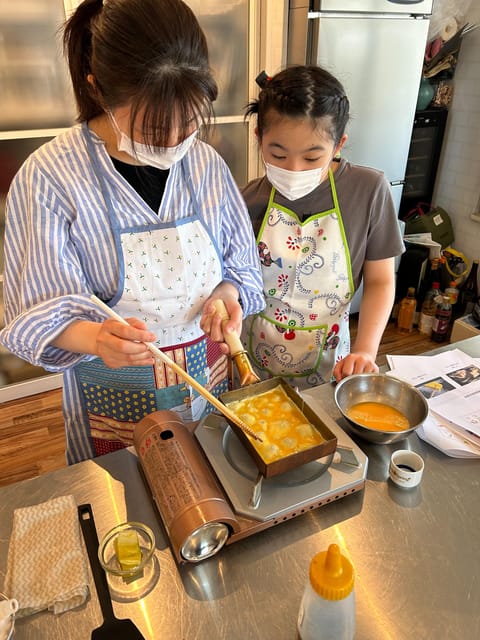
You also see dashimaki being made by the hostess. Dashimaki is a Japanese-style omelet prepared with dashi. It looks simple, but the soft texture and layered shape make it a useful demonstration of timing and control.
The supplied details describe a demonstration by the hostess herself, while the class centers on making sushi. You should therefore expect to watch the dashimaki technique rather than assume you will prepare every part of it from start to finish.
The full menu makes the $96 price easier to judge
At $96 per person, this class is not a budget meal. The value comes from combining instruction with a full spread of food in a two-hour indoor session.
Your included menu covers:
- Nigiri sushi or chirashi sushi
- Dashimaki
- Dashi soup
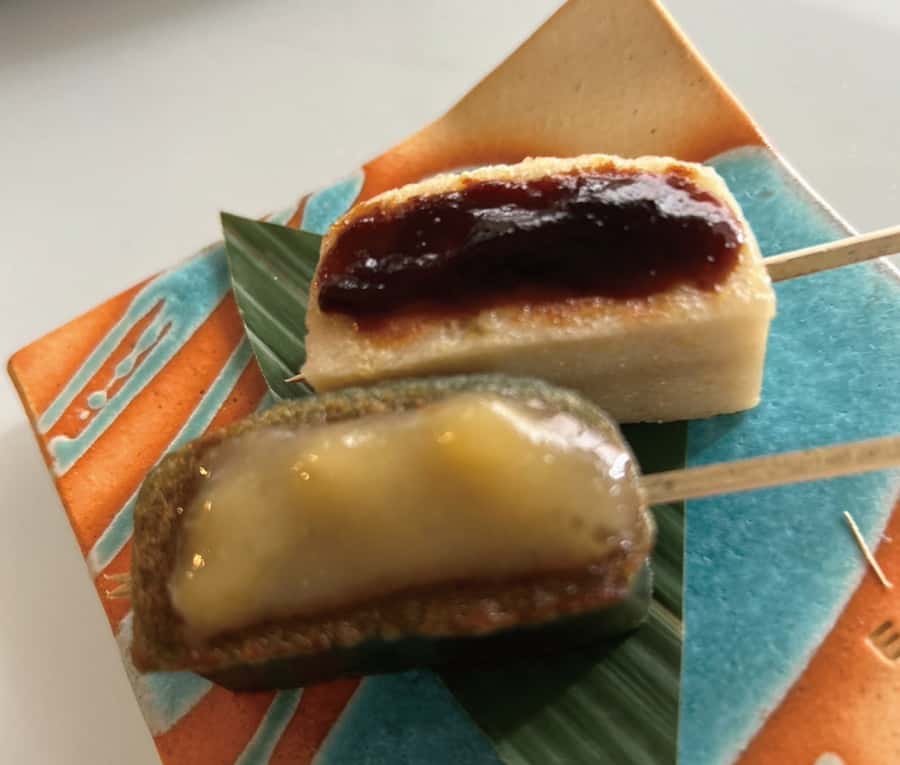
- Namafu dengaku
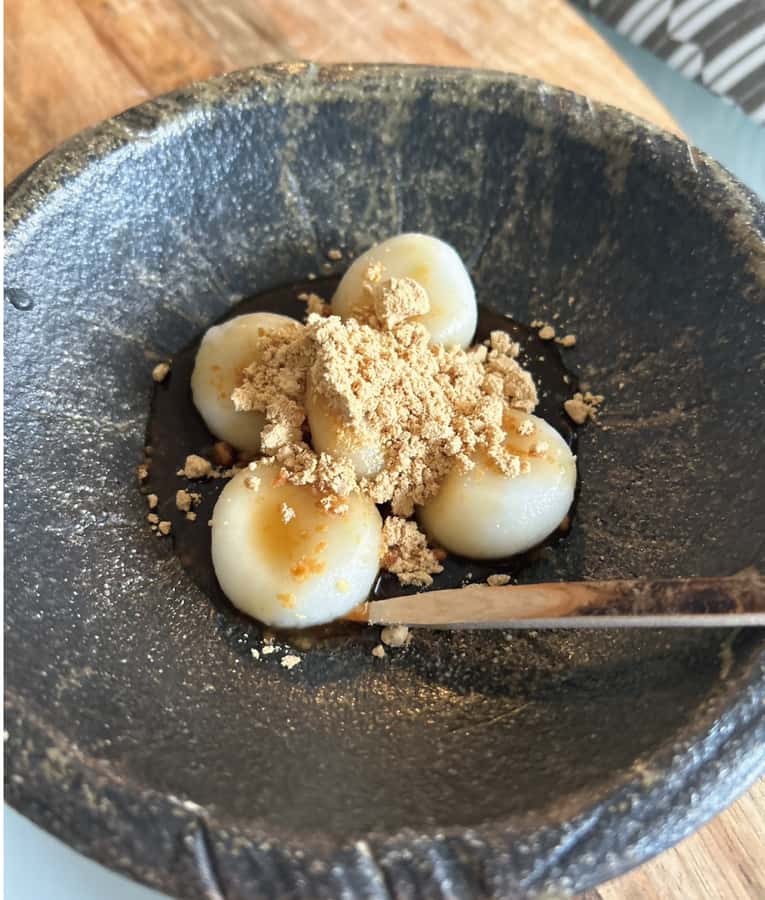
- Mitarashi dumpling
- All meals served during the class
Namafu is a soft wheat-gluten product associated with Kyoto cuisine. In namafu dengaku, it is served with a miso-based topping. This gives you a taste of a food that you might not encounter in a standard sushi meal.
Mitarashi dumplings provide a sweet finish. They are usually associated with a glossy sweet sauce, and here they round off the class after the savory dishes.
The amount of food is a real advantage. One participant specifically described the experience as providing so much food, and another noted that the class included sushi, teriyaki chicken, and dashi soup. The stated included menu lists namafu dengaku rather than teriyaki chicken, so the exact dishes may vary. If teriyaki chicken is important to you, ask when booking.
Alcoholic drinks are available for an extra charge. They are not part of the $96 price, so budget separately if you want one with the meal.
What the two hours are likely to feel like
The class begins with an introduction to Japanese food culture and the role of sushi. The teacher then presents dashi, including a tasting that lets you focus on its basic flavor.
Next comes the dashimaki demonstration. Watching the hostess prepare this Japanese omelet adds a useful visual lesson before you work with your own food. The class then moves into sushi rice preparation, followed by the sushi-making portion.
Your exact work depends on your choice of nigiri or chirashi. Nigiri gives you the task of forming sushi, while chirashi focuses more on preparing and placing assorted toppings over rice.
The remaining food completes the meal: dashi soup, namafu dengaku, and mitarashi dumpling. Since the session lasts only two hours, expect a brisk, organized pace. You will get a taste of several techniques, but not a long practice period for each one.
This format suits you if you want a clear introduction while fitting another Kyoto activity into the same day. It may feel short if you hope to master sushi or ask extended questions about every dish.



Why the small group matters
The class accepts up to 10 participants. That is small enough to feel more personal than a large demonstration, while still allowing a social setting.
A small group also matters in a kitchen. You need to see the teacher’s hands during the dashimaki demonstration and follow instructions while preparing rice and sushi. The 10-person limit should make that easier than in a large commercial class, although the actual number in your session can be lower or close to the limit.
The class is led by the hostess of the cooking studio, and her 20 years of experience give the lesson continuity. You are not simply watching a one-off presentation. The teaching is built around a cooking classroom she has operated over a long period.
No individual teacher name is provided, so you should not expect a named chef-led event in the usual restaurant sense. The personal appeal comes from the hostess and her long experience running the class.
Location and arrival details near central Kyoto
The kitchen studio is about 10 minutes from Kyoto Station and about five minutes from Shijo Subway Station. Those travel times make the class fairly easy to pair with sightseeing in central Kyoto.
The meeting point is Sumaya cooking class, located on the third floor of Salon Roll, a hair salon. Pay close attention to the building name and floor. A cooking studio inside a hair salon is the sort of place you could pass without realizing you had arrived.
The indoor location is helpful in Kyoto’s rain, heat, or colder months. You do not need to plan around outdoor conditions, and the two-hour length leaves room for other plans before or after class.
Starting times can vary. Check the available time when you book and allow enough time to find the Salon Roll entrance.
Dietary needs require advance notice
You should state food allergies and dietary restrictions when booking. That is especially important in a sushi and dashi class, where fish, seafood, soy-based ingredients, and other common components may be used.
The available information does not promise vegetarian, vegan, gluten-free, halal, or other special menus. Do not assume a substitution is possible. Give clear details in advance and confirm that the class can accommodate your needs.
Babies under 1 year are not suitable for this activity. The information does not set out other age restrictions, so families with older children should check the booking conditions if that matters to their plans.
How this class compares with a regular sushi meal
A restaurant meal lets you focus on eating. This class asks you to understand the steps behind the food. You prepare sushi rice, make sushi, taste dashi, and watch dashimaki being prepared.
That makes the experience useful for a first visit to Japan. You leave with a better sense of why sushi rice has a particular texture and why dashi appears in so many dishes. The meal also includes foods beyond the sushi counter, especially namafu dengaku and the sweet dumpling.
The tradeoff is speed and simplicity. You will not be choosing from a long menu or receiving a chef’s omakase. The class follows a set structure, and the sushi choice is limited to nigiri or chirashi.
The food is also part of the price, but the main value is the instruction and cultural context. If you only want the cheapest way to eat sushi, a restaurant will cost less. If you want a meal plus a practical lesson, $96 is easier to justify.
Who will get the most from this experience
I would point this class toward first-time visitors who want a gentle introduction to Japanese cooking without committing half a day. It also suits people who like to take part rather than only photograph food.
Families should check age and dietary details carefully. The class is not suitable for babies under 1 year, and allergies must be declared at booking.
It is a good fit for:
- First-time sushi makers
- Couples or friends seeking a shared indoor activity
- Visitors interested in dashi and Kyoto food traditions
- People staying near Kyoto Station or Shijo
- Anyone who wants a full meal after a hands-on lesson
It may be less suitable if you want advanced knife skills, a long professional cooking workshop, or a menu built around your dietary preferences. The class is broad and approachable, not a specialist chef-training session.
Booking flexibility and practical planning
You can cancel up to 24 hours before the activity for a full refund. The reserve-now-and-pay-later option also helps if your Kyoto schedule is still taking shape.
The duration is two hours, but allow extra time for reaching the third floor of Salon Roll and getting settled. Since the class begins at a set time, arriving at the last minute could make the opening explanation harder to follow.
The class has received a perfect rating from the three ratings provided, with especially strong praise for the friendly hostess, clear explanations, the quantity of food, and the overall meal. One participant called the experience informative and recommended it, while another highlighted the combination of sushi, teriyaki chicken, and dashi soup. Again, the published included menu names namafu dengaku, so check the current menu if you want to know exactly what will be served.
Should you book the Kyoto sushi class?
Book it if you want more than a sushi lunch. The best reasons are the hostess’s 20 years of teaching, the dashi tasting, the choice of sushi style, and the generous menu of side dishes and dessert.
At $96, it asks you to pay for a guided cultural activity as well as food. That is fair value if you care about learning how Japanese dishes are made and want a reliable indoor plan near central Kyoto.
Skip it if your priority is a low-cost meal, advanced sushi training, or a fully confirmed special-diet menu. For everyone else, especially first-time visitors who like a friendly, practical class, this is a well-shaped two-hour introduction to sushi and Kyoto cooking.
FAQ
Where is the sushi cooking class held?
It is held at Sumaya cooking class, on the third floor of a hair salon called Salon Roll.
How far is the studio from Kyoto Station?
The kitchen studio is about 10 minutes from Kyoto Station.
How far is it from Shijo Subway Station?
The studio is about five minutes from Shijo Subway Station.
How long does the class last?
The class lasts two hours.
How much does the class cost?
The listed price is $96 per person.
Can I choose the type of sushi I make?
Yes. You can choose nigiri sushi or chirashi sushi.
What is the difference between nigiri and chirashi sushi?
Nigiri is basic Japanese sushi made with shaped sushi rice and toppings. Chirashi is sushi rice topped with assorted ingredients such as seafood, egg, and vegetables.
What food is included?
The class includes all meals, nigiri or chirashi sushi, dashimaki, dashi soup, namafu dengaku, and a mitarashi dumpling.
Are alcoholic drinks included?
No. Alcoholic drinks are available as an additional-cost option.
Can I cancel my booking?
You can cancel up to 24 hours in advance for a full refund. A reserve-now-and-pay-later option is also available.
More tours in Kyoto Prefecture we've reviewed




Kyoto Prefecture, compared.
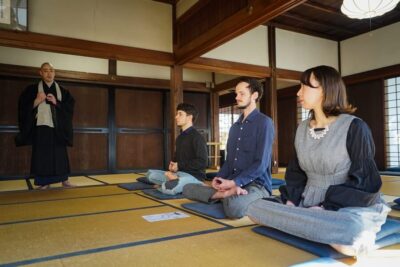 ★ 4.9Kyoto: Zen Meditation and Garden Tour at a Temple with LunchFrom $1074h 30m
 ★ 5.0Kyoto: Hike and Hot Springs in KuramaFrom $804 hours
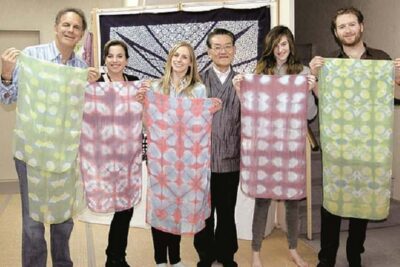 ★ 4.9Itajime Shibori Scarf Class at Kyoto Shibori MuseumFrom $421 hour
 ★ 5.0Shibori Furoshiki Course at Kyoto Shibori MuseumFrom $421 hour
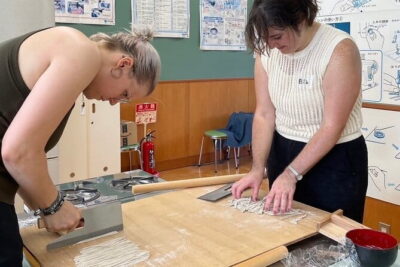 ★ 5.0Kyoto Satoyama Cycling with Lunch and English GuideFrom $78
 ★ 5.0Kyoto 1 Day Suntory Yamazaki Distillery Tour and Asahi Art MuseumFrom $163